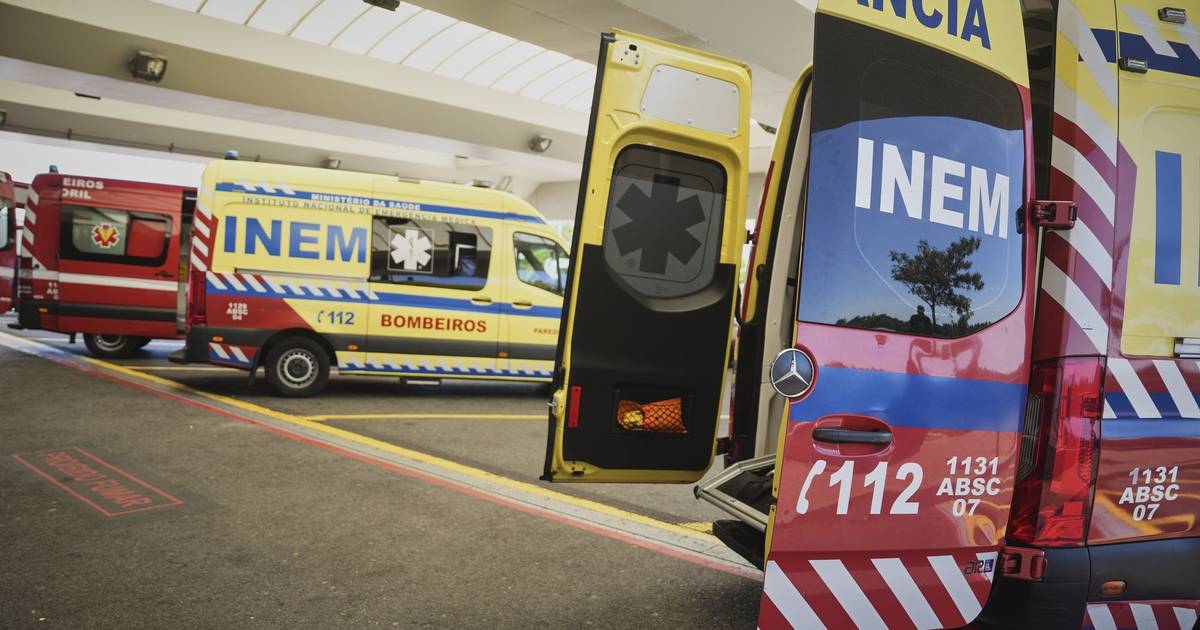
Following post-depression Kristin, the Government has declared a state of calamity for 60 municipalities as Civil Protection warns of an elevated flood risk in the coming days. The measure centralises resources and fast‑tracks emergency funding, placing urgent demands on local services for evacuation planning, infrastructure inspections and continuous minute-by-minute weather monitoring. Authorities urge residents to follow official updates, prepare for possible evacuations and heed flood warnings as forecasts evolve.
Post-depression Kristin — response to the damage and minute-by-minute weather updates
Friday, 30 January 2026RSS

Context & Explainers
A state of calamity (situação de calamidade) is the highest level of civil emergency Portugal can declare under its Civil Protection framework, short of a constitutional state of emergency. It is typically declared by the government in response to severe natural disasters such as major wildfires, floods, or storms.
A calamity declaration activates the National Civil Protection Emergency Plan, mobilizes additional resources, and grants authorities expanded powers to restrict movement, requisition private property, and deploy military assets. It also unlocks emergency financial support for affected populations and municipalities.
Portugal uses a three-tier alert system: alerta (alert), contingência (contingency), and calamidade (calamity), each with escalating levels of coordination and authority. The state of calamity requires coordination between the national government, ANEPC, local authorities, and emergency services.