Latest news and stories about election campaign in technology in Portugal for expats and residents.
I'll vote for the AI President. A candidate able to foresee needs before they become crises, to ask why wages stagnate while GDP grows, and to prevent four‑hour queues in public services.

A study analysed how the presidential election candidates communicated on the main social networks throughout December.

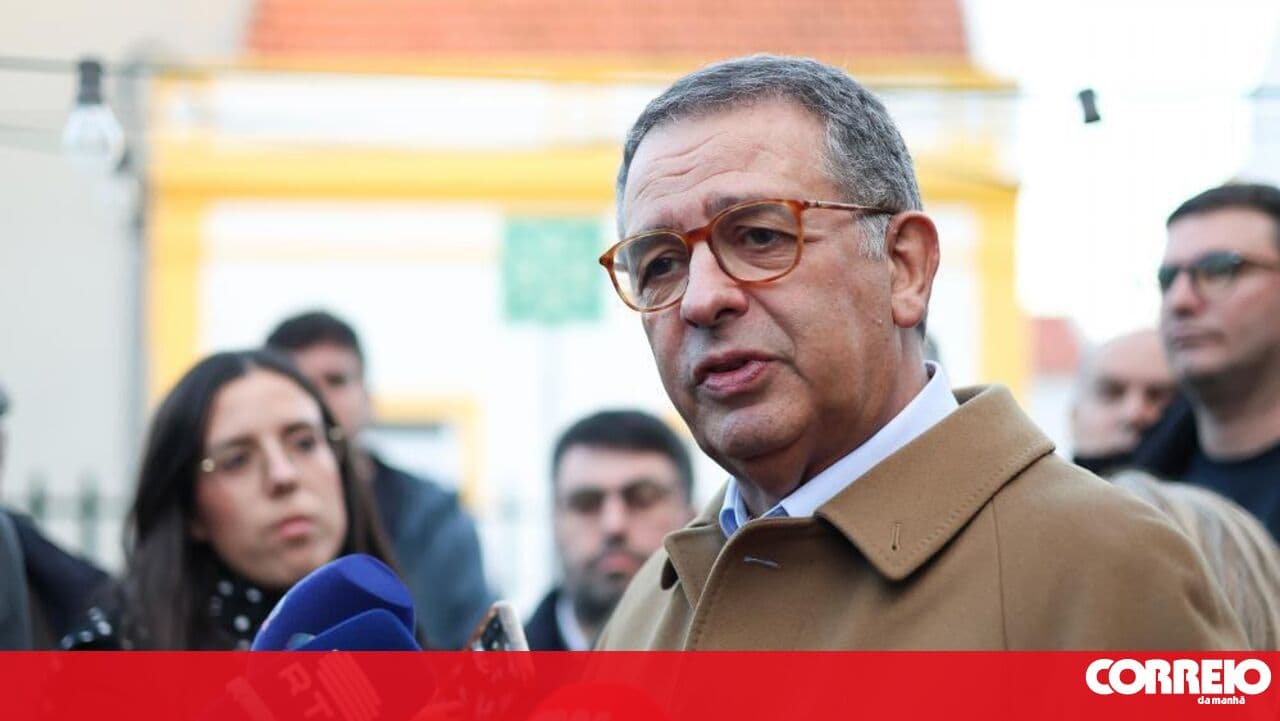
An IPAM analysis of about 2,104 social‑media posts finds LuĂs Marques Mendes has the least digital traction while candidates differ between volume (AndrĂ© Ventura) and engagement (Jorge Pinto); Cotrim combines reach and involvement in a more balanced way. The study highlights how digital strategies vary across platforms and could shape mobilisation in the final campaign phase. Political observers and voters should note online traction does not directly equal votes but can influence turnout and narrative dynamics.

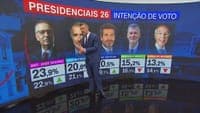
Day nine of the Tracking Poll, reported by Pedro Benevides, shows a growing three-way dynamic in the Portuguese presidential race: AntĂłnio JosĂ© Seguro, AndrĂ© Ventura and JoĂŁo Cotrim de Figueiredo are pulling ahead of Henrique Gouveia e Melo and LuĂs Marques Mendes. The pattern suggests the contest may crystallise into a three-way fight in the final campaign days, and — with the exception of Chega's leader — most main contenders have yet to secure full backing from their own bases.

A LabCom study at the University of Beira Interior finds disinformation linked to the presidential campaign has reached over 7.7 million views on social media since November 2025, with André Ventura associated with about 85.7% of identified cases. Multiple national outlets report the figures consistently, noting the high concentration around one candidate and the scale of reach. Voters and social-media users should be cautious about viral claims and cross-check major assertions with reputable outlets.

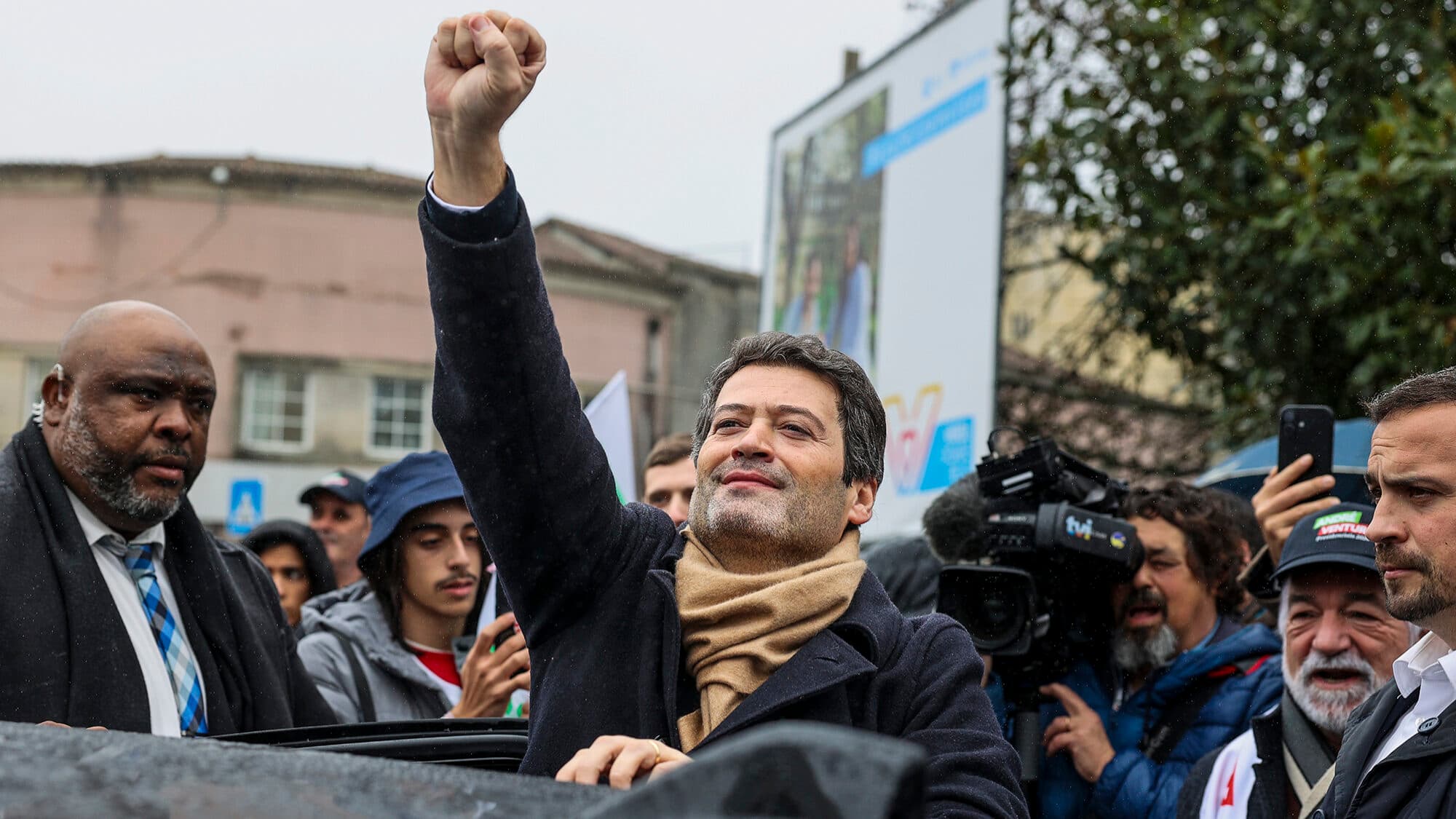
André Ventura, born January 15, 1983, is a lawyer, academic, and Portugal's most prominent far-right leader. He founded Chega ("Enough") in 2019 after his PSD mayoral campaign attacked the Romani community. Chega surged from 1.3% in 2019 to 22.8% in May 2025, becoming parliament's second-largest party and making Ventura Leader of the Opposition.
His platform emphasizes immigration restrictions, law-and-order policies, constitutional reform, and contains inflammatory anti-Romani rhetoric that has triggered multiple discrimination convictions and investigations. Politically classified as far-right by international media, Ventura cultivates alliances with European far-right figures including Marine Le Pen and Santiago Abascal.
He announced his 2026 presidential candidacy, polling at 18% alongside independent Admiral Gouveia e Melo. His rise ended Portugal's 50-year resistance to far-right parties.
LabCom is the Communication Laboratory at the University of Beira Interior (Universidade da Beira Interior), a research group that monitors media, political communication and disinformation. Its study found that since November 2025 election‑related disinformation posts have collected over 7.7 million views on social media, with André Ventura linked to 85.7% of the cases, which helps voters and residents understand the scale and sources of misleading content ahead of the vote.

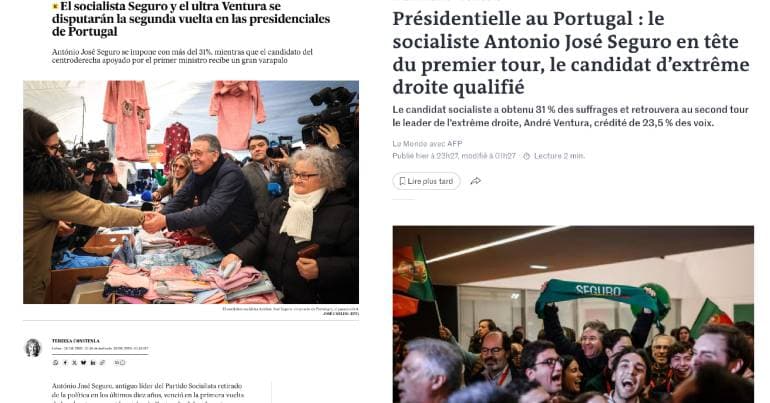
António José Seguro urged supporters to temper their euphoria, stressing that “nothing is won” until all votes are counted and the race is decided. His caution came amid a heated campaign atmosphere, with rival candidate Gouveia e Melo publicly lambasting Seguro as “shameless” after receiving explicit backing from Rui Rio — a development that underlines sharp interpersonal tensions and the high stakes of a closely contested presidential vote. The intervention is aimed at preserving discipline among backers and managing expectations as results approach.

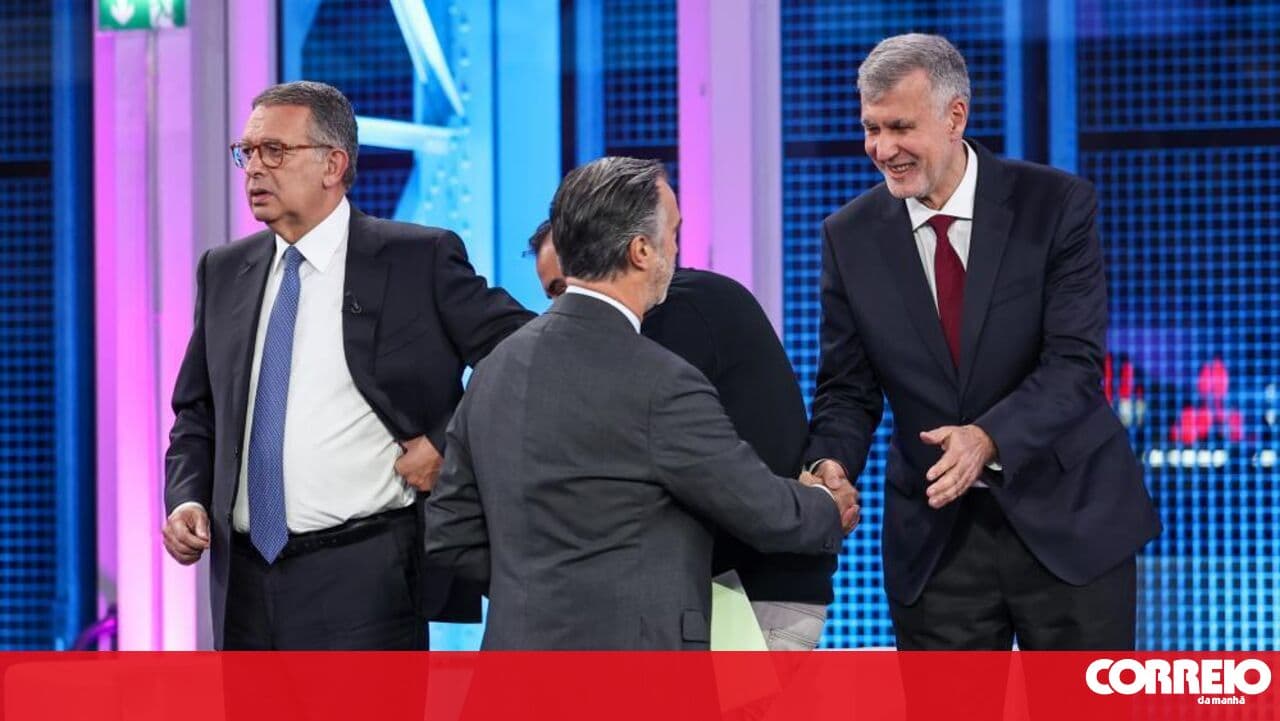
The RTP debate — the only one to include all 11 candidates — centred on personalised attacks and contrasting styles. Ventura and José Seguro were frequent targets while Rui Rio’s former ally Mendes emerged as the most aggressive, clashing chiefly with Admiral Gouveia e Melo; the two men’s exchange became the debate’s defining confrontation. Other notable dynamics included mutual restraint between Almirante and the Chega leader, André Pestana’s bold interventions, Manuel João Vieira’s ironic tone, and even criticism directed at Marcelo, suggesting a campaign increasingly shaped by personality and tactical barbs rather than detailed policy battles.