Dona Estefânia paediatric external emergency department closed until Sunday
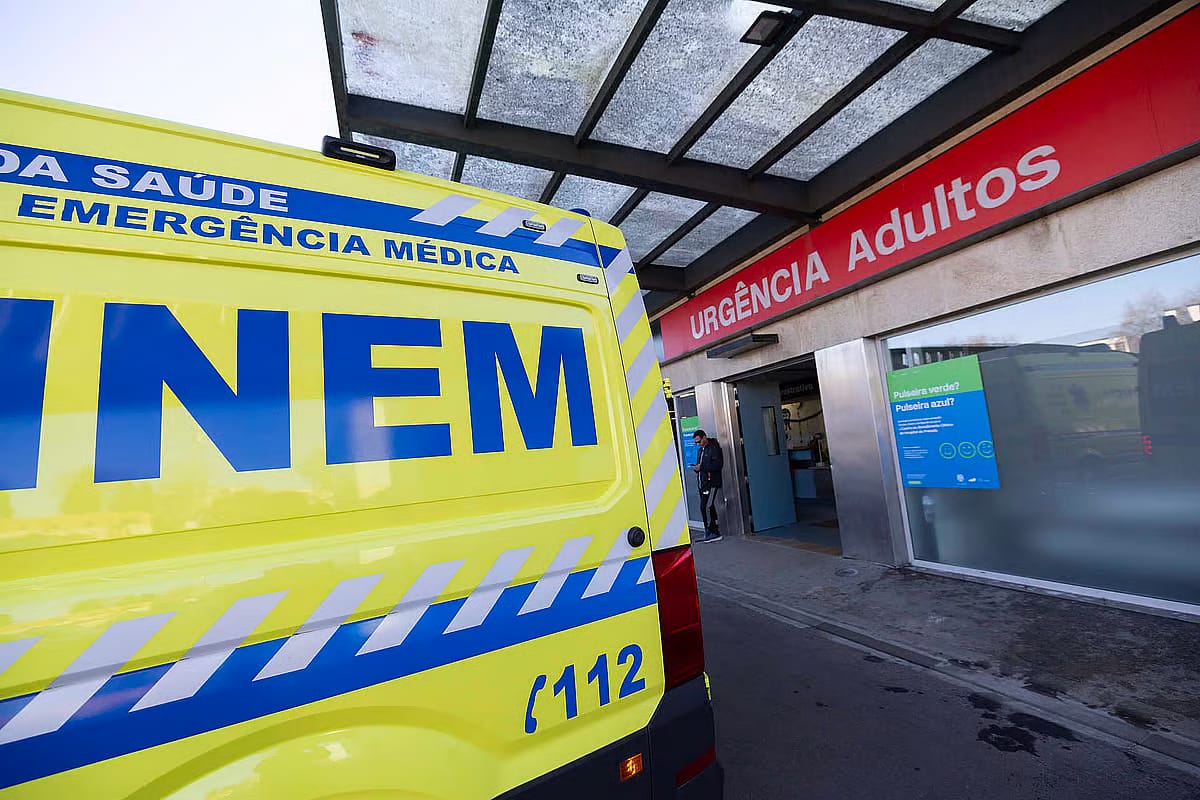
The external paediatric surgery emergency department at Dona Estefânia Hospital will remain closed until Sunday.

Latest news and stories about healthcare in technology in Portugal for expats and residents.
The external paediatric surgery emergency department at Dona Estefânia Hospital will remain closed until Sunday.

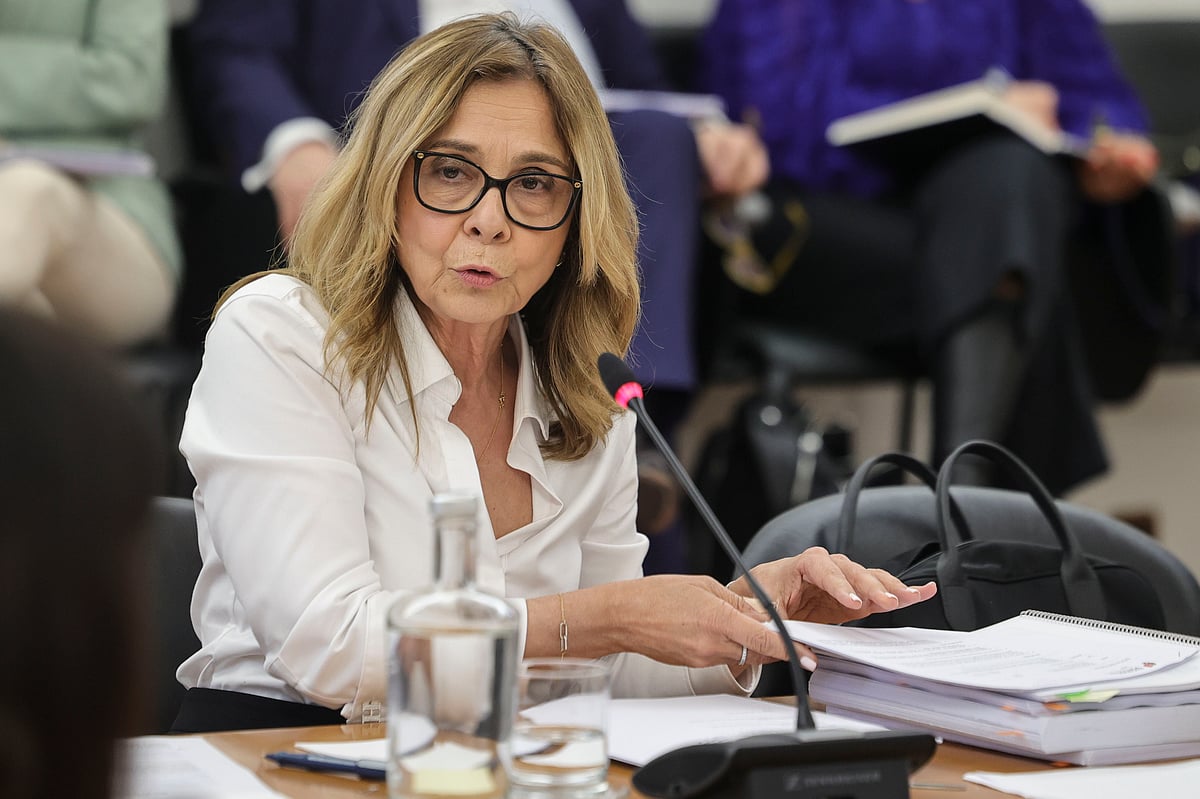
The Liberal Initiative has requested the digital footprint of strike notice emails sent to the Ministry of Health to verify claims made by officials, while the parliamentary inquiry committee considers potential perjury charges against the Health Minister.

The Parliamentary Inquiry Committee will recall Rui Lázaro to testify regarding strike communications, while the PSD explores the potential removal of Cristina Vaz Tomé following recent testimonies from victims' families.
A new regional gynaecology and obstetrics emergency service has launched on the Setúbal Peninsula, operating across the Garcia de Orta and São Bernardo hospitals while relying on a mix of permanent and temporary medical staff.

The Garcia de Orta Hospital faces potential overcrowding and staffing shortages as it becomes a regional hub following the permanent closure of the Barreiro obstetrics emergency department.

Artificial intelligence is revolutionising tuberculosis diagnosis by enabling rapid identification via chest X-rays, helping to combat the disease's stigma and improve early intervention for respiratory conditions.
Orthopaedic surgeons, urologists, and endocrinologists from Gaia Hospital are visiting health centres to provide consultations. This initiative enhances accessibility and reduces hospital overload.

Évora Hospital has become the first public institution in Portugal to implement an AI system called Genius Digital Imager for cervical cancer detection. This innovative technology enhances the accuracy of screening by using AI algorithms and high-resolution image analysis to identify precancerous and cancerous lesions. The system aims to improve healthcare in the Alentejo region by ensuring efficient and accurate diagnoses, while also emphasizing the importance of prevention in combating cervical cancer.

The article discusses the necessity for the State to increase funding for the social sector to adequately address the costs associated with an aging population, ensuring universal access to care for all individuals.

One month after storm Kristin, the Leiria hospital continues to grapple with the aftermath of the disaster, which saw 177 polytrauma patients flood the emergency department in just six hours. Healthcare professionals faced significant challenges, including a lack of communication and blocked roads, forcing patients to arrive in their own vehicles. As attention shifted from the storm's immediate impact, underlying issues in the healthcare system have resurfaced, highlighting ongoing chaos and the need for improved public safety policies.

An elderly woman tragically passed away in the emergency room of Gracia de Orta Hospital in Almada while waiting for medical attention after being triaged and moved to the clinical observation area.

In response to recent information regarding the so-called “Paracetamol Challenge”, Infarmed has published a set of recommendations on its Facebook and LinkedIn social media platforms about the correct use of medications containing paracetamol.
ULS is investing 11 million euros in health units in Elvas, with construction of the new operating theatre at the Hospital de Santa Luzia starting on 2 March and expected to last around 4 months. During this time, surgeries will be conducted at the Hospital de Portalegre.

The ULS of Leiria is currently providing assistance to professionals, but there are concerns regarding the expected demand for support in the next three months.

Hans Jørgen Wiberg, who was born in Denmark in 1965 and lives with tunnel vision, co‑founded Be My Eyes in 2015 to reduce everyday barriers for people who are blind or visually impaired. The mobile app connects users with sighted volunteers through live video calls so volunteers can provide remote visual assistance on demand. While the model has strong accessibility impact and low technical complexity, it depends on the scale and quality of a volunteer network and raises operational questions around reliability, privacy and availability. Given the headline framing as an “AI” app, the service also highlights an intersection where human‑in‑the‑loop assistance could be augmented by machine vision — offering potential scalability but bringing technical, ethical and usability trade‑offs that warrant careful deployment.

Despite repeated technical assessments, confirmed financial capacity and clear structural proposals, the SNS and INEM keep failing to deliver timely emergency responses. This analysis points to implementation gaps — weak governance, fragmented coordination between national and regional bodies, staffing shortages and poor resource allocation — rather than lack of solutions; the result is delayed care that harms patients (including expats) and undermines public wellbeing. Addressing the problem requires transparent accountability, an independent audit of operational bottlenecks, data-driven redistribution of resources and political commitment to implement already-defined reforms.

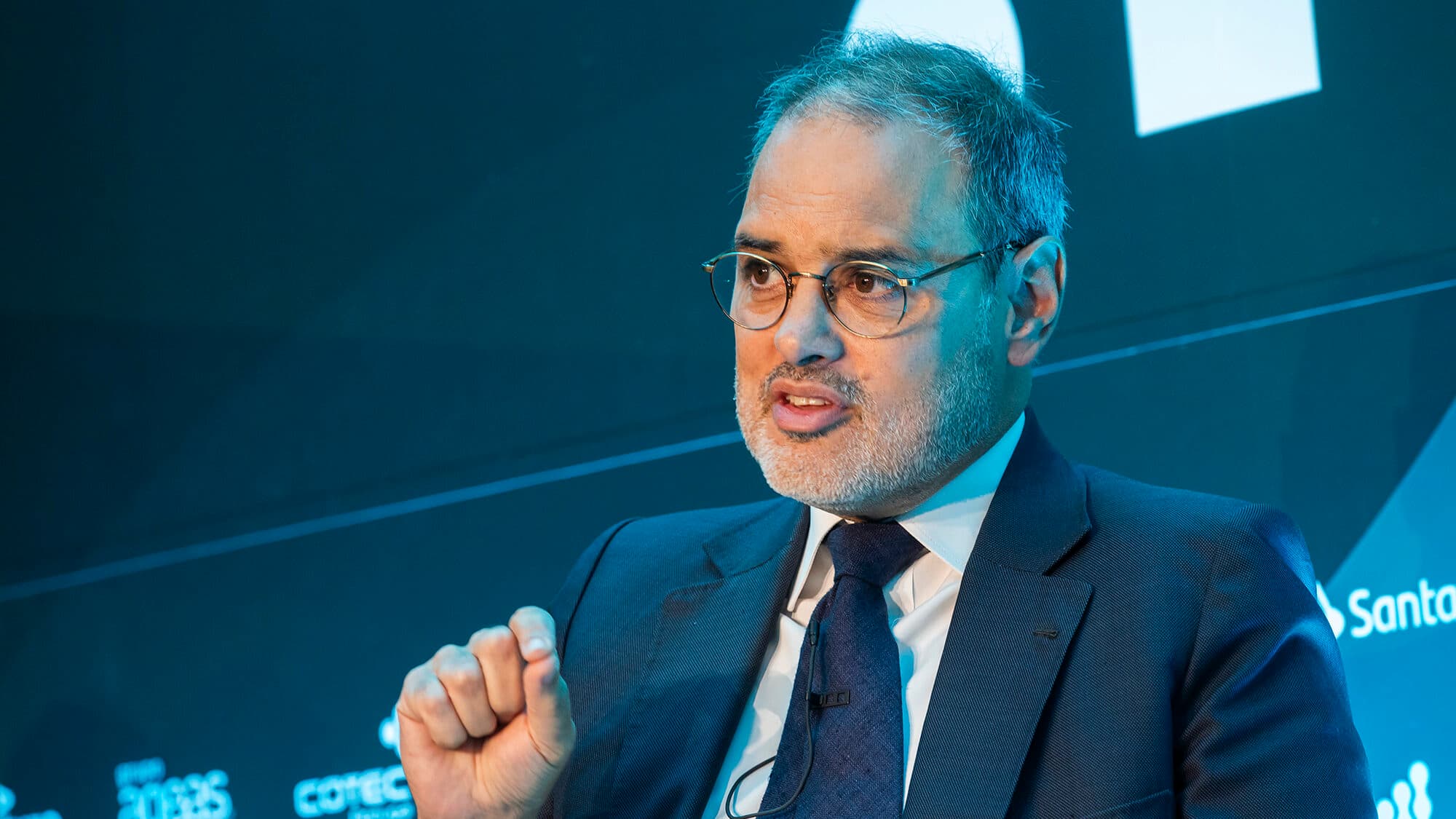
Admiral Gouveia e Melo has urged a change in health leadership, saying the Government should resign if it cannot resolve systemic problems in the healthcare system. He accuses the State of failing across the board, criticises missed deadlines for delivering results and calls for accountability and urgent action to protect patients and medical services. The remarks frame the crisis as a leadership and policy failure with direct implications for care delivery and public confidence.

Ten years ago, Garcia de Orta Hospital in Almada opened the first hospital-at-home unit. Today there are already 50 Local Health Units offering this service — a way of delivering healthcare to 400 patients receiving inpatient care outside the hospital.

Signed in Rome, the agreement between the two foundations aims to develop advanced non-profit cell therapies for cancer and autoimmune diseases.

The new tool provides updated information on the medication funding process and its status. It can be used by patients, healthcare professionals, and companies.

A platform created by researchers allows for the identification of cognitive decline patterns through the analysis of acoustic and linguistic signals in the human voice, helping to detect Alzheimer's.

Research from FMUP concluded that starting two treatments simultaneously in patients with heart failure is feasible and safe.

Could conventional medical consultations and the doctor-patient relationship eventually be replaced by mere interactions with artificial intelligence tools?

In an interview, researcher Miguel Prudêncio discusses the importance of adult vaccination, the challenges of developing a malaria vaccine, and the dangers posed by anti-vaccine misinformation and the politicisation of public health.

The insurance sector needs to reinvent its perceived value to the customer, combining technology, data, and personalisation to stop being seen merely as a claims payment mechanism. This was the main message of the “Insurance in Motion: New Relationship Models” conference held by the Catholic University on Monday, where industry experts debated...

The platform aims to “translate complex science into accessible language, so that patients, families, and healthcare professionals can better understand” the diseases, according to i3S.

The tool was implemented in July 2025.

The technology acts as a clinical decision support assistant for X-ray and CT scans and has “become an essential pillar” in the emergency department.

The Microsoft Healthcare Academy initiative has successfully provided AI training to 8,000 health sector workers across Portugal.