Portugal news explained

The Lisboeta

Portugal news explained

The Lisboeta
  1. Places
  2. Porto District
  3. Porto

Porto

Porto, Portugal

Latest news and stories from Porto.

Municipalities in Porto

Amarante(56)Baião(23)Felgueiras(54)Gondomar(101)Lousada(61)Maia(162)Marco de Canaveses(19)Matosinhos(440)Paços de Ferreira(42)Paredes(80)Penafiel(86)Porto(2743)Póvoa de Varzim(56)Santo Tirso(69)Trofa(40)Valongo(79)Vila do Conde(83)Vila Nova de Gaia(368)


  • Amarante(56)
  • Baião(23)
  • Felgueiras(54)
  • Gondomar(101)
  • Lousada(61)
  • Maia(162)
  • Marco de Canaveses(19)
  • Matosinhos(440)
  • Paços de Ferreira(42)
  • Paredes(80)
  • Penafiel(86)
  • Porto(2743)
  • Póvoa de Varzim(56)
  • Santo Tirso(69)
  • Trofa(40)
  • Valongo(79)
  • Vila do Conde(83)
  • Vila Nova de Gaia(368)
Recent articles
Related videos
Related podcasts

© 2026. All rights reserved.

TermsPrivacyCookies
GovernmentFinanceLegalDaily LifeWorkHealthInfrastructureCultureImmigrationPropertyEnvironmentEuropeTechnologyEducationTravelSportsHistoryCrypto

All videos

Porto court rules against dismissal in international hiring model

📍 Porto💼 Work⚖️ Legal#labour-law+3 more

The Porto Labour Court has declared the dismissal of an employee hired through an international Employer of Record (Employer of Record or EOR) structure to be unlawful. This ruling highlights the legal complexities surrounding this hiring model, which is increasingly used by foreign companies to employ staff in Portugal.

2 sources →25 Jul

Heavy vehicles banned from Porto's VCI on weekdays

📍 Porto🚇 Infrastructure🏛️ Government#public-transport+1 more

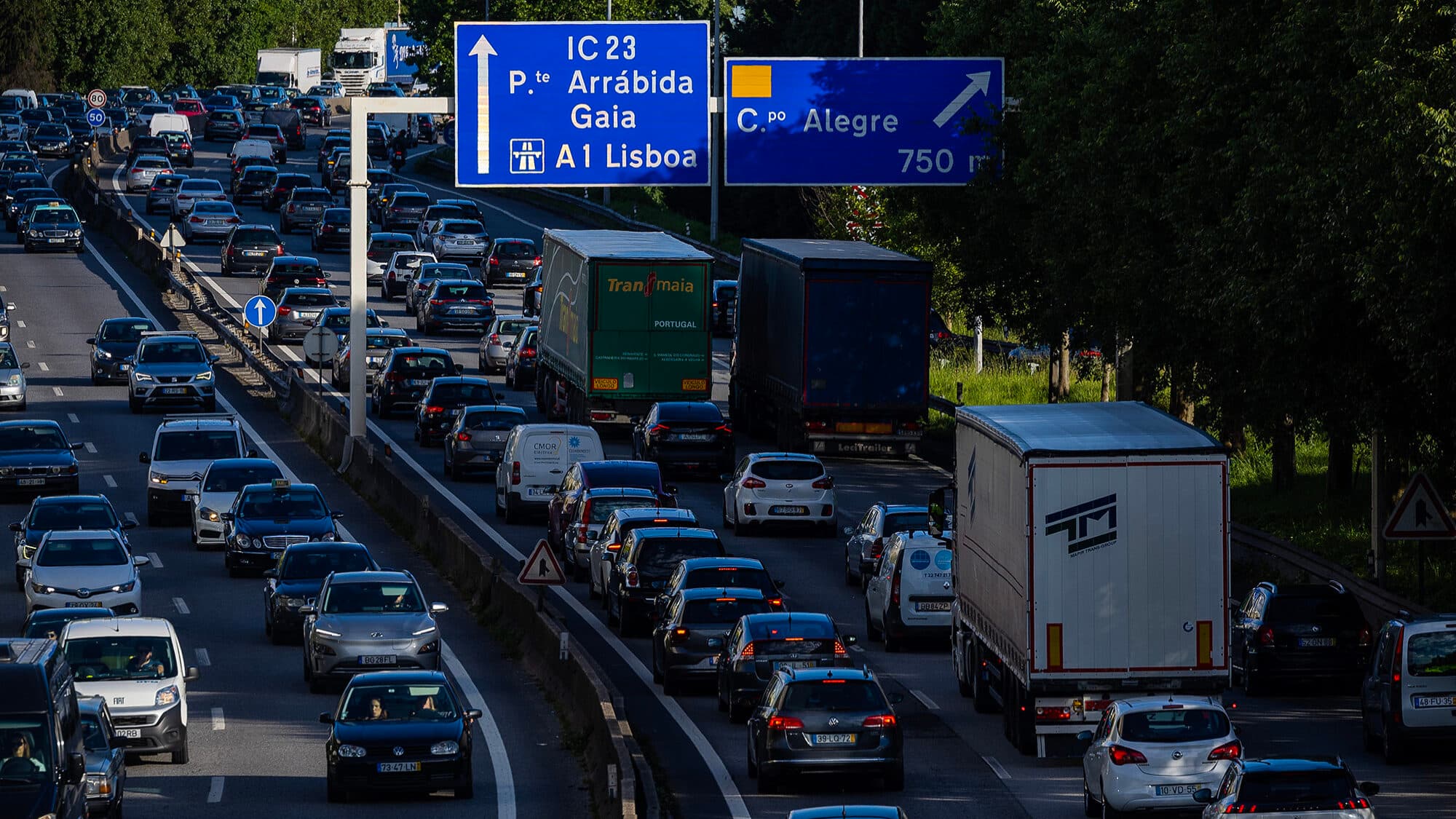
President Marcelo Rebelo de Sousa has promulgated legislation banning heavy goods vehicles from the Internal Beltway (Via de Cintura Interna or VCI) in Porto on weekdays between 7:00 and 21:00, starting September 15. To mitigate traffic, freight transport will be diverted to the Porto Outer Regional Circular (Circular Regional Exterior do Porto or CREP), which will now be toll-free.

Marcelo Rebelo de Sousa
  • Former President of Portugal (2016–2026)
  • Party: Independent (formerly Social Democratic Party, PSD)

Electoral Mandate and Democratic Consensus:

Marcelo Rebelo de Sousa was elected President of Portugal on January 24, 2016, winning 52.0% of the vote in the first round—a decisive victory in a fragmented field. He campaigned as an independent, positioning himself as a unifying figure after years of austerity from Portugal's 2011–14 bailout, promising to repair political divisions and restore national confidence. His campaign emphasized moderation and cross-party consensus, a departure from his decades-long association with the center-right Social Democratic Party (PSD). Upon taking office on March 9, 2016, he suspended his party membership for the duration of his presidency.​

His 2021 re-election proved extraordinary: Rebelo de Sousa secured 60.7% of the vote—the third-highest margin in Portuguese presidential electoral history since the 1974 Carnation Revolution. Historically, he became the first candidate ever to win in all 308 municipalities and the vast majority of parishes, ranging from 51.3% in Beja District to 72.16% in Madeira. This unprecedented sweep reflected his broad appeal across social, geographic, and ideological divides.​

Constitutional Role and Crisis Leadership:

Portugal operates as a semi-presidential system where the president, while largely ceremonial, exercises meaningful influence over national security, foreign policy, and military affairs as Supreme Commander of the Armed Forces. Rebelo de Sousa leveraged this authority during Portugal's response to the COVID-19 pandemic. In March 2020, he requested parliamentary authorization for a state of emergency—the first nationwide declaration in 46 years of democratic history—to contain the crisis. He voluntarily quarantined after potential COVID-19 exposure in March 2020, and later tested positive in January 2021 while remaining asymptomatic. His measured handling of the pandemic, balancing public health with institutional continuity, contributed to his landslide 2021 re-election.​

Diplomatic Engagement and International Presence:

Rebelo de Sousa has conducted extensive state visits representing Portugal's interests across diverse regions: the Vatican, Spain, Mozambique, Morocco, Brazil, Switzerland, Cuba, the United Kingdom, Greece, the United States, and Angola. A notable diplomatic highlight occurred in 2019 when he joined President Emmanuel Macron at the Bastille Day military parade in Paris, representing European military cooperation and the European Intervention Initiative. These engagements positioned Portugal as an active participant in global affairs, particularly regarding colonial history and Atlantic security partnerships.​

Colonial Legacy and Historical Accountability:

During his presidency, Rebelo de Sousa has publicly supported making restitution and acknowledging abuses committed during Portugal's colonial history and the country's role in the Atlantic slave trade. This position marked a significant policy shift, as Portugal historically avoided confronting its imperial past compared to other European powers. His stance reflected evolving attitudes within Portuguese society toward historical accountability.​

Controversies and Public Criticism:

Rebelo de Sousa's presidency has not been without controversy. In 2023, allegations emerged that he had intervened to expedite treatment for Brazilian twins with Zolgensma, an expensive rare disease medication, raising questions about presidential influence and potential corruption. These claims implicated his son and generated criticism across Portuguese political and media sectors. Additionally, in April 2024, Rebelo de Sousa made controversial remarks comparing the speed of Prime Ministers António Costa and Luís Montenegro using orientalist language that drew public rebuke. In August 2025, he called U.S. President Donald Trump a "Russian asset" at a PSD event, demonstrating his willingness to make provocative foreign policy statements.​

Constitutional Constraints and Legacy:

Under Portugal's constitution, Rebelo de Sousa is barred from running for a third consecutive term, meaning his presidency concludes with elections scheduled for January 18, 2026. His decade-long tenure has established him as one of Portugal's most popular recent heads of state, characterized by broad consensus-building and institutional stability. Whether future presidents can replicate his cross-party appeal remains an open question for Portuguese democracy as it enters a new era.​

The VCI (Via de Cintura Interna) is a major inner-ring motorway that circles the city of Porto. Starting 15 September, heavy goods vehicles are prohibited from using this road during daytime hours on weekdays to reduce traffic congestion and improve safety in the city center.

3 sources →24 Jul
Heavy vehicles banned from Porto's VCI on weekdays

Northern emergency center hit by two-hour IT failure

📍 Porto🩺 Health🚇 Infrastructure#emergency-services+2 more

The Northern Patient Emergency Guidance Centre (Centro de Orientação de Doentes Urgentes or CODU) experienced a two-hour IT system failure on Thursday evening. The outage, which lasted from 19:20 to 21:20, disrupted call handling and the dispatch of emergency resources, with reports indicating at least 50 incidents were not processed during this time.

The CODU (Centro de Orientação de Doentes Urgentes) is the emergency medical dispatch center responsible for coordinating urgent pre-hospital care in Portugal. It operates under the National Institute of Medical Emergency (Instituto Nacional de Emergência Médica or INEM) to assess medical emergencies and dispatch the appropriate resources, such as ambulances or helicopters.

4 sources →23 Jul
Northern emergency center hit by two-hour IT failure

Porto police officers jailed for drug-for-information scheme

📍 Porto⚖️ Legal🏛️ Government#crime-report+1 more

A Porto court has sentenced three former Public Security Police (Polícia de Segurança Pública or PSP) officers to prison terms ranging from four to nearly nine years. The officers were convicted for falsifying reports and diverting seized drugs and cash to pay informants for information. A judge presiding over the case stated that wearing a uniform does not grant the right to bypass the law.

PSP (Polícia de Segurança Pública)

The PSP (Polícia de Segurança Pública) is Portugal's national civilian police force, founded in 1867. Responsible for defending Republican democracy and safeguarding internal security and citizens' rights, the PSP polices major cities—Lisbon, Porto, Faro—and large urban areas, covering only 4% of Portugal's territory but roughly half the population. Led by a National Director under the Ministry of Internal Affairs, its approximately 21,500 officers handle preventive policing, crime investigation, public order, airport security, diplomatic protection, private security regulation, firearms licensing, and border control (since 2023).​

PSP vs. GNR: The PSP is civilian with police-focused training and urban jurisdiction, while the GNR (Guarda Nacional Republicana) is military (gendarmerie) with military training, covering 96% of Portugal's rural and suburban territory. Both share core public safety missions but differ fundamentally in nature, training, and geographic responsibility.

5 sources →14 Jul
Porto police officers jailed for drug-for-information scheme

Long queues form for Porto's free transport card

📍 Porto🚇 Infrastructure🏖️ Daily Life#public-transport+1 more

Over a hundred people, primarily elderly residents and immigrants, faced hours-long waits at the Porto Municipal Office on Monday to apply for the 'Porto Card'. The card provides free access to public transport, a measure welcomed by residents but currently causing logistical bottlenecks. Officials noted that many applicants were unaware that the process can be completed online or at ten other locations throughout the city.

3 sources →13 Jul
Long queues form for Porto's free transport card

Heritage group questions Porto city works

📍 Porto🏛️ Government🏠 Property#heritage-protection+1 more

The International Council on Monuments and Sites (Conselho Internacional de Monumentos e Sítios or ICOMOS) has requested urgent clarifications from Porto City Council regarding construction projects in the city's historic centre. The organization is seeking details on whether the works in the UNESCO World Heritage site were properly approved and monitored.

The International Council on Monuments and Sites (Conselho Internacional de Monumentos e Sítios or ICOMOS) is a non-governmental organization that advises UNESCO on the conservation of world heritage sites. It monitors construction projects in historic areas to ensure they comply with international preservation standards and do not threaten the integrity of protected sites.

4 sources →12 Jul
Heritage group questions Porto city works

Porto makes public transport free for city residents

📍 Porto🚇 Infrastructure🏖️ Daily Life#public-transport+1 more

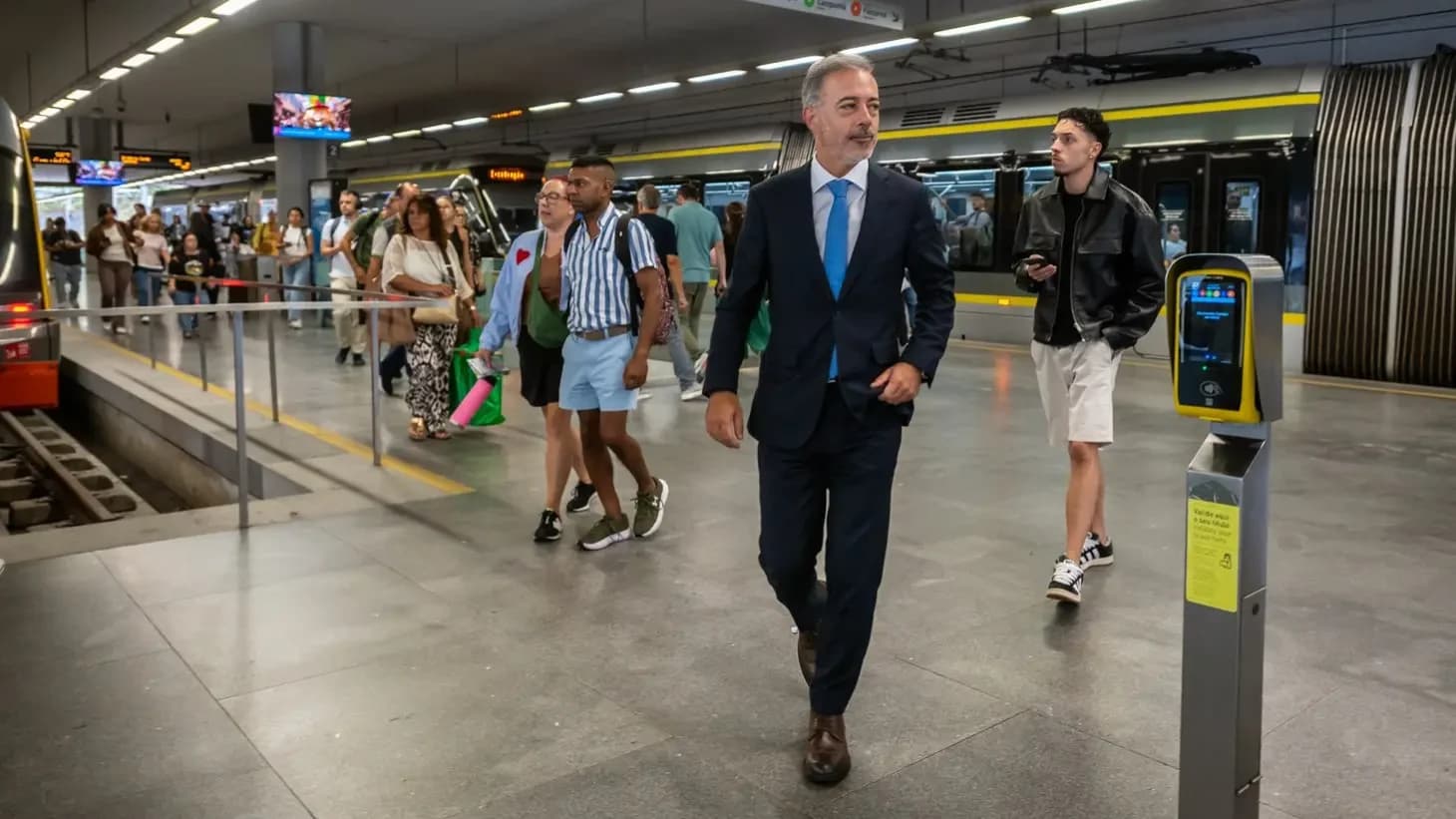
Public transport in Porto is now free for all city residents, a move announced by Mayor Pedro Duarte. The policy, which was a key campaign promise, aims to improve mobility, though some local officials argue that investment in rail infrastructure remains the more effective solution for the metropolitan area.

Pedro Duarte is the Mayor of Porto, elected in the most recent local elections. He leads the city's municipal government and is responsible for implementing local policies, such as the recent initiative to provide free public transport for residents.

3 sources →10 Jul
Porto makes public transport free for city residents

Heavy vehicles banned from Porto's VCI on weekdays

📍 Porto🚇 Infrastructure🏛️ Government#public-transport+2 more

Starting September 15, heavy goods vehicles will be prohibited from using the Via de Cintura Interna (VCI) in Porto between 7:00 and 21:00 on weekdays. The government approved the measure to reduce traffic congestion on one of the country's busiest roads, with the Porto City Council confirming the implementation date.

The VCI (Via de Cintura Interna) is a major inner-ring motorway that circles the city of Porto. Starting 15 September, heavy goods vehicles are prohibited from using this road during daytime hours on weekdays to reduce traffic congestion and improve safety in the city center.

6 sources →25 Jun
Heavy vehicles banned from Porto's VCI on weekdays

New affordable housing project launched in Porto

📍 Porto🏠 Property🏖️ Daily Life#property-market+2 more

Sonae Sierra and Solive have signed an agreement with the Porto City Council to build 331 affordable rental units in the Campanhã parish. The 'Cartes Living' project, expected to be completed by 2029, will be managed by the municipality under the 'Porto com Sentido' program, with the city acting as the landlord for up to 25 years.

2 sources →18 Jun
New affordable housing project launched in Porto

Protesters gather in Porto to denounce hate crimes

📍 Porto⚖️ Legal🏛️ Government#public-safety+1 more

Approximately 200 people demonstrated in Porto on Portugal Day to honor victims of hate crimes. Organized by the associations Vida Justa and SOS Racismo, the protest marched to Campo 24 de Agosto, a site where two Algerian immigrants were attacked by a neo-Nazi group two years ago.

3 sources →10 Jun

Porto to develop new economic and business district

📍 Porto🚇 Infrastructure🏠 Property#job-creation+2 more

Prime Minister Luís Montenegro and Porto Mayor Pedro Duarte announced plans to create a new Economic and Business District in the city. The project involves an urban reorganization of the Ramalde industrial area to better integrate existing services and industrial infrastructure.

Luís Montenegro
  • Prime Minister, Portugal: 2024 - Present
  • Party: Social Democratic Party (PSD)

Luís Filipe Montenegro Cardoso de Morais Esteves (born February 16, 1973, in Porto) is a Portuguese lawyer and center‑right politician who has served as Prime Minister of Portugal since April 2, 2024. A long‑time member of the Social Democratic Party (PSD), he is the leading figure of the post‑Troika generation of Portuguese conservatives. ​ Montenegro was elected to the Assembly of the Republic in 2002 for the Aveiro district and remained an MP for 16 years, becoming PSD parliamentary leader from 2011 to 2017 during the bailout and austerity period under Prime Minister Pedro Passos Coelho. He was a prominent defender of strict austerity measures, arguing in 2014 that “the life of the people is no better, but the life of the country is a lot better,” a phrase that has followed his public image since. ​ After an unsuccessful leadership bid against Rui Rio in 2020, Montenegro won the PSD leadership in 2022. He then forged the centre‑right Democratic Alliance (PSD–CDS‑PP and allies), which won a plurality of seats in the 2024 legislative election. Refusing to partner with the far‑right Chega, which he has called “often xenophobic, racist, populist and excessively demagogic,” he formed a minority government as head of the XXIV Constitutional Government on April 2, 2024. ​ His first government fell in March 2025 after a no‑confidence vote linked to a conflict‑of‑interest affair, but fresh elections saw the Democratic Alliance increase its seat share, allowing Montenegro to return as prime minister leading the XXV Constitutional Government. His importance to Portugal lies in attempting to re‑center the traditional centre‑right after the crisis years, defending liberal‑conservative economics and EU alignment while drawing a sharp line against formal cooperation with the radical right, thus shaping how Portuguese democracy manages its new multi‑party era.
1 source →13 May
Porto to develop new economic and business district

Montenegro aims for Portugal to become net EU contributor

📍 Porto🏛️ Government💶 Finance#government-policy+2 more

Prime Minister Luís Montenegro stated that Portugal must move beyond relying on European Union funding, aiming instead to become a net contributor to the EU budget. Speaking at the Catholic University of Portugal, he emphasized that while the country currently receives significant support, the goal is to foster economic growth that allows Portugal to contribute more than it receives.

Luís Montenegro
  • Prime Minister, Portugal: 2024 - Present
  • Party: Social Democratic Party (PSD)

Luís Filipe Montenegro Cardoso de Morais Esteves (born February 16, 1973, in Porto) is a Portuguese lawyer and center‑right politician who has served as Prime Minister of Portugal since April 2, 2024. A long‑time member of the Social Democratic Party (PSD), he is the leading figure of the post‑Troika generation of Portuguese conservatives. ​ Montenegro was elected to the Assembly of the Republic in 2002 for the Aveiro district and remained an MP for 16 years, becoming PSD parliamentary leader from 2011 to 2017 during the bailout and austerity period under Prime Minister Pedro Passos Coelho. He was a prominent defender of strict austerity measures, arguing in 2014 that “the life of the people is no better, but the life of the country is a lot better,” a phrase that has followed his public image since. ​ After an unsuccessful leadership bid against Rui Rio in 2020, Montenegro won the PSD leadership in 2022. He then forged the centre‑right Democratic Alliance (PSD–CDS‑PP and allies), which won a plurality of seats in the 2024 legislative election. Refusing to partner with the far‑right Chega, which he has called “often xenophobic, racist, populist and excessively demagogic,” he formed a minority government as head of the XXIV Constitutional Government on April 2, 2024. ​ His first government fell in March 2025 after a no‑confidence vote linked to a conflict‑of‑interest affair, but fresh elections saw the Democratic Alliance increase its seat share, allowing Montenegro to return as prime minister leading the XXV Constitutional Government. His importance to Portugal lies in attempting to re‑center the traditional centre‑right after the crisis years, defending liberal‑conservative economics and EU alignment while drawing a sharp line against formal cooperation with the radical right, thus shaping how Portuguese democracy manages its new multi‑party era.

SAPO6 sources →12 May
Montenegro aims for Portugal to become net EU contributor

Judiciary Police investigate rape report at Porto Queimódromo

📍 Porto⚖️ Legal🏖️ Daily Life#crime-report+1 more

A 22-year-old woman has filed a complaint alleging she was raped by a 25-year-old man at the Queimódromo in Porto during the Queima das Fitas festivities. The victim received treatment at Pedro Hispano Hospital, and the Judiciary Police (Polícia Judiciária or PJ) are currently investigating the incident.

Polícia Judiciária

The PJ (Polícia Judiciária) is Portugal's national criminal investigation police agency, founded in 1945. Operating under the Ministry of Justice and supervised by the Public Ministry (prosecutors), the PJ is a "higher criminal police body" specializing in serious and complex crimes. ​ Mission: The PJ assists judicial and prosecuting authorities by investigating terrorism, organized crime, homicide, kidnapping, drug trafficking, corruption, cybercrime, financial crime, and money laundering. It conducts forensic examinations, operates Portugal's Interpol and Europol liaison offices, and maintains specialized units including the National Counterterrorism Unit and National Anti-Corruption Unit. ​ Difference from PSP/GNR: While PSP (civilian urban police) and GNR (military rural police) focus on preventive policing, public order, and investigating minor crimes, the PJ exclusively handles serious crime investigation requiring specialized technical and scientific expertise. PSP and GNR report to the Ministry of Internal Affairs; PJ reports to the Ministry of Justice. PJ officers receive higher pay and prestige but face greater operational risk.

4 sources →9 May
Judiciary Police investigate rape report at Porto Queimódromo

Health inspectorate probes deaths at Santo António hospital

📍 Porto🩺 Health⚖️ Legal#healthcare+2 more

The General Inspectorate of Health Activities (Inspeção-Geral das Atividades em Saúde or IGAS) is investigating the deaths of ten patients who were on waiting lists for cardiac surgery at the Santo António hospital. These deaths reportedly occurred between 2022 and 2025, prompting oversight bodies to demand accountability for the long wait times.

IGAS is the Inspectorate-General for Health Activities (Inspeção-Geral das Atividades em Saúde or IGAS), the government body that inspects and audits public and private health services, investigates complaints and can recommend sanctions or changes. After reported failures in emergency care, IGAS can open inquiries, publish findings and advise the Ministry or the SNS on corrective measures; residents and patients can also file complaints that IGAS may investigate.

2 sources →4 May
Health inspectorate probes deaths at Santo António hospital

GNR commander warns of emerging threats to national security

📍 Porto🏛️ Government⚖️ Legal#public-safety+2 more

During the 115th-anniversary celebrations of the National Republican Guard (Guarda Nacional Republicana or GNR) in Porto, Commander-General Rui Veloso warned that national security is not guaranteed and requires a strategic approach. He highlighted the need to combat criminal networks, disinformation, and new forms of violence. President of the Republic António José Seguro also attended the ceremony, condemning recent assaults on officers as a threat to democratic society.

GNR (Guarda Nacional Republicana)

The GNR (Guarda Nacional Republicana) is Portugal's national gendarmerie—a military police force founded in 1911, with origins dating to 1801. With over 22,600 personnel, GNR patrols 94-96% of Portuguese territory, covering rural areas, medium towns, and highways. Members are military personnel subject to military law, responsible for public order, customs, coastal control, environmental protection (SEPNA), firefighting/rescue (GIPS), border control, and ceremonial guards. ​ GNR vs. PSP: The PSP (Polícia de Segurança Pública) is Portugal's civilian police force, covering major cities (Lisbon, Porto, Faro) and large urban areas—only 4% of territory but roughly half the population. PSP handles airport security, diplomatic protection, and private security regulation. Both share core missions (public order, crime prevention), but differ in nature: GNR is military with military training; PSP is civilian with police-focused training.

António José Seguro
  • President of Portugal (since March 9, 2026)
  • Party: Independent. Former leader of the Socialist Party (PS), Partido Socialista
  • Center-left

António José Martins Seguro (born March 11, 1962, in Penamacor) is a lawyer, political scientist, and the current President of the Portuguese Republic, inaugurated on March 9, 2026 after winning the two-round presidential election in January–February 2026.

Career: He led Socialist Youth (1990–1994), served as MEP (1999–2001), was Minister Adjunct to PM António Guterres (2001–2002), and led the PS parliamentary group (2004–2005). Elected PS Secretary-General in 2011 with 68%, he led the opposition during Portugal's bailout era. In 2014, António Costa defeated him in party primaries by a landslide, prompting Seguro's resignation and a decade-long retreat from politics. He returned in 2025, launching the movement UPortugal and announcing his presidential candidacy in June. He received official PS backing in October 2025 and won the presidency in February 2026.

Political philosophy: Seguro positions himself as representing a "modern and moderate" left, advocating financial responsibility while opposing austerity. As President, he has emphasized institutional trust, efficient governance, and a collaborative relationship with the government while maintaining rigorous constitutional oversight.

SAPO8 sources →3 May
GNR commander warns of emerging threats to national security

FC Porto champions. Porto City Council to host the 'dragons' on May 16

📍 Porto⚽ Sports🏖️ Daily Life#fc-porto+1 more

Porto City Council will host FC Porto to celebrate their Portuguese I Liga football title win on Saturday, May 16, the mayor, Pedro Duarte, announced today.

1 source →2 May
FC Porto champions. Porto City Council to host the 'dragons' on May 16

Boavista stadium and complex to be auctioned for 38M

📍 Porto🏠 Property⚽ Sports#investment+2 more

The Bessa Stadium in Porto, home to the Boavista football club, will go to auction after April 27 with a starting price of 38 million euros. The sale follows insolvency proceedings for the club, with the stadium and an adjacent complex available for purchase either separately or as a combined asset. The facility has been closed since May 2025 due to safety restrictions imposed by the National Emergency and Civil Protection Authority (Autoridade Nacional de Emergência e Protecção Civil or ANEPC).

A district emergency plan (Plano Distrital de Emergência) is a local civil-protection document that sets roles, resources and actions a district will use to prevent and respond to major incidents like floods, storms or wildfires. Municipal and district civil protection authorities prepare and can activate the plan with support from the national emergency agency (Autoridade Nacional de Emergência e Proteção Civil), ordering evacuations, opening shelters, closing roads and coordinating rescue teams. Those in affected districts should follow local instructions, sign up for official alerts and know their nearest shelter and evacuation routes during heavy rain.

2 sources →20 Apr
Boavista stadium and complex to be auctioned for 38M

Porto Metrobus begins paid commercial service today

📍 Porto🚇 Infrastructure🏖️ Daily Life#public-transport+1 more

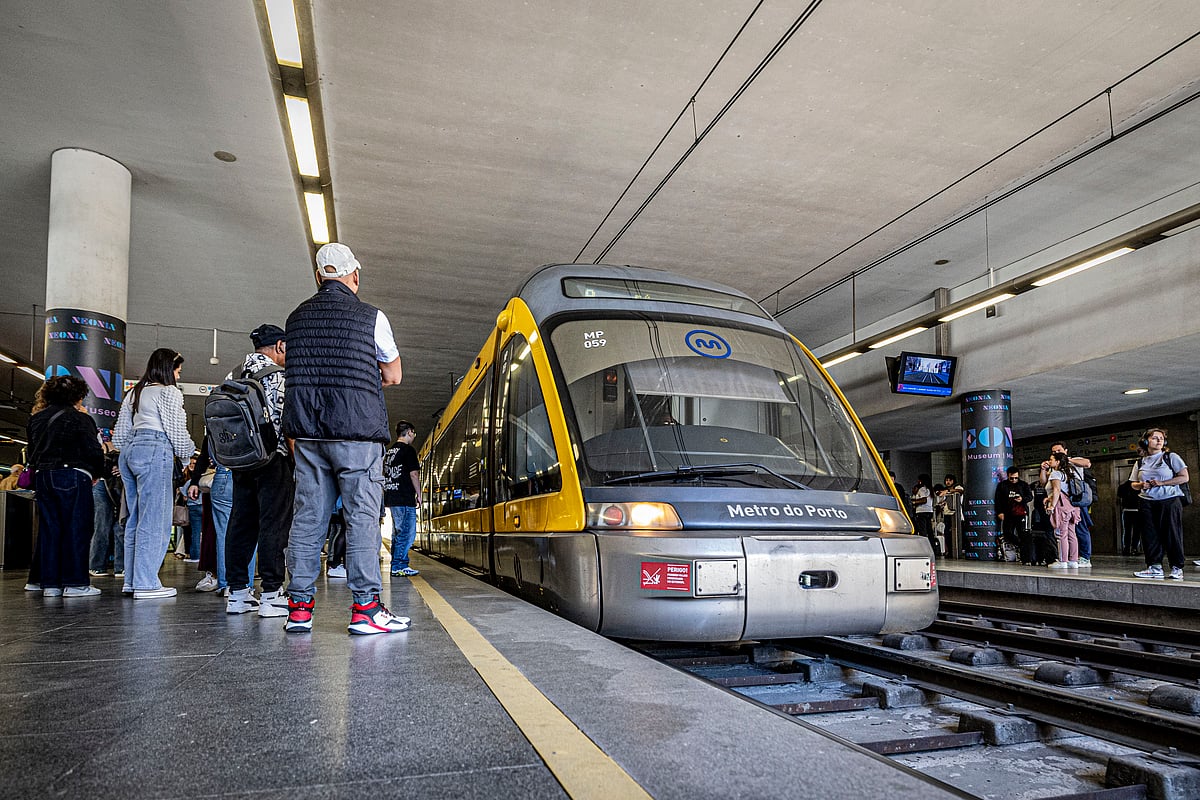
The Porto Metrobus has officially ended its 51-day experimental period and transitioned to a paid commercial service. Passengers traveling between Casa da Música and Praça do Império must now validate their transport tickets for the 12-minute route. While the first phase is fully segregated on Avenida da Boavista, the service currently shares road space with private vehicles on Avenida Marechal Gomes da Costa.

1 source →20 Apr
Porto Metrobus begins paid commercial service today

Porto Metro Rubi Line completion delayed until 2028

📍 Porto🚇 Infrastructure🏖️ Daily Life#public-transport+1 more

Construction of the Porto Metro's new Rubi Line, designed to connect Casa da Música to Santo Ovídio, has faced significant delays. The completion deadline has been pushed back by over a year, with the project now expected to finish in July 2028. Previous forecasts had suggested the line would be operational by 2026 or 2027.

3 sources →18 Apr
Porto Metro Rubi Line completion delayed until 2028

Surgery director faces investigation over irregular payments

📍 Porto💶 Finance🩺 Health#medical-services+2 more

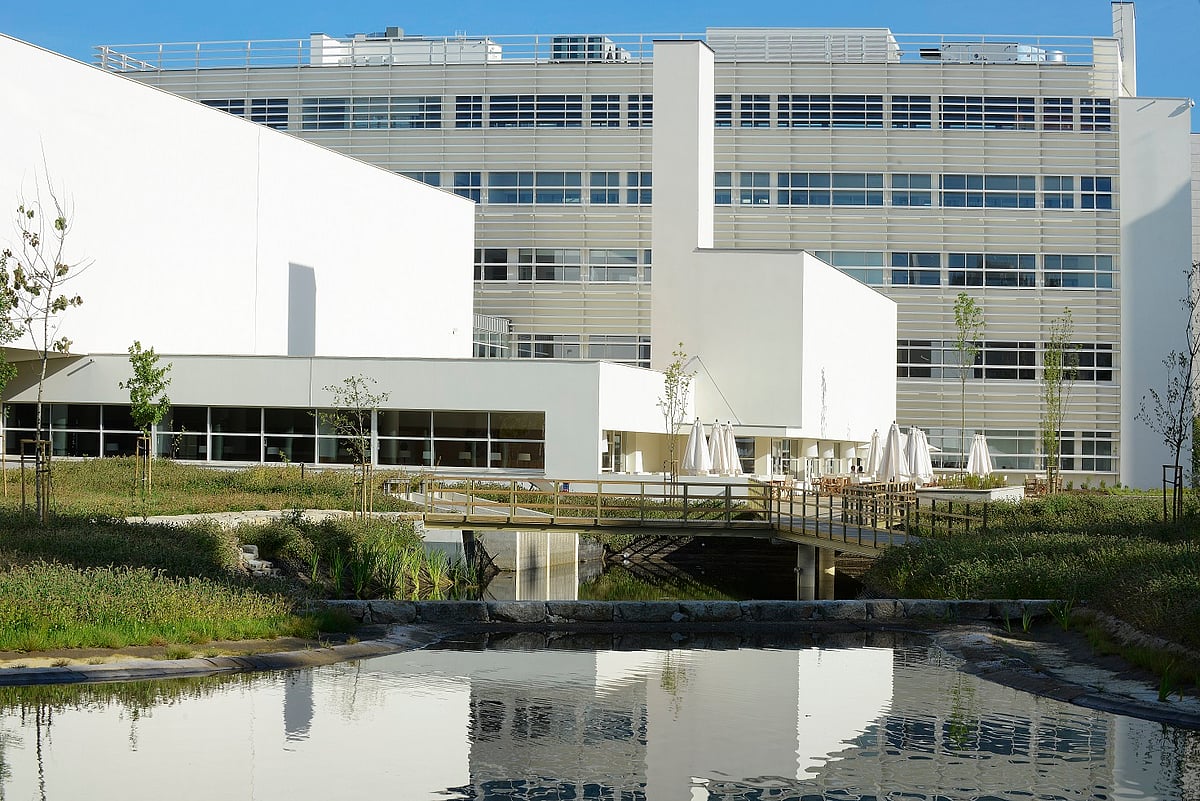
The Inspectorate-General of Health Activities (Inspeção-Geral das Atividades em Saúde or IGAS) is investigating Eurico Castro Alves, the surgery director at Hospital de Santo António in Porto, for allegedly receiving 179,000 euros in irregular commissions. The payments were linked to surgeries performed outside normal working hours under the Integrated System for Management of Waiting Lists for Surgery (Sistema Integrado de Gestão de Inscritos para Cirurgia or SIGIC). While the IGAS report deems the payments irregular, both the doctor and the local health unit maintain that the compensation was legal.

IGAS is the Inspectorate-General for Health Activities (Inspeção-Geral das Atividades em Saúde or IGAS), the government body that inspects and audits public and private health services, investigates complaints and can recommend sanctions or changes. After reported failures in emergency care, IGAS can open inquiries, publish findings and advise the Ministry or the SNS on corrective measures; residents and patients can also file complaints that IGAS may investigate.

The Integrated Management System for Surgery (Sistema Integrado de Gestão de Inscritos para Cirurgia or SIGIC) is a national platform used to manage waiting lists for surgeries within the public health system. It tracks patient wait times and helps coordinate procedures between different public hospitals and private clinics to ensure patients receive care within established legal timeframes.

7 sources →12 Apr
Surgery director faces investigation over irregular payments

Porto closes illegal dwellings to combat exploitation

📍 Porto🏠 Property⚖️ Legal#housing+3 more

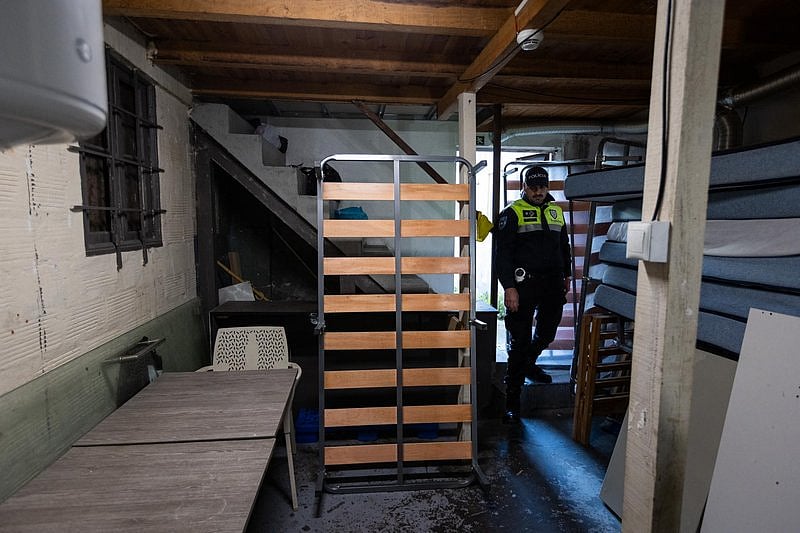
Porto Mayor Pedro Duarte announced the closure of ten illegal dwellings in the city, including a basement hidden beneath a souvenir shop on Rua de Santa Catarina. The council identified these sites as exploitative and is offering emergency support to the residents affected. Officials estimate that over 125 similar cases of illegal accommodation may exist throughout the city.

2 sources →9 Apr
Porto closes illegal dwellings to combat exploitation

Porto Business School online MBA ranked sixth globally

📍 Porto🎓 Education💼 Work#mba+3 more

The Porto Business School's Global Online MBA reached sixth place worldwide in the Financial Times Online MBA Ranking 2026. The program was ranked first globally for 'Value for Money' and 'overall satisfaction', with alumni reporting a 28% average salary increase three years after graduation. Students should note it is the only Portuguese institution featured in this specific global ranking.

2 sources →16 Mar
Porto Business School online MBA ranked sixth globally

Health authority evaluates funding for new brain cancer drug

📍 Porto🩺 Health🏛️ Government#healthcare+3 more

The National Authority for Medicines and Health Products (Infarmed) is evaluating whether the state will pay for a new brain cancer drug called Voranigo. The evaluation follows a rejected special authorization request for a 35-year-old patient, though the agency is now considering a more general approval for use in public hospitals. Patients and families should note that the drug targets specific gliomas and has already been approved for use in other jurisdictions.

1 source →15 Mar
Health authority evaluates funding for new brain cancer drug

Porto adds 124 affordable rental flats

📍 Porto🏠 Property#affordable-rent+3 more

Porto's affordable-rent programme will add 124 new apartments, with rents reportedly ranging from €525 to €950, after an Ageas Portugal investment of about €18 million to redevelop an old factory site in Campanhã. The project includes 124 rental units for middle-income households plus 27 homes for sale on the open market and is part of the city's 'Build to Rent' push to expand arrendamento acessível (arrendamento acessível). Those seeking rental housing in Porto should monitor official allocation rules and local council announcements about eligibility and application windows.

1 source →7 Mar
Porto adds 124 affordable rental flats

Alsa adds 53 electric buses to Porto area

📍 Porto🚇 Infrastructure🏖️ Daily Life#public-transport+3 more

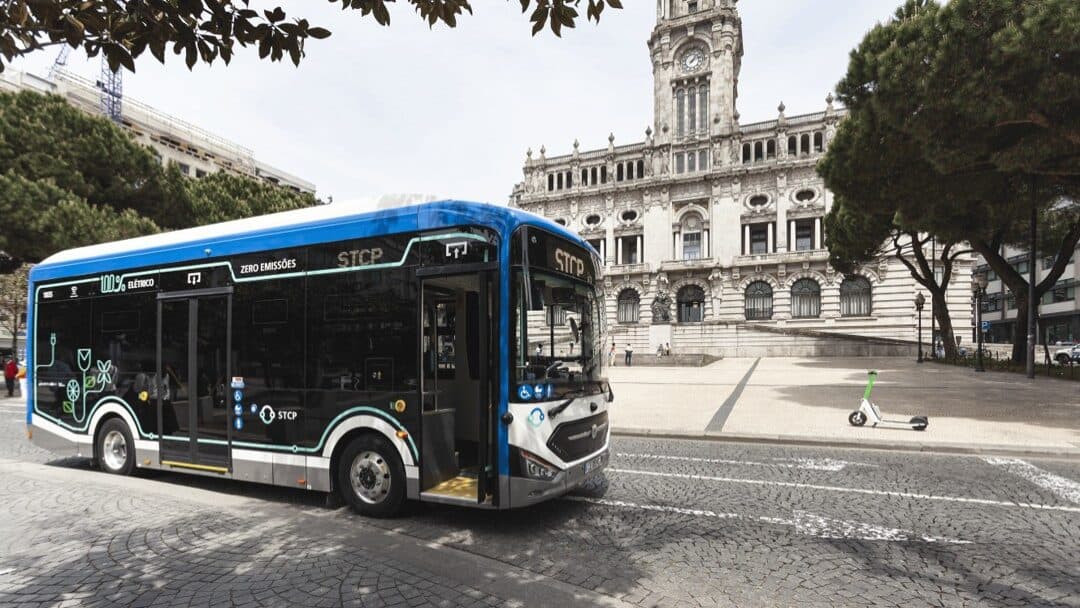
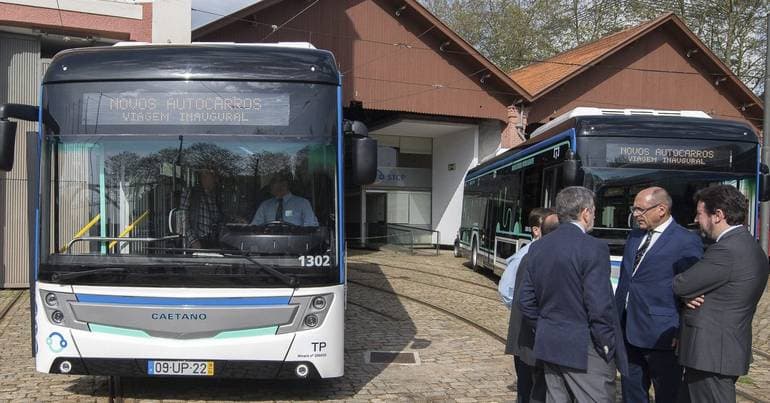
Observador reports Alsa has introduced 53 new electric buses into the Porto Metropolitan Area fleet as part of a regional rollout. The move is intended to cut emissions and modernise public transport, with likely effects on schedules and fleet capacity as buses are phased in. Commuters should watch local operator notices for route or timetable changes during the rollout.

1 source →19 Feb
Alsa adds 53 electric buses to Porto area

Porto Metro maintenance strike called off

📍 Porto🚇 Infrastructure#public-transport+3 more

CP's management said the maintenance strike called by the Union of Metro and Railway Workers — which had threatened Porto Metro operations — was called off, Lusa reports via RTP. CP said the action will not go ahead and services affected by the planned stoppage should return to normal, though commuters should expect possible residual delays as schedules stabilise. Those commuting in Porto should check operator updates before travel.

CP (Comboios de Portugal) is Portugal's state-owned railway company, operating passenger services across the country including urban commuter lines in Lisbon and Porto, regional services, inter-city routes, and the high-speed Alfa Pendular connecting Braga, Porto, Coimbra, Lisbon, and Faro.

CP has faced persistent challenges including aging rolling stock, service delays, and infrastructure limitations. The company is undergoing a fleet modernization program, with new trains being delivered to replace decades-old carriages on suburban and regional lines.

Key commuter lines include the Cascais, Sintra, Azambuja, and Sado lines in the Lisbon metropolitan area, and the Aveiro, Braga, Guimarães, and Caíde lines serving Porto. Ticket prices are heavily subsidized, and monthly passes integrated with other public transport are available through the Navegante and Andante systems.

1 source →16 Feb
Porto Metro maintenance strike called off

Union warns of inequalities between teachers with the creation of the new technical universities of Porto and Leiria

publico.pt5:38 AM, 2 Aug 2026

Seguro promulgates legislation banning heavy goods vehicles on the VCI in Porto

eco.sapo.pt6:59 PM, 24 Jul 2026

Porto is the first city in Portugal to offer free public transport

O GLOBO5:59 AM, 13 Jul 2026

Heat. Hospitals activate lowest contingency level

observador.pt7:48 PM, 30 Jun 2026

Porto leads local accommodation density

portugal decoded4:51 AM, 12 Jun 2026

General strike across Portugal is stiff rebuke to government’s anti-worker ‘labor package’

Fight Back! News10:18 PM, 4 Jun 2026

Porto's first day hospital for intensive alcohol treatment opens in June

publico.pt5:15 AM, 25 May 2026

Border control wait times exceeded two hours at Porto airport, admits PSP

rtp.pt6:48 AM, 18 May 2026

Six Portuguese schools among the best in the world for executive education

publico.pt4:00 AM, 18 May 2026

Letters to the editor

publico.pt4:20 AM, 16 May 2026