20 July 2026 – 26 July 2026
Portugal Faces Political Scrutiny and Extreme Weather Challenges
This week, the government navigated controversies surrounding ministerial investigations and national exam grading failures while managing a severe heatwave. Meanwhile, Portugal demonstrated regional solidarity by deploying emergency personnel to assist with wildfires in neighboring Spain.
Rui Rio criticizes government handling of Luís Neves case
Former Social Democratic Party (Partido Social Democrata or PSD) president Rui Rio has stated that the controversy surrounding Minister of Internal Administration Luís Neves is damaging the credibility of the government and the PSD. Rio argued that the situation, which involves allegations regarding property renovations, provides political fuel for parties like Chega and should have been resolved through immediate, transparent explanations.
Update: Minister Neves remains silent as political pressure mounts
Minister Luís Neves has again refused to set a specific date for addressing the controversies, stating he is “absolutely calm” and will provide explanations “in due time.” While the Socialist Party (Partido Socialista or PS) has urged patience, its secretary-general José Luís Carneiro noted that silence is the enemy of transparency, and the Iniciativa Liberal (Iniciativa Liberal or IL) warned that the ongoing silence is tarnishing the image of the Judiciary Police (Polícia Judiciária or PJ).
Luís Neves will take office on Monday as Minister of Internal Administration. He graduated in law and has worked at the Judicial Police since 1995, where he served as coordinator of a national unit and developed a long career in criminal investigation.
- Former Mayor of Porto (2002–2013)
- Former PSD Leader (2018–2022)
- Party: Social Democratic Party (PSD), Partido Social Democrata
Rui Fernando da Silva Rio (born 1957) is a Portuguese politician and tax consultant known for his moderate, fiscally disciplined approach to center-right politics. As mayor of Porto for over a decade, he was credited with stabilizing the city's finances and overseeing urban regeneration.
He led the PSD from 2018 to 2022, adopting a conciliatory tone that contrasted with the more combative style of other PSD leaders. He lost the 2022 legislative election to the PS's António Costa (who won an absolute majority) and was succeeded as PSD leader by Luís Montenegro. He remains an influential voice in PSD internal debates and is occasionally cited in commentary on the party's direction.

The Social Democratic Party ('Partido Social Democrata' or 'PSD') is a liberal-conservative political party in Portugal that is the leading partner of the The Democratic Alliance (AD) which is the country's ruling party, with Prime Minister Luís Montenegro.
The Social Democratic Party, despite its name, occupies the centre-right of Portugal's political spectrum. Luís Montenegro, who became Prime Minister in April 2024, leads Portugal's current minority government. The PSD has been one of Portugal's two dominant parties since 1974, having formed nine governments including four with absolute majorities. Montenegro, a former party leader from 1996-1999, was elected with the highest approval rating among party leaders at 10.7 points out of 20.
The Democratic Alliance is a centre-right coalition that includes the smaller CDS – People's Party, a Christian democratic party that has historically been the PSD's coalition partner. Together, they govern without a parliamentary majority, requiring case-by-case support from opposition parties to pass legislation.

The PJ (Polícia Judiciária) is Portugal's national criminal investigation police agency, founded in 1945. Operating under the Ministry of Justice and supervised by the Public Ministry (prosecutors), the PJ is a "higher criminal police body" specializing in serious and complex crimes. Mission: The PJ assists judicial and prosecuting authorities by investigating terrorism, organized crime, homicide, kidnapping, drug trafficking, corruption, cybercrime, financial crime, and money laundering. It conducts forensic examinations, operates Portugal's Interpol and Europol liaison offices, and maintains specialized units including the National Counterterrorism Unit and National Anti-Corruption Unit. Difference from PSP/GNR: While PSP (civilian urban police) and GNR (military rural police) focus on preventive policing, public order, and investigating minor crimes, the PJ exclusively handles serious crime investigation requiring specialized technical and scientific expertise. PSP and GNR report to the Ministry of Internal Affairs; PJ reports to the Ministry of Justice. PJ officers receive higher pay and prestige but face greater operational risk.

Portugal deploys 128 personnel to assist Spanish wildfire efforts
Portugal has deployed a Joint Operational Force (Força Operacional Conjunta or FOCON) consisting of 128 personnel to assist Spain in combating severe wildfires in the Ávila province. The mission, coordinated by the National Emergency and Civil Protection Authority (Autoridade Nacional de Emergência e Proteção Civil or ANEPC), includes firefighters from the Beiras and Serra da Estrela regions and specialized units from the National Republican Guard (Guarda Nacional Republicana or GNR).
A district emergency plan (Plano Distrital de Emergência) is a local civil-protection document that sets roles, resources and actions a district will use to prevent and respond to major incidents like floods, storms or wildfires. Municipal and district civil protection authorities prepare and can activate the plan with support from the national emergency agency (Autoridade Nacional de Emergência e Proteção Civil), ordering evacuations, opening shelters, closing roads and coordinating rescue teams. Those in affected districts should follow local instructions, sign up for official alerts and know their nearest shelter and evacuation routes during heavy rain.

The GNR (Guarda Nacional Republicana) is Portugal's national gendarmerie—a military police force founded in 1911, with origins dating to 1801. With over 22,600 personnel, GNR patrols 94-96% of Portuguese territory, covering rural areas, medium towns, and highways. Members are military personnel subject to military law, responsible for public order, customs, coastal control, environmental protection (SEPNA), firefighting/rescue (GIPS), border control, and ceremonial guards. GNR vs. PSP: The PSP (Polícia de Segurança Pública) is Portugal's civilian police force, covering major cities (Lisbon, Porto, Faro) and large urban areas—only 4% of territory but roughly half the population. PSP handles airport security, diplomatic protection, and private security regulation. Both share core missions (public order, crime prevention), but differ in nature: GNR is military with military training; PSP is civilian with police-focused training.
Government offers support to radio stations after storm
The government has announced a 500,000 euro support package for radio stations damaged by Storm Kristin earlier this year. Applications for the funding, which is part of the Portugal Transformation, Recovery and Resilience programme (Plano de Recuperação e Resiliência or PRR), are open until August 26th, with 300,000 euros specifically earmarked for local and regional broadcasters.
The PRR (Plano de Recuperação e Resiliência) is Portugal's national program under the EU's NextGenerationEU recovery fund, worth approximately €22.2 billion — roughly €16.6 billion in grants plus €5.6 billion in loans. Approved in 2021, it funds reforms and investments across housing, digital transition, climate action, healthcare, and public administration.
Payments from the European Commission are tied to specific milestones and targets. Missed deadlines or incomplete reforms can delay disbursements, affecting public works, infrastructure projects, and social programs that depend on PRR funding.
The PRR is one of the largest investment programs in Portugal's recent history and touches areas from affordable housing construction to hospital modernization, school renovation, and green energy transition. Progress is monitored by the European Commission through regular reviews.
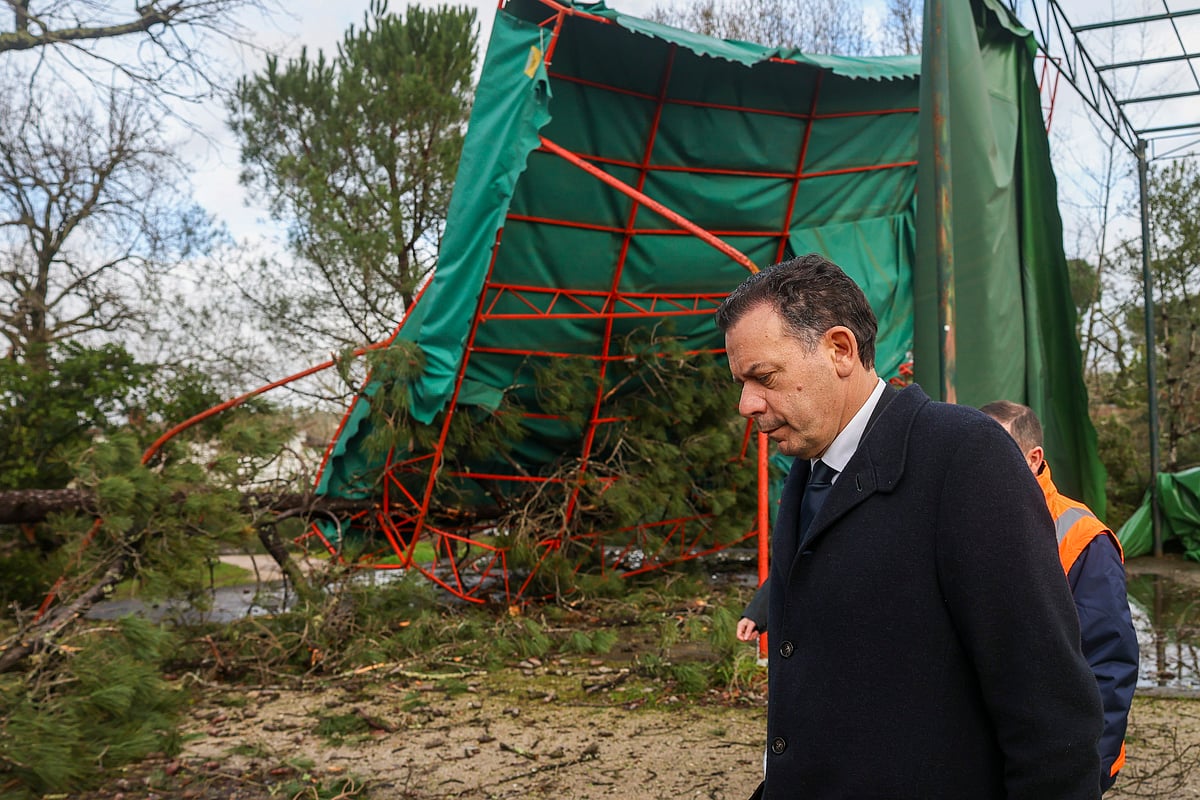
New system aims to prevent national exam grading errors
A new monitoring system called 'Pré-PCS' has been implemented to address recurring technical failures in the digital grading of national secondary school exams. Developed with support from the consultancy firm Deloitte and the Institute for Education, Quality and Assessment (Instituto de Educação, Qualidade e Avaliação or Eduqa), the system aims to ensure accuracy and prevent the data errors that impacted students in the first phase of examinations.
The EduQA is the institute responsible for the design and management of national exams in Portugal. It oversees the creation of assessment materials and is currently under review following reports of errors in recent examination content.

Police dismantle network behind sham marriage scheme
Authorities have dismantled a criminal network led by two sisters that allegedly facilitated sham marriages to help immigrants obtain Portuguese residency. The operation, which involves 158 suspects, reportedly generated 2 million euros, with each marriage costing approximately 30,000 euros.

Minister of Internal Administration faces investigation over contractor ties
The Attorney General's Office is investigating the Minister of Internal Administration, Luís Neves, following reports that a construction company linked to his private property renovation also held multiple contracts with the Judicial Police (Polícia Judiciária or PJ) during his tenure as its head. Authorities have identified potential evidence of misappropriation and abuse of power regarding the transport of chemical materials used in drug manufacturing by the same contractor.
Update: Chega considers parliamentary inquiry into Luís Neves
André Ventura, the leader of the Chega party, has announced that his party is considering a formal proposal for a parliamentary inquiry into the mandates of Luís Neves at the head of the PJ. Ventura stated that the ongoing controversies regarding the minister's property renovations and the seized trailer provide sufficient grounds for legislative scrutiny.
Luís Neves will take office on Monday as Minister of Internal Administration. He graduated in law and has worked at the Judicial Police since 1995, where he served as coordinator of a national unit and developed a long career in criminal investigation.
The PJ (Polícia Judiciária) is Portugal's national criminal investigation police agency, founded in 1945. Operating under the Ministry of Justice and supervised by the Public Ministry (prosecutors), the PJ is a "higher criminal police body" specializing in serious and complex crimes. Mission: The PJ assists judicial and prosecuting authorities by investigating terrorism, organized crime, homicide, kidnapping, drug trafficking, corruption, cybercrime, financial crime, and money laundering. It conducts forensic examinations, operates Portugal's Interpol and Europol liaison offices, and maintains specialized units including the National Counterterrorism Unit and National Anti-Corruption Unit. Difference from PSP/GNR: While PSP (civilian urban police) and GNR (military rural police) focus on preventive policing, public order, and investigating minor crimes, the PJ exclusively handles serious crime investigation requiring specialized technical and scientific expertise. PSP and GNR report to the Ministry of Internal Affairs; PJ reports to the Ministry of Justice. PJ officers receive higher pay and prestige but face greater operational risk.

André Ventura, born January 15, 1983, is a lawyer, academic, and Portugal's most prominent far-right leader. He founded Chega ("Enough") in 2019 after his PSD mayoral campaign attacked the Romani community. Chega surged from 1.3% in 2019 to 22.8% in May 2025, becoming parliament's second-largest party and making Ventura Leader of the Opposition.
His platform emphasizes immigration restrictions, law-and-order policies, constitutional reform, and contains inflammatory anti-Romani rhetoric that has triggered multiple discrimination convictions and investigations. Politically classified as far-right by international media, Ventura cultivates alliances with European far-right figures including Marine Le Pen and Santiago Abascal.

Chega ("Enough") is a Portuguese far-right populist party founded in 2019 by André Ventura. It positions itself as an anti-establishment movement against what it calls a "rotten and corrupt system" of PS-PSD dominance. The party surged from 1.3% in 2019 to 22.8% in May 2025, becoming parliament's second-largest force with 60 seats. Chega's core platform emphasizes strict immigration control—ending automatic CPLP residency, deporting non-independent immigrants, implementing job-market quotas, and requiring five-year social security contributions before benefit access. It advocates radical constitutional reform, including reducing parliament to 100 members, abolishing the prime minister position for a presidential system, and dismantling public healthcare. Law-and-order policies include life imprisonment and chemical castration proposals.
The party is defined by inflammatory anti-Romani rhetoric, with Ventura convicted multiple times for discrimination. Chega maintains international alignments with European far-right figures including Marine Le Pen, Santiago Abascal, and Matteo Salvini. Mainstream Portuguese parties, including Prime Minister Luís Montenegro's government, have imposed a cordon sanitaire, refusing coalition with Chega despite its parliamentary strength.
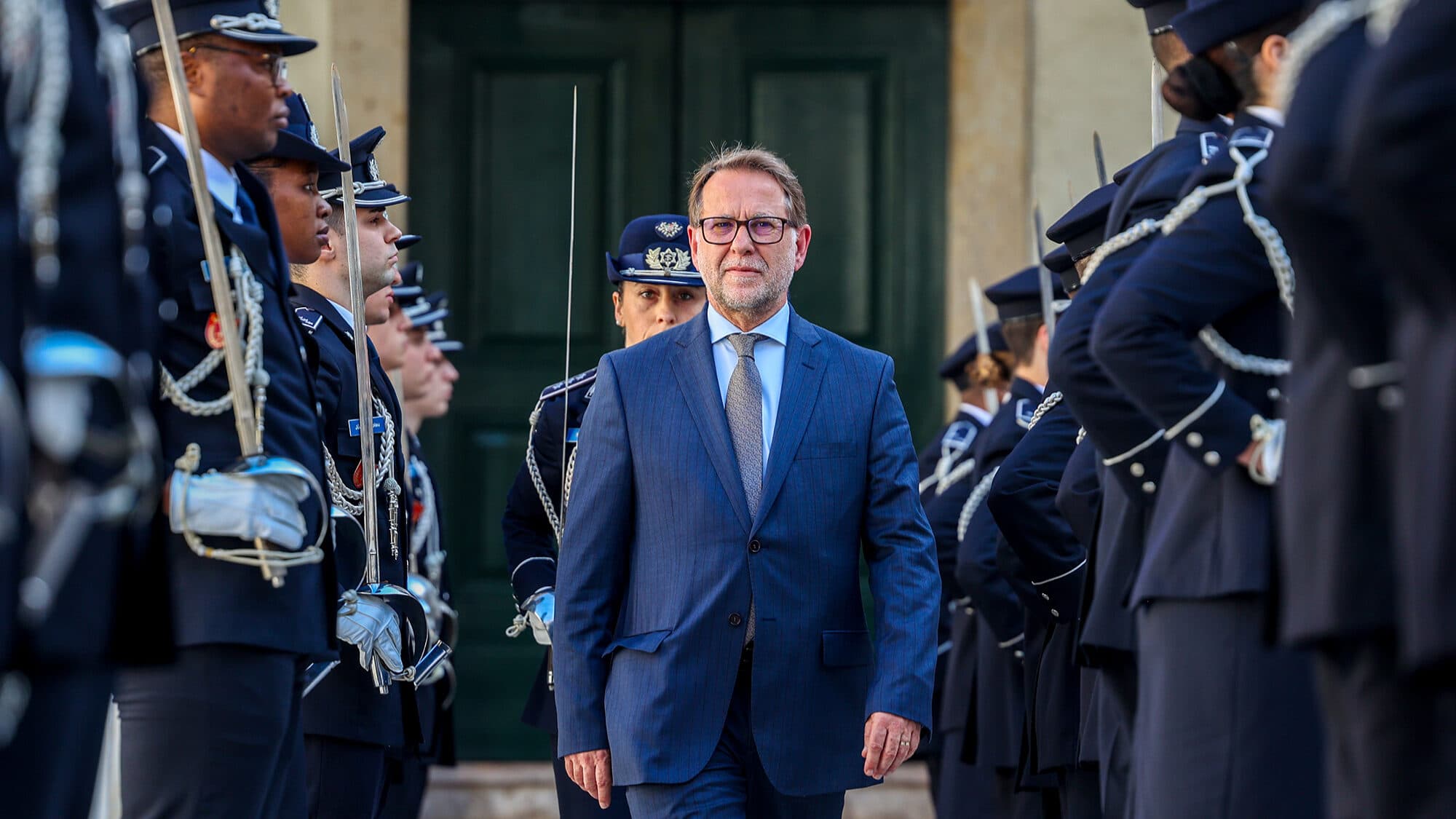
Portalegre hospital obstetrics emergency to close for two days
The Obstetrics and Gynaecology Emergency department at the Portalegre hospital will be closed from midnight Monday until 8:00 am Wednesday. The Alto Alentejo Local Health Unit (Unidade Local de Saúde or ULS) stated the closure is due to a shortage of obstetricians, and advises patients to contact the national health line (Serviço Nacional de Saúde 24 or SNS 24) for referral during this period.
If you need emergency care and a local ED is understaffed, call 112 for life‑threatening situations or contact the national health triage line (SNS 24) for urgent guidance; the operator can direct you to the nearest hospital with capacity or arrange an ambulance. As an expat, also consider local private hospitals or clinics if available and keep your health insurance details and ID ready to speed up admission.
Second phase of national exams begins despite grading concerns
The second phase of national secondary school exams started today amid ongoing student uncertainty regarding first-phase results caused by digital system errors. Education Minister Fernando Alexandre has ruled out his resignation, maintaining that the government's exam schedule remains in place.
Update: President demands equality in national exams
President António José Seguro met with Prime Minister Luís Montenegro to demand that the government ensure equality for all students following the technical failures. The president of the Institute for Education, Quality and Assessment (Instituto de Educação, Qualidade e Avaliação or EduQa), Luís Pereira dos Santos, insisted that the digital system was tested multiple times before the exams began.
Fernando Alexandre is the Minister of Education, Science, and Innovation in Portugal's current government, which took office in April 2024. An economist by training, he previously served as a Secretary of State and is now responsible for managing the national school system and university funding. He recently sparked debate by suggesting that university tuition fees should be adjusted to account for inflation.

- President of Portugal (since March 9, 2026)
- Party: Independent. Former leader of the Socialist Party (PS), Partido Socialista
- Center-left
António José Martins Seguro (born March 11, 1962, in Penamacor) is a lawyer, political scientist, and the current President of the Portuguese Republic, inaugurated on March 9, 2026 after winning the two-round presidential election in January–February 2026.
Career: He led Socialist Youth (1990–1994), served as MEP (1999–2001), was Minister Adjunct to PM António Guterres (2001–2002), and led the PS parliamentary group (2004–2005). Elected PS Secretary-General in 2011 with 68%, he led the opposition during Portugal's bailout era. In 2014, António Costa defeated him in party primaries by a landslide, prompting Seguro's resignation and a decade-long retreat from politics. He returned in 2025, launching the movement UPortugal and announcing his presidential candidacy in June. He received official PS backing in October 2025 and won the presidency in February 2026.
Political philosophy: Seguro positions himself as representing a "modern and moderate" left, advocating financial responsibility while opposing austerity. As President, he has emphasized institutional trust, efficient governance, and a collaborative relationship with the government while maintaining rigorous constitutional oversight.

- Prime Minister, Portugal: 2024 - Present
- Party: Social Democratic Party (PSD)
Luís Filipe Montenegro Cardoso de Morais Esteves (born February 16, 1973, in Porto) is a Portuguese lawyer and center‑right politician who has served as Prime Minister of Portugal since April 2, 2024. A long‑time member of the Social Democratic Party (PSD), he is the leading figure of the post‑Troika generation of Portuguese conservatives. Montenegro was elected to the Assembly of the Republic in 2002 for the Aveiro district and remained an MP for 16 years, becoming PSD parliamentary leader from 2011 to 2017 during the bailout and austerity period under Prime Minister Pedro Passos Coelho. He was a prominent defender of strict austerity measures, arguing in 2014 that “the life of the people is no better, but the life of the country is a lot better,” a phrase that has followed his public image since. After an unsuccessful leadership bid against Rui Rio in 2020, Montenegro won the PSD leadership in 2022. He then forged the centre‑right Democratic Alliance (PSD–CDS‑PP and allies), which won a plurality of seats in the 2024 legislative election. Refusing to partner with the far‑right Chega, which he has called “often xenophobic, racist, populist and excessively demagogic,” he formed a minority government as head of the XXIV Constitutional Government on April 2, 2024. His first government fell in March 2025 after a no‑confidence vote linked to a conflict‑of‑interest affair, but fresh elections saw the Democratic Alliance increase its seat share, allowing Montenegro to return as prime minister leading the XXV Constitutional Government. His importance to Portugal lies in attempting to re‑center the traditional centre‑right after the crisis years, defending liberal‑conservative economics and EU alignment while drawing a sharp line against formal cooperation with the radical right, thus shaping how Portuguese democracy manages its new multi‑party era.
The EduQA is the institute responsible for the design and management of national exams in Portugal. It oversees the creation of assessment materials and is currently under review following reports of errors in recent examination content.
Heatwave triggers yellow weather warnings across mainland Portugal
The Portuguese Institute for Sea and Atmosphere (Instituto Português do Mar e da Atmosfera or IPMA) has issued yellow weather warnings for 14 of 18 districts on Monday due to high temperatures. Santarém is expected to reach 41°C, while many municipalities remain at maximum risk for rural fires following a week of extreme heat.
A red warning is the highest alert level issued by Portugal's weather agency, the Portuguese Institute for the Sea and the Atmosphere (Instituto Português do Mar e da Atmosfera or IPMA), used when conditions pose a very high risk to life and property. Under a red warning authorities may close roads, suspend transport and advise people to avoid coastal and flood‑prone areas, so follow civil protection instructions during the Friday–Saturday storm period.
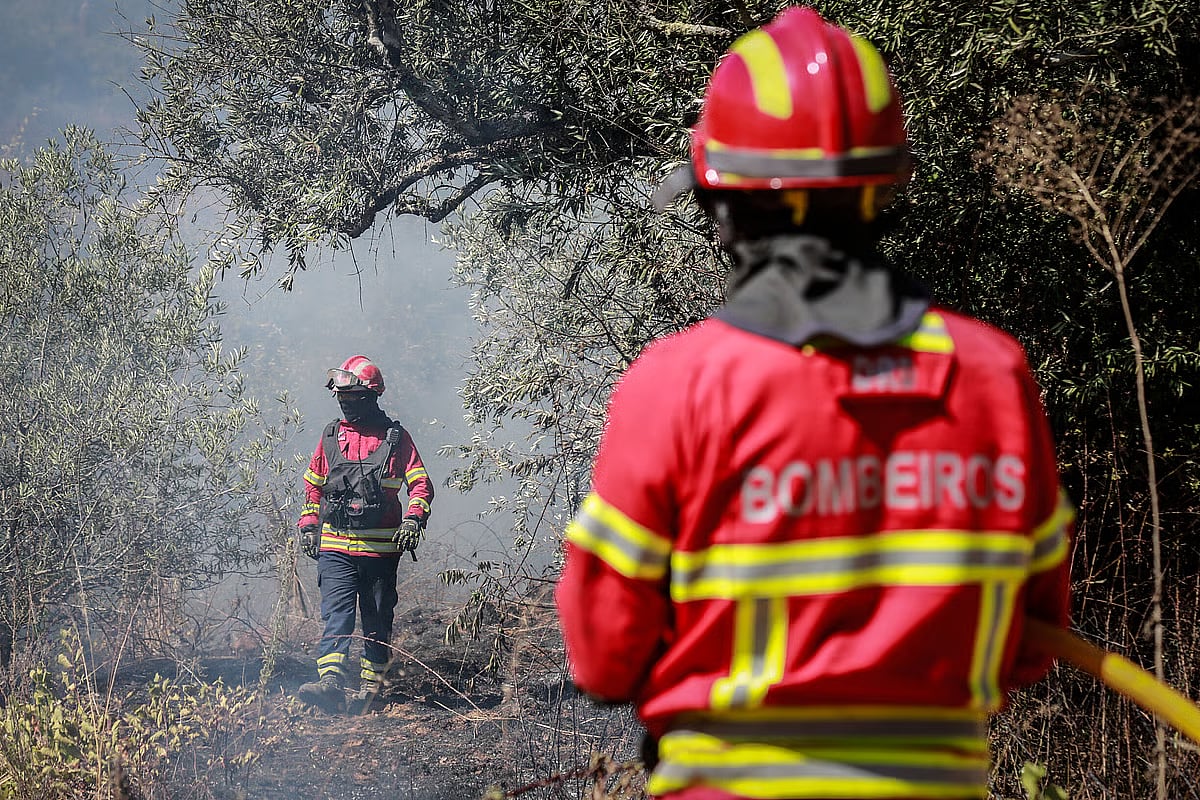
Government opens extraordinary exam period after grading errors
The Ministry of Education, Science and Innovation has announced an extraordinary national exam session for secondary school students from September 3 to 8. This measure follows technical issues in the electronic grading system, allowing all students eligible for the second phase to retake their exams, with the best grade counting toward their final results. Registration for this special session is open from July 27 to July 31.
The Ministry of Education, Science and Innovation (Ministério da Educação, Ciência e Inovação, MECI) is Portugal's national ministry responsible for education policy from pre‑school through higher education and for national science and innovation policy. In this story MECI announced that public higher education will have 78,283 places for the 2026/2027 academic year, an increase of 1,465 from the current year, which affects university admissions and capacity planning for students and institutions.
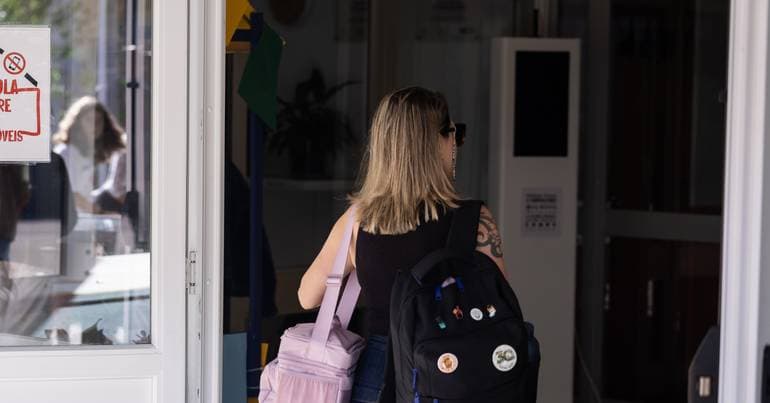
Chega initiates parliamentary inquiry into Luís Neves' PJ tenure
The political party Chega has successfully forced a parliamentary inquiry into the actions of Minister of Internal Administration Luís Neves during his eight-year tenure as national director of the Judiciary Police (Polícia Judiciária or PJ). The inquiry will focus on controversies surrounding his property renovations and undeclared income, with Neves stating he is fully available to provide clarifications when the legislative session resumes in September.
Luís Neves will take office on Monday as Minister of Internal Administration. He graduated in law and has worked at the Judicial Police since 1995, where he served as coordinator of a national unit and developed a long career in criminal investigation.
Chega ("Enough") is a Portuguese far-right populist party founded in 2019 by André Ventura. It positions itself as an anti-establishment movement against what it calls a "rotten and corrupt system" of PS-PSD dominance. The party surged from 1.3% in 2019 to 22.8% in May 2025, becoming parliament's second-largest force with 60 seats. Chega's core platform emphasizes strict immigration control—ending automatic CPLP residency, deporting non-independent immigrants, implementing job-market quotas, and requiring five-year social security contributions before benefit access. It advocates radical constitutional reform, including reducing parliament to 100 members, abolishing the prime minister position for a presidential system, and dismantling public healthcare. Law-and-order policies include life imprisonment and chemical castration proposals.
The party is defined by inflammatory anti-Romani rhetoric, with Ventura convicted multiple times for discrimination. Chega maintains international alignments with European far-right figures including Marine Le Pen, Santiago Abascal, and Matteo Salvini. Mainstream Portuguese parties, including Prime Minister Luís Montenegro's government, have imposed a cordon sanitaire, refusing coalition with Chega despite its parliamentary strength.
The PJ (Polícia Judiciária) is Portugal's national criminal investigation police agency, founded in 1945. Operating under the Ministry of Justice and supervised by the Public Ministry (prosecutors), the PJ is a "higher criminal police body" specializing in serious and complex crimes. Mission: The PJ assists judicial and prosecuting authorities by investigating terrorism, organized crime, homicide, kidnapping, drug trafficking, corruption, cybercrime, financial crime, and money laundering. It conducts forensic examinations, operates Portugal's Interpol and Europol liaison offices, and maintains specialized units including the National Counterterrorism Unit and National Anti-Corruption Unit. Difference from PSP/GNR: While PSP (civilian urban police) and GNR (military rural police) focus on preventive policing, public order, and investigating minor crimes, the PJ exclusively handles serious crime investigation requiring specialized technical and scientific expertise. PSP and GNR report to the Ministry of Internal Affairs; PJ reports to the Ministry of Justice. PJ officers receive higher pay and prestige but face greater operational risk.
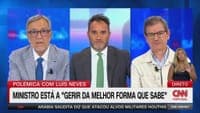
The PS is showing a level of patience I haven't seen for other government officials
João Marcelino, a commentator for CNN Portugal, recalls the cases of Maria Luís Albuquerque and Miguel Macedo to argue that the Socialists are taking too long to call for the resignation of the Minister of Internal Administration, Luís Neves.
Secondary school exam averages fall in Portuguese but rise in Mathematics
Only Portuguese Literature presented a failing average in the first phase