28 September 2026 – 4 October 2026
Political Tensions and Labor Unrest Mark a Turbulent Week in Portugal
Portugal faces a week of intense political scrutiny as government housing reforms and judicial inquiries dominate the national agenda. Meanwhile, expats and travelers are navigating significant travel disruptions due to EasyJet strikes, alongside ongoing concerns regarding public safety and institutional oversight.
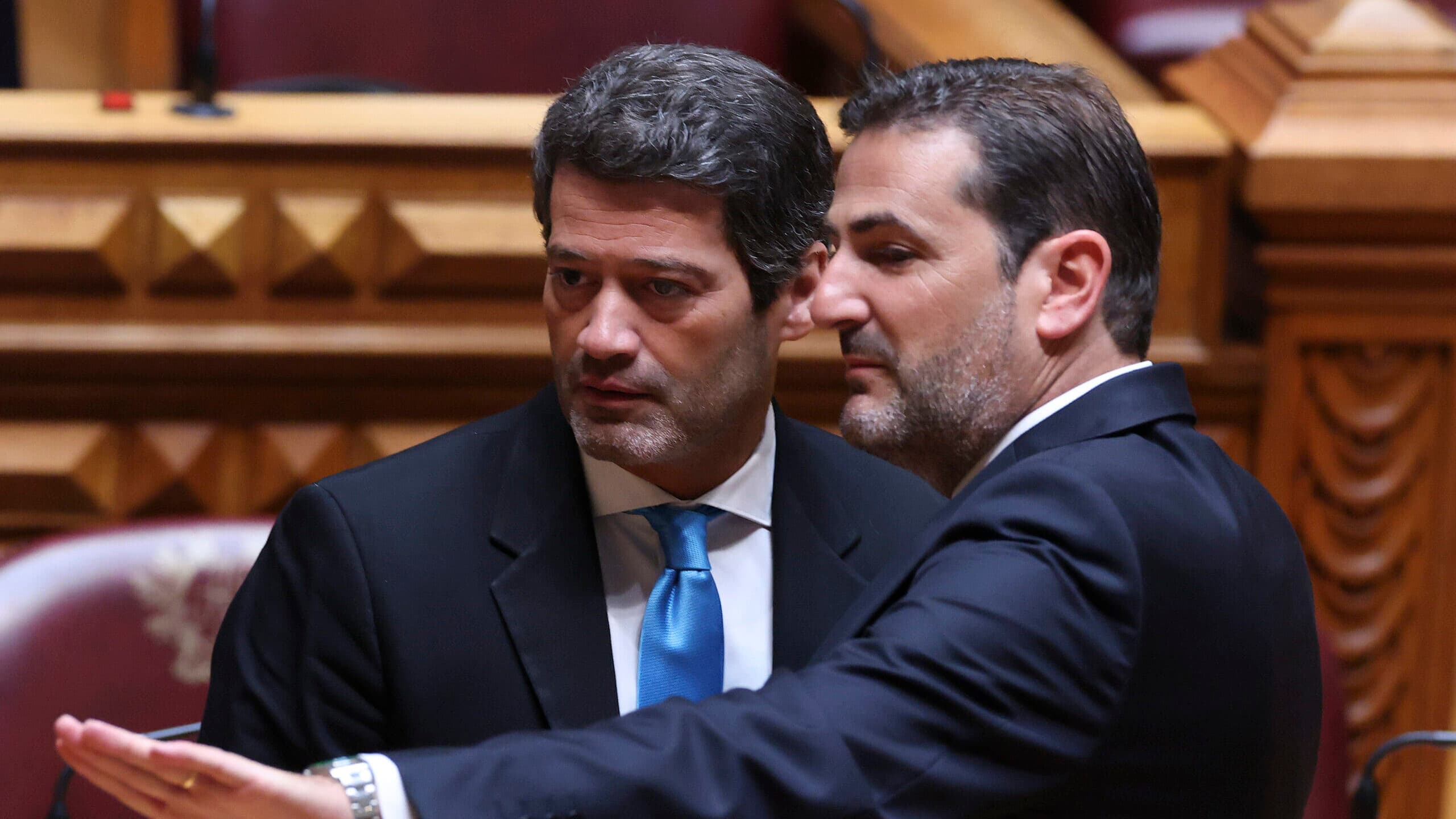
André Ventura to lead inquiry into Judiciary Police director
André Ventura, the leader of the Chega party, has announced he will chair a parliamentary inquiry committee into the tenure of Luís Neves as national director of the Judiciary Police (Polícia Judiciária or PJ). The committee will investigate Neves' management and oversight responsibilities regarding several controversial cases, including the disappearance of police assets and the handling of the 'Pacoba' operation. Ventura has pledged to conduct the inquiry impartially.

André Ventura, born January 15, 1983, is a lawyer, academic, and Portugal's most prominent far-right leader. He founded Chega ("Enough") in 2019 after his PSD mayoral campaign attacked the Romani community. Chega surged from 1.3% in 2019 to 22.8% in May 2025, becoming parliament's second-largest party and making Ventura Leader of the Opposition.
His platform emphasizes immigration restrictions, law-and-order policies, constitutional reform, and contains inflammatory anti-Romani rhetoric that has triggered multiple discrimination convictions and investigations. Politically classified as far-right by international media, Ventura cultivates alliances with European far-right figures including Marine Le Pen and Santiago Abascal.

The PJ (Polícia Judiciária) is Portugal's national criminal investigation police agency, founded in 1945. Operating under the Ministry of Justice and supervised by the Public Ministry (prosecutors), the PJ is a "higher criminal police body" specializing in serious and complex crimes. Mission: The PJ assists judicial and prosecuting authorities by investigating terrorism, organized crime, homicide, kidnapping, drug trafficking, corruption, cybercrime, financial crime, and money laundering. It conducts forensic examinations, operates Portugal's Interpol and Europol liaison offices, and maintains specialized units including the National Counterterrorism Unit and National Anti-Corruption Unit. Difference from PSP/GNR: While PSP (civilian urban police) and GNR (military rural police) focus on preventive policing, public order, and investigating minor crimes, the PJ exclusively handles serious crime investigation requiring specialized technical and scientific expertise. PSP and GNR report to the Ministry of Internal Affairs; PJ reports to the Ministry of Justice. PJ officers receive higher pay and prestige but face greater operational risk.

Justice Minister reviews whistleblower Rui Pinto's security status
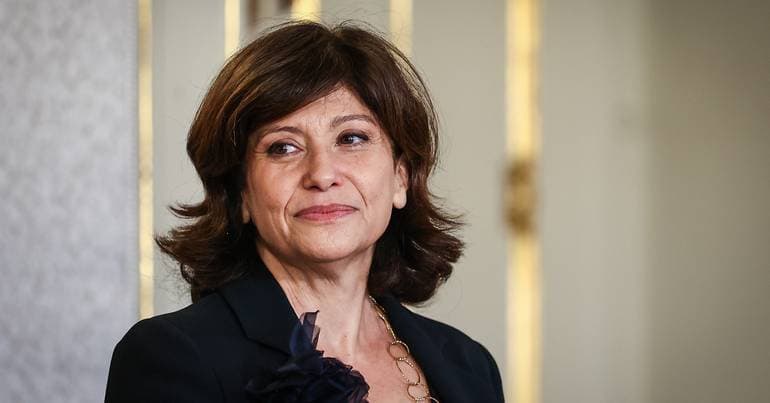
Minister of Justice Rita Alarcão Júdice is reviewing the decision to terminate the Special Security Programme for whistleblower Rui Pinto. The protection is currently set to end on October 10, and Júdice has promised a response before that date. Pinto has expressed concerns for his safety and has reportedly moved to an undisclosed location.
Update: Justice Minister faces pressure over Rui Pinto protection
Minister of Justice Rita Alarcão Júdice confirmed she is carefully analyzing appeals to reverse the termination of Rui Pinto's security program. The decision has drawn criticism from the Frente Cívica, which characterized the move as potentially retaliatory, while the political party Juntos Pelo Povo (JPP) has formally requested urgent explanations from the government.
Rui Pinto is a Portuguese computer hacker and whistleblower best known for founding the Football Leaks website, which exposed financial irregularities in professional football. He has been involved in multiple legal proceedings in Portugal, including a recent acquittal by the Lisbon Criminal Court regarding unauthorized access to emails from various organizations.
Rita Alarcão Júdice is the Minister of Justice (Ministra da Justiça) in Portugal, serving since April 2024 as part of the government led by Prime Minister Luís Montenegro. A lawyer by profession, she is responsible for overseeing the national judicial system, including the prison services that are currently under scrutiny for overcrowding.
The JPP (Juntos Pelo Povo or Together for the People) is a regionalist political party based in the Madeira archipelago. Founded in 2009, it focuses on local governance and social issues within the region, often acting as a significant opposition force in the Legislative Assembly of Madeira.
Over 134,000 Brazilians in Portugal head to the polls
More than 134,000 Brazilian citizens residing in Portugal are eligible to vote in this Sunday's presidential election. Polling stations across the country, including in Lisbon, Porto, and Faro, are open from 8:00 am to 5:00 pm for mandatory voting. Voters are encouraged to verify their polling location using the E-Título app.

Court of Auditors president threatens constitutional challenge
Filipa Urbano Calvão, president of the Court of Auditors (Tribunal de Contas or TdC), has warned she may appeal to the Constitutional Court regarding proposed reforms to the institution. Calvão argues that certain provisions in the government's draft law are unconstitutional and should be subject to rigorous legal scrutiny. The reform, approved by the Council of Ministers in April, remains under parliamentary discussion.
The TdC (Tribunal de Contas) is the Court of Auditors, an independent body responsible for overseeing public spending and ensuring the legality of state financial management. It performs prior audits on high-value public contracts to prevent misuse of funds before they are finalized.
The Constitutional Court (Tribunal Constitucional) is Portugal's highest court for constitutional review. Its primary role is to assess whether laws, decrees, and government actions comply with the Portuguese Constitution, and it has the power to strike down or suspend unconstitutional measures.
The court consists of 13 judges — 10 appointed by the Assembly of the Republic and 3 co-opted by the other judges. It also oversees the legality of political parties and their finances, verifies election results, and rules on the constitutionality of referendums.
The Constitutional Court is frequently in the news when opposition parties, the President, or the Ombudsman refer controversial legislation for review — such as labor reforms, housing laws, or immigration policy changes. Its rulings are final and binding.
Public Prosecutor investigates US use of Lajes Base
The Public Prosecutor's Office has launched an inquiry into the legality of the United States' use of the Lajes Base in the Azores. The investigation follows a formal complaint from the Left Bloc (Bloco de Esquerda or BE), which alleges that the base has been used for operations violating international law. Foreign Minister Paulo Rangel has rejected these claims, while the inquiry proceeds ahead of a scheduled visit by US Secretary of State Marco Rubio.

Police investigate PCC influence within Portuguese prisons
The Judiciary Police (Polícia Judiciária or PJ) has seized a manuscript from a prisoner at the Caldas da Rainha prison, which investigators link to the Brazilian criminal organization known as the First Capital Command (Primeiro Comando da Capital or PCC). The document contains strict disciplinary instructions for members, including orders to silence witnesses and control family members. Experts emphasize that inter-police cooperation is vital to monitoring the group's activities in Portugal.
The PJ (Polícia Judiciária) is Portugal's national criminal investigation police agency, founded in 1945. Operating under the Ministry of Justice and supervised by the Public Ministry (prosecutors), the PJ is a "higher criminal police body" specializing in serious and complex crimes. Mission: The PJ assists judicial and prosecuting authorities by investigating terrorism, organized crime, homicide, kidnapping, drug trafficking, corruption, cybercrime, financial crime, and money laundering. It conducts forensic examinations, operates Portugal's Interpol and Europol liaison offices, and maintains specialized units including the National Counterterrorism Unit and National Anti-Corruption Unit. Difference from PSP/GNR: While PSP (civilian urban police) and GNR (military rural police) focus on preventive policing, public order, and investigating minor crimes, the PJ exclusively handles serious crime investigation requiring specialized technical and scientific expertise. PSP and GNR report to the Ministry of Internal Affairs; PJ reports to the Ministry of Justice. PJ officers receive higher pay and prestige but face greater operational risk.
The PCC (Primeiro Comando da Capital or First Capital Command) is a major Brazilian criminal organization based in São Paulo. It is considered the largest criminal group in Brazil and has expanded its influence internationally, including into Portugal, through drug trafficking and money laundering operations.
Fatal fire in Viseu historic centre under investigation
A 28-year-old man died following a fire in a residential building in the historic centre of Viseu on Friday night. Five others, including two officers from the Public Security Police (Polícia de Segurança Pública or PSP), sustained minor injuries during the incident. The PJ is currently investigating the cause of the blaze.
The PJ (Polícia Judiciária) is Portugal's national criminal investigation police agency, founded in 1945. Operating under the Ministry of Justice and supervised by the Public Ministry (prosecutors), the PJ is a "higher criminal police body" specializing in serious and complex crimes. Mission: The PJ assists judicial and prosecuting authorities by investigating terrorism, organized crime, homicide, kidnapping, drug trafficking, corruption, cybercrime, financial crime, and money laundering. It conducts forensic examinations, operates Portugal's Interpol and Europol liaison offices, and maintains specialized units including the National Counterterrorism Unit and National Anti-Corruption Unit. Difference from PSP/GNR: While PSP (civilian urban police) and GNR (military rural police) focus on preventive policing, public order, and investigating minor crimes, the PJ exclusively handles serious crime investigation requiring specialized technical and scientific expertise. PSP and GNR report to the Ministry of Internal Affairs; PJ reports to the Ministry of Justice. PJ officers receive higher pay and prestige but face greater operational risk.

The PSP (Polícia de Segurança Pública) is Portugal's national civilian police force, founded in 1867. Responsible for defending Republican democracy and safeguarding internal security and citizens' rights, the PSP polices major cities—Lisbon, Porto, Faro—and large urban areas, covering only 4% of Portugal's territory but roughly half the population. Led by a National Director under the Ministry of Internal Affairs, its approximately 21,500 officers handle preventive policing, crime investigation, public order, airport security, diplomatic protection, private security regulation, firearms licensing, and border control (since 2023).
PSP vs. GNR: The PSP is civilian with police-focused training and urban jurisdiction, while the GNR (Guarda Nacional Republicana) is military (gendarmerie) with military training, covering 96% of Portugal's rural and suburban territory. Both share core public safety missions but differ fundamentally in nature, training, and geographic responsibility.

EasyJet cabin crew strike causes widespread flight cancellations
A strike by EasyJet cabin crew has resulted in the cancellation of approximately 90% of the airline's flights in Portugal. The National Union of Civil Aviation Flight Personnel (Sindicato Nacional do Pessoal de Voo da Aviação Civil or SNPVAC) reports total participation in the walkout, which is scheduled to continue until Tuesday. The union is demanding improvements to roster stability, seniority-based pay progression, and company agreement negotiations.
The SNPVAC (Sindicato Nacional do Pessoal de Voo da Aviação Civil) is the national union representing cabin crew members in Portugal. It negotiates collective bargaining agreements and advocates for the working conditions and rights of flight personnel within the aviation industry.
Yellow weather warnings issued for seven districts
The Portuguese Institute for Sea and Atmosphere (Instituto Português do Mar e da Atmosfera or IPMA) has placed seven mainland districts under yellow warning for thunderstorms, heavy rain, and hail this Monday. The affected areas include Bragança, Guarda, Castelo Branco, Portalegre, Évora, Beja, and Faro, with wind gusts potentially reaching 90 km/h. These conditions are linked to indirect effects from an explosive cyclogenesis event occurring in the North Atlantic.
Update: Public Prosecutor indicts four in twins case
The Public Prosecutor's Office has filed formal charges against four individuals in the case involving the treatment of Luso-Brazilian twins with the drug Zolgensma. Among those indicted is Nuno Rebelo de Sousa, son of the former President of the Republic Marcelo Rebelo de Sousa, and former Secretary of State for Health António Lacerda Sales, both of whom have rejected the accusations.

- Former President of Portugal (2016–2026)
- Party: Independent (formerly Social Democratic Party, PSD)
Electoral Mandate and Democratic Consensus:
Marcelo Rebelo de Sousa was elected President of Portugal on January 24, 2016, winning 52.0% of the vote in the first round—a decisive victory in a fragmented field. He campaigned as an independent, positioning himself as a unifying figure after years of austerity from Portugal's 2011–14 bailout, promising to repair political divisions and restore national confidence. His campaign emphasized moderation and cross-party consensus, a departure from his decades-long association with the center-right Social Democratic Party (PSD). Upon taking office on March 9, 2016, he suspended his party membership for the duration of his presidency.
His 2021 re-election proved extraordinary: Rebelo de Sousa secured 60.7% of the vote—the third-highest margin in Portuguese presidential electoral history since the 1974 Carnation Revolution. Historically, he became the first candidate ever to win in all 308 municipalities and the vast majority of parishes, ranging from 51.3% in Beja District to 72.16% in Madeira. This unprecedented sweep reflected his broad appeal across social, geographic, and ideological divides.
Constitutional Role and Crisis Leadership:
Portugal operates as a semi-presidential system where the president, while largely ceremonial, exercises meaningful influence over national security, foreign policy, and military affairs as Supreme Commander of the Armed Forces. Rebelo de Sousa leveraged this authority during Portugal's response to the COVID-19 pandemic. In March 2020, he requested parliamentary authorization for a state of emergency—the first nationwide declaration in 46 years of democratic history—to contain the crisis. He voluntarily quarantined after potential COVID-19 exposure in March 2020, and later tested positive in January 2021 while remaining asymptomatic. His measured handling of the pandemic, balancing public health with institutional continuity, contributed to his landslide 2021 re-election.
Diplomatic Engagement and International Presence:
Rebelo de Sousa has conducted extensive state visits representing Portugal's interests across diverse regions: the Vatican, Spain, Mozambique, Morocco, Brazil, Switzerland, Cuba, the United Kingdom, Greece, the United States, and Angola. A notable diplomatic highlight occurred in 2019 when he joined President Emmanuel Macron at the Bastille Day military parade in Paris, representing European military cooperation and the European Intervention Initiative. These engagements positioned Portugal as an active participant in global affairs, particularly regarding colonial history and Atlantic security partnerships.
Colonial Legacy and Historical Accountability:
During his presidency, Rebelo de Sousa has publicly supported making restitution and acknowledging abuses committed during Portugal's colonial history and the country's role in the Atlantic slave trade. This position marked a significant policy shift, as Portugal historically avoided confronting its imperial past compared to other European powers. His stance reflected evolving attitudes within Portuguese society toward historical accountability.
Controversies and Public Criticism:
Rebelo de Sousa's presidency has not been without controversy. In 2023, allegations emerged that he had intervened to expedite treatment for Brazilian twins with Zolgensma, an expensive rare disease medication, raising questions about presidential influence and potential corruption. These claims implicated his son and generated criticism across Portuguese political and media sectors. Additionally, in April 2024, Rebelo de Sousa made controversial remarks comparing the speed of Prime Ministers António Costa and Luís Montenegro using orientalist language that drew public rebuke. In August 2025, he called U.S. President Donald Trump a "Russian asset" at a PSD event, demonstrating his willingness to make provocative foreign policy statements.
Constitutional Constraints and Legacy:
Under Portugal's constitution, Rebelo de Sousa is barred from running for a third consecutive term, meaning his presidency concludes with elections scheduled for January 18, 2026. His decade-long tenure has established him as one of Portugal's most popular recent heads of state, characterized by broad consensus-building and institutional stability. Whether future presidents can replicate his cross-party appeal remains an open question for Portuguese democracy as it enters a new era.
A red warning is the highest alert level issued by Portugal's weather agency, the Portuguese Institute for the Sea and the Atmosphere (Instituto Português do Mar e da Atmosfera or IPMA), used when conditions pose a very high risk to life and property. Under a red warning authorities may close roads, suspend transport and advise people to avoid coastal and flood‑prone areas, so follow civil protection instructions during the Friday–Saturday storm period.
Explosive cyclogenesis (ciclogénese explosiva), often called a bomb cyclone, is a rapid drop in atmospheric pressure at the center of a storm system. This process causes the storm to intensify quickly, resulting in high winds and heavy precipitation, though it typically occurs over open ocean waters rather than directly over land.
Government housing proposal faces potential defeat in Parliament
The government's proposal to revise the New Urban Lease Regime (Novo Regime do Arrendamento Urbano or NRAU) faces significant opposition in Parliament. The Socialist Party (Partido Socialista or PS) and other parties have signaled they will vote against the bill, which includes measures like accelerating evictions after two months of rent arrears and removing the 2% cap on rent increases for new contracts.
Update: Rental law sent to committee stage
The government's rental reform proposal was discussed in Parliament this Wednesday but will be sent to the committee stage without a vote due to a lack of majority support. Meanwhile, protesters gathered outside the Ministry of Housing in Lisbon to demand the resignation of the minister over the proposed changes.
The NRAU is the Novo Regime do Arrendamento Urbano (New Urban Lease Regime), the legal regime that reformed Portugal's urban rental law and governs most residential leases. A ten‑year moratorium on applying some of its rules to older contracts has expired, which has allowed landlords to pursue repossession cases such as the order for Casa Pereira da Conceição to vacate.
Health cards are private membership or discount schemes sold by companies that offer access to consultations, tests or reduced fees at private clinics; they are not the public health service. The Socialist Party (Partido Socialista or PS) has proposed regulation to increase transparency and protect consumers from misleading marketing or unexpected charges.

“Can Dad help?” Public Prosecutor confirms Nuno Rebelo de Sousa's role in the twins case
The Public Prosecutor's Office charges Nuno Rebelo de Sousa and concludes that he took advantage of being the son of the then President of the Republic.
Leasing under debate. Government proposal on the verge of defeat in Parliament
The Government's proposal for leasing is being discussed this Wednesday in Parliament. The PS has already announced it will vote against it, and Chega has also threatened to do the same.
PSD and Chega agree on rental law amendments
The Social Democratic Party (Partido Socialista Democrata or PSD) and Chega have signed an agreement to introduce changes to the government's proposed rental law during the committee stage. The legislation, which aims to revise the New Urban Leasing Regime (Novo Regime do Arrendamento Urbano), passed its first parliamentary test this week with an abstention from Chega. Lawmakers now have three months to discuss and vote on the specific amendments.

- Leader: Luís Montenegro (Prime Minister)
- Ideology: Liberal conservatism, pro-Europeanism
- Coalition: Social Democratic Party (PSD) + CDS–People's Party (CDS-PP)
The Democratic Alliance (Aliança Democrática, AD) is a center-right coalition primarily composed of the Social Democratic Party (PSD) with 89 seats and the CDS–People's Party (CDS-PP) with 2 seats. Together, they form the current minority government under Prime Minister Luís Montenegro.
The PSD, despite its name, occupies the center-right of Portugal's political spectrum and has been one of Portugal's two dominant parties since 1974, having formed nine governments including four with absolute majorities. The CDS-PP is a smaller Christian democratic party that has historically been the PSD's coalition partner.
The AD coalition governs without a parliamentary majority, requiring case-by-case support from opposition parties to pass legislation. The coalition has imposed a cordon sanitaire against Chega, refusing formal cooperation with the far-right despite its parliamentary strength, which means it must negotiate with the PS or smaller parties to advance its legislative agenda.
André Ventura, born January 15, 1983, is a lawyer, academic, and Portugal's most prominent far-right leader. He founded Chega ("Enough") in 2019 after his PSD mayoral campaign attacked the Romani community. Chega surged from 1.3% in 2019 to 22.8% in May 2025, becoming parliament's second-largest party and making Ventura Leader of the Opposition.
His platform emphasizes immigration restrictions, law-and-order policies, constitutional reform, and contains inflammatory anti-Romani rhetoric that has triggered multiple discrimination convictions and investigations. Politically classified as far-right by international media, Ventura cultivates alliances with European far-right figures including Marine Le Pen and Santiago Abascal.