21 September 2026 – 27 September 2026
Budget Tensions and Infrastructure Challenges Dominate Portugal's Weekly News Cycle
As the government faces pressure over potential 12 billion euro budget cuts and demands for a new airport, political debates intensify regarding NHS access and fiscal policy. Meanwhile, public safety concerns rise following tragic accidents at construction sites and unmonitored beaches, even as transport improvements like the Green Rail Pass offer some positive momentum for commuters.
Worker dies at former Feira Popular construction site
A 25-year-old worker died Saturday after being buried during concrete pouring operations at a construction site on the former Feira Popular grounds in Lisbon. Emergency services, including the Lisbon Sapador Fire Regiment (Regimento de Sapadores de Lisboa or RSB), responded to the scene, where the victim was pronounced dead.
The RSB (Regimento de Sapadores Bombeiros) is the professional municipal fire department for the city of Lisbon. They are responsible for emergency response, including fire suppression, technical rescue operations, and civil protection within the capital.

PSD and CDS-PP renew NHS access restrictions proposal
The Social Democratic Party (Partido Social Democrata or PSD) and the CDS – People's Party (CDS – Partido Popular or CDS-PP) have resubmitted a bill to restrict non-resident foreigners' access to the National Health Service (Serviço Nacional de Saúde or SNS). The proposal, which previously lapsed due to the dissolution of parliament, aims to limit care for those without residency status.

- Leader: Luís Montenegro (Prime Minister)
- Ideology: Liberal conservatism, pro-Europeanism
- Coalition: Social Democratic Party (PSD) + CDS–People's Party (CDS-PP)
The Democratic Alliance (Aliança Democrática, AD) is a center-right coalition primarily composed of the Social Democratic Party (PSD) with 89 seats and the CDS–People's Party (CDS-PP) with 2 seats. Together, they form the current minority government under Prime Minister Luís Montenegro.
The PSD, despite its name, occupies the center-right of Portugal's political spectrum and has been one of Portugal's two dominant parties since 1974, having formed nine governments including four with absolute majorities. The CDS-PP is a smaller Christian democratic party that has historically been the PSD's coalition partner.
The AD coalition governs without a parliamentary majority, requiring case-by-case support from opposition parties to pass legislation. The coalition has imposed a cordon sanitaire against Chega, refusing formal cooperation with the far-right despite its parliamentary strength, which means it must negotiate with the PS or smaller parties to advance its legislative agenda.
The CDS–PP is the Democratic and Social Centre – People's Party (Centro Democrático e Social – Partido Popular), a small centre-right, Christian-democratic party founded in 1974. It often partners with the larger PSD in parliament; in February 2026 it voted with the PSD and IL to approve a housing package, so its parliamentary support can influence housing and other policy outcomes.
PCP demands 'fire and brimstone' policy for 2027 budget
The Portuguese Communist Party (Partido Comunista Português or PCP) has expressed zero expectations for the government's 2027 State Budget proposal. Secretary-General Paulo Raimundo called for a 'fire and brimstone' policy to combat the rising cost of living, warning that the party will not support the budget if it continues the government's current economic path.
António Filipe is a politician from the PCP (Partido Comunista Português) who, in this story, acknowledged that his election results fell short and said the party would join forces to oppose what it called a 'serious threat to democracy'. His remarks indicate the PCP intends to be active in post-election alliances rather than withdrawing from national debates. Voters and those following left-wing politics should pay attention to his and the PCP's next moves.
Paulo Raimundo is the Secretary-General of the Portuguese Communist Party (Partido Comunista Português or PCP), a position he has held since November 2022. He is a career politician and former trade unionist who succeeded Jerónimo de Sousa as the leader of the party.
Irishman dies at unmonitored beach in Alvor
A 64-year-old Irish national died Saturday after getting into difficulty in the water at Prainha beach in Alvor. The National Maritime Authority (Autoridade Marítima Nacional or AMN) confirmed the incident occurred in an area without lifeguard supervision, despite resuscitation efforts by bystanders and emergency teams.
The AMN (Autoridade Marítima Nacional) is the national maritime authority responsible for coastal surveillance, search and rescue operations, and enforcing maritime safety laws in Portugal. It operates under the Ministry of National Defense and works closely with the Portuguese Navy to manage safety at sea and on beaches.

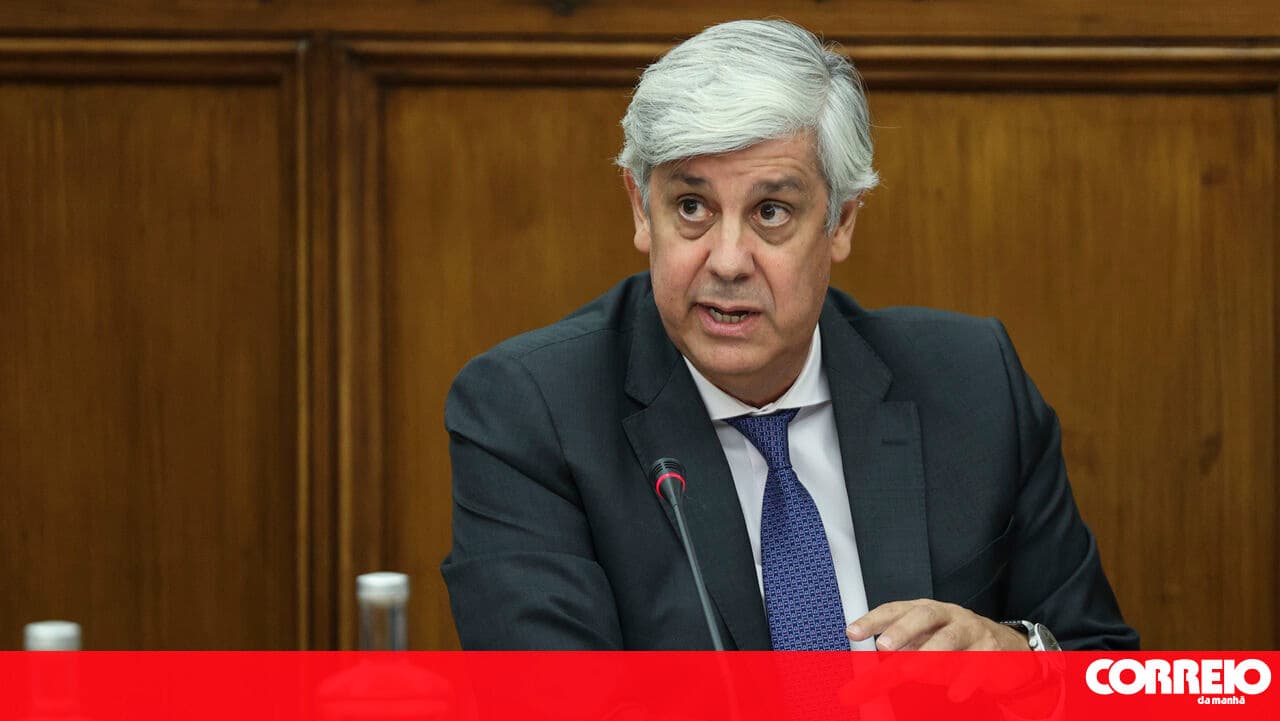
Centeno warns of potential 12 billion euro budget cut
Former Finance Minister Mário Centeno has criticized the government's fiscal narrative, warning that the state may face a 12 billion euro cut to public accounts. Centeno argued that the reported budget surplus is misleading because it improperly includes social security balances, leaving no real budgetary margin for the executive led by Prime Minister Luís Montenegro.
- Governor of Banco de Portugal (2020–present)
- Former: Minister of Finance (2015–2020), President of the Eurogroup (2018–2020)
- Party: Independent (PS-affiliated)
- Background: Economist (PhD, Harvard)
Mário José Gomes de Freitas Centeno (born 1966) is Portugal's central bank governor and one of the country's most internationally recognized economic figures. As Finance Minister under António Costa's first PS government, he became known as "Cristiano Ronaldo of European finance" for turning Portugal's deficit into a surplus while reversing austerity.
He was elected president of the Eurogroup (the informal body of euro area finance ministers) in 2018 — the first Portuguese to hold the role. Since becoming Governor of Banco de Portugal in 2020, he sits on the ECB's Governing Council and oversees Portuguese banking supervision and financial stability.

- Prime Minister, Portugal: 2024 - Present
- Party: Social Democratic Party (PSD)
Luís Filipe Montenegro Cardoso de Morais Esteves (born February 16, 1973, in Porto) is a Portuguese lawyer and center‑right politician who has served as Prime Minister of Portugal since April 2, 2024. A long‑time member of the Social Democratic Party (PSD), he is the leading figure of the post‑Troika generation of Portuguese conservatives. Montenegro was elected to the Assembly of the Republic in 2002 for the Aveiro district and remained an MP for 16 years, becoming PSD parliamentary leader from 2011 to 2017 during the bailout and austerity period under Prime Minister Pedro Passos Coelho. He was a prominent defender of strict austerity measures, arguing in 2014 that “the life of the people is no better, but the life of the country is a lot better,” a phrase that has followed his public image since. After an unsuccessful leadership bid against Rui Rio in 2020, Montenegro won the PSD leadership in 2022. He then forged the centre‑right Democratic Alliance (PSD–CDS‑PP and allies), which won a plurality of seats in the 2024 legislative election. Refusing to partner with the far‑right Chega, which he has called “often xenophobic, racist, populist and excessively demagogic,” he formed a minority government as head of the XXIV Constitutional Government on April 2, 2024. His first government fell in March 2025 after a no‑confidence vote linked to a conflict‑of‑interest affair, but fresh elections saw the Democratic Alliance increase its seat share, allowing Montenegro to return as prime minister leading the XXV Constitutional Government. His importance to Portugal lies in attempting to re‑center the traditional centre‑right after the crisis years, defending liberal‑conservative economics and EU alignment while drawing a sharp line against formal cooperation with the radical right, thus shaping how Portuguese democracy manages its new multi‑party era.
Green Rail Pass expands to Lisbon and Porto suburbs
Starting Sunday, the Green Rail Pass (Passe Ferroviário Verde or PFV) is valid on CP – Comboios de Portugal suburban lines in Lisbon and Porto. The Ministry of Infrastructure and Housing stated the measure aims to simplify travel and reduce costs for commuters. While the pass covers most CP lines nationwide for 20 euros monthly, it excludes Alfa Pendular and Intercidades services.
The Green Rail Pass (Passe Ferroviário Verde) is a monthly subscription that allows unlimited travel on national train services for a flat fee of €20. Starting in late September 2024, this program expands to include urban train lines in Lisbon and Porto, offering a significant discount compared to standard monthly transit passes.
The Linha do Norte (North Line) is Portugal's main north–south rail corridor, linking Lisbon and Porto and carrying the country's busiest intercity and commuter trains. Disruptions on the North Line can affect long-distance schedules and regional services, so passengers should follow CP - Comboios de Portugal updates for alternative routes and timing.

Government demands more details on new Lisbon airport
The government has requested further information from ANA – Aeroportos de Portugal regarding the expansion strategy for the New Lisbon Airport (Novo Aeroporto de Lisboa or NAL). Officials are seeking justification for the current terminal configuration and are pushing to accelerate the project's timeline, which is currently scheduled for completion in 2037.
ANA (ANA Aeroportos de Portugal) is the company that manages Portugal's main airports, including Lisbon Humberto Delgado, Porto Francisco Sá Carneiro, Faro, and airports in the Azores and Madeira. Since 2013, ANA has been owned by the French group Vinci Airports following privatization.
ANA is responsible for airport operations, terminal management, and infrastructure investment across its network. The company has been at the center of Portugal's long-running debate over a new Lisbon airport, with plans for a new facility to relieve capacity constraints at the current airport, which is located in the city center.
Passenger traffic at Portuguese airports has grown significantly, with Lisbon consistently ranking among Europe's fastest-growing airports. ANA's investment decisions and concession terms directly affect flight capacity, passenger experience, and connectivity for residents and tourists.
Justice Minister reaffirms confidence in Judiciary Police director
Minister of Justice Rita Alarcão Júdice has expressed total confidence in the national director of the Judiciary Police (Polícia Judiciária or PJ), Carlos Cabreiro, following recent searches conducted by the Public Prosecutor's Office. The investigation into Cabreiro, which stems from the Football Leaks case, involves allegations of false declarations and abuse of power, though the Criminal Investigation Personnel Union of the PJ also maintains its support for the director.
Update: Minister Neves faces parliamentary inquiry with total tranquility
Minister of Internal Administration Luís Neves stated this Friday that he faces the upcoming parliamentary inquiry commission, proposed by the Chega party regarding his tenure at the PJ, with total tranquility. Neves defended his record at the institution and argued that such scrutiny mechanisms are important for establishing the truth.
Carlos Cabreiro is the national director of the Judiciary Police (Polícia Judiciária or PJ), the agency responsible for investigating serious crimes in Portugal. He has held this leadership role since April 2024, succeeding Luís Neves.

The PJ (Polícia Judiciária) is Portugal's national criminal investigation police agency, founded in 1945. Operating under the Ministry of Justice and supervised by the Public Ministry (prosecutors), the PJ is a "higher criminal police body" specializing in serious and complex crimes. Mission: The PJ assists judicial and prosecuting authorities by investigating terrorism, organized crime, homicide, kidnapping, drug trafficking, corruption, cybercrime, financial crime, and money laundering. It conducts forensic examinations, operates Portugal's Interpol and Europol liaison offices, and maintains specialized units including the National Counterterrorism Unit and National Anti-Corruption Unit. Difference from PSP/GNR: While PSP (civilian urban police) and GNR (military rural police) focus on preventive policing, public order, and investigating minor crimes, the PJ exclusively handles serious crime investigation requiring specialized technical and scientific expertise. PSP and GNR report to the Ministry of Internal Affairs; PJ reports to the Ministry of Justice. PJ officers receive higher pay and prestige but face greater operational risk.
Rita Alarcão Júdice is the Minister of Justice (Ministra da Justiça) in Portugal, serving since April 2024 as part of the government led by Prime Minister Luís Montenegro. A lawyer by profession, she is responsible for overseeing the national judicial system, including the prison services that are currently under scrutiny for overcrowding.
Luís Neves will take office on Monday as Minister of Internal Administration. He graduated in law and has worked at the Judicial Police since 1995, where he served as coordinator of a national unit and developed a long career in criminal investigation.

André Ventura, born January 15, 1983, is a lawyer, academic, and Portugal's most prominent far-right leader. He founded Chega ("Enough") in 2019 after his PSD mayoral campaign attacked the Romani community. Chega surged from 1.3% in 2019 to 22.8% in May 2025, becoming parliament's second-largest party and making Ventura Leader of the Opposition.
His platform emphasizes immigration restrictions, law-and-order policies, constitutional reform, and contains inflammatory anti-Romani rhetoric that has triggered multiple discrimination convictions and investigations. Politically classified as far-right by international media, Ventura cultivates alliances with European far-right figures including Marine Le Pen and Santiago Abascal.
Parliamentary inquiry into Luís Neves to proceed
The President of the Assembly of the Republic, José Pedro Aguiar-Branco, has approved a parliamentary commission of inquiry into the tenure of Luís Neves as national director of the Judiciary Police (Polícia Judiciária or PJ). The Chega party, led by André Ventura, accepted the conditions imposed by Aguiar-Branco, which limit the scope of the inquiry to nine specific topics.
Update: Public Prosecutor searches PJ headquarters in illegal wiretapping probe
The Public Prosecutor's Office (Ministério Público or MP) conducted searches at the national headquarters of the PJ and the Technology Prevention and Support Unit (Unidade de Prevenção e Apoio Tecnológico or UPAT) on Wednesday. The investigation targets current national director Carlos Cabreiro regarding allegations of illegal environmental wiretapping during the 2015 Football Leaks case.
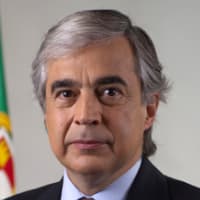
José Pedro Aguiar‑Branco is the President of the Assembly of the Republic, who in this story requested that the Committee on Constitutional Affairs examine the constitutional conformity of government measures in a proposed bill. He is using his parliamentary role to trigger a formal review of changes affecting confession rules and the rights of the defence.
André Ventura, born January 15, 1983, is a lawyer, academic, and Portugal's most prominent far-right leader. He founded Chega ("Enough") in 2019 after his PSD mayoral campaign attacked the Romani community. Chega surged from 1.3% in 2019 to 22.8% in May 2025, becoming parliament's second-largest party and making Ventura Leader of the Opposition.
His platform emphasizes immigration restrictions, law-and-order policies, constitutional reform, and contains inflammatory anti-Romani rhetoric that has triggered multiple discrimination convictions and investigations. Politically classified as far-right by international media, Ventura cultivates alliances with European far-right figures including Marine Le Pen and Santiago Abascal.
The PJ (Polícia Judiciária) is Portugal's national criminal investigation police agency, founded in 1945. Operating under the Ministry of Justice and supervised by the Public Ministry (prosecutors), the PJ is a "higher criminal police body" specializing in serious and complex crimes. Mission: The PJ assists judicial and prosecuting authorities by investigating terrorism, organized crime, homicide, kidnapping, drug trafficking, corruption, cybercrime, financial crime, and money laundering. It conducts forensic examinations, operates Portugal's Interpol and Europol liaison offices, and maintains specialized units including the National Counterterrorism Unit and National Anti-Corruption Unit. Difference from PSP/GNR: While PSP (civilian urban police) and GNR (military rural police) focus on preventive policing, public order, and investigating minor crimes, the PJ exclusively handles serious crime investigation requiring specialized technical and scientific expertise. PSP and GNR report to the Ministry of Internal Affairs; PJ reports to the Ministry of Justice. PJ officers receive higher pay and prestige but face greater operational risk.
Carlos Cabreiro is the national director of the Judiciary Police (Polícia Judiciária or PJ), the agency responsible for investigating serious crimes in Portugal. He has held this leadership role since April 2024, succeeding Luís Neves.
The Ministério Público (Public Prosecution Service) is Portugal's independent state prosecution body, responsible for leading criminal investigations, bringing charges, and representing the public interest in court.
The MP operates autonomously from the government and the police, though it directs criminal investigations carried out by the Polícia Judiciária, PSP, and GNR. It is led by the Procurador-Geral da República (Attorney General), who is appointed by the President on the government's proposal.
The MP gets involved in high-profile cases including corruption, financial crime, and incidents of potential institutional negligence. It also defends the legality of government actions and protects citizens' fundamental rights through the courts.

Education Minister says school placements resolved within 24 hours
Minister of Education Fernando Alexandre reported that only 54 students were awaiting school placement as of Monday. He assured that the government is processing new requests and resolving placement issues within 24 hours, despite ongoing concerns about teacher shortages and overcrowded classrooms in regions like Lisbon and the Algarve.
Update: Teacher shortages and sick leave impact school year start
Education Minister Fernando Alexandre reported that approximately 6,000 teachers have taken medical leave since the start of the school year, leaving 2,000 positions unfilled. While the government attributes remaining student placement issues to late enrolments, opposition parties have criticized the administration's management of the sector.
Fernando Alexandre is the Minister of Education, Science, and Innovation in Portugal's current government, which took office in April 2024. An economist by training, he previously served as a Secretary of State and is now responsible for managing the national school system and university funding. He recently sparked debate by suggesting that university tuition fees should be adjusted to account for inflation.

Firefighters battle severe wildfires as temperatures reach 36°C
Emergency services are responding to multiple wildfires across Portugal, including a major blaze in Sabóia that forced the evacuation of twenty residents. Meanwhile, a firefighter sustained serious injuries while battling a fire in the municipality of Resende, and authorities have placed over 70 municipalities under maximum fire risk due to temperatures reaching 36°C.
Hacker Rui Pinto reacts to searches at the PJ and highlights "dangerous connections" between the…
The Public Prosecutor's Office (MP) is conducting searches this Wednesday at the Technological Prevention and Support Unit (UPAT) of the Judiciary Police (PJ), located in Barro, Loures.

Pedro Portugal Gaspar leaves AIMA and will be heard for a position at the AdC
The Migration Technicians Union (STM) expressed concern over the departure of the AIMA president at a time when the agency “needs stability” and “lacks a solid strategy to recover its response capacity.”