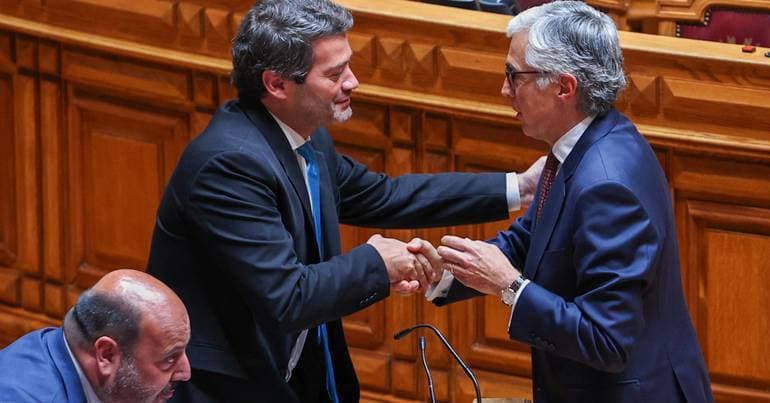
14 September 2026 – 20 September 2026
Portugal Faces Political Friction, Wildfire Threats, and Growing Public Service Challenges
This week, Portugal navigated intense political debate over economic policy and government stability while battling wildfires in the Coimbra district. Expats should note ongoing disruptions in public services, including school placement delays and new heat-related safety warnings across the mainland.
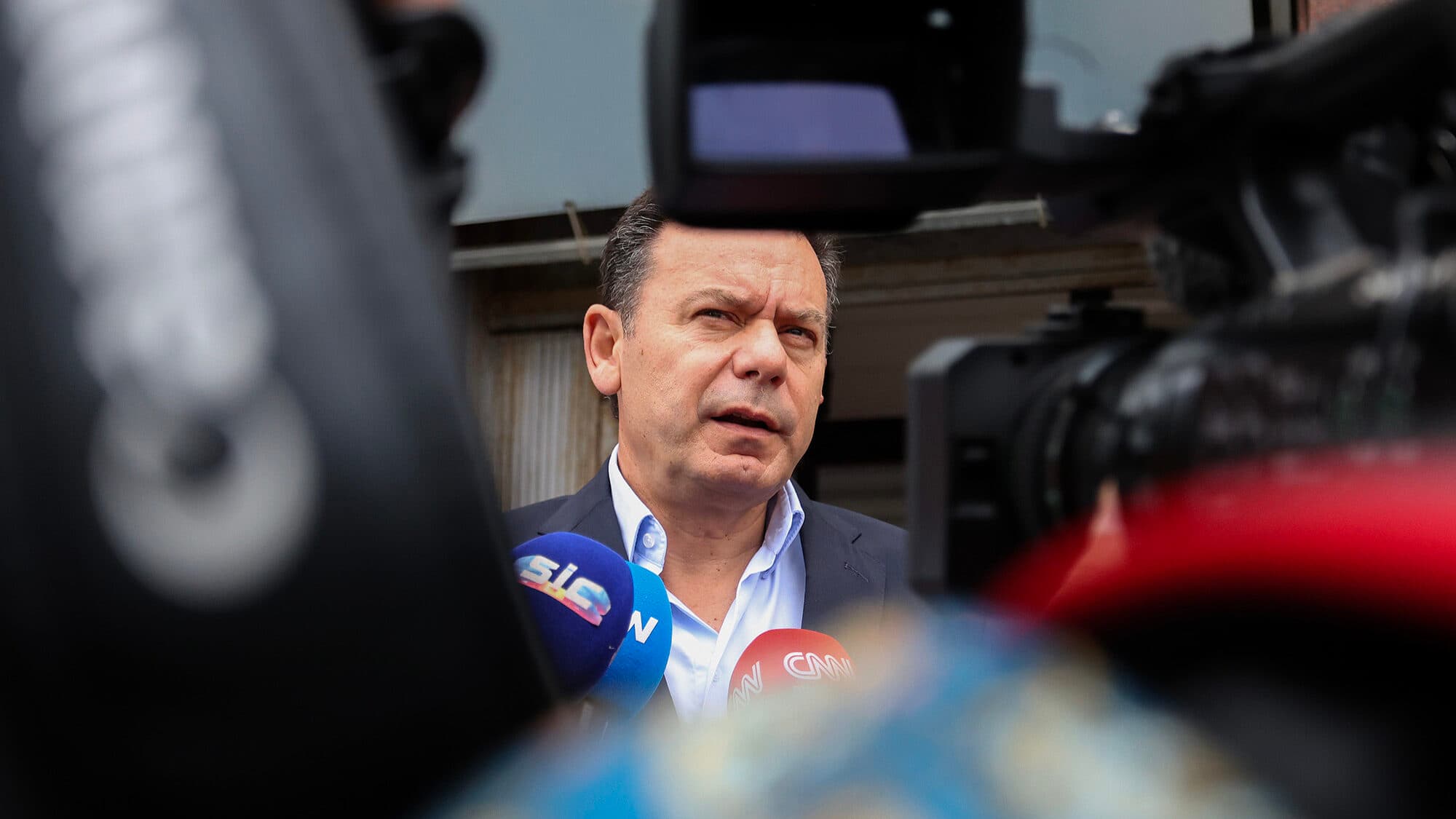
Montenegro rejects austerity label amid economic pressure
Prime Minister Luís Montenegro stated this Saturday that he will not be the 'father of austerity', rejecting calls for impulsive spending measures that could increase national debt interest rates. While facing criticism from former Prime Minister Pedro Passos Coelho, who urged more boldness in reforms, Montenegro defended his government's focus on macroeconomic stability and prioritizing cohesion and agricultural policy in the next European Union budget.
Update: Government announces new cost-of-living relief measures
The government has approved a package of measures to ease household financial pressure, including income tax cuts across the first six brackets and an extraordinary pension payment. These tax reductions, which aim to provide relief starting in November, are expected to cost the state approximately €400 million.

- Prime Minister, Portugal: 2024 - Present
- Party: Social Democratic Party (PSD)
Luís Filipe Montenegro Cardoso de Morais Esteves (born February 16, 1973, in Porto) is a Portuguese lawyer and center‑right politician who has served as Prime Minister of Portugal since April 2, 2024. A long‑time member of the Social Democratic Party (PSD), he is the leading figure of the post‑Troika generation of Portuguese conservatives. Montenegro was elected to the Assembly of the Republic in 2002 for the Aveiro district and remained an MP for 16 years, becoming PSD parliamentary leader from 2011 to 2017 during the bailout and austerity period under Prime Minister Pedro Passos Coelho. He was a prominent defender of strict austerity measures, arguing in 2014 that “the life of the people is no better, but the life of the country is a lot better,” a phrase that has followed his public image since. After an unsuccessful leadership bid against Rui Rio in 2020, Montenegro won the PSD leadership in 2022. He then forged the centre‑right Democratic Alliance (PSD–CDS‑PP and allies), which won a plurality of seats in the 2024 legislative election. Refusing to partner with the far‑right Chega, which he has called “often xenophobic, racist, populist and excessively demagogic,” he formed a minority government as head of the XXIV Constitutional Government on April 2, 2024. His first government fell in March 2025 after a no‑confidence vote linked to a conflict‑of‑interest affair, but fresh elections saw the Democratic Alliance increase its seat share, allowing Montenegro to return as prime minister leading the XXV Constitutional Government. His importance to Portugal lies in attempting to re‑center the traditional centre‑right after the crisis years, defending liberal‑conservative economics and EU alignment while drawing a sharp line against formal cooperation with the radical right, thus shaping how Portuguese democracy manages its new multi‑party era.
Pedro Passos Coelho is a Portuguese politician who served as Prime Minister from 2011 to 2015 and led the Social Democratic Party (Partido Social Democrata or PSD). His choice to stay silent during the presidential run-off matters because, as a former PM and centre‑right leader, his endorsements or comments could influence PSD voters ahead of the 8 February vote.
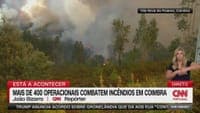
Wildfires merge in Coimbra district, threatening local villages
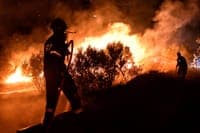
Two wildfires that broke out in Arganil and Vila Nova de Poiares merged this Saturday, forming a single front that mobilized over 700 personnel. While the fire threatened the village of Sabouga, emergency services have since contained the immediate danger to homes. Several firefighters were injured during the operation, including the Arganil fire commander, who was struck by a vehicle.
Update: Firefighters injured as Arganil blaze remains violent
The fire in Arganil remains intense, with over 800 personnel currently deployed to combat the flames as they spread toward the municipality of Góis. At least six firefighters have sustained injuries during the ongoing operation, including one individual who was struck by a vehicle, while a separate accident involving a fire engine in Coruche resulted in four additional injuries.
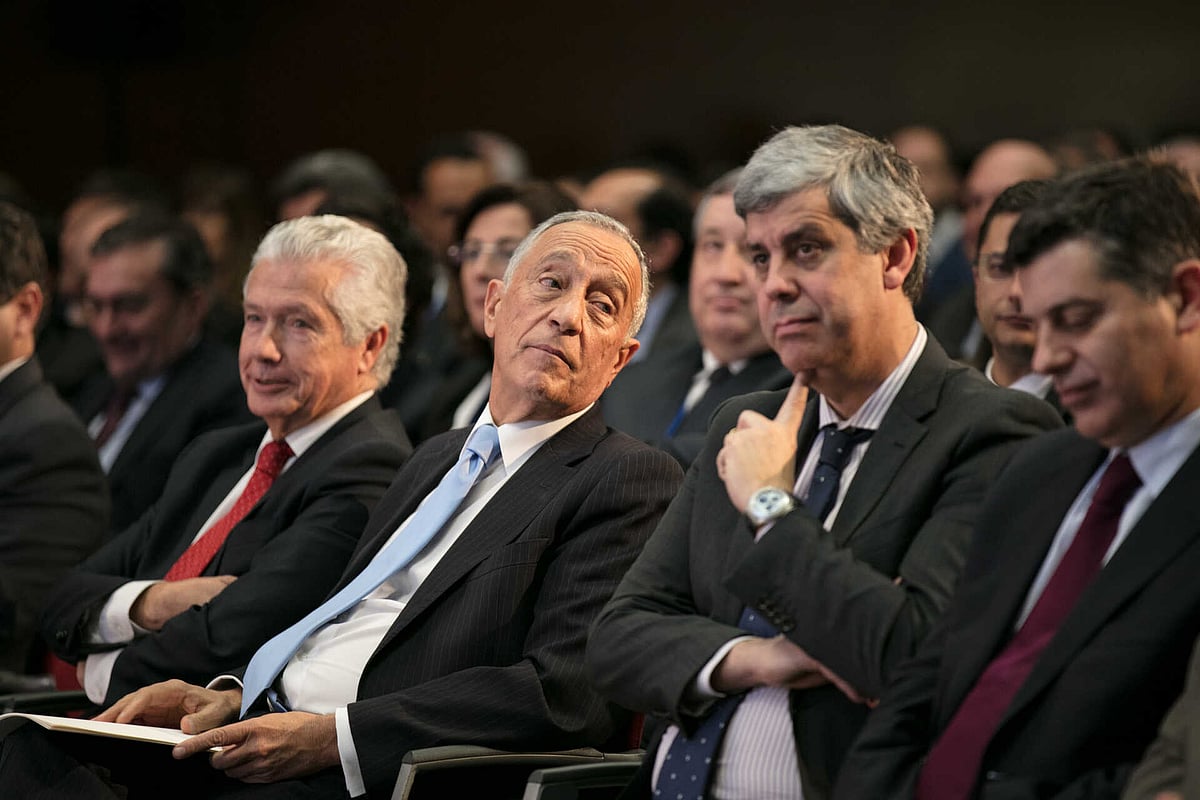
Centeno criticizes government formation without parliamentary majority
Former Finance Minister Mário Centeno criticized President Marcelo Rebelo de Sousa for swearing in the current government without a stable parliamentary majority. Speaking at the Instituto Progresso conference, Centeno argued that this lack of support hinders essential reforms and contrasted the current political climate with the stability of the 2015 'geringonça' coalition.
- Governor of Banco de Portugal (2020–present)
- Former: Minister of Finance (2015–2020), President of the Eurogroup (2018–2020)
- Party: Independent (PS-affiliated)
- Background: Economist (PhD, Harvard)
Mário José Gomes de Freitas Centeno (born 1966) is Portugal's central bank governor and one of the country's most internationally recognized economic figures. As Finance Minister under António Costa's first PS government, he became known as "Cristiano Ronaldo of European finance" for turning Portugal's deficit into a surplus while reversing austerity.
He was elected president of the Eurogroup (the informal body of euro area finance ministers) in 2018 — the first Portuguese to hold the role. Since becoming Governor of Banco de Portugal in 2020, he sits on the ECB's Governing Council and oversees Portuguese banking supervision and financial stability.

- Former President of Portugal (2016–2026)
- Party: Independent (formerly Social Democratic Party, PSD)
Electoral Mandate and Democratic Consensus:
Marcelo Rebelo de Sousa was elected President of Portugal on January 24, 2016, winning 52.0% of the vote in the first round—a decisive victory in a fragmented field. He campaigned as an independent, positioning himself as a unifying figure after years of austerity from Portugal's 2011–14 bailout, promising to repair political divisions and restore national confidence. His campaign emphasized moderation and cross-party consensus, a departure from his decades-long association with the center-right Social Democratic Party (PSD). Upon taking office on March 9, 2016, he suspended his party membership for the duration of his presidency.
His 2021 re-election proved extraordinary: Rebelo de Sousa secured 60.7% of the vote—the third-highest margin in Portuguese presidential electoral history since the 1974 Carnation Revolution. Historically, he became the first candidate ever to win in all 308 municipalities and the vast majority of parishes, ranging from 51.3% in Beja District to 72.16% in Madeira. This unprecedented sweep reflected his broad appeal across social, geographic, and ideological divides.
Constitutional Role and Crisis Leadership:
Portugal operates as a semi-presidential system where the president, while largely ceremonial, exercises meaningful influence over national security, foreign policy, and military affairs as Supreme Commander of the Armed Forces. Rebelo de Sousa leveraged this authority during Portugal's response to the COVID-19 pandemic. In March 2020, he requested parliamentary authorization for a state of emergency—the first nationwide declaration in 46 years of democratic history—to contain the crisis. He voluntarily quarantined after potential COVID-19 exposure in March 2020, and later tested positive in January 2021 while remaining asymptomatic. His measured handling of the pandemic, balancing public health with institutional continuity, contributed to his landslide 2021 re-election.
Diplomatic Engagement and International Presence:
Rebelo de Sousa has conducted extensive state visits representing Portugal's interests across diverse regions: the Vatican, Spain, Mozambique, Morocco, Brazil, Switzerland, Cuba, the United Kingdom, Greece, the United States, and Angola. A notable diplomatic highlight occurred in 2019 when he joined President Emmanuel Macron at the Bastille Day military parade in Paris, representing European military cooperation and the European Intervention Initiative. These engagements positioned Portugal as an active participant in global affairs, particularly regarding colonial history and Atlantic security partnerships.
Colonial Legacy and Historical Accountability:
During his presidency, Rebelo de Sousa has publicly supported making restitution and acknowledging abuses committed during Portugal's colonial history and the country's role in the Atlantic slave trade. This position marked a significant policy shift, as Portugal historically avoided confronting its imperial past compared to other European powers. His stance reflected evolving attitudes within Portuguese society toward historical accountability.
Controversies and Public Criticism:
Rebelo de Sousa's presidency has not been without controversy. In 2023, allegations emerged that he had intervened to expedite treatment for Brazilian twins with Zolgensma, an expensive rare disease medication, raising questions about presidential influence and potential corruption. These claims implicated his son and generated criticism across Portuguese political and media sectors. Additionally, in April 2024, Rebelo de Sousa made controversial remarks comparing the speed of Prime Ministers António Costa and Luís Montenegro using orientalist language that drew public rebuke. In August 2025, he called U.S. President Donald Trump a "Russian asset" at a PSD event, demonstrating his willingness to make provocative foreign policy statements.
Constitutional Constraints and Legacy:
Under Portugal's constitution, Rebelo de Sousa is barred from running for a third consecutive term, meaning his presidency concludes with elections scheduled for January 18, 2026. His decade-long tenure has established him as one of Portugal's most popular recent heads of state, characterized by broad consensus-building and institutional stability. Whether future presidents can replicate his cross-party appeal remains an open question for Portuguese democracy as it enters a new era.
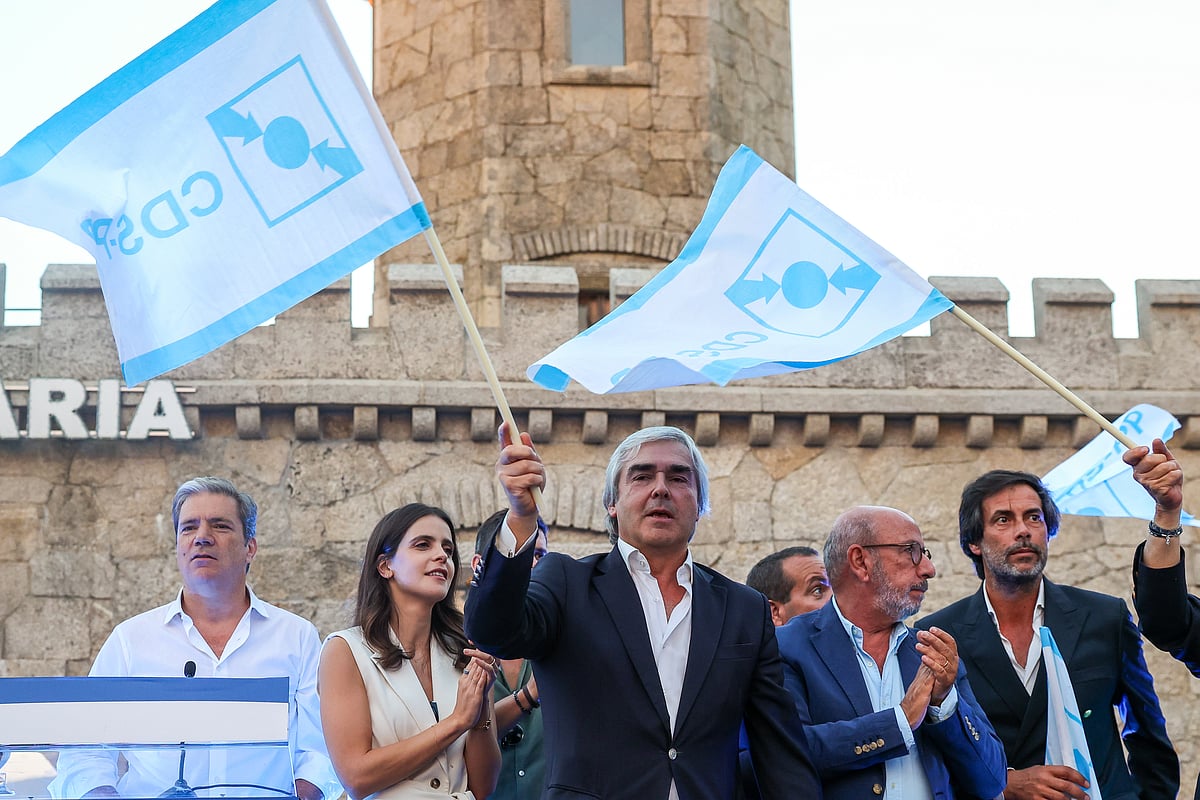
Nuno Melo links school delays to immigration policy
Minister of Defence and leader of the CDS-PP, Nuno Melo, attributed recent delays in school enrolments to the previous government's immigration policies. Melo argued that the 'wide-open doors' approach under the Socialist Party (Partido Socialista or PS) created unsustainable pressure on public services, while also criticizing the Chega party for past legislative cooperation with the PS.
Nuno Melo is the president of CDS-PP (Centro Democrático e Social – Partido Popular), a Christian democratic party in Portugal. In the story he linked Chega's position to socialism, compared André Ventura to Donald Trump, and urged party members to vote 'in conscience' in the presidential runoff on the 8th, a stance that could affect centre‑right voters.
The CDS–PP is the Democratic and Social Centre – People's Party (Centro Democrático e Social – Partido Popular), a small centre-right, Christian-democratic party founded in 1974. It often partners with the larger PSD in parliament; in February 2026 it voted with the PSD and IL to approve a housing package, so its parliamentary support can influence housing and other policy outcomes.
Medical residency selection moves to online model
The Central Administration of the Health System (Administração Central do Sistema de Saúde or ACSS) announced that the new online model for selecting medical residency vacancies ensures greater transparency. The system, which replaces in-person selection, was developed with input from medical representatives to improve the process for candidates.
The Central Administration of the Health System (Administração Central do Sistema de Saúde or ACSS) is updating its records to ensure that public health resources are allocated to those who actually need them. This process involves removing inactive users from lists to better reflect the current population using the National Health Service (Serviço Nacional de Saúde or SNS). SNS patients should be aware that accurate registration is necessary to maintain access to primary care (cuidados de saúde primários).
Yellow heat warnings issued for nine mainland districts
The Portuguese Institute for Sea and Atmosphere (Instituto Português do Mar e da Atmosfera or IPMA) has issued Yellow Heat Warnings for nine mainland districts, including Lisbon, Porto, and Coimbra, effective from September 19 to 21, 2026. Temperatures are expected to reach 38°C due to an anticyclone, prompting officials to warn of increased rural fire risks and public health concerns.
Update: Yellow heat warnings extended until Monday evening
The IPMA has extended the duration of the yellow heat warnings for the nine affected districts until 19:00 on Monday, September 21.
A red warning is the highest alert level issued by Portugal's weather agency, the Portuguese Institute for the Sea and the Atmosphere (Instituto Português do Mar e da Atmosfera or IPMA), used when conditions pose a very high risk to life and property. Under a red warning authorities may close roads, suspend transport and advise people to avoid coastal and flood‑prone areas, so follow civil protection instructions during the Friday–Saturday storm period.
Court orders school support for student in Almada
A court in Almada has ruled that the Ministry of Education must place a child with specific educational needs in a local school with the necessary pedagogical support. The decision follows a legal challenge supported by the Movement for Effective Inclusion (Movimento para a Inclusão Efetiva), which advocates for the rights of students to receive appropriate resources.
The Movimento para a Inclusão Efetiva (Movement for Effective Inclusion) is a Portuguese advocacy group focused on ensuring children with disabilities or special educational needs receive proper support and school placement. They often engage in legal and public advocacy to hold the Ministry of Education (Ministério da Educação) accountable for fulfilling its legal obligations to provide inclusive schooling.

New housing programs lack necessary regulations
Two government initiatives, the Housing Rental Investment Contracts (Contratos de Investimento para Arrendamento Habitacional or CIA) and the Simplified Accessible Rental Regime (Regime Simplificado de Arrendamento Acessível or RSAA), entered into force this month without the required regulations. This lack of clear guidelines currently prevents property owners and investors from participating in the programs intended to increase housing supply.
Liberal Initiative demands 30-cent fuel tax reduction
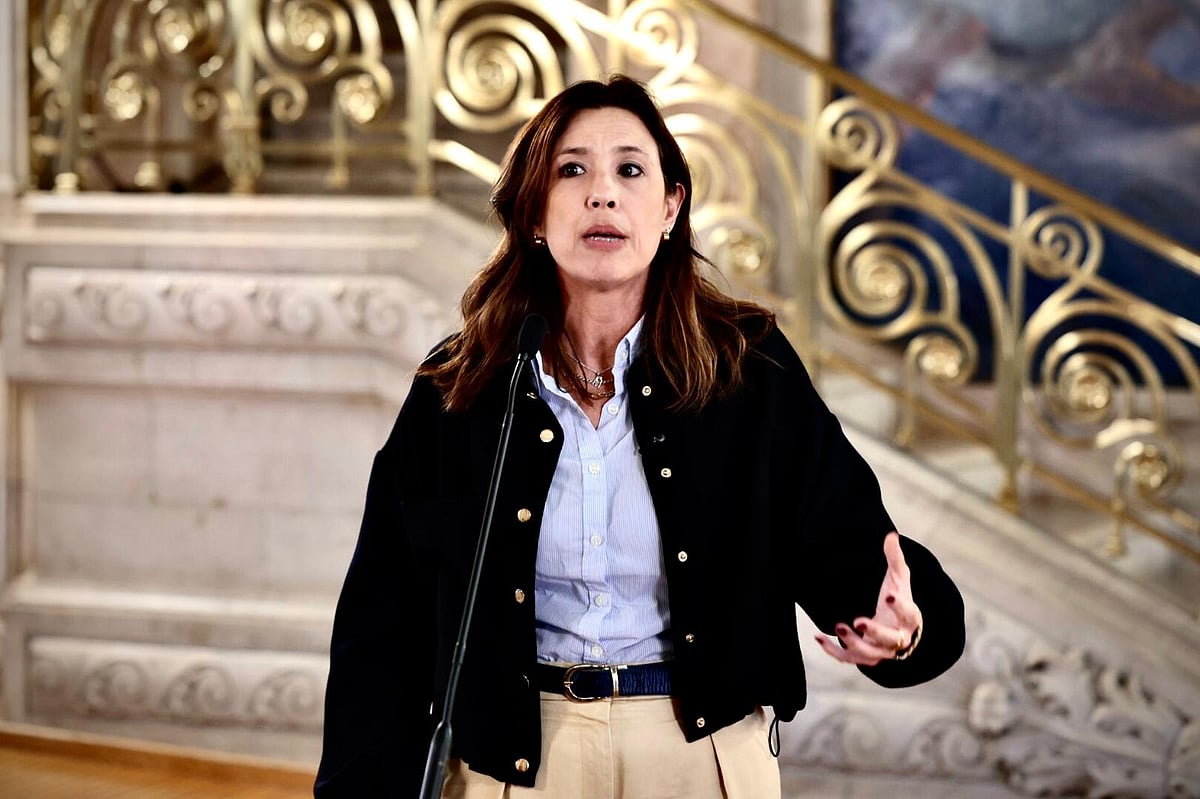
Mariana Leitão, leader of the Liberal Initiative (Iniciativa Liberal or IL), has demanded that the government implement a 30-cent per litre reduction in fuel prices. Leitão criticized the state for failing to reduce its own spending while continuing to tax citizens, arguing that the government is ignoring a proposal already approved by parliament.
Mariana Leitão is the president of the Liberal Initiative (Iniciativa Liberal), a liberal political party in Portugal. She is presenting a policy document titled "Lift Portugal - Build Now, Conquer the Future" to the prime minister, and her proposals could affect economic and regulatory reforms that residents and businesses should watch.
- Leader: Mariana Leitão (since July 2025)
- Ideology: Classical liberalism, economic libertarianism
Founded in 2017, the Liberal Initiative advocates for reduced state intervention, tax simplification, labor market liberalization, and secular liberalism under the motto "Less State, More Freedom". The party gained its first parliamentary seat in 2019 and now holds 9 seats. Mariana Leitão, 42, became the party's first female leader in July 2025 after Rui Rocha resigned following disappointing 2025 election results. Leitão previously served as parliamentary leader and has been announced as the party's candidate for the 2026 presidential election. The party explicitly rejects alliances with both far-left and far-right parties, positioning itself as the "only alternative" that won't negotiate with extremes.
Government faces pressure over public school student placements
The Ministry of Education is considering opening new classes or increasing student capacity to address the hundreds of students currently without school placements. Opposition parties, including the Socialist Party (Partido Socialista or PS), the Left Bloc (Bloco de Esquerda or BE), and Livre, have demanded clarifications, with some calling for a parliamentary inquiry into the management of public schools and teacher shortages.
Update: Lisbon schools accommodate unplaced students
The Ministry of Education and school principals in Lisbon reached a solution this Monday to place hundreds of students by distributing them into existing classes. While this resolves the immediate issue in the capital, hundreds of students in other municipalities remain without a public school placement.
Health cards are private membership or discount schemes sold by companies that offer access to consultations, tests or reduced fees at private clinics; they are not the public health service. The Socialist Party (Partido Socialista or PS) has proposed regulation to increase transparency and protect consumers from misleading marketing or unexpected charges.

- Leader: Currently vacant (Mariana Mortágua resigned October 2025)
- Ideology: Democratic socialism, eco-socialism, feminism
- Founded: 1999
The Left Bloc (Bloco de Esquerda, BE) is a Portuguese left-wing party founded in 1999 as a coalition of far-left movements (UDP, PSR, and Política XXI). It positioned itself as a modern, progressive alternative to the traditional left, attracting younger urban voters with campaigns on social justice, LGBTQ+ rights, drug policy reform, housing, and labor protections.
The party's peak influence came during the 2015–2019 Geringonça ("contraption") government, when it supported António Costa's PS minority administration alongside the PCP. This arrangement reversed austerity measures and presided over economic recovery, giving BE significant policy leverage.
Since then, the party has suffered a sharp electoral decline — from 19 seats in 2015 to just 1 seat in the May 2025 election, its worst result in history. Leader Mariana Mortágua resigned in October 2025 after failing to reverse the slide. The party is currently undergoing a leadership contest and internal debate about its future direction, squeezed between the PS on one side and Livre on the other.
Socialist Party (PS)
- Leader: José Luís Carneiro (since June 2025)
- Ideology: Center-left, Social democracy, pro-Europeanism
Portugal's other traditional major party suffered a historic collapse in the 2025 election, dropping from 78 to 58 seats and falling to third place for the first time in democratic history. The party was led by Pedro Nuno Santos from January 2024 until his resignation following the May 2025 defeat. José Luís Carneiro, a 53-year-old former Minister of Internal Administration known for his moderate positioning within the party, was elected unopposed as the new Secretary-General with 95% of votes in June 2025. The Socialist Party governed Portugal from 2015 to 2024, including an absolute majority from 2022 to 2024 under António Costa, who resigned in November 2023 amid a corruption investigation. The PS previously led the innovative "Geringonça" (contraption) coalition government from 2015-2019, a minority government supported by the Left Bloc and Portuguese Communist Party that reversed austerity measures and presided over economic recovery.

Wildfires: Fire in Arganil is "very violent" and three villages are in the path of the flames
Aerial resources have already been withdrawn due to a lack of visibility during the night
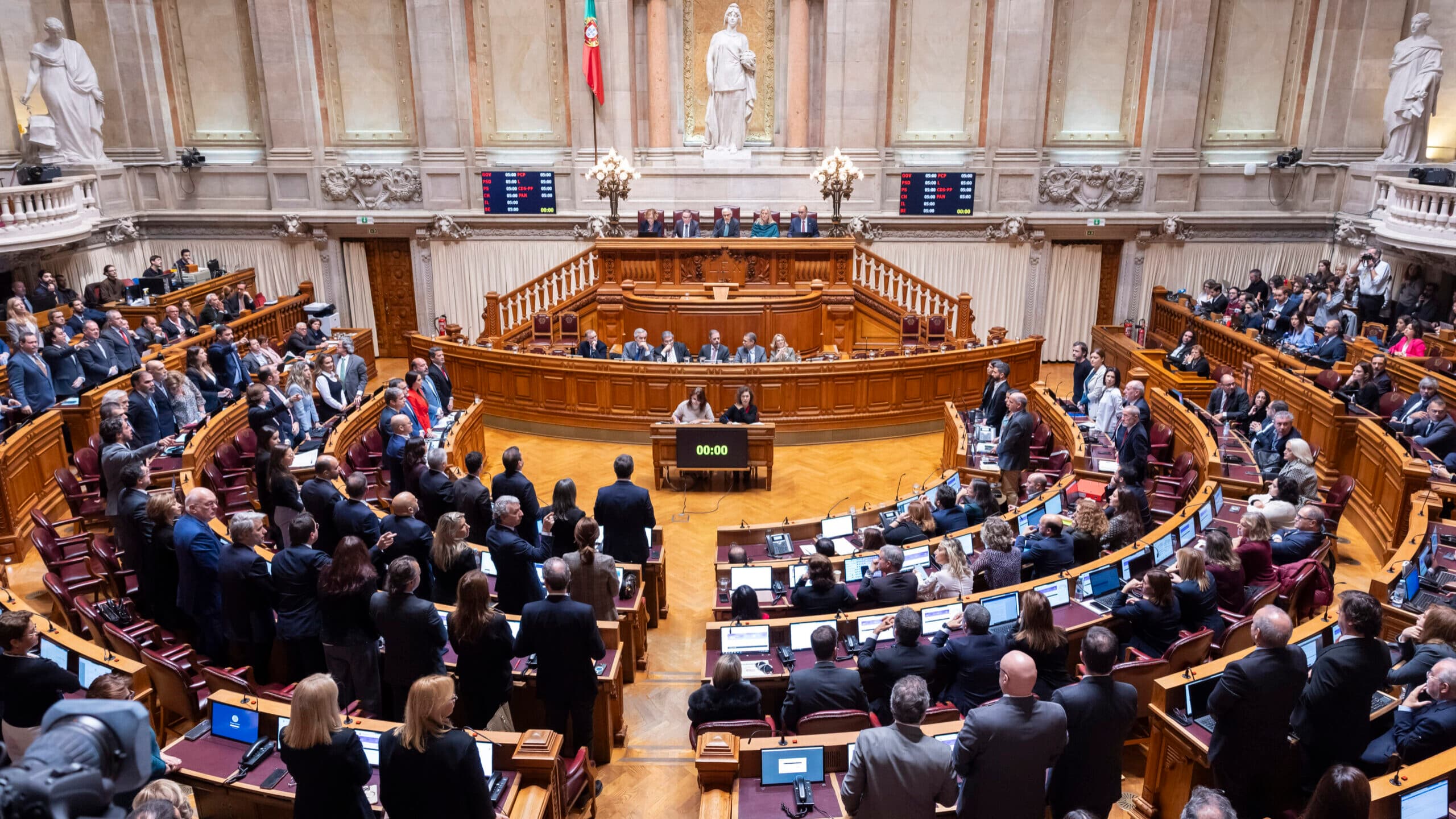
‘Auction’ of cost-of-living proposals: Opposition wants to lower VAT and ISP to curb prices, while…
Chega has two bills in Parliament to lower fuel VAT to 13% and apply zero VAT to a basket of essential food items. The PS advocates for the same goals but through recommendations to the Government, while the IL has already managed to pass a resolution to reduce the ISP. Meanwhile, the Government is focusing on relief...
Seven answers regarding the brake on the parliamentary inquiry into Neves proposed by Chega
The leader of Chega accused the President of the Assembly of the Republic of “defending the rot of the system” after rejecting Ventura's proposal for a parliamentary inquiry into Luís Neves. Observador explains the implications of Aguiar-Branco's decision.