Justice Minister reaffirms confidence in Judiciary Police director

Friday, 25 September 2026AI summary
Justice Minister reaffirms confidence in Judiciary Police director
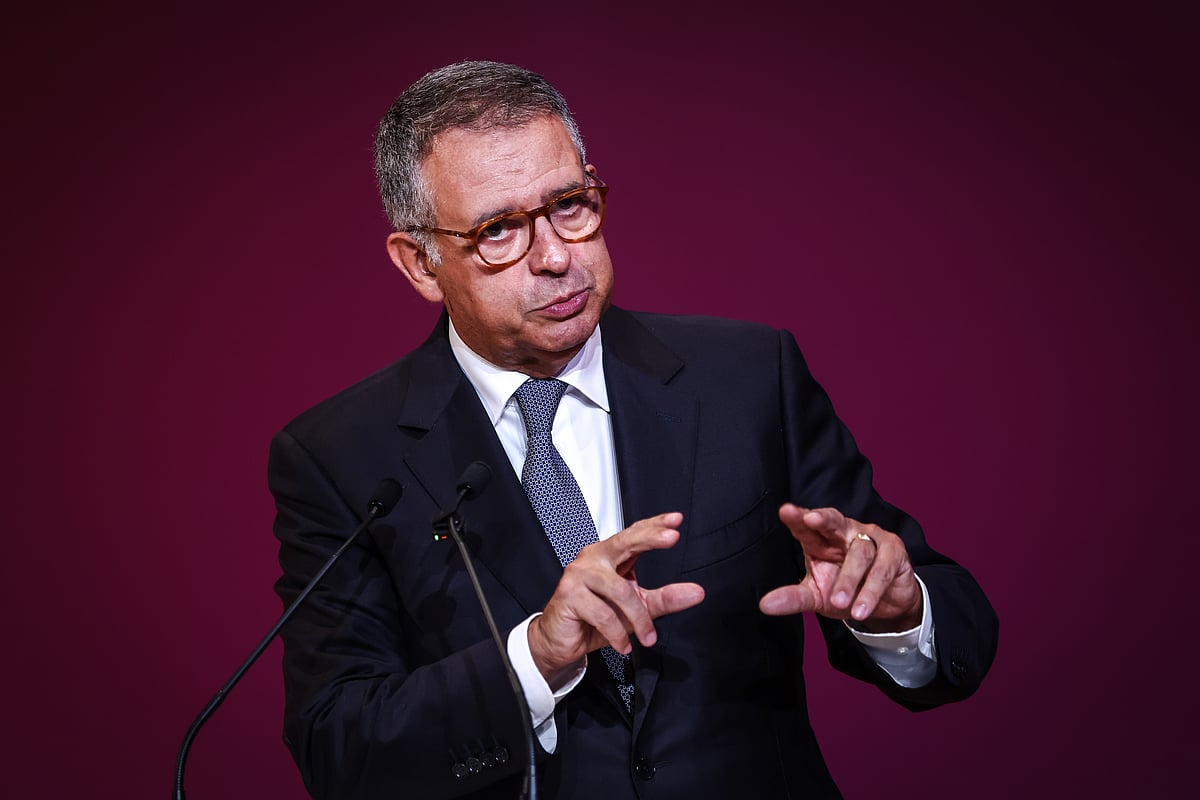
Photo: CNN Portugal

Minister of Justice Rita Alarcão Júdice has expressed total confidence in the national director of the Judiciary Police (Polícia Judiciária or PJ), Carlos Cabreiro, following recent searches conducted by the Public Prosecutor's Office. The investigation into Cabreiro, which stems from the Football Leaks case, involves allegations of false declarations and abuse of power, though the Criminal Investigation Personnel Union of the PJ also maintains its support for the director.

Update: Minister Neves faces parliamentary inquiry with total tranquility

Minister of Internal Administration Luís Neves stated this Friday that he faces the upcoming parliamentary inquiry commission, proposed by the Chega party regarding his tenure at the PJ, with total tranquility. Neves defended his record at the institution and argued that such scrutiny mechanisms are important for establishing the truth.

Context & Explainers

Rita Alarcão Júdice is the Minister of Justice (Ministra da Justiça) in Portugal, serving since April 2024 as part of the government led by Prime Minister Luís Montenegro. A lawyer by profession, she is responsible for overseeing the national judicial system, including the prison services that are currently under scrutiny for overcrowding.

Carlos Cabreiro is the national director of the Judiciary Police (Polícia Judiciária or PJ), the agency responsible for investigating serious crimes in Portugal. He has held this leadership role since April 2024, succeeding Luís Neves.

Polícia Judiciária

The PJ (Polícia Judiciária) is Portugal's national criminal investigation police agency, founded in 1945. Operating under the Ministry of Justice and supervised by the Public Ministry (prosecutors), the PJ is a "higher criminal police body" specializing in serious and complex crimes. ​ Mission: The PJ assists judicial and prosecuting authorities by investigating terrorism, organized crime, homicide, kidnapping, drug trafficking, corruption, cybercrime, financial crime, and money laundering. It conducts forensic examinations, operates Portugal's Interpol and Europol liaison offices, and maintains specialized units including the National Counterterrorism Unit and National Anti-Corruption Unit. ​ Difference from PSP/GNR: While PSP (civilian urban police) and GNR (military rural police) focus on preventive policing, public order, and investigating minor crimes, the PJ exclusively handles serious crime investigation requiring specialized technical and scientific expertise. PSP and GNR report to the Ministry of Internal Affairs; PJ reports to the Ministry of Justice. PJ officers receive higher pay and prestige but face greater operational risk.

Luís Neves will take office on Monday as Minister of Internal Administration. He graduated in law and has worked at the Judicial Police since 1995, where he served as coordinator of a national unit and developed a long career in criminal investigation.

André Ventura

André Ventura, born January 15, 1983, is a lawyer, academic, and Portugal's most prominent far-right leader. He founded Chega ("Enough") in 2019 after his PSD mayoral campaign attacked the Romani community. Chega surged from 1.3% in 2019 to 22.8% in May 2025, becoming parliament's second-largest party and making Ventura Leader of the Opposition.

His platform emphasizes immigration restrictions, law-and-order policies, constitutional reform, and contains inflammatory anti-Romani rhetoric that has triggered multiple discrimination convictions and investigations. Politically classified as far-right by international media, Ventura cultivates alliances with European far-right figures including Marine Le Pen and Santiago Abascal.