First regional emergency department opens today at Loures Hospital
The Beatriz Ângelo Hospital in Loures launches the first regional gynaecology and obstetrics emergency department, operating 24/7 to address healthcare staffing shortages.

Latest news and stories about patient care in Portugal for expats and residents.
The Beatriz Ângelo Hospital in Loures launches the first regional gynaecology and obstetrics emergency department, operating 24/7 to address healthcare staffing shortages.

The National Authority for Medicines and Health Products (Infarmed) is evaluating whether the state will pay for a new brain cancer drug called Voranigo. The evaluation follows a rejected special authorization request for a 35-year-old patient, though the agency is now considering a more general approval for use in public hospitals. Patients and families should note that the drug targets specific gliomas and has already been approved for use in other jurisdictions.

The Health Regulatory Authority reported 91,553 complaints in 2025, with 64.2% originating from the public sector, primarily concerning access to care, while private sector complaints focused on pricing.

The Minister of Health has approved a new gynaecology and obstetrics network to manage complex cases, while addressing critical staffing shortages in hospitals like Setúbal, Vila Franca de Xira, and Almada.

A new gynaecology and obstetrics referral network is being implemented in Portugal, centralising patient flow to Loures while highlighting critical staffing shortages across multiple regional hospitals.

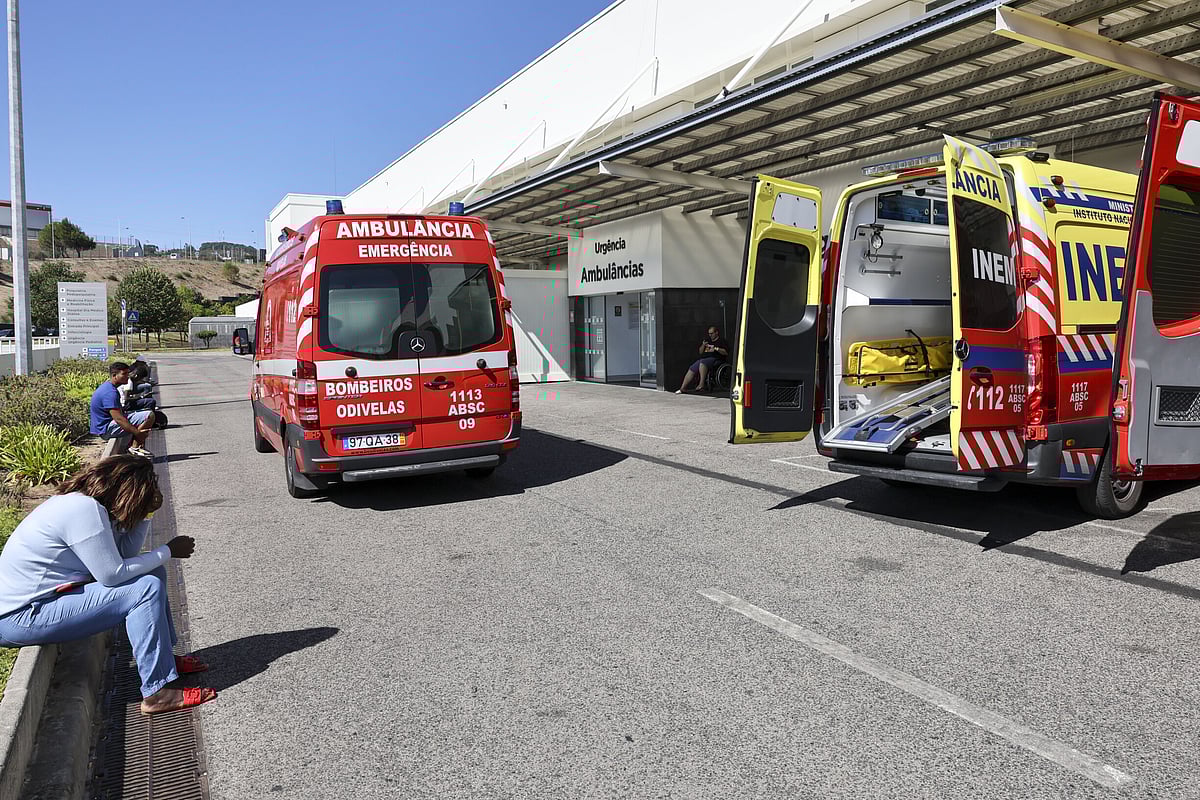
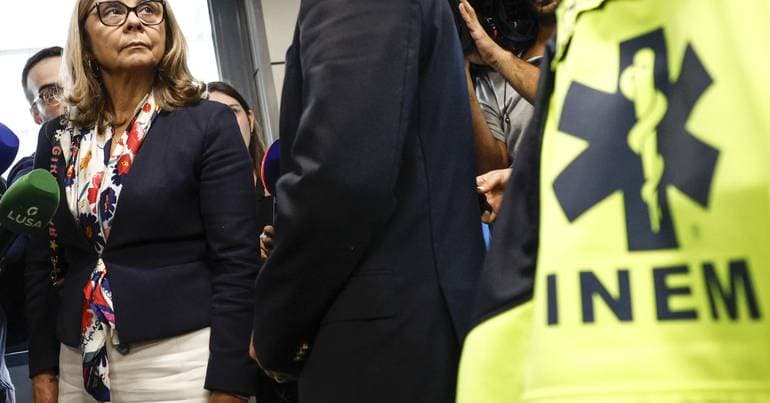
A parliamentary inquiry into the National Institute of Medical Emergency (Instituto Nacional de Emergência Médica or INEM) revealed that many staff had already exceeded the legal limit of 150 overtime hours before the 2024 strike. Former head of the National Health Service (Serviço Nacional de Saúde) Fernando Araújo testified that there has been a lack of political accountability for the crisis. The inquiry is investigating the breakdown of emergency services during the industrial action. Those relying on emergency services should note that the system remains under significant strain.
Minimum services (serviços mínimos) are the legally required basic services that must be maintained during a strike to protect public safety—in healthcare this typically covers emergency care, critical ambulance coverage and intensive care. They matter because the INEM workers' committee admitted that late or unclear communication about which teams would be available during the end-of-2024 strike may have reduced operational capacity and confused patients; as an expat, expect limited non-urgent care during strikes and check official updates or call 112 for true emergencies.
Fernando Araújo is a physician and the former Executive Director of the National Health Service (Serviço Nacional de Saúde or SNS), a position he held until mid-2024. He was responsible for the Local Health Units (Unidades Locais de Saúde) reform, which integrated hospital and primary care services to improve efficiency. SNS patients should note that his public criticisms often highlight ongoing issues with emergency room wait times and medical staffing.

Users who have no contact with the National Health Service (Serviço Nacional de Saúde or SNS) may lose their assigned family doctor (médico de família) starting in June. Separately, health officials are warning foreign mothers to prioritize prenatal care following a report on fetal mortality rates. The National Health Council (Conselho Nacional de Saúde or CNS) also warned that service cuts are already occurring across the country despite growing demand. SNS patients should be aware that regular contact with their health unit is necessary to maintain their registration.

Data indicates that infant mortality rates during pregnancy and the first year of life are higher for children of foreign mothers compared to Portuguese mothers, prompting calls for improved healthcare integration and outreach.
A parliamentary committee has approved expanding the right to be forgotten (direito ao esquecimento) to include patients with diabetes, HIV, cancer, and hepatitis C. The law ensures that individuals who have recovered or are managing these conditions face the same conditions as others when applying for bank credit or insurance. The proposal, originally from the Socialist Party (Partido Socialista), aims to end discrimination in financial services based on medical history. Those with chronic conditions should note that these changes will take effect once the final law is published.

Socialist Party (PS)
Portugal's other traditional major party suffered a historic collapse in the 2025 election, dropping from 78 to 58 seats and falling to third place for the first time in democratic history. The party was led by Pedro Nuno Santos from January 2024 until his resignation following the May 2025 defeat. José Luís Carneiro, a 53-year-old former Minister of Internal Administration known for his moderate positioning within the party, was elected unopposed as the new Secretary-General with 95% of votes in June 2025. The Socialist Party governed Portugal from 2015 to 2024, including an absolute majority from 2022 to 2024 under António Costa, who resigned in November 2023 amid a corruption investigation. The PS previously led the innovative "Geringonça" (contraption) coalition government from 2015-2019, a minority government supported by the Left Bloc and Portuguese Communist Party that reversed austerity measures and presided over economic recovery.
The right to be forgotten (direito ao esquecimento) is a legal protection that prevents banks and insurance companies from using a person's past medical history, such as cancer or HIV, to deny credit or insurance. In Portugal, this right typically applies ten years after the end of treatment for adults, or five years if the illness occurred before age 21. Residents seeking life insurance or mortgages after recovering from serious illness should be aware of these protections.

The Central Administration of the Health System (Administração Central do Sistema de Saúde or ACSS) clarified that new registration rules for primary care will not result in patients losing access to the National Health Service (Serviço Nacional de Saúde or SNS). The update aims to clean up patient lists that do not reflect reality and ensure family doctors (médicos de família) can focus on those needing regular care. SNS patients should be aware that these administrative changes are intended to improve service efficiency rather than restrict care.
The Central Administration of the Health System (Administração Central do Sistema de Saúde or ACSS) is updating its records to ensure that public health resources are allocated to those who actually need them. This process involves removing inactive users from lists to better reflect the current population using the National Health Service (Serviço Nacional de Saúde or SNS). SNS patients should be aware that accurate registration is necessary to maintain access to primary care (cuidados de saúde primários).

A new report from the Directorate-General of Health (Direção-Geral da Saúde or DGS) shows an increase in fetal and infant mortality rates across Portugal in 2024. The fetal mortality rate rose to 4.1 per 1,000 births, while infant mortality reached 3.0 per 1,000 live births. Parents and expectant families should note that the DGS is calling for strengthened prevention strategies to address these complex social and health trends.
Update: Maternal age linked to increased risk in new report
New data from the DGS reveals that more than half of maternal deaths recorded between 2020 and 2024 occurred in women aged 35 or older. The report confirms that 61.8% of these deaths involved pregnancies considered to be at higher risk due to age. Expectant mothers over 35 should be aware that health authorities are emphasizing the need for closer monitoring during and after pregnancy.
The Directorate-General for Health (Direção-Geral da Saúde) is Portugal’s national public health authority that issues guidance on disease control, health alerts and safety of food and water. After Storm Kristin it advised boiling or using bottled water if contamination is suspected, discarding food exposed to floodwater and keeping good hygiene when cleaning affected areas, guidance that residents and recovery workers should follow.

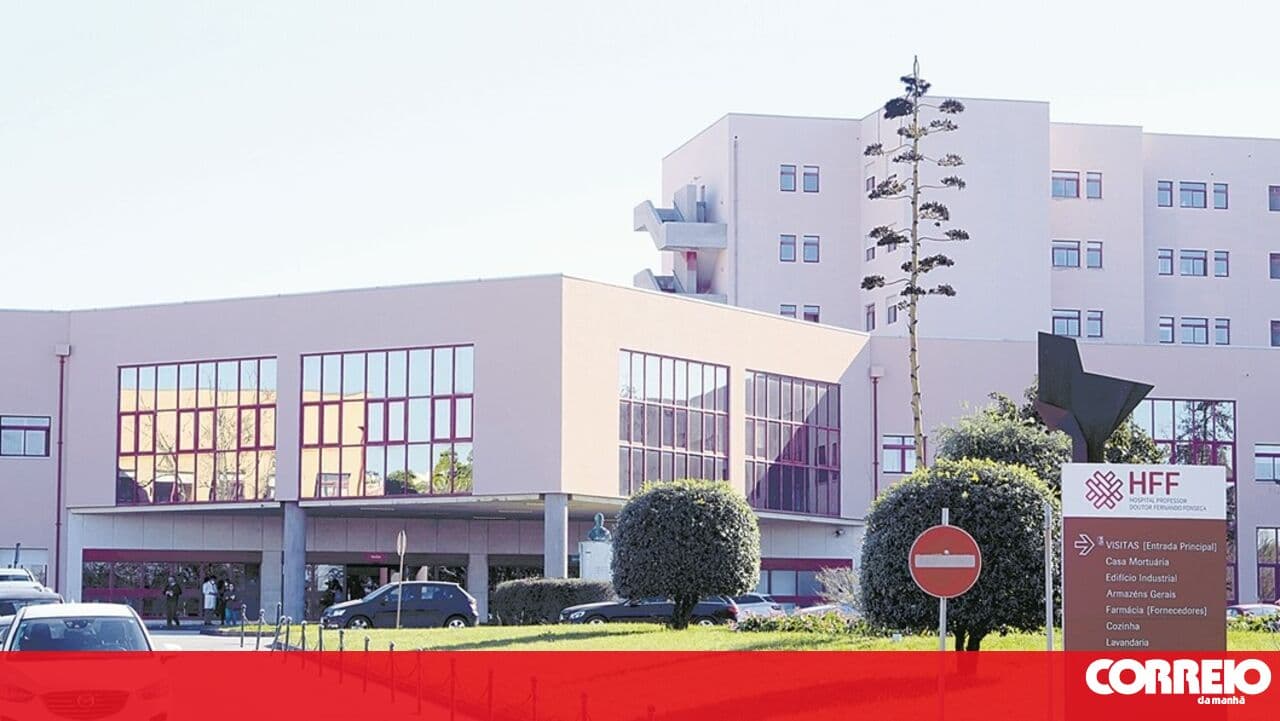
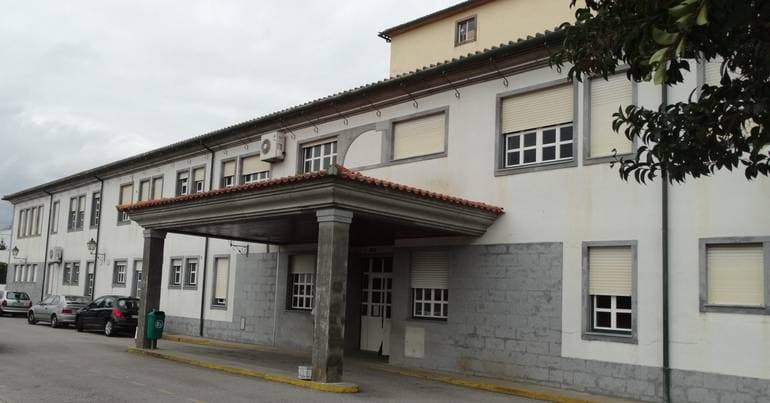
A new regional emergency service (serviço de urgência) for obstetrics and gynaecology opens Monday at the Beatriz ngelo Hospital in Loures. The unit aims to centralize care and improve safety for patients from Odivelas to Benavente as the National Health Service (Serviço Nacional de Saúde or SNS) struggles with staffing. Those in the Setbal Peninsula should note that a similar centralized model is planned for their region to address unsustainable weekend closures.
Update: Doctors warn Loures emergency unit lacks staff for expansion
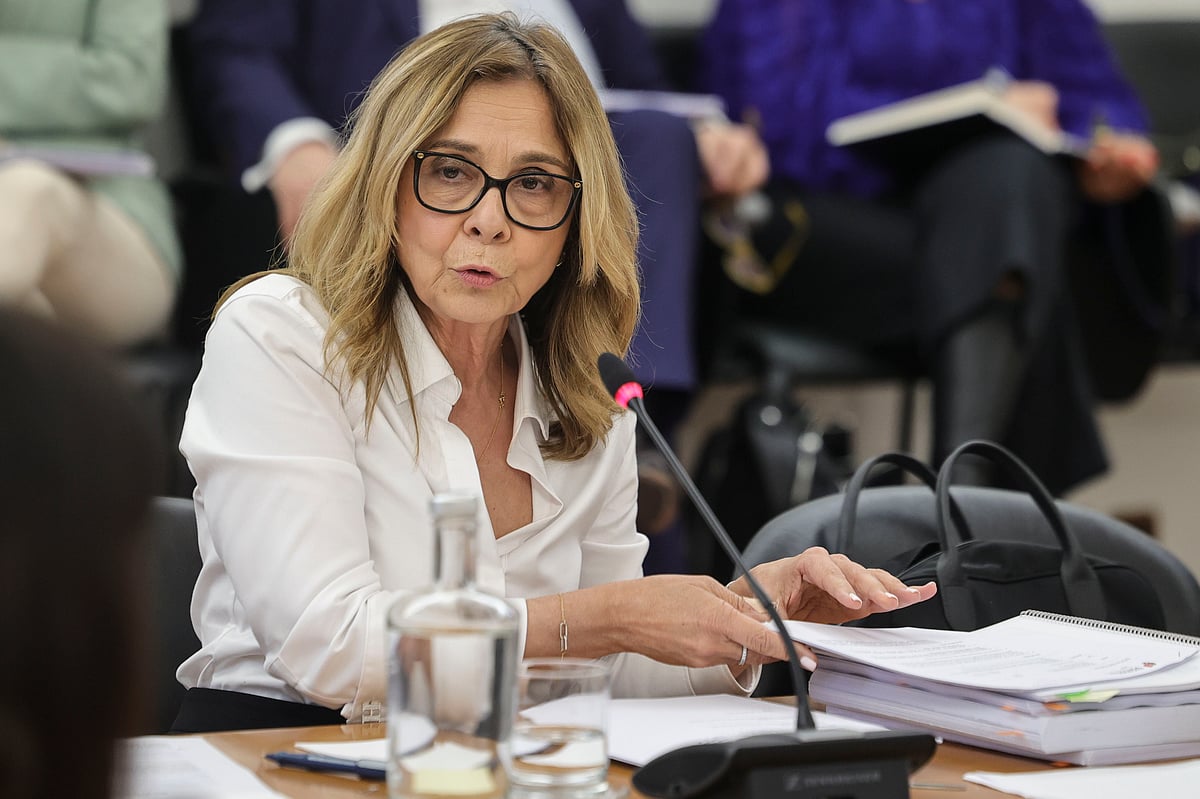
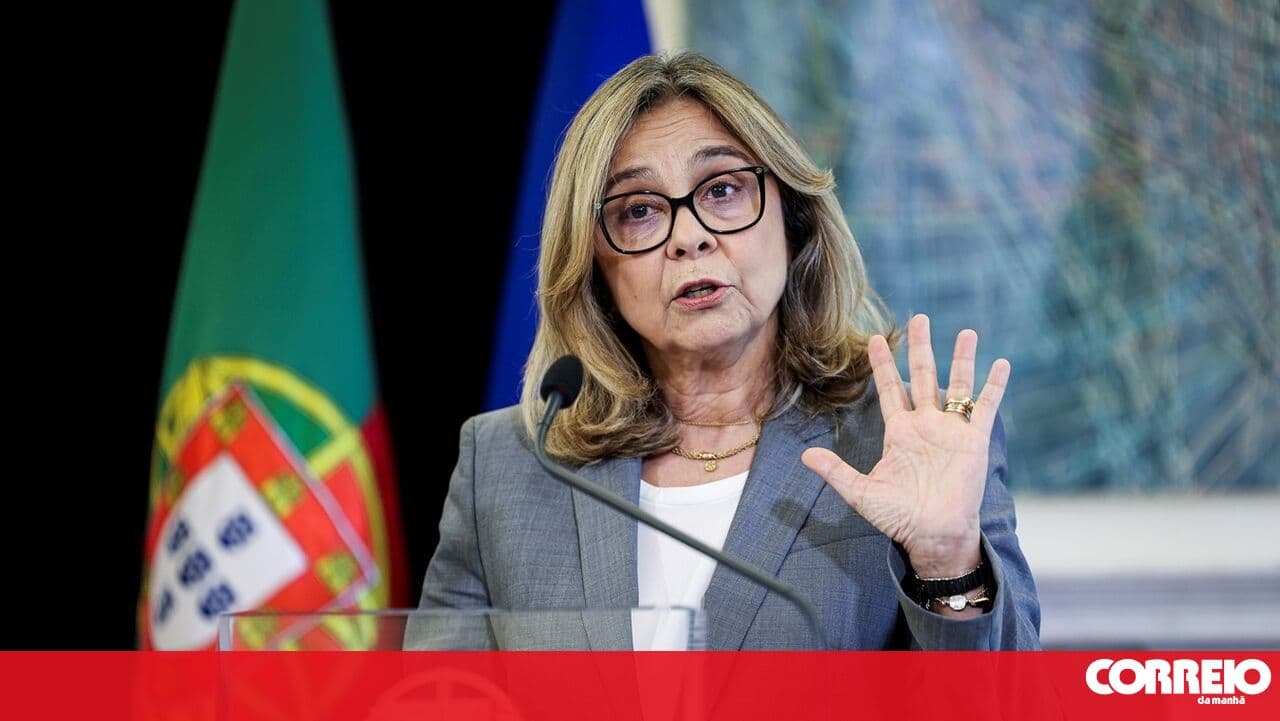
Doctors at Hospital Beatriz ngelo warn that integrating patients from Vila Franca de Xira on March 16 lacks necessary reinforcements. Meanwhile, the Minister of Health, Ana Paula Martins, stated that the new unit in Almada will only open once medical rosters are fully completed.
Ana Paula Martins is Portugal's Health Minister (Ministra da Saúde), and in this story she expressed concern about 'untruths' circulating regarding the National Health Service. She also said that waiting times for initial assessments during the current flu season have fallen this year, a point meant to reassure patients relying on public care.

An analysis of the medical residency program at S. João Hospital and a critique of the populist political response to the closure of emergency services at Barreiro Hospital.

Orthopaedic surgeons, urologists, and endocrinologists from Gaia Hospital are visiting health centres to provide consultations. This initiative enhances accessibility and reduces hospital overload.

A British study investigates a novel medication aimed at addressing the underlying causes of Dravet syndrome, a severe form of epilepsy, rather than merely alleviating symptoms. This research is particularly significant for over a hundred patients in Portugal who are affected by this condition.

Évora Hospital has become the first public institution in Portugal to implement an AI system called Genius Digital Imager for cervical cancer detection. This innovative technology enhances the accuracy of screening by using AI algorithms and high-resolution image analysis to identify precancerous and cancerous lesions. The system aims to improve healthcare in the Alentejo region by ensuring efficient and accurate diagnoses, while also emphasizing the importance of prevention in combating cervical cancer.

The SNS executive director announced a new system for handling obstetric emergencies starting on the 16th, where more complex cases will be directed to Loures Hospital, while Vila Franca de Xira will handle less serious cases. The SNS24 line will assess and direct pregnant women to the appropriate services. During a hearing, the director defended the performance of INEM and discussed the impact of funding diversions on emergency services.

The article advocates for equitable access to biologic treatments for patients with severe asthma, emphasizing the need to update Ordinance No. 261/2024/1 to ensure that these patients receive the same level of care as those with other chronic conditions. It frames this issue as an ethical and social imperative, highlighting the injustice faced by asthma patients in accessing necessary medical treatments.

Experts and patients are urging the Portuguese government to take decisive action against the growing obesity crisis, which currently impacts approximately two million adults in the country. They emphasize the need for effective policies and healthcare measures to address this public health issue.

The number of patients without an assigned family doctor has increased, reaching 1.6 million in January. This rise is attributed to a growing demand for healthcare services, with an additional 231,000 patients in the NHS over the past year.

Mayors in Barreiro are opposing the closure of the obstetrics and gynaecology emergency unit, citing that over 16,000 births have occurred there between 2014 and 2024. They find the decision to close the unit incomprehensible, especially in light of ongoing healthcare challenges, such as ambulances being held for hours at other emergency departments due to high patient volumes.

The article discusses concerns regarding the dehumanization of healthcare services in the Alentejo Litoral region of Portugal, as highlighted by Vítor Proença, President of CIMAL. During a meeting with local municipalities and social institutions, Proença expressed alarm over reports of inadequate care at the Hospital do Litoral Alentejano, particularly affecting vulnerable populations such as the elderly and sick. The meeting aimed to address these issues as part of a broader initiative to enhance healthcare in the region. Proença emphasized the importance of understanding local experiences to formulate effective proposals for improving health services.

The article discusses health issues in the Litoral Alentejano region, focusing on the fight for better conditions in the sector. It highlights a demonstration in Lisbon by User Committees, attended by hundreds of citizens, local officials, and health professionals, demanding more doctors, nurses, and improvements in hospital facilities and health centers. The region faces challenges such as a shortage of family doctors, deteriorating facilities, and long waiting times in various specialties. Additionally, the Litoral Alentejano Hospital requires more human resources, particularly nurses, to open new emergency services and ensure adequate care. The document also mentions the population served by the Local Health Unit of Litoral Alentejano, which covers about 100,000 inhabitants. Besides health issues, the text highlights cultural events, exhibitions, festivals, educational activities, and leisure in the region, reflecting an active cultural and social agenda.

One month after storm Kristin, the Leiria hospital continues to grapple with the aftermath of the disaster, which saw 177 polytrauma patients flood the emergency department in just six hours. Healthcare professionals faced significant challenges, including a lack of communication and blocked roads, forcing patients to arrive in their own vehicles. As attention shifted from the storm's immediate impact, underlying issues in the healthcare system have resurfaced, highlighting ongoing chaos and the need for improved public safety policies.

An elderly woman tragically passed away in the emergency room of Gracia de Orta Hospital in Almada while waiting for medical attention after being triaged and moved to the clinical observation area.