Latest news and stories about patient care in health in Portugal for expats and residents.
Hospital de São José in Lisbon mistakenly handed a family's coffin the wrong body; the error was discovered moments before a planned wake and the hospital has opened an internal inquiry. Reports identify the deceased and note an identification bracelet mismatch; the case has drawn extra attention because the family is related to public figure Manuel Luís Goucha. Those arranging funerals or dealing with hospital paperwork should expect the inquiry and any procedural follow‑up from the hospital.
Hospital de São José is a major public hospital in central Lisbon, part of the Centro Hospitalar Universitário de Lisboa Central (CHULC), that provides emergency, inpatient and specialist care to the capital region. Because it is one of Lisbon’s principal hospitals, incidents such as the reported mistaken release of the wrong body draw national scrutiny and can raise concerns about procedures for patient and post‑mortem identification; patients and families using Lisbon hospitals should be aware of their rights and complaint channels.

When formal care breaks down, patients improvise — a situation that cannot become the normal operating mode of a health system. The piece examines the risks of self-medication and improvised care, and highlights research suggesting diagnostic and outcome disparities — for example, people with colour-vision deficiency and bladder cancer were 52% more likely to die within 20 years of diagnosis — to argue for better access, diagnostics and system-level solutions.

Portuguese reporting indicates a sharp rise in monthly fees at some care homes — increases of roughly €500 — driven largely by a persistent labour shortage and higher operating costs. The hikes are prompting families to withdraw elderly relatives, intensifying pressure on informal care networks and raising equity and access concerns for vulnerable patients. Economically, the trend highlights how rising labour costs and constrained staffing can be passed directly to users in minimally regulated markets, with implications for social policy, funding models and workforce recruitment/retention. Separately, French coverage notes a demobilisation of farmers’ protests in Paris, underscoring a wider context of labour and sectoral tensions across services and primary production.

A new study from the Karolinska Institute strengthens evidence that Epstein–Barr virus (EBV), the common cause of glandular fever, can trigger an immune response that damages the brain and may contribute to the development of multiple sclerosis (MS). The research supports the hypothesis that EBV infection is a key environmental driver of MS, a chronic inflammatory neurological disease affecting nearly three million people worldwide, in which the immune system attacks the central nervous system.
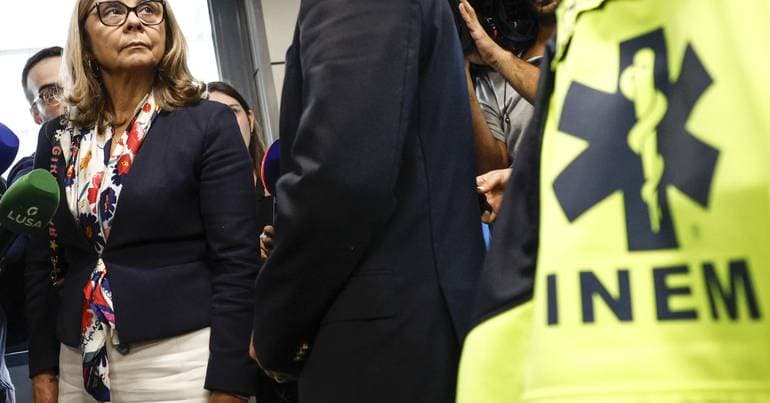
Despite repeated technical assessments, confirmed financial capacity and clear structural proposals, the SNS and INEM keep failing to deliver timely emergency responses. This analysis points to implementation gaps — weak governance, fragmented coordination between national and regional bodies, staffing shortages and poor resource allocation — rather than lack of solutions; the result is delayed care that harms patients (including expats) and undermines public wellbeing. Addressing the problem requires transparent accountability, an independent audit of operational bottlenecks, data-driven redistribution of resources and political commitment to implement already-defined reforms.

A study from Nova SBE finds 51.85% of respondents said they had self-medicated at some point, with higher rates among young people, those with more education and people without a family doctor (médico de família). Researchers warn self-medication is commonly used for mental-health issues and can be risky for people with chronic conditions if not discussed with a clinician. Those relying on regular prescriptions should ensure continuity with a registered family doctor and bring medication lists to appointments.

Difficulties accessing the National Health Service (SNS) are driving patients away from exclusive reliance on public care and toward private healthcare. More than half of people report self-medicating and the majority do not inform their doctor, while those who can afford private care rarely revert to the SNS once they switch. The trend suggests growing segmentation in access and a potential long-term shift of wealthier patients out of the public system.

A new report finds episodes of illness rising particularly among younger people in Portugal, contributing to an overall increase in the number of people falling ill while persistent barriers to accessing the SNS (Serviço Nacional de Saúde) remain high. The data suggest growing pressure on primary and urgent care, uneven access driven by geographic, capacity and administrative constraints, and possible underlying drivers such as changing infection patterns, mental‑health needs and disruptions to routine care. The report calls for targeted policy responses to expand capacity, improve outreach to younger cohorts and reduce practical barriers to care, and for more granular analysis to identify regional and demographic causes.

The Order of Nurses (Ordem dos Enfermeiros) has publicly rejected proposed limits on nurse recruitment, warning that restricting hiring would damage service quality and patient safety and exacerbate staffing pressures. Observador and Correio da Manhã report the body said workforce shortages and an ageing staff profile already strain care delivery. For expats who rely on public healthcare: staffing pressures could mean slower non‑urgent services and longer waits in some units; consider registering with a local family doctor and check private options if continuity of care is essential.
The Ordem dos Enfermeiros (Order of Nurses) is Portugal’s statutory professional body that registers and regulates nurses, sets professional standards, and handles discipline and professional conduct. Its warning about hiring limits matters because the Ordem represents the nursing workforce—restrictions on recruitment can worsen staff shortages and affect patient care, so expat nurses must be registered with the Ordem to practise and may be directly affected by any new hiring rules.

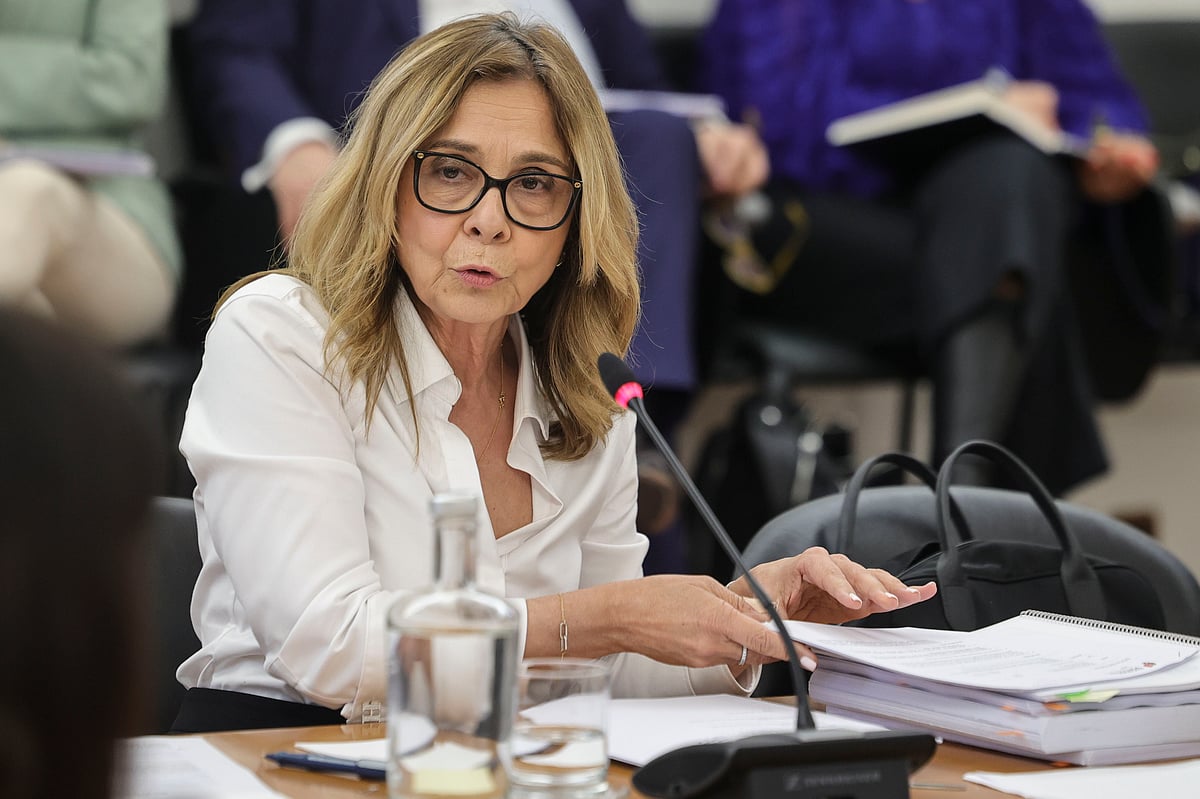
During a tense election campaign swing through Ovar, São João da Madeira and Lamego, AD-backed candidate Marques Mendes publicly challenged Health Minister Ana Paula Martins to “show up and explain” mounting problems in the National Health Service, notably failings in emergency departments. Mendes, accompanied by two ministers and supported at events by Porto mayor Rui Moreira, pressed for direct public explanations as the health portfolio becomes a campaign battleground; the minister already has a public engagement scheduled. Elsewhere on the campaign trail, André Ventura “survived” an incident in Aveiro—famously described as a "chuva de cavacas"—and later thanked supporters in Viseu's so-called “Cavaquistão,” underscoring how confrontational moments and popular gestures are shaping voter perceptions. The episodes highlight healthcare policy and political accountability as central issues in the race and illustrate how personalised campaign incidents are influencing public debate.

André Ventura, born January 15, 1983, is a lawyer, academic, and Portugal's most prominent far-right leader. He founded Chega ("Enough") in 2019 after his PSD mayoral campaign attacked the Romani community. Chega surged from 1.3% in 2019 to 22.8% in May 2025, becoming parliament's second-largest party and making Ventura Leader of the Opposition.
His platform emphasizes immigration restrictions, law-and-order policies, constitutional reform, and contains inflammatory anti-Romani rhetoric that has triggered multiple discrimination convictions and investigations. Politically classified as far-right by international media, Ventura cultivates alliances with European far-right figures including Marine Le Pen and Santiago Abascal.
He announced his 2026 presidential candidacy, polling at 18% alongside independent Admiral Gouveia e Melo. His rise ended Portugal's 50-year resistance to far-right parties.

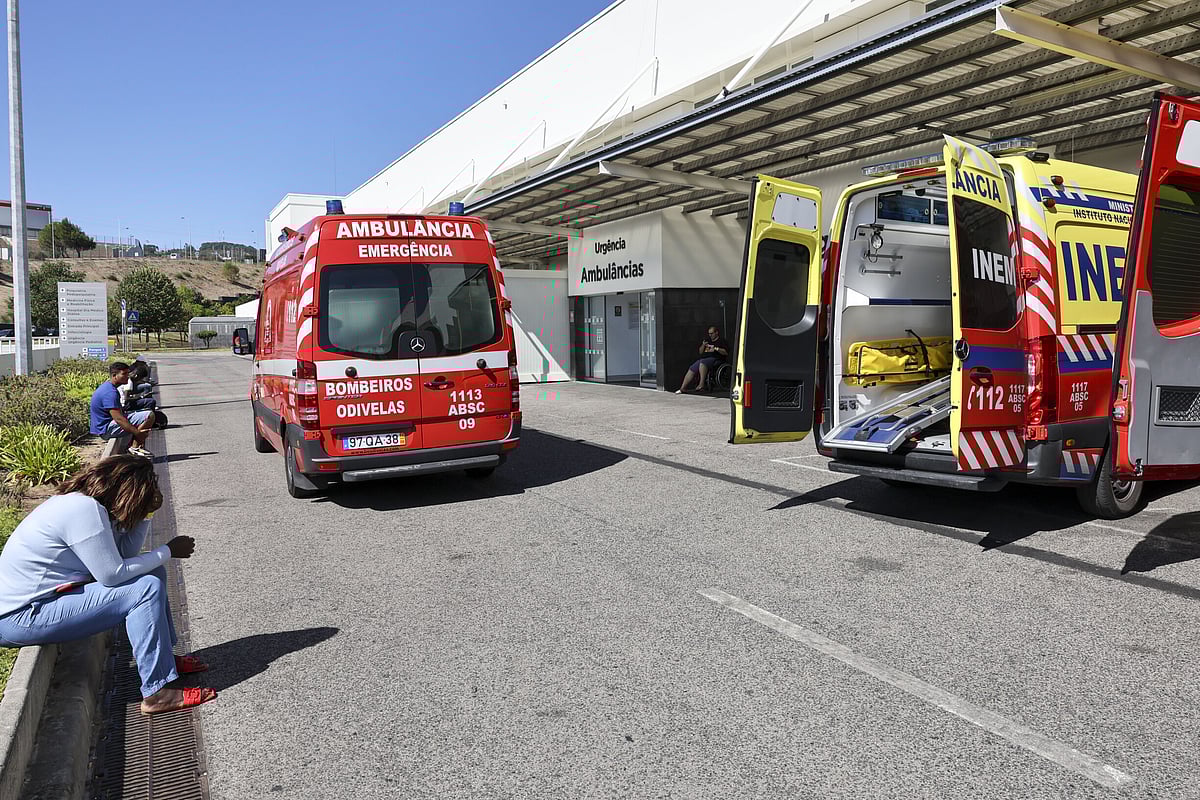
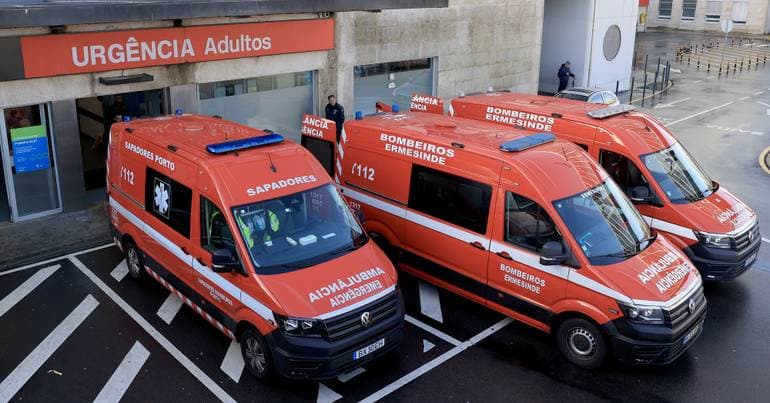
The Portuguese Firefighters' League (LBP) has established a weekend task force of four additional ambulances to bolster pre-hospital emergency response and ease pressure on hospitals. The emergency vehicles — drawn from the Ajuda, Cabo Ruivo, Camarate and Cascais brigades — will be based at the LBP headquarters, while a commander will be on permanent duty at CAASO (Centre for Operational Monitoring and Support) to coordinate operations. The deployment is a targeted, short-term capacity boost intended to improve response times during busy periods and provide centralised operational oversight.

Beja Hospital’s obstetrics and gynaecology emergency service will be closed overnight due to a shortage of doctors, operating from 20:00 on Saturday until 08:00 on Sunday and again from 20:00 on Sunday until 08:00 on Monday. The closures are attributed to an inability to complete the rota, raising concerns about patient access to urgent maternity and gynaecological care and potential pressure on neighbouring services. An accompanying opinion notes systemic failings in emergency logistics — exemplified by ambulances held up by missing stretchers — as symptomatic of wider incompetence in healthcare operations.
Presidential candidate André Pestana argues that funds currently routed to private healthcare providers should instead be invested in the NHS. He says greater NHS investment would strengthen health professionals' careers and deliver practical improvements — for example, better ambulances available sooner — reducing reliance on private sector services.
Update: New reporting puts more than 420 patients waiting for an initial assessment in hospital emergency departments today, slightly lower than earlier figures of 440–470 published in our previous update; numbers vary by hospital and by outlet. The persistent delays are being reported alongside a broader flu surge and strained emergency services, keeping pressure on admissions and ambulance handovers. For expats, expect longer waits for non-urgent A&E care and consider contacting your family doctor or using scheduled appointments where possible.
Update: New outlet figures give local detail — a national average urgent-patient wait of about 3 hours 16 minutes, with much longer waits at some hospitals (Amadora‑Sintra reported ~11 hours; Santa Maria ~6 hours). Sources vary on the exact totals and some hospitals report better performance; overall coverage emphasises regional differences and continued pressure on admissions and ambulance handovers. Practical takeaway for expats: plan non-urgent care in advance and check local hospital performance if choosing a referral or appointment.
Update: New analysis highlights structural problems beyond seasonal pressure: successive hospital mergers have created large Local Health Units (Unidades Locais de Saúde), some with budgets reported above €1bn, but observers say management capacity has not kept pace and individual hospitals have lost identity. The reporting links those governance issues to dysfunctions such as trolleying and delayed ambulance handovers in the National Health Service (Serviço Nacional de Saúde or SNS). For expats this reinforces earlier practical advice — expect variability between hospitals, consider non-emergency options and register with a family doctor where possible.
Update: RTP reports hospitals are now struggling to admit a rising number of patients with respiratory problems, adding pressure to A&E triage and inpatient beds at a time of high seasonal demand. This increase is being cited by hospital sources as a driver of current delays.
Update: Admiral Carlos Gouveia e Melo has publicly called for changes to leadership in the health sector, accusing the State of failing to meet deadlines and urging new appointments to improve management and accountability. His criticism adds a political voice to coverage that links structural governance issues with current operational stresses in emergency departments.
Update: Reporting in Público and CNN Portugal says the dermatology service at Hospital Egas Moniz, part of the Lisbon Western Local Health Unit (Unidade Local de Saúde de Lisboa Ocidental), was judged in October 2024 to lack conditions of “safety, health and hygiene” and still has no set date for relocation; authorities had recommended relocation but no timetable has been published. The situation may disrupt specialist outpatient dermatology care in Lisbon while a resolution is sought.
An intensive care unit (Portuguese: unidade de cuidados intensivos) is a specialised hospital ward that provides close monitoring and life-sustaining treatment for critically ill patients using advanced equipment and highly trained staff. ICU capacity is frequently mentioned because it signals how many severe patients a health system can care for — when ICUs are full, hospitals may delay surgeries, limit admissions or transfer patients, so expats should check insurance and hospital policies for critical-care coverage and visitation rules.
Staffing and shift schedules in the SNS combine permanent doctors, residents and temporary cover (locums or overtime) arranged by each hospital's Clinical Directorate ("Direção Clínica"), which plans rotas to cover on‑call and emergency shifts. Rotas are subject to national labour rules, collective agreements and local shortages, so hospitals may use voluntary shift swaps, incentives or external contractors when regular staff are unavailable.

Local Health Units (Unidade Local de Saúde) are organisational bodies within Portugal's National Health Service that group hospitals and associated primary-care services under a single management and budget; some now oversee operations with budgets exceeding €1 billion. Successive mergers into these units can blur hospital identities and, as reported, create gaps in management capacity — which may affect service coordination, waiting times and how patients register or access specialised care. For expats this matters because it can change which hospital or family doctor you are directed to, how referrals work, and where to send complaints or requests about continuity of care.
Amadora‑Sintra refers to the public hospital serving the adjoining municipalities of Amadora and Sintra in the Lisbon metropolitan area—commonly called Hospital Amadora‑Sintra, especially its emergency department (serviço de urgência). It is a major suburban emergency and inpatient centre that often runs at high capacity, so safety incidents or staffing problems there can quickly affect waiting times and access to urgent care for expats living in west/northwest Lisbon.
Carlos Gouveia e Melo is a retired Portuguese Navy admiral who became a national public figure when he was appointed at the end of 2020 to lead Portugal’s COVID-19 vaccination task force. He oversaw the vaccine rollout through 2021, gaining a reputation for clear communication and logistical focus; his work directly affected vaccine access for residents and foreigners living in Portugal.

RTP (Rádio e Televisão de Portugal) is Portugal's state-owned public service broadcaster, operating since 1935 (radio) and 1957 (television). It runs 8 television channels (including RTP1, RTP2, RTP3) and 7 radio stations (Antena 1, 2, 3), plus international services reaching Portuguese diaspora worldwide. Funded by a broadcasting tax on electricity bills and advertising revenue, RTP serves as Portugal's cultural reference, providing quality news, education, and entertainment. Its archive represents "irreplaceable heritage in Portuguese collective memory", and it pioneered online streaming with RTP Play in 2011. RTP connects "Portugal and the Portuguese to themselves, to each other, and to the world"
An Unidade Local de Saúde de Lisboa Ocidental (Lisbon Western Local Health Unit) is a public regional health organisation that plans and delivers NHS services in western Lisbon, coordinating hospitals, primary-care centres, emergency care and specialised outpatient clinics as part of Portugal's National Health Service (Serviço Nacional de Saúde or SNS). It matters now because this unit is the local authority handling recent decisions around the relocation of dermatology services at Egas Moniz, so those relying on public healthcare should check its notices for appointment changes and new locations.

Almost a year after the minister warned of unacceptable A&E waiting times, there has been no meaningful improvement. Persistent delays point to systemic strain on emergency services, heighten risks to patient safety and wellbeing, and indicate a need for urgent policy and resource interventions rather than repeated warnings.

Researchers have shown that a dried drop of fingertip blood—collected via a simple finger-prick—can reveal biomarkers associated with Alzheimer’s disease, offering a less invasive, more accessible route to early diagnosis. Improving and validating blood-based tests remains a key research challenge to ensure sensitivity, specificity and clinical applicability compared with current invasive or costly methods.

Ten years ago, Garcia de Orta Hospital in Almada opened the first hospital-at-home unit. Today there are already 50 Local Health Units offering this service — a way of delivering healthcare to 400 patients receiving inpatient care outside the hospital.

CTT said the suspension of the reimbursement service for the Mobility Allowance for residents in the Azores and Madeira is due to 'reasons beyond the company's control'.
On Saturday the obstetrics and gynaecology emergency departments at the hospitals in Abrantes, Setúbal and Portimão, and the obstetrics emergency department in Vila Franca de Xira, will be closed. The Setúbal emergency department reopens on Sunday.

Live update (3h): President Marcelo has returned several decree-laws (diplomas) on the health sector to the Government, asking for improved formulations rather than vetoing the measures outright. The Government says it will identify opportunities to refine the texts and will not abandon the reform agenda; the move delays implementation and creates scope for legal, political and technical adjustments to the planned healthcare reforms.

Hospital Amadora‑Sintra has flagged inaccuracies in the SNS portal’s reported average emergency department waiting times, calling for corrections and greater transparency while stating the issue does not affect patient care or safety.