Latest news and stories about medical services in health in Portugal for expats and residents.
A press roundup reporting an increase in foreign doctors in Portugal — though not being brought into the SNS (Portuguese National Health Service) — and coverage that Spain is acting as a stumbling block to Mário Centeno’s prospects at the European Central Bank (ECB).
National surveillance shows fewer influenza cases and a drop in intensive‑care admissions, according to the public health institute Dr Ricardo Jorge (Instituto Nacional de Saúde Doutor Ricardo Jorge). However, authorities warn that overall 'excess mortality' remains above typical seasonal levels, indicating the picture is improving but still worrying in aggregate. Those relying on public healthcare should remain vigilant for local updates and follow NHS guidance if they become ill.
The National Institute of Health Ricardo Jorge (Instituto Nacional de Saúde Ricardo Jorge or INSA) is Portugal's public health institute responsible for epidemiological surveillance, reference laboratories, research and technical guidance for the health system. INSA plays a central role in testing, tracking infectious diseases and issuing scientific advice used by the government and the Serviço Nacional de Saúde, so its findings often shape public-health measures and travel or testing guidance.
Excess mortality is the number of deaths above what would be expected based on historical averages (commonly a multi‑year baseline), and it captures deaths directly and indirectly caused by events like epidemics, heatwaves or healthcare disruptions. Portugal’s public health institute INSA (Instituto Nacional de Saúde Doutor Ricardo Jorge) monitors excess mortality to see the broader impact of seasonal illnesses and other stresses on the health system, so a drop in flu cases does not automatically mean overall mortality has returned to normal. Those following public‑health trends should note excess‑mortality figures because they show the pandemic and other factors’ continuing effect on population health.

Hospital de São José in Lisbon mistakenly handed a family's coffin the wrong body; the error was discovered moments before a planned wake and the hospital has opened an internal inquiry. Reports identify the deceased and note an identification bracelet mismatch; the case has drawn extra attention because the family is related to public figure Manuel Luís Goucha. Those arranging funerals or dealing with hospital paperwork should expect the inquiry and any procedural follow‑up from the hospital.
Hospital de São José is a major public hospital in central Lisbon, part of the Centro Hospitalar Universitário de Lisboa Central (CHULC), that provides emergency, inpatient and specialist care to the capital region. Because it is one of Lisbon’s principal hospitals, incidents such as the reported mistaken release of the wrong body draw national scrutiny and can raise concerns about procedures for patient and post‑mortem identification; patients and families using Lisbon hospitals should be aware of their rights and complaint channels.

When formal care breaks down, patients improvise — a situation that cannot become the normal operating mode of a health system. The piece examines the risks of self-medication and improvised care, and highlights research suggesting diagnostic and outcome disparities — for example, people with colour-vision deficiency and bladder cancer were 52% more likely to die within 20 years of diagnosis — to argue for better access, diagnostics and system-level solutions.

Portuguese reporting indicates a sharp rise in monthly fees at some care homes — increases of roughly €500 — driven largely by a persistent labour shortage and higher operating costs. The hikes are prompting families to withdraw elderly relatives, intensifying pressure on informal care networks and raising equity and access concerns for vulnerable patients. Economically, the trend highlights how rising labour costs and constrained staffing can be passed directly to users in minimally regulated markets, with implications for social policy, funding models and workforce recruitment/retention. Separately, French coverage notes a demobilisation of farmers’ protests in Paris, underscoring a wider context of labour and sectoral tensions across services and primary production.

A new study from the Karolinska Institute strengthens evidence that Epstein–Barr virus (EBV), the common cause of glandular fever, can trigger an immune response that damages the brain and may contribute to the development of multiple sclerosis (MS). The research supports the hypothesis that EBV infection is a key environmental driver of MS, a chronic inflammatory neurological disease affecting nearly three million people worldwide, in which the immune system attacks the central nervous system.
Despite repeated technical assessments, confirmed financial capacity and clear structural proposals, the SNS and INEM keep failing to deliver timely emergency responses. This analysis points to implementation gaps — weak governance, fragmented coordination between national and regional bodies, staffing shortages and poor resource allocation — rather than lack of solutions; the result is delayed care that harms patients (including expats) and undermines public wellbeing. Addressing the problem requires transparent accountability, an independent audit of operational bottlenecks, data-driven redistribution of resources and political commitment to implement already-defined reforms.

Rising costs of medicines are a primary barrier to healthcare for the most disadvantaged, forcing some patients to cancel appointments and tests for lack of funds. This creates widening inequalities in health outcomes and places additional strain on services; addressing the problem requires policy responses such as targeted subsidies, improved coverage, price regulation and better access to affordable medicines.

In 2025, 14.26% of people reported not seeking healthcare when needed, reflecting significant access barriers in Portugal. More than half of the poorest households cannot afford all prescribed medication, while over 50% of initial consultations in the National Health Service (SNS) occur outside the appropriate timeframe. These findings point to intersecting problems of affordability and timeliness that disproportionately affect low-income groups and signal the need for targeted policy responses to improve medication coverage, reduce waiting times and strengthen primary-care access.

Admiral Gouveia e Melo has urged a change in health leadership, saying the Government should resign if it cannot resolve systemic problems in the healthcare system. He accuses the State of failing across the board, criticises missed deadlines for delivering results and calls for accountability and urgent action to protect patients and medical services. The remarks frame the crisis as a leadership and policy failure with direct implications for care delivery and public confidence.

Researchers report Portugal's first identified cases of Candida auris, a drug‑resistant fungal pathogen of concern in healthcare settings; outlets say the finding underscores the need for strengthened surveillance and infection‑control measures. Those receiving care in hospitals and long‑term facilities should expect heightened attention to hygiene protocols and, where relevant, screening or isolation procedures.
Candida auris is an emerging, often multidrug‑resistant yeast that can cause serious bloodstream and invasive infections, especially in hospitalized or immunocompromised patients. It spreads in healthcare settings, can persist on surfaces, is hard to treat with standard antifungals, and the first identified cases in Portugal are significant for hospital infection‑control measures rather than indicating widespread community risk.

A study from Nova SBE finds 51.85% of respondents said they had self-medicated at some point, with higher rates among young people, those with more education and people without a family doctor (médico de família). Researchers warn self-medication is commonly used for mental-health issues and can be risky for people with chronic conditions if not discussed with a clinician. Those relying on regular prescriptions should ensure continuity with a registered family doctor and bring medication lists to appointments.

A new report finds episodes of illness rising particularly among younger people in Portugal, contributing to an overall increase in the number of people falling ill while persistent barriers to accessing the SNS (Serviço Nacional de Saúde) remain high. The data suggest growing pressure on primary and urgent care, uneven access driven by geographic, capacity and administrative constraints, and possible underlying drivers such as changing infection patterns, mental‑health needs and disruptions to routine care. The report calls for targeted policy responses to expand capacity, improve outreach to younger cohorts and reduce practical barriers to care, and for more granular analysis to identify regional and demographic causes.

Emergency departments and hospitals are experiencing significant difficulty admitting patients presenting with respiratory problems, creating bottlenecks in patient flow and raising concerns about care delays and safety. The situation appears driven by high demand for acute respiratory care combined with constrained inpatient capacity, staffing pressures and infection-control requirements that limit bed availability. This strain on emergency and hospital services risks longer waits, compromised care coordination and wider impacts on public health and system resilience unless capacity or operational responses are implemented.

The Order of Nurses (Ordem dos Enfermeiros) has publicly rejected proposed limits on nurse recruitment, warning that restricting hiring would damage service quality and patient safety and exacerbate staffing pressures. Observador and Correio da Manhã report the body said workforce shortages and an ageing staff profile already strain care delivery. For expats who rely on public healthcare: staffing pressures could mean slower non‑urgent services and longer waits in some units; consider registering with a local family doctor and check private options if continuity of care is essential.
The Ordem dos Enfermeiros (Order of Nurses) is Portugal’s statutory professional body that registers and regulates nurses, sets professional standards, and handles discipline and professional conduct. Its warning about hiring limits matters because the Ordem represents the nursing workforce—restrictions on recruitment can worsen staff shortages and affect patient care, so expat nurses must be registered with the Ordem to practise and may be directly affected by any new hiring rules.

Successive administrative integrations have eroded the distinct identity and operational autonomy of hospitals within Portugal’s National Health Service (SNS). The creation of sprawling Local Health Units (ULSs) — some with budgets exceeding €1 billion — has not been matched by adequate management capacity, leaving facilities ill-equipped to coordinate care, manage resources or respond to demand spikes. The dysfunction manifests in visible emergency problems — overcrowded trolleys, delayed ambulances and stressed staff — and points to a need for targeted governance, management investment and policy reform to restore operational effectiveness and protect patient care.

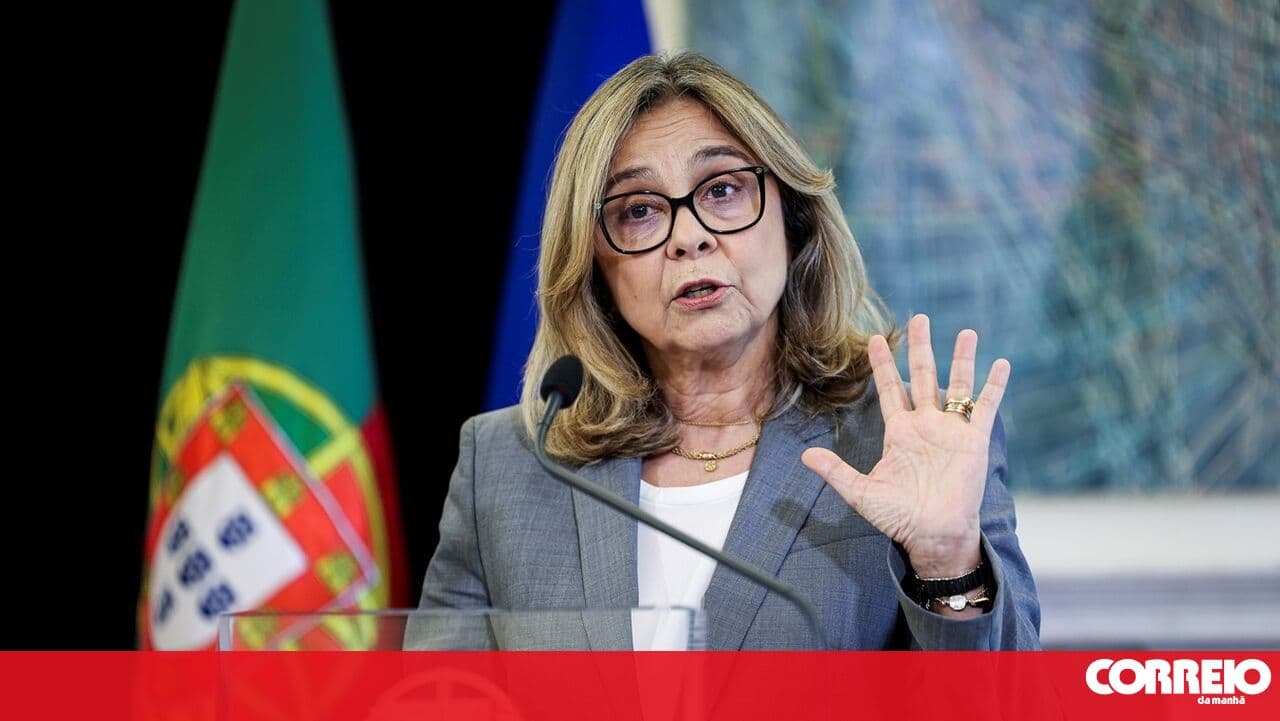
During a tense election campaign swing through Ovar, São João da Madeira and Lamego, AD-backed candidate Marques Mendes publicly challenged Health Minister Ana Paula Martins to “show up and explain” mounting problems in the National Health Service, notably failings in emergency departments. Mendes, accompanied by two ministers and supported at events by Porto mayor Rui Moreira, pressed for direct public explanations as the health portfolio becomes a campaign battleground; the minister already has a public engagement scheduled. Elsewhere on the campaign trail, André Ventura “survived” an incident in Aveiro—famously described as a "chuva de cavacas"—and later thanked supporters in Viseu's so-called “Cavaquistão,” underscoring how confrontational moments and popular gestures are shaping voter perceptions. The episodes highlight healthcare policy and political accountability as central issues in the race and illustrate how personalised campaign incidents are influencing public debate.

André Ventura, born January 15, 1983, is a lawyer, academic, and Portugal's most prominent far-right leader. He founded Chega ("Enough") in 2019 after his PSD mayoral campaign attacked the Romani community. Chega surged from 1.3% in 2019 to 22.8% in May 2025, becoming parliament's second-largest party and making Ventura Leader of the Opposition.
His platform emphasizes immigration restrictions, law-and-order policies, constitutional reform, and contains inflammatory anti-Romani rhetoric that has triggered multiple discrimination convictions and investigations. Politically classified as far-right by international media, Ventura cultivates alliances with European far-right figures including Marine Le Pen and Santiago Abascal.
He announced his 2026 presidential candidacy, polling at 18% alongside independent Admiral Gouveia e Melo. His rise ended Portugal's 50-year resistance to far-right parties.

CNN Portugal spent time inside CODU, INEM’s medical call centre in Lisbon and found a centre under sustained pressure where high call volumes demand rapid, accurate triage and careful deployment of ambulances and other rescue resources. The report examines how operators prioritise calls, the protocols guiding decision-making, and the operational strain of matching limited resources to urgent needs.

Rising influenza activity is increasing admissions to intensive care and placing growing pressure on emergency departments. Health authorities warn the epidemic has not yet peaked, and the country is experiencing higher-than-expected mortality for the season, raising concerns about healthcare capacity and the potential need for surge planning and resource prioritisation.

The government has signed a formal negotiation agreement with the National Federation of Doctors (FNAM) and said it will continue seeking consensus with health professionals. The move opens structured talks aimed at resolving labour and service delivery issues in the medical sector, signalling a willingness to engage on healthcare policy and doctors’ demands rather than imposing unilateral measures.

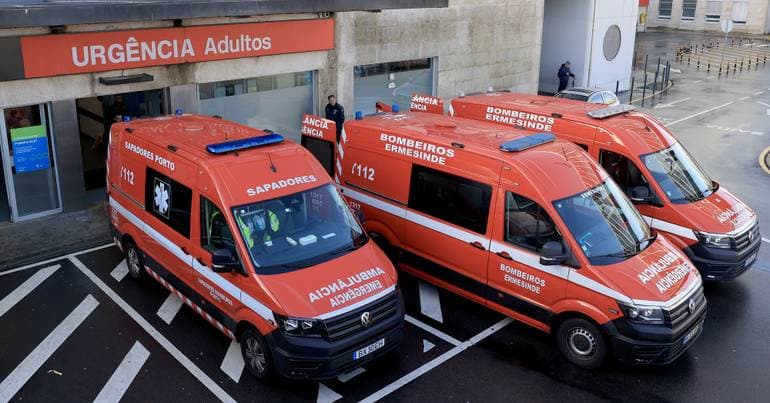
The Portuguese Firefighters' League (LBP) has established a weekend task force of four additional ambulances to bolster pre-hospital emergency response and ease pressure on hospitals. The emergency vehicles — drawn from the Ajuda, Cabo Ruivo, Camarate and Cascais brigades — will be based at the LBP headquarters, while a commander will be on permanent duty at CAASO (Centre for Operational Monitoring and Support) to coordinate operations. The deployment is a targeted, short-term capacity boost intended to improve response times during busy periods and provide centralised operational oversight.

Beja Hospital’s obstetrics and gynaecology emergency service will be closed overnight due to a shortage of doctors, operating from 20:00 on Saturday until 08:00 on Sunday and again from 20:00 on Sunday until 08:00 on Monday. The closures are attributed to an inability to complete the rota, raising concerns about patient access to urgent maternity and gynaecological care and potential pressure on neighbouring services. An accompanying opinion notes systemic failings in emergency logistics — exemplified by ambulances held up by missing stretchers — as symptomatic of wider incompetence in healthcare operations.
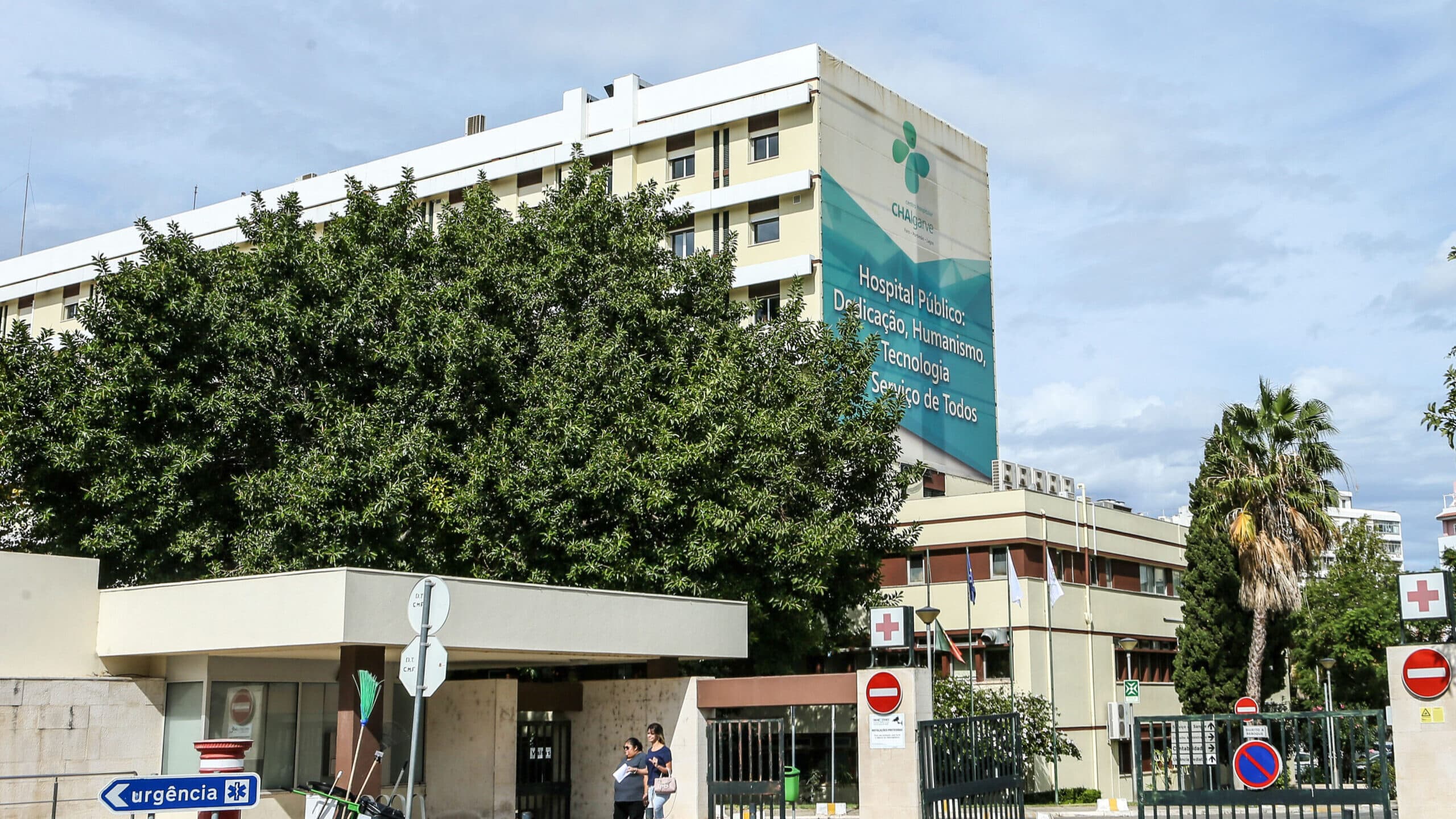
The Portuguese government approved construction of the new Central Hospital of the Algarve with a maximum budget of €426.6 million spread over 27 years and an annual cap of €50 million. Operations are expected to begin in 2031. The financing structure signals a long-term public investment approach with potential fiscal and timeline risks to monitor, while promising a significant upgrade to regional healthcare infrastructure.

Liberal Initiative MP Joana Cordeiro criticises both the PSD and PS administrations for offering identical, short-term responses — announcing purchases of ambulances and hospital beds — after three deaths were linked to delays in emergency response. She argues the measures are reactive and cosmetic rather than addressing systemic failures in emergency services, resource allocation and management, and calls for structural reforms, improved oversight and accountability to restore patient safety and public confidence.

PSD MP Miguel Guimarães welcomed the announcement to purchase 245 ambulances, saying it will allow INEM to increase its response capacity across multiple locations, notably Greater Lisbon and Setúbal. Analytically, the investment should improve coverage and potentially reduce response times in high-demand areas, but its effectiveness will depend on deployment strategy, crew availability and integration with existing emergency services. Close monitoring of allocation and operational metrics will be required to ensure the intended gains in emergency healthcare delivery are realised.

The prime minister announced what was described as “the largest investment in ambulances in over a decade” — 275 new vehicles — less than 36 hours after three citizens were reported to have died while waiting for care. Critics have called the timing “strange” and labelled the move demagoguery, arguing it risks masking systemic negligence in emergency services rather than addressing deeper policy and resourcing failures in healthcare and public safety. The episode has intensified calls for transparent planning, independent oversight and comprehensive reforms to emergency medical services rather than one-off equipment purchases.

Carlos Enes of CNN Portugal examines recurring, serious failings in Portugal’s emergency response system, arguing that political and union attacks on INEM distract from patient safety. He urges giving INEM operational authority, requiring ULS hospitals to free trolleys and beds, and restoring clinical judgement as the primary guide for urgent care, while calling for systemic changes to protect public health.

President Marcelo Rebelo de Sousa has promulgated the government’s health reform while formally requesting improvements to three related decree-laws. His interventions focus on the decree-law that centralises emergency services regionally and on the new regime for hiring locum doctors, where he identified unclear requirements and potential incompatibilities. The request for clarification signals legal and policy concerns that could prompt amendments, highlighting tensions between centralised emergency planning and the need for a flexible medical workforce.


Portugal Resident •