Q&A. Total eclipse of 12 August: why this return of darkness to Portugal is so significant
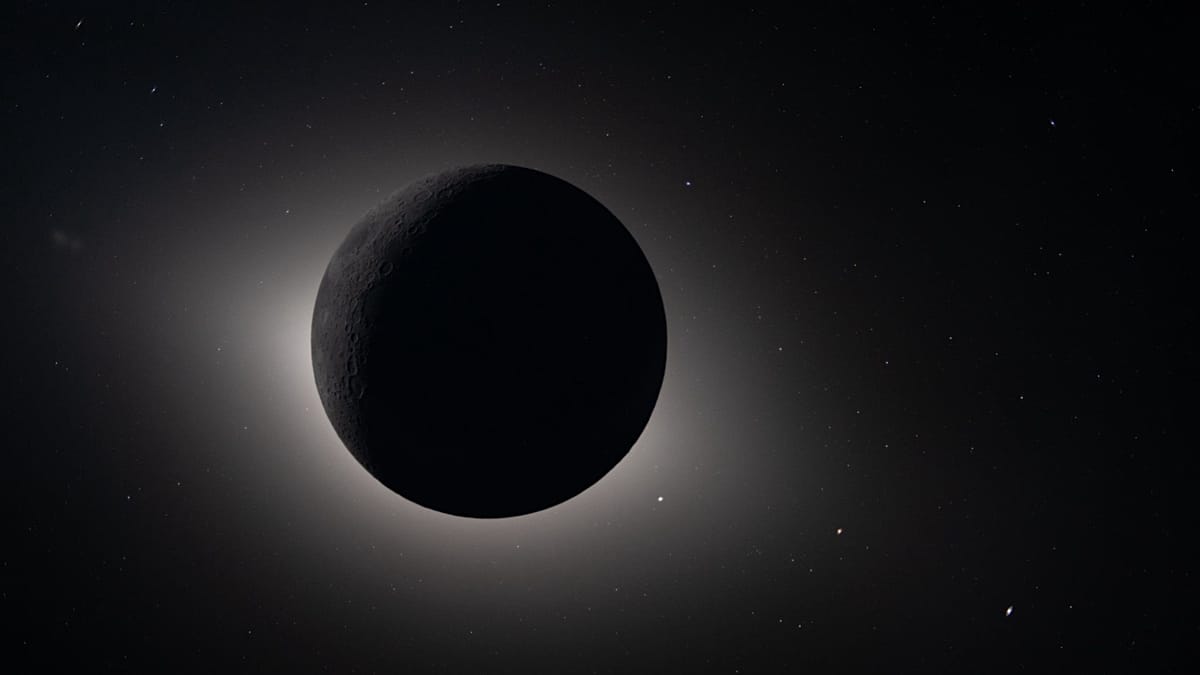
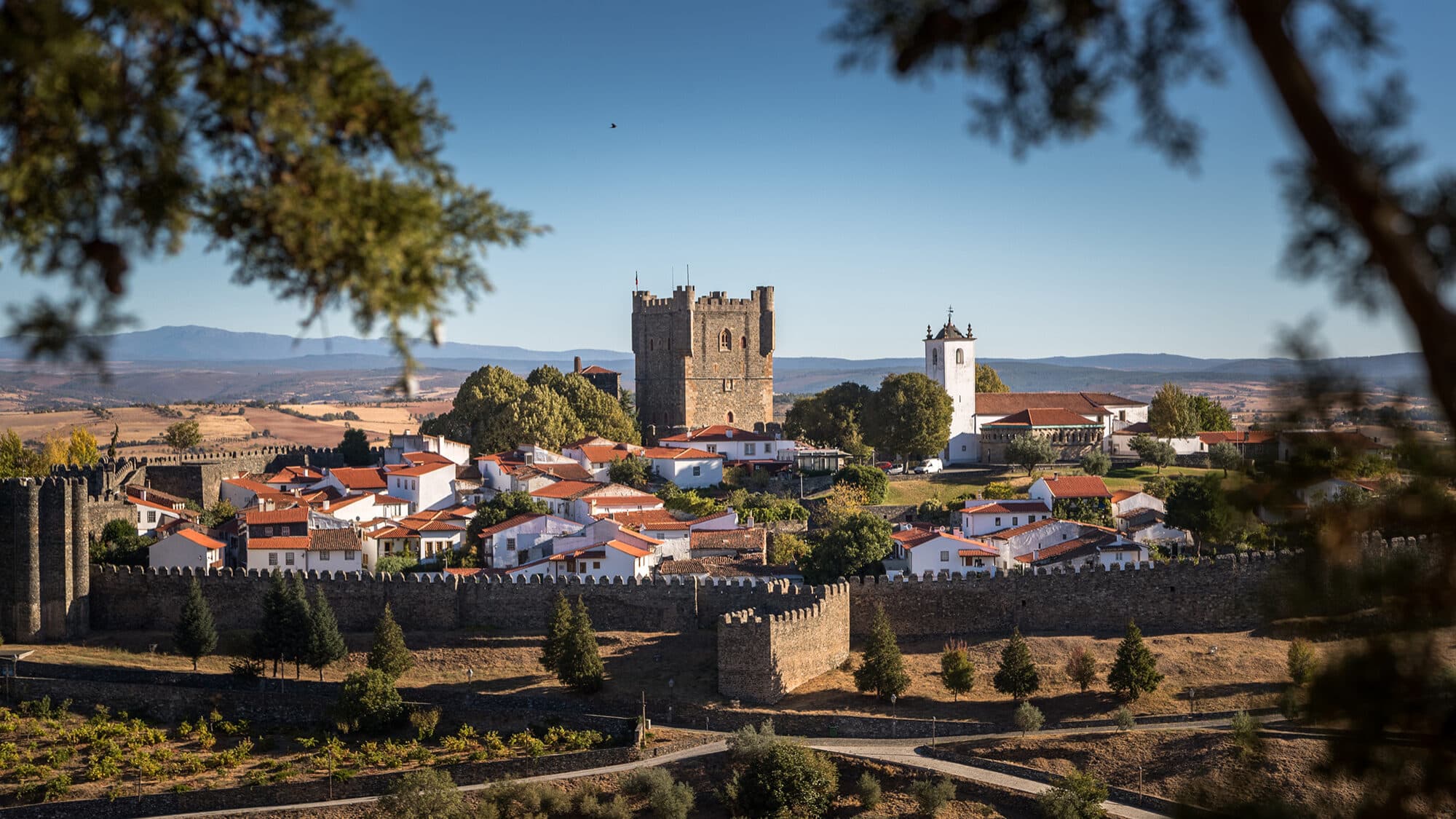
What is a total solar eclipse? It is an astronomical alignment of extreme precision. The Moon positions itself between the Earth and the Sun, completely blocking its light. Day turns into night for a few brief moments. Why is this eclipse so relevant for Portugal? It is a generational event. Totality has not been observable on mainland Portuguese soil since 17 April 1912, making it an absolute historical milestone. Is it safe to look directly at the phenomenon? Never look directly at the Sun without protection, as there is a risk of irreversible eye damage; the radiation remains intense enough to cause retinal burns without causing immediate pain. You must always use certified eclipse glasses during all partial phases. Remove them only during the brief seconds of strict totality, and only if you are in the Bragança area. Where will it be possible to witness totality? The path of totality in Portugal is very restricted, concentrating on the extreme northeast, in the Montesinho Natural Park and the surroundings of Bragança. In those locations, total darkness will last about 26 seconds. What will the experience be like in the rest of the country? Outside the northeast, the eclipse will be partial. In Porto, the obscuration will reach 98%; in Lisbon and the Centre, it will exceed 90%. In the Algarve, the reduction in light will be noticeable, creating an unusual twilight, but the Sun will never disappear completely. What time does the phenomenon start and end? The partial phase begins between 18:30 and 18:37. The maximum point occurs around 19:30 and the phenomenon ends shortly before 20:30, coinciding with sunset. What can science gain from this eclipse? It is a rare opportunity to study the solar corona – the Sun's outer atmosphere – without the intense glare of the solar disk. Scientists use this moment to measure the temperature, structure, and dynamics of this region of the solar atmosphere, which is extremely difficult to observe in detail under other conditions. What makes this 2026 eclipse special is the ability to cross-reference terrestrial data with modern space observatories in real time, allowing for the study of solar magnetic field dynamics with unprecedented precision. It is not just about observing the corona; it is about validating complex predictive models regarding space weather that affect our communications networks and satellites. Do animals' behaviours change during the totality of the eclipse? Yes. The sudden drop in light causes a genuine 'false night'. It is common to observe birds returning to their nests, a sudden silence in nature, and even the activation of nocturnal animals. It is a moment of biological disorientation that underscores the deep connection between life on Earth and the solar cycle. When will the next total solar eclipse be visible in Portugal? There is no forecast for another total solar eclipse visible in mainland Portugal in the coming decades. Although total eclipses occur in different parts of the world approximately every 18 months, the path of totality rarely passes over the same country, making the 2026 phenomenon especially exceptional.