10 August 2026 – 16 August 2026
Portugal Weekly: Public Health Concerns and Infrastructure Challenges Dominate National Headlines
This week saw significant challenges in public safety and healthcare, marked by tragic road accidents and localized health outbreaks. Meanwhile, the government faces scrutiny over housing progress and energy policy, while officials work to address ongoing concerns regarding emergency service efficiency and administrative transparency.
Firefighters injured and vehicle destroyed in Vinhais blaze
A wildfire in the Montesinho Natural Park, located in the Bragança district, has resulted in five injuries among emergency personnel, including two in serious condition. A fire vehicle from the Vinhais fire department was completely destroyed while responding to the incident, which has also led to the precautionary evacuation of the village of Dine.
The Montesinho Natural Park (Parque Natural de Montesinho) is a protected area located in the Bragança district of northeastern Portugal. Established in 1979, it covers approximately 75,000 hectares and is known for its diverse wildlife, including the Iberian wolf, and traditional mountain villages.
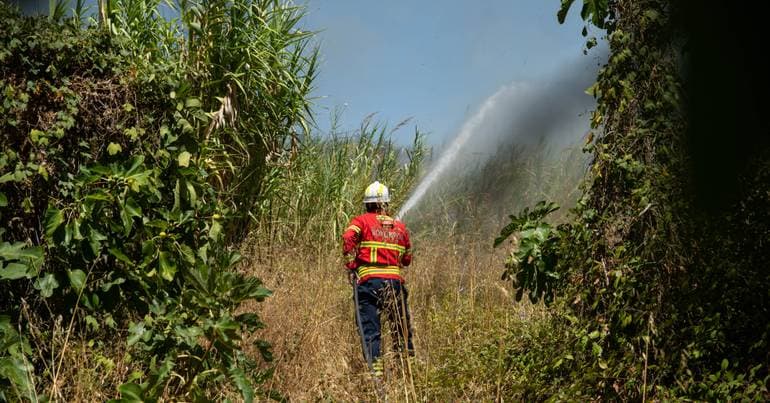
Motorcyclist dies in collision with Amarante fire truck
A motorcyclist died this Saturday following a collision with a fire department vehicle in Amarante. The fire truck was en route to assist with firefighting efforts in the neighboring municipality of Celorico de Basto when the accident occurred, leaving three firefighters injured.
Health Ministry denies reversing surgery rules
The Ministry of Health has denied claims that it is backtracking on new rules for additional surgeries within the SNS. While the ministry acknowledged the need to review the definition of minor surgery and ensure a smooth transition to the new SINACC digital system, it maintains that no clinical procedures will be excluded from waiting lists.
SINACC (Sistema Nacional de Acesso a Consultas e Cirurgias—National System for Access to Consultations and Surgeries) is Portugal's new digital healthcare management platform replacing the outdated SIGIC system, created in 2004. Approved by the government on October 24, 2025, SINACC became operational in late 2025, with President Marcelo promulgating it on January 8, 2026.
The system is fully computerized, requiring all patient referrals to be electronic, eliminating paper-based processes. Patients can track their position on waiting lists in real time via app, website, or SNS contact center and choose between public, private, or social-sector hospitals when reaching 75% of guaranteed maximum response times for surgery. The platform uses artificial intelligence to identify anomalies—unusual pricing or suspicious list growth—addressing perverse incentives in SIGIC where longer waiting lists generated more additional-surgery revenue.
SIGIC permitted doctors in private/social sectors to refer SNS patients then operate on them in public hospitals. SINACC's strengthened incompatibility regime prevents this conflict of interest. The system also prevents physicians from cherry-picking additional surgeries, eliminating a distortion where hospitals profited from maintaining long queues.
Financed by Portugal's Recovery and Resilience Plan (PRR) with €5 million for phase one, SINACC aims to reduce patients exceeding maximum waiting times and increase operational transparency. Implementation delays occurred due to insufficient staff training across health units, though testing in Coimbra, Alto Ave ULS, and Lisbon's Oncology Institute proceeded smoothly. The system represents a major modernization of Portugal's surgical-access governance.
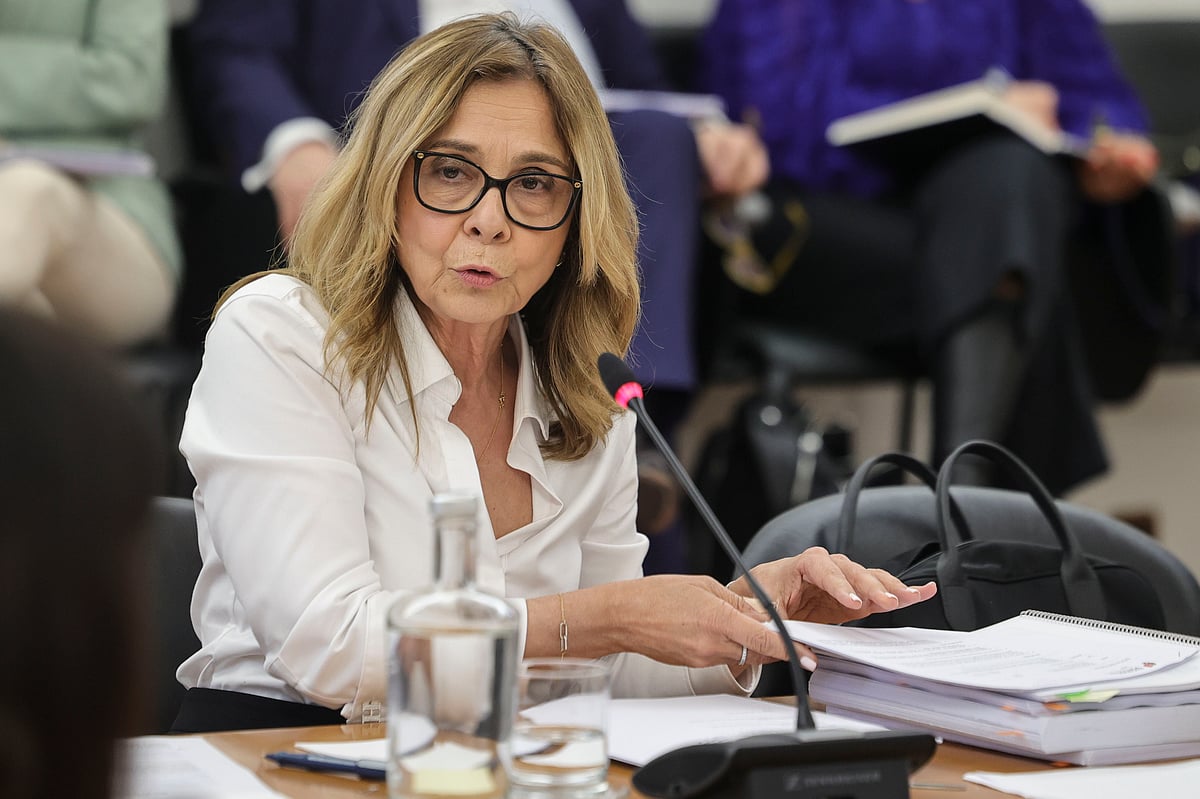
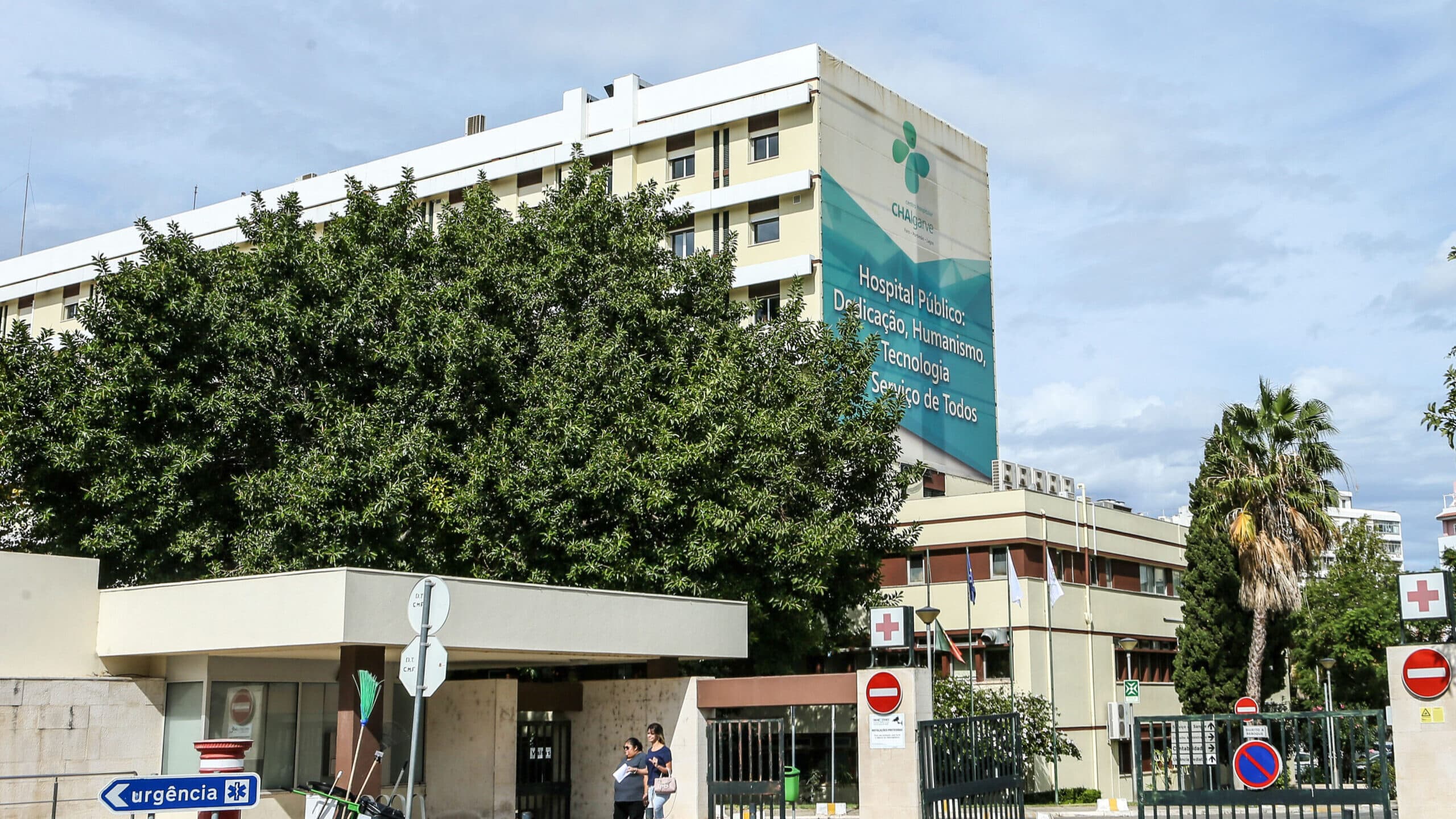
Algarve health authority disputes emergency wait time data
The Algarve Local Health Unit (Unidade Local de Saúde do Algarve or ULS Algarve) has denied reports of extreme emergency waiting times at Faro and Portimão hospitals. While the National Health Service (Serviço Nacional de Saúde or SNS) portal indicated waits of up to 16 hours, ULS Algarve officials attributed these figures to an IT system error rather than actual clinical delays.
Update: Algarve health authority confirms IT error caused wait times
ULS Algarve president Tiago Botelho confirmed to the Lusa news agency that the data displayed on the SNS portal was inaccurate due to a technical glitch in the computer system. The authority maintains that the reported extreme waiting times do not reflect the actual clinical situation at the hospitals.
If you need emergency care and a local ED is understaffed, call 112 for life‑threatening situations or contact the national health triage line (SNS 24) for urgent guidance; the operator can direct you to the nearest hospital with capacity or arrange an ambulance. As an expat, also consider local private hospitals or clinics if available and keep your health insurance details and ID ready to speed up admission.
The Algarve Local Health Unit (Unidade Local de Saúde do Algarve) is the public organisation that manages hospitals, primary care centres and emergency services across the Algarve region. Expats living in the Algarve rely on it for emergency care, specialist appointments and local public-health information, and should register with a family doctor in its network to access most services.
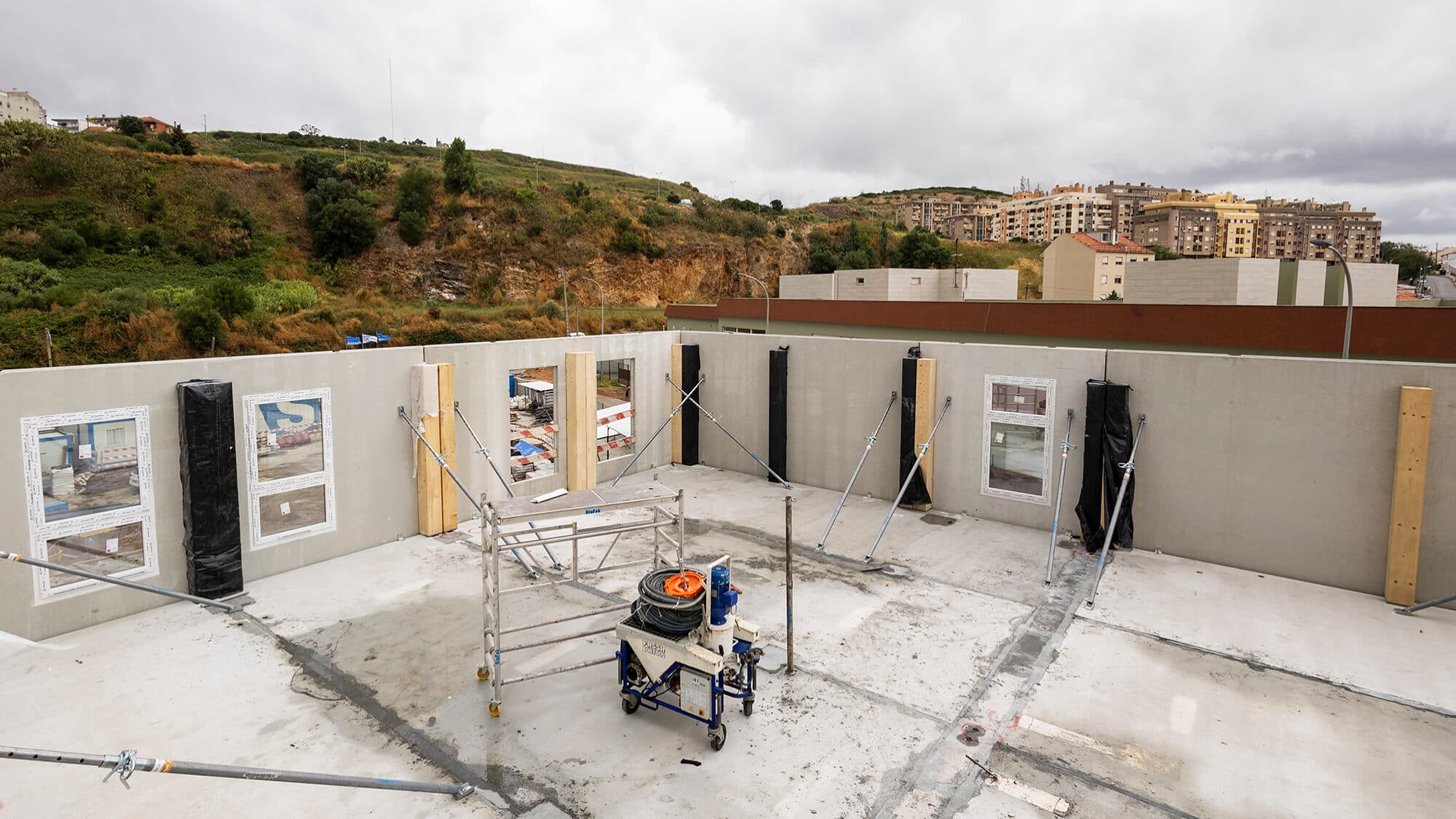
Government exceeds housing delivery targets under recovery plan
The government announced that 28,000 public housing solutions will be delivered by the end of August, surpassing the initial target set by the Recovery and Resilience Plan (Plano de Recuperação e Resiliência or PRR). Officials expect this number to reach 40,000 by the end of the year, supported by the 1st Right (1.º Direito) housing access program.
The PRR (Plano de Recuperação e Resiliência) is Portugal's national program under the EU's NextGenerationEU recovery fund, worth approximately €22.2 billion — roughly €16.6 billion in grants plus €5.6 billion in loans. Approved in 2021, it funds reforms and investments across housing, digital transition, climate action, healthcare, and public administration.
Payments from the European Commission are tied to specific milestones and targets. Missed deadlines or incomplete reforms can delay disbursements, affecting public works, infrastructure projects, and social programs that depend on PRR funding.
The PRR is one of the largest investment programs in Portugal's recent history and touches areas from affordable housing construction to hospital modernization, school renovation, and green energy transition. Progress is monitored by the European Commission through regular reviews.
The 1.º Direito (Primeiro Direito or First Right) is a national public housing program designed to provide affordable homes to families living in precarious conditions. It is a key component of the government's strategy to increase housing stock, often utilizing funding from the Recovery and Resilience Plan (Plano de Recuperação e Resiliência or PRR) to renovate or construct new units.
Gastroenteritis outbreak reported in Faial
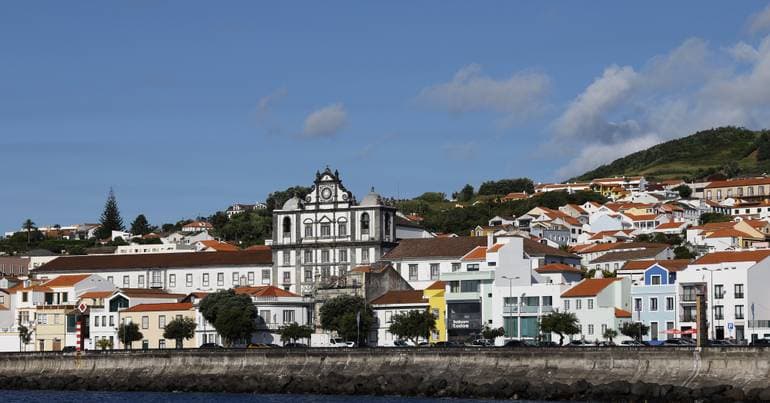
Health authorities in Horta, Faial, are investigating an outbreak of gastroenteritis that has affected more than 400 people since August 1. Officials have stated there is currently no evidence linking the illness to the local water supply.
Opposition parties criticize Prime Minister's Pontal festival speech
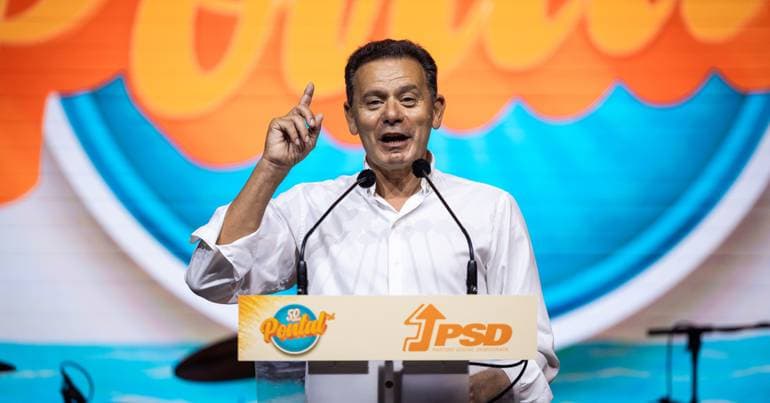
Opposition parties have criticized Prime Minister Luís Montenegro following his speech at the annual Pontal Festival. The Socialist Party (Partido Socialista or PS) and Chega (Chega) accused the government of being disconnected from reality and failing to address ongoing controversies, including issues within the Ministry of Internal Administration.

- Prime Minister, Portugal: 2024 - Present
- Party: Social Democratic Party (PSD)
Luís Filipe Montenegro Cardoso de Morais Esteves (born February 16, 1973, in Porto) is a Portuguese lawyer and center‑right politician who has served as Prime Minister of Portugal since April 2, 2024. A long‑time member of the Social Democratic Party (PSD), he is the leading figure of the post‑Troika generation of Portuguese conservatives. Montenegro was elected to the Assembly of the Republic in 2002 for the Aveiro district and remained an MP for 16 years, becoming PSD parliamentary leader from 2011 to 2017 during the bailout and austerity period under Prime Minister Pedro Passos Coelho. He was a prominent defender of strict austerity measures, arguing in 2014 that “the life of the people is no better, but the life of the country is a lot better,” a phrase that has followed his public image since. After an unsuccessful leadership bid against Rui Rio in 2020, Montenegro won the PSD leadership in 2022. He then forged the centre‑right Democratic Alliance (PSD–CDS‑PP and allies), which won a plurality of seats in the 2024 legislative election. Refusing to partner with the far‑right Chega, which he has called “often xenophobic, racist, populist and excessively demagogic,” he formed a minority government as head of the XXIV Constitutional Government on April 2, 2024. His first government fell in March 2025 after a no‑confidence vote linked to a conflict‑of‑interest affair, but fresh elections saw the Democratic Alliance increase its seat share, allowing Montenegro to return as prime minister leading the XXV Constitutional Government. His importance to Portugal lies in attempting to re‑center the traditional centre‑right after the crisis years, defending liberal‑conservative economics and EU alignment while drawing a sharp line against formal cooperation with the radical right, thus shaping how Portuguese democracy manages its new multi‑party era.
Health cards are private membership or discount schemes sold by companies that offer access to consultations, tests or reduced fees at private clinics; they are not the public health service. The Socialist Party (Partido Socialista or PS) has proposed regulation to increase transparency and protect consumers from misleading marketing or unexpected charges.

André Ventura, born January 15, 1983, is a lawyer, academic, and Portugal's most prominent far-right leader. He founded Chega ("Enough") in 2019 after his PSD mayoral campaign attacked the Romani community. Chega surged from 1.3% in 2019 to 22.8% in May 2025, becoming parliament's second-largest party and making Ventura Leader of the Opposition.
His platform emphasizes immigration restrictions, law-and-order policies, constitutional reform, and contains inflammatory anti-Romani rhetoric that has triggered multiple discrimination convictions and investigations. Politically classified as far-right by international media, Ventura cultivates alliances with European far-right figures including Marine Le Pen and Santiago Abascal.
President António José Seguro calls for road safety improvements
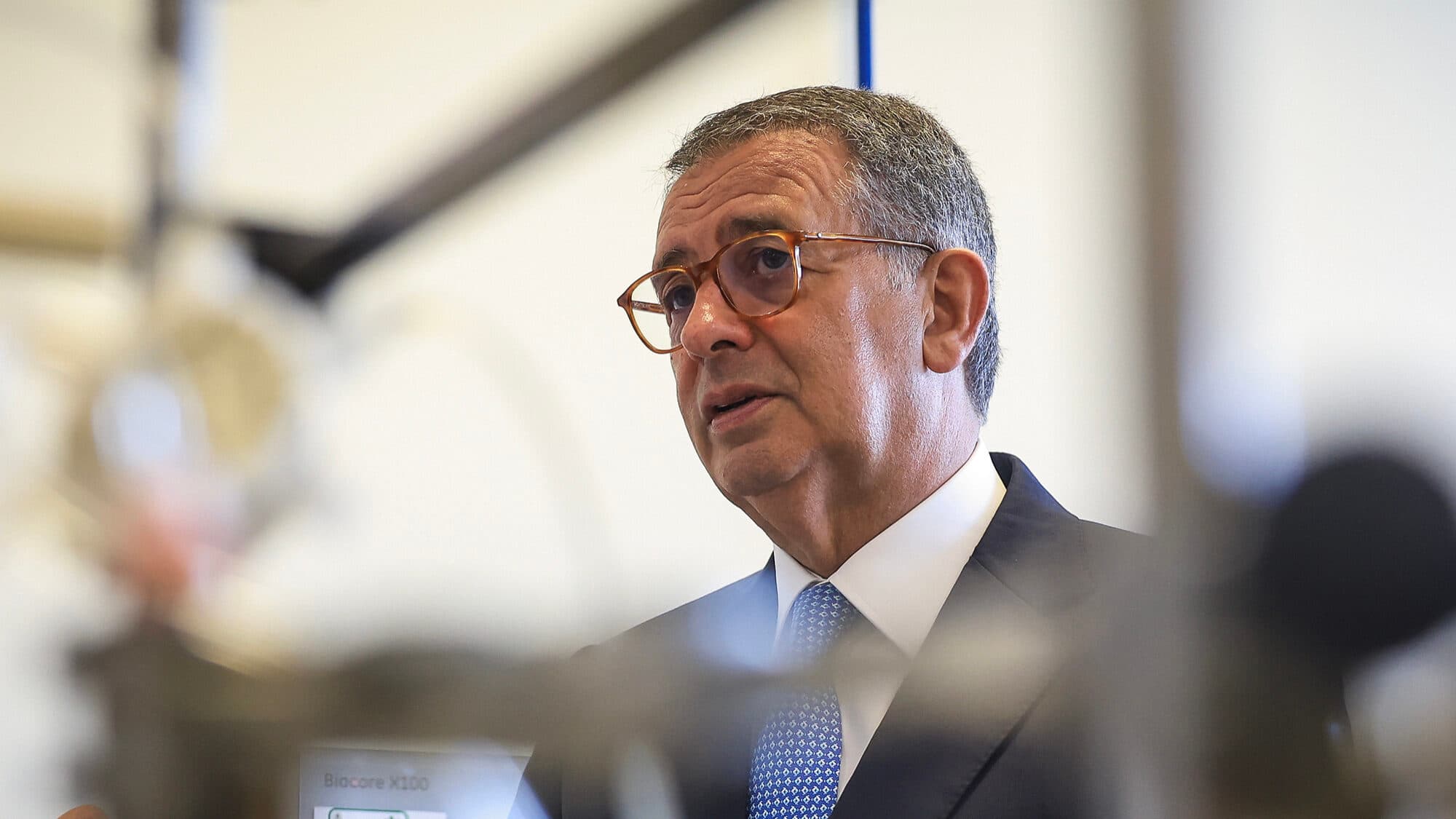
President of the Republic António José Seguro has urged for a change in road safety culture, stating that the country cannot accept traffic fatalities as an inevitability. Speaking at a centenary event for volunteer firefighters, he highlighted the high number of accidents and deaths recorded on national roads in recent years.

- President of Portugal (since March 9, 2026)
- Party: Independent. Former leader of the Socialist Party (PS), Partido Socialista
- Center-left
António José Martins Seguro (born March 11, 1962, in Penamacor) is a lawyer, political scientist, and the current President of the Portuguese Republic, inaugurated on March 9, 2026 after winning the two-round presidential election in January–February 2026.
Career: He led Socialist Youth (1990–1994), served as MEP (1999–2001), was Minister Adjunct to PM António Guterres (2001–2002), and led the PS parliamentary group (2004–2005). Elected PS Secretary-General in 2011 with 68%, he led the opposition during Portugal's bailout era. In 2014, António Costa defeated him in party primaries by a landslide, prompting Seguro's resignation and a decade-long retreat from politics. He returned in 2025, launching the movement UPortugal and announcing his presidential candidacy in June. He received official PS backing in October 2025 and won the presidency in February 2026.
Political philosophy: Seguro positions himself as representing a "modern and moderate" left, advocating financial responsibility while opposing austerity. As President, he has emphasized institutional trust, efficient governance, and a collaborative relationship with the government while maintaining rigorous constitutional oversight.
PS demands transparency over state's REN stake acquisition
The Socialist Party has questioned the government regarding the funding and method used to acquire a 13.7% stake in the power-grid operator Redes Energéticas Nacionais (REN). The PS is demanding clarity on the financial source for this purchase by the state holding company Parpública, particularly amid concerns over the state of public services.
Parpública is a state-owned holding company (Parpública - Participações Públicas, SGPS, S.A.) that manages the Portuguese government's equity interests in various companies. It acts as the state's vehicle for handling privatization processes, such as the ongoing sale of a stake in the national airline, TAP Air Portugal.
REN (Rede Eléctrica Nacional) is Portugal's operator for high-voltage electricity transmission and for gas transport infrastructure, responsible for running the transmission grid and keeping the system stable. It also publishes national electricity consumption data and is the main contact in cases of large-scale outages or transmission issues.
Education ministry extends university application deadline for some students
The Ministry of Education has extended the university application deadline by three days for students who only received their exam re-evaluation results this Monday. Meanwhile, the National Examination Jury (Júri Nacional de Exames or JNE) reported that over 21,000 grade review requests were submitted this year, with 77% of those reviews resulting in higher marks.
Update: Ministry opens inquiry into school exam irregularities
The Minister of Education has ordered an official inquiry into irregularities during the national secondary school exams. The investigation focuses on schools that submitted exam papers for grading after the official collection period and those that failed to process re-evaluation requests on time.
The National Examination Jury (Júri Nacional de Exames or JNE) is the public body responsible for organizing, managing, and overseeing national exams in Portugal. It ensures the integrity of the testing process, including the distribution of exam papers to teachers for grading and the final certification of student results.
Tragedy at the Volta a Portugal: vehicle driver is in shock and has undergone toxicological tests
The driver involved in the fatal accident during the Volta a Portugal cycling race is in a state of shock and has been tested for drugs and alcohol.
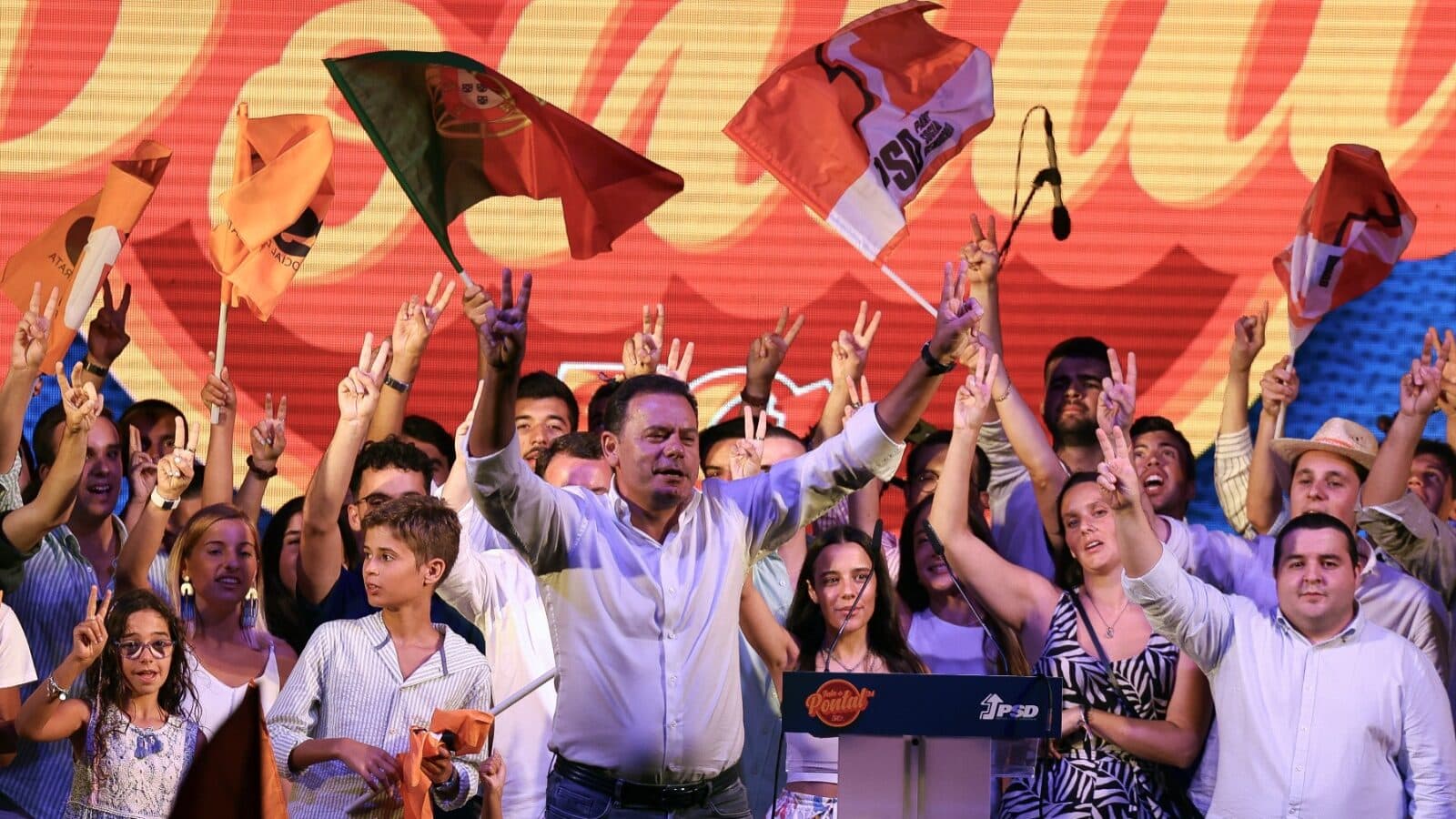
Montenegro promises tax cuts and wage hikes at Pontal
Prime Minister Luís Montenegro used the annual Pontal Festival in the Algarve to outline his government's goals, including further income tax (Imposto sobre o Rendimento das Pessoas Singulares or IRS) cuts and raising the national minimum wage to 1,100 euros by the end of his term. While he avoided specific new announcements, he highlighted economic growth and pledged to continue supporting pensioners if budgetary conditions allow. Opposition parties, including Chega (Chega), criticized the event for lacking concrete answers to current government controversies.
- Prime Minister, Portugal: 2024 - Present
- Party: Social Democratic Party (PSD)
Luís Filipe Montenegro Cardoso de Morais Esteves (born February 16, 1973, in Porto) is a Portuguese lawyer and center‑right politician who has served as Prime Minister of Portugal since April 2, 2024. A long‑time member of the Social Democratic Party (PSD), he is the leading figure of the post‑Troika generation of Portuguese conservatives. Montenegro was elected to the Assembly of the Republic in 2002 for the Aveiro district and remained an MP for 16 years, becoming PSD parliamentary leader from 2011 to 2017 during the bailout and austerity period under Prime Minister Pedro Passos Coelho. He was a prominent defender of strict austerity measures, arguing in 2014 that “the life of the people is no better, but the life of the country is a lot better,” a phrase that has followed his public image since. After an unsuccessful leadership bid against Rui Rio in 2020, Montenegro won the PSD leadership in 2022. He then forged the centre‑right Democratic Alliance (PSD–CDS‑PP and allies), which won a plurality of seats in the 2024 legislative election. Refusing to partner with the far‑right Chega, which he has called “often xenophobic, racist, populist and excessively demagogic,” he formed a minority government as head of the XXIV Constitutional Government on April 2, 2024. His first government fell in March 2025 after a no‑confidence vote linked to a conflict‑of‑interest affair, but fresh elections saw the Democratic Alliance increase its seat share, allowing Montenegro to return as prime minister leading the XXV Constitutional Government. His importance to Portugal lies in attempting to re‑center the traditional centre‑right after the crisis years, defending liberal‑conservative economics and EU alignment while drawing a sharp line against formal cooperation with the radical right, thus shaping how Portuguese democracy manages its new multi‑party era.

Chega ("Enough") is a Portuguese far-right populist party founded in 2019 by André Ventura. It positions itself as an anti-establishment movement against what it calls a "rotten and corrupt system" of PS-PSD dominance. The party surged from 1.3% in 2019 to 22.8% in May 2025, becoming parliament's second-largest force with 60 seats. Chega's core platform emphasizes strict immigration control—ending automatic CPLP residency, deporting non-independent immigrants, implementing job-market quotas, and requiring five-year social security contributions before benefit access. It advocates radical constitutional reform, including reducing parliament to 100 members, abolishing the prime minister position for a presidential system, and dismantling public healthcare. Law-and-order policies include life imprisonment and chemical castration proposals.
The party is defined by inflammatory anti-Romani rhetoric, with Ventura convicted multiple times for discrimination. Chega maintains international alignments with European far-right figures including Marine Le Pen, Santiago Abascal, and Matteo Salvini. Mainstream Portuguese parties, including Prime Minister Luís Montenegro's government, have imposed a cordon sanitaire, refusing coalition with Chega despite its parliamentary strength.
Portugal Braces for Rare Solar Eclipse and Meteor Shower
Portugal is preparing for a spectacular astronomical double-feature as a rare solar eclipse is set to be followed by a vibrant meteor shower. Experts are advising residents on the best viewing locations and safety precautions for these upcoming celestial events.