

Tragedy at the Volta a Portugal: vehicle driver is in shock and has undergone toxicological tests
The driver involved in the fatal accident during the Volta a Portugal cycling race is in a state of shock and has been tested for drugs and alcohol.

Latest news and stories from the Braga district, Portugal.
The driver involved in the fatal accident during the Volta a Portugal cycling race is in a state of shock and has been tested for drugs and alcohol.
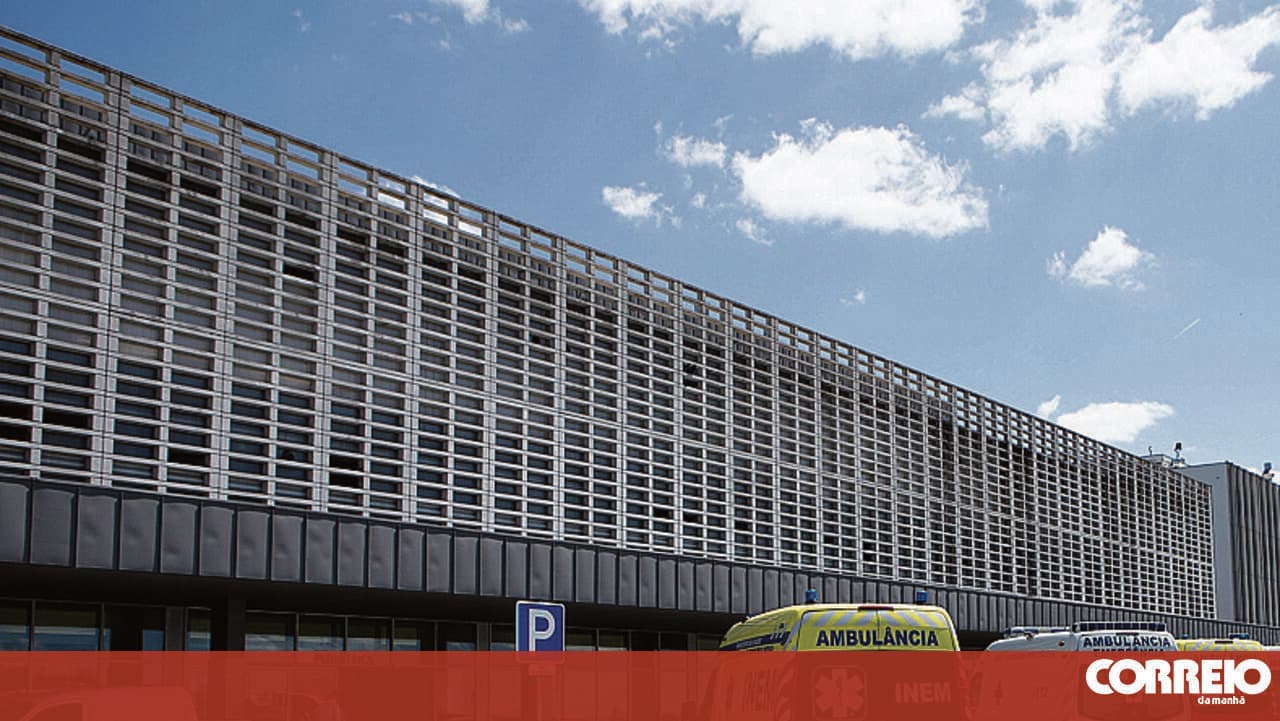
Patients treated for cancer at Braga Hospital are reporting shortages of essential medications, according to Correio da Manhã and Observador. Hospital users and patient groups say missing drugs are disrupting scheduled treatments; hospital or regional health authorities have not published a full response in these reports. Oncology patients should contact their clinic or prescribing doctor before appointments and consider arranging alternatives or prescriptions through their pharmacy if advised. Those treated in Braga should keep a record of prescriptions and follow up with the hospital's patient support services.
Update: Hospital denies shortages; complaints continue
Diário de Notícias, Público and Observador report the hospital administration denies any “ruptura de fármacos,” saying there is no stock break and that staff are applying a “gestão criteriosa” to manage quantities delivered. The Health Users Commission of Braga (Comissão de Utentes da Saúde de Braga) says it has received multiple complaints from chemotherapy patients since 12 February who say they lacked medicines. The two sides contradict each other and health authorities have not published a joint inventory, so the exact scale of any shortage remains unclear.
Hospital de Braga is the main public hospital serving the Braga district and is part of Portugal's national health service (Serviço Nacional de Saúde or SNS). It provides emergency care and specialist services including oncology, and recent reports said cancer patients there complained of medicine shortages, so residents should check with their doctor or local pharmacy before appointments.
A Health Users Commission (Comissão de Utentes da Saúde de Braga) is a local patient advocacy group that represents users of public health services in the Braga area. These commissions file complaints, publicise service problems and press hospitals or regional health authorities for fixes, which is why their claims about medicine shortages attract attention from patients and the media.
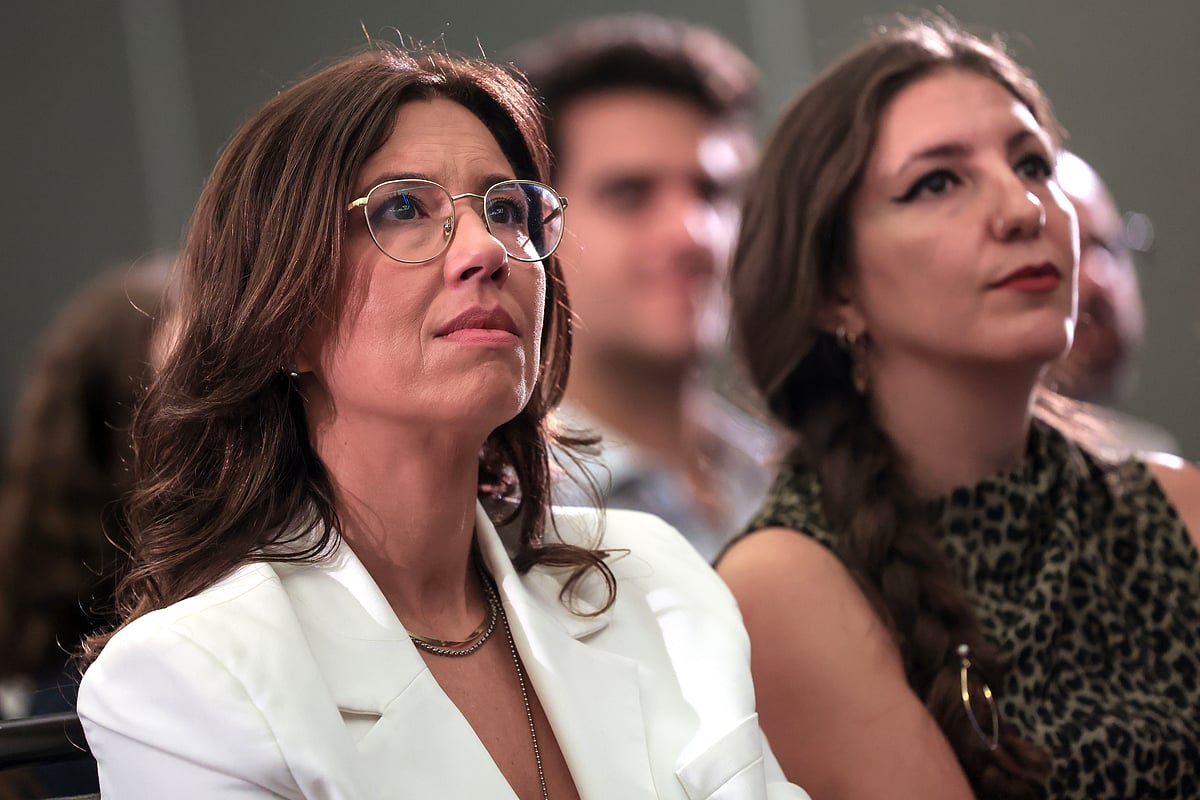
The leader of the Liberal Initiative, Mariana Leitão, stated this Monday (September 14) that Prime Minister Luís Montenegro “continues with day-to-day management, unable to implement structural reforms and unable to provide a future perspective for the Portuguese people.” During a visit to the São João de Deus Hospital in Vila Nova de Famalicão, part of the Liberal Initiative's parliamentary days, Leitão criticised the Government's lack of reformism. She urged Montenegro to listen to parties in the Assembly of the Republic, specifically the Liberal Initiative, regarding his unfulfilled promises. Leitão highlighted her party's focus on tax, Social Security, State, and Justice reforms, and addressed the ongoing crisis in the healthcare sector, noting that temporary fixes fail to resolve underlying issues. She also defended a proposal to extend parental leave to eight months and criticised the Socialist Party's call for an inquiry into national exam failures, citing the PS's own poor record in education. Regarding former Prime Minister Pedro Passos Coelho's warnings about the slow pace of reform, she expressed satisfaction that others are voicing the same necessity for change.
From October 10th to 17th, Vila Nova de Famalicão focuses on films such as 'Springsteen: Deliver Me From Nowhere' and 'Noite Escura', in what they call 'the first battlefield of any revolution'.

The revision process, initiated before the elections, lacks consensus from both the Social Democratic successor and the PS, now in opposition, which points to a 'lack of vision for the future'.

There is an ongoing fire in Póvoa do Lanhoso, Braga district, mobilising around 100 firefighters, which has already reached Vieira do Minho. Reporter Pedro Monteiro provides more details.
A fire broke out this Sunday night in the parish of Esperança, in Póvoa de Lanhoso. The fire reached the parish of Guilhofrei, in Vieira do Minho, this Monday.

93 personnel are on the ground fighting the fire, supported by 26 vehicles and seven aerial assets. The fire has two active fronts, one of which has already been brought under control.

The fire began on Sunday night.


And prices show no signs of stopping their upward trend
The Cidnay Vale do Ave festival reinforces its experimental identity with the premiere in Portugal of the works Rothko Chapel, by Morton Feldman, and November, by Dennis Johnson.
Actress, playwright, and director Sara Barros Leitão will premiere the monologue “Nós, Sozinhas” (Us, Alone) in Braga this Friday, which will tour the country over the coming months to contribute to the discussion ahead of the 20th anniversary of the decriminalisation of abortion.

The robberies occurred between 11 June and 11 July 2026 and targeted mobile phone shops.

The robberies occurred between 11 June and 11 July 2026 and targeted mobile phone retail stores.
The country's largest student residence, inaugurated in Braga, has solved three problems: a lack of accommodation, a historic building falling into disrepair, and the growing loss of the young population in the city centre.
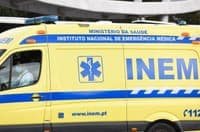
The victim was transported to the Hospital of Guimarães.

The robberies targeted mobile phone shops located in Braga and Guimarães. Two men, aged 35 and 24, were arrested and charged with crimes of robbery and kidnapping.

Carlos Moreno discusses the challenges of shifting public attitudes towards car dependency in Portugal.
The robberies occurred between 11 June and 11 July 2026 and targeted mobile phone retail stores.


Participants of the Portugal Lés-a-Lés Off-Road rally focus on environmental preservation while traversing the country's mountain ranges.
Children from a nursery school operating in the same building were evacuated for safety.

Six individuals sustained injuries during the grape harvest in the municipality of Celorico de Basto.

An overview of the Coimbras Chapel, highlighting its status as one of the oldest private religious sites in the country.
The victims, all female, are aged between 30 and 60
Two women were seriously injured and four others sustained minor injuries following a workplace accident during the grape harvest in Celorico de Basto. The alert was raised at 17:44.

A tractor rollover during a grape harvest resulted in six injuries. Two women were seriously injured and were transported to the hospital in Guimarães.
Two people suffered serious injuries.

Vitória Gomes, a Brazilian immigrant, has launched the 'Além do Espelho' project in Braga to foster networking and self-esteem among women while addressing the lack of basic hygiene products for women in Angola. An event on October 17th will serve as a collection point for items such as sanitary pads, soap, and toothpaste, which will be personally delivered to vulnerable women and girls in Angola through NGO partnerships. The initiative aims to collect 500 products and includes a programme of lectures and workshops for up to 120 participants.

The operative felt unwell due to high temperatures inside the apartment. Children from a nursery located in the same building were evacuated for safety.
