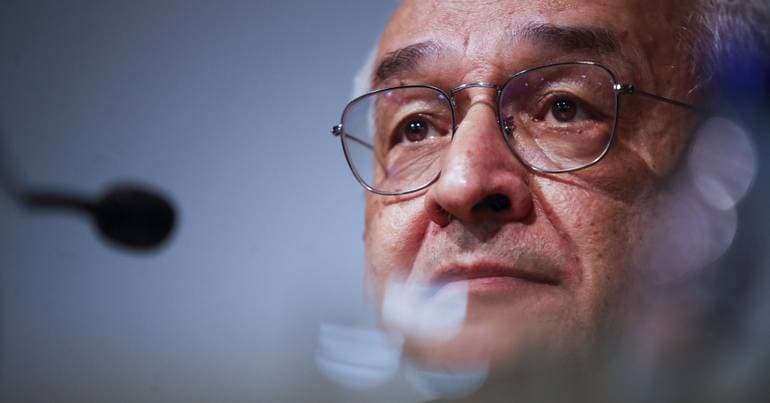
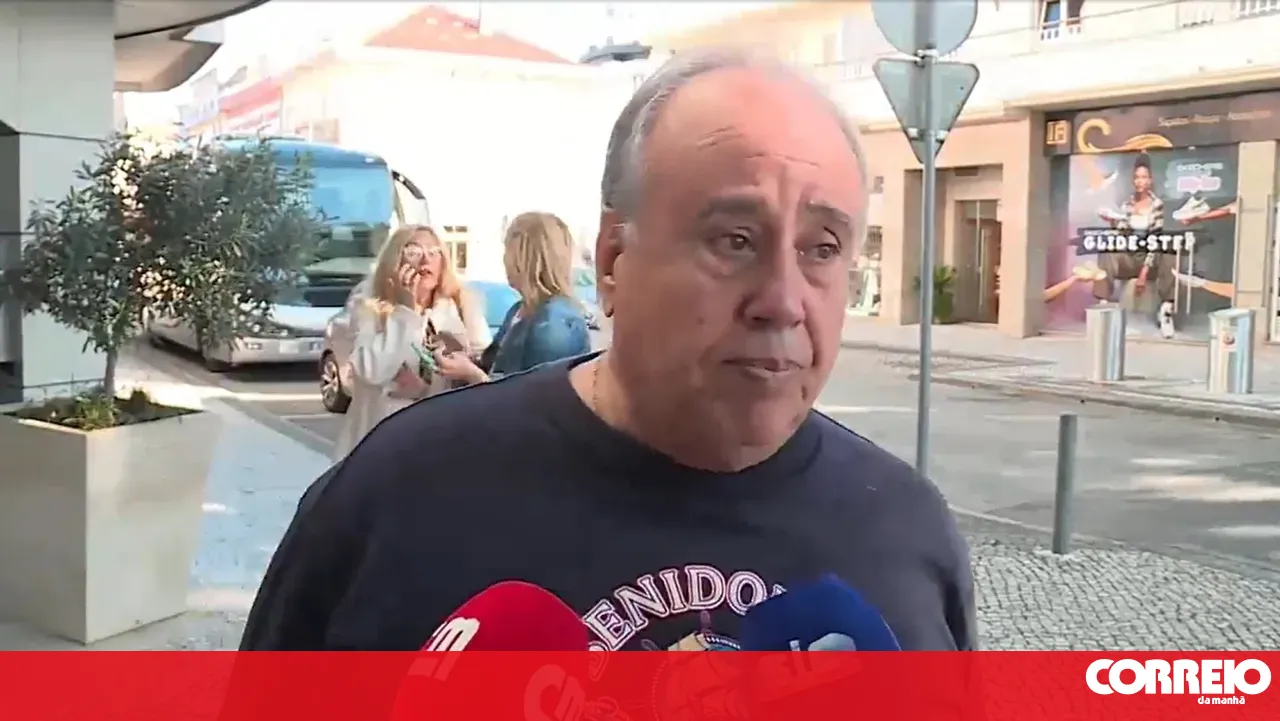
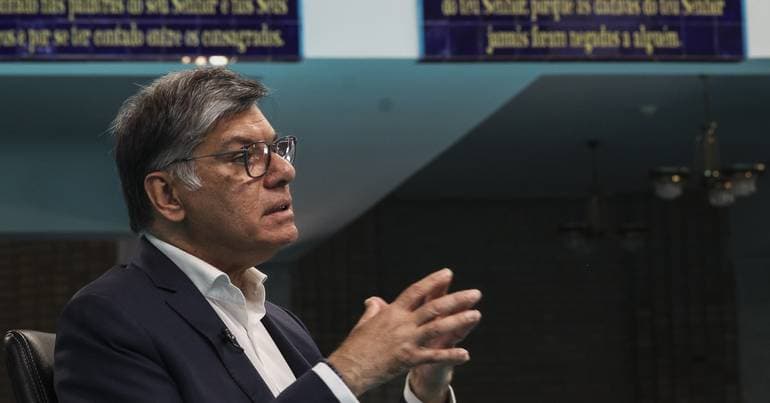
José Ornelas, president of the Portuguese Episcopal Conference (Conferência Episcopal Portuguesa or CEP), stated that taxing compensation payments for victims of sexual abuse within the Catholic Church is ethically unacceptable. He confirmed that the CEP is currently working to address the issue, arguing that these reparations should remain tax-exempt. Ornelas also recently criticized the use of religious rhetoric to justify hate speech or the exclusion of minorities.
José Ornelas is the Bishop of Leiria-Fátima and the current President of the Portuguese Episcopal Conference (Conferência Episcopal Portuguesa or CEP). He has held this leadership role since 2023, representing the Catholic Church in Portugal on national issues.
The Portuguese Episcopal Conference (Conferência Episcopal Portuguesa or CEP) is the official body representing the Catholic bishops of Portugal. It coordinates the church's stance on social, moral, and legal issues, often engaging with the government on matters affecting institutional policy and public ethics.
The Portuguese Episcopal Conference (Conferência Episcopal Portuguesa or CEP) has finalized the financial compensation amounts for victims of sexual abuse within the Catholic Church. While specific values have not been publicly disclosed to protect privacy, the CEP stated that victims will soon be notified of the decisions based on independent expert opinions. Those affected should be aware that notifications regarding compensation decisions will be sent privately in the coming weeks.
The Portuguese Episcopal Conference (Conferência Episcopal Portuguesa or CEP) is the official assembly of Catholic bishops in Portugal. It serves as the representative body for the Catholic Church in the country, coordinating religious activities and engaging with the government on social and legal issues. The organization recently established a framework for financial compensation for victims of sexual abuse within the church.
The three suspects allegedly followed the victim from the Ourém Market to their residence. A shout for help and the arrival of neighbours stopped the robbery.
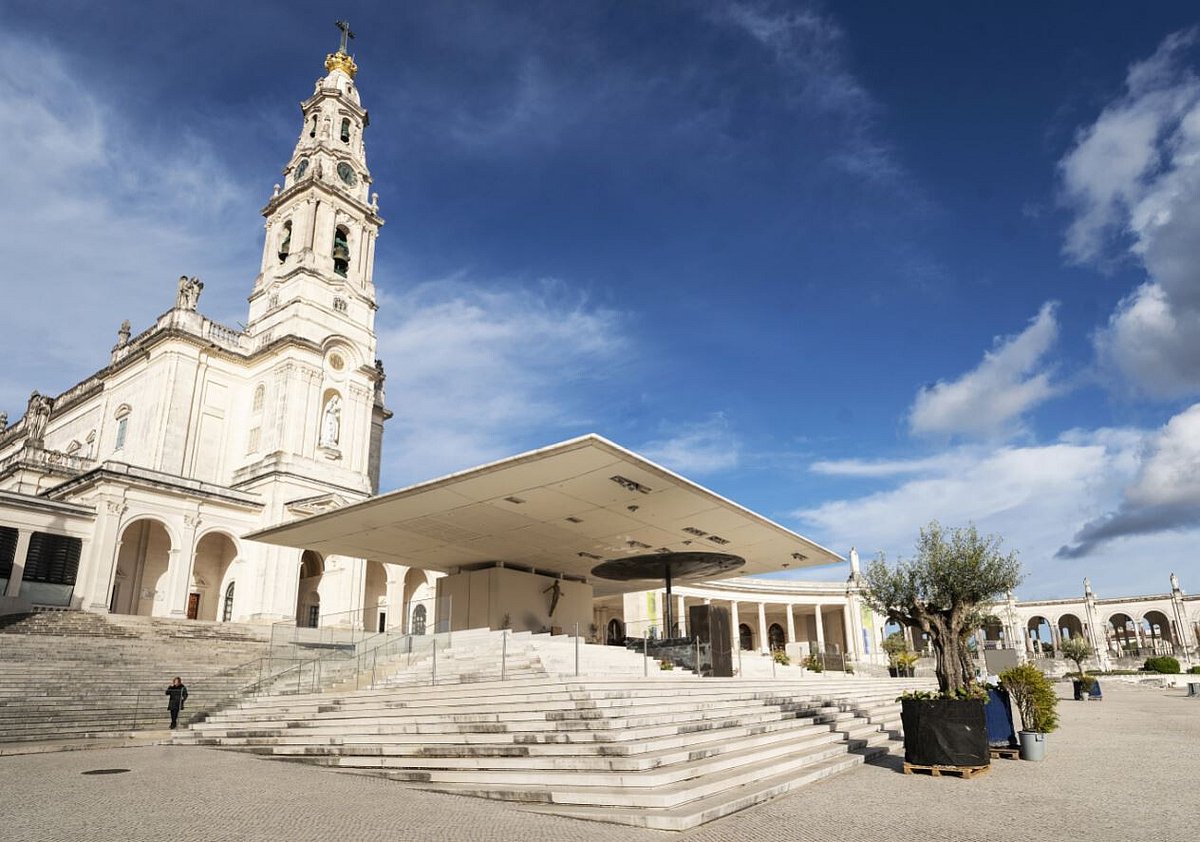
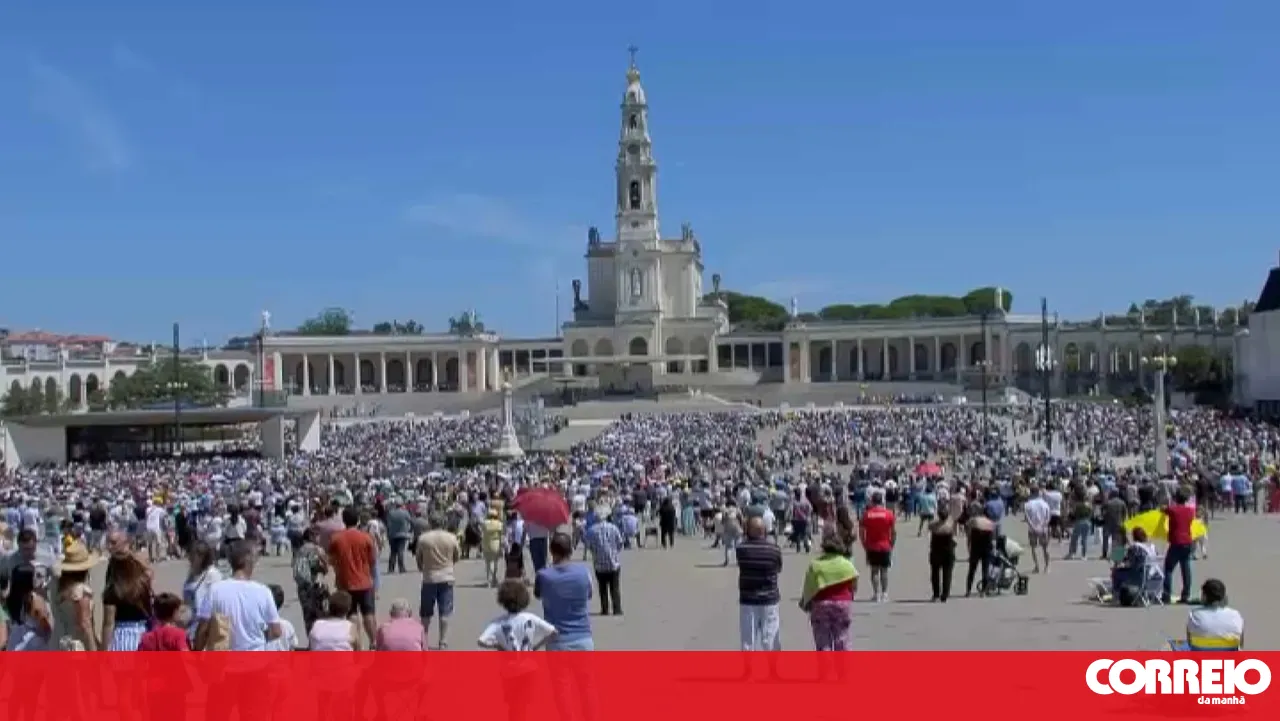
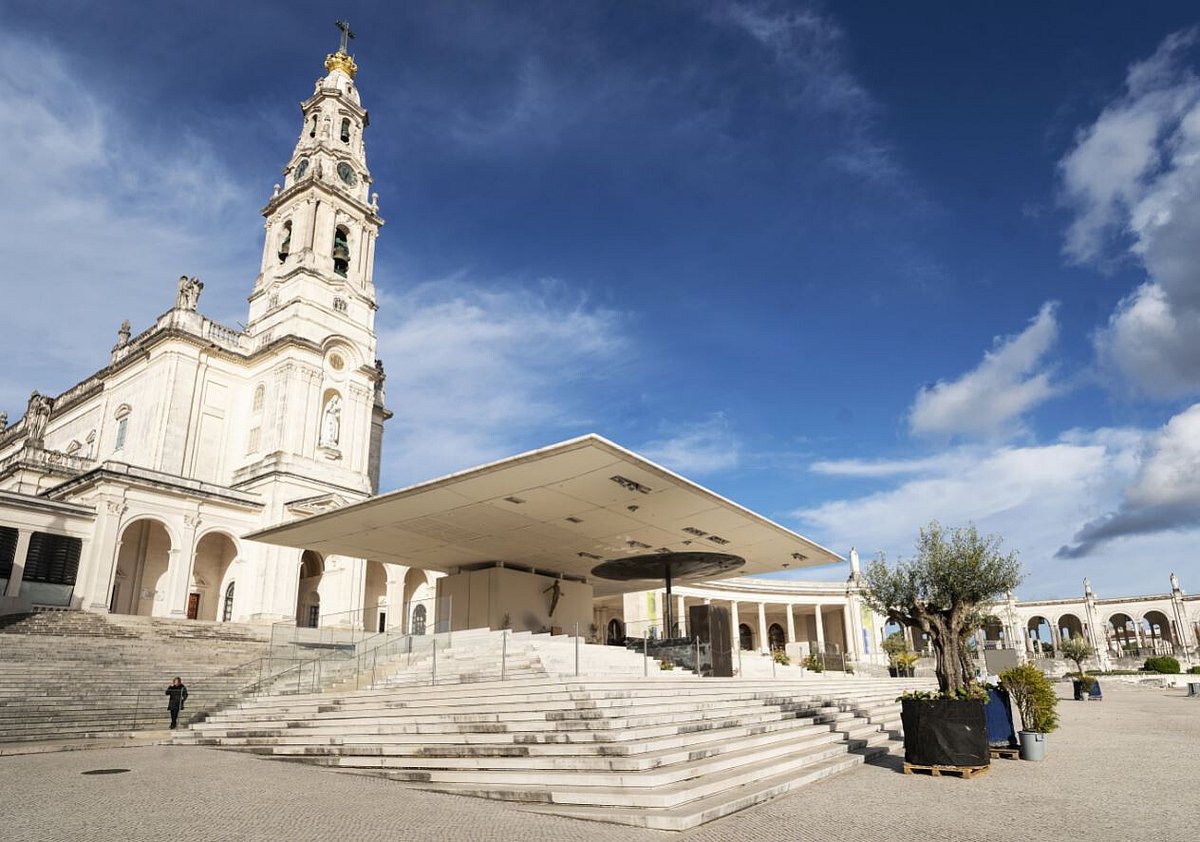
The Portuguese bishops consider it fair for the State to exempt financial compensation for sexual abuse victims from taxes. Statements made in Fátima at the end of the Plenary assembly proceedings.
The availability was expressed this Thursday at a press conference in Fátima, at the end of the plenary meeting that brought together all Portuguese bishops at the sanctuary this week.
In his opening speech at the CEP plenary assembly, the outgoing president also addressed the challenges of immigration, which requires regulation but also the recognition of the human dignity of immigrants.
Portuguese bishops are meeting from today in Fátima for another Plenary Assembly of the Portuguese Episcopal Conference (CEP), where the main agenda item will be the election of new leaders.
Starting today, Portuguese bishops are meeting in Fátima for another Plenary Assembly of the Portuguese Episcopal Conference (CEP), where the main agenda item will be the election of new leaders.
The Bishop of Leiria-Fátima, José Ornelas, has reached the two-term limit as head of the Portuguese Episcopal Conference and will deliver his final address as leader of the Catholic Church in Portugal.
Grupo VITA, established by the Portuguese Episcopal Conference to support victims of sexual abuse within the Catholic Church, is receiving new reports involving deceased perpetrators. Coordinator Rute Agulhas stated that victims are primarily seeking help rather than financial compensation. Meanwhile, the President of the Portuguese Episcopal Conference, José Ornelas, has criticised the potential taxation of compensation payments to victims, calling it ethically unacceptable.
The President of the Republic will meet with the Prime Minister this afternoon for their usual weekly meeting. He has already stated that he intends to address some of the concerns of the population affected by the storms earlier this year. The second day of the Open Presidency has begun in Ourém.
President of the Republic, António José Seguro, has called for better resource and skills planning to respond to disasters such as severe weather, noting that while the Portuguese are “very good at improvisation,” they need to improve their organisation. During a visit to the Santarém district, Seguro emphasised the need for critical infrastructure, such as health centres, to be equipped with generators to maintain operations during emergencies. The visit also highlighted the ongoing recovery efforts in Ourém following Storm Kristin, which damaged thousands of homes and necessitated the relocation of hundreds of residents.
The President of the Republic will meet with the Prime Minister this afternoon for their usual weekly meeting. He has already stated that he intends to raise some of the concerns of the population affected by the storms at the beginning of the year. Meanwhile, the second day of the Open Presidency begins in Ourém.
This will be the first time the Patriarch of Lisbon has presided over an anniversary pilgrimage at Cova da Iria since his appointment to the Patriarchal See in 2023, the sanctuary stated.
Last Friday, I joined over twenty Brazilian women visiting the city of Fátima. The group, composed of embroiderers from various Brazilian states, travelled to Portugal and France on a tour called 'The Embroidery Route'. The itinerary was organised by a travel agency in collaboration with an embroidery teacher—my former boss and her daughter. It was a moment to reconnect with dear friends, celebrate Easter, and receive the affection so craved by an immigrant living abroad. I met women with diverse backgrounds, all united by their love for embroidery. One explained that both her grandmothers were crocheters, which inspired her to develop the same manual skill. Upon retiring after three decades as a preschool teacher, she found inspiration in Chilean 'arpilleras'. This type of embroidery on jute emerged during the repression of the military dictatorship in Chile, where women used it as a form of resistance in neighbourhood workshops, prisons, and detention centres to express their feelings, demands, and denunciations. Another member, a public school History and Geography teacher, shared that after retiring, she took off her watch and decided to live life at her own pace. She began embroidering her life onto fabric, documenting travels and long encounters with literature. She revealed she had once corresponded with Rubem Alves, praising the writer for his contributions to education and his unique use of language. In conversation with the group, the teacher discussed embroidery as a language that transcends generations, noting that every country has its own unique designs, stitches, and threads—a cultural richness that tells many stories. She also mentioned how the trip was designed to promote experiences and contact with traditions, viewing embroidery as an intertwining of wisdom and legacies. One of the travellers, an expert in Castelo Branco embroidery, held a workshop for the women. This Portuguese style uses silk threads and specific imagery, such as birds, the tree of life, carnations, lilies, pomegranates, and hearts. These themes have influenced architecture, fashion, stamps, furniture, and even the design of coins, continuing to stitch together the stories of Portuguese and Brazilian women. As life is embroidered, stitch by stitch, the trip to Fátima strengthened a spirit of gratitude, awakened memories, and brought a new perspective to those who had already visited the site. Some lit candles, others performed penances on their knees, and we, as a group, delivered letters to Our Lady in a communication that transcends borders. Being in places that gather spirituality, each in its own way, reminds us that life is here and now. It is necessary to keep this notion of finitude and scale in sight to stay grounded in reality. We are part of the whole, yet we are also just a part. In Aljustrel, the village where the three little shepherds lived, we met the niece of Jacinta and Francisco, also named Jacinta in honour of her aunt. The 83-year-old lady posed for photos and received hugs and compliments from the embroiderers. She responded to the group with a serenity that contrasted with the Brazilian euphoria, saying that everyone has their own story and that the scented rosaries sold there were authentic: 'We die, and the scent remains.'
Home News Pope Leo XIV will come to Portugal Pope Leo XIV will come to Portugal The apostolic nuncio in Lisbon stated that Leo XIV will “certainly” come to the Sanctuary of Fatima, but everything will depend on the travel schedule of the leader of the Catholic Church.
The Fátima Sanctuary announced that it is starting the reforestation plan for the prayer grounds this week, following the destruction of hundreds of trees by Storm Kristin.