Emergency Teams Respond to 1,000 Incidents Across Portugal
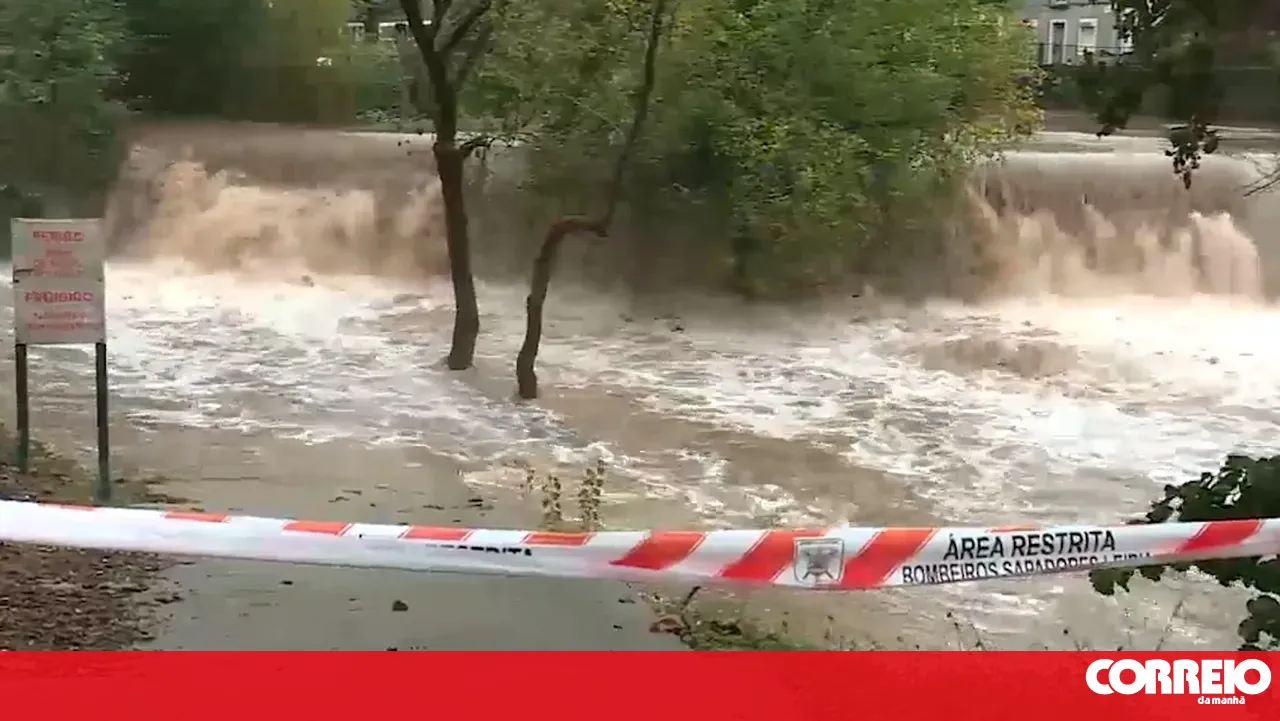
Emergency services responded to more than 1,000 weather-related incidents across mainland Portugal on Saturday as persistent downpours flooded roads and disrupted transit. The National Civil Protection Authority (Autoridade Nacional de Emergência e Proteção Civil or ANEPC) mobilized nearly 3,000 personnel and over 1,000 vehicles, reporting no deaths or major property damage despite heavy disruption centered on the Lisbon and Tagus Valley (Lisboa e Vale do Tejo) region.
The severe weather followed red alerts issued by the Portuguese Institute for Sea and Atmosphere (Instituto Português do Mar e da Atmosfera or IPMA) for Leiria, Santarém, Coimbra, Viseu, and Guarda, along with orange warnings in Lisbon and Setúbal. In Manteigas, municipal authorities kept their local emergency plan active due to ongoing landslide risks on the Carvalheira slope, where earlier flash floods compromised ground stability.

IPMA (Instituto Português do Mar e da Atmosfera) is Portugal's national authority for weather, ocean, and climate monitoring. It produces weather forecasts, issues severe weather warnings, monitors seismic activity, and provides marine and atmospheric data.
IPMA uses a four-level color-coded warning system: green (no risk), yellow (potential risk), orange (moderate-to-high risk), and red (extreme risk). These warnings cover conditions such as heavy rain, strong winds, extreme heat, cold snaps, rough seas, and snow.
Residents should monitor IPMA forecasts during storm season (typically October–March) and heatwaves (July–August). IPMA bulletins are used by civil protection authorities, transport operators, and local councils to make decisions about road closures, school suspensions, and evacuation orders.
Website: ipma.pt