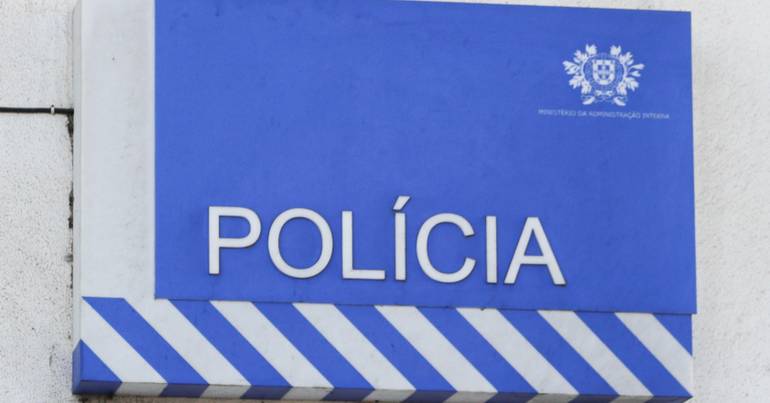
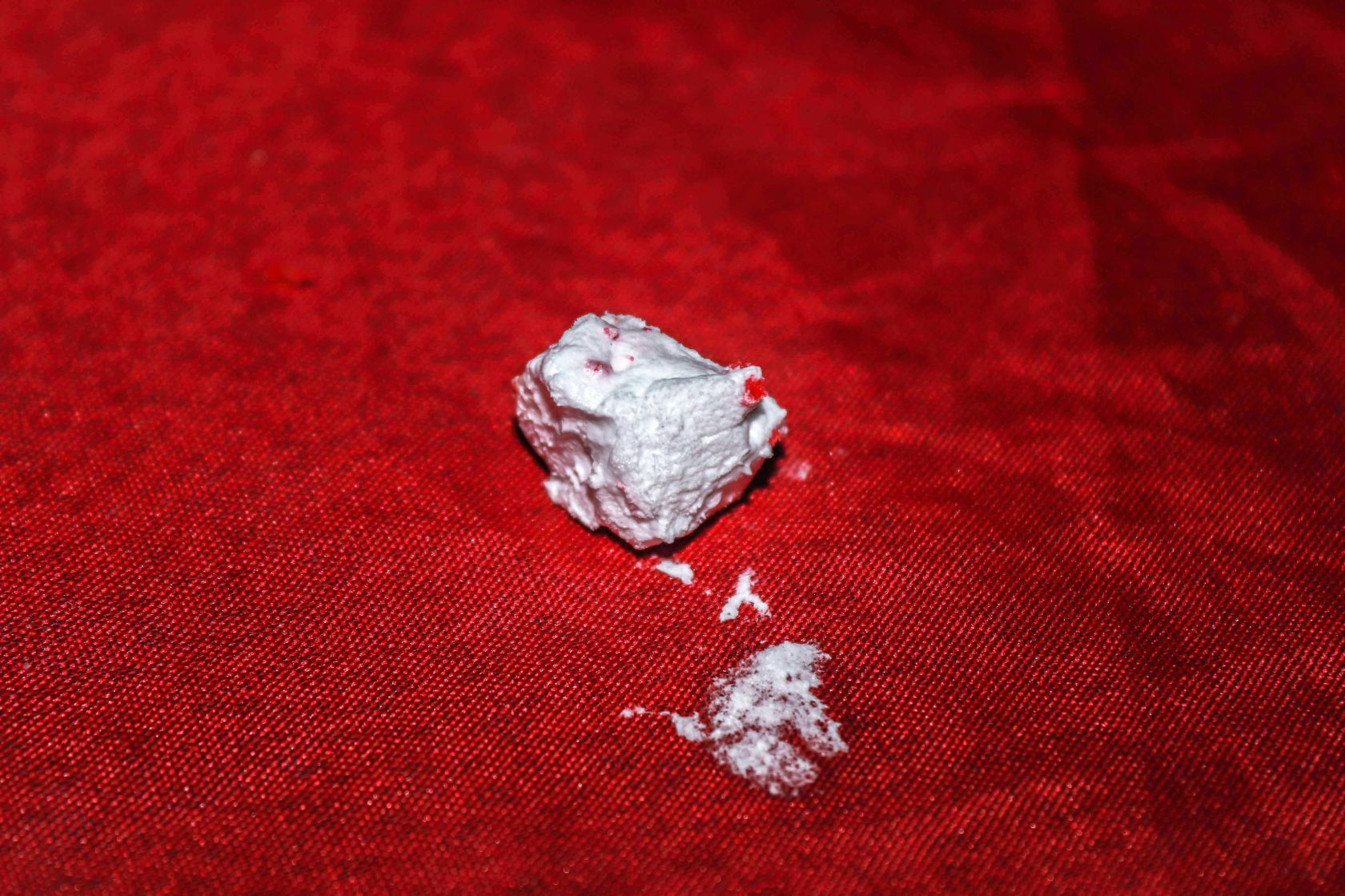
The government is drafting legislation to criminalise the sale of fake narcotics as a specific form of fraud, closing a legal loophole often exploited in tourist areas. Under the current legal framework, selling fake substances cannot be prosecuted under narcotics laws because the materials sold are not genuine drugs. The proposal follows repeated requests from Lisbon Mayor Carlos Moedas to give police stronger tools to stop street vendors selling imitation drugs in the city centre.
Portugal to Criminalise Sale of Fake Street Drugs
Saturday, 21 November 2026AI summary
Context & Explainers

Carlos Manuel Félix Moedas (born August 10, 1970, in Beja) is a civil engineer, economist, and center-right politician who has served as Mayor of Lisbon since October 2021. He earned degrees in civil engineering from Instituto Superior Técnico and an MBA from Harvard, working at Goldman Sachs and founding his own investment firm before entering politics. During Portugal's 2011-14 bailout, he served as Secretary of State coordinating Troika-mandated structural reforms. From 2014-19, he was European Commissioner for Research, Science and Innovation, managing €77 billion in research funding and designing the €100 billion Horizon Europe program. Moedas narrowly won Lisbon's mayoralty in 2021 with 34.3%, defeating Socialist incumbent Fernando Medina. Governing initially with a minority coalition, he implemented free public transport for youth and elderly residents, launched the "Unicorn Factory Lisboa" innovation hub attracting 82 tech companies and 16,000 jobs, and won Lisbon the 2023 European Capital of Innovation award. He was re-elected in October 2025 with 41.7%, securing eight of nine council seats. His significance lies in shifting Lisbon's political trajectory rightward after decades of Socialist governance, positioning the capital as a European tech hub while prioritizing housing development, carbon neutrality by 2030, and innovation-driven economic growth.