PCP leader urges government to drop labour reforms
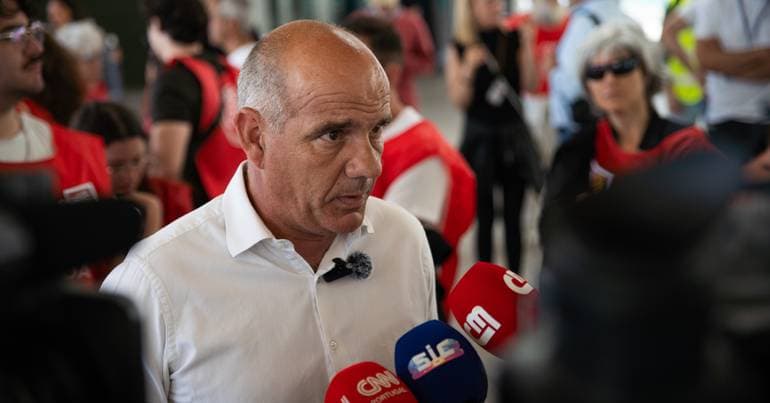
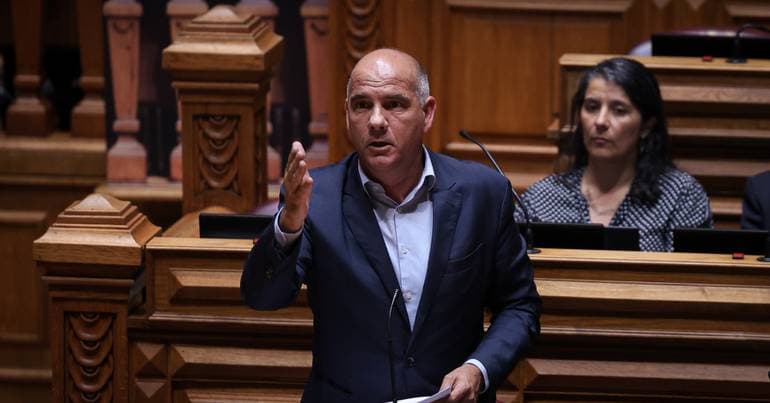
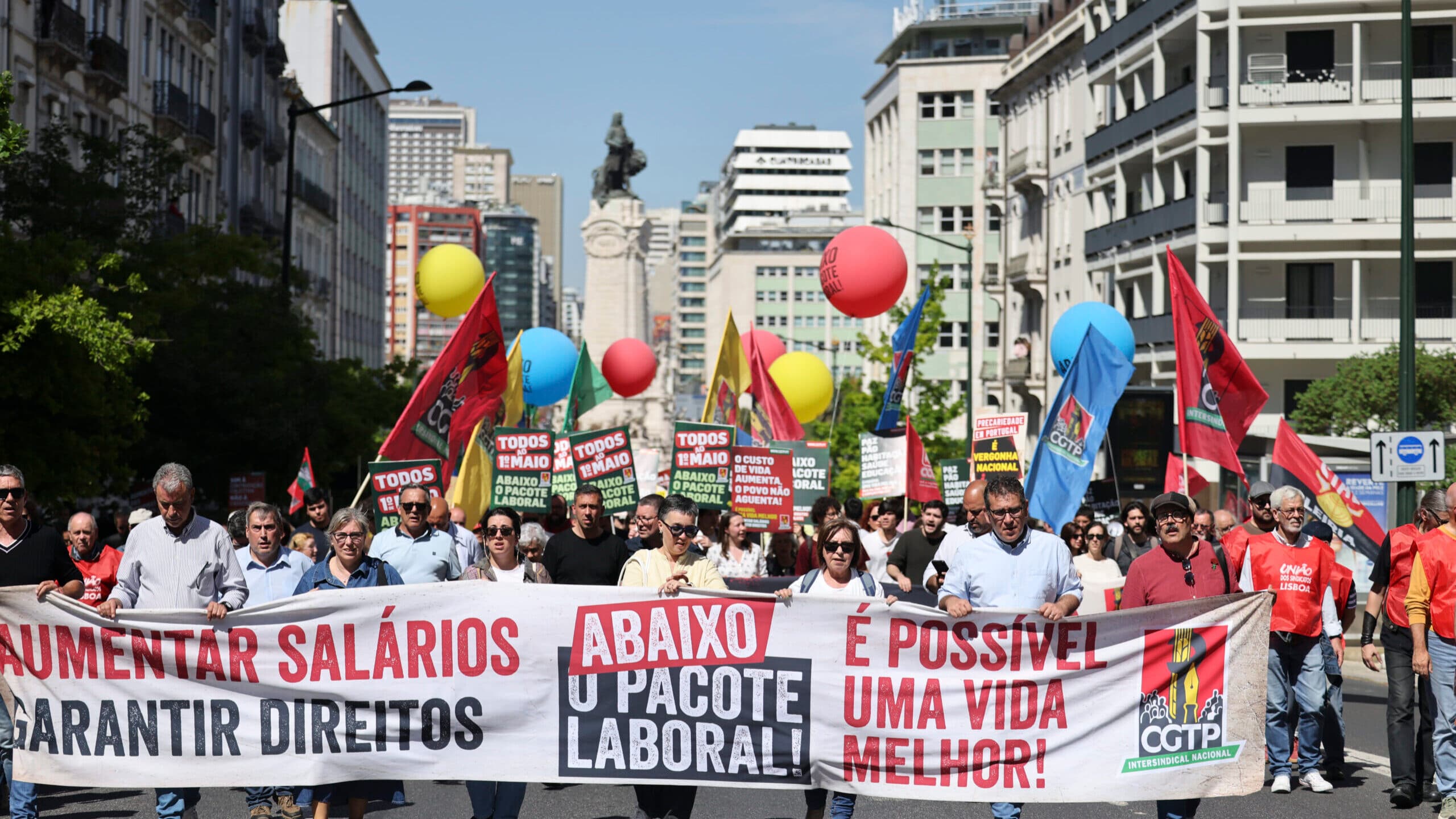
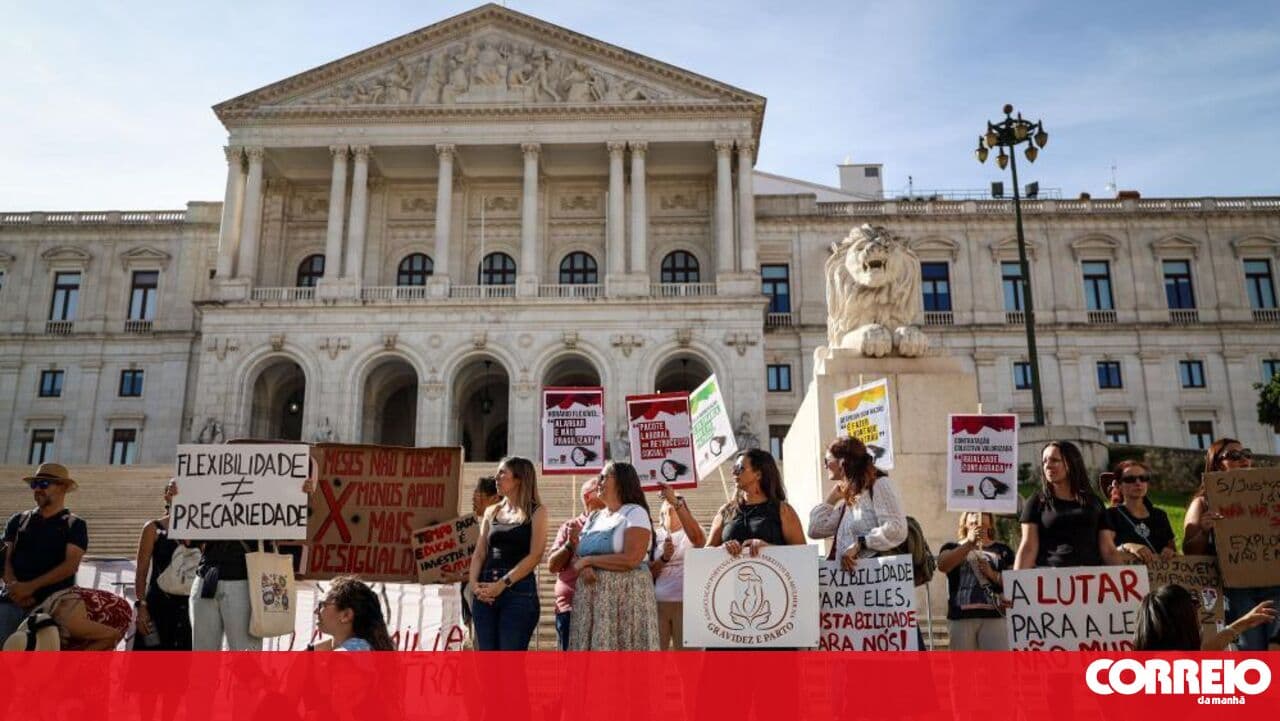
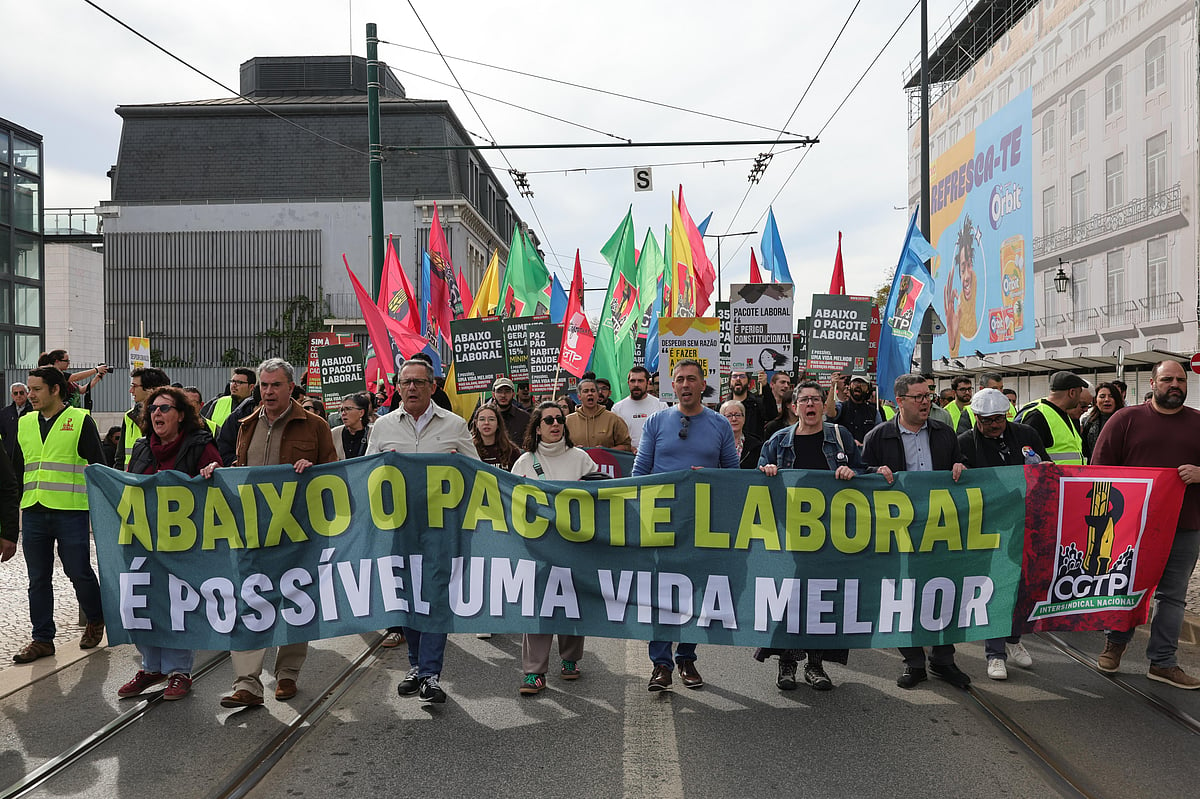
Paulo Raimundo, the secretary-general of the Portuguese Communist Party (Partido Comunista Português or PCP), has called on Prime Minister Luís Montenegro to withdraw the government's proposed labour package. Raimundo argued that abandoning the proposal before the upcoming parliamentary debate would serve the country's interests. The government's plan faces significant opposition from trade unions concerned about job security and income levels.
Paulo Raimundo is the Secretary-General of the Portuguese Communist Party (Partido Comunista Português or PCP), a position he has held since November 2022. He is a career politician and former trade unionist who succeeded Jerónimo de Sousa as the leader of the party.

- Prime Minister, Portugal: 2024 - Present
- Party: Social Democratic Party (PSD)
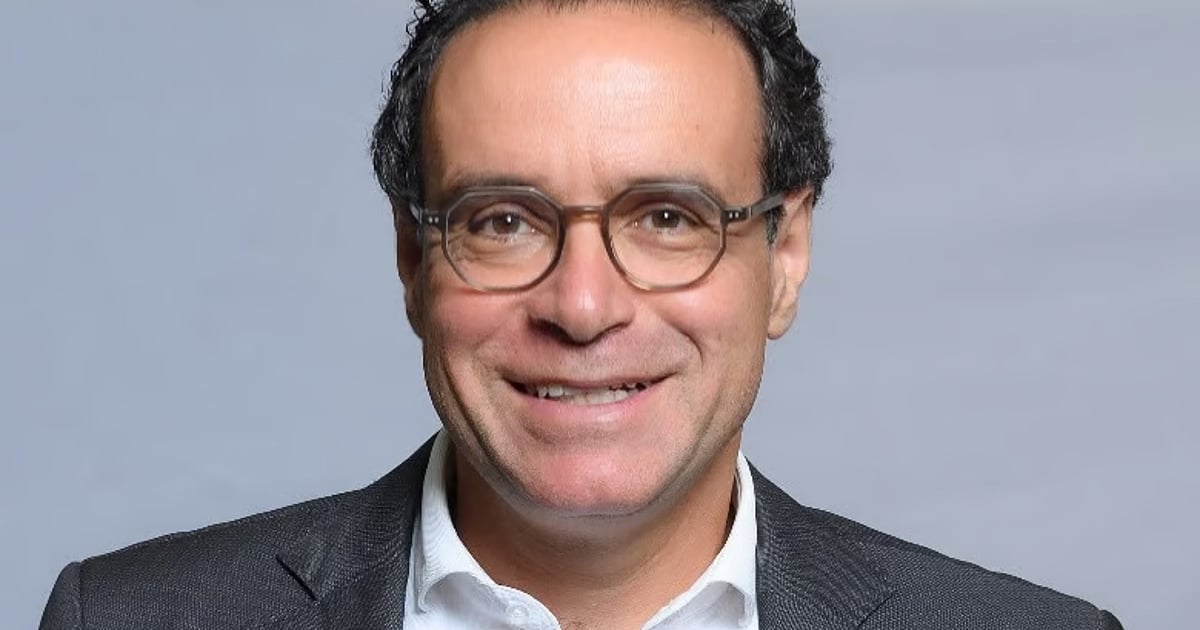
Luís Filipe Montenegro Cardoso de Morais Esteves (born February 16, 1973, in Porto) is a Portuguese lawyer and center‑right politician who has served as Prime Minister of Portugal since April 2, 2024. A long‑time member of the Social Democratic Party (PSD), he is the leading figure of the post‑Troika generation of Portuguese conservatives. Montenegro was elected to the Assembly of the Republic in 2002 for the Aveiro district and remained an MP for 16 years, becoming PSD parliamentary leader from 2011 to 2017 during the bailout and austerity period under Prime Minister Pedro Passos Coelho. He was a prominent defender of strict austerity measures, arguing in 2014 that “the life of the people is no better, but the life of the country is a lot better,” a phrase that has followed his public image since. After an unsuccessful leadership bid against Rui Rio in 2020, Montenegro won the PSD leadership in 2022. He then forged the centre‑right Democratic Alliance (PSD–CDS‑PP and allies), which won a plurality of seats in the 2024 legislative election. Refusing to partner with the far‑right Chega, which he has called “often xenophobic, racist, populist and excessively demagogic,” he formed a minority government as head of the XXIV Constitutional Government on April 2, 2024. His first government fell in March 2025 after a no‑confidence vote linked to a conflict‑of‑interest affair, but fresh elections saw the Democratic Alliance increase its seat share, allowing Montenegro to return as prime minister leading the XXV Constitutional Government. His importance to Portugal lies in attempting to re‑center the traditional centre‑right after the crisis years, defending liberal‑conservative economics and EU alignment while drawing a sharp line against formal cooperation with the radical right, thus shaping how Portuguese democracy manages its new multi‑party era.
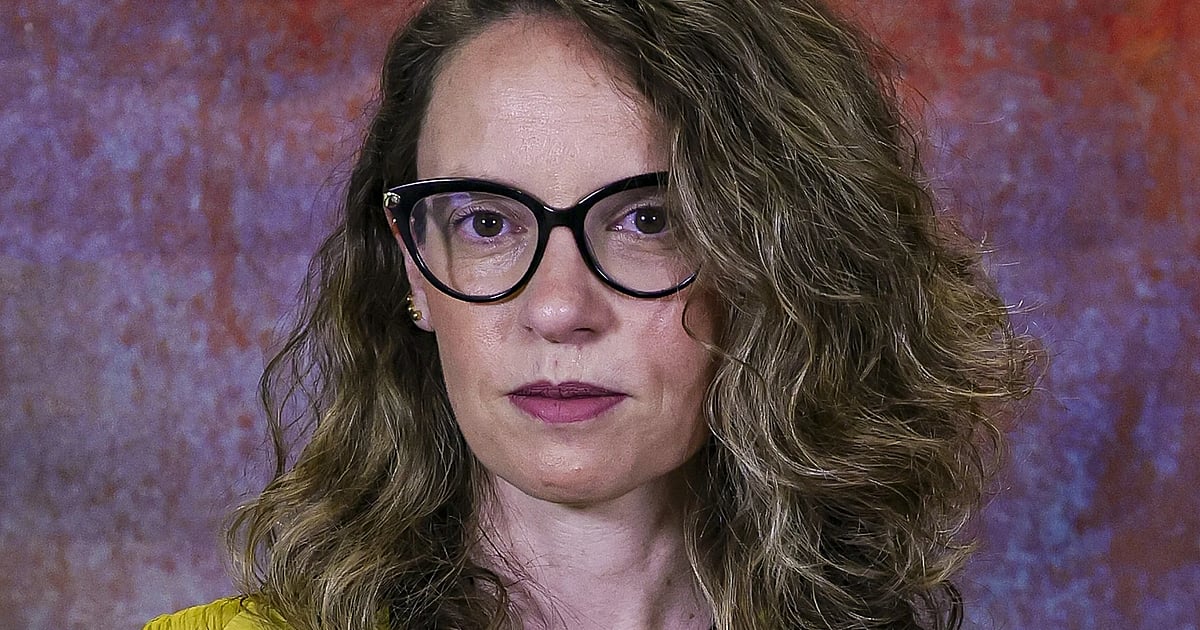
António Filipe is a politician from the PCP (Partido Comunista Português) who, in this story, acknowledged that his election results fell short and said the party would join forces to oppose what it called a 'serious threat to democracy'. His remarks indicate the PCP intends to be active in post-election alliances rather than withdrawing from national debates. Voters and those following left-wing politics should pay attention to his and the PCP's next moves.