Housing Protests Turn Violent in Lisbon as Strike Calls Grow

Sunday, 25 October 2026AI summary
Housing Protests Turn Violent in Lisbon as Strike Calls Grow
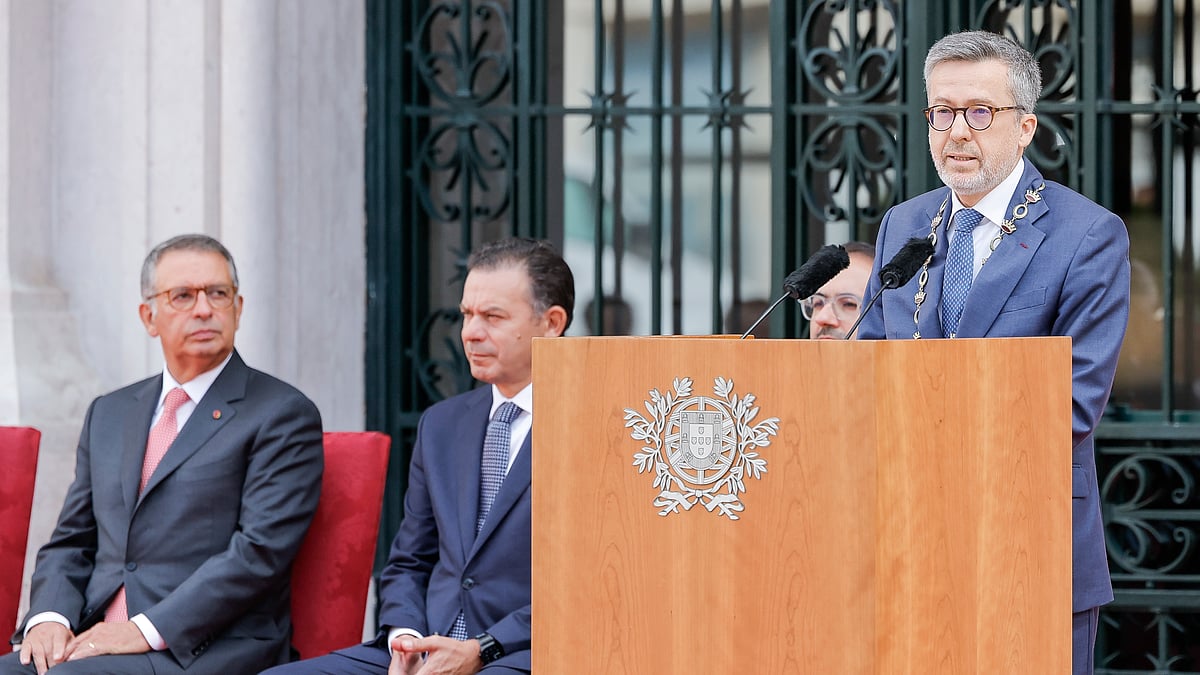
Photo: Diário de Notícias

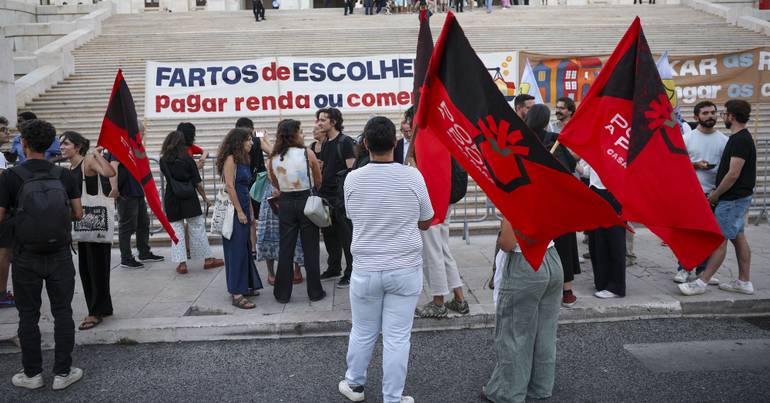
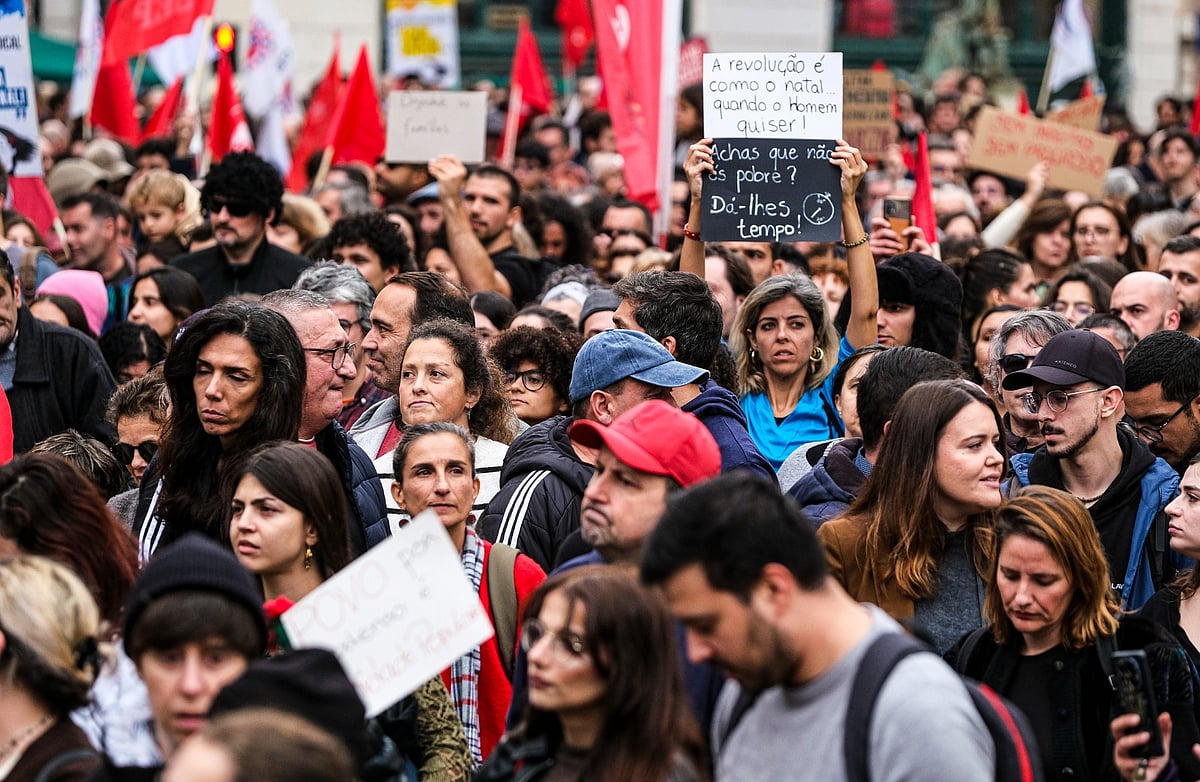
Clashes between police and housing protesters in Lisbon left dozens injured and 31 detained over the weekend, intensifying calls for a coordinated Iberian general strike on November 11. Demonstrators held a vigil outside the Campus da Justiça court complex on Monday as the detained protesters were brought before a judge, following a clearance operation by the Public Security Police (Polícia de Segurança Pública or PSP) at an encampment in Rossio.

The unrest comes after the Madrid Tenants' Union (Sindicato de Inquilinas e Inquilinos de Madrid) called on Portuguese labour federations to join a cross-border general strike. Speaking at the Future in Common Summit in Lisbon, union spokesperson Pablo García Bachiller urged the General Confederation of Portuguese Workers (Confederação Geral dos Trabalhadores Portugueses or CGTP) and the General Workers' Union (União Geral de Trabalhadores or UGT) to mobilize, arguing that soaring housing costs reduce workers' real wages. Protests and encampments have also spread to Porto, Faro, and Funchal, with activists demanding rent caps and opposing proposed tenancy law revisions.

Context & Explainers

CGTP (Confederação Geral dos Trabalhadores Portugueses)

The General Confederation of the Portuguese Workers (CGTP – Confederação Geral dos Trabalhadores Portugueses) is Portugal’s largest trade-union confederation, grouping most unions in manufacturing, public services and many other sectors.

Founded clandestinely in 1970 as “Intersindical” under the dictatorship, it emerged publicly after the 1974 Carnation Revolution and was legalised in 1975. It has been central to virtually all major labour struggles since then, from defending collective bargaining and the 40‑hour week to leading general strikes against austerity and labour‑law rollbacks.

CGTP is historically close to the Portuguese Communist Party and has a class‑struggle, anti‑neoliberal profile, strongly critical of EU and government policies seen as undermining workers’ rights. It favours grassroots mobilisation and strikes over compromise, often refusing national social‑pact deals that the more centrist UGT is willing to sign.

In today’s Portugal, CGTP remains a key actor in wage bargaining, labour‑law debates and national protests; together with UGT it called the first joint general strike in years in December 2025, signalling its continuing capacity to organise mass action.

UGT (União Geral de Trabalhadores)

The General Union of Workers (UGT – União Geral de Trabalhadores) is one of Portugal’s two main national trade union confederations. Founded in Lisbon on 28 October 1978, it was created as a social‑democratic alternative to the more communist‑aligned CGTP after the 1974 Revolution, grouping unions close to the Socialist Party and moderate centre‑right currents.

UGT represents around 400,000 workers and is affiliated to the European Trade Union Confederation and International Trade Union Confederation, giving Portuguese labour a voice at EU and global level. Its principles stress union independence from the state, employers, churches and parties, internal democracy and active worker participation.

Historically, UGT’s hallmark has been “propositive” social dialogue: it is usually more willing than CGTP to sign tripartite agreements on wages, labour law and social policy with governments and employers, shaping minimum wage increases, working‑time rules and social protection reforms. This makes UGT a key centrist actor in Portugal’s industrial relations, often mediating between left and right while defending collective bargaining and incremental improvements to labour rights.

Last 7 days · #2 in top news

How this story developed

2 updates · 24 sources · 3 days (22–26 Oct)

The 7-day top news ranks stories by how widely they were covered over 7 days. These are the updates and sources that counted.

  1. Housing Protests Turn Violent in Lisbon as Strike Calls Grow

    11 sources · You’re reading this

All 24 sources in the last 7 days