

15 June 2026 – 21 June 2026
Political Shifts and Social Unrest Mark a Turbulent Week in Portugal
Portugal faces a week of intense political maneuvering as Santana Lopes returns to the PSD leadership while the government doubles down on controversial labor reforms. Meanwhile, public frustration grows over judicial decisions and healthcare access, compounded by ongoing infrastructure challenges at Lisbon Airport and severe weather alerts across the north.
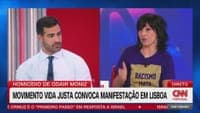
Protests erupt over suspended sentence for officer
Hundreds of people marched through central Lisbon on Saturday to protest the suspended sentence given to a police officer convicted of killing Odair Moniz. Organized by the movement Vida Justa, demonstrators cited structural racism within the justice system as a primary concern. The ruling has sparked significant public debate, with police unions defending the judicial decision while activists and opposition figures demand accountability.
Odair Moniz was a Cape Verdean chef and father of two who died in October 2024 after being shot by a police officer in the Cova da Moura neighborhood of Amadora. His death triggered significant public protests and a high-profile legal case regarding the use of force by the Public Security Police (Polícia de Segurança Pública or PSP).
Santana Lopes returns to PSD leadership role
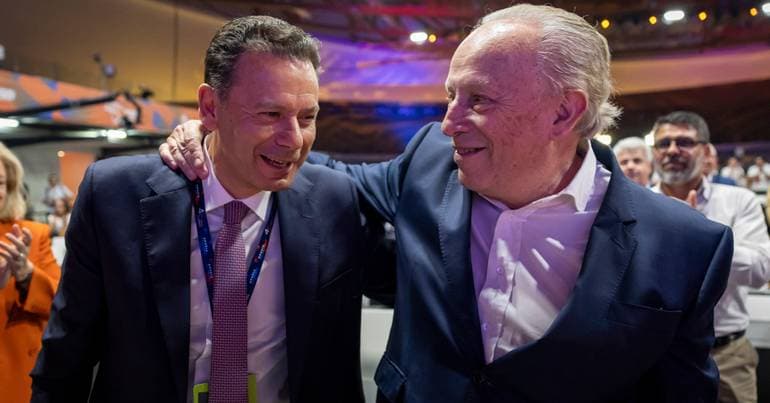
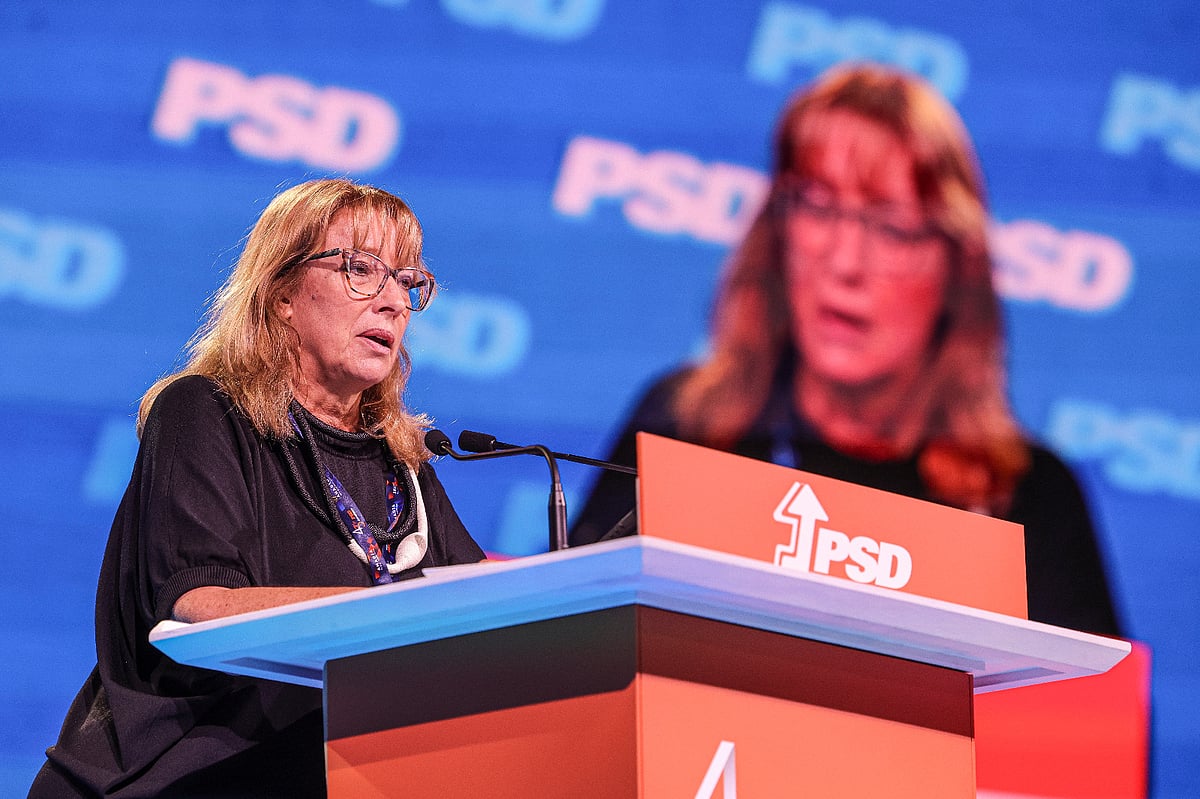
Former Prime Minister Pedro Santana Lopes has officially returned to the PSD, making a surprise appearance at the party's congress in Anadia. Luís Montenegro announced new vice-presidents for the party, including Sebastião Bugalho, Carlos Moedas, and Pedro Duarte. Santana Lopes praised Montenegro's leadership, calling for political stability as the party moves forward.

Carlos Manuel Félix Moedas (born August 10, 1970, in Beja) is a civil engineer, economist, and center-right politician who has served as Mayor of Lisbon since October 2021. He earned degrees in civil engineering from Instituto Superior Técnico and an MBA from Harvard, working at Goldman Sachs and founding his own investment firm before entering politics. During Portugal's 2011-14 bailout, he served as Secretary of State coordinating Troika-mandated structural reforms. From 2014-19, he was European Commissioner for Research, Science and Innovation, managing €77 billion in research funding and designing the €100 billion Horizon Europe program. Moedas narrowly won Lisbon's mayoralty in 2021 with 34.3%, defeating Socialist incumbent Fernando Medina. Governing initially with a minority coalition, he implemented free public transport for youth and elderly residents, launched the "Unicorn Factory Lisboa" innovation hub attracting 82 tech companies and 16,000 jobs, and won Lisbon the 2023 European Capital of Innovation award. He was re-elected in October 2025 with 41.7%, securing eight of nine council seats. His significance lies in shifting Lisbon's political trajectory rightward after decades of Socialist governance, positioning the capital as a European tech hub while prioritizing housing development, carbon neutrality by 2030, and innovation-driven economic growth.
Pedro Santana Lopes is a veteran Portuguese politician who served as Prime Minister from 2004 to 2005. A long-time member of the Social Democratic Party (Partido Social Democrata or PSD), he has held various roles including Mayor of Lisbon and leader of the Aliança party before his recent return to the PSD.
Government vows to persist with labour reform
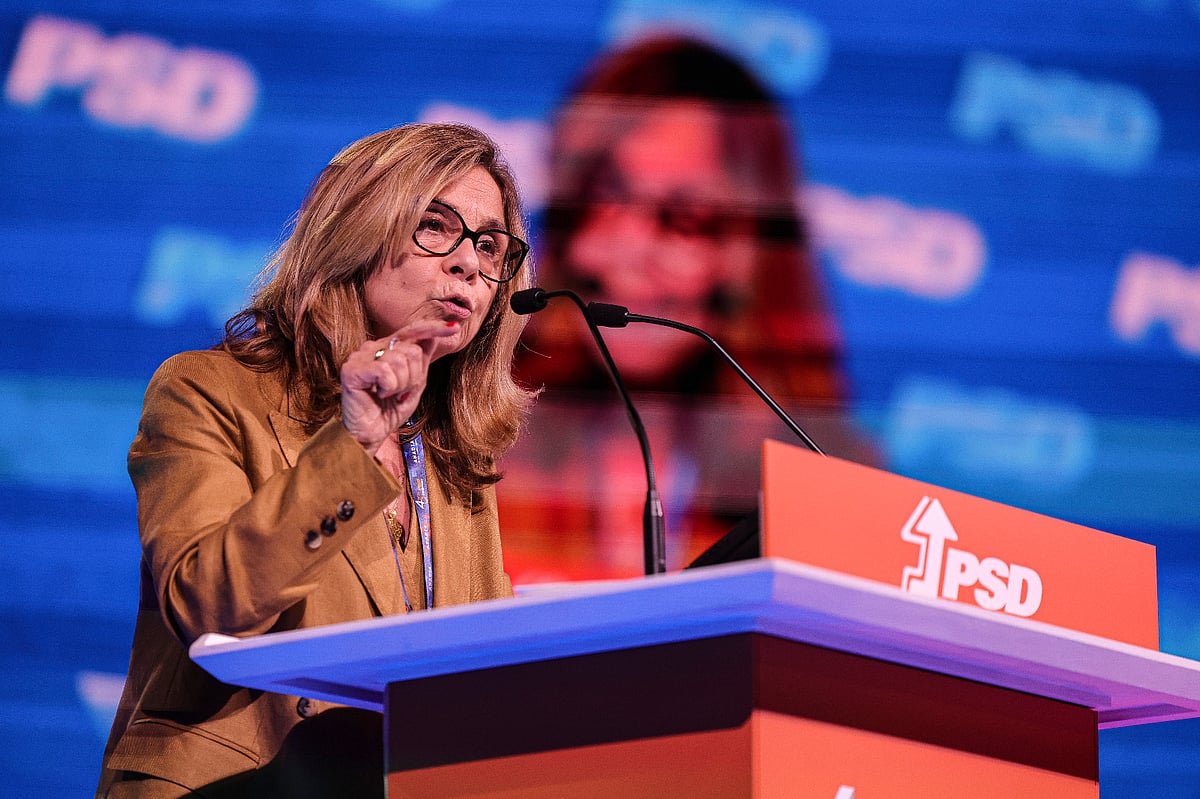
Minister of Labour Maria do Rosário Palma Ramalho confirmed that the government will continue to pursue its labour reform agenda despite the bill's recent rejection in Parliament. Prime Minister Luís Montenegro also signaled that the government's objectives remain unchanged. While the minister noted that further assessment is needed to determine the next steps, she remains confident in the administration's resolve.
Maria do Rosário Palma Ramalho is the Minister of Labor, Solidarity, and Social Security (Ministra do Trabalho, Solidariedade e Segurança Social) in the current government led by Prime Minister Luís Montenegro. She is a legal expert and former member of the board of the Bank of Portugal (Banco de Portugal).

- Prime Minister, Portugal: 2024 - Present
- Party: Social Democratic Party (PSD)
Luís Filipe Montenegro Cardoso de Morais Esteves (born February 16, 1973, in Porto) is a Portuguese lawyer and center‑right politician who has served as Prime Minister of Portugal since April 2, 2024. A long‑time member of the Social Democratic Party (PSD), he is the leading figure of the post‑Troika generation of Portuguese conservatives. Montenegro was elected to the Assembly of the Republic in 2002 for the Aveiro district and remained an MP for 16 years, becoming PSD parliamentary leader from 2011 to 2017 during the bailout and austerity period under Prime Minister Pedro Passos Coelho. He was a prominent defender of strict austerity measures, arguing in 2014 that “the life of the people is no better, but the life of the country is a lot better,” a phrase that has followed his public image since. After an unsuccessful leadership bid against Rui Rio in 2020, Montenegro won the PSD leadership in 2022. He then forged the centre‑right Democratic Alliance (PSD–CDS‑PP and allies), which won a plurality of seats in the 2024 legislative election. Refusing to partner with the far‑right Chega, which he has called “often xenophobic, racist, populist and excessively demagogic,” he formed a minority government as head of the XXIV Constitutional Government on April 2, 2024. His first government fell in March 2025 after a no‑confidence vote linked to a conflict‑of‑interest affair, but fresh elections saw the Democratic Alliance increase its seat share, allowing Montenegro to return as prime minister leading the XXV Constitutional Government. His importance to Portugal lies in attempting to re‑center the traditional centre‑right after the crisis years, defending liberal‑conservative economics and EU alignment while drawing a sharp line against formal cooperation with the radical right, thus shaping how Portuguese democracy manages its new multi‑party era.
Health Minister blames immigration for doctor shortages
Minister of Health Ana Paula Martins defended her record at the Social Democratic Party (Partido Social Democrata or PSD) congress, dismissing criticism regarding her popularity. She linked current healthcare pressures, including the number of patients without a family doctor, to rapid population growth and unregulated immigration. Martins emphasized that her focus remains on structural reform rather than public opinion polls.
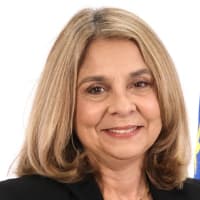
Ana Paula Martins is a Portuguese pharmacist and politician who has served as the Minister of Health in Portugal since April 2024. A member of the Social Democratic Party (PSD), she was reappointed to the position in the second government of Prime Minister Luís Montenegro in June 2025.
Professional Background
Pharmaceutical Leadership: She served as the President of the Order of Pharmacists (Bastonária da Ordem dos Farmacêuticos) from 2016 to 2022.
Hospital Management: She was the President of the Board of Directors of Hospital de Santa Maria (CHULN) in Lisbon from December 2022 to January 2024.
Academic Work: She holds a PhD in Clinical Pharmacy and has been an assistant professor at the Faculty of Pharmacy of the University of Lisbon for over 20 years.
Political Career
Government Role: As Minister of Health, she has overseen the implementation of the "SNS Emergency Plan" and recently addressed issues such as INEM staffing and public-private partnerships in healthcare.
Party Leadership: She served as Vice President of the PSD under Rui Rio (2021–2022).
Parliament: She was elected as a member of the Assembly of the Republic representing the Lisbon constituency in 2024.

- Leader: Luís Montenegro (Prime Minister)
- Ideology: Liberal conservatism, pro-Europeanism
- Coalition: Social Democratic Party (PSD) + CDS–People's Party (CDS-PP)
The Democratic Alliance (Aliança Democrática, AD) is a center-right coalition primarily composed of the Social Democratic Party (PSD) with 89 seats and the CDS–People's Party (CDS-PP) with 2 seats. Together, they form the current minority government under Prime Minister Luís Montenegro.
The PSD, despite its name, occupies the center-right of Portugal's political spectrum and has been one of Portugal's two dominant parties since 1974, having formed nine governments including four with absolute majorities. The CDS-PP is a smaller Christian democratic party that has historically been the PSD's coalition partner.
The AD coalition governs without a parliamentary majority, requiring case-by-case support from opposition parties to pass legislation. The coalition has imposed a cordon sanitaire against Chega, refusing formal cooperation with the far-right despite its parliamentary strength, which means it must negotiate with the PS or smaller parties to advance its legislative agenda.
Luís Neves admits failure in terror threat communication
Minister of Internal Administration Luís Neves admitted that a failure occurred regarding the communication of terrorist threats to the Prime Minister's office. The incident relates to the period when Neves led the Judiciary Police (Polícia Judiciária or PJ) during the investigation into the Movimento Armilar Lusitano. He stated that the notification process should have been handled differently.
Luís Neves will take office on Monday as Minister of Internal Administration. He graduated in law and has worked at the Judicial Police since 1995, where he served as coordinator of a national unit and developed a long career in criminal investigation.

The PJ (Polícia Judiciária) is Portugal's national criminal investigation police agency, founded in 1945. Operating under the Ministry of Justice and supervised by the Public Ministry (prosecutors), the PJ is a "higher criminal police body" specializing in serious and complex crimes. Mission: The PJ assists judicial and prosecuting authorities by investigating terrorism, organized crime, homicide, kidnapping, drug trafficking, corruption, cybercrime, financial crime, and money laundering. It conducts forensic examinations, operates Portugal's Interpol and Europol liaison offices, and maintains specialized units including the National Counterterrorism Unit and National Anti-Corruption Unit. Difference from PSP/GNR: While PSP (civilian urban police) and GNR (military rural police) focus on preventive policing, public order, and investigating minor crimes, the PJ exclusively handles serious crime investigation requiring specialized technical and scientific expertise. PSP and GNR report to the Ministry of Internal Affairs; PJ reports to the Ministry of Justice. PJ officers receive higher pay and prestige but face greater operational risk.
Portugal faces low productivity despite high work hours
Recent data shows Portugal has the fourth-lowest productivity in the European Union, with the indicator declining in 2025. While Portuguese workers average 37.4 hours per week compared to the EU average of 35.9, the value created per hour remains significantly lower. Experts note that improving this requires greater investment in technology, capital, and business scale.

Algarve health unit adds 15 new family doctors
The Algarve Local Health Unit (Unidade Local de Saúde do Algarve or ULS Algarve) has recruited 15 new general practitioners to address staffing shortages. This initiative is expected to provide over 26,000 residents in the region with access to a family doctor.
The Algarve Local Health Unit ("Unidade Local de Saúde do Algarve") is the public body that runs many of the region's hospitals, primary care centres and emergency services under the SNS, coordinating local clinical services and on‑call rotas. For expats it matters because this unit manages the nearest public hospitals and urgent care options, so knowing which facility covers your area helps you find emergency care, vaccination services and routine NHS appointments.
Orange weather warnings issued for northern districts
The Portuguese Institute for Sea and Atmosphere (Instituto Português do Mar e da Atmosfera or IPMA) has issued an orange warning for the districts of Bragança, Guarda, and Vila Real starting Sunday morning. Temperatures are expected to reach 42ºC, with the Directorate-General of Health (Direção-Geral da Saúde or DGS) activating a level 1 contingency plan to manage the extreme heat.
A red warning is the highest alert level issued by Portugal's weather agency, the Portuguese Institute for the Sea and the Atmosphere (Instituto Português do Mar e da Atmosfera or IPMA), used when conditions pose a very high risk to life and property. Under a red warning authorities may close roads, suspend transport and advise people to avoid coastal and flood‑prone areas, so follow civil protection instructions during the Friday–Saturday storm period.
The DGS (Direção-Geral da Saúde) is Portugal's central public health authority, responsible for setting health policy guidelines, managing vaccination programs, disease surveillance, and public health campaigns. It operates under the Ministry of Health.
The DGS issues clinical guidelines (normas) that health professionals across Portugal follow, manages the national vaccination schedule, coordinates responses to disease outbreaks, and publishes health statistics. It became widely known during the COVID-19 pandemic as the lead agency for public health guidance.
For residents, the DGS is the authoritative source for vaccination schedules, health alerts, and clinical guidance. Its recommendations shape how hospitals and health centers deliver care across the country.
Body of missing man recovered from Alentejo dam
Emergency services recovered the body of a 40-year-old Brazilian man from the Pego do Altar dam in Alcácer do Sal on Saturday. The victim had disappeared while swimming in the reservoir, prompting an immediate search and rescue operation by the National Emergency and Civil Protection Authority (Autoridade Nacional de Emergência e Proteção Civil or ANEPC).
A district emergency plan (Plano Distrital de Emergência) is a local civil-protection document that sets roles, resources and actions a district will use to prevent and respond to major incidents like floods, storms or wildfires. Municipal and district civil protection authorities prepare and can activate the plan with support from the national emergency agency (Autoridade Nacional de Emergência e Proteção Civil), ordering evacuations, opening shelters, closing roads and coordinating rescue teams. Those in affected districts should follow local instructions, sign up for official alerts and know their nearest shelter and evacuation routes during heavy rain.
Lisbon Airport struggles with non-Schengen flight surge
Lisbon Airport is facing increased operational challenges due to a record rise in non-Schengen passenger traffic. The facility, already operating near capacity, is managing new requirements from the European border control system. These pressures have led to calls for improved infrastructure to handle the growing volume of international travelers.

Congo Fans Celebrate Historic World Cup Draw Against Portugal
Democratic Republic of Congo supporters are celebrating a hard-fought draw against Portugal in a recent World Cup match. The result has been hailed as a significant moment for the team on the global stage.
Congo manager praises Portugal as "one of the best teams in the world"
The Congo national team manager speaks highly of the Portuguese squad, ranking them among the world's elite.
The people buried the labour package
The trade union and popular struggle is not a symbolic ritual performed only to later accept the result that institutional politics had already decided. It is an instrument that changes outcomes. Chronicle by Eduardo Couto
