29 June 2026 – 5 July 2026
Portugal Faces National Mourning Amidst Extreme Heat and Administrative Chaos
Portugal observes a period of national mourning following the tragic loss of 93 citizens in the Venezuela earthquake while simultaneously battling a severe, record-breaking heatwave. Meanwhile, residents face significant disruptions as technical failures delay national exam results and the government implements major updates to the national user registry.
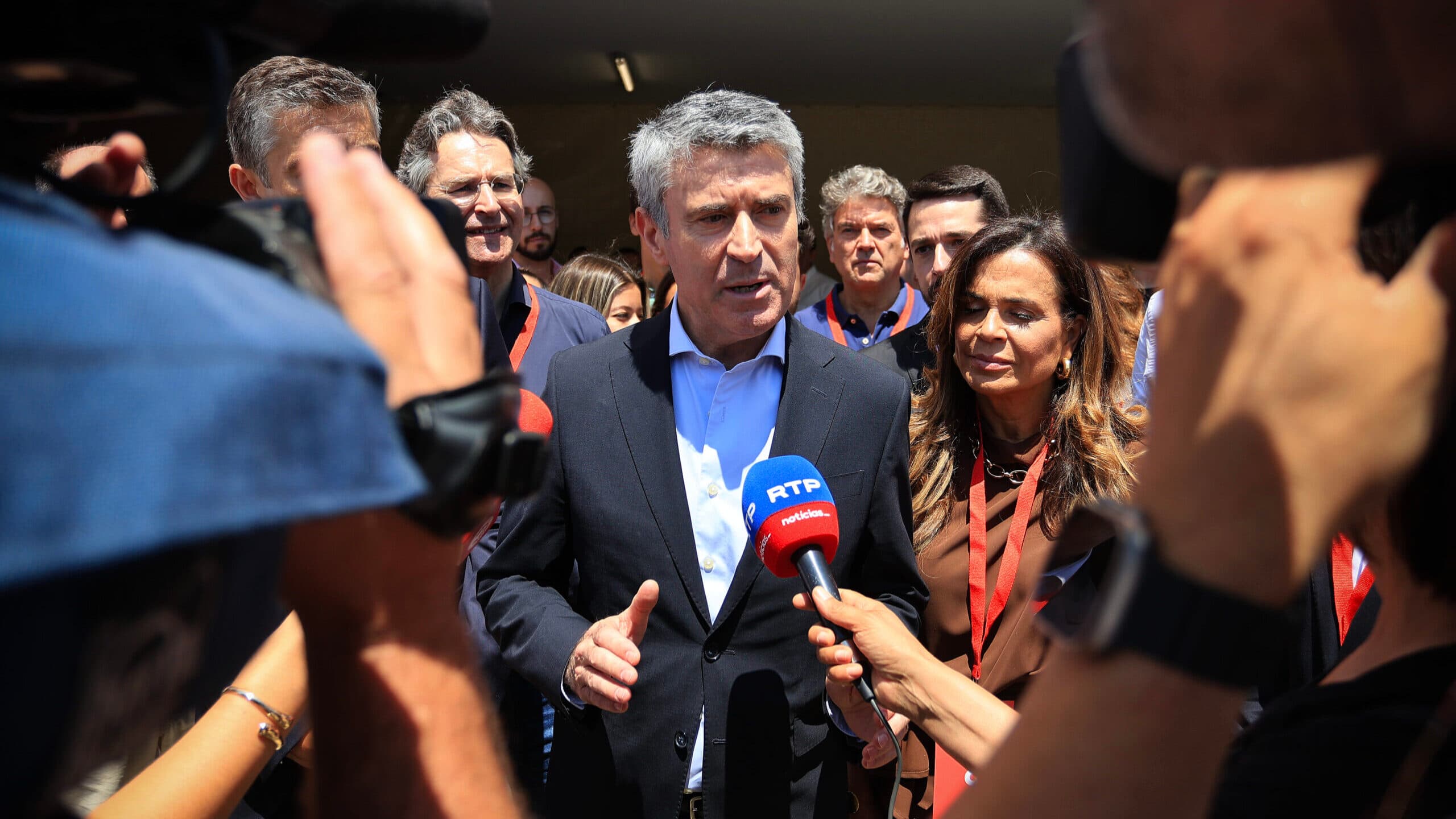
Socialist leader demands apology over exam chaos
Socialist Party (PS) leader José Luís Carneiro has demanded that Prime Minister Luís Montenegro apologize for the handling of national exams. Carneiro described the recent scheduling changes and technical failures as an absolutely serious situation that has caused chaos for families and students applying to higher education.

- Prime Minister, Portugal: 2024 - Present
- Party: Social Democratic Party (PSD)
Luís Filipe Montenegro Cardoso de Morais Esteves (born February 16, 1973, in Porto) is a Portuguese lawyer and center‑right politician who has served as Prime Minister of Portugal since April 2, 2024. A long‑time member of the Social Democratic Party (PSD), he is the leading figure of the post‑Troika generation of Portuguese conservatives. Montenegro was elected to the Assembly of the Republic in 2002 for the Aveiro district and remained an MP for 16 years, becoming PSD parliamentary leader from 2011 to 2017 during the bailout and austerity period under Prime Minister Pedro Passos Coelho. He was a prominent defender of strict austerity measures, arguing in 2014 that “the life of the people is no better, but the life of the country is a lot better,” a phrase that has followed his public image since. After an unsuccessful leadership bid against Rui Rio in 2020, Montenegro won the PSD leadership in 2022. He then forged the centre‑right Democratic Alliance (PSD–CDS‑PP and allies), which won a plurality of seats in the 2024 legislative election. Refusing to partner with the far‑right Chega, which he has called “often xenophobic, racist, populist and excessively demagogic,” he formed a minority government as head of the XXIV Constitutional Government on April 2, 2024. His first government fell in March 2025 after a no‑confidence vote linked to a conflict‑of‑interest affair, but fresh elections saw the Democratic Alliance increase its seat share, allowing Montenegro to return as prime minister leading the XXV Constitutional Government. His importance to Portugal lies in attempting to re‑center the traditional centre‑right after the crisis years, defending liberal‑conservative economics and EU alignment while drawing a sharp line against formal cooperation with the radical right, thus shaping how Portuguese democracy manages its new multi‑party era.
José Luís Carneiro is a Portuguese politician and member of the Socialist Party (Partido Socialista or PS). He served as the Minister of Internal Administration (Ministro da Administração Interna) from 2022 to 2024 and currently holds a seat in the Assembly of the Republic (Assembleia da República).
State of alert likely to continue amid extreme heat
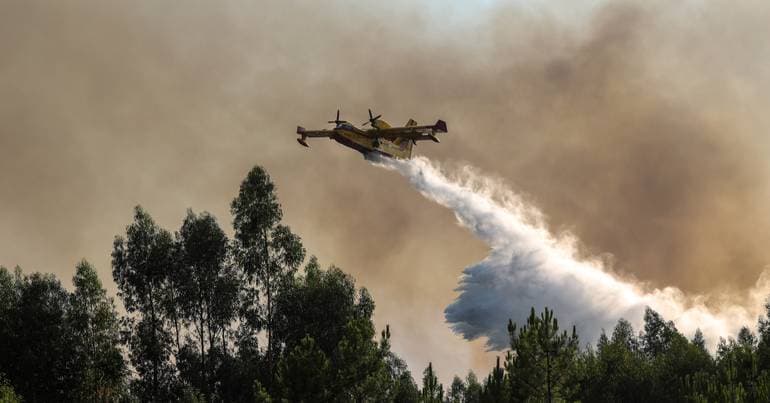
The Portuguese government is considering extending the current state of alert (situação de alerta) into next week as temperatures are forecast to reach 47°C. While the fire in Vouzela remains a major concern, authorities have requested international assistance to bolster firefighting efforts across the country.
Update: Vouzela fire contained as heatwave continues
The fire in Vouzela is now considered contained after burning over 12,000 hectares, though authorities report frequent reignitions. Over 1,200 firefighters, supported by international teams from Spain, remain on the ground as several districts remain under a red weather warning.
A state of alert (situação de alerta) is a preventive measure declared by the government to mobilize emergency resources during periods of high risk, such as extreme heat or wildfire danger. During this time, authorities may restrict activities like using heavy machinery in forests or lighting fires to prevent disasters. It is the second-lowest level in the national emergency response framework, below the state of contingency (situação de contingência) and the state of calamity (situação de calamidade).
Death toll of Portuguese in Venezuela earthquake reaches 93
The Ministry of Foreign Affairs (Ministério dos Negócios Estrangeiros) confirmed that 93 Portuguese citizens and people of Portuguese descent have died following the recent earthquakes in Venezuela. Rescue operations continue as the total death toll from the disaster nears 3,000, with thousands still reported missing.
Update: Death toll of Portuguese in Venezuela reaches 95
The Ministry of Foreign Affairs has updated the death toll to 95, with 58 Portuguese citizens still reported missing. Officials noted that 82 of the deceased held dual Venezuelan nationality, and the government is coordinating support for affected families.
Report the disappearance to local police immediately and ask for a written report, then contact the nearest Portuguese embassy or consulate so consular staff can assist and register the case with the Ministry of Foreign Affairs ("Ministério dos Negócios Estrangeiros"). Keep copies of ID and travel documents, provide recent photos and itinerary details to authorities, and stay reachable for consular liaison and any requests from local investigators.

National User Registry undergoes major update
The Central Administration of the Health System (ACSS) has begun a phased update of the National User Registry (RNU). This process aims to improve the organization and quality of administrative records for approximately 20 million users across the national health system.
The Central Administration of the Health System (Administração Central do Sistema de Saúde or ACSS) is updating its records to ensure that public health resources are allocated to those who actually need them. This process involves removing inactive users from lists to better reflect the current population using the National Health Service (Serviço Nacional de Saúde or SNS). SNS patients should be aware that accurate registration is necessary to maintain access to primary care (cuidados de saúde primários).

Construction training program for immigrants closes Sunday
Applications for the Integrar para a Construção training program close this Sunday, July 5th. The initiative offers 500 places for immigrants with valid residence permits to develop technical skills and language proficiency for the construction sector.

Heatwave triggers red weather warnings and healthcare alerts
The Portuguese Institute for Sea and Atmosphere (Instituto Português do Mar e da Atmosfera or IPMA) has placed 13 districts under a red weather warning this weekend due to extreme heat. The Directorate-General of Health (Direção-Geral da Saúde or DGS) has raised the national risk level to orange, allowing hospitals to postpone non-urgent activities to manage the increased demand. Meanwhile, train operator Fertagus has reduced some services due to air conditioning failures caused by the high temperatures.
Update: Health Minister warns of difficult days ahead
Health Minister Ana Paula Martins has expressed concern over the heatwave, urging the public to stay hydrated and protect the elderly. The DGS reports increased pressure on emergency services, and the Icarus Index predicts that heat-related mortality could reach a 13-year record high this Sunday.
A red warning is the highest alert level issued by Portugal's weather agency, the Portuguese Institute for the Sea and the Atmosphere (Instituto Português do Mar e da Atmosfera or IPMA), used when conditions pose a very high risk to life and property. Under a red warning authorities may close roads, suspend transport and advise people to avoid coastal and flood‑prone areas, so follow civil protection instructions during the Friday–Saturday storm period.
The DGS (Direção-Geral da Saúde) is Portugal's central public health authority, responsible for setting health policy guidelines, managing vaccination programs, disease surveillance, and public health campaigns. It operates under the Ministry of Health.
The DGS issues clinical guidelines (normas) that health professionals across Portugal follow, manages the national vaccination schedule, coordinates responses to disease outbreaks, and publishes health statistics. It became widely known during the COVID-19 pandemic as the lead agency for public health guidance.
For residents, the DGS is the authoritative source for vaccination schedules, health alerts, and clinical guidance. Its recommendations shape how hospitals and health centers deliver care across the country.
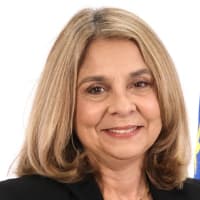
Ana Paula Martins is a Portuguese pharmacist and politician who has served as the Minister of Health in Portugal since April 2024. A member of the Social Democratic Party (PSD), she was reappointed to the position in the second government of Prime Minister Luís Montenegro in June 2025.
Professional Background
Pharmaceutical Leadership: She served as the President of the Order of Pharmacists (Bastonária da Ordem dos Farmacêuticos) from 2016 to 2022.
Hospital Management: She was the President of the Board of Directors of Hospital de Santa Maria (CHULN) in Lisbon from December 2022 to January 2024.
Academic Work: She holds a PhD in Clinical Pharmacy and has been an assistant professor at the Faculty of Pharmacy of the University of Lisbon for over 20 years.
Political Career
Government Role: As Minister of Health, she has overseen the implementation of the "SNS Emergency Plan" and recently addressed issues such as INEM staffing and public-private partnerships in healthcare.
Party Leadership: She served as Vice President of the PSD under Rui Rio (2021–2022).
Parliament: She was elected as a member of the Assembly of the Republic representing the Lisbon constituency in 2024.
Exam results delayed due to technical grading issues
The Ministry of Education, Science and Innovation (MECI) has postponed the release of national exam results from July 14 to July 17. The second phase of exams is now scheduled to begin on July 20, with final results expected on August 7, following IT difficulties in the electronic grading process.
The Ministry of Education, Science and Innovation (Ministério da Educação, Ciência e Inovação, MECI) is Portugal's national ministry responsible for education policy from pre‑school through higher education and for national science and innovation policy. In this story MECI announced that public higher education will have 78,283 places for the 2026/2027 academic year, an increase of 1,465 from the current year, which affects university admissions and capacity planning for students and institutions.

Portugal activates international aid to combat wildfires
The Portuguese government has activated the European Civil Protection Mechanism and bilateral agreements with Spain and Morocco to bolster firefighting efforts. Over 1,500 personnel are currently battling six active fires, with the blaze in Vouzela identified as the primary concern. Prime Minister Luís Montenegro confirmed that reinforcements are necessary due to the extreme wildfire risk across the entire country.
Update: International aid arrives as wildfires spread nationwide
More than 3,000 personnel are now deployed to combat five critical wildfires, including major blazes in Vouzela, Barcelos, and Setúbal. The fire in Vouzela has already consumed over 12,000 hectares, and authorities report at least 17 injuries among firefighters and civilians as extreme heat and strong winds complicate containment efforts.
The European Civil Protection Mechanism coordinates disaster response among EU countries, arranging and directing international aid through the Emergency Response Coordination Centre in Brussels. It is used to request help for large events such as storms or floods, so national authorities can call on other member states when local capacity is exceeded.
- Prime Minister, Portugal: 2024 - Present
- Party: Social Democratic Party (PSD)
Luís Filipe Montenegro Cardoso de Morais Esteves (born February 16, 1973, in Porto) is a Portuguese lawyer and center‑right politician who has served as Prime Minister of Portugal since April 2, 2024. A long‑time member of the Social Democratic Party (PSD), he is the leading figure of the post‑Troika generation of Portuguese conservatives. Montenegro was elected to the Assembly of the Republic in 2002 for the Aveiro district and remained an MP for 16 years, becoming PSD parliamentary leader from 2011 to 2017 during the bailout and austerity period under Prime Minister Pedro Passos Coelho. He was a prominent defender of strict austerity measures, arguing in 2014 that “the life of the people is no better, but the life of the country is a lot better,” a phrase that has followed his public image since. After an unsuccessful leadership bid against Rui Rio in 2020, Montenegro won the PSD leadership in 2022. He then forged the centre‑right Democratic Alliance (PSD–CDS‑PP and allies), which won a plurality of seats in the 2024 legislative election. Refusing to partner with the far‑right Chega, which he has called “often xenophobic, racist, populist and excessively demagogic,” he formed a minority government as head of the XXIV Constitutional Government on April 2, 2024. His first government fell in March 2025 after a no‑confidence vote linked to a conflict‑of‑interest affair, but fresh elections saw the Democratic Alliance increase its seat share, allowing Montenegro to return as prime minister leading the XXV Constitutional Government. His importance to Portugal lies in attempting to re‑center the traditional centre‑right after the crisis years, defending liberal‑conservative economics and EU alignment while drawing a sharp line against formal cooperation with the radical right, thus shaping how Portuguese democracy manages its new multi‑party era.
Portugal declares national mourning for Venezuela earthquake victims
Prime Minister Luís Montenegro has declared a national day of mourning for this coming Sunday to honor the victims of the recent earthquakes in Venezuela. The tragedy has claimed the lives of at least 71 Portuguese citizens and those of Portuguese descent, with many others still reported missing. Families are currently struggling to locate relatives amid ongoing rescue efforts and communication challenges in the affected regions.
Update: Death toll of Portuguese in Venezuela earthquake reaches 75
The Ministry of Foreign Affairs has confirmed that the number of Portuguese citizens and people of Portuguese descent killed in the earthquakes has risen to 75, with 66 individuals still reported missing. As the total death toll from the disaster in Venezuela surpasses 2,200, affected families are calling for increased support to recover the bodies of their relatives and find closure.
- Prime Minister, Portugal: 2024 - Present
- Party: Social Democratic Party (PSD)
Luís Filipe Montenegro Cardoso de Morais Esteves (born February 16, 1973, in Porto) is a Portuguese lawyer and center‑right politician who has served as Prime Minister of Portugal since April 2, 2024. A long‑time member of the Social Democratic Party (PSD), he is the leading figure of the post‑Troika generation of Portuguese conservatives. Montenegro was elected to the Assembly of the Republic in 2002 for the Aveiro district and remained an MP for 16 years, becoming PSD parliamentary leader from 2011 to 2017 during the bailout and austerity period under Prime Minister Pedro Passos Coelho. He was a prominent defender of strict austerity measures, arguing in 2014 that “the life of the people is no better, but the life of the country is a lot better,” a phrase that has followed his public image since. After an unsuccessful leadership bid against Rui Rio in 2020, Montenegro won the PSD leadership in 2022. He then forged the centre‑right Democratic Alliance (PSD–CDS‑PP and allies), which won a plurality of seats in the 2024 legislative election. Refusing to partner with the far‑right Chega, which he has called “often xenophobic, racist, populist and excessively demagogic,” he formed a minority government as head of the XXIV Constitutional Government on April 2, 2024. His first government fell in March 2025 after a no‑confidence vote linked to a conflict‑of‑interest affair, but fresh elections saw the Democratic Alliance increase its seat share, allowing Montenegro to return as prime minister leading the XXV Constitutional Government. His importance to Portugal lies in attempting to re‑center the traditional centre‑right after the crisis years, defending liberal‑conservative economics and EU alignment while drawing a sharp line against formal cooperation with the radical right, thus shaping how Portuguese democracy manages its new multi‑party era.
Extreme heatwave triggers red alerts across Portugal
Portugal is bracing for a severe heatwave with temperatures expected to reach 47ºC in some areas, prompting the Portuguese Institute for the Sea and Atmosphere (Instituto Português do Mar e da Atmosfera or IPMA) to issue red alerts for Lisbon, Setúbal, Leiria, and Coimbra. The government has warned of high mortality risks and extreme fire danger, urging citizens to follow all safety instructions. Municipalities are now implementing emergency measures to protect vulnerable populations as the country faces these exceptional weather conditions.
Update: Red alerts expand as heatwave intensifies across Portugal
The red heat warning will extend to Santarém, Portalegre, Évora, and Beja starting Thursday, with further regions including Porto, Braga, and Aveiro joining the alert list on Friday. Minister of Internal Administration Luís Neves described the conditions as a potential powder keg, urging extreme caution as high temperatures and strong winds are expected to persist until at least July 15. Meanwhile, the Lisbon City Council has prepared two pavilions, Casal Vistoso and Manuel Castelo Branco, to serve as emergency shelters for vulnerable residents.
Luís Neves will take office on Monday as Minister of Internal Administration. He graduated in law and has worked at the Judicial Police since 1995, where he served as coordinator of a national unit and developed a long career in criminal investigation.
A red warning is the highest alert level issued by Portugal's weather agency, the Portuguese Institute for the Sea and the Atmosphere (Instituto Português do Mar e da Atmosfera or IPMA), used when conditions pose a very high risk to life and property. Under a red warning authorities may close roads, suspend transport and advise people to avoid coastal and flood‑prone areas, so follow civil protection instructions during the Friday–Saturday storm period.
Portugal Requests EU Aid to Combat Escalating Wildfires
The Portuguese government has activated the European Union's Civil Protection Mechanism to secure additional aerial support and resources. This move comes as emergency crews struggle to contain multiple intense wildfires currently burning across the country.
Update: International aid arrives as Vouzela fire remains critical
International firefighting teams from Spain and Italy have arrived to assist over 1,000 personnel battling a major blaze in Vouzela, which has caused two serious injuries. For the first time, the Portuguese Air Force is directly involved in combatting the flames using helicopters, while the government continues to coordinate further aerial support via European and bilateral agreements.
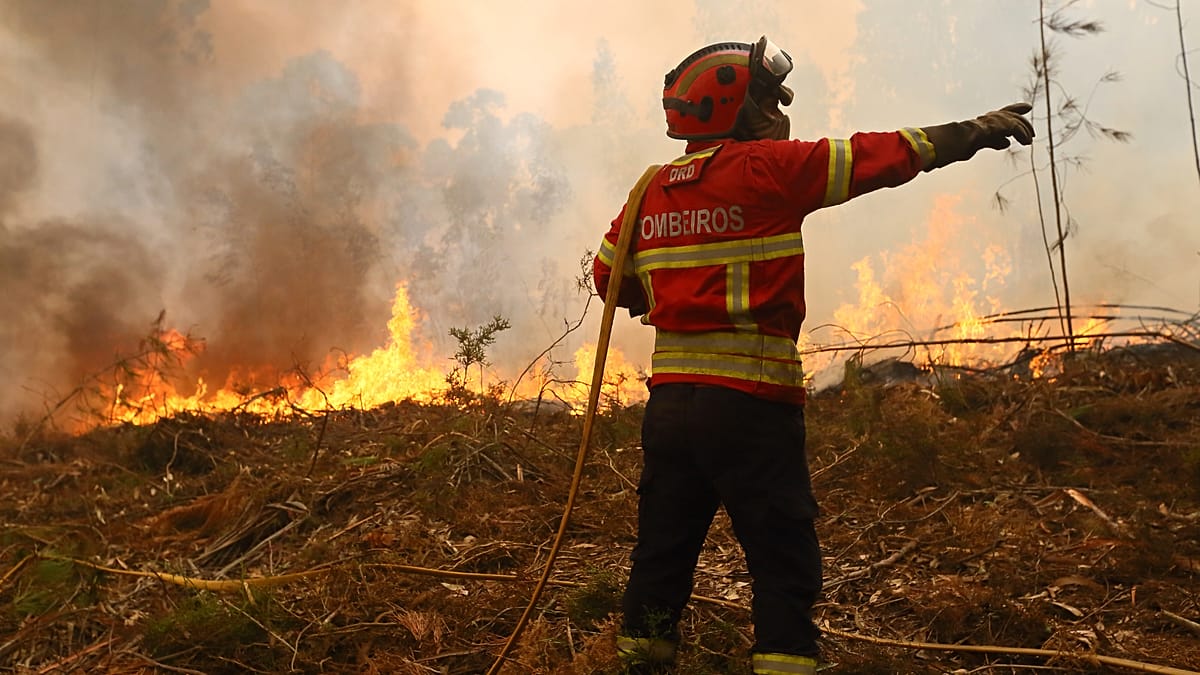
Portugal on alert: almost the entire country at maximum wildfire risk due to heatwave
In a statement, the ANEPC notes that the worsening weather conditions for the coming days are expected to result in an increased risk of fire.
Portugal's performance? We finished the first World Cup and tomorrow we start the second
Roberto Martínez avoids assessing the national team's performance in the 2026 World Cup group stage. (SIC footage)