

20 April 2026 – 26 April 2026
Portugal Marks 52 Years of Democracy Amidst Political Tension and Labour Reform Stalls
As the nation celebrates the 52nd anniversary of the Carnation Revolution, political discourse remains heated with clashes over parliamentary rhetoric and EU budget negotiations. Meanwhile, labor reform talks have hit a standstill following union rejection, while residents navigate fluctuating fuel prices and regional infrastructure concerns.
Diesel prices to fall while petrol increases
Fuel prices will fluctuate starting Monday, April 27, with diesel expected to decrease by 3.2 cents per litre following a government tax discount adjustment. Petrol prices are forecast to rise by 2.5 cents per litre. These figures are estimates from the Automobile Club of Portugal (Automóvel Club de Portugal or ACP) and may vary by location and gas station.
Update: Government reduces diesel tax discount
The government has officially decided to reduce the planned tax discount on diesel. Consequently, the price per litre will drop by 3.2 cents instead of the originally anticipated four-cent decrease. The tax discount for petrol remains unchanged, confirming the expected 2.5-cent increase per litre.
ACP is the Automóvel Club de Portugal (Automobile Club of Portugal). It is a Portuguese motoring association that publishes fuel-price data and weekly forecasts used by motorists, media and retailers to anticipate petrol and diesel price changes when budgeting for trips or refuelling.

3.1 magnitude earthquake felt on Terceira Island
A 3.1 magnitude earthquake on the Richter scale was recorded on Terceira Island this Saturday, April 25, at 14:23 local time. The Azores Seismovolcanic Information and Surveillance Centre (Centro de Informação e Vigilância Sismovulcânica dos Açores or CIVISA) reported the epicentre was eight kilometres east of Cabo da Praia. Residents in several locations felt the tremor at a maximum intensity of IV on the Modified Mercalli scale.
Update: Second earthquake recorded on Terceira Island
CIVISA reported a second, smaller tremor occurred on Terceira Island later on Saturday, April 25. This second earthquake registered a magnitude of 2.6 on the Richter scale and was recorded at 18:39 local time.
The Azores Seismovolcanic Information and Surveillance Centre (Centro de Informação e Vigilância Sismovulcânica dos Açores or CIVISA) is the agency responsible for monitoring seismic and volcanic activity in the Azores archipelago. It provides real-time data to authorities and the public to ensure safety during geological events.

Rui Tavares accuses André Ventura of using Nazi rhetoric
Livre spokesperson Rui Tavares has accused Chega leader André Ventura of invoking Nazi-era rhetoric during his speech at the 25th of April solemn session. Tavares claims that Ventura's repeated use of the phrase “stabbed in the back” mirrors a specific myth used by Adolf Hitler to undermine democratic institutions. The accusation has sparked further debate regarding the tone of political discourse in Portugal.

- Leader: Rui Tavares
- Ideology: Green left-wing politics, libertarian socialism
LIVRE (meaning "Free") is a green left-wing party founded in 2014 by historian and former MEP Rui Tavares. The party struggled for years before finally electing Tavares as its first MP in 2022, then grew to 4 seats in 2024 and 6 seats in 2025—making it the only progressive party to gain ground in recent elections. LIVRE focuses on environmental protection, human rights, and progressive social policies while maintaining a pro-European stance.

André Ventura, born January 15, 1983, is a lawyer, academic, and Portugal's most prominent far-right leader. He founded Chega ("Enough") in 2019 after his PSD mayoral campaign attacked the Romani community. Chega surged from 1.3% in 2019 to 22.8% in May 2025, becoming parliament's second-largest party and making Ventura Leader of the Opposition.
His platform emphasizes immigration restrictions, law-and-order policies, constitutional reform, and contains inflammatory anti-Romani rhetoric that has triggered multiple discrimination convictions and investigations. Politically classified as far-right by international media, Ventura cultivates alliances with European far-right figures including Marine Le Pen and Santiago Abascal.

Chega ("Enough") is a Portuguese far-right populist party founded in 2019 by André Ventura. It positions itself as an anti-establishment movement against what it calls a "rotten and corrupt system" of PS-PSD dominance. The party surged from 1.3% in 2019 to 22.8% in May 2025, becoming parliament's second-largest force with 60 seats. Chega's core platform emphasizes strict immigration control—ending automatic CPLP residency, deporting non-independent immigrants, implementing job-market quotas, and requiring five-year social security contributions before benefit access. It advocates radical constitutional reform, including reducing parliament to 100 members, abolishing the prime minister position for a presidential system, and dismantling public healthcare. Law-and-order policies include life imprisonment and chemical castration proposals.
The party is defined by inflammatory anti-Romani rhetoric, with Ventura convicted multiple times for discrimination. Chega maintains international alignments with European far-right figures including Marine Le Pen, Santiago Abascal, and Matteo Salvini. Mainstream Portuguese parties, including Prime Minister Luís Montenegro's government, have imposed a cordon sanitaire, refusing coalition with Chega despite its parliamentary strength.
Rui Tavares is a historian, writer, and politician who serves as a spokesperson for the political party Livre. He has been a member of the Assembly of the Republic (Assembleia da República) since 2022 and previously served as a member of the European Parliament from 2009 to 2014.

Prime Minister Montenegro threatens opposition to EU budget
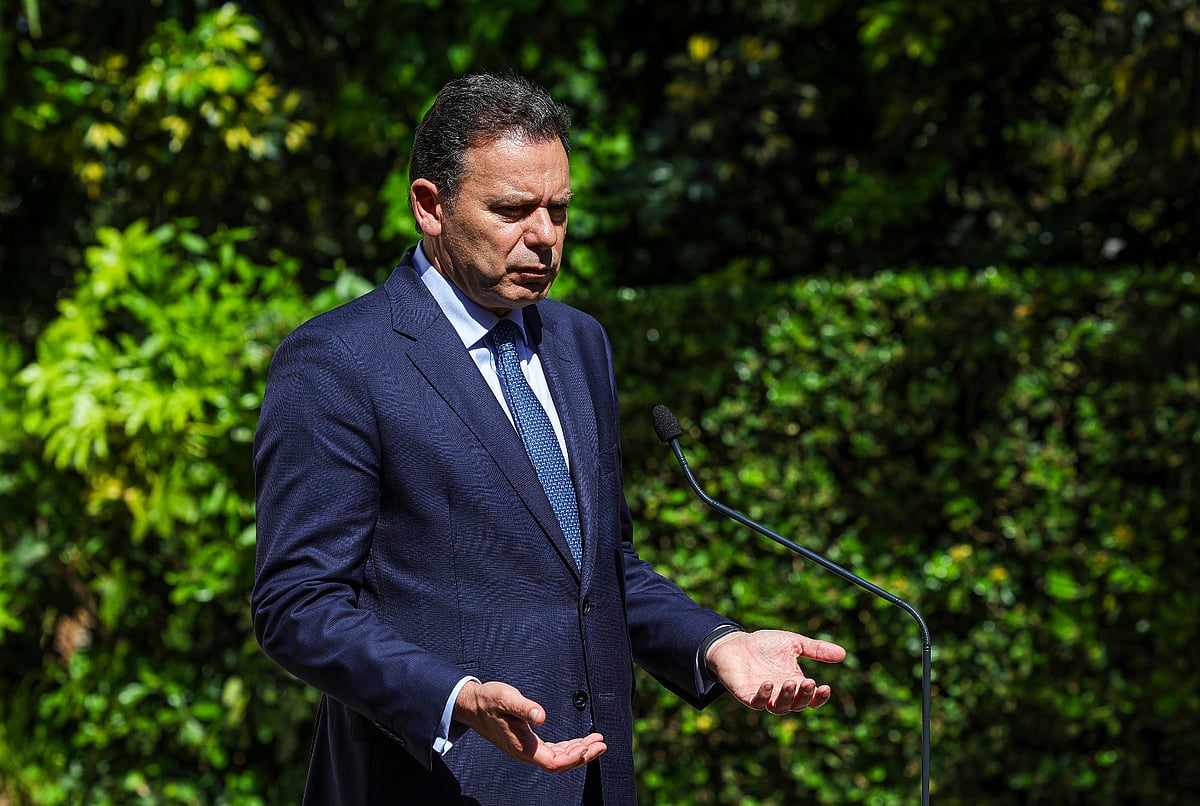
Prime Minister Luís Montenegro has warned that Portugal will firmly oppose the next European Union budget if it fails to respect the principles of cohesion policy. Montenegro emphasized that Portugal is an active participant in the European project and will not accept any budget that interrupts the country's convergence path. He stressed that the government's stance is based on defending national interests within the bloc.

- Prime Minister, Portugal: 2024 - Present
- Party: Social Democratic Party (PSD)
Luís Filipe Montenegro Cardoso de Morais Esteves (born February 16, 1973, in Porto) is a Portuguese lawyer and center‑right politician who has served as Prime Minister of Portugal since April 2, 2024. A long‑time member of the Social Democratic Party (PSD), he is the leading figure of the post‑Troika generation of Portuguese conservatives. Montenegro was elected to the Assembly of the Republic in 2002 for the Aveiro district and remained an MP for 16 years, becoming PSD parliamentary leader from 2011 to 2017 during the bailout and austerity period under Prime Minister Pedro Passos Coelho. He was a prominent defender of strict austerity measures, arguing in 2014 that “the life of the people is no better, but the life of the country is a lot better,” a phrase that has followed his public image since. After an unsuccessful leadership bid against Rui Rio in 2020, Montenegro won the PSD leadership in 2022. He then forged the centre‑right Democratic Alliance (PSD–CDS‑PP and allies), which won a plurality of seats in the 2024 legislative election. Refusing to partner with the far‑right Chega, which he has called “often xenophobic, racist, populist and excessively demagogic,” he formed a minority government as head of the XXIV Constitutional Government on April 2, 2024. His first government fell in March 2025 after a no‑confidence vote linked to a conflict‑of‑interest affair, but fresh elections saw the Democratic Alliance increase its seat share, allowing Montenegro to return as prime minister leading the XXV Constitutional Government. His importance to Portugal lies in attempting to re‑center the traditional centre‑right after the crisis years, defending liberal‑conservative economics and EU alignment while drawing a sharp line against formal cooperation with the radical right, thus shaping how Portuguese democracy manages its new multi‑party era.
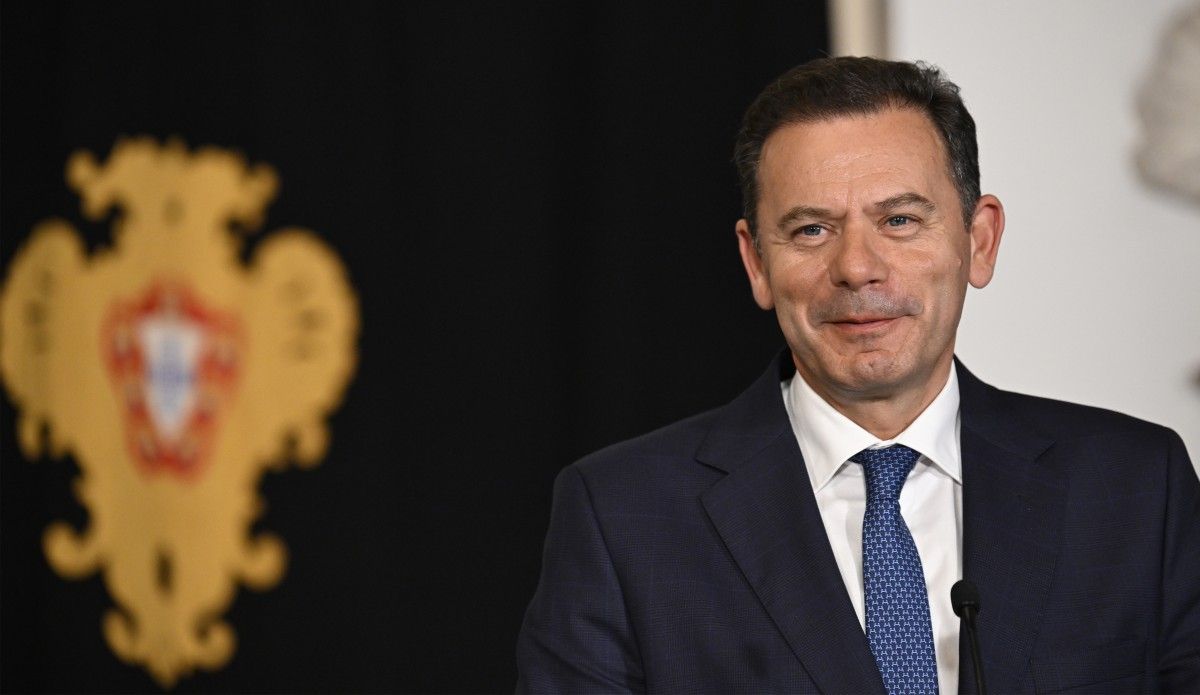
Nation marks 52nd anniversary of Carnation Revolution
Thousands of people gathered in Lisbon, Porto, and Funchal to celebrate the 52nd anniversary of the 25th of April Revolution. Participants marched with red carnations to express concerns over housing, labour laws, and the cost of living while reaffirming their commitment to democratic values. The day featured solemn sessions in Parliament and public parades, highlighting the enduring legacy of the 1974 movement.
The 25th of April Revolution (Revolução dos Cravos or Carnation Revolution) was a military coup in 1974 that ended 48 years of authoritarian rule in Portugal. It restored democracy and civil liberties, and it is celebrated annually as Freedom Day (Dia da Liberdade).
Aguiar-Branco defends transparency against political reality shows
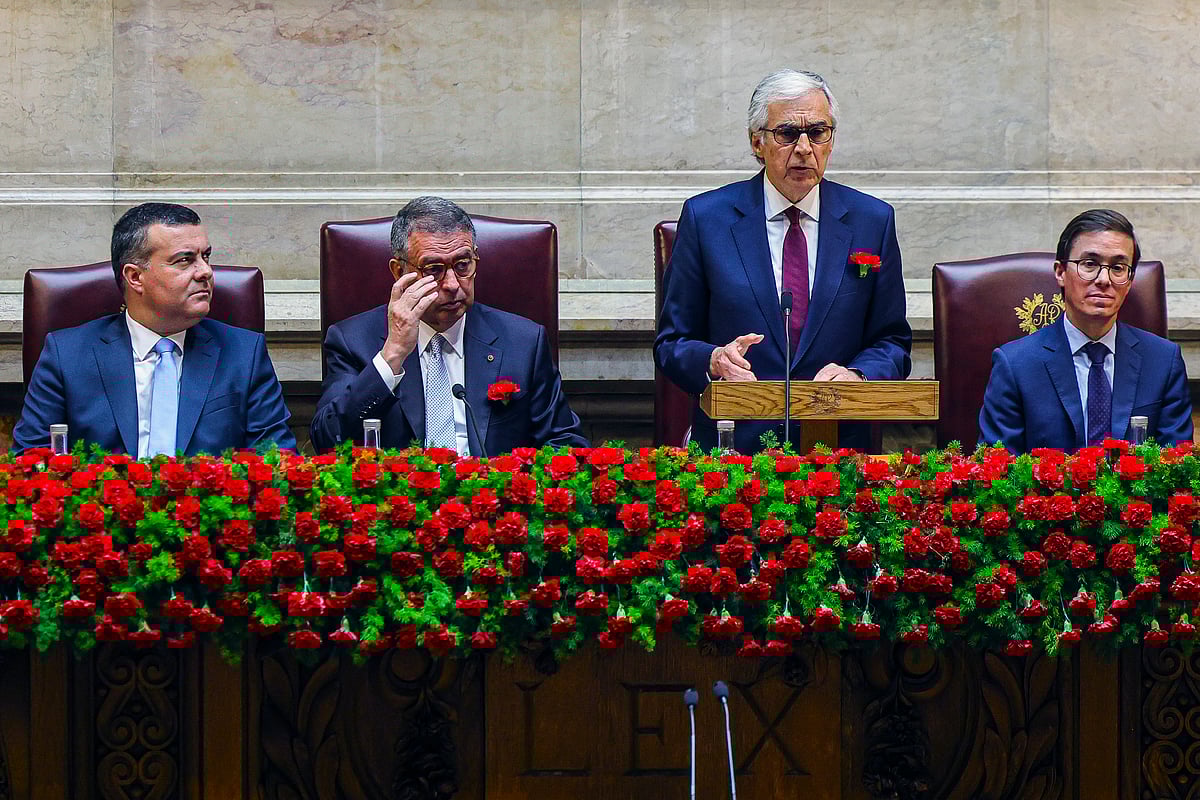
President of the Assembly of the Republic José Pedro Aguiar-Branco stated he supports political transparency but warned against populism that turns democratic life into a reality show. During the 25th of April solemn session, he argued that current incompatibility rules may discourage talent from entering politics. His comments followed criticism from Socialist Party (Partido Socialista or PS) MP Pedro Delgado Alves, who turned his back on the speaker to protest what he called a disservice to institutional oversight.
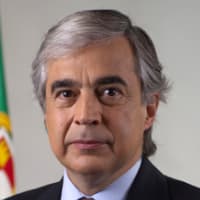
José Pedro Aguiar‑Branco is the President of the Assembly of the Republic, who in this story requested that the Committee on Constitutional Affairs examine the constitutional conformity of government measures in a proposed bill. He is using his parliamentary role to trigger a formal review of changes affecting confession rules and the rights of the defence.
Socialist Party (PS)
- Leader: José Luís Carneiro (since June 2025)
- Ideology: Center-left, Social democracy, pro-Europeanism
Portugal's other traditional major party suffered a historic collapse in the 2025 election, dropping from 78 to 58 seats and falling to third place for the first time in democratic history. The party was led by Pedro Nuno Santos from January 2024 until his resignation following the May 2025 defeat. José Luís Carneiro, a 53-year-old former Minister of Internal Administration known for his moderate positioning within the party, was elected unopposed as the new Secretary-General with 95% of votes in June 2025. The Socialist Party governed Portugal from 2015 to 2024, including an absolute majority from 2022 to 2024 under António Costa, who resigned in November 2023 amid a corruption investigation. The PS previously led the innovative "Geringonça" (contraption) coalition government from 2015-2019, a minority government supported by the Left Bloc and Portuguese Communist Party that reversed austerity measures and presided over economic recovery.
Pedro Delgado Alves is a Portuguese politician and a member of the Socialist Party (Partido Socialista or PS). He serves as a deputy in the Assembly of the Republic (Assembleia da República) and is known for his work on constitutional and legal affairs.
INEM denies hospital transport for blind patient
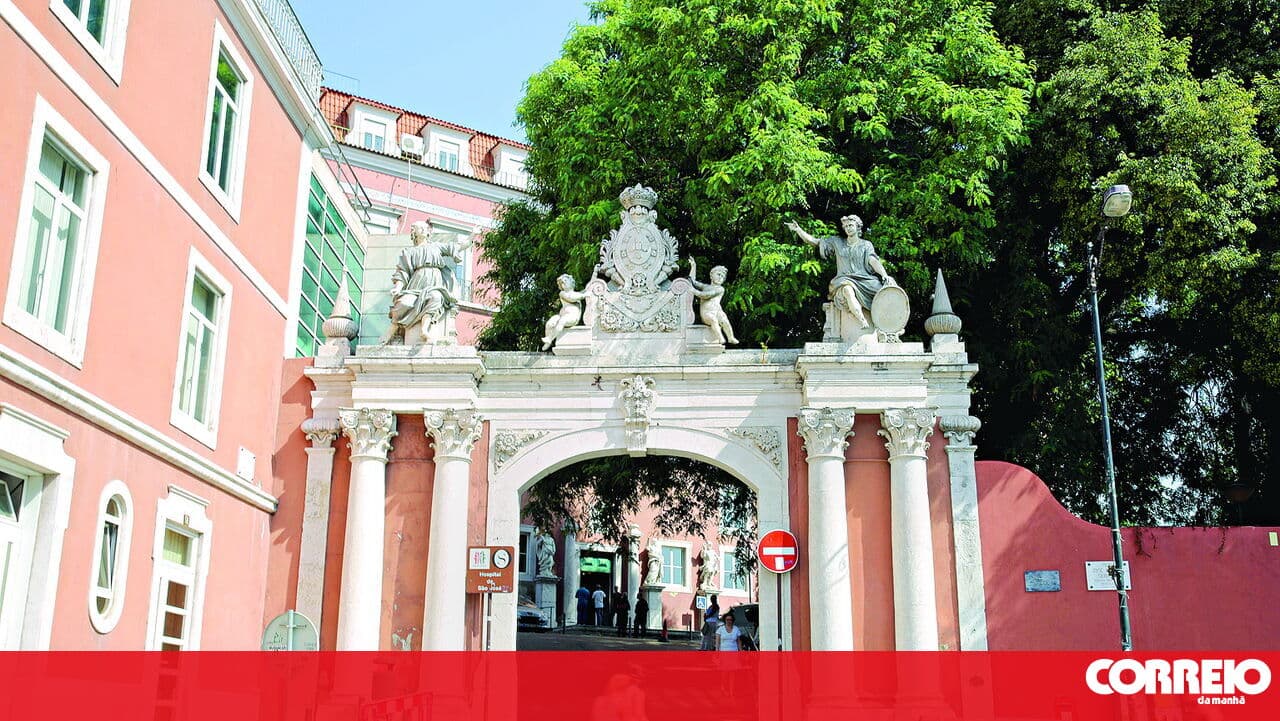
The National Institute of Medical Emergency (Instituto Nacional de Emergência Médica or INEM) is under scrutiny after its emergency dispatch centre, the CODU, reportedly refused to authorize hospital transport for a 55-year-old blind man. Although the CODU initially dispatched an ambulance from the Arruda dos Vinhos fire department to the Marvila area in Lisbon, it later denied the patient admission to the hospital. Firefighters proceeded to transport the man to the Hospital de São José regardless of the instruction.

INEM (Instituto Nacional de Emergência Médica) is Portugal's national emergency medical service, responsible for coordinating and providing pre-hospital emergency care. It operates the country's emergency medical dispatch system, activated through the European emergency number 112.
INEM deploys ambulances (including basic and advanced life support units), medical helicopters (VMER), and motorcycle response units across Portugal. It also manages the CODU (Centro de Orientação de Doentes Urgentes) — the emergency call centers that triage incoming 112 calls and dispatch the appropriate medical response.
INEM has faced persistent challenges including ambulance shortages, staffing gaps (particularly among emergency medical technicians), and long response times in rural areas. These issues have made INEM a frequent subject of political debate, with calls for better funding, improved working conditions, and expanded coverage. Residents should know that calling 112 connects to INEM's triage system, and knowing your exact location speeds up emergency response.
The CODU (Centro de Orientação de Doentes Urgentes) is the emergency medical dispatch center responsible for coordinating urgent pre-hospital care in Portugal. It operates under the National Institute of Medical Emergency (Instituto Nacional de Emergência Médica or INEM) to assess medical emergencies and dispatch the appropriate resources, such as ambulances or helicopters.
Uncertainty grows over government's proposed labour law reforms
Socialist Party (Partido Socialista or PS) Secretary-General José Luís Carneiro expressed skepticism that the General Workers' Union (União Geral de Trabalhadores or UGT) will approve the government's latest labour law proposal. While Prime Minister Luís Montenegro remains hopeful for a tripartite agreement, union officials and opposition leaders like José Manuel Pureza of the Left Bloc (Bloco de Esquerda or BE) have criticized the government's approach. The UGT is scheduled to finalize its position on the draft legislation this Thursday.
Update: Labour reform negotiations continue as UGT remains hesitant
President of the Republic Marcelo Rebelo de Sousa met with social partners this Wednesday to discuss the labour law amendments, reiterating his desire for constructive dialogue. Despite this, the UGT leadership remains uncomfortable with the current proposal, while employer confederations have expressed frustration with the slow pace of negotiations.

The General Union of Workers (UGT – União Geral de Trabalhadores) is one of Portugal’s two main national trade union confederations. Founded in Lisbon on 28 October 1978, it was created as a social‑democratic alternative to the more communist‑aligned CGTP after the 1974 Revolution, grouping unions close to the Socialist Party and moderate centre‑right currents.
UGT represents around 400,000 workers and is affiliated to the European Trade Union Confederation and International Trade Union Confederation, giving Portuguese labour a voice at EU and global level. Its principles stress union independence from the state, employers, churches and parties, internal democracy and active worker participation.
Historically, UGT’s hallmark has been “propositive” social dialogue: it is usually more willing than CGTP to sign tripartite agreements on wages, labour law and social policy with governments and employers, shaping minimum wage increases, working‑time rules and social protection reforms. This makes UGT a key centrist actor in Portugal’s industrial relations, often mediating between left and right while defending collective bargaining and incremental improvements to labour rights.
José Luís Carneiro is a Portuguese politician and member of the Socialist Party (Partido Socialista or PS). He served as the Minister of Internal Administration (Ministro da Administração Interna) from 2022 to 2024 and currently holds a seat in the Assembly of the Republic (Assembleia da República).

- Leader: Currently vacant (Mariana Mortágua resigned October 2025)
- Ideology: Democratic socialism, eco-socialism, feminism
- Founded: 1999
The Left Bloc (Bloco de Esquerda, BE) is a Portuguese left-wing party founded in 1999 as a coalition of far-left movements (UDP, PSR, and Política XXI). It positioned itself as a modern, progressive alternative to the traditional left, attracting younger urban voters with campaigns on social justice, LGBTQ+ rights, drug policy reform, housing, and labor protections.
The party's peak influence came during the 2015–2019 Geringonça ("contraption") government, when it supported António Costa's PS minority administration alongside the PCP. This arrangement reversed austerity measures and presided over economic recovery, giving BE significant policy leverage.
Since then, the party has suffered a sharp electoral decline — from 19 seats in 2015 to just 1 seat in the May 2025 election, its worst result in history. Leader Mariana Mortágua resigned in October 2025 after failing to reverse the slide. The party is currently undergoing a leadership contest and internal debate about its future direction, squeezed between the PS on one side and Livre on the other.

- Former President of Portugal (2016–2026)
- Party: Independent (formerly Social Democratic Party, PSD)
Electoral Mandate and Democratic Consensus:
Marcelo Rebelo de Sousa was elected President of Portugal on January 24, 2016, winning 52.0% of the vote in the first round—a decisive victory in a fragmented field. He campaigned as an independent, positioning himself as a unifying figure after years of austerity from Portugal's 2011–14 bailout, promising to repair political divisions and restore national confidence. His campaign emphasized moderation and cross-party consensus, a departure from his decades-long association with the center-right Social Democratic Party (PSD). Upon taking office on March 9, 2016, he suspended his party membership for the duration of his presidency.
His 2021 re-election proved extraordinary: Rebelo de Sousa secured 60.7% of the vote—the third-highest margin in Portuguese presidential electoral history since the 1974 Carnation Revolution. Historically, he became the first candidate ever to win in all 308 municipalities and the vast majority of parishes, ranging from 51.3% in Beja District to 72.16% in Madeira. This unprecedented sweep reflected his broad appeal across social, geographic, and ideological divides.
Constitutional Role and Crisis Leadership:
Portugal operates as a semi-presidential system where the president, while largely ceremonial, exercises meaningful influence over national security, foreign policy, and military affairs as Supreme Commander of the Armed Forces. Rebelo de Sousa leveraged this authority during Portugal's response to the COVID-19 pandemic. In March 2020, he requested parliamentary authorization for a state of emergency—the first nationwide declaration in 46 years of democratic history—to contain the crisis. He voluntarily quarantined after potential COVID-19 exposure in March 2020, and later tested positive in January 2021 while remaining asymptomatic. His measured handling of the pandemic, balancing public health with institutional continuity, contributed to his landslide 2021 re-election.
Diplomatic Engagement and International Presence:
Rebelo de Sousa has conducted extensive state visits representing Portugal's interests across diverse regions: the Vatican, Spain, Mozambique, Morocco, Brazil, Switzerland, Cuba, the United Kingdom, Greece, the United States, and Angola. A notable diplomatic highlight occurred in 2019 when he joined President Emmanuel Macron at the Bastille Day military parade in Paris, representing European military cooperation and the European Intervention Initiative. These engagements positioned Portugal as an active participant in global affairs, particularly regarding colonial history and Atlantic security partnerships.
Colonial Legacy and Historical Accountability:
During his presidency, Rebelo de Sousa has publicly supported making restitution and acknowledging abuses committed during Portugal's colonial history and the country's role in the Atlantic slave trade. This position marked a significant policy shift, as Portugal historically avoided confronting its imperial past compared to other European powers. His stance reflected evolving attitudes within Portuguese society toward historical accountability.
Controversies and Public Criticism:
Rebelo de Sousa's presidency has not been without controversy. In 2023, allegations emerged that he had intervened to expedite treatment for Brazilian twins with Zolgensma, an expensive rare disease medication, raising questions about presidential influence and potential corruption. These claims implicated his son and generated criticism across Portuguese political and media sectors. Additionally, in April 2024, Rebelo de Sousa made controversial remarks comparing the speed of Prime Ministers António Costa and Luís Montenegro using orientalist language that drew public rebuke. In August 2025, he called U.S. President Donald Trump a "Russian asset" at a PSD event, demonstrating his willingness to make provocative foreign policy statements.
Constitutional Constraints and Legacy:
Under Portugal's constitution, Rebelo de Sousa is barred from running for a third consecutive term, meaning his presidency concludes with elections scheduled for January 18, 2026. His decade-long tenure has established him as one of Portugal's most popular recent heads of state, characterized by broad consensus-building and institutional stability. Whether future presidents can replicate his cross-party appeal remains an open question for Portuguese democracy as it enters a new era.
Labour reform negotiations stall as UGT rejects proposal
The General Union of Workers (União Geral de Trabalhadores or UGT) has unanimously rejected the government's latest labour reform proposal, leading to accusations of a 'sham negotiation' from the Socialist Party (Partido Socialista or PS). Prime Minister Luís Montenegro stated that six key issues, including outsourcing and the 'bank of hours' (banco de horas), remain unresolved and require further concessions. A meeting of the Social Concertation (Concertação Social) is scheduled for May 7th to attempt to finalize the agreement.
Update: Government maintains May 7th deadline for labour reform
The Minister of Labour has confirmed that the government will not present new proposals despite the UGT's rejection, insisting that the current negotiation process must conclude by the May 7th deadline.
- Prime Minister, Portugal: 2024 - Present
- Party: Social Democratic Party (PSD)
Luís Filipe Montenegro Cardoso de Morais Esteves (born February 16, 1973, in Porto) is a Portuguese lawyer and center‑right politician who has served as Prime Minister of Portugal since April 2, 2024. A long‑time member of the Social Democratic Party (PSD), he is the leading figure of the post‑Troika generation of Portuguese conservatives. Montenegro was elected to the Assembly of the Republic in 2002 for the Aveiro district and remained an MP for 16 years, becoming PSD parliamentary leader from 2011 to 2017 during the bailout and austerity period under Prime Minister Pedro Passos Coelho. He was a prominent defender of strict austerity measures, arguing in 2014 that “the life of the people is no better, but the life of the country is a lot better,” a phrase that has followed his public image since. After an unsuccessful leadership bid against Rui Rio in 2020, Montenegro won the PSD leadership in 2022. He then forged the centre‑right Democratic Alliance (PSD–CDS‑PP and allies), which won a plurality of seats in the 2024 legislative election. Refusing to partner with the far‑right Chega, which he has called “often xenophobic, racist, populist and excessively demagogic,” he formed a minority government as head of the XXIV Constitutional Government on April 2, 2024. His first government fell in March 2025 after a no‑confidence vote linked to a conflict‑of‑interest affair, but fresh elections saw the Democratic Alliance increase its seat share, allowing Montenegro to return as prime minister leading the XXV Constitutional Government. His importance to Portugal lies in attempting to re‑center the traditional centre‑right after the crisis years, defending liberal‑conservative economics and EU alignment while drawing a sharp line against formal cooperation with the radical right, thus shaping how Portuguese democracy manages its new multi‑party era.
The General Union of Workers (UGT – União Geral de Trabalhadores) is one of Portugal’s two main national trade union confederations. Founded in Lisbon on 28 October 1978, it was created as a social‑democratic alternative to the more communist‑aligned CGTP after the 1974 Revolution, grouping unions close to the Socialist Party and moderate centre‑right currents.
UGT represents around 400,000 workers and is affiliated to the European Trade Union Confederation and International Trade Union Confederation, giving Portuguese labour a voice at EU and global level. Its principles stress union independence from the state, employers, churches and parties, internal democracy and active worker participation.
Historically, UGT’s hallmark has been “propositive” social dialogue: it is usually more willing than CGTP to sign tripartite agreements on wages, labour law and social policy with governments and employers, shaping minimum wage increases, working‑time rules and social protection reforms. This makes UGT a key centrist actor in Portugal’s industrial relations, often mediating between left and right while defending collective bargaining and incremental improvements to labour rights.
Social Concertation (Concertação Social) is Portugal's tripartite dialogue between the government, trade unions and employer associations to negotiate labour, social and economic policies. Its agreements often shape government proposals but are not binding, so if talks fail the government can still submit the labour-law revision to Parliament and will need to secure votes there, potentially relying on support from opposition parties such as Chega.
Stepfather arrested for sexual abuse in Azores
The Judicial Police (Polícia Judiciária or PJ) arrested a 51-year-old man on São Miguel island for the alleged sexual abuse of his 17-year-old stepdaughter. The investigation began after the victim reported the abuse at school, leading to a referral from the Commission for the Protection of Children and Young People (Comissão de Proteção de Crianças e Jovens). Authorities stated there is strong evidence the suspect exploited his position of trust to commit the crimes.

The PJ (Polícia Judiciária) is Portugal's national criminal investigation police agency, founded in 1945. Operating under the Ministry of Justice and supervised by the Public Ministry (prosecutors), the PJ is a "higher criminal police body" specializing in serious and complex crimes. Mission: The PJ assists judicial and prosecuting authorities by investigating terrorism, organized crime, homicide, kidnapping, drug trafficking, corruption, cybercrime, financial crime, and money laundering. It conducts forensic examinations, operates Portugal's Interpol and Europol liaison offices, and maintains specialized units including the National Counterterrorism Unit and National Anti-Corruption Unit. Difference from PSP/GNR: While PSP (civilian urban police) and GNR (military rural police) focus on preventive policing, public order, and investigating minor crimes, the PJ exclusively handles serious crime investigation requiring specialized technical and scientific expertise. PSP and GNR report to the Ministry of Internal Affairs; PJ reports to the Ministry of Justice. PJ officers receive higher pay and prestige but face greater operational risk.

UGT decides today on the direction of labour law amendments
The UGT meets today to analyse and vote on the final proposal for amendments to labour legislation, in the aftermath of hearings with the President of the Republic and at a time when the document already has the 'green light' from employers.
UGT rejects labour law reform. Minister schedules Social Concertation meeting for May 7th
The UGT national secretariat unanimously rejected the latest version of the labour legislation revision proposal presented by the Government. We are following all the reactions here.
Lula in Lisbon with “disagreements” over nationality law on the agenda
The President of the Republic of Brazil is received in São Bento and Belém this Tuesday, and it is alongside Prime Minister Luís Montenegro, rather than the President, that he will make a joint statement. Brazil admits “disagreements” with Portugal regarding the nationality law.