

30 March 2026 – 5 April 2026
Portugal Faces Economic Pressures and Transport Challenges Amidst Easter Holiday Tragedies
This week saw significant economic concerns as fuel and medicine prices face potential hikes, while the government joins EU-wide energy tax discussions. Public safety remains a focus following a tragic Easter period on the roads and ongoing emergency department closures, even as TAP Air Portugal works to normalize international operations.
Portugal joins EU push for energy windfall tax
Finance Minister Joaquim Miranda Sarmento has joined counterparts from Germany, Italy, Spain, and Austria in a formal request to the European Commission for a new tax on extraordinary profits of energy companies. The ministers argue this measure would ensure unity and address the impact of rising fuel prices linked to the ongoing conflict in the Middle East. The proposal mirrors similar European regulations implemented during the 2022 energy crisis.
Update: Portugal joins five-nation push for energy windfall tax
Finance ministers from Portugal, Germany, Italy, Spain, and Austria sent a formal letter to European Commissioner for Climate Action Wopke Hoekstra on April 3. The group argues that energy companies benefiting from market volatility caused by the conflict in Iran should contribute to easing the financial burden on the public.
The European Commission is the EU’s executive body based in Brussels that proposes legislation, enforces EU rules and manages day‑to‑day EU policies; it is led by a President, currently Ursula von der Leyen. Commission proposals on harmonising business rules or introducing preferences can directly affect trade, regulation and competitiveness for companies and residents across all member states, including Portugal.
Joaquim Miranda Sarmento is Portugal’s Finance Minister who gave a hearing before the Budget, Finance and Public Administration Committee about fiscal measures affecting housing. His remarks matter to expats because finance ministry decisions — like exemptions and public guarantees for young homebuyers — influence the property market, taxes and programmes that can affect housing affordability.
Fire in Lisbon restaurant forces building evacuation
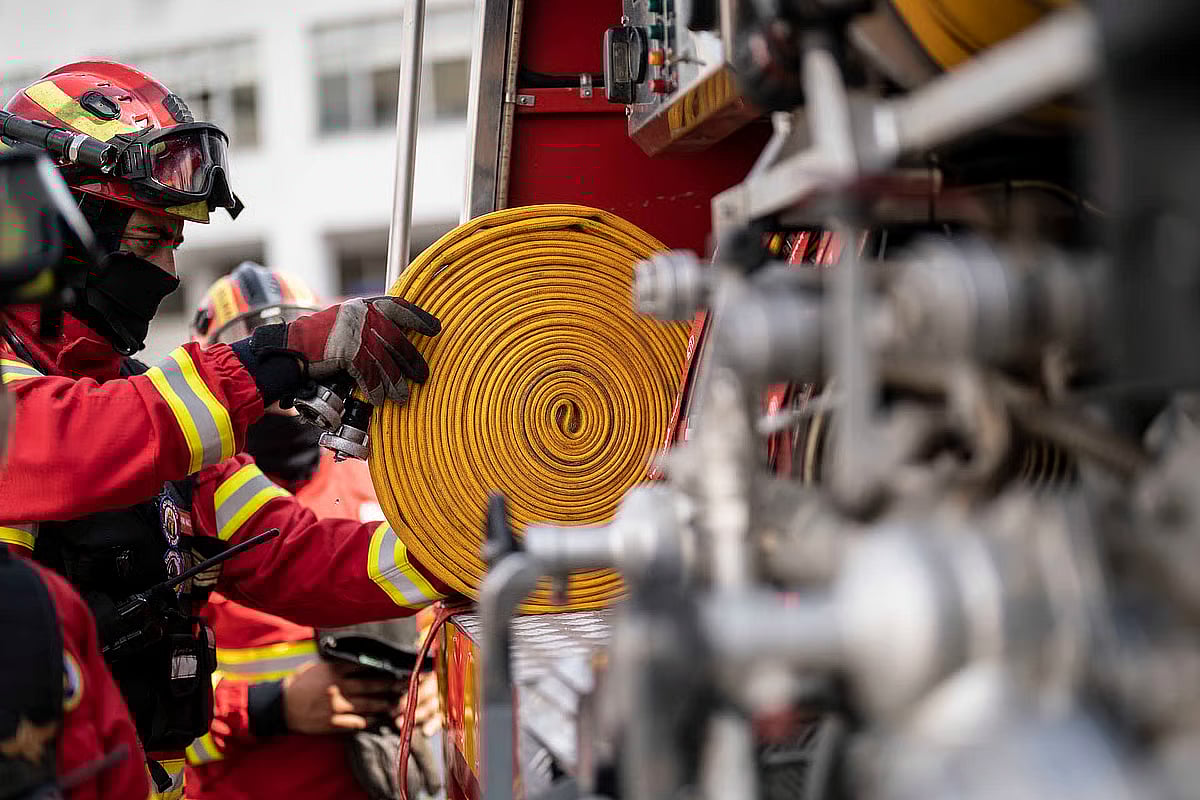
A fire broke out Saturday afternoon in a restaurant located on Rua Morais Soares in the Arroios area of Lisbon, leading to the evacuation of the building and temporary traffic closures. Emergency services, including the Lisbon Sapador Fire Regiment (Regimento de Sapadores Bombeiros de Lisboa), extinguished the blaze by late afternoon with no injuries reported. Authorities are currently investigating the cause, which initial reports suggest may have originated from a barbecue grill.
Update: Lisbon restaurant fire extinguished with no injuries
The fire was reported at 17:04 and extinguished by 17:51, according to the Lisbon Sapador Fire Regiment. Traffic on Rua Morais Soares has since reopened, and residents evacuated from adjacent buildings were permitted to return once safety checks were completed.
The Lisbon Firefighters Regiment (Regimento de Sapadores Bombeiros de Lisboa) is the city’s professional municipal fire brigade responsible for urban firefighting, rescue and first response across the capital. Any operational problems or staff concerns at the regiment can directly affect emergency response times and public safety for people living or working in Lisbon.
Easter road operations record 13 fatalities
The Public Security Police (Polícia de Segurança Pública or PSP) and the National Republican Guard (Guarda Nacional Republicana or GNR) reported 13 deaths and nearly 2,000 accidents during their respective Easter road safety operations. The GNR recorded ten fatalities, including a family of four, while the PSP reported three deaths in over 1,300 accidents. Authorities also conducted extensive driver inspections, resulting in numerous arrests for driving under the influence of alcohol.
Update: Easter road fatalities rise to 16
The death toll from the Easter road safety operations has risen to at least 16, according to the latest reports from the PSP and GNR. Authorities also noted over 600 drivers were caught speeding and 81 individuals were detained for driving under the influence of alcohol.

The PSP (Polícia de Segurança Pública) is Portugal's national civilian police force, founded in 1867. Responsible for defending Republican democracy and safeguarding internal security and citizens' rights, the PSP polices major cities—Lisbon, Porto, Faro—and large urban areas, covering only 4% of Portugal's territory but roughly half the population. Led by a National Director under the Ministry of Internal Affairs, its approximately 21,500 officers handle preventive policing, crime investigation, public order, airport security, diplomatic protection, private security regulation, firearms licensing, and border control (since 2023).
PSP vs. GNR: The PSP is civilian with police-focused training and urban jurisdiction, while the GNR (Guarda Nacional Republicana) is military (gendarmerie) with military training, covering 96% of Portugal's rural and suburban territory. Both share core public safety missions but differ fundamentally in nature, training, and geographic responsibility.

The GNR (Guarda Nacional Republicana) is Portugal's national gendarmerie—a military police force founded in 1911, with origins dating to 1801. With over 22,600 personnel, GNR patrols 94-96% of Portuguese territory, covering rural areas, medium towns, and highways. Members are military personnel subject to military law, responsible for public order, customs, coastal control, environmental protection (SEPNA), firefighting/rescue (GIPS), border control, and ceremonial guards. GNR vs. PSP: The PSP (Polícia de Segurança Pública) is Portugal's civilian police force, covering major cities (Lisbon, Porto, Faro) and large urban areas—only 4% of territory but roughly half the population. PSP handles airport security, diplomatic protection, and private security regulation. Both share core missions (public order, crime prevention), but differ in nature: GNR is military with military training; PSP is civilian with police-focused training.

Fuel prices set for significant increases on Monday
Fuel prices are scheduled to rise again this coming Monday across Portugal. Diesel is expected to increase by seven to eight cents per litre, while petrol will see a rise of 2.5 cents per litre.

Pharmaceutical industry warns of potential medicine price hikes
João Almeida Lopes, president of the Portuguese Association of the Pharmaceutical Industry (Associação Portuguesa da Indústria Farmacêutica or APIFARMA), warned that medicine prices may soon increase. He cited rising costs for transport and raw materials, alongside international economic pressures, as primary drivers for the potential adjustments.
APIFARMA (Associação Portuguesa da Indústria Farmacêutica) is the trade association representing the pharmaceutical industry in Portugal. It advocates for the interests of companies operating in the sector and engages with government officials regarding health policy and medication access.
TAP resumes flights to Caracas after security pause
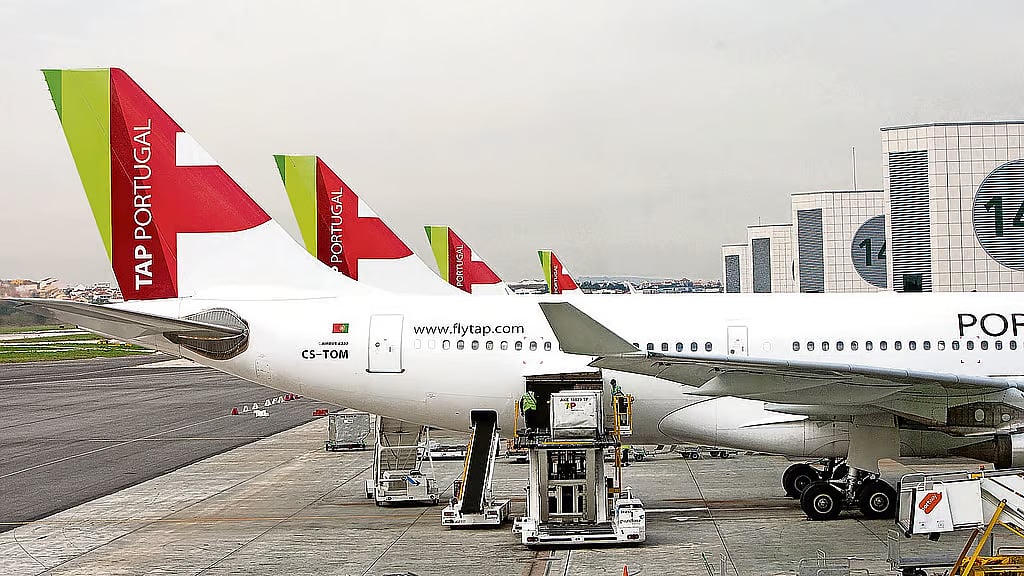
TAP Air Portugal has resumed direct flights to Caracas, Venezuela, following a six-month suspension due to a United States-issued security alert. The resumption marks the airline's 50th anniversary of operating the route, which officials describe as vital for the Portuguese diaspora. TAP plans to increase service in July with a new weekly direct flight to Funchal.

TAP Air Portugal is Portugal’s flag-carrier airline, founded on 14 March 1945 as Transportes Aéreos Portugueses. It began operations in 1946 with Lisbon–Madrid and quickly opened the long “Linha Aérea Imperial” to Angola and Mozambique, symbolically linking mainland Portugal to its overseas territories. TAP entered the jet age in the 1960s, became Europe’s first all‑jet airline in 1967, and rebranded as TAP Air Portugal in 1979. Nationalised after the 1974 Carnation Revolution, it went through cycles of partial privatisation and renationalisation, remaining a strategic state‑controlled company due to its role in connectivity, tourism, exports, and the Portuguese diaspora, especially to Brazil, Africa, and North America. Today TAP operates an all‑Airbus fleet from its Lisbon hub, marketing itself as a bridge between Europe, Africa, and the Americas and as a key economic and symbolic asset for Portugal.
German family dies in head-on collision on IC1
A head-on collision involving three vehicles on the IC1 road in Santiago do Cacém resulted in four deaths on Friday. The victims, all members of a German family, included two parents and their two minor children. A 69-year-old individual was also seriously injured and transported by helicopter to a hospital in Lisbon.
The IC1 (Itinerário Complementar 1) is a major road that runs along much of the Portuguese coast, connecting the north of the country to the Algarve in the south. While it serves as a primary route for regional travel, it is known for sections that pass through urban areas and intersections that can be hazardous.

Emergency departments closed across multiple hospitals
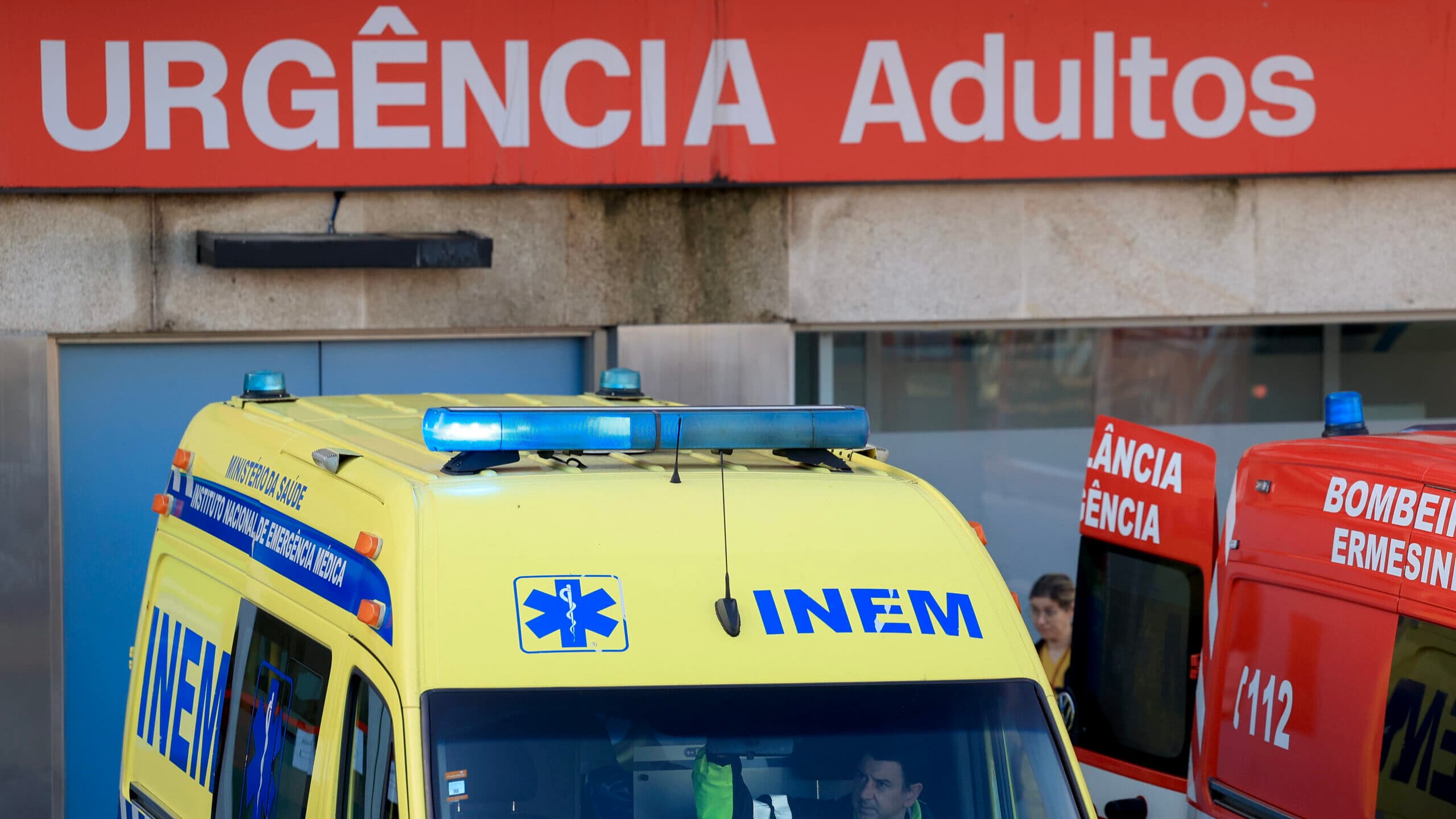
Four hospital emergency departments, including obstetrics and paediatrics units, are closed this Saturday according to the National Health Service (Serviço Nacional de Saúde or SNS) portal. The affected facilities include hospitals in Santarém, Abrantes, Portimão, and Torres Vedras. Health authorities advise the public to contact the SNS 24 health line before traveling to any emergency department.
Update: Emergency department closures continue across four hospitals
Latest updates from the SNS portal confirm that the gynaecology and obstetrics departments at hospitals in Santarém, Abrantes, and Portimão remain closed. Additionally, the paediatric emergency unit at the Torres Vedras District Hospital is also unavailable to the public.
The Alfredo da Costa Maternity Hospital (Maternidade Alfredo da Costa) is Lisbon’s main public maternity centre and the busiest maternity within Portugal’s SNS (Serviço Nacional de Saúde). For residents and expectant parents it is a key referral hospital for high‑risk pregnancies and neonatal care and often handles more births and complex cases than other public units.
If you need emergency care and a local ED is understaffed, call 112 for life‑threatening situations or contact the national health triage line (SNS 24) for urgent guidance; the operator can direct you to the nearest hospital with capacity or arrange an ambulance. As an expat, also consider local private hospitals or clinics if available and keep your health insurance details and ID ready to speed up admission.
Lufthansa and Air France-KLM remain in race for TAP
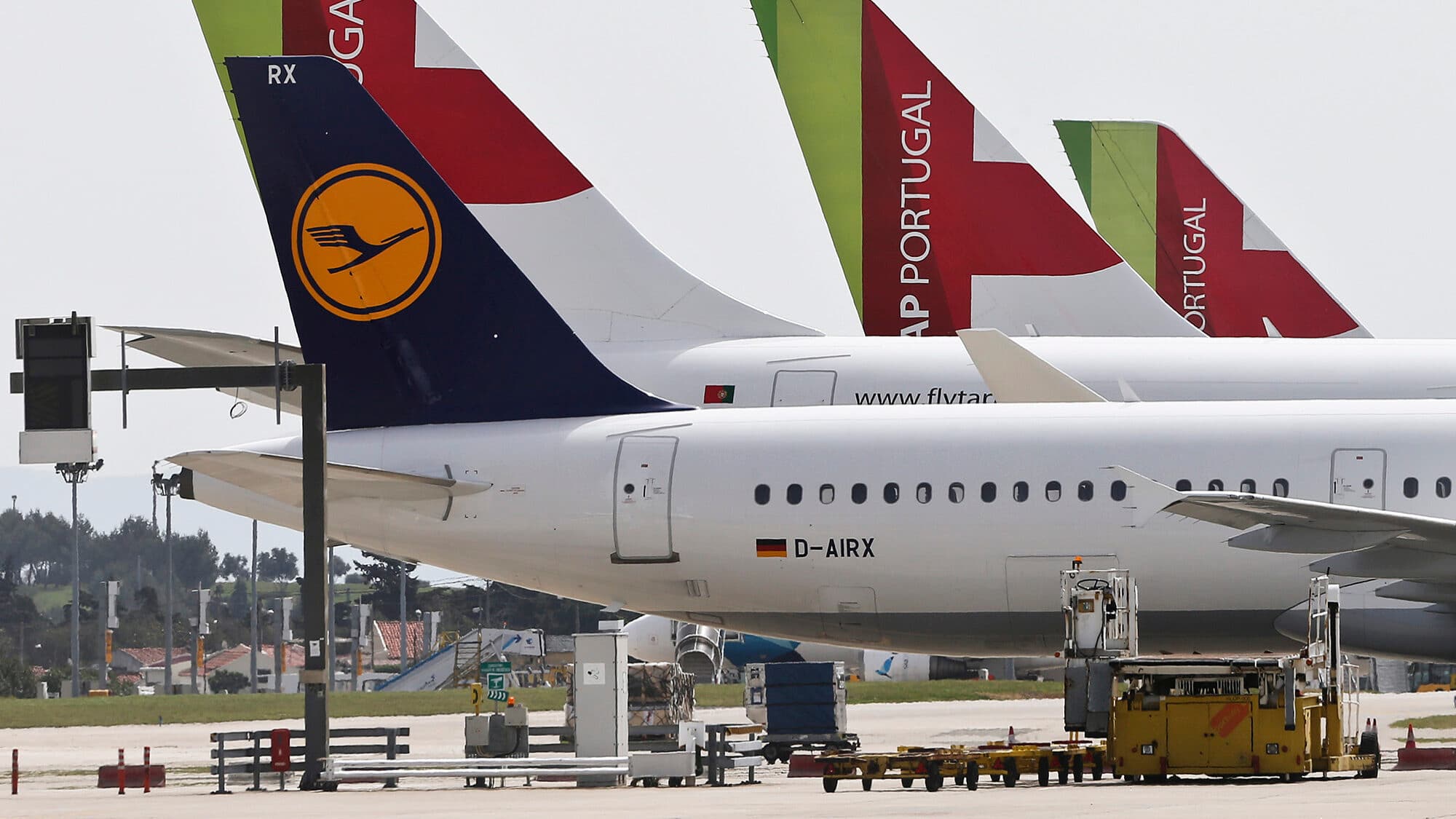
The race to privatise the national airline TAP Air Portugal has narrowed to two bidders, Lufthansa and Air France-KLM, following the withdrawal of the International Airlines Group (IAG). IAG, which owns Iberia and British Airways, stated that pursuing a minority stake in the Portuguese carrier did not align with its shareholders' interests. The government agency Parpública now has 30 days to review the remaining proposals.
Parpública is a state-owned holding company (Parpública - Participações Públicas, SGPS, S.A.) that manages the Portuguese government's equity interests in various companies. It acts as the state's vehicle for handling privatization processes, such as the ongoing sale of a stake in the national airline, TAP Air Portugal.
PSD proposes revised nationality law to meet court requirements
The Social Democratic Party (Partido Social Democrata or PSD) and CDS-PP have submitted new proposals to amend the Nationality Law (Lei da Nacionalidade) following a rejection by the Constitutional Court (Tribunal Constitucional). The revised text maintains the loss of nationality (perda de nacionalidade) as a penalty for certain crimes but reduces the number of applicable offenses and raises the required sentence length. Chega leader André Ventura stated his party will not support the measure, accusing the government of being too similar to the socialists.
Update: PS submits proposals to fix unconstitutional nationality law
The Socialist Party (Partido Socialista or PS) has submitted three sets of amendments to address the court's concerns and introduce a transitional regime. The PS proposes that a prior criminal conviction should not automatically block the acquisition of nationality and maintains its opposition to the penalty of loss of nationality. Parliament is scheduled to debate the various proposals this Wednesday.

The Social Democratic Party ('Partido Social Democrata' or 'PSD') is a liberal-conservative political party in Portugal that is the leading partner of the The Democratic Alliance (AD) which is the country's ruling party, with Prime Minister Luís Montenegro.
The Social Democratic Party, despite its name, occupies the centre-right of Portugal's political spectrum. Luís Montenegro, who became Prime Minister in April 2024, leads Portugal's current minority government. The PSD has been one of Portugal's two dominant parties since 1974, having formed nine governments including four with absolute majorities. Montenegro, a former party leader from 1996-1999, was elected with the highest approval rating among party leaders at 10.7 points out of 20.
The Democratic Alliance is a centre-right coalition that includes the smaller CDS – People's Party, a Christian democratic party that has historically been the PSD's coalition partner. Together, they govern without a parliamentary majority, requiring case-by-case support from opposition parties to pass legislation.
The CDS–PP is the Democratic and Social Centre – People's Party (Centro Democrático e Social – Partido Popular), a small centre-right, Christian-democratic party founded in 1974. It often partners with the larger PSD in parliament; in February 2026 it voted with the PSD and IL to approve a housing package, so its parliamentary support can influence housing and other policy outcomes.

André Ventura, born January 15, 1983, is a lawyer, academic, and Portugal's most prominent far-right leader. He founded Chega ("Enough") in 2019 after his PSD mayoral campaign attacked the Romani community. Chega surged from 1.3% in 2019 to 22.8% in May 2025, becoming parliament's second-largest party and making Ventura Leader of the Opposition.
His platform emphasizes immigration restrictions, law-and-order policies, constitutional reform, and contains inflammatory anti-Romani rhetoric that has triggered multiple discrimination convictions and investigations. Politically classified as far-right by international media, Ventura cultivates alliances with European far-right figures including Marine Le Pen and Santiago Abascal.
He announced his 2026 presidential candidacy, polling at 18% alongside independent Admiral Gouveia e Melo. His rise ended Portugal's 50-year resistance to far-right parties.
Socialist Party (PS)
- Leader: José Luís Carneiro (since June 2025)
- Ideology: Center-left, Social democracy, pro-Europeanism
Portugal's other traditional major party suffered a historic collapse in the 2025 election, dropping from 78 to 58 seats and falling to third place for the first time in democratic history. The party was led by Pedro Nuno Santos from January 2024 until his resignation following the May 2025 defeat. José Luís Carneiro, a 53-year-old former Minister of Internal Administration known for his moderate positioning within the party, was elected unopposed as the new Secretary-General with 95% of votes in June 2025. The Socialist Party governed Portugal from 2015 to 2024, including an absolute majority from 2022 to 2024 under António Costa, who resigned in November 2023 amid a corruption investigation. The PS previously led the innovative "Geringonça" (contraption) coalition government from 2015-2019, a minority government supported by the Left Bloc and Portuguese Communist Party that reversed austerity measures and presided over economic recovery.
Political parties "are afraid and lack the courage to accept the need for a constitutional…
Ricardo Reis, a Chega MP, argues that the other political parties are currently “afraid” to accept the need for a constitutional review.

Carneiro positions Socialist Party as responsible opposition to government
At the 25th National Congress of the Socialist Party (Partido Socialista or PS) in Viseu, leader José Luís Carneiro pledged to lead a “responsible opposition” to the government. Carneiro challenged the Democratic Alliance (Aliança Democrática or AD) to choose between moderate cooperation with the PS or alignment with the far-right party Chega. He also warned that the PS would reject any labor reforms that undermine workers' rights.
Socialist Party (PS)
- Leader: José Luís Carneiro (since June 2025)
- Ideology: Center-left, Social democracy, pro-Europeanism
Portugal's other traditional major party suffered a historic collapse in the 2025 election, dropping from 78 to 58 seats and falling to third place for the first time in democratic history. The party was led by Pedro Nuno Santos from January 2024 until his resignation following the May 2025 defeat. José Luís Carneiro, a 53-year-old former Minister of Internal Administration known for his moderate positioning within the party, was elected unopposed as the new Secretary-General with 95% of votes in June 2025. The Socialist Party governed Portugal from 2015 to 2024, including an absolute majority from 2022 to 2024 under António Costa, who resigned in November 2023 amid a corruption investigation. The PS previously led the innovative "Geringonça" (contraption) coalition government from 2015-2019, a minority government supported by the Left Bloc and Portuguese Communist Party that reversed austerity measures and presided over economic recovery.

The Democratic Alliance is a centre-right coalition primarily composed of the Social Democratic Party (PSD) with 89 seats and the CDS – People's Party (CDS-PP) with 2 seats. - Major Political Parties and Leaders - Centre-Right: Democratic Alliance (AD) - Leader: Luís Montenegro (Prime Minister) - Ideology: Liberal conservatism, pro-Europeanism
The Social Democratic Party, despite its name, occupies the centre-right of Portugal's political spectrum. Montenegro, who became Prime Minister in April 2024, leads Portugal's current minority government. The PSD has been one of Portugal's two dominant parties since 1974, having formed nine governments including four with absolute majorities. Montenegro, a former party leader from 1996-1999, was elected with the highest approval rating among party leaders at 10.7 points out of 20. The Democratic Alliance coalition includes the smaller CDS – People's Party, a Christian democratic party that has historically been the PSD's coalition partner. Together, they govern without a parliamentary majority, requiring case-by-case support from opposition parties to pass legislation.

Filling a 50-litre tank with diesel will now cost more than €100
Fuel prices will rise again on Monday, with diesel increasing by eight cents per litre and petrol by three and a half cents. The increase in diesel will thus exceed 50 cents since the war began, and a 50-litre tank will cost, on average, €26 more than it did a month ago.