2 March 2026 – 8 March 2026
Fuel shock, policing scandal and political turmoil dominate Portugal’s week
A sharp diesel price spike—partly eased by a tax cut—triggered queues at pumps as parties urged plans to cushion war-driven economic shocks and the government released storm-recovery funds. Lisbon police faced intense scrutiny after seven officers were detained over alleged torture. In politics and society, PSD leader Luís Montenegro called early internal elections while proposals on medical checks for legal gender changes and reports of hefty bank fees stirred debate, alongside hopeful news from a Dravet syndrome study.
Diesel jumps 19 cents; queues form at pumps
Diesel prices in Portugal are set to rise by about €0.19 and petrol by roughly €0.07 next Monday, prompting long queues at filling stations as motorists top up in advance. Consumer group DECO PROteste warned higher fuel costs will ripple through the economy, increasing transport and food prices, while analysts flag fertilizer supply pressures tied to Brent crude and tensions around the Strait of Hormuz. The price shock has also prompted political pushback, with some parties demanding an urgent parliamentary debate on relief measures. Drivers and shoppers should expect higher local transport and grocery costs in the coming weeks.
Update: Chega leader calls for VAT return, urgent debate
André Ventura, leader of Chega, challenged the government to “return to taxpayers” the extra VAT (IVA (Imposto sobre o Valor Acrescentado)) revenue generated by the coming fuel-price rise and said his party will ask for an urgent debate in the Assembleia da República next week; he also described the government’s 3.55‑cent ISP (Imposto sobre Produtos Petrolíferos or ISP) discount as insufficient.
Deco Proteste is a Portuguese consumer-protection organisation that offers advice, product testing, dispute mediation and information on billing, insurance and consumer rights. Today it set up a telephone helpline to help people affected by severe weather with payment moratoria, insurance claims, housing damage and billing adjustments; services are mainly in Portuguese and some help may be reserved for members, so callers should have policy numbers, photos and receipts ready.
Brent crude is a major international oil price benchmark made up of several light, low-sulfur crude oils produced in the North Sea; its price is quoted in US dollars per barrel. It is one of the two main global benchmarks, alongside West Texas Intermediate (WTI), and is widely used to price shipments to Europe and Africa. Because petrol and diesel in Portugal generally track Brent, a rise in the Brent price usually leads to higher pump prices, higher transport costs, and more expensive goods; one barrel equals 159 litres.

André Ventura, born January 15, 1983, is a lawyer, academic, and Portugal's most prominent far-right leader. He founded Chega ("Enough") in 2019 after his PSD mayoral campaign attacked the Romani community. Chega surged from 1.3% in 2019 to 22.8% in May 2025, becoming parliament's second-largest party and making Ventura Leader of the Opposition.
His platform emphasizes immigration restrictions, law-and-order policies, constitutional reform, and contains inflammatory anti-Romani rhetoric that has triggered multiple discrimination convictions and investigations. Politically classified as far-right by international media, Ventura cultivates alliances with European far-right figures including Marine Le Pen and Santiago Abascal.
He announced his 2026 presidential candidacy, polling at 18% alongside independent Admiral Gouveia e Melo. His rise ended Portugal's 50-year resistance to far-right parties.
The ISP is Portugal's excise tax on fuels — the Tax on Petroleum and Energy Products (Imposto sobre Produtos Petrolíferos e Energéticos) — charged as a unit rate per litre on petrol, diesel and other fuels. The government sets and can temporarily cut those unit rates; a recent decision to reduce the rate for road diesel on the mainland aims to lower pump prices and reduce transport costs for drivers and businesses, though it also lowers tax revenue.
Seven officers held over alleged torture in Lisbon
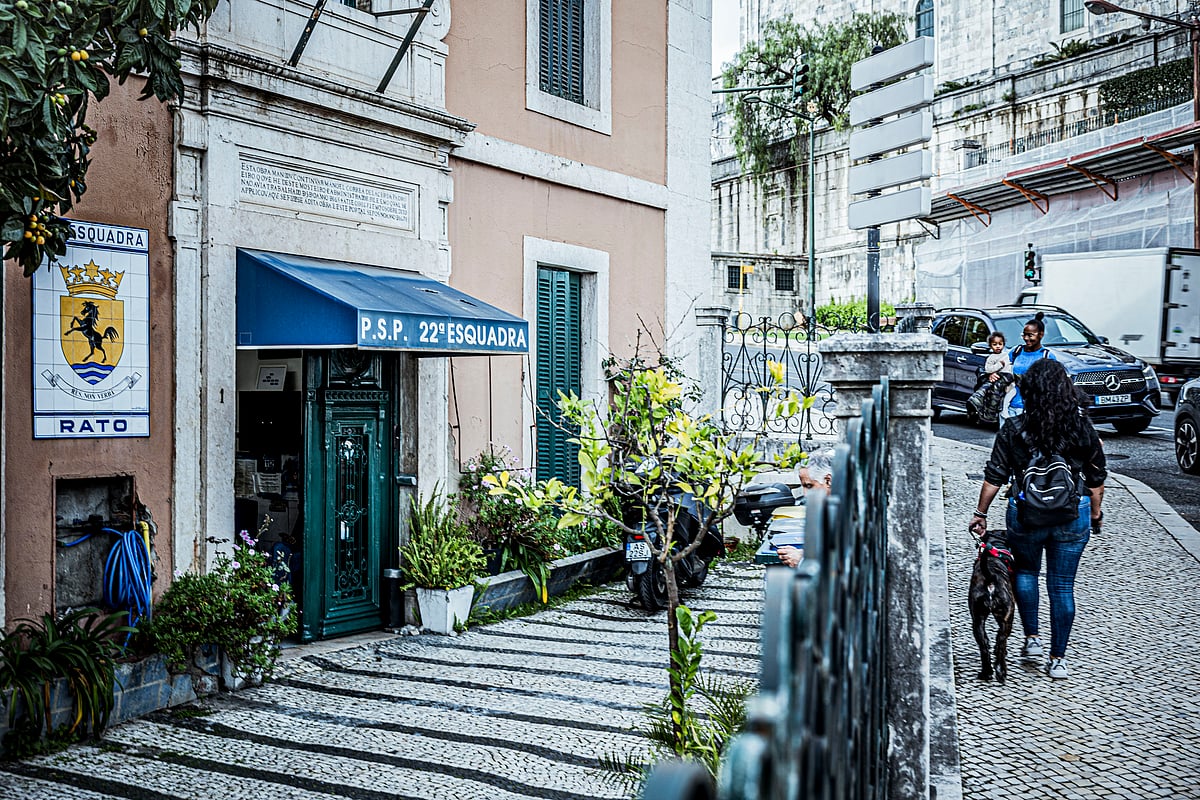
Seven police officers have been placed in preventive detention amid an investigation into alleged torture and other crimes at the Rato and Bairro Alto stations in Lisbon; reports say nine officers in total are now being held preventively. The Public Security Police announced the detentions, citing a risk of continued criminal activity, and the probe covers serious alleged offences committed while on duty. Lisbon residents and anyone who has used those stations in recent years should watch for prosecutor statements and potential requests to review past complaints.
Update: MAI defends force while apologising to victims
The Ministry of Internal Administration (MAI) published statements this weekend: Minister Luís Neves defended that the “overwhelming majority” of PSP (Polícia de Segurança Pública or PSP) officers serve with a strong sense of mission, while MAI also apologised to alleged victims as the Public Ministry (MP) and PSP stressed the preventive detention aims to avoid continued criminal activity and preserve evidence. The investigation remains under secrecy of justice and charges reported in coverage include torture, sexual offences and abuse of power.
Preventive detention (prisão preventiva) is a court-ordered measure that keeps a suspect in custody before trial when a judge decides there is a real risk they might flee, tamper with evidence, or pose a danger to others. It is temporary and not a conviction; in the recent case five of the 37 alleged members were ordered to await the investigation in preventive detention by the Central Criminal Investigation Court. Those detained should request a lawyer and can seek consular assistance if they are foreign nationals, while family or lawyers can ask the court to review or lift the measure.

The PSP (Polícia de Segurança Pública) is Portugal's national civilian police force, founded in 1867. Responsible for defending Republican democracy and safeguarding internal security and citizens' rights, the PSP polices major cities—Lisbon, Porto, Faro—and large urban areas, covering only 4% of Portugal's territory but roughly half the population. Led by a National Director under the Ministry of Internal Affairs, its approximately 21,500 officers handle preventive policing, crime investigation, public order, airport security, diplomatic protection, private security regulation, firearms licensing, and border control (since 2023).
PSP vs. GNR: The PSP is civilian with police-focused training and urban jurisdiction, while the GNR (Guarda Nacional Republicana) is military (gendarmerie) with military training, covering 96% of Portugal's rural and suburban territory. Both share core public safety missions but differ fundamentally in nature, training, and geographic responsibility.
PSD seeks medical checks for legal gender changes
The PSD submitted a bill to reintroduce medical validation for legal gender and name changes in the civil registry (registo civil), reversing a procedure that had removed mandatory medical checks; however, MP Bruno Vitorino has already asked that the proposal be withdrawn amid internal party opposition. If the bill proceeds it would affect the legal process for trans people and those seeking name changes; watch parliamentary debates and civil-registry guidance for any procedural shifts.
Update: Debate set for March 19; minors would be excluded
Parliament has scheduled debate on the proposal for 19 March. The draft would end the current option for 16- to 18-year-olds to change name and gender with parental authorisation and would require medical and psychological reports, while allowing exceptions for intersex people; the bill follows an earlier, stricter proposal from Chega and has drawn criticism from experts and dissent within the PSD.
Rui Rio is a centre‑right politician who served as mayor of Porto from 2002 to 2013 and led the Social Democratic Party (Partido Social Democrata) from 2018 to 2022. Known for moderate and fiscally cautious positions, he remains an influential voice in PSD debates and national politics, so journalists and party members often cite his views.
Bruno Vitorino is a member of the Portuguese parliament (MP) who has asked for the Social Democratic Party's (PSD, Partido Social Democrata) bill on civil-registry gender and name changes to be withdrawn. His request matters to transgender people and anyone seeking legal name or gender recognition because the PSD proposal would reintroduce medical validation, and parliamentary disagreement could alter or block the bill.
Top five banks took €2.5bn-plus in fees
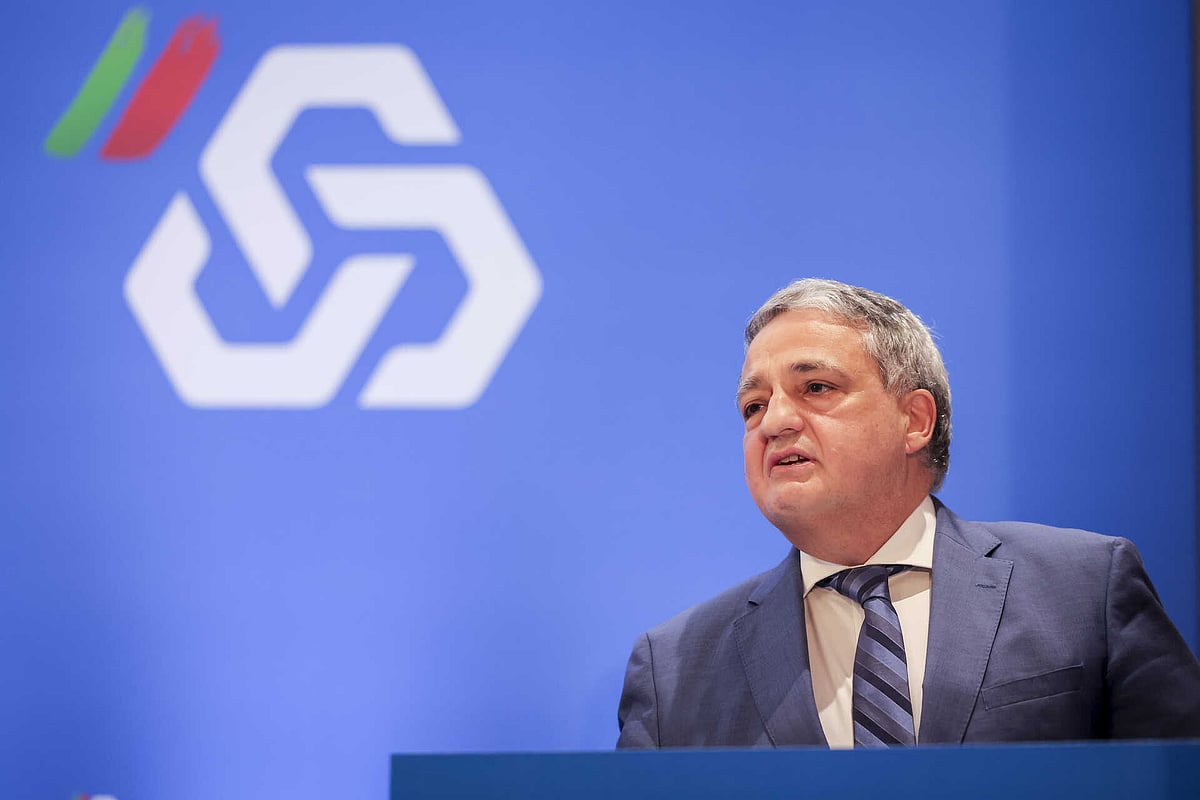
Portugal’s five largest banks — Caixa Geral de Depósitos, BCP, Santander Totta, BPI and Novo Banco — generated combined profits of €5.2 billion in 2025, up 5.9% on 2024, with fee income contributing more than €2.5 billion. The results were supported by financial-margin gains, extraordinary items and record performances at several lenders. Account-holders should check their fees and compare services as banks continue to rely on commissions for revenue.
Caixa Geral de Depósitos is Portugal’s largest state-owned bank and a major retail and corporate lender. In 2025 it posted a 10% profit increase — helped by selling its stake in Águas de Portugal — and will pay a €1.25 billion dividend to the State, which can affect public finances and confidence in the banking sector.
New study offers hope for Dravet syndrome patients
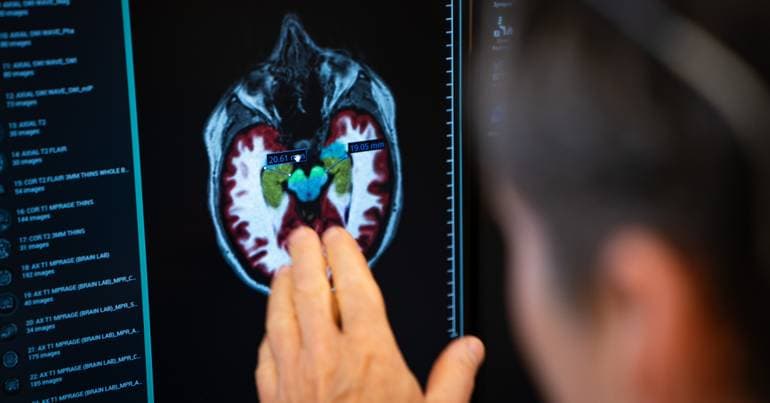
An Observador feature reports on research pointing to a possible treatment pathway for Dravet syndrome, a rare, severe epilepsy that often appears in infancy and can severely affect cognition and motor skills. Coverage traces individual cases and notes that life expectancy and care have changed over decades; any clinical advance would matter to the small Portuguese patient community and paediatric neurology services. Families of affected children and those using specialised neurology care should follow formal trial publications and SNS guidance.
Government mobilises €137m after storms
The Government has reallocated €137 million from the Environmental Fund to emergency and recovery measures after last month’s storms, with €35 million earmarked directly for affected municipalities. The Ministry published the first order sending funds to the Institute for Nature Conservation and other bodies, but local leaders warn a significant part of affected territory still lacks communications. Telecom operator NOS says 2–3% of users remain offline due partly to power cuts and rejects responsibility for Siresp failures; the situation leaves some towns with limited emergency contact options. Those in affected areas should monitor municipal updates and expect continued repair work and service interruptions.
Update: IPMA raises wind and sea warnings to orange
The Portuguese Institute of the Sea and Atmosphere (IPMA) escalated weather warnings to orange for the districts of Leiria and Lisbon for strong winds and rough seas, and Civil Protection issued public alerts. The warnings may affect coastal travel and local recovery operations over the coming days.
The Mission Structure (Estrutura de Missão) is a temporary government coordination body set up after major incidents to centralize response and recovery actions such as income support, home repairs and loan assistance. It brings together ministries, civil protection and local authorities to process applications, run hotlines and prioritise work — those affected should register with their municipality or the government helpline to be entered into the recovery programme.

IPMA is the Portuguese Institute of the Sea and Atmosphere (Instituto Português do Mar e da Atmosfera), the national agency for weather, marine forecasts and climate monitoring. Residents should watch its forecasts and warnings during storms, heatwaves or cold snaps because IPMA issues official advisories used by services, transport operators and local authorities.

PS urges mitigation plan for war-driven shocks
José Luís Carneiro, secretary-general of the Socialist Party (Partido Socialista or PS), said the government should prepare a targeted plan to blunt the economic effects of the war in Iran, citing expected rises in fuel, food and housing-loan costs. Former economy minister António Costa Silva urged rapid action to identify energy‑intensive sectors and design specific support, warning that Portugal's growth and export performance are already weaker than expected. Businesses in transport, food distribution and energy-intensive manufacturing should follow any government announcements on sectoral relief measures.
Socialist Party (PS)
- Leader: José Luís Carneiro (since June 2025)
- Ideology: Center-left, Social democracy, pro-Europeanism
Portugal's other traditional major party suffered a historic collapse in the 2025 election, dropping from 78 to 58 seats and falling to third place for the first time in democratic history. The party was led by Pedro Nuno Santos from January 2024 until his resignation following the May 2025 defeat. José Luís Carneiro, a 53-year-old former Minister of Internal Administration known for his moderate positioning within the party, was elected unopposed as the new Secretary-General with 95% of votes in June 2025. The Socialist Party governed Portugal from 2015 to 2024, including an absolute majority from 2022 to 2024 under António Costa, who resigned in November 2023 amid a corruption investigation. The PS previously led the innovative "Geringonça" (contraption) coalition government from 2015-2019, a minority government supported by the Left Bloc and Portuguese Communist Party that reversed austerity measures and presided over economic recovery.
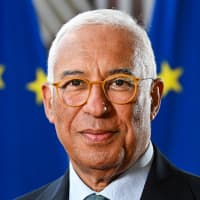
- President of the European Council (since Dec 2024)
- Former Prime Minister of Portugal (November 2015 – April 2024)
- Party: Socialist Party (PS) Partido Socialista
- He is of Portuguese and Indian (Goan) descent
António Luís Santos da Costa (born July 17, 1961, in Lisbon) is a Portuguese lawyer and Socialist politician who served as Prime Minister of Portugal from 2015-2024 and currently serves as President of the European Council since December 1, 2024. After leading the Lisbon Municipal Assembly and practicing law, he was elected MEP (2004-2005) and entered parliament in 2002. He led the Socialist Party from 2014-2024, building unprecedented parliamentary coalitions with the Communist Party and Left Bloc (2015-2019) before winning an absolute majority in 2022. He resigned as PM in November 2023 following a corruption investigation, though subsequently cleared. The 27 EU member states elected him Council President in June 2024, making him the fourth full-time President and the first southern European socialist in that role.
Political Philosophy:
Costa represents moderate European social democracy, combining orthodox fiscal responsibility with progressive social investment. He prioritizes European integration, consensus-building, and pragmatic compromise over ideological confrontation. As Council President, he champions mediation between member states, improved EU inter-institutional relations, shorter decision-making processes, and regular visits to every EU capital to reconnect citizens with European institutions. His approach emphasizes "creative bridges" reconciling divergent interests while maintaining firmness on European values, particularly regarding Ukraine.
Government cuts diesel ISP by 3.55 cents
The Government approved a temporary, extraordinary reduction of 3.55 cents per litre to the Tax on Petroleum and Energy Products (Imposto sobre Produtos Petrolíferos e Energéticos or ISP) for road diesel on the mainland, effective from Monday, 9 March. Officials say the cut offsets only part of an expected wholesale price shock — reporting ranges show diesel would otherwise rise by roughly 19–23 cents per litre — and sector groups are asking for similar relief for bottled LPG. Drivers should watch pump prices this week; the measure reduces but does not cancel a major price rise.
Update: Diesel and petrol prices set to jump next week
Market moves linked to Middle East tensions have pushed Brent crude higher: current reports put diesel up about €0.19 per litre next week and petrol up about €0.07. Fuel stations are topping up stocks ahead of the increases, underlining that the 3.55‑cent ISP cut covers only a small fraction of the expected rise.
The ISP is Portugal's excise tax on fuels — the Tax on Petroleum and Energy Products (Imposto sobre Produtos Petrolíferos e Energéticos) — charged as a unit rate per litre on petrol, diesel and other fuels. The government sets and can temporarily cut those unit rates; a recent decision to reduce the rate for road diesel on the mainland aims to lower pump prices and reduce transport costs for drivers and businesses, though it also lowers tax revenue.
Higher crude oil prices raise wholesale fuel costs, and those increases typically reach Portuguese petrol and diesel pumps within days to weeks; the recent conflict has pushed oil to one‑year highs and European gas futures up roughly 40%, making fuel the first likely victim. Final pump prices also depend on taxes, VAT and distributor margins, so consumers should expect higher filling‑station bills but the exact change will reflect those tax and margin components as well as exchange rates.
Montenegro calls May direct elections in PSD
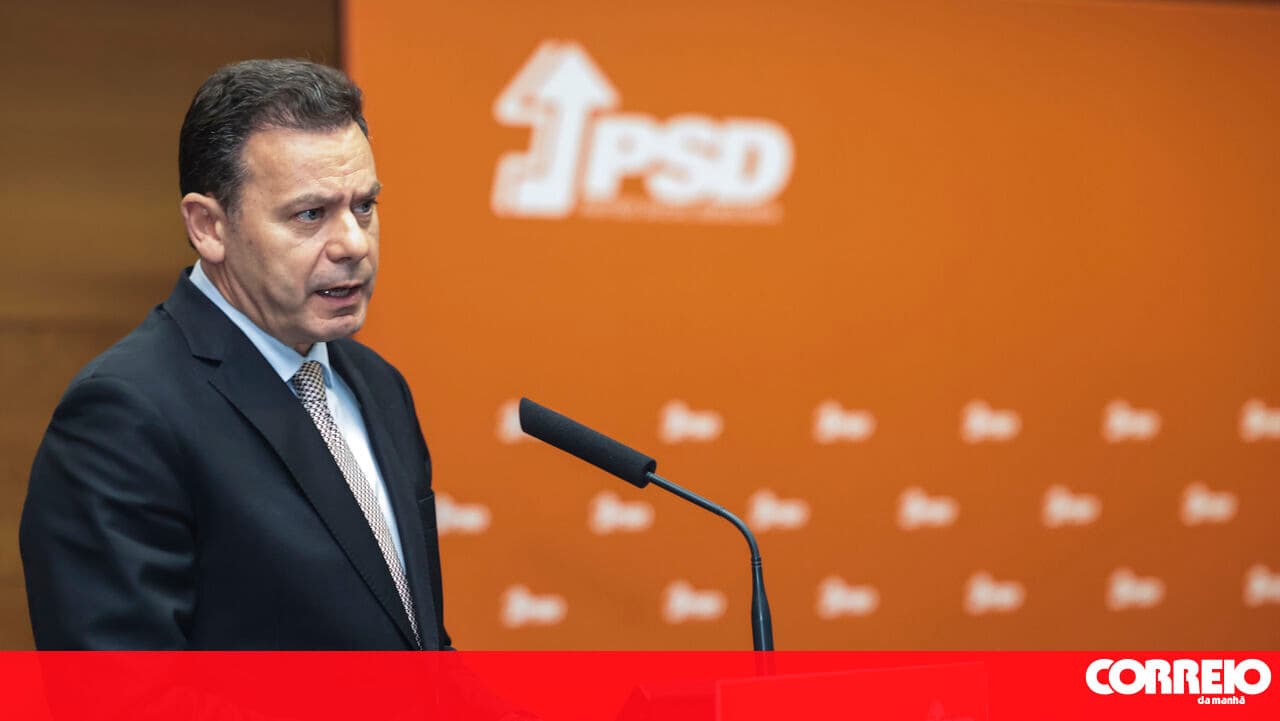
PSD president Luís Montenegro proposed holding direct party elections in May and challenged former prime minister Pedro Passos Coelho to present himself if he offers an alternative path. Montenegro framed the move as a way to remove doubt about leadership and invited any dissenting voices to contest the vote, prompting sharp coverage and reactions within the party. The dispute has internal implications for PSD unity ahead of future legislative debates. PSD members and those following national politics should note potential shifts in party direction and leadership contests.

- Prime Minister, Portugal: 2024 - Present
- Party: Social Democratic Party (PSD)
Luís Filipe Montenegro Cardoso de Morais Esteves (born February 16, 1973, in Porto) is a Portuguese lawyer and center‑right politician who has served as Prime Minister of Portugal since April 2, 2024. A long‑time member of the Social Democratic Party (PSD), he is the leading figure of the post‑Troika generation of Portuguese conservatives. Montenegro was elected to the Assembly of the Republic in 2002 for the Aveiro district and remained an MP for 16 years, becoming PSD parliamentary leader from 2011 to 2017 during the bailout and austerity period under Prime Minister Pedro Passos Coelho. He was a prominent defender of strict austerity measures, arguing in 2014 that “the life of the people is no better, but the life of the country is a lot better,” a phrase that has followed his public image since. After an unsuccessful leadership bid against Rui Rio in 2020, Montenegro won the PSD leadership in 2022. He then forged the centre‑right Democratic Alliance (PSD–CDS‑PP and allies), which won a plurality of seats in the 2024 legislative election. Refusing to partner with the far‑right Chega, which he has called “often xenophobic, racist, populist and excessively demagogic,” he formed a minority government as head of the XXIV Constitutional Government on April 2, 2024. His first government fell in March 2025 after a no‑confidence vote linked to a conflict‑of‑interest affair, but fresh elections saw the Democratic Alliance increase its seat share, allowing Montenegro to return as prime minister leading the XXV Constitutional Government. His importance to Portugal lies in attempting to re‑center the traditional centre‑right after the crisis years, defending liberal‑conservative economics and EU alignment while drawing a sharp line against formal cooperation with the radical right, thus shaping how Portuguese democracy manages its new multi‑party era.
Francisco Sá Carneiro was a Portuguese politician who co‑founded the Social Democratic Party (Social Democratic Party (Partido Social Democrata or PSD) in 1974 and served as prime minister in 1980. He died in a plane crash on 4 December 1980; his name is widely recognised in Portugal and is used for Porto’s main airport, which expats commonly encounter when travelling.
Montenegro calls early PSD leadership vote
Luís Montenegro has moved to bring forward direct leadership elections in the Social Democratic Party (PSD), publicly challenging former leader Passos Coelho and prompting sharp criticism that the manoeuvre signals weakness. Coverage ranges from party‑strategic analysis to opinion pieces calling the move 'immature'; Montenegro and allies say the step is intended to settle internal disputes. Those following national politics should watch the PSD internal calendar and any shifts in party messaging that could affect government debate.
- Prime Minister, Portugal: 2024 - Present
- Party: Social Democratic Party (PSD)
Luís Filipe Montenegro Cardoso de Morais Esteves (born February 16, 1973, in Porto) is a Portuguese lawyer and center‑right politician who has served as Prime Minister of Portugal since April 2, 2024. A long‑time member of the Social Democratic Party (PSD), he is the leading figure of the post‑Troika generation of Portuguese conservatives. Montenegro was elected to the Assembly of the Republic in 2002 for the Aveiro district and remained an MP for 16 years, becoming PSD parliamentary leader from 2011 to 2017 during the bailout and austerity period under Prime Minister Pedro Passos Coelho. He was a prominent defender of strict austerity measures, arguing in 2014 that “the life of the people is no better, but the life of the country is a lot better,” a phrase that has followed his public image since. After an unsuccessful leadership bid against Rui Rio in 2020, Montenegro won the PSD leadership in 2022. He then forged the centre‑right Democratic Alliance (PSD–CDS‑PP and allies), which won a plurality of seats in the 2024 legislative election. Refusing to partner with the far‑right Chega, which he has called “often xenophobic, racist, populist and excessively demagogic,” he formed a minority government as head of the XXIV Constitutional Government on April 2, 2024. His first government fell in March 2025 after a no‑confidence vote linked to a conflict‑of‑interest affair, but fresh elections saw the Democratic Alliance increase its seat share, allowing Montenegro to return as prime minister leading the XXV Constitutional Government. His importance to Portugal lies in attempting to re‑center the traditional centre‑right after the crisis years, defending liberal‑conservative economics and EU alignment while drawing a sharp line against formal cooperation with the radical right, thus shaping how Portuguese democracy manages its new multi‑party era.
FC Porto arrives at Alvalade for the classic
FC Porto visits Sporting this Tuesday for the first leg of the 'semi-finals' of the Taça de Portugal. Check out the images of FC Porto's bus arriving at Alvalade for the classic match.

Bad weather: Environmental Fund mobilised 137 million euros for emergency support
Of this amount, 35 million euros will be allocated to municipalities and intermunicipal entities affected by the recent storms that primarily hit the West region.

Luís Montenegro challenges Passos Coelho to move forward
The social-democrat leader anticipates direct elections for May and invites anyone with “an alternative path” to run.