

16 February 2026 – 22 February 2026
Cabinet shifts, labour tensions and climate risks dominate Portugal’s week
Portugal saw key political changes with Luís Neves appointed Internal Administration Minister, while labour talks remained strained amid strikes and meetings held without the CGTP union. Housing and migration featured prominently, with calls to reoccupy vacant buildings under PNRE and immigrant contributions rising to 17.6% of the social fund. Severe-weather preparedness also moved up the agenda after an Almada landslide evacuation, a new climate-risk grid study, and warnings storm damage could reach €6 billion.
Zero urges reoccupation of vacant buildings under PNRE
Associação Zero advocated converting vacant or under‑utilised buildings into affordable housing as part of the National Building Renovation Plan (Plano Nacional de Reabilitação de Edifícios or PNRE), RTP reports. The group argues reoccupation can add supply without new construction; those seeking affordable housing or involved in renovations should follow PNRE rules and local incentives as the plan is implemented.
The PNRE is Portugal's National Building Renovation Plan (Plano Nacional de Reabilitação do Edificado), a government programme to renovate existing buildings, improve energy efficiency and encourage reuse of vacant or underused properties for housing. It bundles public funding, tax measures and technical guidance, so property owners, developers and those seeking affordable housing should watch its rules and incentives.
Associação Zero is a Portuguese environmental NGO (ZERO — Sustainable Terrestrial System Association) that campaigns on climate, energy and land‑use policies and often advocates measures like converting vacant buildings into affordable housing. Residents and people following housing or environmental policy should note its proposals and public pressure, which can influence local planning and national programmes like the PNRE.

Employers ready to negotiate after union absence
Employers told the Labour Ministry they are available to negotiate changes to the labour law next week after the UGT confederation was absent from a scheduled meeting, Diário de Notícias and Observador report. The absence meant the meeting produced no agreement; CGTP has accused the government of trying to exclude it from talks, adding political friction, per Expresso. Negotiations may resume soon but expect continued union-government standoffs as confederations and trade unions press different demands. Workers and employers should follow developments if their contracts or sector rules could change.
Update: Público: minister may not survive package failure
Público published commentary arguing that, if the labour package fails to secure agreement, it is unlikely the Labour Minister, Maria do Rosário Palma Ramalho, will remain in post — a line echoed in earlier commentary from other outlets.
Update: ECO: Labour reform 'dead'
ECO published a commentary arguing the labour reform proposal is effectively lost, saying the process was poorly managed and that a missed opportunity to change wage conditions and reduce youth unemployment may have been squandered. The piece frames the proposal as politically defeated rather than merely delayed.

CGTP is the General Confederation of the Portuguese Workers (Confederação Geral dos Trabalhadores Portugueses – Intersindical Nacional), Portugal’s largest trade-union federation that organises strikes and national demonstrations. For expats, CGTP actions (like the Lisbon protest) can disrupt public transport, public services and workplaces and may involve petitions with tens of thousands of signatures.

UGT is the General Union of Workers (União Geral de Trabalhadores), one of Portugal's main national trade union confederations that represents employees across sectors and negotiates collective agreements. UGT is often involved in public-service bargaining, so public sector workers and those employed by state bodies should watch UGT’s role in any new multi-year deals affecting pay and conditions.
Rosário Palma Ramalho is Portugal’s Minister of Labour, responsible for labour policy, workplace regulation and negotiations with trade unions. Her statements today about the CGTP withdrawing from labour reform talks matter because they affect negotiation dynamics and can influence strikes or demonstrations that may disrupt public services and workplaces.
The labour reform (reforma laboral) refers to a package of proposed changes to Portugal's labour laws aimed at altering hiring rules, wages and job protections; the recent proposal mentioned in the story failed to pass. That outcome matters to workers and employers because successful reforms could have changed pay conditions and youth employment prospects, while failure leaves the current rules in place.
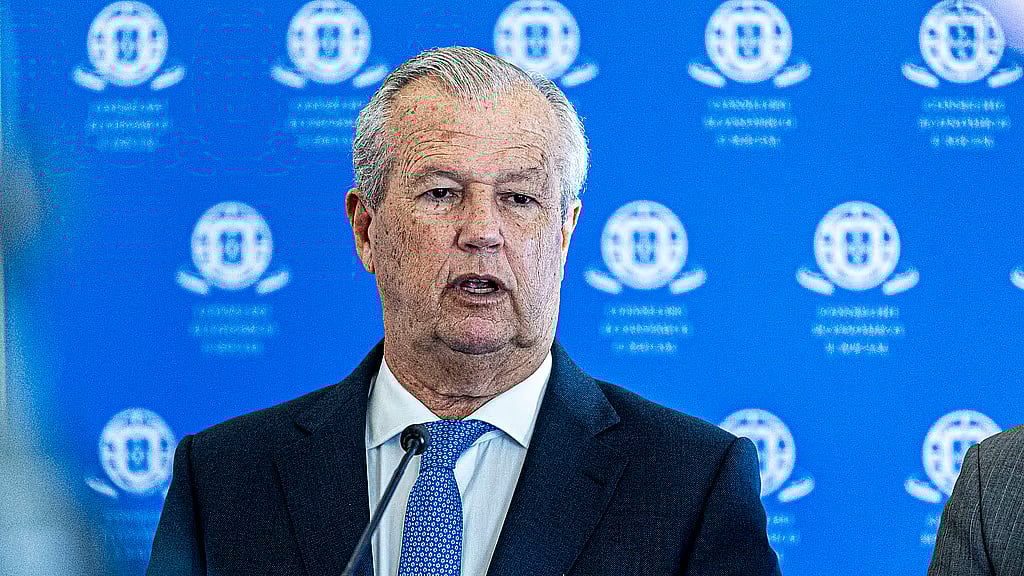
Immigrant contributions now 17.6% of social fund
Foreign workers now account for 17.6% of Social Security (Segurança Social) contributors, with about 840,000 immigrant professionals contributing in December 2025 — a 5.4‑fold rise since 2015 — the Ministry of Labour, Solidarity and Social Security (Ministério do Trabalho, Solidariedade e Segurança Social) said. Total contributions from foreigners exceeded €4.1 billion last year, roughly 8.5 times the €491 million recorded a decade earlier; the government framed the release to counter false narratives about immigrants. Público also notes the positive balance between contributions and benefits has grown strongly and that monthly statistics will be published going forward. Taxpayers and residents should watch the regular data releases to see how workforce composition affects Social Security finances.
Update: Positive balance rose ninefold; monthly stats start Friday
Público reports the positive balance between contributions and benefits has increased by more than nine times over the past 11 years, and that Social Security will begin publishing contributor statistics monthly starting this Friday. RTP and other outlets confirm the broad figures already cited by the ministry, reinforcing the scale of the recent rise in foreign contributions.
Update: Sources diverge; ECO cites €4.15bn, 14% share
New reporting shows differing headline figures: ECO reports contributions from foreign nationals rose about 760% to €4.148 billion in 2025 and states foreigners make up roughly 14% of contributors, while other outlets describe eightfold or 8.5x increases and some reports repeat a 17.6% share. The mismatch appears to come from different calculation windows and datasets; the ministry's move to publish monthly statistics should resolve method and timing differences once the new series begins.
The Institute for Financial Management of Social Security (Instituto de Gestão Financeira da Segurança Social or IGFSS) is the agency that manages social‑security financial assets and state properties used by public bodies. The news notes IGFSS supervises 854 vacant units and that public entities occupying its buildings have accumulated more than €33 million in rent arrears, which public‑sector tenants and budget observers should note.
The Ministry of Labour (Ministério do Trabalho) is the government department responsible for employment policy, labour law, collective bargaining and workplace inspections. It organises talks between employers and unions and can convene negotiations or propose changes to labour rules, so its meetings affect workers and employers directly.
Segurança Social is Portugal's public Social Security system (Segurança Social), which administers pensions, unemployment benefits, sickness pay, family allowances and other social supports. Many services are handled online via Segurança Social Direta; according to the story, standard applications have a five-day response window and companies or self‑employed people have 30 days to request certain measures, so residents should use their NISS and Citizen Card login and keep digital records.
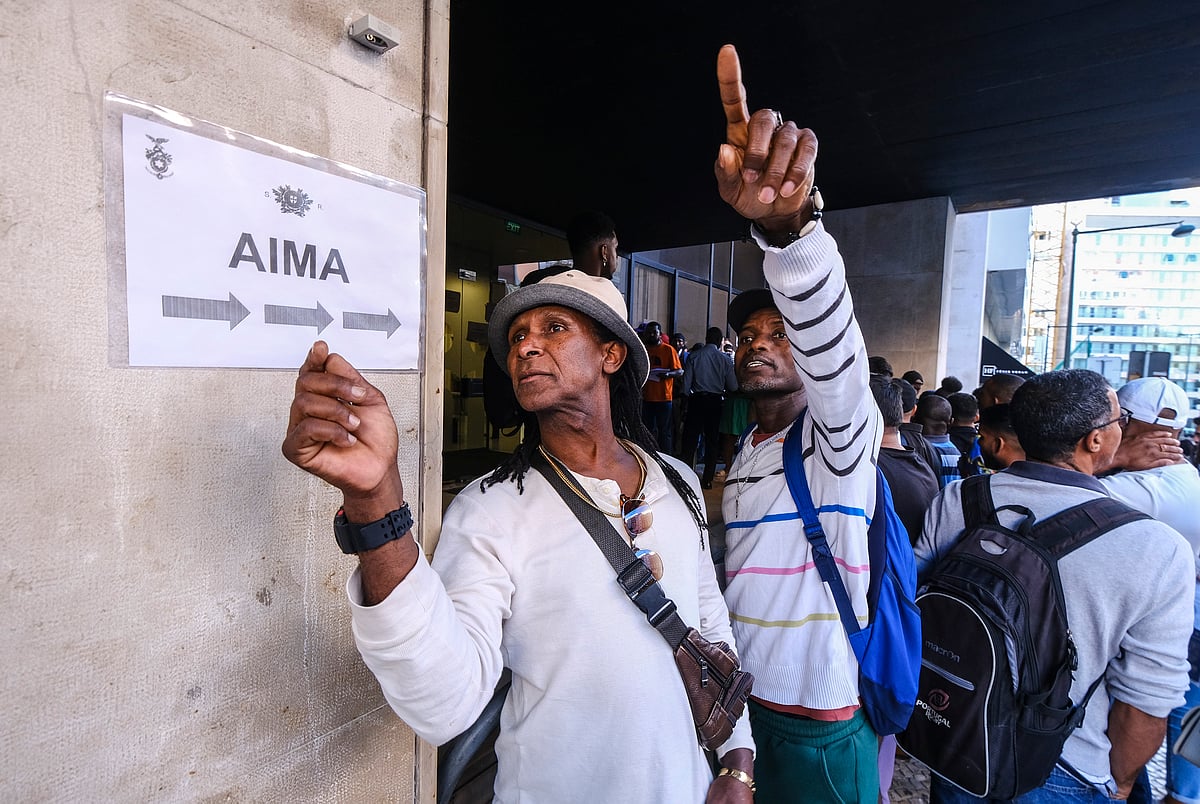
Landslide in Almada forces 20 people to evacuate
Correio da Manhã reports a landslide in Costa da Caparica, Almada, early this morning that affected three houses and prompted the evacuation of about 20 people. Authorities moved residents to safety and are assessing structural risk in the area; local emergency services are coordinating the response. If you live in or travel to coastal cliffs or unstable slopes, follow municipal instructions and avoid affected zones until officials declare them safe. Those with property in the area should check local council advisories and their insurance cover for subsidence damage.
Update: Dust cloud video shows scene; cordons remain in place
CNN Portugal and other outlets published video of a very large dust cloud at the scene; emergency services and Protecção Civil continue to cordon off the area while structural assessments proceed, and authorities say checks on neighbouring buildings are ongoing.
A landslide is the rapid downhill movement of rock, soil or debris, often caused by heavy rain, erosion or unstable slopes. In built areas like Costa da Caparica a landslide can threaten buildings and utilities, prompting authorities to evacuate residents as a safety measure; in emergencies call 112 and follow official instructions.
Civil protection (Proteção Civil) is the national system that coordinates prevention, response and recovery for disasters and emergencies in Portugal; the Autoridade Nacional de Emergência e Proteção Civil (ANEPC) oversees planning, warnings and coordination with fire brigades, police and municipal services. In weather events—such as snow or road closures around Serra da Estrela—Proteção Civil issues safety advisories, may close access routes and coordinates rescue and relief efforts, so people in affected areas should follow official guidance and call 112 for emergencies.
Inês de Medeiros is a Portuguese actress-turned-politician from the Socialist Party who has served in national politics and later took up local government responsibilities, including becoming mayor of Almada. She is mentioned in this story because the landslide and evacuations in Costa da Caparica on 17 February are matters the Almada municipal government and mayor’s office would handle.
The National Laboratory of Civil Engineering (Laboratório Nacional de Engenharia Civil) is Portugal’s public research institute for civil engineering and infrastructure, founded in 1946. It carries out research, testing and technical advice on buildings, coasts and flood risk, so its reports and guidance are often used after storms and floods.
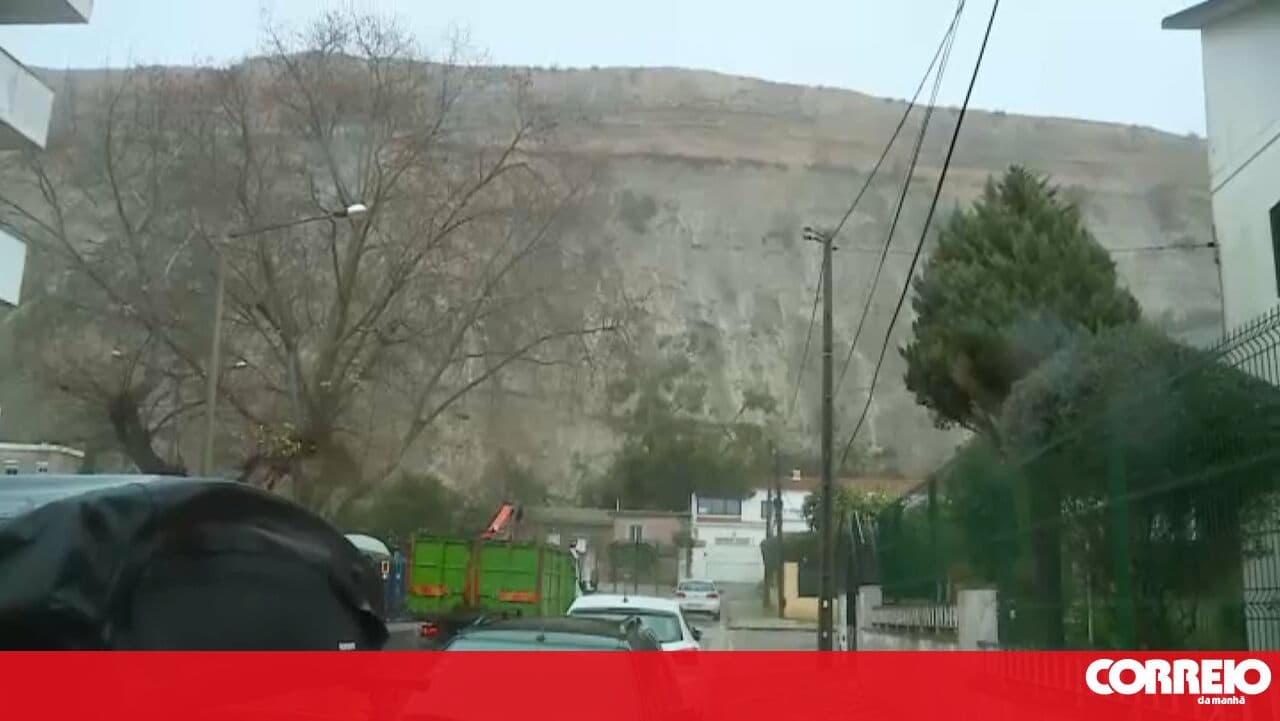
Labour minister meets partners without CGTP union
The Minister of Labour will meet employer confederations and unions on Wednesday to discuss a new labour package, but the CGTP was not invited, ECO and Observador report. The meeting is described as part of the government’s social-partner dialogue, with four employer confederations and the UGT expected to attend; the CGTP says its exclusion limits representativeness. Workers, employers and HR teams should follow the outcomes for any proposed legislative changes that could affect contracts, working time or hiring rules. Organisations that rely on collective bargaining should monitor follow-on consultations and formal proposals.
Update: UGT absent; government proceeds with talks
Several outlets (Dinheiro Vivo, Diário de Notícias and Correio da Manhã) report the UGT did not attend the Wednesday, Feb. 18 meeting: the ministry says UGT was invited but unavailable, while the union says it had informed authorities it could not meet on that date and regrets the scheduling. The meeting went ahead with employer confederations; CGTP was not summoned. No new legislative text was announced at the session.
A banked hours scheme (commonly called banco de horas in Portuguese) lets employees store overtime or unused hours and use them later as paid time off instead of receiving immediate extra pay. The CGTP (Confederação Geral dos Trabalhadores Portugueses) proposal in its labour-review document would extend flexible working and the option to bank hours to parents with children up to 16, giving them more ability to adjust work time around family needs while hours are formally tracked.
The Ministry of Labour (Ministério do Trabalho) is the government department responsible for employment policy, labour law, collective bargaining and workplace inspections. It organises talks between employers and unions and can convene negotiations or propose changes to labour rules, so its meetings affect workers and employers directly.
UGT is the General Union of Workers (União Geral de Trabalhadores), one of Portugal's main national trade union confederations that represents employees across sectors and negotiates collective agreements. UGT is often involved in public-service bargaining, so public sector workers and those employed by state bodies should watch UGT’s role in any new multi-year deals affecting pay and conditions.
CGTP is the General Confederation of the Portuguese Workers (Confederação Geral dos Trabalhadores Portugueses – Intersindical Nacional), Portugal’s largest trade-union federation that organises strikes and national demonstrations. For expats, CGTP actions (like the Lisbon protest) can disrupt public transport, public services and workplaces and may involve petitions with tens of thousands of signatures.
Social Concertation (Concertação Social) is Portugal's tripartite dialogue between the government, trade unions and employer associations to negotiate labour, social and economic policies. Its agreements often shape government proposals but are not binding, so if talks fail the government can still submit the labour-law revision to Parliament and will need to secure votes there, potentially relying on support from opposition parties such as Chega.
ULS Alto Ave staff strike over extra work
Health professionals at the Alto Ave Local Health Unit (Unidade Local de Saúde do Alto Ave) are striking to protest imposed supplementary work, with unions accusing management of forcing extra shifts at primary‑care centres. The action is affecting appointments and the availability of some services, Correio da Manhã reports. Patients in the Alto Ave area should check centre opening hours and expect appointment changes.
ULS Alto Ave is the Alto Ave Local Health Unit (Unidade Local de Saúde do Alto Ave), a public body that runs hospitals and some primary-care services for the Ave area in northern Portugal. It is part of the National Health Service (Serviço Nacional de Saúde or SNS), and recent staff strikes have affected overtime and complementary work, so residents should check local hospital notices before visiting.
Primary care (Cuidados de Saúde Primários) is the first level of the health system — general practitioners, nurses and health centres that deliver prevention, vaccinations, flu testing, chronic‑care management and referrals to hospitals. Strong primary care capacity reduces unnecessary emergency visits, so closures or limited access at this level tend to increase pressure and waiting times in hospital emergency departments during seasonal surges.
Doctors warn of deadly 'Paracetamol Challenge' online
RTP, Público and Observador report that viral social-media posts encouraging young people to take large doses of paracetamol pose a serious health risk, with pharmacists and the Medical Association warning of liver failure and death. The Ordem dos Farmacêuticos (the Order of Pharmacists) has publicly warned about the 'Paracetamol Challenge' and urged platforms and schools to act. Parents, schools and young people should be cautious about viral health dares and seek medical advice if exposure or ingestion occurs.
Update: Hospital reports surge in young medication overdoses
ULS Santa Maria's paediatric emergency team says there were 232 voluntary medication overdoses among young people across the last six years and that more than half of those cases occurred in 2024–2025, with most involving medicines commonly available at home. The hospital coordinator and professional orders have singled out the viral 'paracetamol challenge' as a likely driver of the recent rise; clinicians are urging schools and health services to step up prevention and early intervention.
The 'Paracetamol Challenge' is a dangerous social‑media stunt that encourages people to take large or repeated doses of paracetamol (acetaminophen) to test tolerance or get attention. Overdoses can cause severe, sometimes fatal, liver failure and need urgent hospital treatment with antidotes like N‑acetylcysteine, so Portuguese medical groups have warned people not to try it.
The Portuguese Pharmaceutical Association (Ordem dos Farmacêuticos) is the professional regulator for pharmacists in Portugal, responsible for licensing, ethics and professional standards. It issues guidance to pharmacies, handles complaints and can discipline members, so patients and pharmacists look to it for safety advice and drug‑supply information.
Study to adapt power grid to climate risks begins
The government will launch a technical, economic and regulatory study to adapt the National Electric System (Sistema Eléctrico Nacional) to climate change, including assessing burying overhead lines in critical areas, officials announced. The move follows storm damage and prolonged outages in some regions and aims to identify resilience measures and regulatory changes needed for investment and operations. The study could lead to long-term works and changes to maintenance priorities; residents in storm-hit areas should watch for local works and timelines. Those following energy policy should note how regulators and operators may change planning and permitting rules.
Update: Around 7,600 customers still without power
E-Redes reported that as of 08:00 about 7,600 customers in areas hit by Storm Kristin remain without electricity. The company says it is focused on restoring supply and continues to issue warnings for affected zones.

Storm Kristin is a named storm that recently hit parts of Portugal, bringing heavy rain and strong winds that caused roof collapses, flooding and other damage. Local authorities have issued safety warnings and emergency responses; residents should follow civil protection advice, avoid damaged buildings and stay away from flooded areas.
The National Electric System (Sistema Elétrico Nacional) is Portugal's electricity network and market covering power generation, high-voltage transmission and distribution to consumers; the transmission grid is operated by REN. The government has launched a technical, economic and regulatory study to adapt the system to climate change, including assessing burying power lines in critical areas.
Coordinator warns storm damage could reach €6 billion
The government-appointed coordinator for the response to storm Kristin (tempestade Kristin) said the extreme weather affecting about 60 municipalities may be “the largest contemporary natural catastrophe” in the country and estimated losses could reach €6 billion. Paulo Fernandes, named to lead on-the-ground coordination, warned of substantial recovery needs and urged fast, organised support for displaced families and damaged infrastructure. Residents and property owners in affected areas should follow municipal notices and expect inspections, aid applications and potential temporary measures.
Update: How to request state disaster aid
A new guide published by national outlets explains eligibility and the application steps for state disaster assistance, setting out who can apply and what documentation is required. The coverage is practical: affected households and businesses are being told where to submit claims and which municipal or central-government services to contact as recovery programmes are set up.
Storm Kristin is a named storm that recently hit parts of Portugal, bringing heavy rain and strong winds that caused roof collapses, flooding and other damage. Local authorities have issued safety warnings and emergency responses; residents should follow civil protection advice, avoid damaged buildings and stay away from flooded areas.
A state of calamity (estado de calamidade) is a government-declared emergency used after natural disasters or severe storms to speed up response and resource allocation. In Portugal it lets civil protection and other authorities coordinate evacuations, impose temporary restrictions and authorize exceptional spending to manage events like the recent storms.
