Employers ready to negotiate after union absence

Wednesday, 18 February 2026AI summary
Employers ready to negotiate after union absence
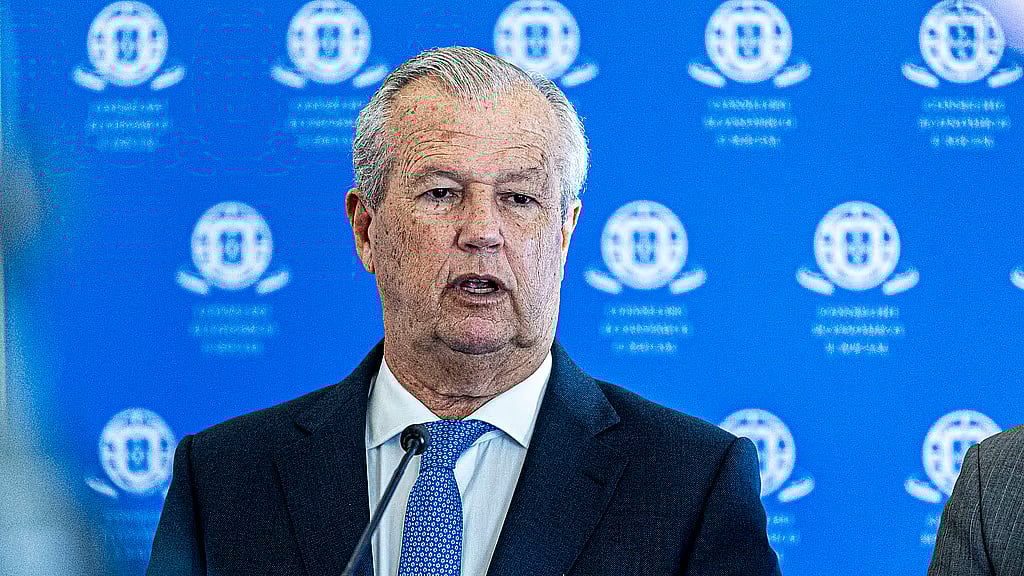
Photo: Diário de Notícias

Employers told the Labour Ministry they are available to negotiate changes to the labour law next week after the UGT confederation was absent from a scheduled meeting, Diário de Notícias and Observador report. The absence meant the meeting produced no agreement; CGTP has accused the government of trying to exclude it from talks, adding political friction, per Expresso. Negotiations may resume soon but expect continued union-government standoffs as confederations and trade unions press different demands. Workers and employers should follow developments if their contracts or sector rules could change.

Update: Público: minister may not survive package failure

Público published commentary arguing that, if the labour package fails to secure agreement, it is unlikely the Labour Minister, Maria do Rosário Palma Ramalho, will remain in post — a line echoed in earlier commentary from other outlets.

Update: ECO: Labour reform 'dead'

ECO published a commentary arguing the labour reform proposal is effectively lost, saying the process was poorly managed and that a missed opportunity to change wage conditions and reduce youth unemployment may have been squandered. The piece frames the proposal as politically defeated rather than merely delayed.

Context & Explainers

What is UGT?

The General Union of Workers (UGT – União Geral de Trabalhadores) is one of Portugal’s two main national trade union confederations. Founded in Lisbon on 28 October 1978, it was created as a social‑democratic alternative to the more communist‑aligned CGTP after the 1974 Revolution, grouping unions close to the Socialist Party and moderate centre‑right currents.

UGT represents around 400,000 workers and is affiliated to the European Trade Union Confederation and International Trade Union Confederation, giving Portuguese labour a voice at EU and global level. Its principles stress union independence from the state, employers, churches and parties, internal democracy and active worker participation.

Historically, UGT’s hallmark has been “propositive” social dialogue: it is usually more willing than CGTP to sign tripartite agreements on wages, labour law and social policy with governments and employers, shaping minimum wage increases, working‑time rules and social protection reforms. This makes UGT a key centrist actor in Portugal’s industrial relations, often mediating between left and right while defending collective bargaining and incremental improvements to labour rights.

What is CGTP?

The General Confederation of the Portuguese Workers (CGTP – Confederação Geral dos Trabalhadores Portugueses) is Portugal’s largest trade-union confederation, grouping most unions in manufacturing, public services and many other sectors.

Founded clandestinely in 1970 as “Intersindical” under the dictatorship, it emerged publicly after the 1974 Carnation Revolution and was legalised in 1975. It has been central to virtually all major labour struggles since then, from defending collective bargaining and the 40‑hour week to leading general strikes against austerity and labour‑law rollbacks.

CGTP is historically close to the Portuguese Communist Party and has a class‑struggle, anti‑neoliberal profile, strongly critical of EU and government policies seen as undermining workers’ rights. It favours grassroots mobilisation and strikes over compromise, often refusing national social‑pact deals that the more centrist UGT is willing to sign.

In today’s Portugal, CGTP remains a key actor in wage bargaining, labour‑law debates and national protests; together with UGT it called the first joint general strike in years in December 2025, signalling its continuing capacity to organise mass action.

Rosário Palma Ramalho is Portugal’s Minister of Labour, responsible for labour policy, workplace regulation and negotiations with trade unions. Her statements today about the CGTP withdrawing from labour reform talks matter because they affect negotiation dynamics and can influence strikes or demonstrations that may disrupt public services and workplaces.

The labour reform (reforma laboral) refers to a package of proposed changes to Portugal's labour laws aimed at altering hiring rules, wages and job protections; the recent proposal mentioned in the story failed to pass. That outcome matters to workers and employers because successful reforms could have changed pay conditions and youth employment prospects, while failure leaves the current rules in place.

Sources (9)

Continue reading