Housing Protesters Reclaim Squares Following Police Evictions Across Portugal
Thousands of housing rights demonstrators returned to central squares in Lisbon, Porto, Coimbra, and Évora on Tuesday night, vowing to continue demonstrations hours after police dismantled protest camps. In Lisbon's Rossio square, participants voted by a show of hands to re-erect tents in defiance of government warnings. The overnight rallies followed an early-morning operation in which the Public Security Police (Polícia de Segurança Pública or PSP) confiscated 228 camping structures and detained 55 people for disobedience. The detainees were formally designated suspects (arguidos) and released before scheduled court appearances. Internal Administration Minister Luís Neves warned that unauthorized occupations of public space had ended, while Lisbon Mayor Carlos Moedas defended the original clearance after the King D. Pedro IV statue suffered vandalism.
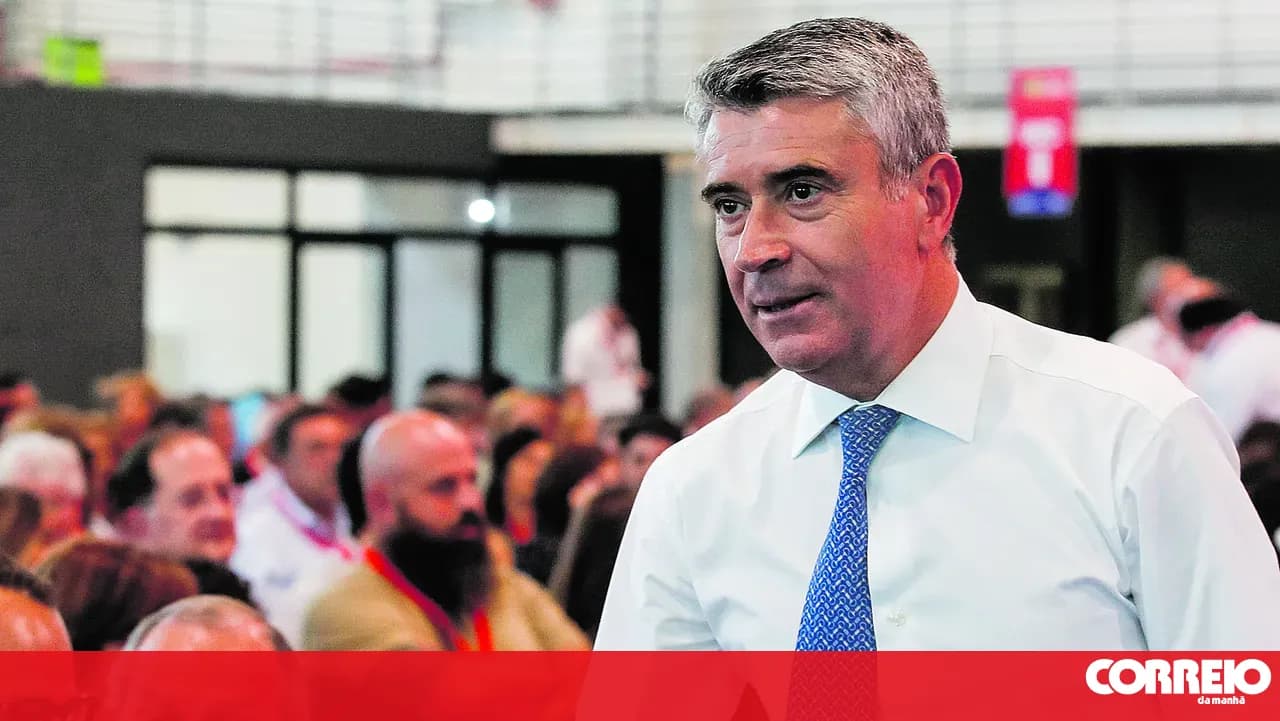
Luís Neves will take office on Monday as Minister of Internal Administration. He graduated in law and has worked at the Judicial Police since 1995, where he served as coordinator of a national unit and developed a long career in criminal investigation.

Carlos Manuel Félix Moedas (born August 10, 1970, in Beja) is a civil engineer, economist, and center-right politician who has served as Mayor of Lisbon since October 2021. He earned degrees in civil engineering from Instituto Superior Técnico and an MBA from Harvard, working at Goldman Sachs and founding his own investment firm before entering politics. During Portugal's 2011-14 bailout, he served as Secretary of State coordinating Troika-mandated structural reforms. From 2014-19, he was European Commissioner for Research, Science and Innovation, managing €77 billion in research funding and designing the €100 billion Horizon Europe program. Moedas narrowly won Lisbon's mayoralty in 2021 with 34.3%, defeating Socialist incumbent Fernando Medina. Governing initially with a minority coalition, he implemented free public transport for youth and elderly residents, launched the "Unicorn Factory Lisboa" innovation hub attracting 82 tech companies and 16,000 jobs, and won Lisbon the 2023 European Capital of Innovation award. He was re-elected in October 2025 with 41.7%, securing eight of nine council seats. His significance lies in shifting Lisbon's political trajectory rightward after decades of Socialist governance, positioning the capital as a European tech hub while prioritizing housing development, carbon neutrality by 2030, and innovation-driven economic growth.

The PSP (Polícia de Segurança Pública) is Portugal's national civilian police force, founded in 1867. Responsible for defending Republican democracy and safeguarding internal security and citizens' rights, the PSP polices major cities—Lisbon, Porto, Faro—and large urban areas, covering only 4% of Portugal's territory but roughly half the population. Led by a National Director under the Ministry of Internal Affairs, its approximately 21,500 officers handle preventive policing, crime investigation, public order, airport security, diplomatic protection, private security regulation, firearms licensing, and border control (since 2023).
PSP vs. GNR: The PSP is civilian with police-focused training and urban jurisdiction, while the GNR (Guarda Nacional Republicana) is military (gendarmerie) with military training, covering 96% of Portugal's rural and suburban territory. Both share core public safety missions but differ fundamentally in nature, training, and geographic responsibility.