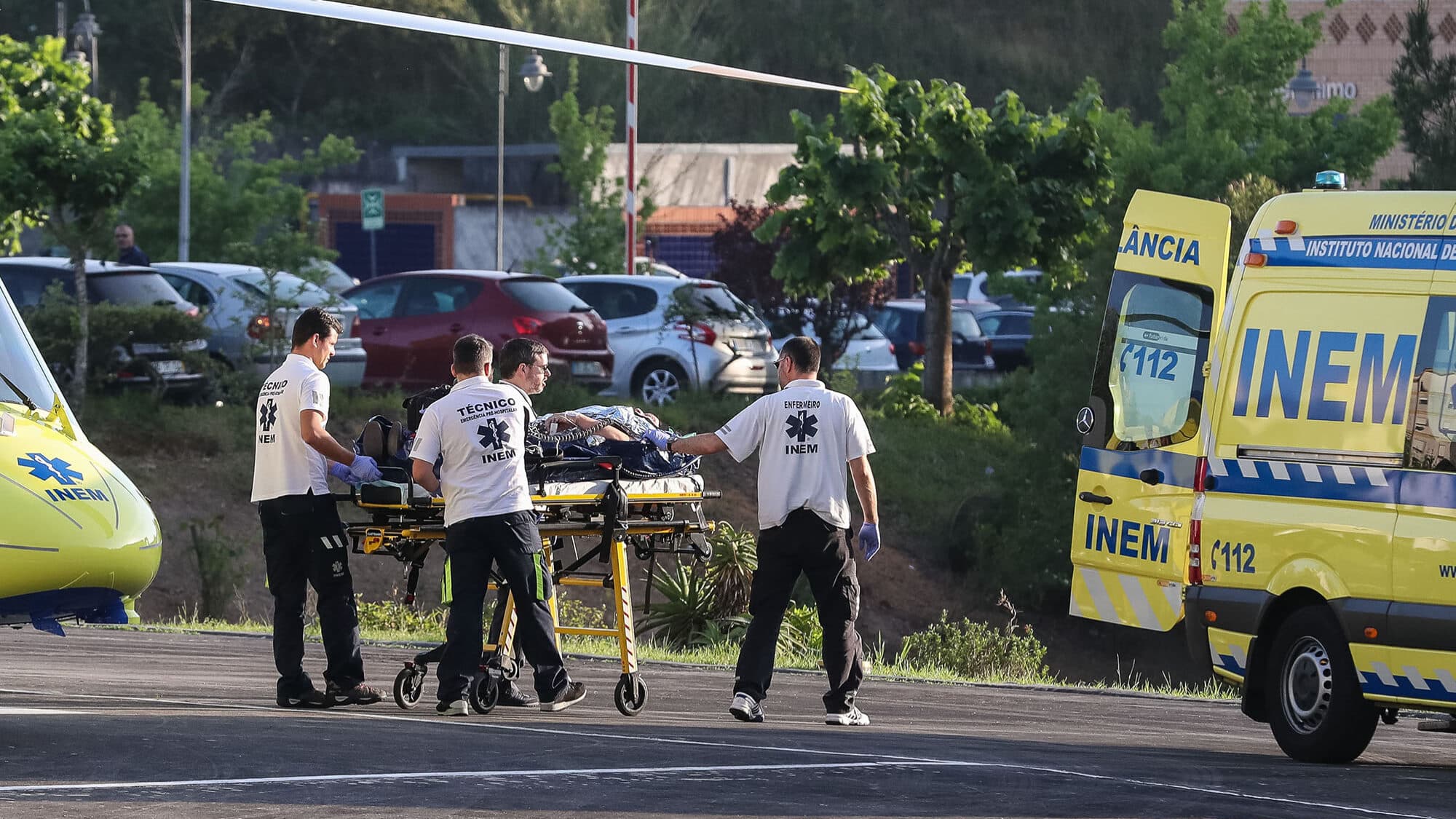
Emergency medical technicians maintain planned September strike
Pre-hospital emergency technicians will proceed with a two-day strike on September 14 and 28. Despite a meeting between the Pre-Hospital Emergency Technicians Union (Sindicato dos Técnicos de Emergência Pré-Hospitalar or STEPH), the Ministry of Health, and the National Institute of Medical Emergency (Instituto Nacional de Emergência Médica or INEM), no agreement was reached. The union president, Rui Lázaro, noted that while positions have moved closer, the industrial action remains in place to protest the current emergency system reorganization.
Update: Health Minister warns of minimum services during strike
The Minister of Health has stated that the government will guarantee minimum services if the strike is not suspended. Meanwhile, INEM has decided to halt the integration of 56 emergency medical ambulances into hospitals and will test the conversion of emergency vehicles into cars before any nationwide rollout.
The STEPH (Sindicato dos Técnicos de Emergência Pré-Hospitalar) is the trade union representing pre-hospital emergency technicians in Portugal. These professionals operate the ambulances and emergency vehicles for the National Institute of Medical Emergency (Instituto Nacional de Emergência Médica or INEM), playing a key role in the country's emergency medical response system.
ESPAP is the Shared Services Entity of the Public Administration (Entidade de Serviços Partilhados da Administração Pública). It handles central procurement and other shared services for state bodies, and in this case it awarded a public tender launched last year to buy 275 vehicles for INEM (Instituto Nacional de Emergência Médica) to three economic operators.
INEM (Instituto Nacional de Emergência Médica) is Portugal's national emergency medical service, responsible for coordinating and providing pre-hospital emergency care. It operates the country's emergency medical dispatch system, activated through the European emergency number 112.
INEM deploys ambulances (including basic and advanced life support units), medical helicopters (VMER), and motorcycle response units across Portugal. It also manages the CODU (Centro de Orientação de Doentes Urgentes) — the emergency call centers that triage incoming 112 calls and dispatch the appropriate medical response.
INEM has faced persistent challenges including ambulance shortages, staffing gaps (particularly among emergency medical technicians), and long response times in rural areas. These issues have made INEM a frequent subject of political debate, with calls for better funding, improved working conditions, and expanded coverage. Residents should know that calling 112 connects to INEM's triage system, and knowing your exact location speeds up emergency response.