Drivers criticise Uber and Bolt for not adjusting fares in light of rising fuel prices
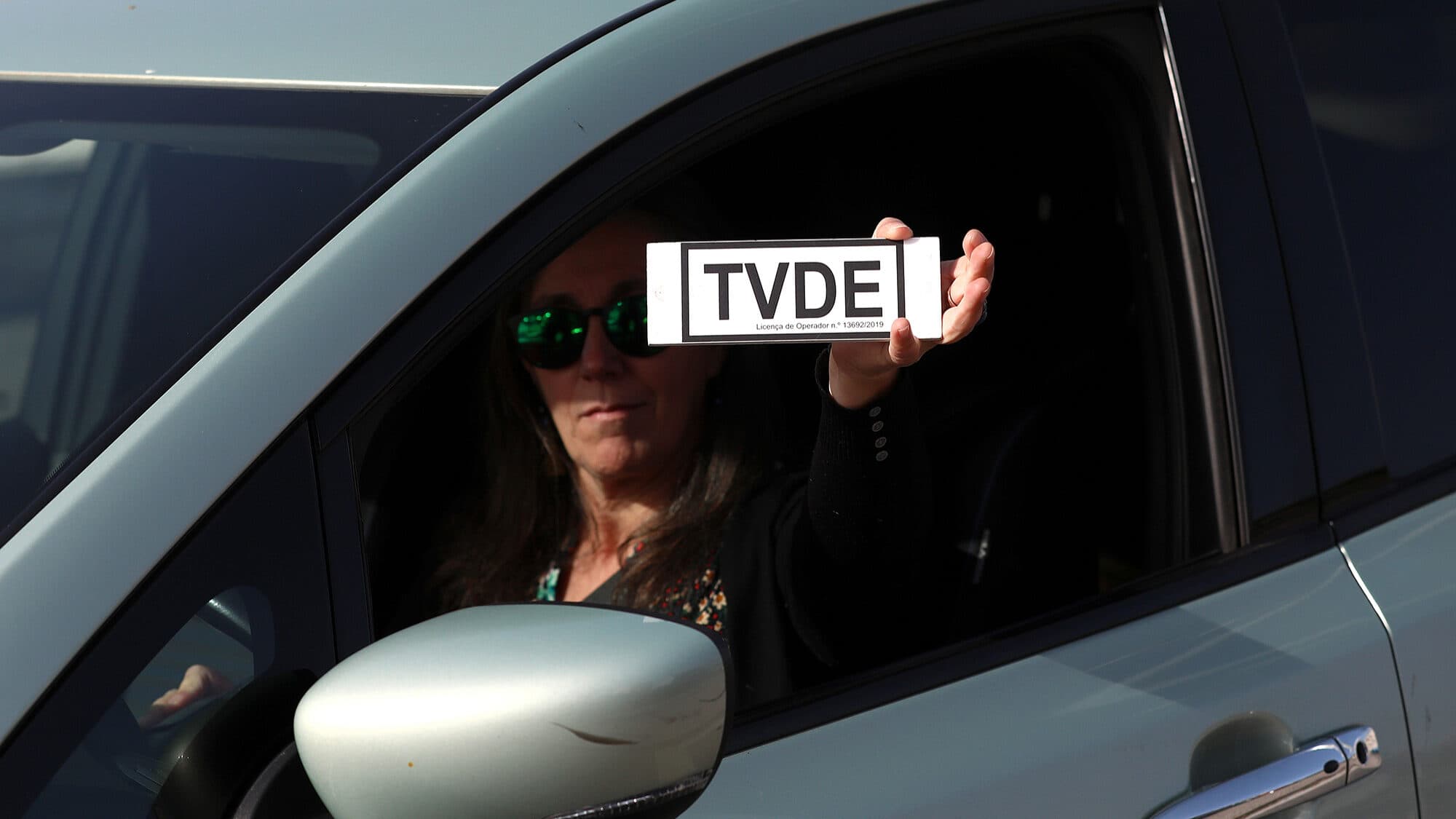
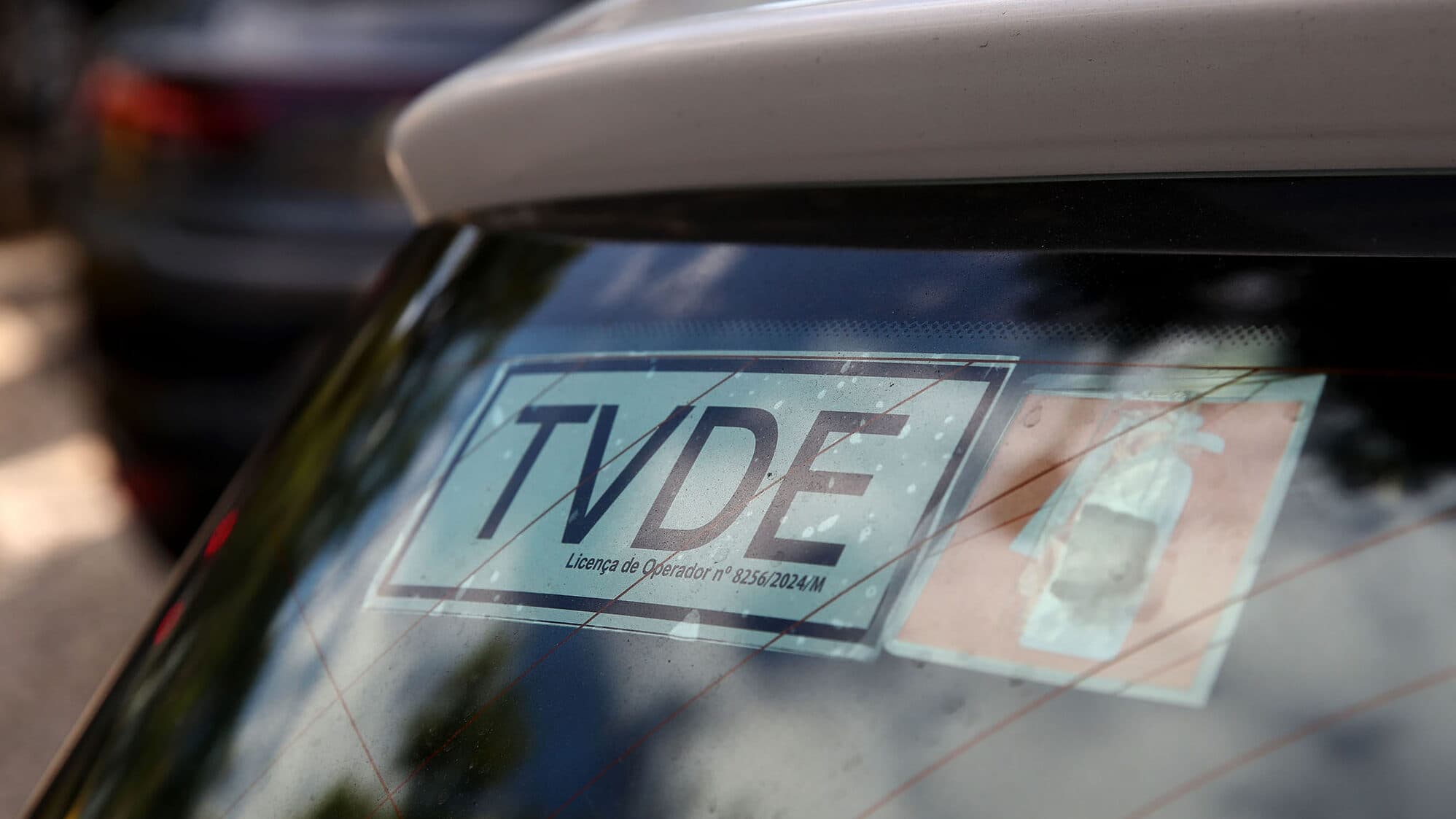
The TVDE drivers' association considers the platforms' stance on the fuel situation caused by the war in the Middle East to be “incomprehensible”.

Latest news and stories about tvde in Portugal for expats and residents.
This page has only 1 story and is not indexed by search engines.
The TVDE drivers' association considers the platforms' stance on the fuel situation caused by the war in the Middle East to be “incomprehensible”.

The Portuguese Association of Unmarked Vehicle Transport Operators (APTAD) has accused Uber and Bolt of refusing to adjust fares despite an abrupt rise in fuel costs. APTAD president Ivo Miguel Fernandes stated that the recent 30-cent-per-litre increase in diesel prices is severely impacting drivers and operators. The association argues that the platforms' refusal to adjust prices shows a disconnect from economic reality and a lack of respect for workers. APTAD is calling for structural changes, including a minimum occupancy rate for platforms to prevent market saturation. Bolt has acknowledged the drivers' concerns and is evaluating measures to mitigate the impact, while Uber has yet to respond.


In addition to the PSD proposal, those from CDS-PP and Madeira were also approved this Friday, moving on to analysis by the parliamentary committee on Infrastructure, Mobility and Housing.

PSD proposes around 20 structural changes, impacting drivers, operators, platforms, users, and even taxis.

The revision of the law regulating the activity of individual and paid passenger transport in unmarked vehicles (TVDE) is one step closer to being implemented. Proposals from various parties were voted on this Friday in Parliament, and the bills from the PSD and CDS-PP were approved, now moving to the Infrastructure Committee.

The ride-hailing sector law has been in force since 2018 and may now undergo a structural review, ranging from the language of drivers to the entry of taxis into the sector.

“Do you want to be a TVDE driver? Very well. Learn to speak Portuguese.” These words were spoken in this Thursday's plenary session by MP Paulo Núncio of the CDS-PP, the party that proposed that the training currently required for those driving for digital platforms should include proficiency in Portuguese. Chega also presented a similar proposal.

Should a user be able to choose to be driven by a driver who speaks Portuguese? And, during times of peak demand, should the fare be capped or have no limit at all? These are two of the points addressed by the proposals to revise the law regulating the activity of individual and paid passenger transport in unmarked vehicles.

A man was driving around the streets of Lisbon, particularly in Bairro Alto and Cais do Sodré, posing as a TVDE driver.

The PSD parliamentary group has tabled a bill to amend TVDE rules so that taxis can operate under TVDE, caps on dynamic fares would be removed, vehicles such as tricycles and quadricycles could be used, and passengers could be subject to ratings. The proposal would further blur the regulatory distinction between traditional taxis and app-based ride-hailing, increase fare volatility through unconstrained dynamic pricing, and broaden the fleet types competing on platforms. Key implications include questions over safety, insurance and enforcement for non‑standard vehicles, the effects of passenger ratings on access and fairness, and the need for regulatory safeguards to protect drivers and consumers.

At a time when the TVDE (ride-hailing) industry is facing difficulties and holding protests, it's worth remembering what it represents beyond mere savings.

Chega MP Francisco Gomes said there are MPs from one party requesting €20,000 from a TVDE association to teach how to circumvent legislation, but he did not identify them.

Francisco Gomes accused other MPs, without naming them, of requesting payments to an association in the TVDE sector (ride-hailing/private hire vehicles).

The case concerns statements by Chega MP Francisco Gomes, who accused other MPs—without identifying them—of soliciting payments from an association in the TVDE (ride-hailing) sector.

The President of the Assembly of the Republic has asked the Transparency Committee to open an inquiry following statements by Chega MP Francisco Gomes, who accused other MPs — without naming them — of soliciting payments from an association in the TVDE (ride‑hailing) sector.
The President of the Assembly of the Republic asked the Transparency Committee to open an inquiry after statements by Chega MP Francisco Gomes, who accused other MPs, without naming them, of soliciting payments for an association in the TVDE sector. In this order, dated Wednesday, to which Lusa had access, José Pedro Aguiar‑Branco asks the Parliamentary Committee ...

The Somos TVDE movement will meet drivers on Saturday to assess the protest that took place during the week at peak hours. Bolt says it has not recorded any significant changes.

In parliament, Paulo Pereira argued that the current 850 TVDE vehicles are causing 'economic suffocation' for taxi drivers and called for a change to the law to give the islands the autonomy to regulate the sector.

A driver pursued a 30-year-old passenger near her home after a night-time trip from Rossio on 21 September. The Forensic Science (Scientific Police) Laboratory played a decisive role in identifying the suspect.

Bolt says the suspension of TVDE (ride-hailing) licences in Madeira is temporary and expects the issue to be resolved soon following discussions with authorities.

December saw 789 professionals leave, 465 of whom were foreign. The drivers begin this Monday a week-long action during which they will switch off their apps.

The protest will take place from Monday until 24 January, between 07:00 and 10:00. TVDE drivers (individual paid passenger transport in unmarked vehicles booked via an electronic platform) will go offline on Uber on Monday, Wednesday and Friday, and on Bolt on Tuesday, Thursday and Saturday.

Between 19 and 24 January drivers will take turns switching off their apps during the morning peak demand period. Platforms have been acting like 'the employer of the entire sector', says an organiser.