

9 March 2026 – 15 March 2026
Portugal This Week
The week's top news from Portugal.
José Luís Carneiro re-elected Socialist Party leader with 96.9% vote
José Luís Carneiro has been re-elected as leader of the Socialist Party (Partido Socialista or PS) after running as the sole candidate in the party's direct elections. He secured over 20,000 votes and stated that the result qualifies him to be a future candidate for Prime Minister. Residents should note that Carneiro identified supporting youth who are neither working nor studying as a top priority for his new mandate.

Socialist Party (PS)
- Leader: José Luís Carneiro (since June 2025)
- Ideology: Center-left, Social democracy, pro-Europeanism
Portugal's other traditional major party suffered a historic collapse in the 2025 election, dropping from 78 to 58 seats and falling to third place for the first time in democratic history. The party was led by Pedro Nuno Santos from January 2024 until his resignation following the May 2025 defeat. José Luís Carneiro, a 53-year-old former Minister of Internal Administration known for his moderate positioning within the party, was elected unopposed as the new Secretary-General with 95% of votes in June 2025. The Socialist Party governed Portugal from 2015 to 2024, including an absolute majority from 2022 to 2024 under António Costa, who resigned in November 2023 amid a corruption investigation. The PS previously led the innovative "Geringonça" (contraption) coalition government from 2015-2019, a minority government supported by the Left Bloc and Portuguese Communist Party that reversed austerity measures and presided over economic recovery.

Left-wing parties demand price caps on fuel and essential goods
The Portuguese Communist Party (Partido Comunista Português or PCP) and the Left Bloc (Bloco de Esquerda or BE) are calling for government regulation and price fixing for fuel and food. Leaders Paulo Raimundo and José Manuel Pureza criticized the “obscene profits” of large companies during a protest in Lisbon, citing speculation linked to Middle East tensions. Consumers should note that these parties are also pushing for an extraordinary tax on large corporate profits.
José Manuel Pureza is the national coordinator of the Left Bloc (Bloco de Esquerda), the party quoted in the story. In the article he is cited criticizing the president’s stance on the labour package, so his comments reflect the party’s public position on that policy.

The Portuguese Communist Party (PCP or Partido Comunista Português) is a Marxist‑Leninist party founded in 1921 out of the revolutionary trade‑union and anarcho‑syndicalist movement, becoming the Portuguese section of the Comintern in 1923. Banned after the 1926 coup, it went underground and became a central force of resistance to the Estado Novo dictatorship, organizing clandestine unions, anti‑fascist struggle and supporting the colonial liberation movements. After the 1974 Carnation Revolution, the PCP was pivotal in land reform, nationalisations and embedding social rights in the 1976 Constitution, especially in the Alentejo and Setúbal regions where it has long been very strong.
Today the PCP is a smaller but still influential party rooted in the CGTP trade‑union confederation and local government, holding a handful of Assembly seats and one MEP in the Left group. It advocates a “patriotic and left‑wing alternative”: defence of workers’ rights, public services and national sovereignty, strong criticism of EU and NATO constraints, and support for socialist countries and anti‑imperialist causes.
Garage fire in Setúbal leaves 30 residents displaced
A fire in an apartment building garage in Setúbal has left 30 residents displaced (desalojados) after the structure lost electricity and water services. The blaze destroyed one vehicle and damaged three others, with the resulting smoke causing significant damage to the building's infrastructure. Setúbal residents should note that the Judicial Police (Polícia Judiciária) are currently investigating the cause of the fire to determine if it was intentional.

Anti-racism group condemns Chega's presence at student education fair
The SOS Racismo movement has condemned the Chega party for displaying “anti-immigration propaganda” at the Futurália education fair in Lisbon. The party's stand, visited by leader André Ventura, featured posters comparing Portugal to Bangladesh and referencing the “Great Replacement” theory. Those attending the fair should note that the movement has called on the Ministry of Education to clarify the rules for political participation in events aimed at young people.

Chega ("Enough") is a Portuguese far-right populist party founded in 2019 by André Ventura. It positions itself as an anti-establishment movement against what it calls a "rotten and corrupt system" of PS-PSD dominance. The party surged from 1.3% in 2019 to 22.8% in May 2025, becoming parliament's second-largest force with 60 seats. Chega's core platform emphasizes strict immigration control—ending automatic CPLP residency, deporting non-independent immigrants, implementing job-market quotas, and requiring five-year social security contributions before benefit access. It advocates radical constitutional reform, including reducing parliament to 100 members, abolishing the prime minister position for a presidential system, and dismantling public healthcare. Law-and-order policies include life imprisonment and chemical castration proposals.
The party is defined by inflammatory anti-Romani rhetoric, with Ventura convicted multiple times for discrimination. Chega maintains international alignments with European far-right figures including Marine Le Pen, Santiago Abascal, and Matteo Salvini. Mainstream Portuguese parties, including Prime Minister Luís Montenegro's government, have imposed a cordon sanitaire, refusing coalition with Chega despite its parliamentary strength.

André Ventura, born January 15, 1983, is a lawyer, academic, and Portugal's most prominent far-right leader. He founded Chega ("Enough") in 2019 after his PSD mayoral campaign attacked the Romani community. Chega surged from 1.3% in 2019 to 22.8% in May 2025, becoming parliament's second-largest party and making Ventura Leader of the Opposition.
His platform emphasizes immigration restrictions, law-and-order policies, constitutional reform, and contains inflammatory anti-Romani rhetoric that has triggered multiple discrimination convictions and investigations. Politically classified as far-right by international media, Ventura cultivates alliances with European far-right figures including Marine Le Pen and Santiago Abascal.
He announced his 2026 presidential candidacy, polling at 18% alongside independent Admiral Gouveia e Melo. His rise ended Portugal's 50-year resistance to far-right parties.
Ministry investigates pornographic influencers visiting 79 Portuguese schools
The Ministry of Education is investigating reports that nearly 80 schools were visited by digital influencers linked to adult content during student association campaigns over the last two years. The investigation follows media reports revealing weaknesses in school management bodies that allowed these individuals to participate in student activities. Parents should be aware that the government has announced new guidelines to prohibit any school activities that contradict educational values.

President António José Seguro calls for stability in inauguration speech
The new President of the Republic (Presidente da República) António José Seguro emphasized the need for political stability during his inauguration, though he noted it must serve to improve living conditions. The government expects the new president to help mediate upcoming negotiations regarding labor policies between Prime Minister Luís Montenegro and opposition parties. Residents should note that the president's speech focused on the transitoriness of power and the importance of democratic institutions.

- The President of Portugal (From March 9 2026)
- Party: Independent. Former leader of Socialist Party (PS) Partido Socialista
- Center left
Background:
António José Martins Seguro (born March 11, 1962, in Penamacor) is a lawyer, political scientist, and Socialist Party politician running for president in Portugal's January 18, 2026 election. He led Socialist Youth (1990-1994), served as MEP (1999-2001), was Minister Adjunct to PM António Guterres (2001-2002), and led the PS parliamentary group (2004-2005). Elected PS Secretary-General in 2011 with 68%, he led the opposition during Portugal's bailout era. In 2014, António Costa defeated him in party primaries by a landslide, prompting Seguro's resignation and decade-long retreat from politics. He returned in 2025, launching the movement UPortugal and announcing his presidential candidacy in June. He received official PS backing in October 2025. Political Philosophy:
Seguro positions himself as representing a "modern and moderate" left, offering a progressive alternative to conservative candidates. He advocates for "financial responsibility but critical of austerity," attempting to reposition the PS at center-left. His campaign emphasizes institutional trust, efficient governance, and hope for a better future.

- Prime Minister, Portugal: 2024 - Present
- Party: Social Democratic Party (PSD)
Luís Filipe Montenegro Cardoso de Morais Esteves (born February 16, 1973, in Porto) is a Portuguese lawyer and center‑right politician who has served as Prime Minister of Portugal since April 2, 2024. A long‑time member of the Social Democratic Party (PSD), he is the leading figure of the post‑Troika generation of Portuguese conservatives. Montenegro was elected to the Assembly of the Republic in 2002 for the Aveiro district and remained an MP for 16 years, becoming PSD parliamentary leader from 2011 to 2017 during the bailout and austerity period under Prime Minister Pedro Passos Coelho. He was a prominent defender of strict austerity measures, arguing in 2014 that “the life of the people is no better, but the life of the country is a lot better,” a phrase that has followed his public image since. After an unsuccessful leadership bid against Rui Rio in 2020, Montenegro won the PSD leadership in 2022. He then forged the centre‑right Democratic Alliance (PSD–CDS‑PP and allies), which won a plurality of seats in the 2024 legislative election. Refusing to partner with the far‑right Chega, which he has called “often xenophobic, racist, populist and excessively demagogic,” he formed a minority government as head of the XXIV Constitutional Government on April 2, 2024. His first government fell in March 2025 after a no‑confidence vote linked to a conflict‑of‑interest affair, but fresh elections saw the Democratic Alliance increase its seat share, allowing Montenegro to return as prime minister leading the XXV Constitutional Government. His importance to Portugal lies in attempting to re‑center the traditional centre‑right after the crisis years, defending liberal‑conservative economics and EU alignment while drawing a sharp line against formal cooperation with the radical right, thus shaping how Portuguese democracy manages its new multi‑party era.
Health authority evaluates funding for new brain cancer drug
The National Authority for Medicines and Health Products (Infarmed) is evaluating whether the state will pay for a new brain cancer drug called Voranigo. The evaluation follows a rejected special authorization request for a 35-year-old patient, though the agency is now considering a more general approval for use in public hospitals. Patients and families should note that the drug targets specific gliomas and has already been approved for use in other jurisdictions.
Government proposes faster evictions to address housing crisis
The government has proposed new measures to speed up evictions (despejos) for tenants who fail to pay rent, arguing that increasing owner confidence will help the rental market. Critics of the plan argue it repeats failed approaches from the 2012 “Cristas Law” (Lei Cristas) and fails to protect vulnerable residents. Tenants should note that the proposal was discussed in a recent Council of Ministers (Conselho de Ministros) meeting as part of a broader housing package.

Mortgage repayments to rise for contracts reviewed in April
Homeowners with a mortgage (crédito habitação) that is due for review in April will see an increase in their monthly bank repayments. While the impact on very recent contracts may be limited, those with older variable-rate agreements face higher costs due to interest rate trends. Mortgage-holders should note that many younger borrowers are increasingly opting for mixed interest rates (taxas mistas) to ensure more predictable monthly costs.

Government and unions open to resuming stalled labour negotiations
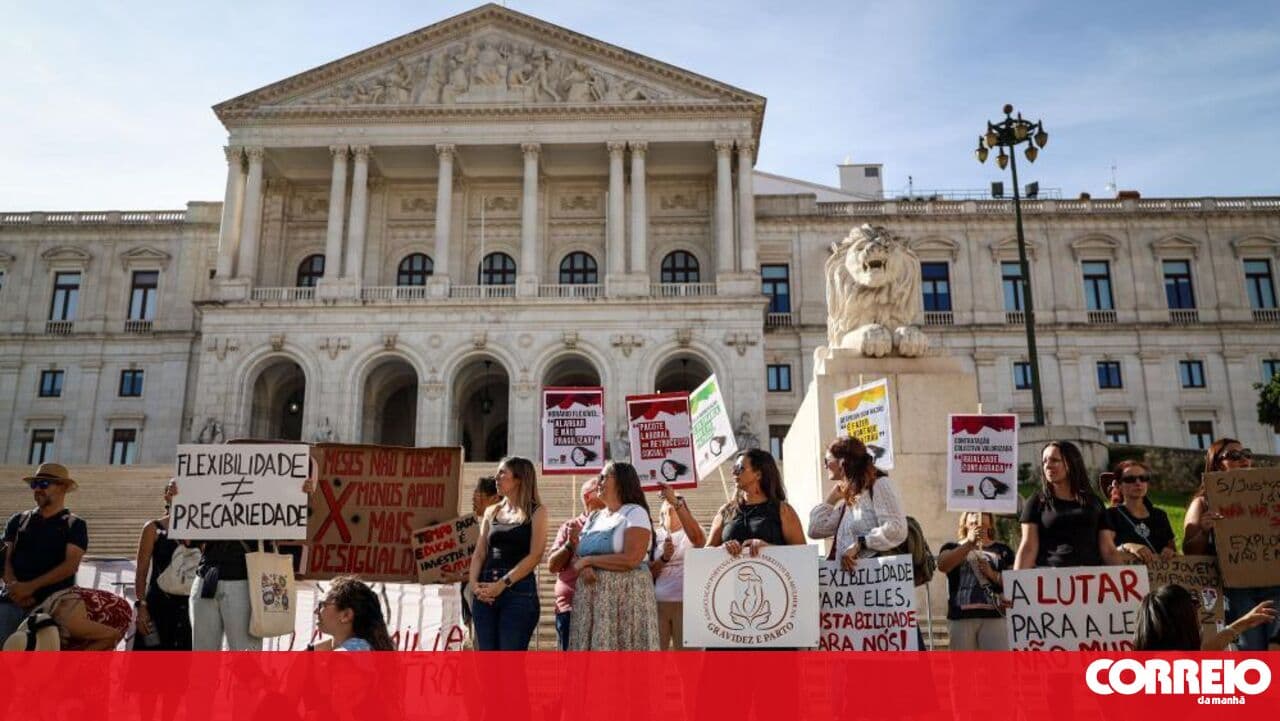
President António José Seguro and Parliament President José Pedro Aguiar-Branco have urged the government and social partners to resume negotiations on the new labour law (legislação laboral). While employer confederations recently stated conditions for an agreement were lacking, the government and some unions have expressed openness to further talks. The proposed reforms, known as the Trabalho XXI draft bill, have faced significant hurdles over issues like outsourcing and the right to disconnect. Workers should note that Socialist Party (Partido Socialista) leader José Luís Carneiro has criticized the current proposals as a “choice for inhumanity.”
Update: Business groups and UGT agree to resume labour talks
President Seguro has successfully revived negotiations after business confederations previously declared them over. The Confederation of Tourism (Confederação do Turismo de Portugal or CTP) and the Confederation of Commerce and Services (Confederação do Comércio e Serviços de Portugal or CCP) confirmed their availability to return to the table. The General Union of Workers (União Geral de Trabalhadores or UGT) also clarified it never intended to leave the discussions.
Socialist Party (PS)
- Leader: José Luís Carneiro (since June 2025)
- Ideology: Center-left, Social democracy, pro-Europeanism
Portugal's other traditional major party suffered a historic collapse in the 2025 election, dropping from 78 to 58 seats and falling to third place for the first time in democratic history. The party was led by Pedro Nuno Santos from January 2024 until his resignation following the May 2025 defeat. José Luís Carneiro, a 53-year-old former Minister of Internal Administration known for his moderate positioning within the party, was elected unopposed as the new Secretary-General with 95% of votes in June 2025. The Socialist Party governed Portugal from 2015 to 2024, including an absolute majority from 2022 to 2024 under António Costa, who resigned in November 2023 amid a corruption investigation. The PS previously led the innovative "Geringonça" (contraption) coalition government from 2015-2019, a minority government supported by the Left Bloc and Portuguese Communist Party that reversed austerity measures and presided over economic recovery.
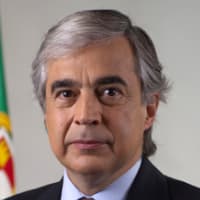
José Pedro Aguiar‑Branco is the President of the Assembly of the Republic, who in this story requested that the Committee on Constitutional Affairs examine the constitutional conformity of government measures in a proposed bill. He is using his parliamentary role to trigger a formal review of changes affecting confession rules and the rights of the defence.

The General Union of Workers (UGT – União Geral de Trabalhadores) is one of Portugal’s two main national trade union confederations. Founded in Lisbon on 28 October 1978, it was created as a social‑democratic alternative to the more communist‑aligned CGTP after the 1974 Revolution, grouping unions close to the Socialist Party and moderate centre‑right currents.
UGT represents around 400,000 workers and is affiliated to the European Trade Union Confederation and International Trade Union Confederation, giving Portuguese labour a voice at EU and global level. Its principles stress union independence from the state, employers, churches and parties, internal democracy and active worker participation.
Historically, UGT’s hallmark has been “propositive” social dialogue: it is usually more willing than CGTP to sign tripartite agreements on wages, labour law and social policy with governments and employers, shaping minimum wage increases, working‑time rules and social protection reforms. This makes UGT a key centrist actor in Portugal’s industrial relations, often mediating between left and right while defending collective bargaining and incremental improvements to labour rights.
Carneiro re-elected leader of the PS with 96.9% of the votes
PS members re-elected José Luís Carneiro as secretary-general. The socialist leader said he expected support above 95%.
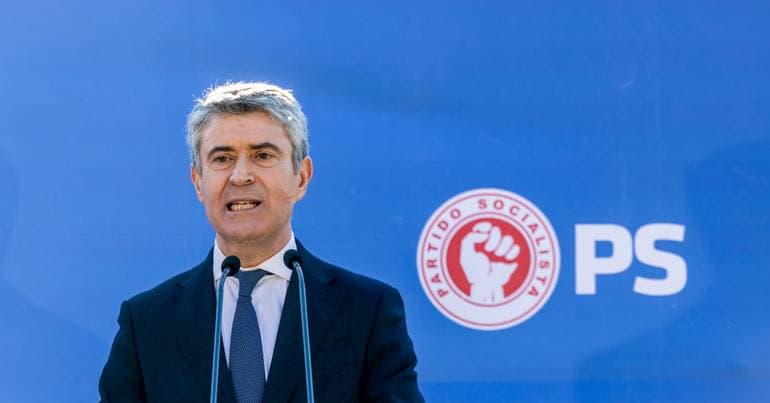
Confederations available to return to labour law negotiations, UGT says it never left
The last meeting ended without an agreement and with mutual accusations of intransigence.
Update: Government schedules fresh labour law talks for Monday
Minister of Labour Rosário Palma Ramalho has summoned the General Confederation of Portuguese Workers (União Geral de Trabalhadores or UGT) and business leaders to a meeting on Monday, March 16. The government aims to exhaust all possibilities for an agreement rather than prolonging the discussion indefinitely.
Rosário Palma Ramalho is Portugal’s Minister of Labour, responsible for labour policy, workplace regulation and negotiations with trade unions. Her statements today about the CGTP withdrawing from labour reform talks matter because they affect negotiation dynamics and can influence strikes or demonstrations that may disrupt public services and workplaces.
The General Union of Workers (UGT – União Geral de Trabalhadores) is one of Portugal’s two main national trade union confederations. Founded in Lisbon on 28 October 1978, it was created as a social‑democratic alternative to the more communist‑aligned CGTP after the 1974 Revolution, grouping unions close to the Socialist Party and moderate centre‑right currents.
UGT represents around 400,000 workers and is affiliated to the European Trade Union Confederation and International Trade Union Confederation, giving Portuguese labour a voice at EU and global level. Its principles stress union independence from the state, employers, churches and parties, internal democracy and active worker participation.
Historically, UGT’s hallmark has been “propositive” social dialogue: it is usually more willing than CGTP to sign tripartite agreements on wages, labour law and social policy with governments and employers, shaping minimum wage increases, working‑time rules and social protection reforms. This makes UGT a key centrist actor in Portugal’s industrial relations, often mediating between left and right while defending collective bargaining and incremental improvements to labour rights.
Seguro enters, Marcelo leaves: the first day of the new tenant of the Belém Palace
António José Seguro was sworn in this Monday as President of the Republic, replacing Marcelo Rebelo de Sousa at the Belém Palace. To close the day, the head of state decorated his predecessor.
