23 February 2026 – 1 March 2026
Protests, floods and rising costs shake Portugal as EU trade and Iran tensions loom
Thousands marched in Lisbon and Porto against labour reforms as mortgage resets pushed repayments higher and universities scrambled to adapt exams to growing AI use. Heavy rain returned, triggering flood warnings and exceptional rainfall that strained dams, while hospitals from Leiria to Alentejo Litoral warned of dehumanised, overstretched care. Abroad, the EU‑Mercosur deal signalled new trade openings with Brazil as US‑Israel strikes on Iran raised regional tensions and prompted EU calls for restraint.
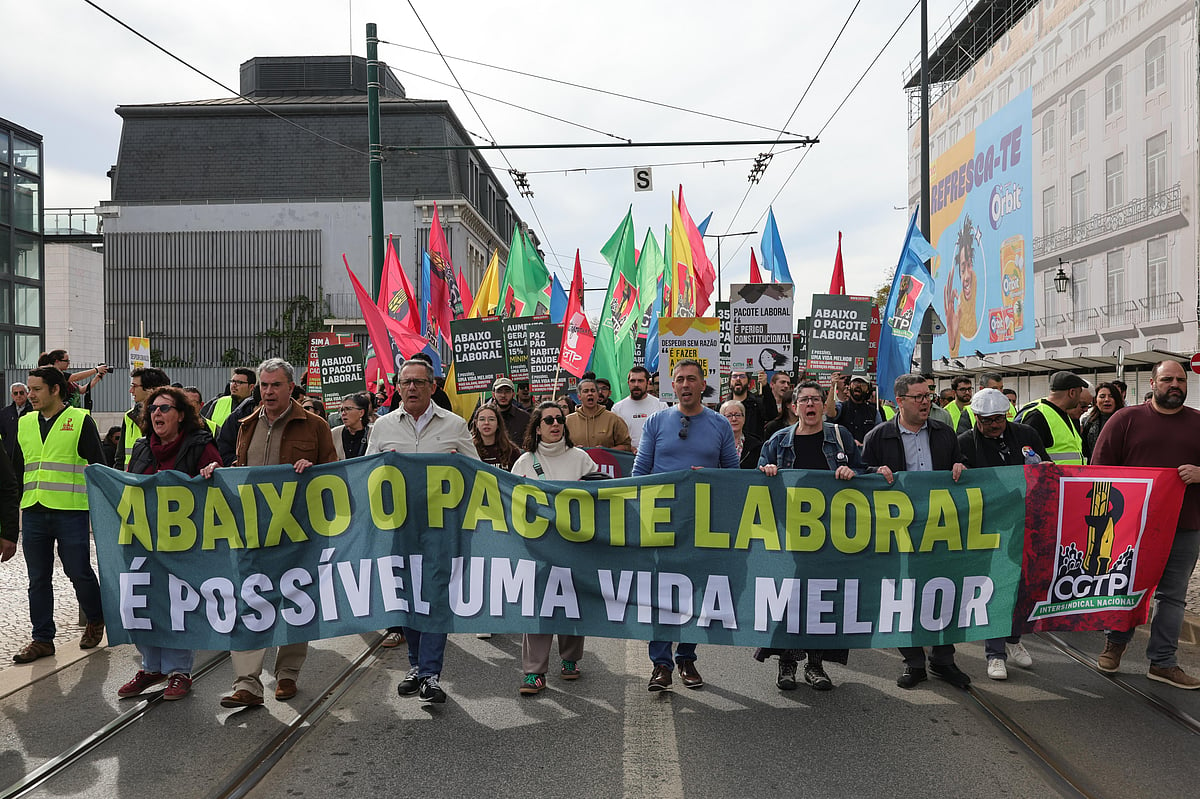
Thousands protest in Lisbon and Porto against labour package
Thousands of people marched in Lisbon and Porto on Saturday in protests called by the CGTP trade union against the government’s labour package, known as Trabalho XXI. Demonstrators filled routes in central Lisbon (Cais do Sodré to Rossio), chanted for immediate withdrawal of the proposal and warned the bill could be defeated if pressure continues. The rallies directly target Prime Minister Luís Montenegro’s government and increase the political risk around the bill’s passage. Workers, commuters and anyone with plans in central Lisbon or Porto should expect local disruption and watch union bulletins.
An Trabalho XXI (labour package) is the name given to a set of proposed changes to Portugal's labour laws put forward by Prime Minister Luís Montenegro's government. Thousands of people, organised by the CGTP union, marched in Lisbon and Porto calling for its withdrawal because they say it would reduce workers' protections; workers and residents should follow the debate since any approved changes could affect contracts, collective bargaining and workplace rules.

- Prime Minister, Portugal: 2024 - Present
- Party: Social Democratic Party (PSD)
Luís Filipe Montenegro Cardoso de Morais Esteves (born February 16, 1973, in Porto) is a Portuguese lawyer and center‑right politician who has served as Prime Minister of Portugal since April 2, 2024. A long‑time member of the Social Democratic Party (PSD), he is the leading figure of the post‑Troika generation of Portuguese conservatives. Montenegro was elected to the Assembly of the Republic in 2002 for the Aveiro district and remained an MP for 16 years, becoming PSD parliamentary leader from 2011 to 2017 during the bailout and austerity period under Prime Minister Pedro Passos Coelho. He was a prominent defender of strict austerity measures, arguing in 2014 that “the life of the people is no better, but the life of the country is a lot better,” a phrase that has followed his public image since. After an unsuccessful leadership bid against Rui Rio in 2020, Montenegro won the PSD leadership in 2022. He then forged the centre‑right Democratic Alliance (PSD–CDS‑PP and allies), which won a plurality of seats in the 2024 legislative election. Refusing to partner with the far‑right Chega, which he has called “often xenophobic, racist, populist and excessively demagogic,” he formed a minority government as head of the XXIV Constitutional Government on April 2, 2024. His first government fell in March 2025 after a no‑confidence vote linked to a conflict‑of‑interest affair, but fresh elections saw the Democratic Alliance increase its seat share, allowing Montenegro to return as prime minister leading the XXV Constitutional Government. His importance to Portugal lies in attempting to re‑center the traditional centre‑right after the crisis years, defending liberal‑conservative economics and EU alignment while drawing a sharp line against formal cooperation with the radical right, thus shaping how Portuguese democracy manages its new multi‑party era.

The General Confederation of the Portuguese Workers (CGTP – Confederação Geral dos Trabalhadores Portugueses) is Portugal’s largest trade-union confederation, grouping most unions in manufacturing, public services and many other sectors.
Founded clandestinely in 1970 as “Intersindical” under the dictatorship, it emerged publicly after the 1974 Carnation Revolution and was legalised in 1975. It has been central to virtually all major labour struggles since then, from defending collective bargaining and the 40‑hour week to leading general strikes against austerity and labour‑law rollbacks.
CGTP is historically close to the Portuguese Communist Party and has a class‑struggle, anti‑neoliberal profile, strongly critical of EU and government policies seen as undermining workers’ rights. It favours grassroots mobilisation and strikes over compromise, often refusing national social‑pact deals that the more centrist UGT is willing to sign.
In today’s Portugal, CGTP remains a key actor in wage bargaining, labour‑law debates and national protests; together with UGT it called the first joint general strike in years in December 2025, signalling its continuing capacity to organise mass action.
Leiria hospital still strained a month later
One month after storm Kristin, Leiria hospital is still feeling the effects: in the first six hours after the storm 177 polytrauma patients arrived at the emergency department, staff worked without communications, roads remained blocked and many people reached the hospital in their own cars. Medical teams say the surge and infrastructure problems have left services stretched and recovery of normal operations is ongoing. Those relying on emergency care in the Leiria district should expect delays and follow local health unit notices.
Polytrauma means a person has multiple serious injuries to different body parts or organ systems at the same time, commonly from car crashes, falls or disasters. It requires rapid, coordinated emergency care and triage; the 177 polytrauma patients who arrived in the first six hours after storm Kristin show how quickly hospital emergency services can be overwhelmed.
Leiria hospital (Hospital de Leiria) is the main public hospital serving the Leiria district and offers emergency, surgical and inpatient care as part of Portugal's National Health Service (Serviço Nacional de Saúde or SNS). In the storm response it treated many severe cases, illustrating the role regional hospitals play in local emergencies.
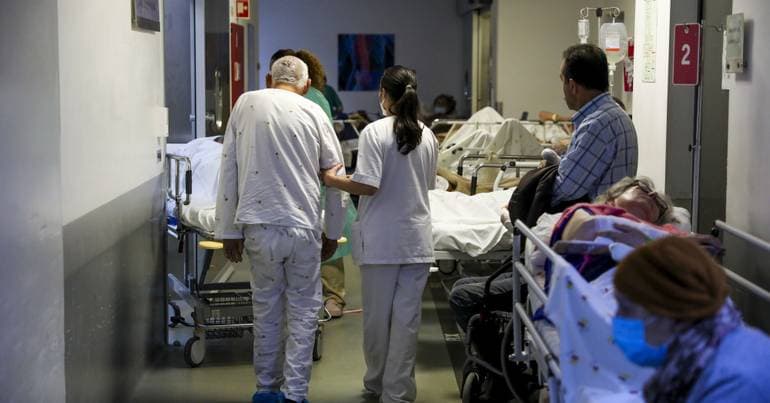
Alentejo Litoral warns of dehumanised healthcare
Local leaders in the Alentejo Litoral region, led by Vítor Proença of CIMAL (Comunidade Intermunicipal do Alentejo Litoral), have raised concerns about the 'dehumanisation' of services at the Hospital do Litoral Alentejano, citing reports of inadequate care for elderly and vulnerable patients. A meeting of municipalities and social institutions sought solutions and pledged coordinated action to improve care standards. Residents in the Alentejo Litoral should watch for local measures and any service reorganisations announced by municipal authorities.
CIMAL is the Intermunicipal Community of the Alentejo Litoral (Comunidade Intermunicipal do Litoral Alentejano), a local government body that coordinates policies and services across the coastal Alentejo municipalities. Its president, Vítor Proença, has raised alarms about declining care standards, and CIMAL can press regional health authorities or bring municipal concerns to national bodies.
The Litoral Alentejano hospital (Hospital do Litoral Alentejano) is the main public hospital serving the Alentejo Litoral area and provides emergency, inpatient and surgical care under the National Health Service (SNS). Local complaints about staffing and the quality of care have made this hospital a focal point in recent discussions about regional health services.

Passos calls for new immigration model, doubts return
Former prime minister Pedro Passos Coelho argued that opening the doors to immigration was “a big mistake” and called for a new model to manage arrivals and integration. Speaking at a Lisbon conference he also said a return to frontline politics was unlikely, while proposing changes to public administration including Social Security and a potential new ministry. The comments have stirred debate inside the PSD and among policymakers, and could shape future immigration and social‑policy discussions.
Pedro Passos Coelho is a Portuguese politician who served as Prime Minister from 2011 to 2015 and led the Social Democratic Party (Partido Social Democrata or PSD). His choice to stay silent during the presidential run-off matters because, as a former PM and centre‑right leader, his endorsements or comments could influence PSD voters ahead of the 8 February vote.
Heavy rain returns; IPMA warns flood risk
The Portuguese Institute for the Sea and the Atmosphere (IPMA) does not rule out new floods this week as rain is forecast to return and persist until Sunday, raising the risk of local flash floods in vulnerable areas. Authorities and local civil protection services may issue alerts if conditions worsen; residents in flood‑prone zones should review evacuation plans and secure property. Those travelling this week should check local warnings and allow extra time for journeys.

IPMA is the Portuguese Institute of the Sea and Atmosphere (Instituto Português do Mar e da Atmosfera), the national agency for weather, marine forecasts and climate monitoring. Residents should watch its forecasts and warnings during storms, heatwaves or cold snaps because IPMA issues official advisories used by services, transport operators and local authorities.
Six‑monthly mortgage resets push repayments up
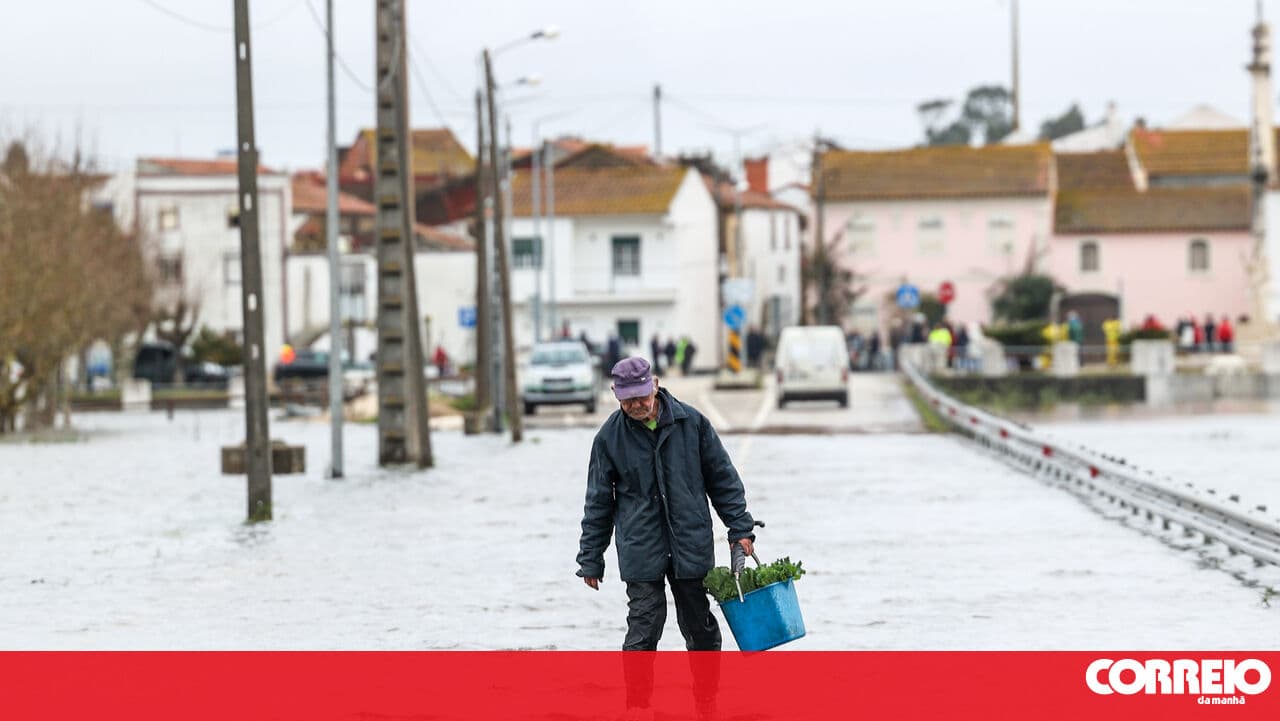
Lenders warn that mortgage repayments that reset every six months will rise as reference rates remain high, meaning many borrowers face bigger instalments when their contracts reprice. The report says mortgages indexed to short‑term rates and updated semi‑annually will be most exposed, prompting some buyers to seek renegotiation or refinancing. Homeowners with variable contracts should check their loan terms and speak with their bank about options.
Mortgage indexation in Portugal normally ties your loan rate to a benchmark (most often Euribor) plus a fixed bank margin, and the contract sets how often the rate is updated (monthly, quarterly, six-monthly, etc.). If your mortgage updates every six months, your monthly payment is recalculated twice a year when the benchmark changes, so borrowers should check the reference rate, the bank margin, and whether the contract changes the payment amount or the loan term.
EU‑Mercosur deal opens trade with Brazil
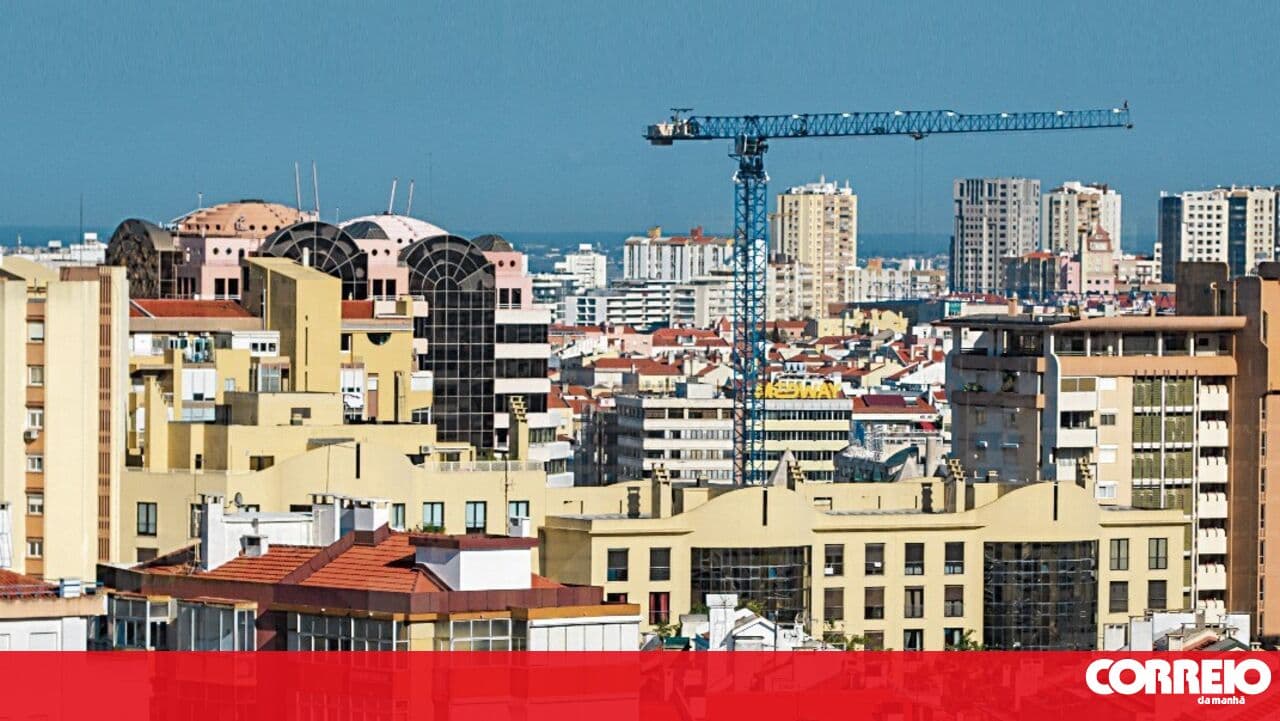
After more than two decades of negotiation the EU‑Mercosur agreement has gained momentum, lowering tariffs and promising new access for European products to South American markets, including Brazil. Analysts say Portuguese exporters could benefit from reduced taxes and expanded supply‑chain options, though implementation details and standards will determine winners and losers. Exporters, importers and businesses tied to agricultural and industrial supply chains should follow how the deal is phased in and any rule‑of‑origin or sanitary requirements announced.

Mercosur is the South American trade bloc (Southern Common Market) whose main founding members are Argentina, Brazil, Paraguay and Uruguay. An EU–Mercosur trade agreement — which the story says may be approved and signed soon — would reduce tariffs and open markets on both sides, affecting agricultural and industrial trade flows and therefore prices and business opportunities relevant to residents and companies in Portugal.
US and Israel strike Iran; EU leaders urge restraint
The United States and Israel launched coordinated strikes on sites in Iran, with officials saying they targeted locations where senior figures were gathered and Iran reporting civilian casualties that remain independently unconfirmed. European leaders reacted with concern: European Council President António Costa and European Commission President Ursula von der Leyen issued a joint call for “maximum restraint,” while France pressed for an urgent UN Security Council meeting. The strikes and diplomatic responses have already unsettled markets and raised travel‑security questions across the region. Those with travel plans or business tied to the Middle East should monitor government travel advice and airline notices.
- President of the European Council (since Dec 2024)
- Former Prime Minister of Portugal (November 2015 – April 2024)
- Party: Socialist Party (PS) Partido Socialista
- He is of Portuguese and Indian (Goan) descent
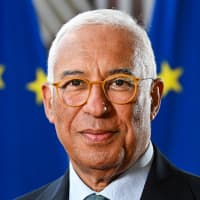
António Luís Santos da Costa (born July 17, 1961, in Lisbon) is a Portuguese lawyer and Socialist politician who served as Prime Minister of Portugal from 2015-2024 and currently serves as President of the European Council since December 1, 2024. After leading the Lisbon Municipal Assembly and practicing law, he was elected MEP (2004-2005) and entered parliament in 2002. He led the Socialist Party from 2014-2024, building unprecedented parliamentary coalitions with the Communist Party and Left Bloc (2015-2019) before winning an absolute majority in 2022. He resigned as PM in November 2023 following a corruption investigation, though subsequently cleared. The 27 EU member states elected him Council President in June 2024, making him the fourth full-time President and the first southern European socialist in that role.
Political Philosophy:
Costa represents moderate European social democracy, combining orthodox fiscal responsibility with progressive social investment. He prioritizes European integration, consensus-building, and pragmatic compromise over ideological confrontation. As Council President, he champions mediation between member states, improved EU inter-institutional relations, shorter decision-making processes, and regular visits to every EU capital to reconnect citizens with European institutions. His approach emphasizes "creative bridges" reconciling divergent interests while maintaining firmness on European values, particularly regarding Ukraine.

Ursula Gertrud von der Leyen (born October 8, 1958, in Brussels, Belgium) is a German physician and politician serving as President of the European Commission since December 1, 2019, becoming the first woman to hold this office. She previously served as Germany's Minister of Defense (2013-2019) and held cabinet positions in family, labour, and social affairs under Chancellor Angela Merkel. Re-elected in July 2024 with 401 votes for a second term until 2029, Forbes named her the world's most powerful woman in 2022, 2023, 2024, and 2025. Relationship with Portugal:
Von der Leyen approved Portugal's Recovery and Resilience Plan in June 2021—the first among 27 EU member states—worth €16.6 billion to "profoundly transform the economy". In a 2025 tribute to Portugal's 40 years in the EU, she declared "Your Fado, your destiny, is right here at the heart of Europe," praising Portugal's renewable energy leadership, infrastructure transformation, and ocean protection. She highlighted Portugal's potential in lithium processing and AI startups while advocating for removing obstacles to economic growth. She also promoted energy interconnections like the Bay of Biscay project linking France-Spain, addressing Iberian energy isolation.
Coimbra records exceptional rainfall; dams overwhelmed
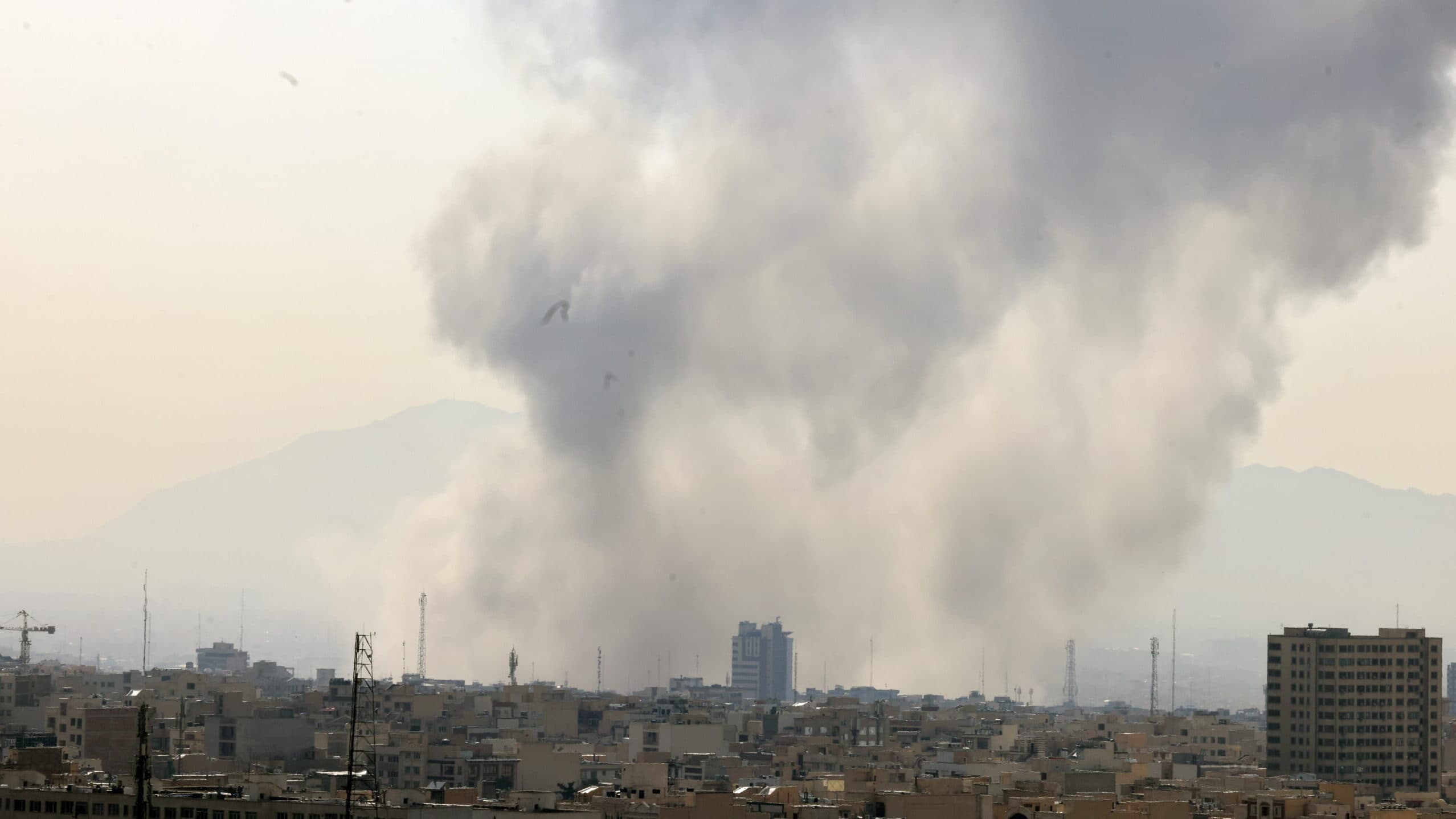
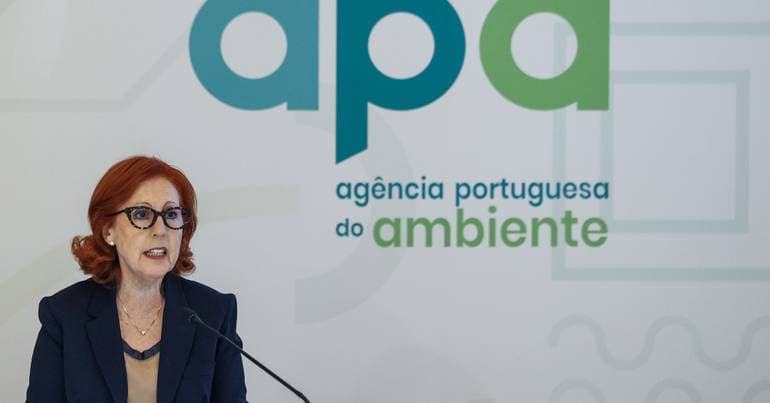
Coimbra recorded a record 1,238 mm of rainfall between October 1, 2025 and February 16, 2026, surpassing the previous 1966 benchmark, the Portuguese Environment Agency (Agência Portuguesa do Ambiente) and IPMA (Instituto Português do Mar e da Atmosfera) said. APA called the situation 'exceptional' after weeks of heavy rain that filled local dams several times and stressed local services. Residents should follow municipal and civil protection warnings about flooding, travel disruption and water management measures. Those living in central Portugal should keep an eye on local alerts and prepare for possible infrastructure impacts.
Update: EU Offers Help After Extreme Rain
The President of the Republic Marcelo Rebelo de Sousa said he spoke, at the Prime Minister's request, with several European leaders in Brussels and found a “very large openness” in the EU to study ways to help Portugal with storm damages. The comment signals possible EU-level assistance discussions but gave no timeline or confirmed funding.
Update: Government Prioritises Clearance of Fallen Trees
The Minister of Economy and Territorial Cohesion, Manuel Castro Almeida, said removing trees downed by severe weather is a government priority ahead of the fire season and that the executive is working on the issue. The measure is aimed at reducing summer fire risk and clearing transport corridors but officials have not published a national timetable.

- Role: Portugal's President (2016–2026)
- Party: Independent (formerly Social Democratic Party, PSD)
Electoral Mandate and Democratic Consensus:
Marcelo Rebelo de Sousa was elected President of Portugal on January 24, 2016, winning 52.0% of the vote in the first round—a decisive victory in a fragmented field. He campaigned as an independent, positioning himself as a unifying figure after years of austerity from Portugal's 2011–14 bailout, promising to repair political divisions and restore national confidence. His campaign emphasized moderation and cross-party consensus, a departure from his decades-long association with the center-right Social Democratic Party (PSD). Upon taking office on March 9, 2016, he suspended his party membership for the duration of his presidency.
His 2021 re-election proved extraordinary: Rebelo de Sousa secured 60.7% of the vote—the third-highest margin in Portuguese presidential electoral history since the 1974 Carnation Revolution. Historically, he became the first candidate ever to win in all 308 municipalities and the vast majority of parishes, ranging from 51.3% in Beja District to 72.16% in Madeira. This unprecedented sweep reflected his broad appeal across social, geographic, and ideological divides.
Constitutional Role and Crisis Leadership:
Portugal operates as a semi-presidential system where the president, while largely ceremonial, exercises meaningful influence over national security, foreign policy, and military affairs as Supreme Commander of the Armed Forces. Rebelo de Sousa leveraged this authority during Portugal's response to the COVID-19 pandemic. In March 2020, he requested parliamentary authorization for a state of emergency—the first nationwide declaration in 46 years of democratic history—to contain the crisis. He voluntarily quarantined after potential COVID-19 exposure in March 2020, and later tested positive in January 2021 while remaining asymptomatic. His measured handling of the pandemic, balancing public health with institutional continuity, contributed to his landslide 2021 re-election.
Diplomatic Engagement and International Presence:
Rebelo de Sousa has conducted extensive state visits representing Portugal's interests across diverse regions: the Vatican, Spain, Mozambique, Morocco, Brazil, Switzerland, Cuba, the United Kingdom, Greece, the United States, and Angola. A notable diplomatic highlight occurred in 2019 when he joined President Emmanuel Macron at the Bastille Day military parade in Paris, representing European military cooperation and the European Intervention Initiative. These engagements positioned Portugal as an active participant in global affairs, particularly regarding colonial history and Atlantic security partnerships.
Colonial Legacy and Historical Accountability:
During his presidency, Rebelo de Sousa has publicly supported making restitution and acknowledging abuses committed during Portugal's colonial history and the country's role in the Atlantic slave trade. This position marked a significant policy shift, as Portugal historically avoided confronting its imperial past compared to other European powers. His stance reflected evolving attitudes within Portuguese society toward historical accountability.
Controversies and Public Criticism:
Rebelo de Sousa's presidency has not been without controversy. In 2023, allegations emerged that he had intervened to expedite treatment for Brazilian twins with Zolgensma, an expensive rare disease medication, raising questions about presidential influence and potential corruption. These claims implicated his son and generated criticism across Portuguese political and media sectors. Additionally, in April 2024, Rebelo de Sousa made controversial remarks comparing the speed of Prime Ministers António Costa and Luís Montenegro using orientalist language that drew public rebuke. In August 2025, he called U.S. President Donald Trump a "Russian asset" at a PSD event, demonstrating his willingness to make provocative foreign policy statements.
Constitutional Constraints and Legacy:
Under Portugal's constitution, Rebelo de Sousa is barred from running for a third consecutive term, meaning his presidency concludes with elections scheduled for January 18, 2026. His decade-long tenure has established him as one of Portugal's most popular recent heads of state, characterized by broad consensus-building and institutional stability. Whether future presidents can replicate his cross-party appeal remains an open question for Portuguese democracy as it enters a new era.
Aviso amarelo (yellow warning) is the second level in Portugal's weather-alert system issued by the Instituto Português do Mar e da Atmosfera (IPMA) to signal potentially dangerous conditions like heavy snow or rough seas. When districts are under aviso amarelo, expect travel disruption and take precautions—drivers, boaters and coastal residents in the affected areas should be especially alert.
APA is the Portuguese Environment Agency (Agência Portuguesa do Ambiente), the national authority that evaluates environmental impacts, enforces environmental law and issues licences or opinions on projects. Its opinions—such as the recent unfavourable view on the Lagoa Salgada mine—carry weight in permitting decisions and can delay or block projects that threaten water or other natural resources.
Manuel Castro Almeida is Portugal's Minister of Economy and Social Cohesion, a role cited in the article. On 17 February in Sobral de Monte Agraço he said over 4,000 companies had requested storm support totaling nearly €1 billion, figures tied to recent severe weather damage.
Universities rethink exams as AI use rises
Portuguese universities are reviewing assessment methods after widespread student use of artificial intelligence tools forced a rethink of traditional exams and essays. Institutions say they will not ban AI wholesale but will change how they test skills, moving toward oral exams, supervised assessments and revised plagiarism checks. Students should expect changes to exam formats and academic integrity rules this year. Anyone studying at a Portuguese university should check course notices and faculty guidance on permitted tools and new assessment dates.

Protests against the government's labour package mark Saturday
Thousands of people demonstrated in Lisbon and Porto against changes to the labour law.

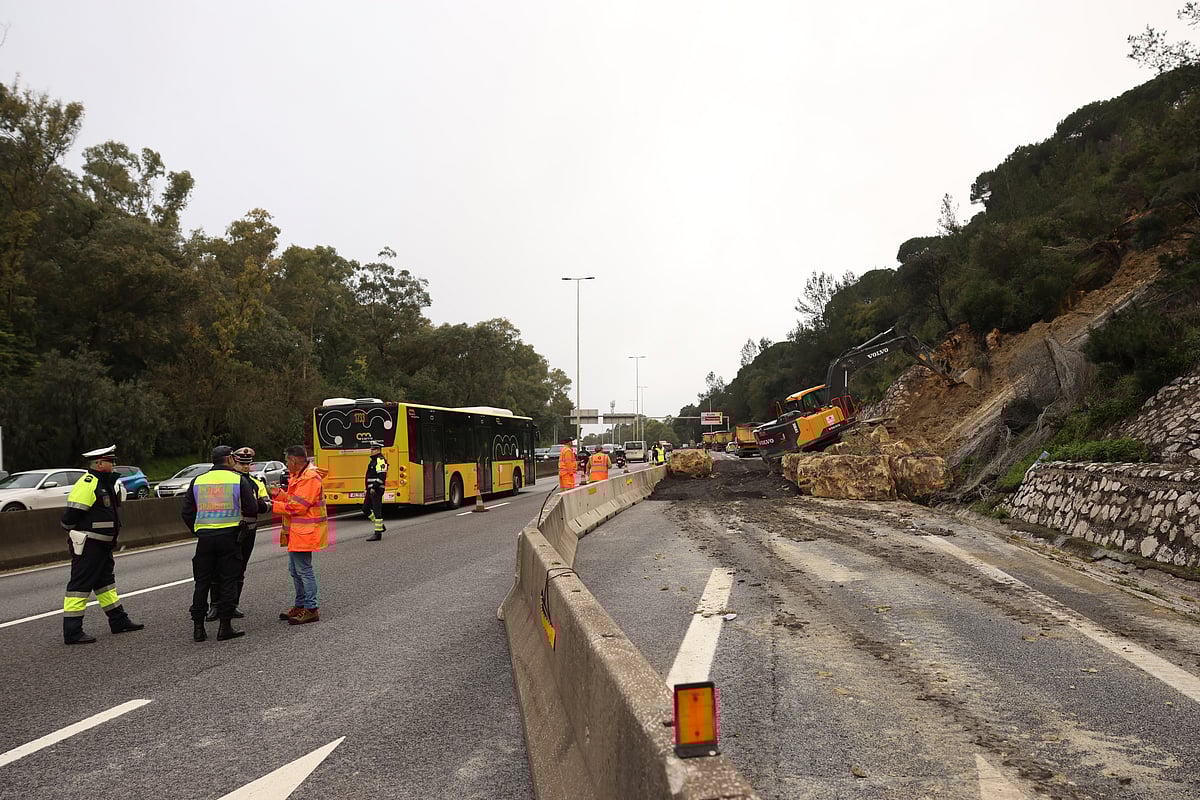
Brisa estimates to find technical solution for landslide on A5 next week
Brisa explained on Wednesday, February 25, in parliament that the landslide on the A5 (Lisbon-Cascais) in the Monsanto area was caused by an 'abnormal' volume of water. The technical analysis to determine the solution is expected to be completed next week. António Pires de Lima, the president of Brisa's executive committee, and Manuel Melo Ramos were heard in the Infrastructure, Mobility and Housing Commission regarding the maintenance of the A1 and A5 motorways following incidents caused by storms in the country. Manuel Melo Ramos noted that the affected slope is large and extends beyond the concession area, covering the Monsanto forest. He stated that drainage systems had functioned well for decades and that there were no signs of instability prior to the recent storms, which caused soil instability and debris to flow onto the road, leading to the preventive closure of three of the four lanes towards Lisbon-Cascais. Traffic has since been progressively restored, with one lane still restricted while monitoring and stabilization work continues. The Brisa administrator explained that a technical analysis is underway and should be completed next week. He could not provide a timeline for the intervention as the definitive solution is still pending. Additionally, Pires de Lima announced that the concessionaire will not seek compensation from the Portuguese state for the landslide on the A1 near Coimbra. The storms have resulted in significant destruction, with 18 fatalities and many injuries and displacements reported, particularly affecting the Centre, Lisbon, and Alentejo regions.
S&P keeps A+ rating, upgrades outlook to positive
Standard & Poor's maintained Portugal's long‑ and short‑term sovereign rating at A+ and changed the outlook from stable to positive, citing economic resilience and falling net public debt. The agency said budget management and solid growth support the revision and that a positive outlook often precedes a future upgrade. Markets and the government may interpret this as validation of recent fiscal trends; investors should monitor finance ministry statements and bond market moves.
S&P, short for Standard & Poor's, is a major US credit-rating agency; on 27 February it kept Portugal's sovereign rating at A+ but changed the outlook from stable to positive. An A+ is investment grade and a positive outlook means S&P sees a greater chance of an upgrade in future, which can lower government borrowing costs and influence bond yields, mortgages and investor confidence in Portugal.