

Paula Rego, the Lisbon-born painter of hard stories, dies at 87
She left Salazar’s Portugal at 16 on her father’s advice and spent most of her life in London, painting the stories of her childhood with the anger of an adult. On the day she died the government decreed a day of national mourning, held on 30 June, the day of her funeral.
At a glance
- Paula Rego died at home in north London on the morning of Wednesday 8 June 2022, aged 87, after a short illness. Portugal held a day of national mourning on 30 June, the day of her funeral in London.
- Born in Lisbon on 26 January 1935, she grew up in Estoril under the Estado Novo dictatorship and left for a finishing school in England in 1951; she studied at the Slade School of Fine Art in London from 1952 to 1956.
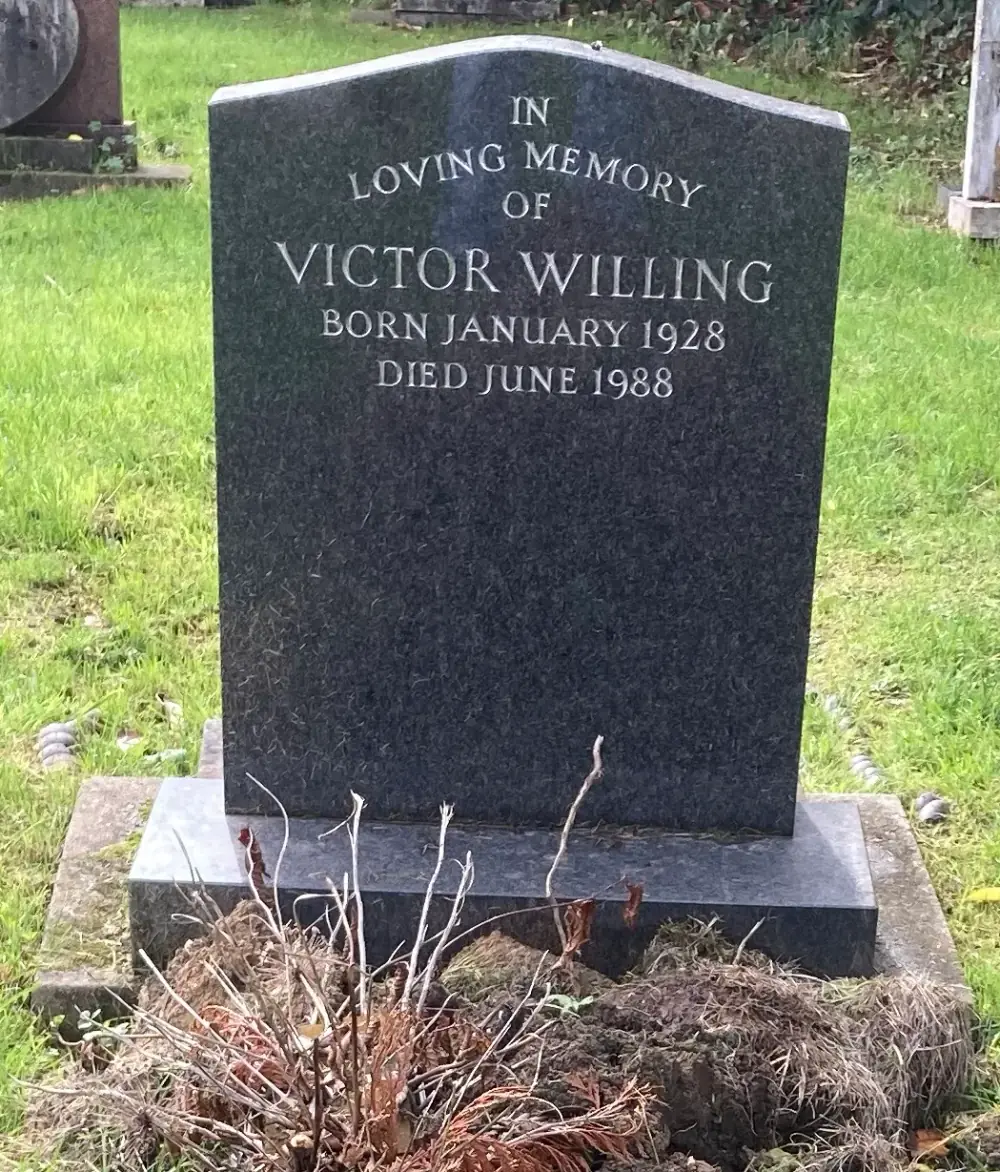
- She married the English painter Victor Willing in 1959. The family lived in Ericeira, then between Portugal and England, and settled for good in London; sources date the move between 1963 and 1976. Willing had multiple sclerosis and died in 1988.
- After Portugal’s first abortion referendum failed in 1998, she made pastels and etchings of women after illegal abortions. The etchings appeared in Portuguese newspapers before the second vote, in 2007, and critics and curators credit the series with helping to shift opinion.
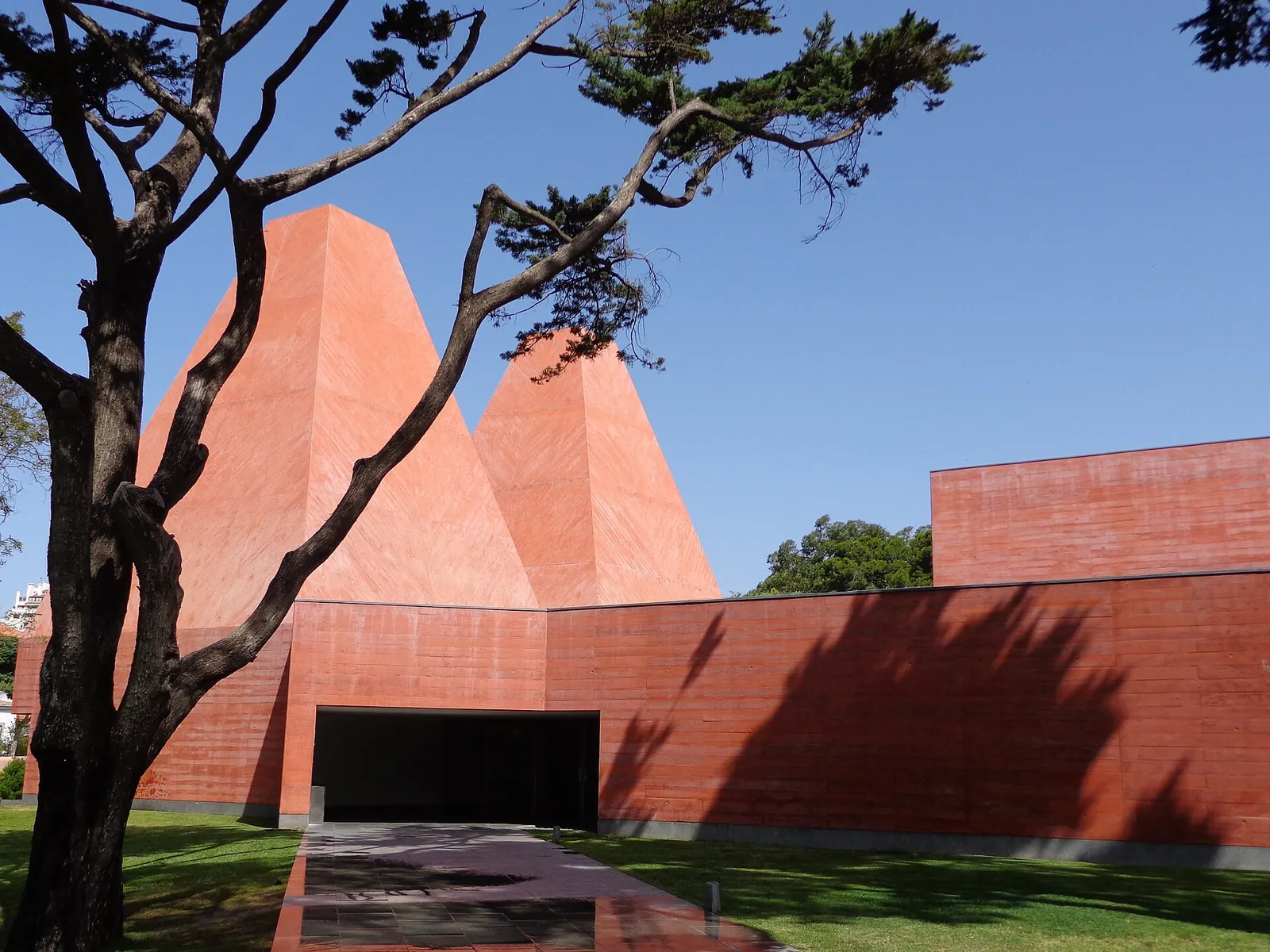
- The Casa das Histórias Paula Rego, a museum of her work in red concrete by Eduardo Souto de Moura, opened in Cascais on 18 September 2009 and holds about 600 of her prints and drawings.
A morning in north London
On the morning of Wednesday 8 June 2022, Paula Rego died at her home in north London, aged 87. Her gallery, Victoria Miro, said she had died peacefully after a short illness, with her family around her.
The news reached President Marcelo Rebelo de Sousa in Braga, where the 10 June celebrations of the Day of Portugal were being held that year. He called her death a national loss and said she was the Portuguese artist with the greatest reach in the world since the painter Maria Helena Vieira da Silva. He recalled going with her son, Nick Willing, to the openings of her retrospective in London, The Hague and Málaga, when she was already known to be very ill. The same day the Council of Ministers approved a day of national mourning.
She died at a high point. The year before, Tate Britain had given her the largest retrospective of her work ever held in Britain, more than 100 pieces from seven decades, in a museum she had long felt was closed to a foreign woman. That spring the Venice Biennale had built a room around her work in its central pavilion.
A girl in Estoril
Maria Paula Figueiroa Rego was born in Lisbon on 26 January 1935, an only child. António de Oliveira Salazar had been prime minister since 1932, at the head of the authoritarian regime that called itself the Estado Novo and lasted until 1974. The regime had the backing of the Catholic Church and the army, and, as the Kunstmuseum Basel notes, women in Portugal lacked freedoms that her father wanted her to have.
Her family was comfortable, republican and Anglophile. Her father, José, an electrical engineer, worked for the Marconi company and took her to the opera; her mother, Maria, had studied art but ran a house with maids and a cook. When Paula was 18 months old her parents went to London for a year for her father’s work, and she stayed with her grandparents and an elderly aunt. The aunt told her stories, and the taste for them stayed with her for life.
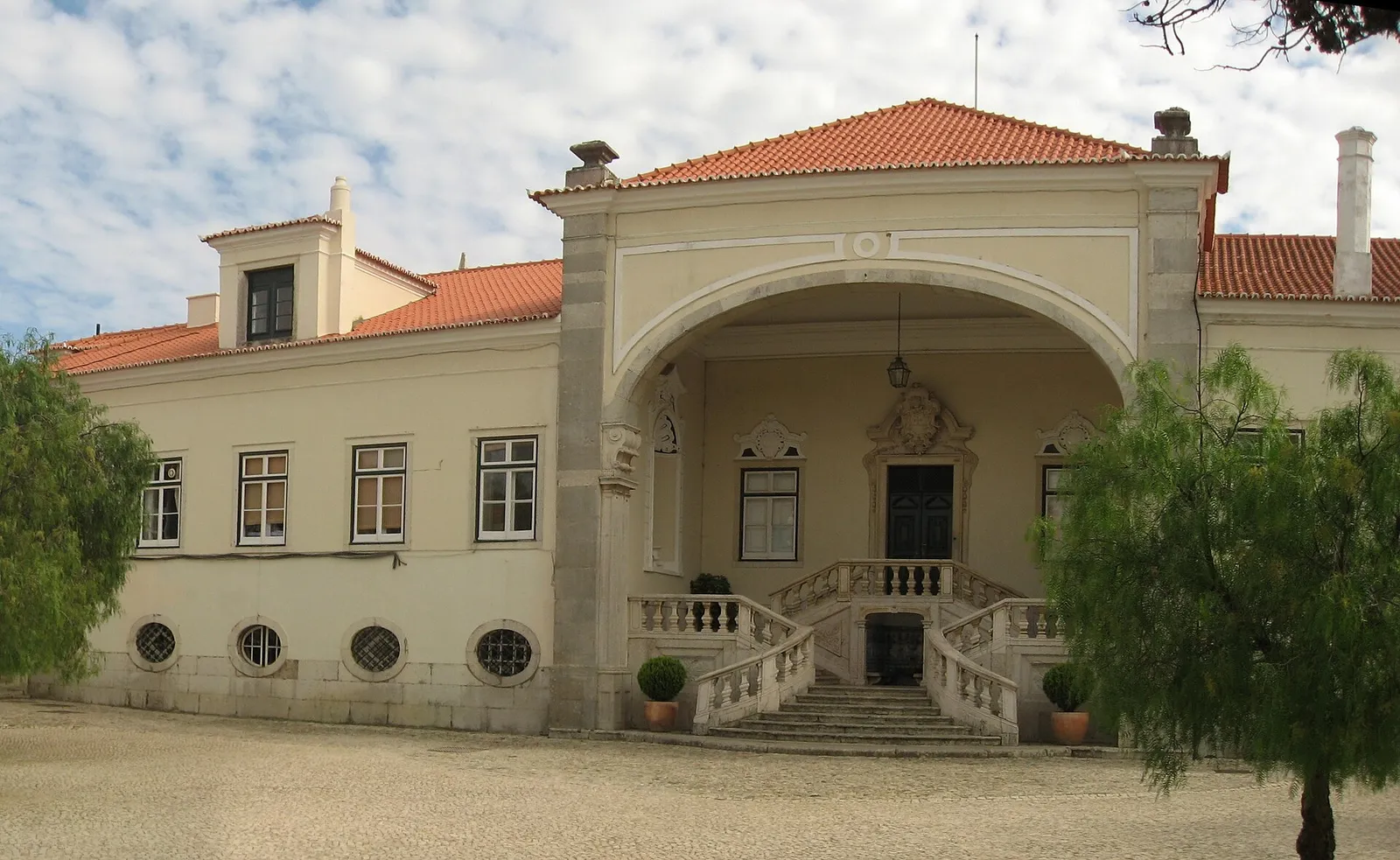
At three she was diagnosed with tuberculosis. On a doctor’s advice the family moved out of the city to Estoril, on the coast west of Lisbon, and spent summers in the fishing village of Ericeira. From 1945 she went to St Julian’s, an English school at Carcavelos, where her teachers noticed how well she drew.
Her early pictures already looked at power. Tate’s 2021 retrospective began with her early work, among it Interrogation, painted in 1950, when she was 15. Tate wrote that in it she asserted her commitment to denouncing injustice and standing up for victims.
Her father, an opponent of the regime, hoped for a different life for his only child. In 1951, at 16, she was sent to a finishing school, the Grove, in Kent. She remembered his reason in a single line.
“Leave Portugal. This is no country for a woman.”
The Slade, Victor Willing and Ericeira
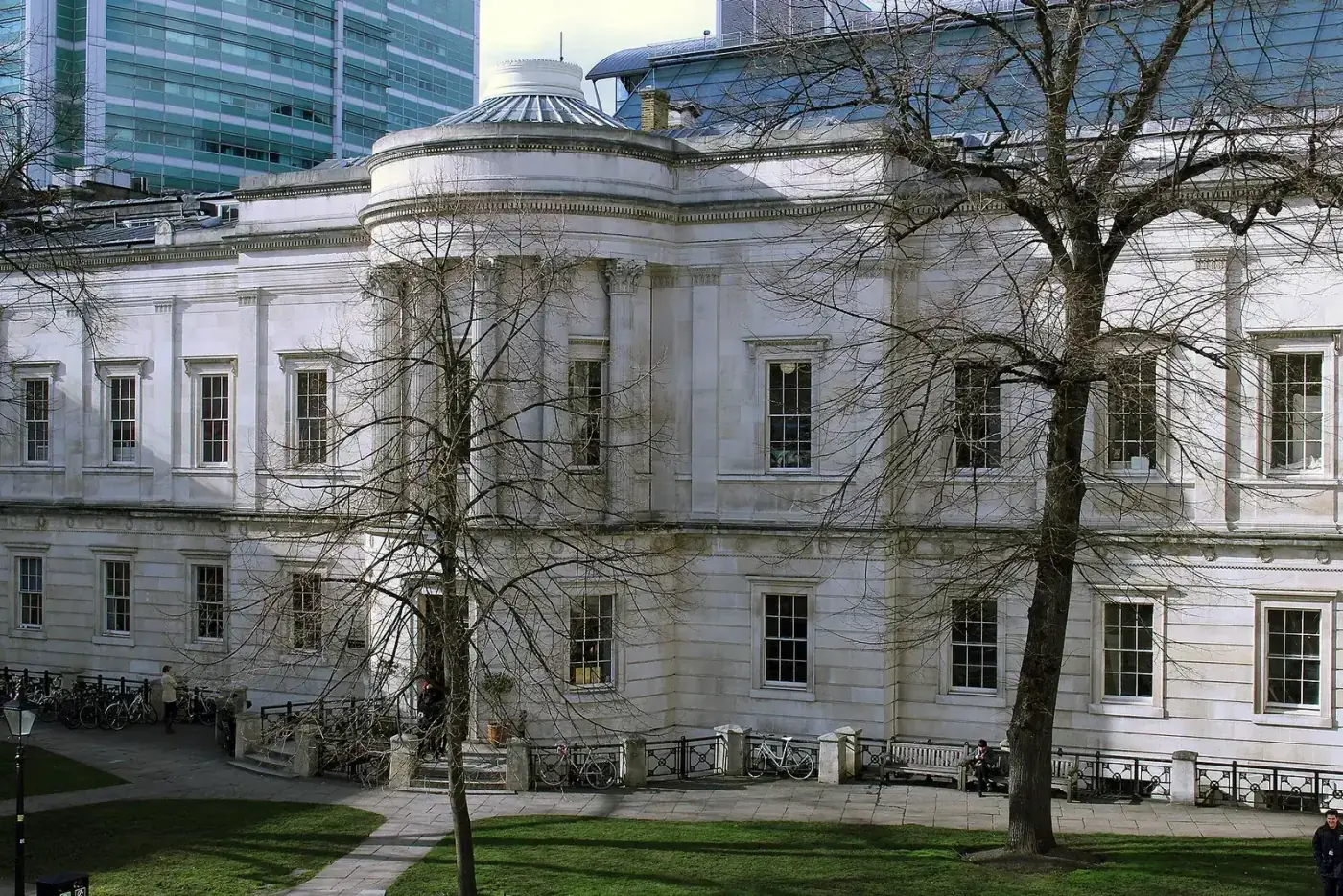
In 1952, at 17, she enrolled at the Slade School of Fine Art, part of University College London, and stayed until 1956. She was young, foreign and shy, and she ignored the fashions around her. At 19 she painted her own version of Dylan Thomas’s radio play Under Milk Wood, moving its Welsh villagers to a sunbaked Portuguese village, and shared first place in the Slade’s summer composition prize.
At the Slade she met Victor Willing, a painter seven years older than her, already married and thought by many the best painter of his generation. In 1956, her last year, she became pregnant and went home to Portugal to have the baby. Willing left his wife and followed her, and they married in 1959. Their children were Caroline, born in 1956, Victoria in 1959 and Nick in 1961.
From 1957 to 1963 the family lived mainly in Ericeira. In 1962 and 1963 she held a grant from the Calouste Gulbenkian Foundation, and in 1963 the couple bought a house in Camden Town, in London; for years after that they divided their time between the two countries. Willing encouraged her to keep drawing through depression and wrote some of the sharpest criticism of her work.
Her work of these years was angry and political. Salazar Vomiting the Homeland, a semi-abstract canvas of 1960, attacked the dictator by name; the Associated Press noted that making it in Portugal would have got her arrested. Her collages, built from advertisements, caricatures and news stories, astonished Portuguese artists who did not dare to take on the regime, and in December 1965 she had her first solo exhibition, at the Sociedade Nacional de Belas-Artes in Lisbon. The same year she began showing with the London Group, alongside David Hockney.
Then came the hard years. Her father, to whom she was close, died in 1966, and Willing was diagnosed with multiple sclerosis; most accounts date the diagnosis to 1966, the Kunstmuseum Basel chronology to 1968. She fell into a severe depression and began Jungian analysis, which she kept up for about forty years. She later said it taught her to look for where the images she carried came from. She represented Portugal at the São Paulo Biennial in 1969.
London, and a late start
When the family settled in London for good is less clear. Most accounts put it in the 1970s, but the sources give years from 1963 to 1976. The Kunstmuseum Basel ties the final move to the revolution of 25 April 1974, which ended the dictatorship. Rego never moved back, though she kept returning to Portugal.
| Source | Year given | Wording |
|---|---|---|
| Burlington Contemporary obituary (Elena Crippa), 2022 | 1963 | Lived mainly in Ericeira until she settled in London in 1963, returning regularly to Portugal |
| Tate, 2021 press release | 1972 | Lived between Britain and Portugal and settled in London in 1972 |
| Casa das Histórias biography (Fundação D. Luís I) | 1972 | Lived between England and Portugal from 1963 to 1975, fixing her residence in London in 1972 |
| Kunstmuseum Basel chronology, 2024 | 1974 | Moved permanently to London after the Carnation Revolution |
| Guardian obituary, 2022 | About 1976 | Ten years after Willing’s illness began in 1966, the family went back to London permanently |
| Lusa, 2012 | 1976 | Has lived in London since 1976 |
1963 is the year the couple bought a house in Camden Town. The Casa das Histórias biography gives both a 1963–75 period between the two countries and a 1972 date for settling in London, which suggests a gradual move rather than a single date.
In April 1976 she applied to the Gulbenkian Foundation for a grant to research European myths, fairy tales and stories. The foundation paid for the project from 1976 to 1978, and what she read then fed her pictures for the rest of her life. In 1980 she gave up collage and went back to painting.
Britain noticed her late. Her first solo exhibition in London, at the AIR Gallery in 1981, came when she was 46. Willing’s illness was getting worse, and from about 1985 Lila Nunes lived with the family as an au pair to help care for him. Nunes became Rego’s most important model and sat for her until the artist died.
The paintings of these years, among them The Policeman’s Daughter of 1987, in which a scowling girl polishes her father’s jackboot with her arm thrust inside it, are about girls and women pushing against the people who control them. Many draw on her marriage. Willing died in 1988, after 29 years of marriage, and the same year she had solo shows at the Gulbenkian in Lisbon, at Serralves in Porto and at the Serpentine Gallery in London.
Recognition then came quickly. She was shortlisted for the Turner Prize in 1989. In 1990 she became the first Associate Artist of the National Gallery in London, working for two years in a basement studio and creeping upstairs, as she put it, to “snatch at things”. The result was Crivelli’s Garden, a long mural for the gallery’s Sainsbury Wing restaurant in which saints and heroines from its paintings go about everyday tasks, several of them modelled on her friends, family and gallery staff.
Stories with teeth
Rego was always described as a storyteller, and it was true. Her sources were the folk tales her aunt told her, English nursery rhymes, Peter Pan, Jane Eyre, the Pendle witches and the novels of the nineteenth-century Portuguese writer Eça de Queirós. She did not illustrate them. She let the characters change as she worked, and the stories she told about the finished pictures changed with each telling.
“With stories you can punish the people you don’t like and praise the ones you do. And then you invent a story to explain everything.”
From 1994 she worked mostly in pastel, a medium that let her draw and paint at once. The Dog Woman series of that year shows a woman, often modelled by Lila Nunes, crouching, scavenging or fawning like a dog. In the 2000s she built scenes in her Kentish Town studio from costumes, props, home-made dolls and live models, and drew them.
Later work turned to subjects most painters avoided: War, of 2003, made as Britain joined the invasion of Iraq; a series on female genital mutilation in 2008 and 2009; and Oratorio, an altarpiece-like cabinet about the abuse of children, unveiled at the Foundling Museum in London in 2010. She said she painted to give fear a face.
Portugal claimed her too. President Jorge Sampaio commissioned a series of pictures of the Virgin Mary for the chapel of the Belém Palace, the President’s official seat. She received the Grand Cross of the Order of Saint James of the Sword in 2004 and was made a Dame by Elizabeth II in 2010. In 2015 The Cadet and his Sister, of 1988, sold at auction in London for €1.6 million, then a record for her work.
26 January 1935
Born in Lisbon
Only child of an electrical engineer, José, and his wife, Maria.
1945
St Julian’s School, Carcavelos
The family lives in Estoril after her tuberculosis diagnosis.
1951–1956
Finishing school in Kent, then the Slade
Meets the painter Victor Willing.
1957–1963
Ericeira
Marries Willing in 1959; three children born 1956, 1959 and 1961.
1963–1976
Settles in London
Sources differ on the year.
December 1965
First solo show, Lisbon
1966
Her father dies; Willing’s multiple sclerosis is diagnosed
Basel dates the diagnosis to 1968.
1981
First London solo show, AIR Gallery
1988
Willing dies; Serpentine, Gulbenkian and Serralves shows
1990–1992
First Associate Artist, National Gallery, London
1998–2000
The abortion pastels and etchings
18 September 2009
Casa das Histórias opens in Cascais
2010
Made a Dame
7 July – 24 October 2021
Retrospective at Tate Britain
8 June 2022
Dies at home in north London, aged 87
The abortion pastels
On Sunday 28 June 1998 Portugal held its first referendum on allowing abortion on request up to ten weeks; on a turnout of 31.9 per cent, no won by 50.9 to 49.1 per cent of valid votes, and parliament dropped its bill. Rego, who had spoken openly about her own abortions and had seen women suffer after illegal ones, was furious at the result.
Her answer was a series of ten large pastels, made in 1998 and 1999. Each shows one woman alone in a bare room after an illegal abortion: curled up on a bed, bracing herself with her legs drawn up, or, in one panel of the 1998 Triptych, a schoolgirl in blouse and tie straddling a plastic bucket and glaring at the viewer.
She wanted them to change minds. The Tate curator Elena Crippa writes that Rego conceived the series as “propaganda”, meant to shift opinion. She also made eight etchings on the subject, dated 1999 and 2000, so that the images could be shown in many places at once. The Cristea Roberts Gallery, which publishes her prints, says they appeared in several Portuguese newspapers before the second referendum. Tate said she was proud to see the works used in the campaign.
“Making abortions illegal is forcing women to the backstreet solution.”
That vote came on 11 February 2007. Yes won 59.25 per cent of valid votes; turnout, at 43.57 per cent, was again below the half needed to bind parliament, which passed the law anyway. Law 16/2007 of 17 April allows abortion at the woman’s request in the first ten weeks of pregnancy. The story of both referendums is told in a separate article.
The Triptych stayed in Britain. Abbot Hall Art Gallery in Kendal bought it in 2003 with help from the Art Fund, which wrote that Rego had seen the suffering caused by illegal abortion in Portugal in her youth and was angered by people’s refusal to face it.
The House of Stories in Cascais
On Friday 18 September 2009, Rego stood beside President Aníbal Cavaco Silva to open a museum of her own in Cascais, a few kilometres from the Estoril of her childhood. She had chosen the architect herself: Eduardo Souto de Moura, who won the Pritzker Prize in 2011. The building cost about €4 million.
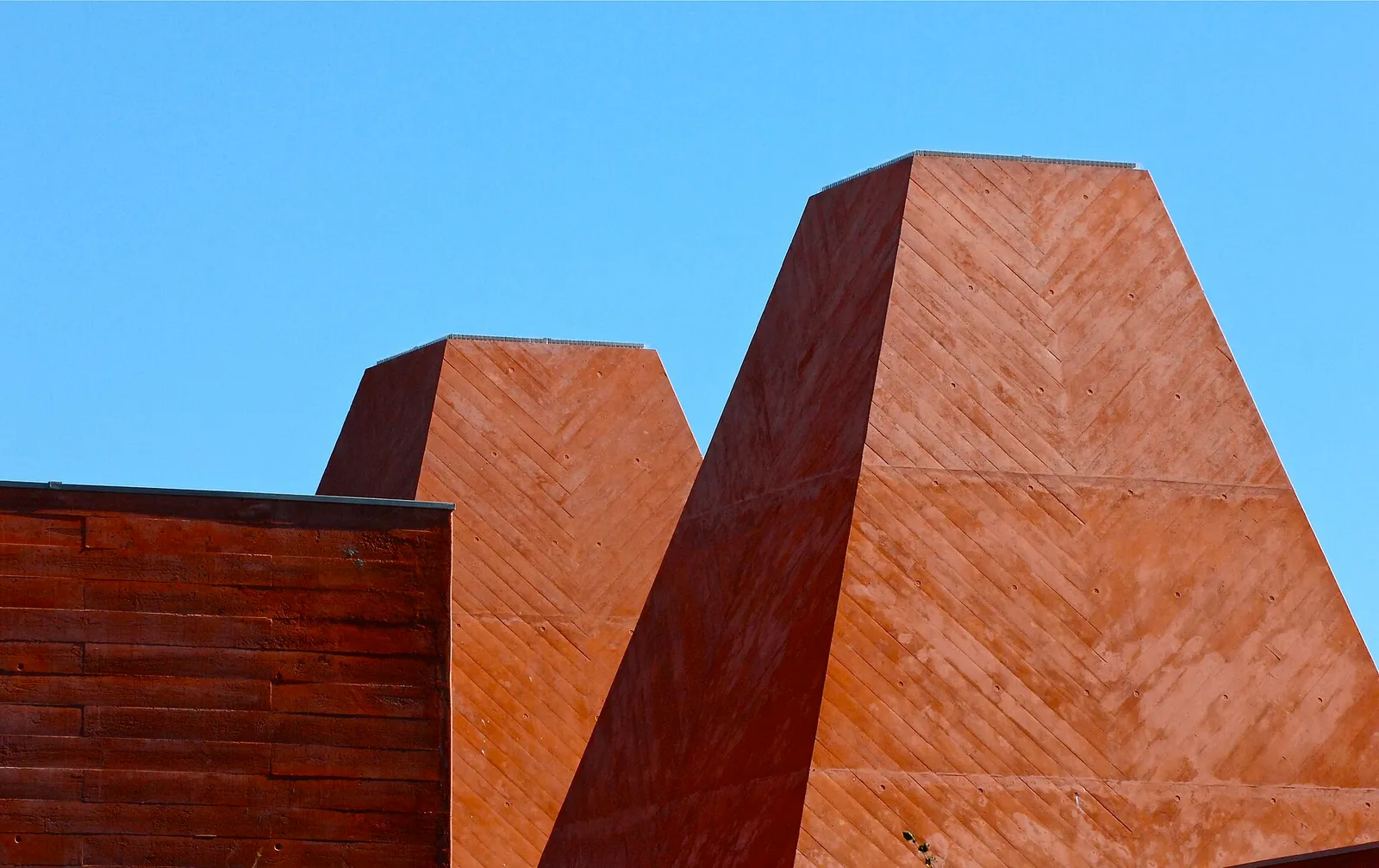
Souto de Moura set it in a walled garden in the centre of the town and built it of concrete coloured a rusty red, cast in timber moulds that left the grain on its walls. Its two pyramids, which hold the shop and the café, echo the huge kitchen chimneys of the National Palace in Sintra and the Monastery of Alcobaça. Inside are six permanent galleries, a space for temporary shows and a 200-seat auditorium.
- Opened
- Friday 18 September 2009
- Architect
- Eduardo Souto de Moura, chosen by Rego
- Cost
- About €4 million
- Building
- About 3,000 m² on two floors; six permanent galleries totalling 630 m²
- Collection
- 535 prints and drawings at the start (524 in a 2012 government count), about 600 by 2022; Time Out counts 620 works, including some by Victor Willing
- Owner of the collection
- Cascais municipality, which may not sell any of it under a protocol renewed until 2029
- Address
- Avenida da República 300, Cascais
Money ran short early. In January 2012 Rego complained that the museum lacked the funds to be kept as it should be, and that year a government review of foundations recommended dissolving the Fundação Paula Rego that ran it. By then it had had more than 300,000 visitors, and the building had won the Secil architecture prize.
The museum survived, run by the Fundação D. Luís I, which manages Cascais’s cultural buildings, but its own holdings are works on paper. In 2022 Expresso reported that paintings lent to it were being withdrawn, and Rego’s son, Nick Willing, denied that the museum was being emptied. Weeks after her death Lusa reported that the municipality would buy two large paintings of the 1950s, Day and Night, its first paintings by her.
Mourning, and what remains
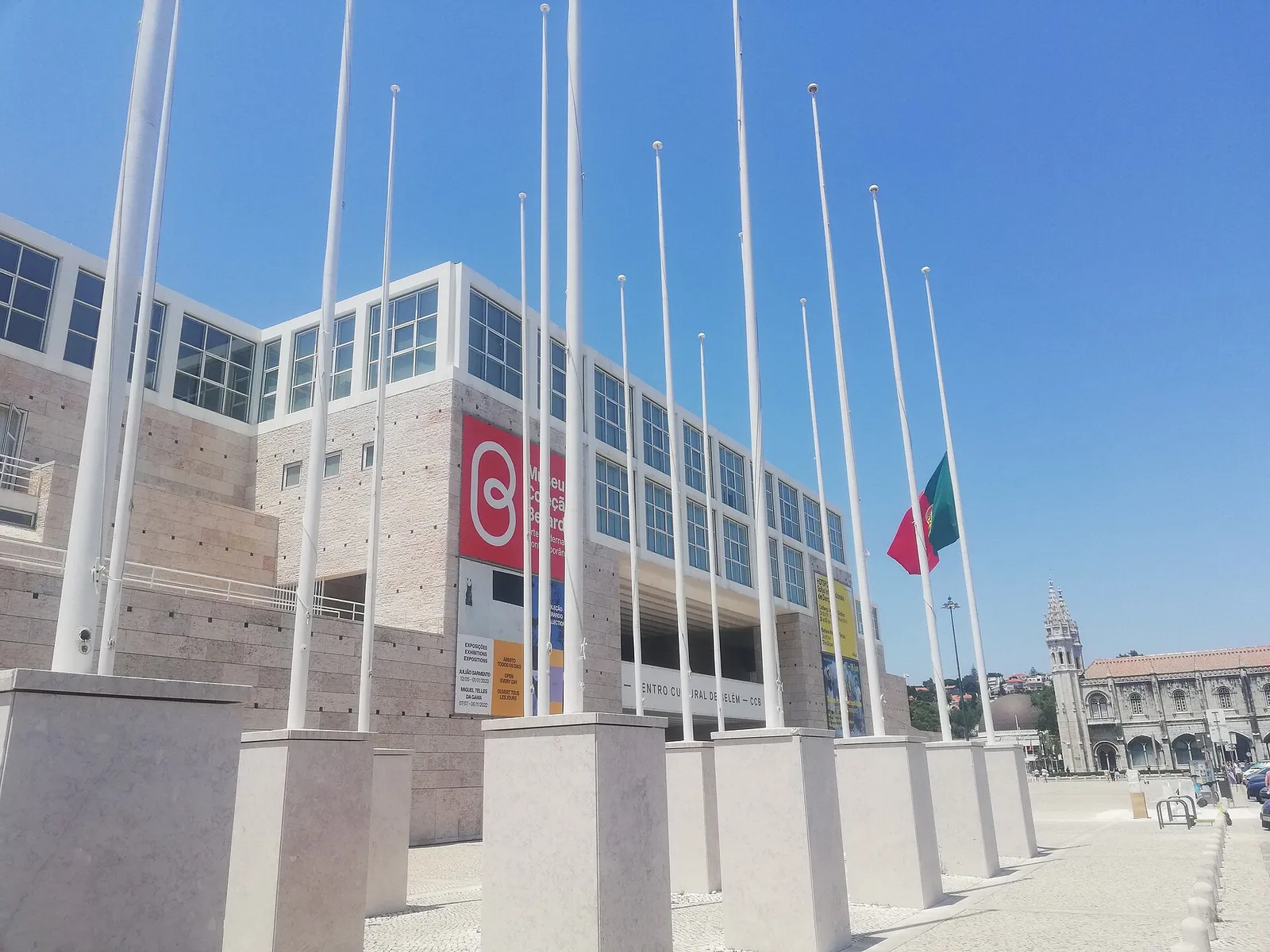
Cascais declared its own day of mourning for Thursday 9 June. The national day of mourning, decreed by the Council of Ministers on 8 June, was held on Thursday 30 June, the date the family chose for her funeral, a small private ceremony in London. On 10 June, in London, the President announced that he would award her, after her death, the Grand Collar of the Order of Camões.
In a statement on the day she died, the Portuguese government said her paintings, drawings and engravings held images that would stay with the country for generations. Tate’s director, Maria Balshaw, said Rego had changed the way women’s lives and stories are represented.
Her work is now spread across Portuguese and British collections. In January 2022 the Gulbenkian Foundation bought The Angel, of 1998, and The Turkish Bath, of 1960; it said its 37 works by her were the largest group held by any private institution.
In Portugal, the Casa das Histórias in Cascais, built by the architect she chose, holds about 600 of her prints and drawings. The abortion pastels she made after the 1998 vote were used by the yes side before the referendum of 2007, after which Law 16/2007 made abortion at the woman’s request legal in the first ten weeks of pregnancy.
FAQs
When and where did Paula Rego die?
She died on the morning of Wednesday 8 June 2022 at her home in north London, aged 87, after a short illness. Portugal held a day of national mourning on 30 June, the day of her funeral in London.
Was Paula Rego Portuguese or British?
Both. She was born in Lisbon in 1935 and grew up in Estoril, but studied in London from 1952 and lived there for most of her life. She represented Portugal at the São Paulo Biennial in 1969 and Britain in 1985, and was made a Dame in 2010.
What is Paula Rego’s abortion series?
Ten pastels made in 1998 and 1999 after Portugal’s first abortion referendum failed, each showing a woman alone after an illegal abortion, and eight etchings dated 1999 and 2000. The etchings appeared in Portuguese newspapers before the 2007 referendum, after which abortion on request up to ten weeks became legal.
What is the Casa das Histórias Paula Rego?
A museum of her work in Cascais, west of Lisbon, designed by Eduardo Souto de Moura and opened on 18 September 2009. Its red concrete pyramids hold the shop and café, and its collection of about 600 prints and drawings belongs to the municipality.
Who was Paula Rego’s husband?
The English painter Victor Willing (1928–1988), whom she met at the Slade. They married in 1959 and had three children, including the film-maker Nick Willing. Willing had multiple sclerosis for about twenty years and died in 1988.
On the timeline
Open the timelineNearby moments from portugal in europe (1986–today).
Porto's Estádio do Dragão hosts the Champions League final, moved from Istanbul because of Covid-19 travel restrictions. Chelsea beat Manchester City 1–0 with a goal from Kai Havertz to win the trophy for the second time.
António Costa's Socialist Party wins an unexpected absolute majority in a snap legislative election — only the second in its history — called after his minority government's budget was voted down by its former left-wing allies.
Eunice Muñoz, the grande dame of Portuguese theatre, dies aged 93. Born into a family of travelling players, she made her debut at the Teatro Nacional D. Maria II at 13 and worked on stage, film and television for some 80 years, still performing in her nineties.
The death of Paula Rego
Death of Paula Rego in London, aged 87. Born in Lisbon in 1935 and settled in England, she became one of the great figurative painters of her time; her 'Abortion' series, painted after Portugal's 1998 referendum failed to liberalise the law, is credited with helping to shift opinion before the 2007 vote. The Casa das Histórias in Cascais is dedicated to her work.
Adriano Moreira dies aged 100, the longest-lived politician of Portuguese democracy. Briefly jailed in 1947 as a lawyer in the case of a general who died in prison, he later served Salazar as Overseas Minister in 1961–62, abolishing the 'indigenato' statute that had denied most Africans in the colonies citizenship, and after the revolution led the CDS.
Death in Lisbon of António Mega Ferreira, aged 73. A journalist, writer and translator, he led Lisbon's bid for the 1998 World Exposition and served as executive commissioner of Expo '98, the project that turned an industrial wasteland into today's Parque das Nações; he later ran the Centro Cultural de Belém.
Portuguese legislative elections are held, with the Aliança Democrática coalition led by Luís Montenegro winning the most seats, ending eight years of governance by the Socialist Party.
Coming up in history
All long reads 10 June 1580Camões dies in Lisbon: the poet whose death became Portugal's day
 11 June 1557The death of João III, 11 June 1557: a king who outlived all his children
 13 June 1231Saint Anthony of Lisbon: the friar who died outside Padua, 13 June 1231
 14 June 1908Fernão de Ornelas, the young mayor who rebuilt Funchal
24 sources
Archives, scholarship and reporting this article was checked against.
- 1
Paula Rego (1935–2022) (Elena Crippa)Burlington Contemporary, The Burlington Magazine, June 2022
- 2
Dame Paula Rego obituary (Michael McNay)The Guardian, 8 June 2022
- 3
Paula Rego: press release for the Tate Britain retrospectiveTate, July 2021
- 4
Paula Rego: Power Games, exhibition booklet with biography (PDF)Kunstmuseum Basel, 2024
- 5
Paula Rego (biography, Casa das Histórias Paula Rego)Fundação D. Luís I, Cascais
- 6
Portuguese Museum 1 by Eduardo Souto de MouraICON magazine, 16 December 2009
- 7
The importance of Paula Rego’s powerful Abortion SeriesCristea Roberts Gallery, London
- 8Morreu Paula Rego, a pintora das histórias contra a opressãoDiário de Notícias (Lusa), 8 June 2022
- 9
- 10Paula Rego. Portugal cumpre dia de luto nacionalObservador (Lusa), 30 June 2022
- 11
Renowned Portuguese-British artist Paula Rego dies at 87Associated Press, 8 June 2022 (as carried by WSLS)
- 12Paula Rego já tinha alertado para falta de dinheiro na FundaçãoDinheiro Vivo (Lusa), 9 August 2012
- 13
Paula Rego: Crivelli’s Garden (press release)National Gallery, London, 2022
- 14
- 15
- 16
Mapa Oficial n.º 2/98: resultado do referendo nacional de 28 de Junho de 1998Comissão Nacional de Eleições, Diário da República, I série-A, n.º 183, 10 August 1998 (PDF)
- 17
- 18
Acórdão n.º 75/2010 (constitucionalidade da Lei n.º 16/2007)Tribunal Constitucional
- 19
Triptych, 1998Art Fund
- 20
- 21
- 22
Lei n.º 16/2007, de 17 de Abril: exclusão da ilicitude nos casos de interrupção voluntária da gravidezDiário da República, 1.ª série, n.º 75, 17 April 2007 (PDF)
- 23
Casa das Histórias Paula RegoTime Out Lisboa
- 24Cascais compra duas pinturas de Paula Rego para a Casa das HistóriasDiário de Notícias (Lusa), 2 August 2022
Image credits
- The Casa das Histórias Paula Rego in Cascais, designed by Eduardo Souto de Moura and opened in September 2009, photographed in July 2012. The two pyramids house the shop and the café. L'Éclipse, CC BY 3.0, via Wikimedia Commons.
- The Portuguese flag at half-mast outside the Centro Cultural de Belém, Lisbon, on 11 June 2022, three days after Rego’s death; the photographer filed the picture under her name. The tower of the Jerónimos Monastery is on the right. Sheila1988, CC BY-SA 4.0, via Wikimedia Commons.
- St Julian’s School in Carcavelos, photographed in 2009. Rego was a pupil there from 1945 until she left for England. Bernardo Reis, CC BY-SA 3.0, via Wikimedia Commons.
- The north wing of University College London’s Wilkins Building, home of the Slade School of Fine Art, in March 2015. Rego studied at the Slade from 1952 to 1956. UCL Mathematical and Physical Sciences from London, UK, CC BY 2.0, via Wikimedia Commons.
- Victor Willing’s grave in Hampstead Cemetery, London, photographed in October 2022. He and Rego were married for 29 years. Simon Edwards Esq, CC BY-SA 4.0, via Wikimedia Commons.
- The pyramids of the Casa das Histórias in July 2009, weeks before the museum opened. Pedro Ribeiro Simões from Lisboa, Portugal, CC BY 2.0, via Wikimedia Commons.