

Roderigo Lopes: Elizabeth I's Portuguese doctor, hanged at Tyburn in 1594
A New Christian doctor from Portugal rose to the top of his profession in London and served the exiled pretender to the Portuguese throne. Then the Earl of Essex accused him of plotting to poison the queen.
At a glance
- Roderigo Lopes, a Portuguese physician of Jewish descent who had settled in London in 1559, was hanged, drawn and quartered at Tyburn on 7 June 1594, by the calendar England then used.
- He had been chief physician to Elizabeth I, from 1586 in most accounts, and the most influential Portuguese supporter of Dom António, Prior of Crato, the exiled claimant to Portugal's throne.
- The Earl of Essex accused him of agreeing to poison the queen for 50,000 crowns paid by Philip II of Spain. Lopes said he had only meant to cheat the Spanish king of his money.
- A special commission at London's Guildhall convicted him on 28 February 1594, but the queen waited more than three months before letting the sentence be carried out.
- Historians still disagree about his guilt, and since 1880 many have asked whether his trial helped shape Shylock in Shakespeare's The Merchant of Venice.
A hurdle to Tyburn
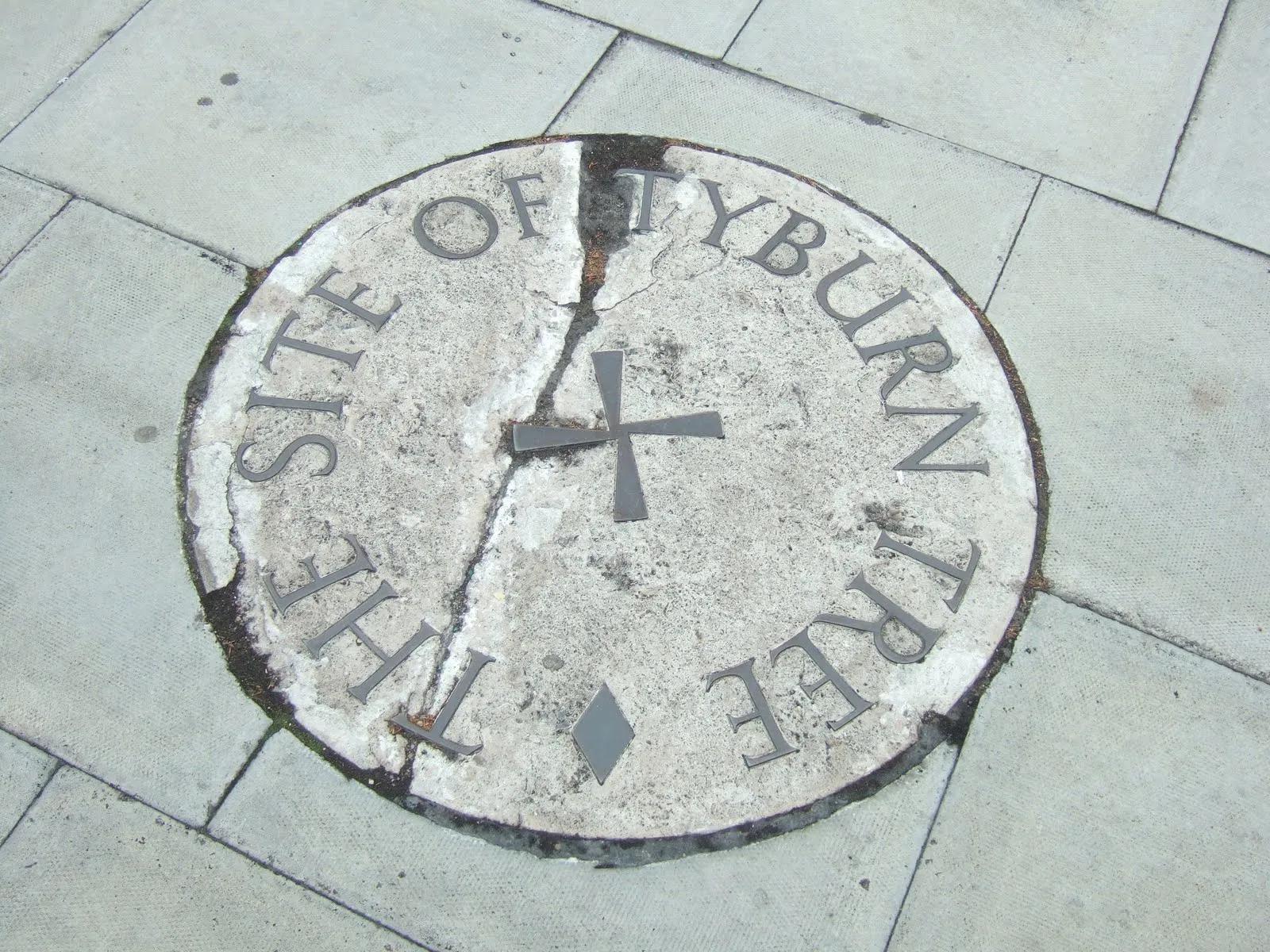
On Friday 7 June 1594 Roderigo Lopes was tied to a hurdle and dragged across London to Tyburn, the place of execution outside the city, with two other Portuguese men, Estêvão Ferreira da Gama and Manuel Luís Tinoco. The route ran through Holborn, past the house of a neighbour, Mistress Allington, where Lopes had spent part of his leisure.
On the scaffold he tried to speak. The people nearest shouted at him to hold his peace and those further back called on him to speak out, so most of what he said was lost. One sentence carried. William Camden, the historian of Elizabeth's reign, recorded it.
“They were all of them condemned and after three months put to death at Tyburn, Lopez affirming that he loved the Queen as well as he loved Jesus Christ; which coming from a man of the Jewish Profession moved no small Laughter in the Standers-by.”
He was then hanged and quartered, the punishment for high treason. Lopes had been a London doctor for 35 years and, by most accounts, chief physician to Elizabeth I for eight of them. That day Philip Gawdy wrote to his family: “This day Lopes was executed & two Portingalls more at Tyborne.” Dimock noted that one council letter leaves some doubt about the day, but Gawdy's letter is the usual evidence for 7 June.
The legal process had closed only a few hours before. In Sidney Lee's account, Lopes had been taken out of the Tower of London that day for the last time and brought to the court of Queen's Bench at Westminster, to be asked why his sentence should not be carried out. He made his submission and said he had never thought harm to the queen. He had been convicted more than three months earlier, and all that time the queen had held back the order for his death.
A Portuguese doctor in Elizabethan London
Lopes was a New Christian. In 1497 King Manuel I had the Jews of Portugal baptised by force instead of letting them leave, and they and their descendants were known as New Christians. From 1536 the Portuguese Inquisition hunted those it suspected of practising Judaism in secret.
Little about his early life is certain. He was born in Portugal, in about 1517 according to the Oxford Dictionary of National Biography, or about 1525 according to the Jewish Encyclopedia of 1904. A short 2017 article in the Rambam Maimonides Medical Journal places his birth at Crato, in the Alentejo, and his medical degree at Coimbra in 1544, but neither detail appears in the older studies used here. In English documents his name appears as Lopez, Lopus or Lopes; in Portuguese he was Rodrigo or Rui Lopes.
He reached England in 1559. England had expelled its Jews in 1290 and would not let a Jewish community form openly until 1656, but a small group of Portuguese New Christians lived in London, went to church and kept their own faith at home, if at all. The census of foreigners of 1571 lists “Doctor Lopus, a portingale”, who had come “to get his living by physic”. He lived in the parish of St Peter le Poer with his brother Luís.
He did well. He was the first house physician of St Bartholomew's Hospital, joined the College of Physicians, attended Sir Francis Walsingham, the queen's secretary, and became physician to the household of the Earl of Leicester, Elizabeth's favourite. His colleague at the hospital, William Clowes, called him “both careful and very skillful”. A libel against Leicester printed in 1584 called him “Lopez the Jew” and credited him with skill in poisoning.
Lee, Dimock and the Jewish Encyclopedia date his appointment as the queen's chief physician to 1586; Christopher Haigh, reviewing a 2003 biography, has him appointed her physician in 1581. In 1589 she granted him a monopoly on importing aniseed and sumac. His wife, Sarah Anes, was also of Jewish descent and had relatives in Antwerp. Lopes was baptised and took communion in the Church of England, but Edgar Samuel read his intercepted letters as clear evidence that he paid towards the secret synagogue in Antwerp.
“He is none of the learnedest or expertest physitians in the court, but one that maketh a great account of himself as the best, and by a kind of Jewish practis hath growen to much wealth and sum reputation as well with ye queen herself as with sum of ye greatest Lordes and Ladyes.”
- Name
- Rodrigo or Rui Lopes; Roderigo Lopez in most English sources
- Born
- Portugal, c. 1517 or c. 1525; place uncertain (Crato in one 2017 article)
- In England
- From 1559 to his death, 35 years
- Posts
- House physician at St Bartholomew's; physician to Leicester; chief physician to Elizabeth I
- Family
- Wife Sarah; children including a son, Anthony, at Winchester College in 1594
- Died
- Tyburn, London, 7 June 1594 (Julian; 17 June Gregorian)
The pretender's man
In 1580 Philip II of Spain claimed the Portuguese crown. His rival António, Prior of Crato, a grandson of King Manuel I, had himself proclaimed king at Santarém on 19 June, but the Duke of Alba's army beat him at Alcântara, outside Lisbon, on 25 August. António escaped and held out in the Azores until 1583. In 1585 he settled in England.
Lopes became the pretender's most influential Portuguese supporter in England. Arthur Dimock, who studied the State Papers in 1894, found that Lopes and António together persuaded the queen that the Portuguese would rise for their king if an English force landed.
In 1589, the year after the Armada, Francis Drake and John Norris sailed for Lisbon with a fleet and an army. The young Earl of Essex went too, secretly and against the queen's orders, aboard the Swiftsure. The rising never came, the expedition was abandoned, and António's followers stayed on in England as exiles. Lopes told Walsingham he regretted that his advice had cost the queen so much money.
A ring and the price of pearls
After 1589 Lopes played a double game. With the knowledge of Walsingham and of Lord Burghley, Elizabeth's chief minister, he kept up a correspondence with Spain to gather intelligence. Dimock concluded that he also told the Spaniards more than he told the English, and kept that part secret.
His go-between was Manuel de Andrada, a Portuguese adventurer who travelled to Spain in 1591 and came back with a gold ring set with a ruby and a diamond, a present from Philip II. In November 1591 Lopes offered it to Elizabeth, probably, Dimock thought, without saying where it came from. Francis Bacon wrote that she gave it back with “gracious words”; Martin Hume later read her refusal as a sign that she knew it was Philip's. Tinoco later claimed that Andrada had also carried to Philip an offer from Lopes to poison Dom António.
By 1593 Lopes had also made an enemy of Essex. Dimock found that he passed the earl, as an informant, news he had already given Burghley, so that Essex looked foolish when he took it to the queen. Lee told it differently: Lopes turned down Essex's offer of work and told the queen about it.
According to Bishop Godfrey Goodman, who heard the story at second hand, Lopes was drinking with Dom António and the Spanish exile Antonio Pérez near Windsor that summer when he talked about the diseases he had treated Essex for. His companions carried the story to the earl.
On 18 October 1593 Ferreira da Gama, one of António's followers, was arrested in Lopes's own house. Seventeen days later another Portuguese, Gomes d'Ávila, was seized on landing with a letter written as if about trade: “The bearer will tell your W. the price in which your Pearles are held.” In January 1594 a third, Manuel Luís Tinoco, crossed from Brussels with a passport and was searched and arrested before he could see Lopes. He carried letters from the Spanish ministers there and two bills of exchange.
“A most dangerous and desperate treason”
Lopes was arrested on 21 January 1594, a week after Tinoco, and questioned at Burghley's house in the Strand by Burghley, his son Sir Robert Cecil and Essex. His answers satisfied the Cecils and a search of his house found nothing. Cecil rode to the queen at Hampton Court ahead of Essex, and Lopes was moved to Essex House, close by, in the custody of the earl's steward.
When Essex arrived, Elizabeth called him a “rash and temerarious youth to enter into a matter against the poor man which he could not prove”. He left in a fury and kept away from court for two days. Then he went back to work. Tinoco was talking, and on Tuesday 29 January Lopes was moved to the Tower.
“I have discovered a most dangerous and desperate treason. The point of conspiracy was her majesty's death. The executioner should have been Dr. Lopez; the manner poison. This I have so followed as I will make it appear as clear as the noon day.”
The case was built on the prisoners' own words. Cecil told Tinoco that Gama had accused him, Gama's examiners let him believe that Tinoco was betraying him, and each began to give evidence against the other and against Lopes. The confessions said that Lopes had offered to poison the queen for 50,000 crowns, paid in advance, and that “the price of pearls” meant the price of her life.
Lopes first denied everything, then admitted secret dealings and finally said he had promised the poisoning only to cozen, or cheat, Philip of his money, adding that the queen never took syrups, the form the poison was to take. One letter-writer heard that he had been racked several times. Cecil denied it, and Dimock concluded that the rack was perhaps threatened but never used.
Trial at Guildhall
Lopes was tried at Guildhall, in the City of London, on Thursday 28 February 1594, before a special commission whose members included the Lord Mayor, Essex, Cecil, Lord Howard of Effingham and the Chief Justice, John Popham. Essex was both accuser and judge; Dimock, writing in 1894, noted that this would no longer be tolerated but was the usage of the time. The court sat at eight in the morning and was finished by three.
He was charged with sending secret intelligence to Philip for years, with stirring up war and with conspiring to poison the queen. Sir Edward Coke, the solicitor-general, called him “a perjured and murdering villain and Jewish doctor, worse than Judas himself”. Lopes had no counsel. Camden says he told the court that the two Portuguese witnesses were “made of nothing but Fraud and Lying” and that he had meant only to deceive the Spaniard.
The jury found him guilty, and he was sentenced to be hanged, drawn and quartered. Cecil went straight from the court to his father's house and wrote to a friend that “the most substantial Jury that I have seene, have found him gilty in the highest degree of all Treasons”. Gama and Tinoco were tried on 15 March and also condemned. Tinoco pleaded his passport and lost.
Then nothing happened. Elizabeth put off signing the order for more than three months, and when she finally gave it, her ministers checked with the Lieutenant of the Tower to make sure it had really been given. His widow, Sarah, petitioned in August. The queen gave the family back a lease and £100 worth of his forfeited goods, and granted their son Anthony a parsonage worth £30 a year to keep him at Winchester College. She kept the ring, and is said to have worn it at her girdle until she died.
1589
Expedition to Lisbon
Drake and Norris fail to put Dom António on the throne.
November 1591
The ring
Lopes offers Philip II's ruby and diamond ring to the queen.
18 October 1593
Gama arrested
Ferreira da Gama is seized in Lopes's house.
4 November 1593
Pearls letter
Gomes d'Ávila is arrested with the coded letter.
14 January 1594
Tinoco arrested
He arrives from Brussels with letters for Gama.
21 January 1594
Lopes arrested
Questioned at Burghley's house; days later the queen rebukes Essex.
29 January 1594
Into the Tower
Moved from Essex House to the Tower of London.
28 February 1594
Guildhall trial
Lopes is convicted of high treason.
15 March 1594
Gama and Tinoco condemned
7 June 1594
Execution
The three are hanged, drawn and quartered at Tyburn.
Guilty or framed?
The case rests on confessions by men facing death themselves and on letters that survive only in copies and translations. No official record of the trial has been found. Historians have read the same papers in opposite ways for more than a century.
The strongest point for Lopes came from Spain. Edgar Samuel, writing in the Jewish Historical Society of England's journal in the late 1980s, noted that the Spanish state papers are intact and give no hint of a plot to use Lopes to poison the queen. He also suggested that Lopes had really said he loved the queen as well as he loved “Our Lord”, the phrase Portuguese secret Jews used for the God of Israel. If so, he was sincere, but the crowd heard a Jew equivocating.
Dominic Green's book of 2003 argued that Lopes did agree to help murder Pérez for Philip, and that the Cecils, once Essex had accused him, turned a plot against a Spanish exile into a plot against the queen to cover their own dealings with him. Reviewing it, the Oxford historian Christopher Haigh called it plausible but overwritten and inaccurate in its transcriptions.
| Writer | Published | Verdict |
|---|---|---|
| William Camden, Annales | 1625-29 (London edition cited by Dimock) | Guilty: he confessed to promising the poisoning for 50,000 ducats |
| Godfrey Goodman, bishop | Written 17th century, printed 1839 | Innocent, a victim of Essex's revenge |
| Sidney Lee, Dictionary of National Biography | 1893 | Conviction owed as much to intrigue and prejudice as to evidence |
| Arthur Dimock, English Historical Review | 1894 | Guilty: the verdict should be accepted |
| Martin Hume, Treason and Plot | 1901 | Guilt unproved |
| Edgar Samuel, Jewish Historical Studies | Vol. 30, for 1987-88 | Unjustly condemned; no trace of the plot in Spanish papers |
| Dominic Green, The Double Life of Dr Lopez | 2003 | Plotted against Pérez, framed as a poisoner of the queen |
| Dario Calimani, Academia Letters | 2021 | Innocent, a victim of a political plot |
Camden's verdict is taken from the later English translation printed by Samuel; the edition Dimock quotes words it differently. Goodman's view is reported by Dimock and Lee, Hume's by the Jewish Encyclopedia and Green's by Haigh's review. Camden gives the price as 50,000 ducats; Dimock, from the confessions, as 50,000 crowns (gold escudos).
The Shylock question
In 1880 the scholar Sidney Lee suggested that the trial of the queen's Jewish doctor had turned Shakespeare's mind to a Jewish character. Lee argued that so few Jews lived in England that Lopes's case drew national attention, and he found references to it in plays by Marlowe, Dekker and Middleton. Marlowe's play The Jew of Malta was revived in the same period.
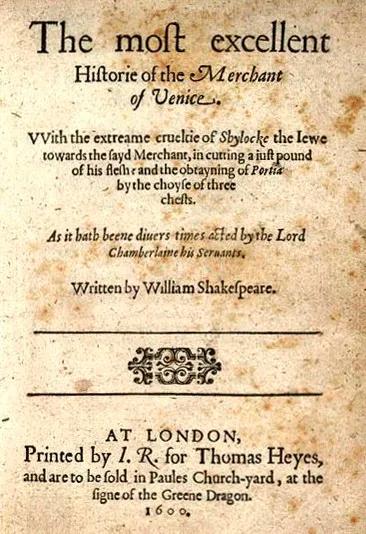
The Merchant of Venice is usually dated between 1596 and 1598, two to four years after the execution, and was first printed in 1600. Dimock saw Lopes in Shylock's forced conversion at the end of the trial scene and in his speech “If you poison us, do we not die?”. He also pointed out the difference: Shylock puts hatred before money, while Lopes, in Dimock's view, put money before everything.
Others doubt any link. In 2003 Charles Edelman, of Edith Cowan University in Australia, argued that there is no evidence of the public outburst against Jews in 1594 that the story assumes, and so no connection with the play. The Internet Shakespeare Editions suggest that Shylock's models were more likely literary, such as Marlowe's Barabas and the Judas of the medieval mystery plays.
Why it still matters
Lopes's career followed the routes of the Portuguese New Christian diaspora, from the Inquisition's Portugal to Antwerp, London and, for his wife's brother, Jacob, Constantinople, where he returned openly to Judaism. Portugal's loss of independence in 1580 drew Lopes into politics: he came in as Dom António's man and was destroyed among Philip II's agents, the pretender's quarrelling followers and the rivalries of Elizabeth's court.
Dom António died poor and alone in Paris the following year. In England, Jews were allowed to form open communities again from 1656, more than sixty years after the crowd at Tyburn laughed at Lopes's last words.
FAQs
Who was Roderigo Lopes?
A Portuguese physician of Jewish descent, a New Christian, who settled in London in 1559, became chief physician to Elizabeth I and supported Dom António, Prior of Crato, the exiled claimant to Portugal's throne. He was executed for treason at Tyburn on 7 June 1594.
Did Lopes really try to poison Elizabeth I?
Nobody knows. He was convicted on the confessions of two Portuguese prisoners and his own admission that he had promised Philip II to do it, which he said was a trick to get Spanish money. Arthur Dimock thought him guilty in 1894; Edgar Samuel noted that the Spanish state papers show no such plot.
Why did the Earl of Essex accuse him?
The two had fallen out. Lopes had fed Essex stale intelligence and told others about the diseases he had treated the earl for. Essex then found that Portuguese go-betweens were carrying disguised letters between Lopes's circle and Spanish ministers in Brussels.
Was Lopes the model for Shylock?
Some scholars think so, but it cannot be proved. Sidney Lee proposed the link in 1880. The Merchant of Venice dates from 1596 to 1598, and some scholars, such as Charles Edelman, see no connection at all.
On the timeline
Open the timelineNearby moments from the iberian union (1580–1640).
Around this date the Spanish Armada, which included Portuguese-built galleons taken over during the Iberian Union, begins to leave Lisbon for England, putting to sea from off Cascais on 30 May. Lists give it some 130 to 150 ships. The fleet would be scattered in the Channel and wrecked off Scotland and Ireland.
Birth of Manuel de Faria e Sousa, the historian and poet who spent most of his life in Madrid writing Portugal's history in Spanish. His vast commentary on Camões's 'Os Lusíadas' (1639) drew the Inquisition's suspicion and was banned in Lisbon in 1640.
Death in Viana do Castelo of Bartolomeu dos Mártires, the Lisbon-born Dominican Archbishop of Braga who was a leading voice at the Council of Trent and founded one of the first seminaries under its reforms. So revered was he as 'father of the poor' that Viana's townsfolk guarded his body against claims from Braga; Pope Francis declared him a saint in 2019.
Roderigo Lopes hanged, 1594
Roderigo Lopes, a Portuguese New Christian physician who had become chief doctor to Elizabeth I, is hanged, drawn and quartered at Tyburn in London, convicted of plotting to poison the queen after the Earl of Essex accused him. Historians still dispute his guilt, and some think his case helped inspire Shylock in Shakespeare's 'The Merchant of Venice'.
Philip II of Spain, who had ruled Portugal as King Filipe I since 1580, dies at the palace-monastery of El Escorial; the crowns of the Iberian Union pass to his son Philip III.
The Dutch East India Company (VOC) is formally established in the Netherlands, creating a powerful rival to Portugal's Estado da Índia trading empire. The VOC would systematically challenge Portuguese dominance in the Indian Ocean, capturing key fortresses in the Spice Islands, Malacca, and Ceylon.
The Battle of Sesimbra Bay (3 June in the English calendar of the time): an English squadron under Sir Richard Leveson and William Monson defeats a fleet of Spanish galleys and captures a large Portuguese carrack returning from India. The engagement takes place during the Anglo-Spanish War, while Portugal is bound to Spain under the Iberian Union.
Coming up in history
All long reads 9 June 1815Olivença and Article 105: Portugal at the Congress of Vienna, 1815
 10 June 1580Camões dies in Lisbon: the poet whose death became Portugal's day
 11 June 1557The death of João III, 11 June 1557: a king who outlived all his children
 13 June 1231Saint Anthony of Lisbon: the friar who died outside Padua, 13 June 1231
18 sources
Archives, scholarship and reporting this article was checked against.
- 1
The Conspiracy of Dr. Lopez (Arthur Dimock)The English Historical Review, vol. 9, no. 35, July 1894, pp. 440-472 (Internet Archive)
- 2
Lopez, Roderigo (Sidney Lee)Dictionary of National Biography, vol. 34 (London, 1893), pp. 138-140 (Wikisource transcription)
- 3
Dr Rodrigo Lopes' last speech from the scaffold at Tyburn (Edgar Samuel)Jewish Historical Studies, vol. 30 (1987-1988), pp. 51-53, Jewish Historical Society of England
- 4
Poison plot is hard to swallow: review of Dominic Green, The Double Life of Dr Lopez (Christopher Haigh)Times Higher Education, 15 August 2003
- 5
Um rei indesejado: notas sobre a trajetória política de D. Antônio, Prior do Crato (Jacqueline Hermann)Revista Brasileira de História, vol. 30, no. 59, 2010, pp. 141-166
- 6
The strange case of Dr Lopez and Mr Shakespeare (Charles Edelman)Archiv für das Studium der neueren Sprachen und Literaturen 240 (2003), pp. 108-112; abstract in the Edith Cowan University repository
- 7
Documento do Mês – Julho: Lei de adoção do calendário gregorianoArquivo Nacional Torre do Tombo, 1 July 2011
- 8
Calendar (New Style) Act 1750 (24 Geo. 2 c. 23)legislation.gov.uk, The National Archives
- 9
Review of François Soyer, The Persecution of the Jews and Muslims of Portugal: King Manuel I and the End of Religious Tolerance (1496–7) (Brill, 2007)Ariel Hessayon, Reviews in History (Institute of Historical Research), review no. 797, September 2009
- 10
Notas sobre a Inquisição portuguesa: história e historiografiaGrayce Mayre Bonfim Souza, Politeia: História e Sociedade (Uesb), v. 20, n. 1, 2021
- 11
Doctor Lopez Is Innocent (Dario Calimani)Academia Letters, article 338, February 2021 (Università Ca' Foscari Venezia repository)
- 12
Lopez [Lopes], Roderigo [Ruy, Roger] (c. 1517–1594), physician and alleged conspirator (Edgar Samuel)Oxford Dictionary of National Biography, 2004
- 13
Lopez, Rodrigo (Joseph Jacobs)The Jewish Encyclopedia, vol. 8 (New York, 1904), JewishEncyclopedia.com
- 14
Roderigo Lopez, Physician-in-Chief to Queen Elizabeth I of England (George M. Weisz and Donatella Lippi)Rambam Maimonides Medical Journal 8(3), 2017, e0036 (PubMed Central)
- 15
Outsiders: Jewish (Life and Times)Internet Shakespeare Editions, University of Victoria
- 16
The Merchant of Venice: about the playRoyal Shakespeare Company
- 17
An Introduction to This Text: The Merchant of Venice (Barbara Mowat and Paul Werstine)Folger Shakespeare Library
- 18
Tyburn TreeTyburn Convent, London
Image credits
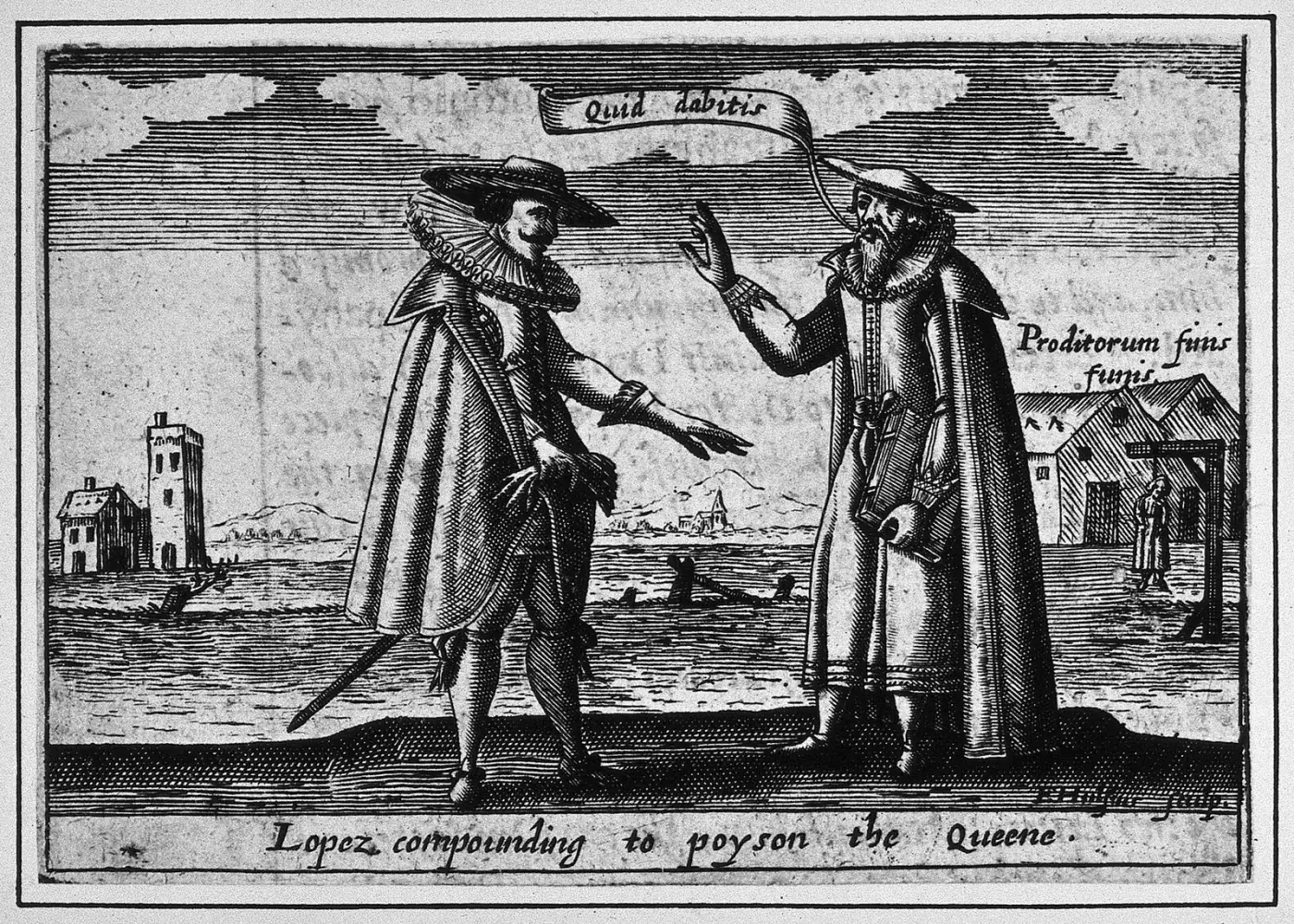
- “Lopez compounding to poyson the Queene”, engraved by Hulsius: Lopes, in a scholar's gown, bargains with a Spaniard in a ruff. The banner reads “Quid dabitis?” (“What will you give?”), and the words by the gallows behind read “the end of traitors is the rope”. Sidney Lee found the scene in a book of emblems on popish plots of 1606 and, in this engraving, in George Carleton's A Thankfull Remembrance of 1627. Esaias van Hulsen, CC BY 4.0, via Wikimedia Commons.
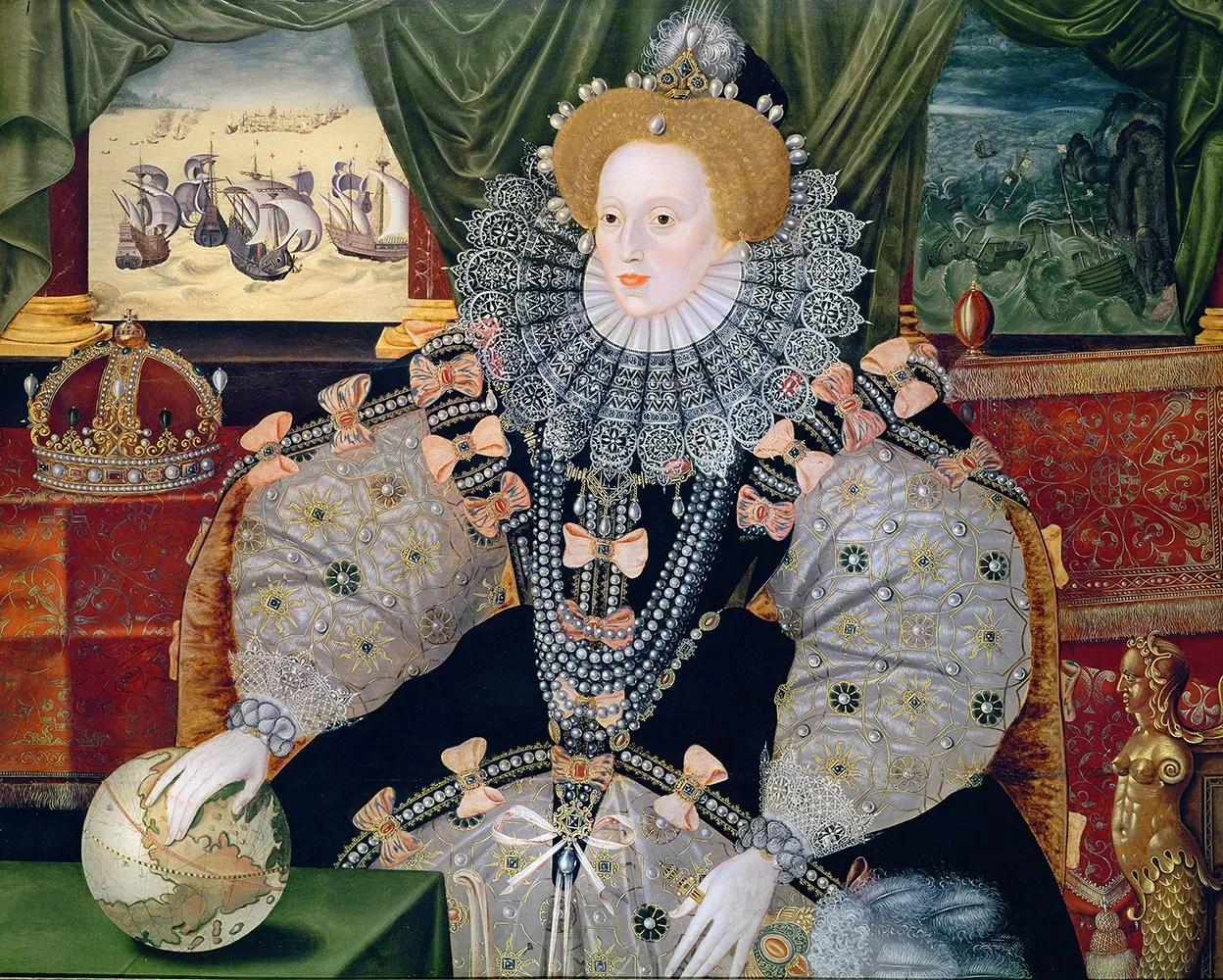
- Elizabeth I in one of the versions of the Armada Portrait, painted after the defeat of the Spanish Armada in 1588. Lopes was her chief physician by then. Formerly attributed to George Gower, Public domain, via Wikimedia Commons.
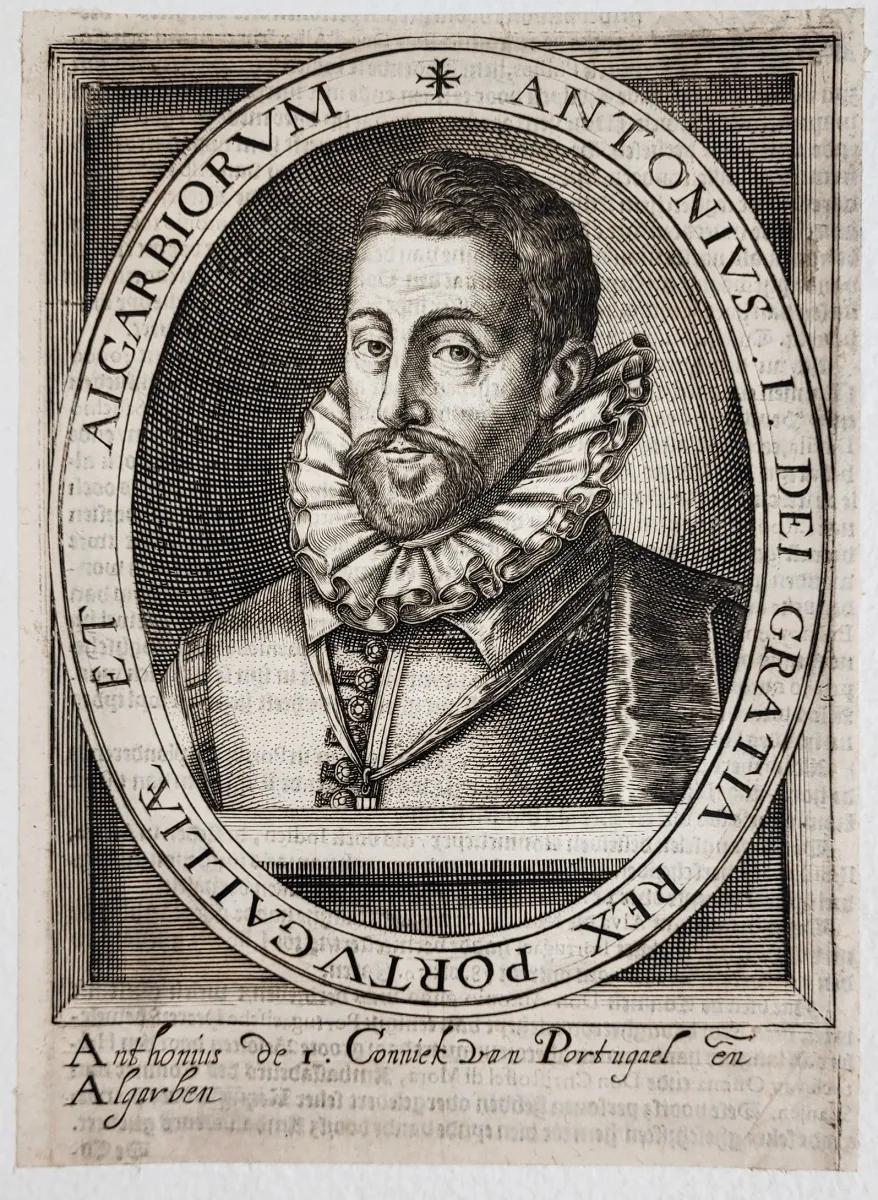
- Dom António, Prior of Crato, styled “Antonius I, by the grace of God King of Portugal and the Algarves” in an engraving by Nicolaas de Clerck published in 1615. He lived in England from 1585 and died in Paris in 1595. Nicolaas de Clerck, Public domain, via Wikimedia Commons.
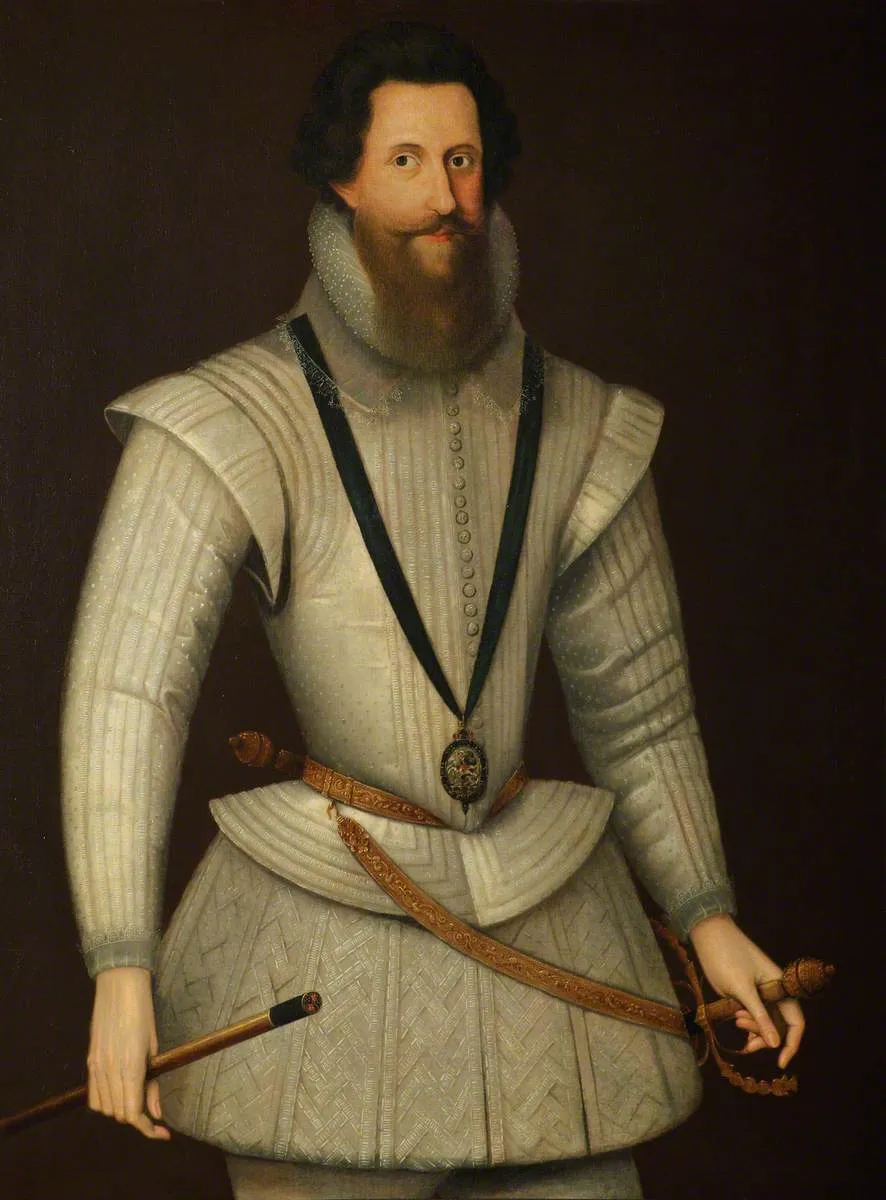
- Robert Devereux, 2nd Earl of Essex, painted by Marcus Gheeraerts the Younger between 1596 and 1601. He brought the case against Lopes and sat on the commission that tried him. He was himself beheaded for treason in 1601. Marcus Gheeraerts the Younger, Public domain, via Wikimedia Commons.
- Title page of the first edition of The Merchant of Venice, printed in London in 1600, six years after Lopes's execution. It advertises “the extreame crueltie of Shylocke the Iewe”. Unknown author, Public domain, via Wikimedia Commons.
- The stone marking the site of the Tyburn gallows near Marble Arch, London, photographed in 2011. John D. Smith, Cwmbran, CC BY 3.0, via Wikimedia Commons.