

Eunice Muñoz, the actress who spent eighty years on stage, dies at 93
She first walked onto the stage of Lisbon's national theatre in 1941, aged 13. Eighty years later she took her last bow on the same stage, and less than five months after that she was dead.
At a glance
- Eunice Muñoz died at the Hospital de Santa Cruz on 15 April 2022, aged 93. The government declared a day of national mourning for her funeral on 19 April.
- She was born on 30 July 1928 in Amareleja, in the Alentejo, into a family of travelling players, and was singing on stage with the family troupe at five.
- Her professional debut came on 28 November 1941, aged 13, in Virgínia Vitorino's Vendaval at the Teatro Nacional D. Maria II in Lisbon, with Amélia Rey Colaço's company.
- Over eight decades she acted in more than 120 plays, by the count most often cited, and in more than 80 films, telenovelas and comedy programmes.
- Her last performance, in A Margem do Tempo with her granddaughter Lídia Muñoz, was on the same stage on 28 November 2021, 80 years to the day after her debut by the theatre's count.
Eighty years to the day
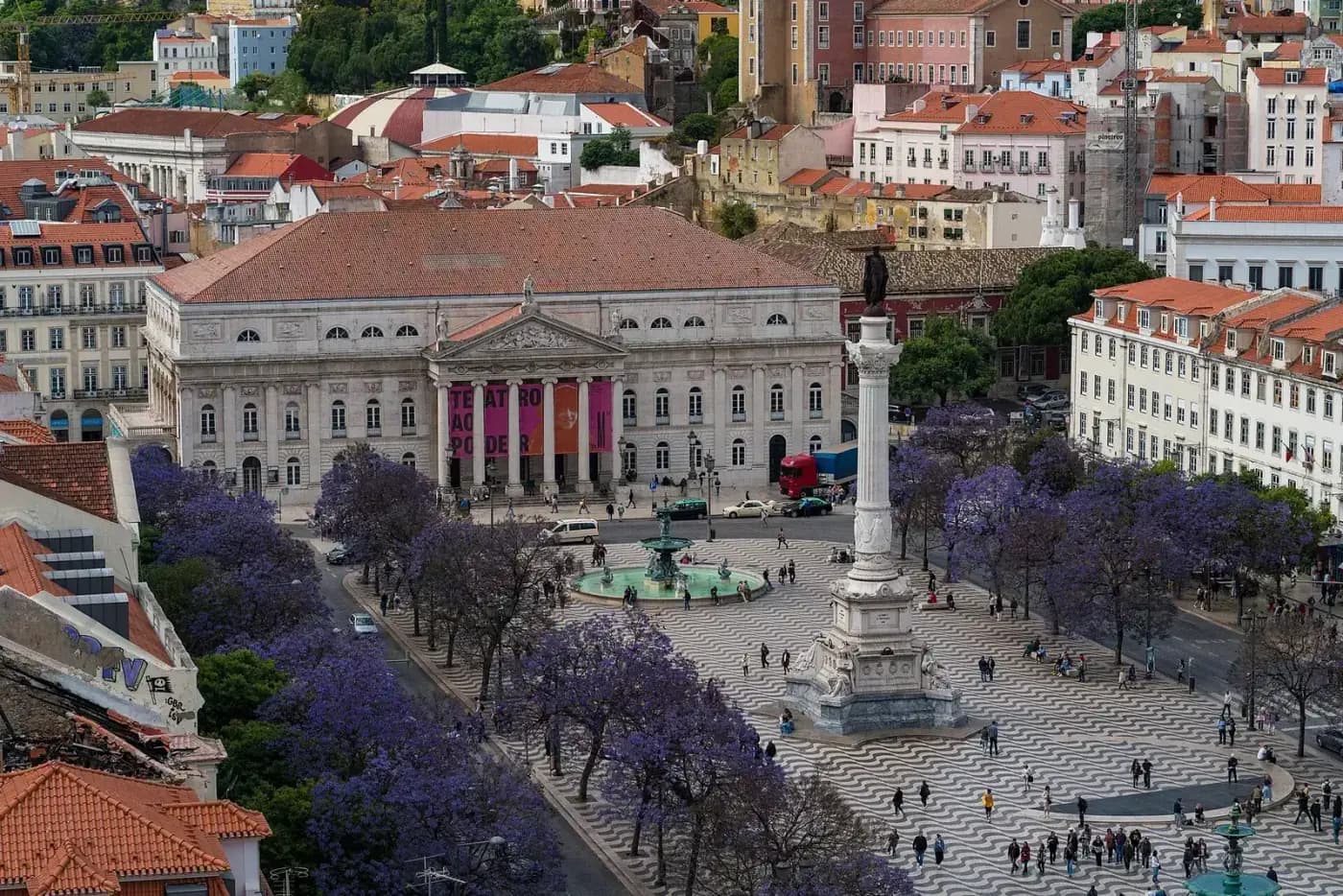
The performance was billed for four in the afternoon of 28 November 2021 at the Teatro Nacional D. Maria II, on Lisbon's Rossio. On stage were two women playing one: Mrs Rasch, a woman going through another evening identical to all the others, in a play by the German writer Franz Xaver Kroetz that has no dialogue and no monologue. The older Mrs Rasch was Eunice Muñoz, aged 93. The younger was her granddaughter, Lídia Muñoz.
The date had been chosen. Muñoz had first acted on that stage 80 years earlier, aged 13, and A Margem do Tempo (The Margin of Time) was billed as her farewell. In the audience were the prime minister, António Costa, the mayor of Lisbon, Carlos Moedas, and the culture minister, Graça Fonseca.
When it was over, Muñoz spoke. She thanked her grandmother Augusta, from whom she believed she had her talent, her parents, and her teacher Amélia Rey Colaço. Costa, who had told reporters on arriving that she was saying goodbye at 93 on the stage where she had begun at 13, went up to thank her for all she had done for the theatre. Fonseca read a poem by Eugénio de Andrade that, she said, Muñoz liked to recite.
“Theatre needs us, us on the stage and you who receive the best we have to give.”
Four and a half months later, on Friday 15 April 2022, she died at the Hospital de Santa Cruz, her son told the Lusa news agency. The national theatre wrote that day that there was a before and an after Eunice, in its own house and in Portuguese theatre.
Born into a travelling theatre
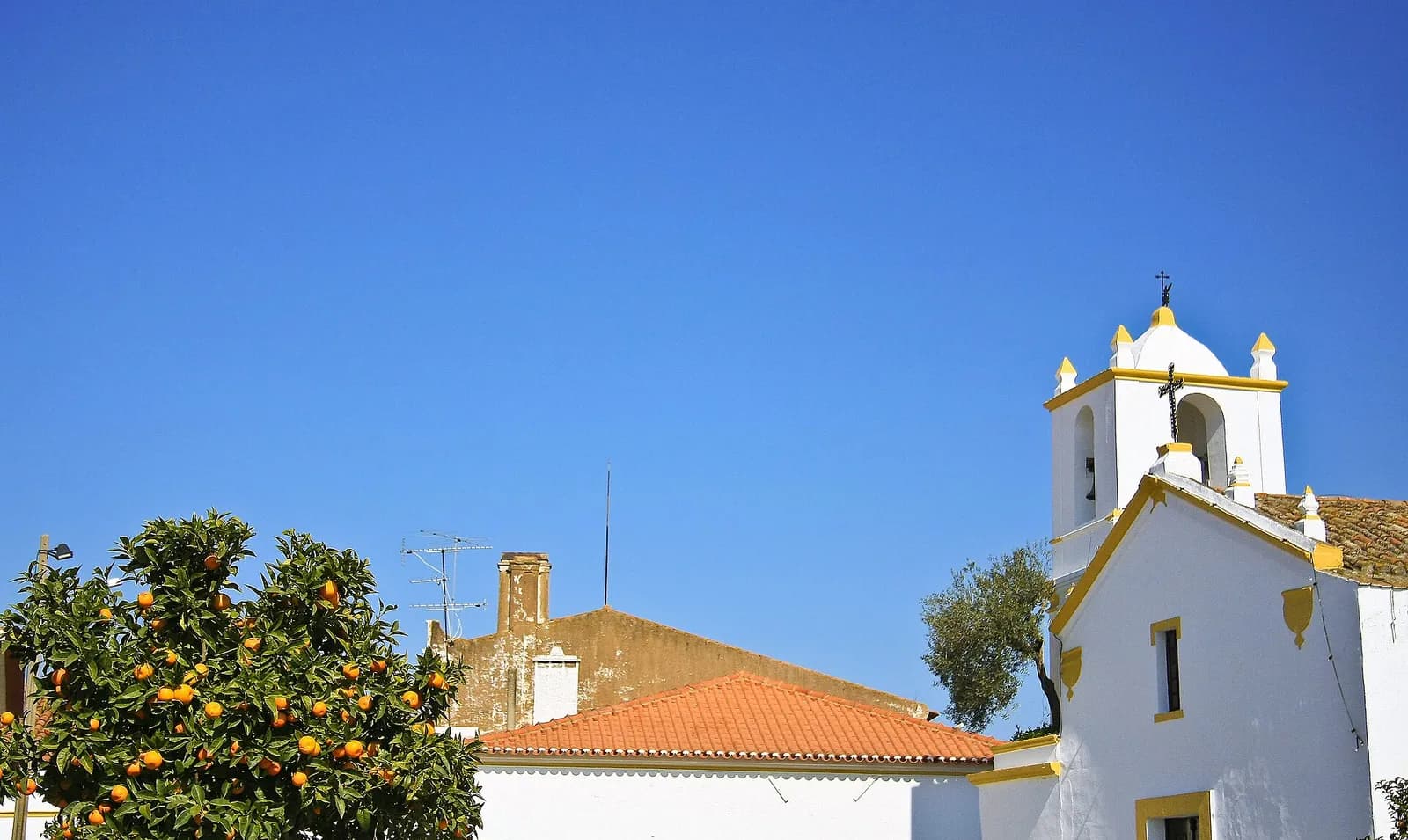
Eunice do Carmo Muñoz was born on 30 July 1928 in Amareleja, a small town in the municipality of Moura, in the Alentejo. The street where she was born now carries her name.
Her family had been performers for three generations: the Spanish Muñoz family on the stage and the Sicilian Cardinali family in the circus on her father's side, the Campos Carmo family on her mother's. They toured the Alentejo and the Ribatejo with a theatre they put up and took down in each town, the Troupe Carmo, in which her grandparents and aunts also played.
From the age of five she sang popular hits of the 1930s in the troupe's shows. She was shy, and later told interviewers that she would invent stomach aches to avoid the faces staring up at her. The family settled in Lisbon in the 1930s: in 1934, by the Lusa agency's account, or when she was 11, by the Cinemateca's.
Isabel in Vendaval, 1941
Somebody noticed the girl from the travelling troupe. On 28 November 1941 she made her professional debut in Vendaval (Gale), a play by Virgínia Vitorino, directed by Rey Colaço and Robles Monteiro. She played Isabel, on a stage shared with Palmira Bastos, Amélia Rey Colaço, Maria Lalande, Lucília Simões, Raul de Carvalho, Alves da Cunha and João Villaret.
The theatre and most obituaries give 28 November, the date celebrated in 2021. The Cinemateca's programme note and Lusa's reports of the farewell give 29 November.
She was taken into the company and played 21 plays at the D. Maria II between 1941 and 1944. Rey Colaço became the teacher she always called “Senhora D. Amélia”. At the same time she studied at the Conservatório, the national drama school, and finished with a mark of 18 out of 20.
She moved quickly beyond it. In 1943 she sang in her first operetta, O João Ratão, at the Teatro Avenida, opposite the comic actor Estêvão Amarante. In 1945 Maria Matos directed her, and that year Margaret Mayo's Chuva de Filhos at the Teatro Variedades, with Vasco Santana and Mirita Casimiro, made her widely popular.
Film followed. In 1946 she played Beatriz in Leitão de Barros's Camões, a costume drama about the national poet, and won the best actress prize of the SNI, the regime's propaganda and information office. Around the same time Henrique Campos cast her in Um Homem do Ribatejo.
“She was very active in cinema as a rising young star, but none of the films she made at that time does justice to the enormous actress who was there.”
Leaving the stage, and coming back
At 18 she married the architect Rui Couto and had a daughter. She went on working: comedies such as Melchior Lengyel's Ninotchka in 1950, then António Pedro's company at the Teatro do Ginásio, and the Trindade.
Then, in her early twenties, she stopped. She wanted time for her family and to think about her life. She took a job in a cork shop in the Príncipe Real, where fans who could no longer see her on stage came to look at her behind the counter, until she found it unbearable. She took a secretarial course and worked at an electrical goods firm in Barreiro, across the Tagus, where she met her second husband.
He encouraged her to go back. The impresario Vasco Morgado cast her as Joan of Arc in Jean Anouilh's play at the Teatro Avenida, and it was a hit; Lusa dates this return to 1955, the Diário de Notícias to 1956. In 1957 she played Pirandello's A Desaparecida, and soon after she joined Francisco Ribeiro's Teatro Nacional Popular, where she played Shakespeare's Twelfth Night and Portuguese plays such as Júlio Dantas's Um Serão nas Laranjeiras.
The 1960s brought several of the parts she is best remembered for. She shared the best actress prize of 1963 with Laura Alves for William Gibson's The Miracle Worker, about the teacher Anne Sullivan. At Raul Solnado's new Teatro Villaret she played Tennessee Williams's Summer and Smoke in 1965 and Lillian Hellman's The Little Foxes in 1966. In 1967 Carlos Avilez, of the Teatro Experimental de Cascais, directed her as Racine's Phèdre, and in 1972, in Cascais, the Argentine director Victor Garcia cast her in Genet's The Maids.
Plays the censors took away
In 1970 she set up her own small company, Somos Dois, and directed for the first time: Jean Cocteau's La Voix humaine, which she took on tour to Angola and Mozambique, then Portuguese colonies, with comedies by William Gibson and Murray Schisgal. About a year later, back in Lisbon, she was due to open in A Mãe by the Polish writer Stanisław Witkiewicz at the Teatro São Luiz. A few hours before the premiere, the censors banned it.
The dictatorship covered 33 years of her working life, from her debut to the revolution of 25 April 1974. Asked about it in 2011, she said that the only complaint she had about her life in the theatre was the repertoire the censors had stolen.
“My whole generation and I really did suffer that hideous cut, like having a piece of your leg taken off.”
Her example was Brecht's Mother Courage and Her Children, which she could play only in 1986. From 1972 to 1976 she was away from the stage again, doing small television jobs and recording Portuguese writers such as the poet Florbela Espanca.
The great parts, after 1974
She came back in 1976 with Peter Shaffer's Equus. Fire had gutted the D. Maria II in 1964, and when the rebuilt theatre reopened in 1978 she was on its stage that year, in Luís de Sttau Monteiro's Felizmente Há Luar!, a play the censors had banned. Lorca's The House of Bernarda Alba followed there in 1983, then Raul Brandão's O Gebo e a Sombra and Valle-Inclán's Romance de Lobos.
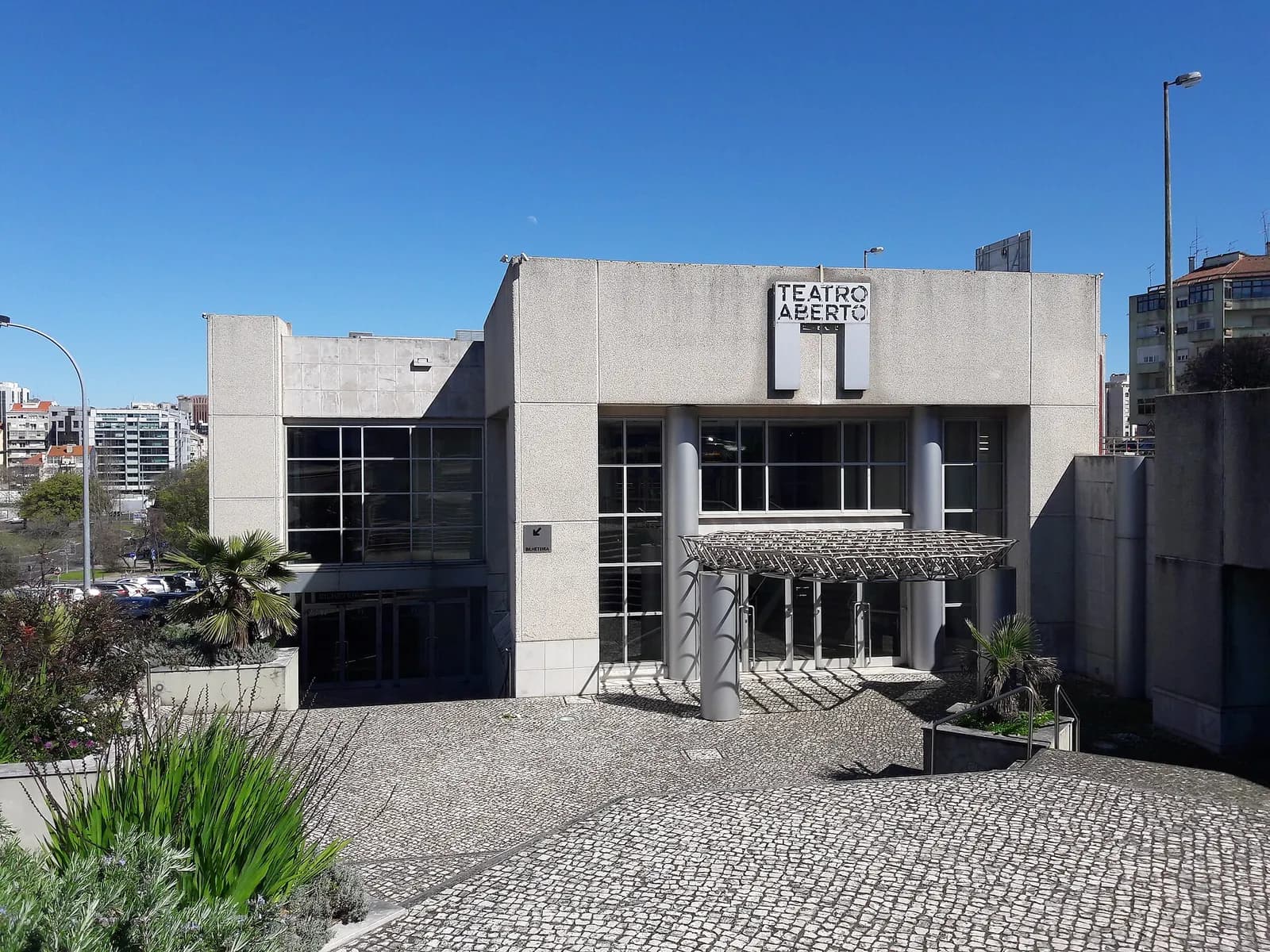
Mother Courage finally came in 1986, at the Teatro Aberto. João Lourenço directed it for his company, the Novo Grupo, in a co-production with the national theatre, and Muñoz played the title role. Nuno Teixeira made a film of the production the following year.
Of the directors she worked with, she named as her masters Ribeirinho, Avilez, João Perry, João Lourenço, João Mota and Ricardo Pais. In 1991 she was one of the leads of Filipe La Féria's musical Passa por Mim no Rossio at the D. Maria II, playing Estêvão Amarante, her partner of 1943.
| Year | Play | Author | Director or company, theatre |
|---|---|---|---|
| 1941 | Vendaval (debut, as Isabel) | Virgínia Vitorino | Rey Colaço-Robles Monteiro company, D. Maria II |
| 1945 | Chuva de Filhos | Margaret Mayo | Teatro Variedades |
| 1963 | The Miracle Worker | William Gibson | Luís de Sttau Monteiro |
| 1967 | Phèdre | Jean Racine | Carlos Avilez |
| 1972 | The Maids | Jean Genet | Victor Garcia, Cascais |
| 1978 | Felizmente Há Luar! | Luís de Sttau Monteiro | D. Maria II |
| 1983 | The House of Bernarda Alba | Federico García Lorca | D. Maria II |
| 1986 | Mother Courage and Her Children | Bertolt Brecht | João Lourenço, Novo Grupo with the D. Maria II, Teatro Aberto |
| 1988 | Zerlina | Hermann Broch | João Perry, Teatro da Trindade |
| 2006 | Driving Miss Daisy | Alfred Uhry | Celso Cleto |
| 2010 | The Year of Magical Thinking | Joan Didion | Diogo Infante, D. Maria II |
| 2021 | A Margem do Tempo (farewell) | Franz Xaver Kroetz | Sérgio Moura Afonso; Oeiras, tour and D. Maria II |
Lusa dates The Year of Magical Thinking to 2009; the Diário de Notícias says it opened in November 2010. English titles are given for foreign plays; Portuguese titles where the play was Portuguese or kept its Portuguese title.
Late in her career she took on a long monologue. At 82 she learned Joan Didion's The Year of Magical Thinking, a monologue, for Diogo Infante at the D. Maria II. Asked how she did it, she said it was her job: she had to know the text and cry when the director told her to. “I am a very obedient actress,” she said.
Television, and a late film career
Cinema came back to her late. Jorge Leitão Ramos singled out her Dona Estefânia in Lauro António's Manhã Submersa and her caricatural housekeeper in João Botelho's Tempos Difíceis. She also worked with Manuel Guimarães, Manoel de Oliveira, Paulo Rocha and Fernando Lopes. Her last film was Diogo Infante's short Olga Drummond.
Television made her a household face. In 1993 she played the lead in A Banqueira do Povo (The People's Banker), a telenovela directed by Walter Avancini, and from then on she was rarely off the screen. Other telenovelas followed, among them Olhos de Água, Mistura Fina, Ilha dos Amores and Destinos Cruzados, and the series made from Miguel Sousa Tavares's novel Equador. In all, her name is attached to more than 80 films, telenovelas and comedy programmes.
A fall, a gap and a farewell
In 2011, for her 70 years on stage, Carlos Avilez directed her as Flora Goforth, a rich former variety star, in Tennessee Williams's The Milk Train Doesn't Stop Here Anymore with the Teatro Experimental de Cascais. When the production moved to the D. Maria II in 2012, she fell during rehearsals, broke both wrists and injured her neck, and the run was cancelled. She did not act again for nine years.
Falls and a thyroid tumour weakened her. In 2016 Filipe La Féria announced her for As Árvores Morrem de Pé, but in October her family withdrew her from the cast on health grounds. She went to the theatre as a spectator instead, usually with her granddaughter Lídia, who had worked in theatre as a prompter and assistant director.
Finding the play was hard, Lídia said: they wanted a text her grandmother had never done in 80 years and that would challenge her. Kroetz wrote it for one actress, as one long stage direction with neither dialogue nor monologue; the director Sérgio Moura Afonso split the woman between the two of them. It opened in April 2021 at the Auditório Eunice Muñoz in Oeiras, toured the country, played nine nights at the D. Maria II in September and closed there on 28 November.
30 July 1928
Born in Amareleja, in the Alentejo
c. 1933
Sings on stage with the family's Troupe Carmo, aged five
28 November 1941
Debut in Vendaval at the Teatro Nacional D. Maria II, aged 13
1946
First film, Leitão de Barros's Camões; SNI best actress prize
Early 1950s
Leaves the stage for about four years
1955 or 1956
Returns to the theatre as Joan of Arc
c. 1971
A Mãe banned by the censors hours before its premiere
1986
Mother Courage at the Teatro Aberto, co-produced with the national theatre
1993
Lead role in the telenovela A Banqueira do Povo
2012
A fall in rehearsal ends a run at the D. Maria II
28 November 2021
Last performance, A Margem do Tempo, at the D. Maria II
15 April 2022
Dies, aged 93
19 April 2022
Funeral and day of national mourning
Mourning, April 2022
The news broke on Friday 15 April 2022. The president, Marcelo Rebelo de Sousa, said he was deeply distressed by the death of “a national reference” and thanked her, on behalf of all the Portuguese, for unforgettable decades. The culture ministry announced a day of national mourning on the day of the funeral.
The president, on a visit to the Azores, said he would sign the decree at the airport. Asked whether she should be moved to the National Pantheon, he declined to comment, saying it was a matter for parliament. Her body lay in the Basílica da Estrela in Lisbon on 18 and 19 April; after a funeral mass on the 19th she was cremated at the Alto de São João cemetery.
On 22 April the Assembleia da República approved, unanimously, a vote of sorrow presented by its president, Augusto Santos Silva, with members of her family in the gallery. It called her the leading figure of Portuguese theatre of the twentieth and twenty-first centuries. The same day Lisbon city council voted to give her name to a street or cultural building.
| Date in the register | Order | Grade |
|---|---|---|
| 13 July 1981 | Order of Sant'Iago da Espada | Officer |
| 26 November 1991 | Order of Prince Henry (Infante D. Henrique) | Grand Officer |
| 8 June 2010 | Order of Sant'Iago da Espada | Grand Officer |
| 28 November 2011 | Order of Prince Henry | Grand Cross |
| 31 July 2018 | Order of Merit | Grand Cross |
| 22 April 2021 | Order of Sant'Iago da Espada | Grand Cross |
From the presidency's register of Portuguese honours. The 2011 Grand Cross was conferred on the 70th anniversary of her debut; RTP reports that the 2018 award was made on her 90th birthday, 30 July. She also received the Medal of Cultural Merit in 1990 and Lisbon's Medal of Honour in 1988.
What she left
- Born
- 30 July 1928, Amareleja (Moura, Beja district)
- Debut
- 28 November 1941, Vendaval, Teatro Nacional D. Maria II, aged 13
- Last performance
- 28 November 2021, A Margem do Tempo, same stage, aged 93
- Died
- 15 April 2022, Hospital de Santa Cruz, aged 93
- Stage
- More than 120 plays with nearly 30 companies; other reports say nearly 200 plays and about 100 companies
- Screen
- More than 80 films, telenovelas and comedy programmes
Even the size of her career is disputed. Lusa's obituary, repeated in reports of parliament's vote, cites more than 120 plays with nearly 30 companies, from the database of the University of Lisbon's theatre studies centre. Observador, citing the same database, wrote of close to two hundred plays and about a hundred companies.
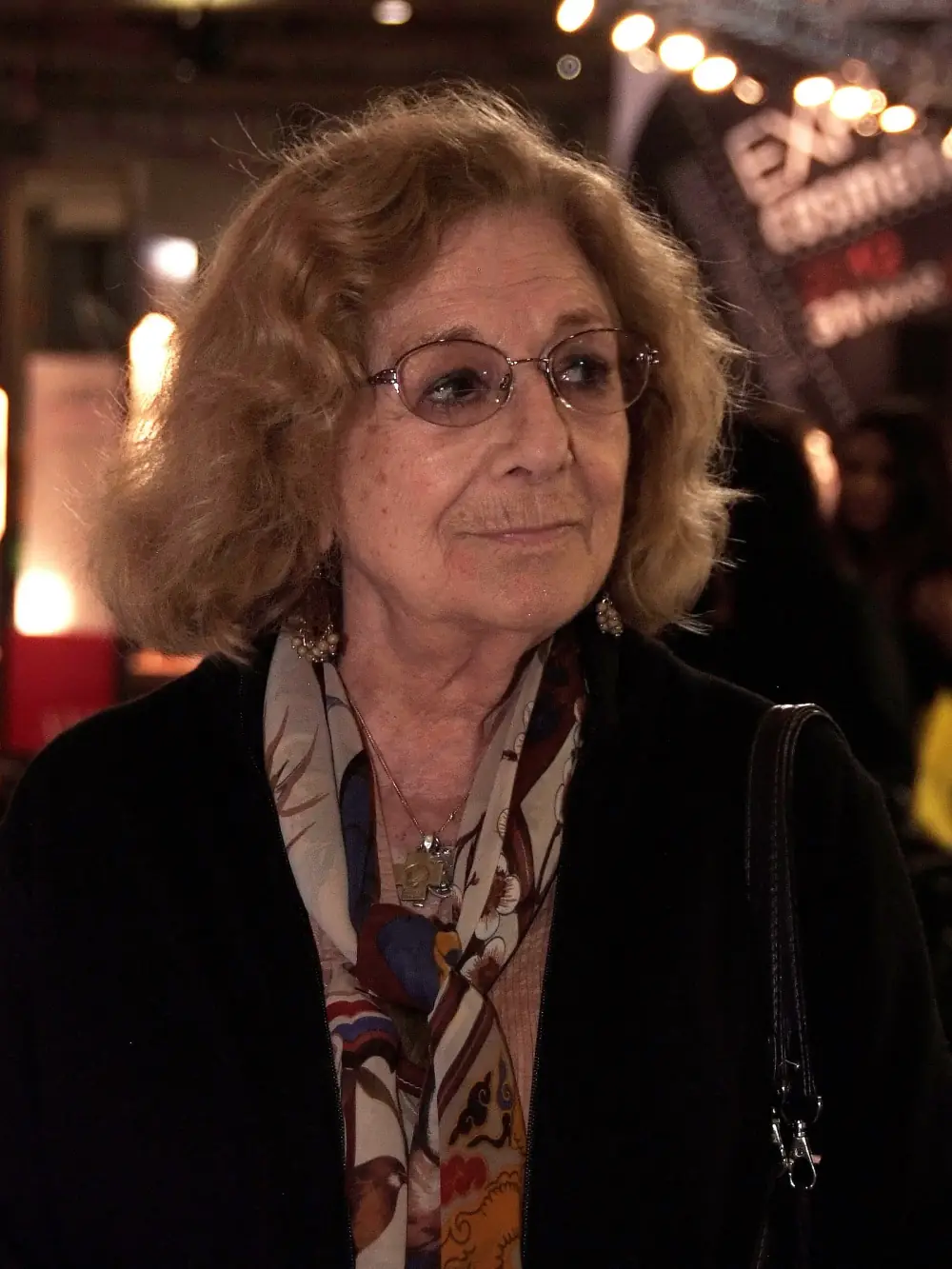
Her name is now on buildings and programmes. Oeiras named its municipal auditorium after her while she was alive. The national theatre's touring network, which takes its productions to towns where theatre is scarce, is called the Rede Eunice, and she was its patron. In October 2021 Amareleja opened a Casa da Memória in her honour, with her help and that of the national theatre museum.
She also handed the work on. A Margem do Tempo was, in her own words, the passing of the baton to her granddaughter, in whom she said she had complete confidence.
FAQs
When and how did Eunice Muñoz die?
She died on 15 April 2022, aged 93, at the Hospital de Santa Cruz, after years of declining health that included falls and a thyroid tumour. Her funeral was held at the Basílica da Estrela in Lisbon on 19 April, a day of national mourning, and she was cremated at the Alto de São João cemetery.
What was Eunice Muñoz's first professional role?
Isabel in Virgínia Vitorino's play Vendaval, at the Teatro Nacional D. Maria II in Lisbon, with Amélia Rey Colaço's company. The theatre dates the opening to 28 November 1941; she was 13.
Was Eunice Muñoz Spanish?
No. She was born in Amareleja, in the Portuguese Alentejo, in 1928. Her surname comes from the Spanish Muñoz family of actors on her father's side, which also included the Sicilian Cardinali circus family; her mother's family were the Portuguese Campos Carmo.
What was her last performance?
A Margem do Tempo, a wordless play by Franz Xaver Kroetz, which she performed with her granddaughter Lídia Muñoz. It opened in Oeiras in April 2021 and ended at the D. Maria II on 28 November 2021, 80 years after her debut there by the theatre's dating.
On the timeline
Open the timelineNearby moments from portugal in europe (1986–today).
Sculptor João Cutileiro dies in Lisbon aged 83. He scandalised traditionalists with his boyish, unheroic statue of King Sebastião in Lagos, and later with his stone monument to the 25 April revolution at the top of Lisbon's Parque Eduardo VII, still one of the city's most argued-over landmarks.
Porto's Estádio do Dragão hosts the Champions League final, moved from Istanbul because of Covid-19 travel restrictions. Chelsea beat Manchester City 1–0 with a goal from Kai Havertz to win the trophy for the second time.
António Costa's Socialist Party wins an unexpected absolute majority in a snap legislative election — only the second in its history — called after his minority government's budget was voted down by its former left-wing allies.
Death of Eunice Muñoz
Eunice Muñoz, the grande dame of Portuguese theatre, dies aged 93. Born into a family of travelling players, she made her debut at the Teatro Nacional D. Maria II at 13 and worked on stage, film and television for some 80 years, still performing in her nineties.
Death of Paula Rego in London, aged 87. Born in Lisbon in 1935 and settled in England, she became one of the great figurative painters of her time; her 'Abortion' series, painted after Portugal's 1998 referendum failed to liberalise the law, is credited with helping to shift opinion before the 2007 vote. The Casa das Histórias in Cascais is dedicated to her work.
Adriano Moreira dies aged 100, the longest-lived politician of Portuguese democracy. Briefly jailed in 1947 as a lawyer in the case of a general who died in prison, he later served Salazar as Overseas Minister in 1961–62, abolishing the 'indigenato' statute that had denied most Africans in the colonies citizenship, and after the revolution led the CDS.
Death in Lisbon of António Mega Ferreira, aged 73. A journalist, writer and translator, he led Lisbon's bid for the 1998 World Exposition and served as executive commissioner of Expo '98, the project that turned an industrial wasteland into today's Parque das Nações; he later ran the Centro Cultural de Belém.
Coming up in history
All long reads 17 April 2015José Mariano Gago: the physicist who put science into Portugal's government
 18 April 1842Antero de Quental, the Azorean poet who told Portugal why it had declined
 19 April 1506The Lisbon Massacre: three days of killing in April 1506
 20 April 1911Portugal's Law of Separation: how the Republic broke with the Church in 1911
19 sources
Archives, scholarship and reporting this article was checked against.
- 1
Eunice Muñoz: “Uma mulher simples” que deu 80 anos ao teatro portuguêsDNOTICIAS.PT (Lusa news agency obituary), 15 April 2022
- 2“O seu nome ecoa em cada espaço” do Teatro Nacional D. Maria IIRTP Notícias, 15 April 2022
- 3
Eunice ou Carta a uma Jovem Actriz (programme note by Maria João Madeira, for the session “Eunice Muñoz 80 anos de carreira”)Cinemateca Portuguesa-Museu do Cinema, 27 November 2021
- 4Morreu Eunice Muñoz, a referência do teatro português, aos 93 anosDiário de Notícias, 15 April 2022
- 5Eunice Muñoz agradece ao público no adeus aos palcosDiário de Notícias (Lusa), 28 November 2021
- 6
Teatro Aberto, quarenta anos de imagens (Paula Magalhães and Filipe Figueiredo)Sinais de Cena, 2.ª série, no. 2 (2017), pp. 169-184, Centro de Estudos de Teatro, Universidade de Lisboa
- 7
Entidades nacionais agraciadas com ordens portuguesas (search: Maria Odette Santos Ferreira)Presidência da República, Ordens Honoríficas Portuguesas
- 8
Eunice Muñoz despede-se dos palcos 80 anos depois da sua estreiaRenascença (Lusa), 22 November 2021
- 9
- 10Morreu Eunice Muñoz. A estrela maior do teatro português tinha 93 anosObservador, 15 April 2022
- 11Amareleja inaugura Casa da Memória de Eunice Muñoz, atriz natural da vilaRTP Notícias, 11 October 2021
- 12
Da vida pelo teatro: a atriz e empresária Amélia Rey Colaço (Joana d'Eça Leal)Historiæ, vol. 8, no. 2, pp. 219-237, Universidade Federal do Rio Grande, 2017
- 13
O Estado Novo (1933-1974)Assembleia da República
- 14
HistóriaTeatro Nacional D. Maria II
- 15Eunice Muñoz: Presidente vai assinar decreto de luto nacional e rejeita comentar ida para o PanteãoObservador, 16 April 2022
- 16
- 17Pedro Penim trata um “trauma da história do Teatro Nacional” com fogo e provocação. Quem tem medo de “Macbeth”?Observador, September 2026
- 18
Macbeth defies curse as Lisbon's Teatro D. Maria II reopensEuronews, 18 September 2026
- 19
Sete mulheres dão nome a sete ruas de MarvilaTime Out Lisboa, 9 May 2024
Image credits
- The Teatro Nacional D. Maria II closes the north side of the Rossio, seen here in May 2018. Eunice Muñoz made her debut on its stage in 1941 and gave her last performance there in 2021. Nan Palmero from San Antonio, TX, USA, CC BY 2.0, via Wikimedia Commons.
- A church in Amareleja, the Alentejo village where Eunice Muñoz was born in 1928, photographed in 2009. Vitor Oliveira from Torres Vedras, PORTUGAL, CC BY-SA 2.0, via Wikimedia Commons.
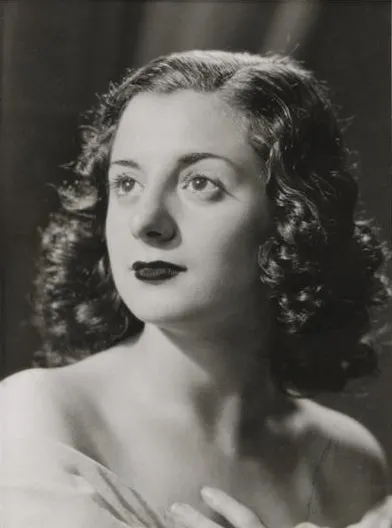
- Eunice Muñoz in 1943, aged 14 or 15, two years into her career with the national theatre company. The photographer is unknown; the print is in the Museu Nacional do Teatro e da Dança. Unknown author, Public domain, via Wikimedia Commons.
- The entrance of the Teatro Aberto, by the Praça de Espanha in Lisbon, home of João Lourenço's Novo Grupo, photographed in March 2019. Hipersyl, CC BY-SA 4.0, via Wikimedia Commons.
- Eunice Muñoz at the ExpoCosmética trade fair at Exponor, near Porto, on 31 March 2012, aged 83. Manuel de Sousa, CC BY-SA 3.0, via Wikimedia Commons.