

José Mariano Gago: the physicist who put science into Portugal's government
When the particle physicist and former minister died on 17 April 2015, laboratories and universities across Portugal stopped work at noon to honour him. He had taken the country into CERN, founded its particle physics laboratory and launched Ciência Viva.
At a glance
- José Mariano Gago, a particle physicist who by Lusa's count had served longer as a minister than anyone since 1974, died at home in Lisbon on 17 April 2015, aged 66.
- On Monday 20 April, researchers, teachers and students at labs, universities and science centres across Portugal stopped work for five minutes at noon in his honour.
- A student leader who fled the political police in 1972, he took his doctorate in Paris, worked at CERN and in 1985 negotiated Portugal's entry into it; he founded the LIP laboratory in May 1986.
- As president of the national research council (JNICT) from 1986 to 1989 and then as minister from 1995 to 2002 and 2005 to 2011, he funded doctoral grants on a large scale, brought in international evaluation and launched Ciência Viva in 1996.
- Portugal's R&D spending rose from about 0.27% of GDP in 1982 to 1.58% in 2009, by OECD figures, and the number of researchers grew roughly elevenfold between 1982 and 2012.
Five minutes at noon
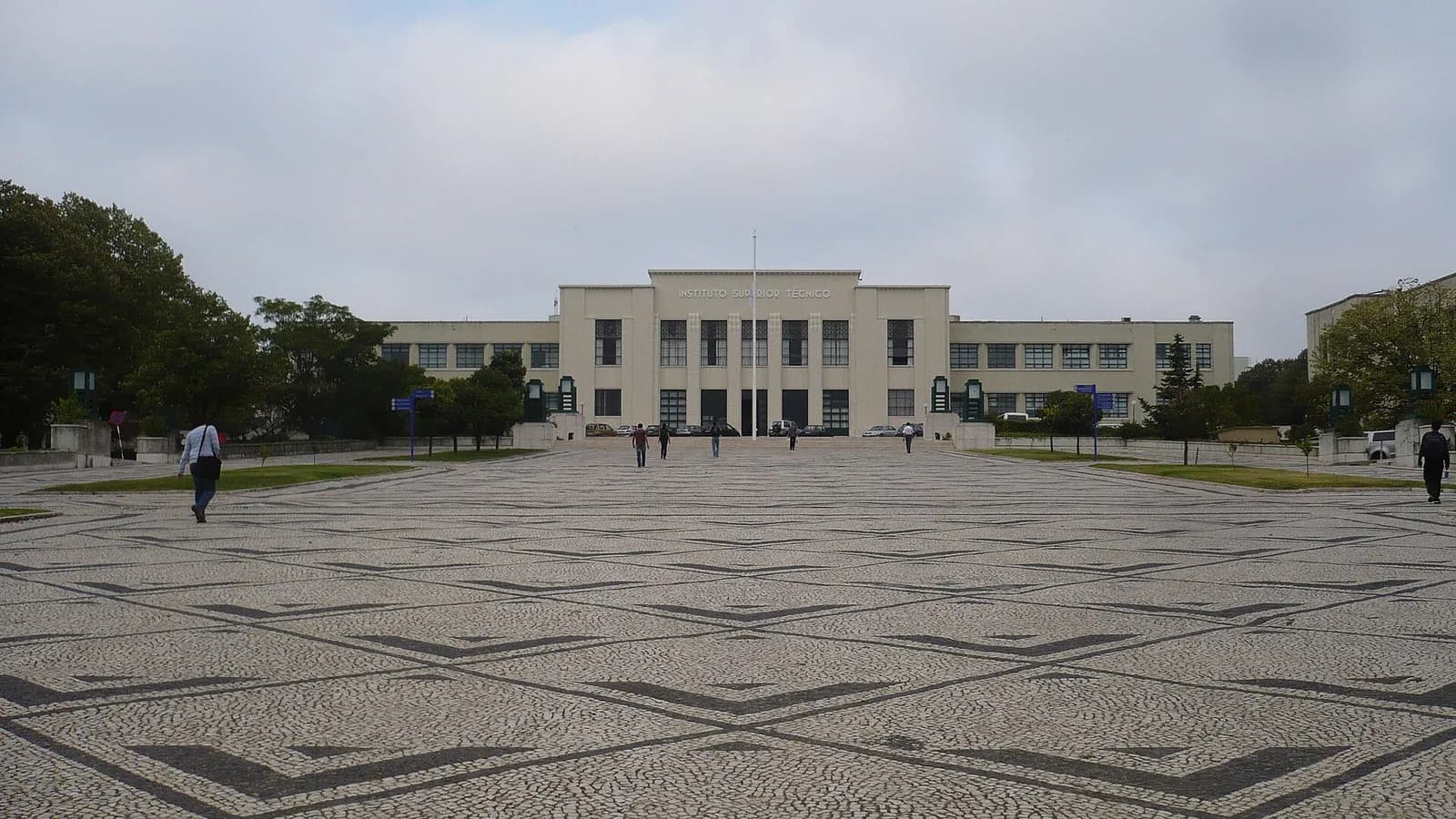
At noon on Monday 20 April 2015 a small crowd gathered in front of the central pavilion of the Instituto Superior Técnico, Lisbon's engineering school. Nobody spoke. The silence lasted eight minutes, and it ended in long applause.
The same thing happened, for five minutes, outside research centres, universities, polytechnics and Ciência Viva science centres across Portugal. A group of scientists had called the stoppage as the “public recognition of the national scientific community” for José Mariano Gago, physicist and former minister, who had died three days earlier.
Gago died at his home in Lisbon on Friday 17 April 2015, aged 66. He had been ill with cancer for almost two years, and his secretary of 30 years told the Lusa news agency that the end was sudden. His body lay in the Basílica da Estrela that night. The next day it was taken to the Algarve, where his family came from, for burial at Pechão, near Olhão.
He had been a particle physicist at CERN, the founder of a laboratory and, for about 12 years in two spells, the minister in charge of science. Lusa reported that no one had served longer as a minister since 1974. Even the prime minister, Pedro Passos Coelho, whose government Gago had criticised in print a year earlier, called him an “illustrious academic” and a man who had served his country.
- Born
- 16 May 1948, Lisbon
- Died
- 17 April 2015, Lisbon, aged 66
- Education
- Electrical engineering, Instituto Superior Técnico (1971); doctorate in physics, University of Paris (1976)
- Founded
- LIP particle physics laboratory (May 1986); Ciência Viva (1996)
- Offices
- President of the JNICT, 1986 to 1989; Minister of Science and Technology, 1995 to 2002; Minister of Science, Technology and Higher Education, 2005 to 2011
- Buried
- Pechão, Olhão, in the Algarve
A country with few scientists
When the Estado Novo dictatorship fell on 25 April 1974, Portugal's research base was tiny. Small research budgets and conflicting initiatives made the years from 1974 to 1986 a period of impasse, in the words of historians of the FCT archive. Mário Pimenta, a physicist who was Gago's first doctoral student, later described the early 1980s as a time when “there was practically no science in Portugal”.
The first comparable statistics show how small the base was. OECD estimates put Portugal's spending on research and development at 0.27% of its GDP in 1982, against 0.45% in Spain. Eurostat counts about 3,960 full-time-equivalent researchers in Portugal that year.
Money for training was tied to the old university hierarchy. Gago recalled that when he took over the national research council in 1986, almost all its study grants went to university lecturers to study abroad. Giving a grant to a doctoral student with no job in the state was a novelty.
In his own field the base was one man. According to Pimenta, when Gago came back from Geneva around 1980 he was the only Portuguese with a doctorate in experimental particle physics.
From the Técnico to CERN
José Mariano Rebelo Pires Gago was born in Lisbon on 16 May 1948. His parents were, in his words, completely anti-fascist and on the left. His father had helped the MUD, the opposition's Movement of Democratic Unity, and the presidential campaign of General Norton de Matos, and at home every question was argued over.
He entered the Técnico in October 1965, at 17. The turning point, he said, came with the floods of November 1967, which swept away shacks around Lisbon. Students went out to help, against the censors' silence, and he spent several days with a shovel in a village above Vila Franca de Xira, digging dead animals out of the mud.
In May 1969 he was elected president of the Técnico students' association, one of the most powerful in the country. It was a tense spring. In Coimbra, on 17 April, the student leader Alberto Martins had been refused the floor in front of President Américo Tomás and arrested that night, and Coimbra's students went on to boycott their exams.
He graduated in electrical engineering in 1971 and left for Paris on a grant from the Instituto de Alta Cultura, to do a doctorate in the nuclear and high-energy physics laboratory of the École Polytechnique. In 1972, while home on holiday, he learned that the PIDE, the political police, had a warrant for his arrest. He fled, and organised his life on the assumption that he would never come back.
“I was never a scientist, but I will do everything so that you can be.”
He came home after the revolution of 25 April 1974 only to visit; his work was abroad. He took his doctorate in physics at the University of Paris in 1976 and then worked at CERN, the European particle physics laboratory near Geneva, until 1978. In France and Switzerland he also did voluntary teaching in Portuguese emigrant associations, which produced a book, Homens e Ofícios, published with UNESCO support.
CERN, LIP and the national research council
From about 1978 Gago tried to move back to Portugal, and for years he lived between Lisbon and Switzerland. In 1981 he and colleagues put on what he called the first hands-on science exhibition for the general public in Portugal, De que São Feitas as Coisas (What things are made of), in the Técnico's central pavilion. It ran alongside a European conference on high-energy physics at the Gulbenkian Foundation, which, he recalled, Richard Feynman attended.
The exhibition was free, open late and open for only a week, and it drew many thousands of visitors. Clowns from the Coliseu worked the metro stations as sandwich men. A cosmic-ray detector running in a shop window of the Palácio Foz, on the Restauradores, earned a front-page headline in an evening paper: “Cósmicos atacam Lisboa” (Cosmic rays attack Lisbon). Some schoolchildren skipped lessons all week to help with the experiments.
That year he also negotiated Portugal's first agreement with CERN. In 1985, working with the foreign minister Jaime Gama, he negotiated full membership, and Portugal joined on 1 January 1986. CERN was the first international scientific organisation the country had ever belonged to.
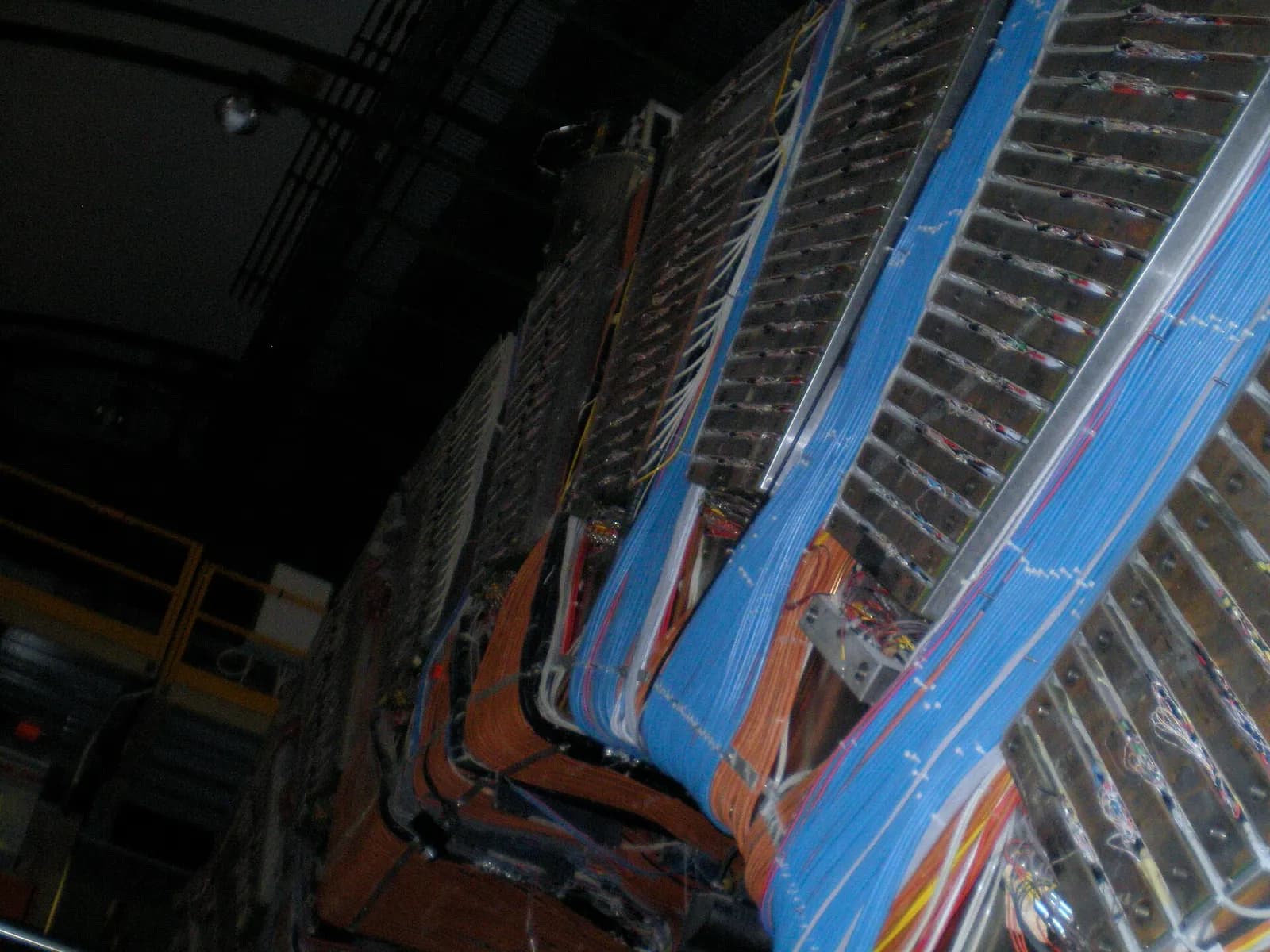
To make use of it, Gago founded LIP, the Laboratório de Instrumentação e Física Experimental de Partículas, in May 1986. It began with about half a dozen researchers in Lisbon, from the Técnico and the Faculty of Sciences, and a Coimbra group of radiation-detector specialists led by Armando Policarpo. Gago himself worked on the CERN experiments NA38, NA50 and NA51 and on the DELPHI detector.
Also in 1986, while still living in Geneva, he was invited to preside over the JNICT. In three years he organised a national research congress, the Jornadas Nacionais de Investigação Científica e Tecnológica of May 1987, and launched the Programa Mobilizador de Ciência e Tecnologia, whose projects were judged by evaluators from abroad. He also made applicants present their projects in public, so that young researchers could compete with their elders.
He left the JNICT in 1989 and published Manifesto para a Ciência em Portugal in 1990. Out of office, he fought Aníbal Cavaco Silva's government over the first EU-funded science programme, which put money into science parks and tried to drop the social sciences and humanities. He later called that a “troglodyte” idea of which sciences were useful.
Portugal's first science ministry
In 1995 António Guterres, the Socialist prime minister and a friend from the Técnico, asked Gago to create a Ministry of Science and Technology, the country's first. He ran it through Guterres's two governments, until 2002. He chose not to take the universities as well: reforming higher education at the same time, he argued, would have swamped a new science policy. He later allowed that this choice might have delayed university reform by several years, though he was not sure it had.
The first new body was Ciência Viva, launched on 1 July 1996 as a government programme to bring science into schools and public life. It paid for experimental science teaching, twinned schools with laboratories and put scientists in front of the public in summer. In 1998 it became an association of research institutions and took the title of national agency for scientific and technological culture. Its co-founder, Rosalia Vargas, led it for the next three decades.
Gago said the ministry “would be incomprehensible without Ciência Viva”. In 1997 the JNICT was broken up and the new FCT took over the funding and evaluation of research, judged by international panels. The ministry also connected every school and library to the internet.
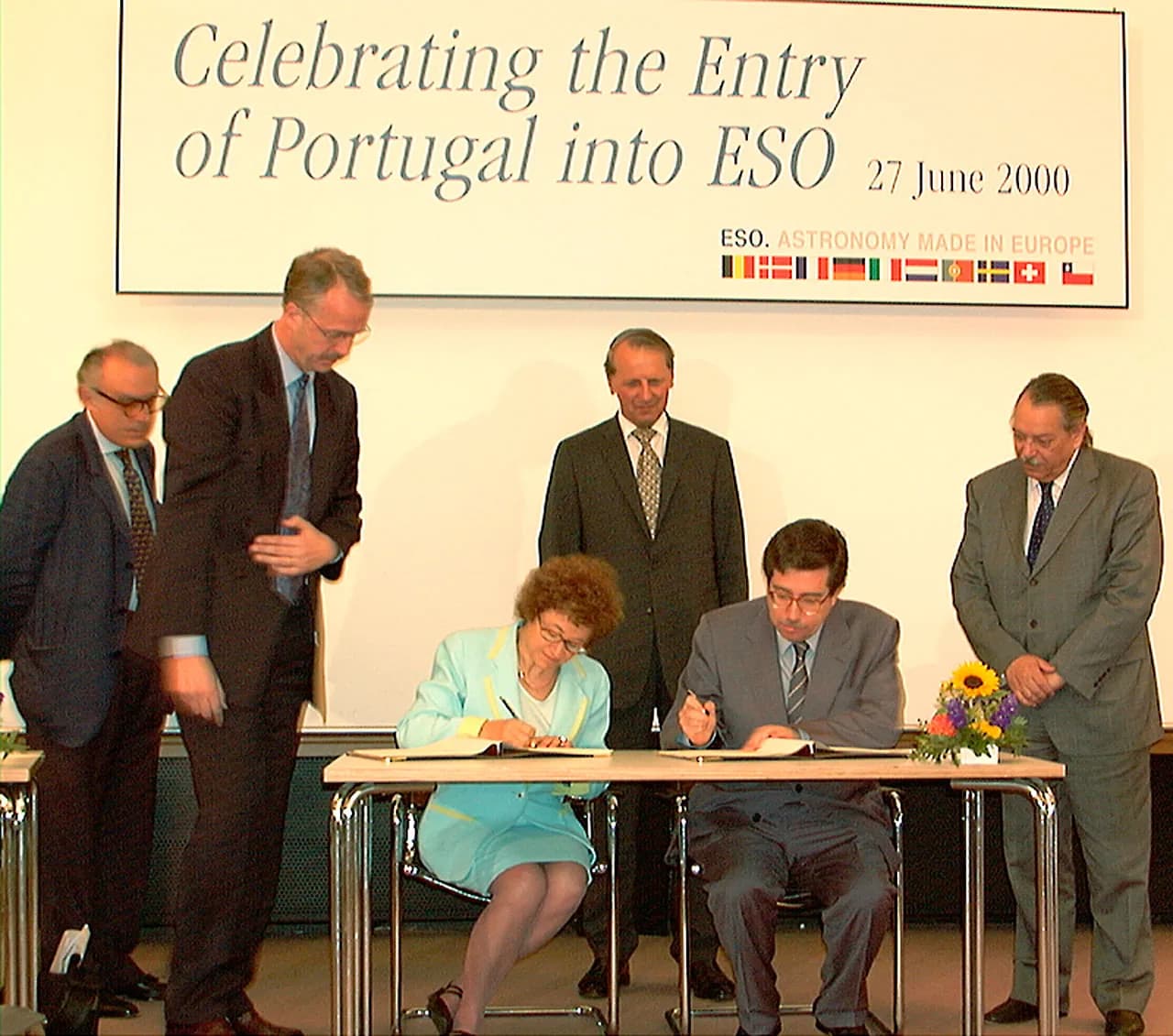
He kept up the scientific diplomacy he had begun with CERN. At the end of 1998 he applied to join the European Space Agency, and Portugal became its 15th member state on 14 November 2000. On 27 June 2000 he signed the agreement for Portugal's entry into the European Southern Observatory, which runs the La Silla observatory and the Very Large Telescope, and Portugal joined in 2001.
“The accession of Portugal to ESO is the result of a joint effort by ESO and Portugal during the last ten years. It was made possible by the rapid Portuguese scientific development and by the growth and internationalisation of its scientific community.”
| Organisation | First step | Full membership | Minister or negotiator |
|---|---|---|---|
| CERN (particle physics, Geneva) | First agreement, 1981; accession negotiated 1985 | 1 January 1986 | Gago, then a CERN physicist, with foreign minister Jaime Gama |
| ESO (astronomy) | Co-operation agreement, 10 July 1990; accession signed 27 June 2000 | 2001 | Gago as minister |
| ESA (space) | Formal request, end of 1998; approved by the ESA Council, December 1999 | 14 November 2000 | Gago as minister |
CERN's own list gives 1985 for Portugal, the year accession was negotiated; LIP gives 1 January 1986 as the date membership took effect.
In 2000 Portugal held the presidency of the European Union. Gago worked with the European Commission on the parts of the Lisbon Strategy that dealt with a European Research Area and the information society. He later chaired the Initiative for Science in Europe and campaigned for the creation of a European Research Council.
Science and the universities, 2005 to 2011
When the Socialists left office in 2002, Gago went back to the Técnico and LIP. In 2005 José Sócrates brought him back as Minister of Science, Technology and Higher Education, and he stayed through both of Sócrates's governments, until 2011.
This time he took on the universities. A summary of the Portuguese press in 2009 listed what he had done in four years: he closed three private universities, created the option for public universities to become foundations and consolidated the move to the European Bologna degree system.
He also signed partnerships with American universities. The MIT Portugal Program was founded in 2006, alongside programmes with Carnegie Mellon and the University of Texas at Austin. Their stated aims were to internationalise Portuguese universities and research centres and give them access to high-technology research equipment.
And he hired. By his own later account, about 1,200 researchers with doctorates, 40% of them foreigners, were taken on through an international competition, on contracts that ran out in 2012 and 2013. Spending rose fast: OECD figures show R&D going from 0.76% of GDP in 2005 to 1.58% in 2009, when Portugal was ahead of Spain (1.36%). The OECD marks a break in Portugal's series in 2008, so part of that year's jump may come from a change of method.
What changed, in numbers
Two series show the scale of the change. Both have breaks where the surveys changed, so single-year jumps should be read with care, but the direction is not in doubt.
Spending on research and development, Portugal and Spain, 1982 to 2024
% of GDP
- Portugal
- Spain
Gross domestic expenditure on R&D as a share of GDP, from the OECD's Main Science and Technology Indicators. Highlighted: 1995 and 2005, the years Gago took office. Most values before 1995, and several later ones, are OECD estimates. Both series break in 2008 (Spain's also in 1992), and the 2024 figures and Spain's for 2023 are provisional.
Show the data
| Portugal | Spain | |
|---|---|---|
| 1982 | 0.3 | 0.5 |
| 1983 | 0.3 | 0.4 |
| 1984 | 0.3 | 0.5 |
| 1985 | 0.3 | 0.5 |
| 1986 | 0.3 | 0.6 |
| 1987 | 0.4 | 0.6 |
| 1988 | 0.4 | 0.7 |
| 1989 | 0.4 | 0.7 |
| 1990 | 0.5 | 0.8 |
| 1991 | 0.5 | 0.8 |
| 1992 | 0.6 | 0.8 |
| 1993 | 0.6 | 0.8 |
| 1994 | 0.5 | 0.8 |
| 1995 | 0.5 | 0.8 |
| 1996 | 0.6 | 0.8 |
| 1997 | 0.6 | 0.8 |
| 1998 | 0.6 | 0.9 |
| 1999 | 0.7 | 0.8 |
| 2000 | 0.7 | 0.9 |
| 2001 | 0.8 | 0.9 |
| 2002 | 0.7 | 1 |
| 2003 | 0.7 | 1 |
| 2004 | 0.7 | 1 |
| 2005 | 0.8 | 1.1 |
| 2006 | 1 | 1.2 |
| 2007 | 1.1 | 1.2 |
| 2008 | 1.4 | 1.3 |
| 2009 | 1.6 | 1.4 |
| 2010 | 1.5 | 1.4 |
| 2011 | 1.5 | 1.3 |
| 2012 | 1.4 | 1.3 |
| 2013 | 1.3 | 1.3 |
| 2014 | 1.3 | 1.2 |
| 2015 | 1.3 | 1.2 |
| 2016 | 1.3 | 1.2 |
| 2017 | 1.3 | 1.2 |
| 2018 | 1.4 | 1.2 |
| 2019 | 1.4 | 1.2 |
| 2020 | 1.6 | 1.4 |
| 2021 | 1.7 | 1.4 |
| 2022 | 1.7 | 1.4 |
| 2023 | 1.7 | 1.5 |
| 2024 | 1.7 | 1.5 |
Researchers multiplied faster still. Eurostat counts about 11,600 full-time-equivalent researchers in Portugal in 1995, 21,100 in 2005 and 44,100 in 2011. Gago's own figure, in 2014, was that the number of researchers had grown seventeenfold in 30 years, R&D intensity fivefold and scientific output 32-fold. Eurostat's full-time-equivalent series gives a rise of roughly eleven times between 1982 and 2012. He did not say which series or starting year he used.
Researchers in Portugal, selected years, 1982 to 2024
full-time equivalent
Eurostat, R&D personnel (rd_p_persocc), researchers in full-time equivalent, all sectors, rounded to the nearest whole number. The series breaks in 2008 and 2013, when the survey method changed, and Eurostat flags the values for 1986, 1990 and 1995 as low reliability. Highlighted: the years Gago took office.
Show the data
| Researchers, all sectors | |
|---|---|
| 1982 | 3,963 |
| 1986 | 5,723 |
| 1990 | 7,736 |
| 1995 | 11,599 |
| 1999 | 15,752 |
| 2001 | 17,725 |
| 2005 | 21,126 |
| 2007 | 28,176 |
| 2008 | 40,408 |
| 2011 | 44,056 |
| 2013 | 37,813 |
| 2015 | 38,672 |
| 2019 | 50,167 |
| 2024 | 65,283 |
Last years
When the Socialist government left office in 2011, Gago went back to LIP, which a colleague called his home. He still followed its work closely, travelled and gave advice, and he chaired the laboratory until his death.
He did not stay quiet. In 2014 he wrote in Análise Social that the government had let the 1,200 researcher contracts lapse and opened only 400 places, cut new postdoctoral grants to 200 a year from the usual 700 and halved new doctoral grants. About 1,000 people with doctorates, he estimated, had probably left research or the country as a result.
He set out the other side too. The government's case, as he summarised it, was that heavy investment had still not brought Portugal level with other countries, that companies were not hiring the doctorates it had produced, and that the system had grown in quantity and now had to concentrate on “excellence”. The protests grew after allegations that FCT panels' scores had been changed administratively.
He ended the piece with a letter of 1780 by the mathematician José Anastácio da Cunha, punished by the Inquisition and expelled from the university, who lamented that Portuguese scholars had once been respected abroad and had since fallen back.
“You will tell me: it will never happen again! Perhaps. Surely not. But it depends on us.”
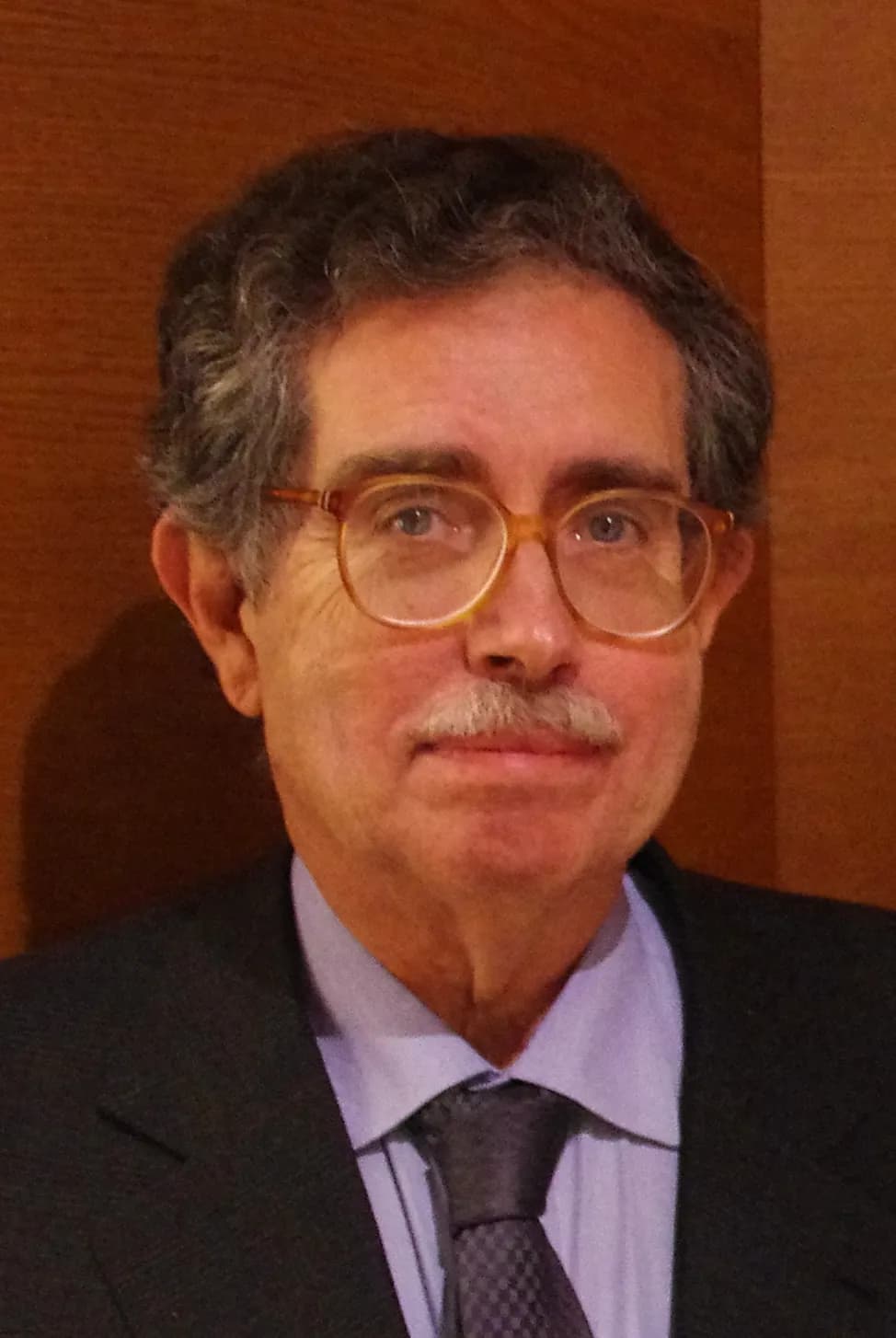
Tributes came from every side. António Guterres spoke of his courage against the dictatorship. Nuno Crato, education and science minister in the government Gago had criticised, called him a brilliant personality who meant a great deal to Portuguese science. António Costa, then leader of the Socialists, said the country owed Gago for putting science at the centre of development policy.
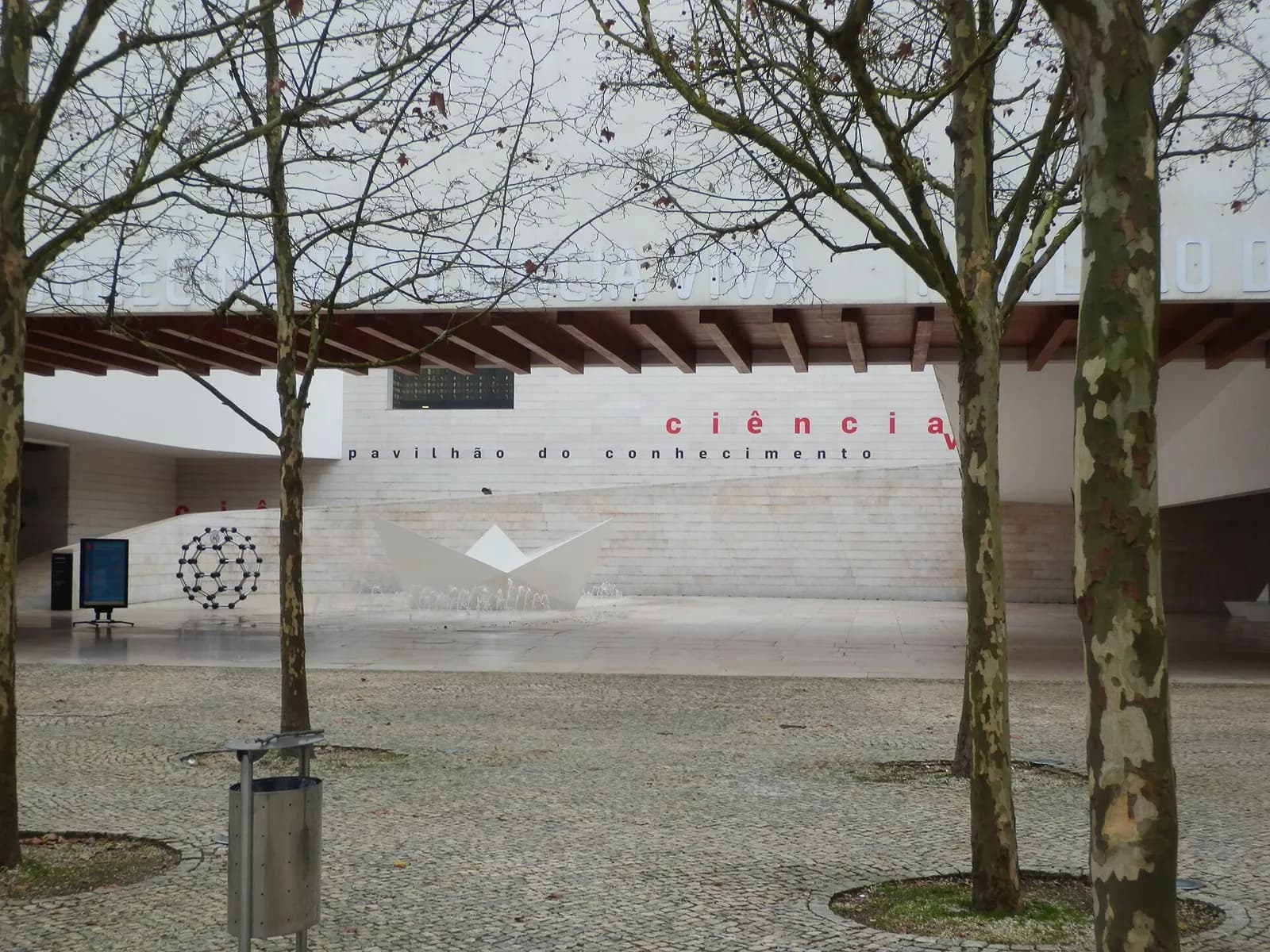
Gago had worked to the end on a celebration of 30 years of Portugal in CERN. It was set for Sunday 26 April at the Pavilhão do Conhecimento, the Ciência Viva science centre in Lisbon, and the centre announced that it would name its auditorium after him that day. The room is now the Auditório José Mariano Gago.
16 May 1948
Born in Lisbon
October 1965
Enters the Instituto Superior Técnico
May 1969
Elected president of the Técnico students' association
1972
Flees a PIDE arrest warrant and stays in France
1976
Doctorate in Paris; goes to CERN until 1978
1981
Exhibition De que São Feitas as Coisas; first agreement with CERN
1 January 1986
Portugal joins CERN
May 1986
Founds LIP and becomes president of the JNICT
1995
First Minister of Science and Technology
1 July 1996
Ciência Viva launched
1997
FCT replaces the JNICT
2000 to 2001
Portugal joins ESA and ESO
2005
Minister again, now with higher education
2011
Leaves government for the last time
17 April 2015
Dies at home in Lisbon
20 April 2015
Five minutes' stoppage in labs and universities
Why it still matters
Portugal still spends less on research than the European average: 1.73% of GDP in 2024, against an estimated 2.26% for the EU, by Eurostat's figures. But the system Gago built kept growing after him. Eurostat counted about 65,300 full-time-equivalent researchers in Portugal in 2024, and the country remains a member of CERN and ESO.
Ciência Viva turned 30 on 1 July 2026. It now runs a network of 22 science centres, some in old buildings such as a convent in Estremoz and a former prison in Vila do Conde, and nearly 900 science clubs in schools. The centres have had 13 million visitors since 1998. LIP, now in Lisbon, Coimbra and Braga, still connects Portuguese physicists to CERN.
FAQs
Who was José Mariano Gago?
José Mariano Gago (1948 to 2015) was a Portuguese particle physicist who worked at CERN, founded the LIP laboratory in 1986 and was Portugal's minister for science from 1995 to 2002 and from 2005 to 2011, with higher education added in the second spell. He launched the Ciência Viva programme in 1996.
When and how did Mariano Gago die?
He died at his home in Lisbon on Friday 17 April 2015, aged 66. He had been treated for cancer for almost two years, and those close to him said his death was sudden. He was buried at Pechão, near Olhão, in the Algarve.
What is LIP?
LIP, the Laboratório de Instrumentação e Física Experimental de Partículas, is Portugal's particle physics laboratory. Gago founded it in May 1986, a few months after Portugal joined CERN, with groups in Lisbon and Coimbra; it now also has a branch in Braga.
What is Ciência Viva?
Ciência Viva is Portugal's national agency for scientific culture. Gago launched it as a government programme on 1 July 1996, and in 1998 it became an association of research institutions with its present name. It runs 22 science centres, including the Pavilhão do Conhecimento in Lisbon, and supports science clubs in schools.
How long was Mariano Gago a minister?
About 12 years: Minister of Science and Technology from 1995 to 2002 under António Guterres, and Minister of Science, Technology and Higher Education from 2005 to 2011 under José Sócrates. When he died, Lusa reported that no one had served longer as a minister in Portugal since 1974.
On the timeline
Open the timelineNearby moments from portugal in europe (1986–today).
Lisbon's Estádio da Luz hosts the first Champions League final between two clubs from the same city. Real Madrid equalise in stoppage time through Sergio Ramos and beat Atlético Madrid 4–1 after extra time to claim their long-awaited tenth European Cup.
Former prime minister José Sócrates is detained at Lisbon airport on arrival from Paris in the 'Operação Marquês' corruption investigation, the first former prime minister of the democratic era to be arrested. He spent some nine months in preventive detention in Évora prison and has always denied wrongdoing.
Death of Manoel de Oliveira in Porto at age 106. He was the world's oldest active film director, with a career running from the silent short 'Douro, Faina Fluvial' in 1931 to 'O Velho do Restelo' in 2014, and a celebrated figure at Cannes, Venice and other international festivals.
José Mariano Gago (1948–2015)
Death of José Mariano Gago, the particle physicist who founded the LIP laboratory in Lisbon and Coimbra and, as science minister in the 1990s and 2000s, launched the Ciência Viva programme and drove a rapid expansion of Portuguese research. Days later, labs and universities across the country stopped work for five minutes in his honour.
António Costa's Socialist minority government is sworn in, backed in parliament by the Left Bloc, the Communists and the Greens after the right-wing coalition that won the most seats was voted down. Nicknamed the 'geringonça' (contraption), the arrangement was the first of its kind since the revolution and lasted the full four-year term.
Law professor and long-time television commentator Marcelo Rebelo de Sousa is elected President of the Republic in the first round with 52 per cent of the vote. His informal style — selfies, sea swims and constant walkabouts — made him one of Portugal's most popular presidents.
Death of Francisco Nicholson, aged 77. Actor, revue writer and lyricist, he co-created and co-wrote 'Vila Faia' (1982), the first Portuguese telenovela, at a time when Brazilian soaps ruled the country's screens; he also co-wrote 'Oração', winner of the first Festival RTP da Canção in 1964.
Coming up in history
All long reads 19 April 1506The Lisbon Massacre: three days of killing in April 1506
 20 April 1911Portugal's Law of Separation: how the Republic broke with the Church in 1911
 21 April 1985Senna's first Formula One win, in the Estoril rain, 1985
 22 April 1500Monte Pascoal on the horizon: Cabral's fleet reaches Brazil, 22 April 1500
28 sources
Archives, scholarship and reporting this article was checked against.
- 1
Entrevista a José Mariano Gago (interview by João de Pina-Cabral, July 2011)Análise Social, vol. 46, no. 200 (2011), pp. 388-413
- 2
- 3
- 4
Homenagem aos fundadores do LIPLIP, Laboratório de Instrumentação e Física Experimental de Partículas
- 5
História e memória da ciência e da tecnologia em Portugal: o Arquivo de Ciência e Tecnologia da Fundação para a Ciência e a Tecnologia (Maria Fernanda Rollo, Paula Meireles, Madalena Ribeiro, Tiago Brandão)Boletim do Arquivo da Universidade de Coimbra, vol. 25 (2012), pp. 233-261
- 6Comunidade científica homenageou Mariano GagoDiário de Notícias, 20 April 2015
- 7
- 8
Main Science and Technology Indicators: gross domestic expenditure on R&D as a percentage of GDP, Portugal and Spain (SDMX query)OECD Data Explorer
- 9Morreu o ex-ministro Mariano GagoObservador, 17 April 2015
- 10
José Mariano Gago, former Minister of Science, Technology and Higher Education, dies at 66CMU Portugal, April 2015
- 11Morreu Mariano Gago, antigo ministro da Ciência e Ensino SuperiorDiário de Notícias, 17 April 2015
- 12Funeral de Mariano Gago realiza-se hoje no AlgarveDiário de Notícias (Lusa), 18 April 2015
- 13
A Ciência VivaCiência Viva, Agência Nacional para a Cultura Científica e Tecnológica
- 14
R&D personnel by sector of performance, professional position and sex (rd_p_persocc): researchers, full-time equivalent, all sectorsEurostat
- 15Pavilhão do Conhecimento homenageia Mariano GagoObservador, 24 April 2015
- 16Crise de 1969: as imagens da luta das capas negrasObservador, 24 March 2016
- 17
- 18
- 19
Portugal becomes ESA's 15th Member StateEuropean Space Agency, November 2000
- 20
Portugal to accede to ESO (press release eso0022)European Southern Observatory, 27 June 2000
- 21
- 22
Our Member StatesCERN
- 23
José Mariano Gago: biographyAcademia Europaea
- 24
- 25
About the MIT Portugal ProgramMIT Portugal Program
- 26
In memoriam: Mariano Gago (1948-2015)UT Austin Portugal Program, April 2015
- 27
Organização de eventos no Pavilhão do Conhecimento: medidas de prevenção e segurança em tempos de COVID-19Pavilhão do Conhecimento, Ciência Viva, October 2021
- 28
Image credits
- José Mariano Gago (seated, right), Portugal's Minister of Science and Technology, and ESO's Director General Catherine Cesarsky sign the agreement for Portugal's entry into the European Southern Observatory at its headquarters in Garching, Germany, on 27 June 2000. ESO, CC BY 3.0, via Wikimedia Commons.
- The central pavilion of the Instituto Superior Técnico in Lisbon, photographed in 2009. Gago studied and later taught here, held his 1981 science exhibition inside, and colleagues gathered in front of it in silence on 20 April 2015. Edgar Jiménez from Porto, Portugal, CC BY-SA 2.0, via Wikimedia Commons.
- Part of the DELPHI detector at CERN, photographed in 2007. Gago was one of the physicists who worked on DELPHI after Portugal joined CERN. Mark Williamson, CC BY-SA 4.0, via Wikimedia Commons.
- José Mariano Gago in Brussels in November 2014, five months before his death, at a symposium of the Royal Flemish Academy of Belgium for Science and the Arts. Bert Seghers, CC0, via Wikimedia Commons.
- The Pavilhão do Conhecimento, Ciência Viva's science centre in Lisbon, in February 2016. Its auditorium has carried Gago's name since April 2015. Threeohsix, CC BY-SA 4.0, via Wikimedia Commons.