

José Hermano Saraiva: the minister who became Portugal's TV historian
He faced the students of Coimbra as the dictatorship's education minister, then made his first television series in 1971 and was rarely off the air from 1978 to 2011, telling the Portuguese their own history. Viewers loved him; academic historians had their doubts.
At a glance
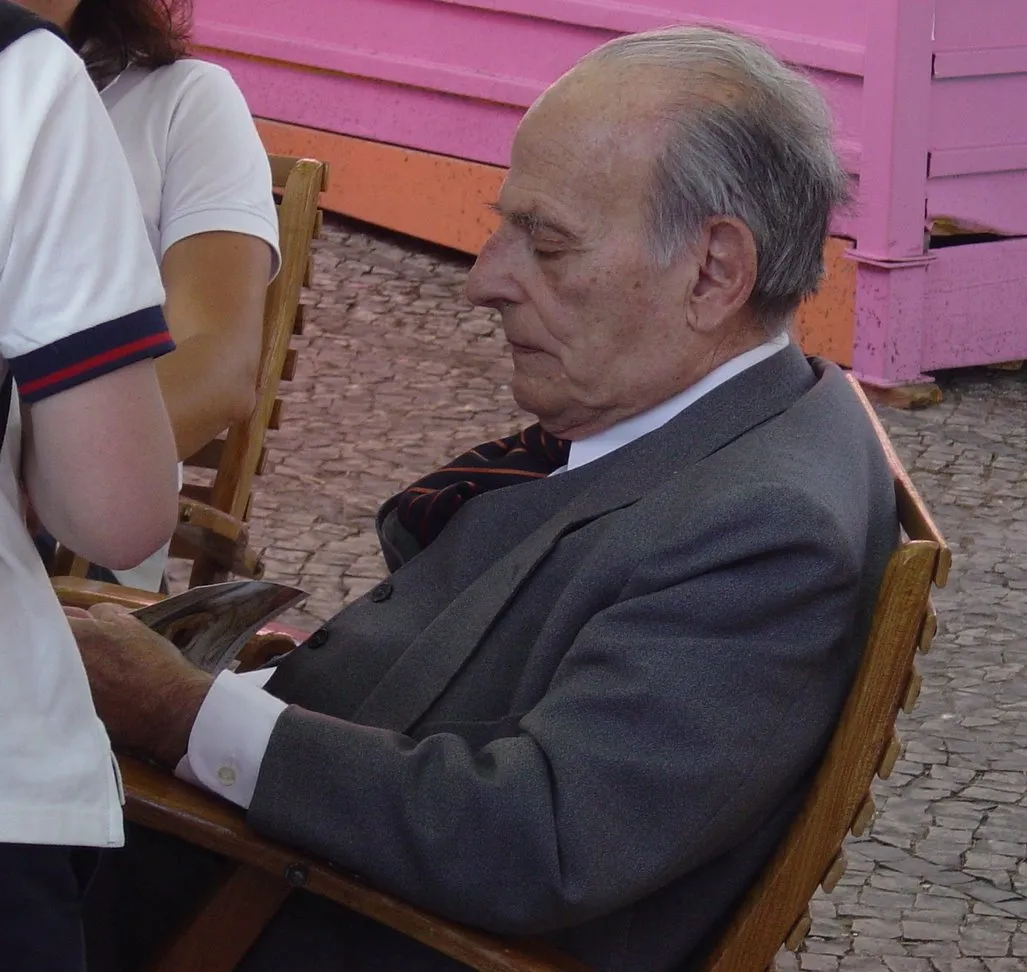
- José Hermano Saraiva, born in Leiria on 3 October 1919, died at his home in the Setúbal district on 20 July 2012, aged 92.
- A teacher and lawyer who rose through the Estado Novo dictatorship, he was Minister of National Education from 19 August 1968 to 15 January 1970.
- His ministry faced the Coimbra student crisis of 1969: the university was closed, most students boycotted their exams and 49 were drafted into the army.
- He made his first history series for RTP in 1971 and wrote and presented them almost without a break from 1978 to 2011, among them Horizontes da Memória and A Alma e a Gente, filmed in the places he talked about.
- His História Concisa de Portugal (1978) ran to more than 200,000 copies by a count given in 2000, or about 180,000 by Lusa's in 2012. Academic historians found his storytelling impressionistic, and Marcos Cardão's study of his television series calls it nationalist.
Two broadcasts, twenty years apart
On the evening of Wednesday 30 April 1969, the Telejornal, the main news on Portuguese state television, RTP, opened with a note from the Ministry of National Education. Leaflets calling for protests at the University of Lisbon had been handed out in the city, it said, and four of that university's faculty buildings would be closed the next day. After the news the minister himself, José Hermano Saraiva, spoke to the country.
“Given the course of the acts of indiscipline seen at the University of Coimbra in recent days, I thought it worthwhile to put the country in the picture.”
For 13 days RTP's news had said nothing about the trouble in Coimbra. Now a minister of the dictatorship told viewers, in his own words, how students had jeered the President of the Republic.
Twenty years later, in his television series A Grande Aventura, the same man stood on a small beach at Ceuta, in North Africa. “It was here,” he began, “exactly on this little beach”, that the Portuguese landed on the morning of 21 August 1415 and took the first step of their overseas expansion. The locals, he said, had been unarmed and had fought back with stones from the beach, and he picked one up to show how.
Between those two broadcasts the dictatorship fell and the minister became a television historian. When he died in 2012, a Lusa report described him as a jurist, an education minister and the author of the História Concisa de Portugal, but said it was as a presenter of television programmes that the wider public knew him.
A schoolmaster in the regime's service
He was born in Leiria on 3 October 1919, the third child of José Leonardo Venâncio Saraiva and Maria da Ressurreição Baptista. He took a degree in history and philosophy at the University of Lisbon in 1941 and then one in law, in 1942 according to Lusa's obituary and in 1946 according to his parliamentary record.
He taught at the Passos Manuel and Gil Vicente secondary schools in Lisbon, became a permanent teacher at the school in Horta, in the Azores, in 1955, and was made head of the Liceu D. João de Castro in Lisbon in 1965. He also practised as a lawyer.
Saraiva grew up inside the regime's institutions. He was one of the first members of the Mocidade Portuguesa, the state youth organisation, and attended its first school for leaders. From 1955 he worked for the National Commission for Adult Education, in 1956 he sat on the executive committee of the congress of the União Nacional, and in 1959 he became director of the National Adult Education Campaign. He also ran the Instituto de Assistência a Menores, a child welfare institute.
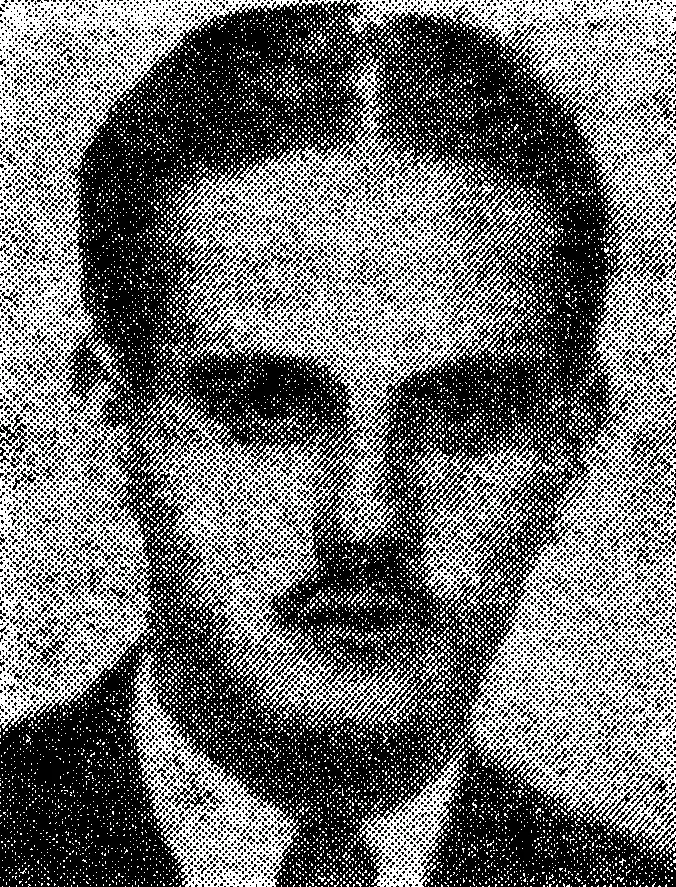
From 1957 to 1961 he sat in the National Assembly for Castelo Branco, and in the same years he was the Lisbon city councillor for culture. In the Assembly he spoke on primary teachers, a technical school for Fundão, the relief of the garrison in Portuguese India and, in the 1960-61 session, the events in Angola, where the colonial war had begun. He later sat in the Corporative Chamber, the regime's advisory body of guilds and interests.
Salazar's last education minister
In early August 1968 (usually dated 3 August) Salazar fell from a chair at his summer residence near Estoril. On 19 August, while he still governed, one decree relieved seven ministers and another appointed new ones. Saraiva, aged 48, replaced Inocêncio Galvão Teles as Minister of National Education.
Salazar's health then collapsed, and on 27 September 1968 Marcelo Caetano replaced him. Caetano had been rector of the University of Lisbon and had resigned in the student crisis of 1962. He inherited Saraiva, and the two did not always agree. Saraiva's ministry put forward a bill to reform ensino médio, the middle level of education, one of several reform plans of the 1950s and 1960s that came before his successor's reform.
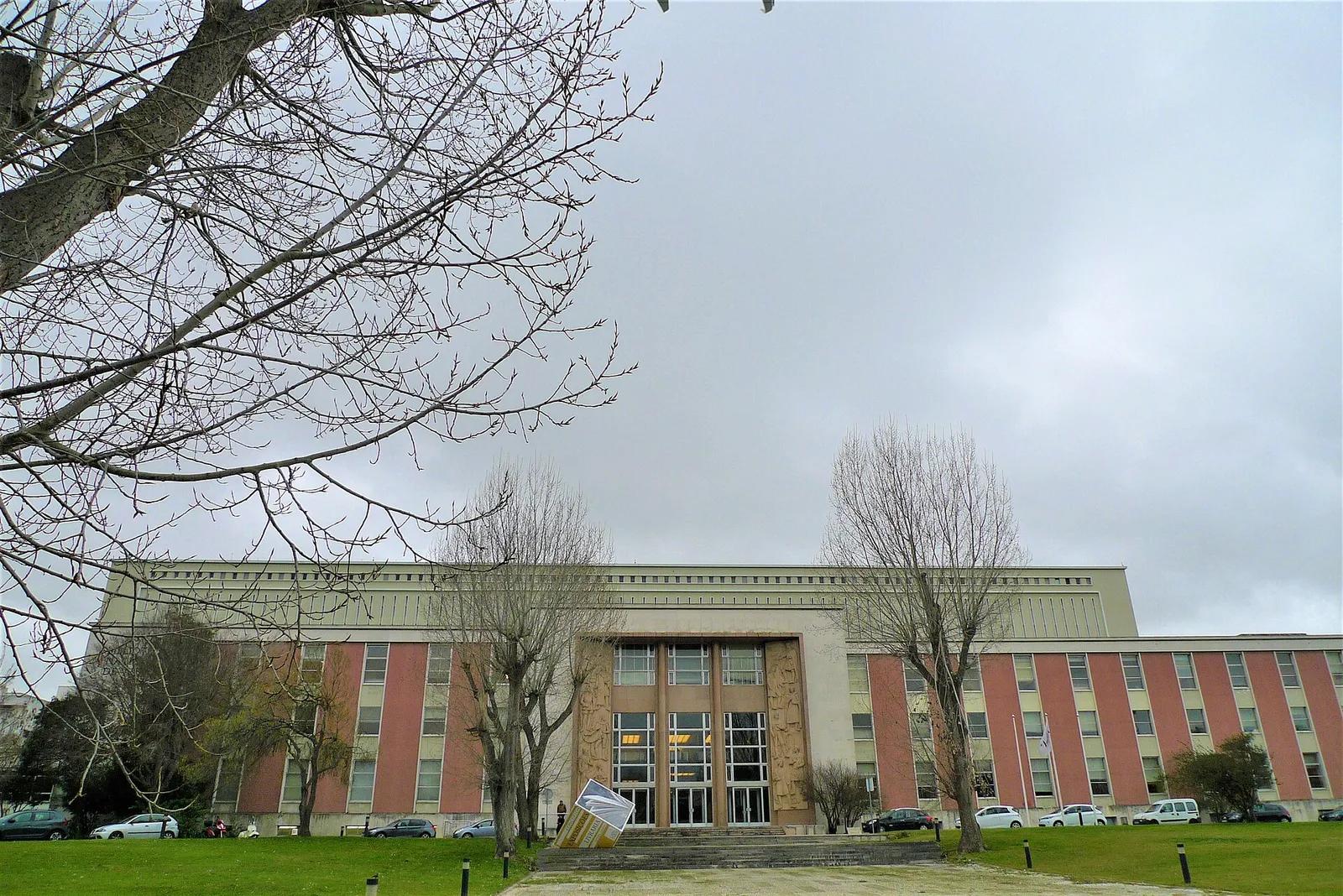
On Thursday 10 April 1969 the new building of the Biblioteca Nacional, the national library, opened on Campo Grande in Lisbon, with President Américo Tomás present. The speeches were given by the minister of public works and by Saraiva. A week later he went with the president to Coimbra.
Coimbra, 1969
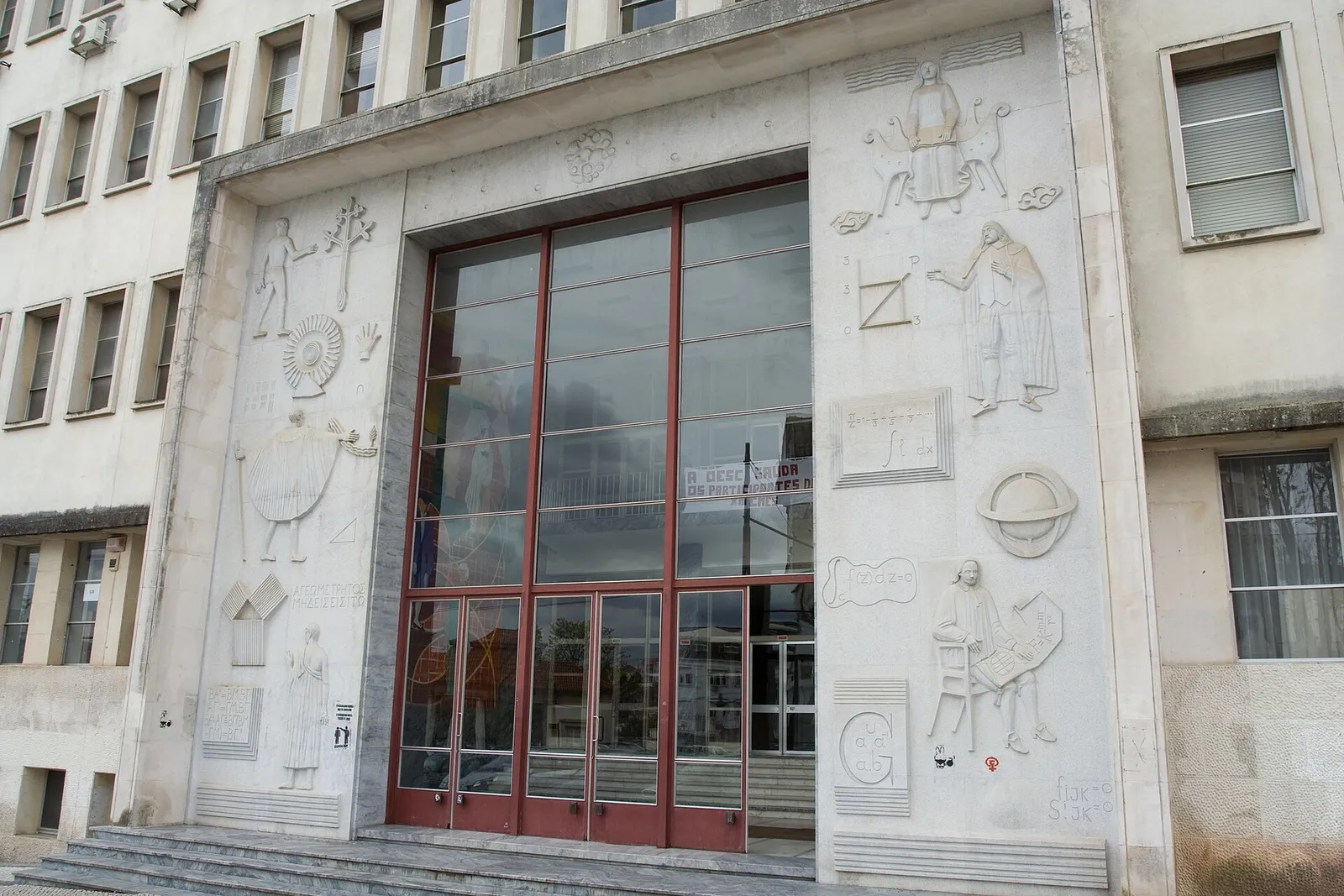
On Thursday 17 April 1969 Tomás and Saraiva came to open the new Mathematics building of the University of Coimbra. Students in black gowns met them with placards. After the opening speeches Alberto Martins, a third-year law student and president of the Academic Association, stood on a chair with his gown on his shoulders and said: “On behalf of the students of Coimbra, I ask to speak.”
Tomás gave the floor to the minister of public works instead, and the session ended soon after amid jeers. RTP's crew filmed the ceremony but not Martins's request. That night the PIDE took him away; he was freed at midday and arrested again by the Polícia Judiciária, the criminal police. Martins's own account, given to Diário de Notícias in 2016, has a different order: he climbed on the chair and spoke only after the president had refused him and the official party was leaving.
Saraiva's broadcast of 30 April gave the government's version. A student, he said, had addressed the head of state and asked to speak for the students, which the crowd greeted with a “noisy and prolonged demonstration”. Afterwards the president and his party had to push through about 300 students shouting “expressions incompatible with the respect due” to him. “That is what happened,” he told viewers.
17 April 1969
Alberto Martins is refused the floor
Arrested by the PIDE that night.
22 April 1969
Eight students suspended
The students' general assembly declares academic mourning; classes give way to meetings.
30 April 1969
Saraiva speaks on television
The first time RTP's news mentions the unrest.
6 May 1969
The University of Coimbra is closed
Exam dates are kept.
2 June 1969
The exam strike begins
The GNR, the gendarmerie, patrols the city.
22 June 1969
Cup final, Académica v Benfica
Tomás stays away; RTP does not broadcast the match live. Benfica win 2-1.
July 1969
Results show the boycott held
Almost 87 per cent of students missed their exams.
15 January 1970
Saraiva leaves office
José Veiga Simão takes over the ministry.
On 6 May the ministry closed the university but kept the exam calendar. The students' answer was a strike against exams, a risky choice: failing on purpose exposed them to call-up into the army and the colonial wars in Africa. More than 5,000 voted for the boycott and fewer than 200 said they would sit. When the results came in July, almost 87 per cent had stayed away.
The regime punished the leaders. More than 200 students were targeted, and 49 were drafted into the army, Martins among them; he was kept in uniform until four months after 25 April 1974. Others were sent to the war. The historian Miguel Cardina notes that this time the regime could not pretend the crisis had not happened.
Saraiva did not survive the crisis as minister. On 15 January 1970 a decree relieved him, at his request, in a wider reshuffle, and another named José Veiga Simão, rector of the university in Lourenço Marques, in Mozambique, as his successor. The researcher António Teodoro links the change to Caetano's disagreements with Saraiva and to the crisis, which gave him the occasion for a reshuffle.
Ambassador, then a book written at the beach
Out of office, Saraiva turned to television. In 1971 he wrote and presented his first series for RTP, O Tempo e a Alma. He was also sent to Brazil as ambassador, in 1971 according to his parliamentary record and in 1972 according to Lusa, and stayed until 1974.
In Brazil he made his name as a speaker. Introducing him in Rio de Janeiro in 2000, Antônio Gomes da Costa recalled a lunch at the Portuguese club in Niterói, where the bishop, a famous preacher, welcomed the new ambassador with a speech that drew long applause. Saraiva answered, and hundreds stood to applaud him, many in tears. “Your Excellency, I have never heard the like,” the bishop said. “It was a fine draw,” Saraiva replied, modestly scoring the duel of speeches as a tie.
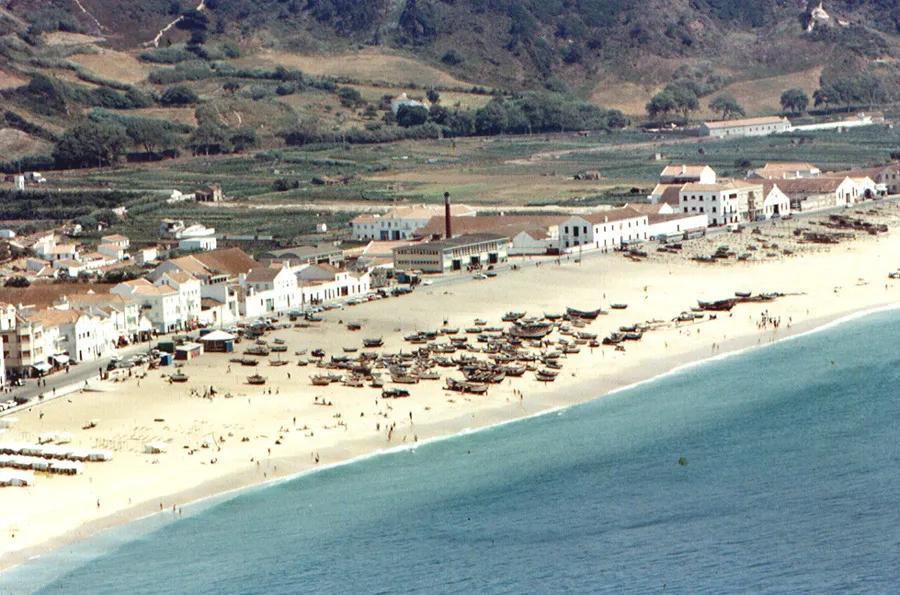
In 1974, the year of the revolution, he asked to be relieved as ambassador and came home. During the revolutionary period of 1974 and 1975 he withdrew to Nazaré, the beach of his childhood, and there, at the invitation of the publisher Lyon de Castro, he wrote a one-volume history of Portugal, which Publicações Europa-América brought out.
The História Concisa de Portugal came out in 1978 and became one of the great successes of Portuguese popular history: 25 editions and about 180,000 copies according to Lusa in 2012, with translations into Spanish, Italian, German, Bulgarian and Chinese. Introducing him in Rio de Janeiro in 2000, Antônio Gomes da Costa said more than 200,000 copies had been printed. Saraiva also directed a six-volume História de Portugal for Edições Alfa, dated 1981 by Lusa and 1984 to 1985 by Cardão.
“A book about facts. Not one more argument in a noisy debate, but a tool that was lacking.”
“It was here”: three decades on RTP
He returned to the screen in 1978, when the writer Vasco Graça Moura, then RTP 1's director of programmes, gave him a series called Gente de Paz. From then on he was almost never off the air until 2011, a year before his death. In his last decade his programmes ran on RTP2, whose director said he was already very frail during the last series the channel prepared with him.
| Series | Year(s) |
|---|---|
| O Tempo e a Alma | 1971 |
| Gente de Paz | 1978 |
| Coisas do Mundo | 1980 |
| A Grande Aventura | 1989 |
| A Bruma da Memória | 1993 |
| Histórias que o Tempo Apagou | 1994 |
| Lendas e Narrativas | 1995 |
| Horizontes da Memória | 1996 to 2003 |
| A Alma e a Gente | 2003 to 2011 |
Years as given by Marcos Cardão, who studied the RTP archive. The Lusa obituary carried by RTP and Diário de Notícias dates Horizontes da Memória to 1971, apparently confusing it with O Tempo e a Alma, which Time Out also names as his first series.
Cardão's study of A Grande Aventura shows the method. He filmed on location, in the places where the events had happened, and read from the chronicles and Os Lusíadas slowly and dramatically. His signature opening, “Foi aqui” (“It was here”), came with a gesture that Time Out described in 2018: index fingers joined to thumbs, eyes wide open.
“An actor, yes, perhaps, but an actor who creates his own part.”
A Grande Aventura, the 1989 series that took him to Ceuta, was paid for by the National Commission for the Commemoration of the Portuguese Discoveries, the state body that marked the five hundredth anniversaries of the voyages from 1986 to 2002. Its eight episodes followed the routes of the expansion. Its scientific advisers were the historian Luís de Albuquerque, Filipe Mendes Quinto and Veiga Simão, the man who had replaced Saraiva as minister.
Viewers made him a celebrity. In 1979 he was a contender for the weekly Expresso's personality of the year, which went to the film director Manoel de Oliveira. RTP's public vote Os Grandes Portugueses, won by Salazar, placed him 26th. When the comedian Herman José's show Humor de Perdição was suspended, Saraiva defended him in public.
The historians' objections
Academic historians had reservations. RTP's own obituary said he put forward “theories at times contested in academic circles”. The historian Marcos Cardão, who studied A Grande Aventura episode by episode, notes the academic community's reservations about Saraiva's “impressionistic” way of telling the story of Portugal.
Cardão's charge is that Saraiva told a nationalist history that favoured synthesis over research. On screen he said “we” and called the Portuguese at Ceuta “our boys”. He described the Discoveries as a scientific, humanist and collective national achievement, ending with the line “The Portuguese won the race”. Slavery was mentioned, then softened with a claim, taken from the Venetian navigator Cadamosto, that Prince Henry had forbidden his sailors to seize more captives.
Cardão singles out a scene in the Cape Verde episode. Surrounded by children on the island of Santiago, Saraiva opened a Portuguese atlas to show them the routes of the Discoveries, a gesture Cardão calls paternalistic. The Portuguese, he said, had given the whole world “a great and fraternal embrace”, and then he hugged the children around him.
Saraiva did not present his book as research. On television in 1978 he called the História Concisa a work of synthesis, of “simple reading”, noting that few Portuguese had the time or money to buy books. Television, he wrote in an essay collected in 1979, could teach everything “without asking anything in return, not even the effort of opening the page”.
“He will surely not go down in history as a historian, as he would have thought, but as a communicator.”
“A library has burned”
In June 2012, at the 10 June national day celebrations, the President of the Republic gave Saraiva the Grand Cross of the Order of Prince Henry. Six weeks later, at the end of the morning of Friday 20 July, he died at his home in the Setúbal district, aged 92, after a long illness. His wake was held that night in the church of the Convento de Jesus, and after a funeral mass on the Saturday he was buried in the cemetery of Palmela, where he lived.
“A library has burned,” said José António Crespo, who had produced his programmes for 20 years. RTP2 changed its schedule that day to show old programmes of his.
In March 2018 his children put his collection of antiquities, sacred art and books up for auction at the Palácio do Correio Velho in Lisbon, in 840 lots. That year Time Out told its readers that anyone who joins fingers and thumbs before a historic spot and begins “Foi aqui…” will look like José Hermano Saraiva.
The student who asked to speak in 1969, Alberto Martins, became a minister himself, of justice, from 2009 to 2011.
FAQs
Who was José Hermano Saraiva?
A Portuguese teacher, lawyer, politician and popular historian (1919 to 2012). He was Minister of National Education under the Estado Novo from 1968 to 1970 and ambassador to Brazil until 1974, and he wrote and presented history series on RTP in 1971 and almost without a break from 1978 to 2011.
What was his role in the 1969 academic crisis?
He was the education minister. He was with President Américo Tomás when the student leader Alberto Martins was refused the floor in Coimbra on 17 April 1969, defended the government's line on television on 30 April, and his ministry closed the university on 6 May. He left office on 15 January 1970.
What were his best-known television programmes?
O Tempo e a Alma (1971), Gente de Paz (1978), A Grande Aventura (1989), Histórias que o Tempo Apagou (1994), Horizontes da Memória (1996 to 2003) and A Alma e a Gente (2003 to 2011), all on RTP.
Why did historians criticise him?
Academic historians found his storytelling impressionistic and, in Marcos Cardão's analysis, nationalist: it favoured a sweeping synthesis and pride in the Discoveries over research and critical distance. RTP's own obituary said some of his theories were contested in academic circles.
When and where did José Hermano Saraiva die?
On 20 July 2012, aged 92, at his home in the Setúbal district, after a long illness. He was buried in Palmela.
On the timeline
Open the timelineNearby moments from portugal in europe (1986–today).
Fado is inscribed on UNESCO's Representative List of the Intangible Cultural Heritage of Humanity at a meeting in Bali. On the same date three years later, in 2014, the polyphonic cante alentejano of the Alentejo's choirs was added to the list too.
Guimarães, hailed as the 'cradle of the nation', opens its year as European Capital of Culture with an official ceremony and an open-air show by La Fura dels Baus in the Largo do Toural. Twelve months of concerts, exhibitions and new venues aimed to recast the old textile city as a cultural destination.
Soldiers seize power in Guinea-Bissau between the two rounds of a presidential election, arresting interim president Raimundo Pereira and front-runner Carlos Gomes Júnior. Portugal's former colony had never seen an elected president finish a full term, and the coup was condemned by Portugal and the Community of Portuguese Language Countries.
José Hermano Saraiva dies
Death of José Hermano Saraiva, aged 92, the historian who became one of Portugal's most popular television storytellers. Estado Novo education minister during the 1969 Coimbra student crisis, he first presented on RTP in 1971 and from 1978 made decades of programmes such as 'Horizontes da Memória', walking through towns and ruins and telling the nation's past with theatrical gestures and an unmistakable voice.
Eusébio, the 'Black Panther', dies in Lisbon aged 71. Top scorer at the 1966 World Cup with nine goals as Portugal finished third, he won ten league titles (eleven by some counts) and five Portuguese cups in 15 seasons at Benfica and is revered as one of the greatest footballers of all time.
Lisbon's Estádio da Luz hosts the first Champions League final between two clubs from the same city. Real Madrid equalise in stoppage time through Sergio Ramos and beat Atlético Madrid 4–1 after extra time to claim their long-awaited tenth European Cup.
Former prime minister José Sócrates is detained at Lisbon airport on arrival from Paris in the 'Operação Marquês' corruption investigation, the first former prime minister of the democratic era to be arrested. He spent some nine months in preventive detention in Évora prison and has always denied wrongdoing.
Coming up in history
All long reads 23 July 1833Cova da Piedade, 1833: the fight that handed Lisbon to the liberals
 24 July 18751875: the French president's ruling that kept Delagoa Bay Portuguese
 25 July 1139The Battle of Ourique, 1139: a raid, a victory and a miracle
 26 July 1582The Battle of Ponta Delgada, 26 July 1582: the Azores fight for Dom António
24 sources
Archives, scholarship and reporting this article was checked against.
- 1
A grande aventura. Televisão, nacionalismo e as comemorações dos Descobrimentos portugueses (Marcos Cardão)Práticas da História, n.º 8 (2019), pp. 17-47
- 2
José Hermano Saraiva (Deputados da Assembleia Nacional 1935-1974)Assembleia da República
- 3
O Telejornal da RTP mostrou o Maio de 68 e escondeu a Crise Académica de 69. Porquê? (Jacinto Godinho)Media & Jornalismo, n.º 35 (2019), Universidade de Coimbra
- 4Morreu o historiador José Hermano SaraivaRTP Notícias (with Lusa), 20 July 2012
- 5
Diário do Governo, I série, n.º 195, supplement, 19 August 1968: Decretos n.º 48 533 and 48 535Imprensa Nacional, via Diário da República Eletrónico
- 6
- 7Crise de 1969: as imagens da luta das capas negrasObservador, 24 March 2016
- 8O dia em que os estudantes de Coimbra começaram a revolução de AbrilDiário de Notícias, 17 April 2016
- 9Hermano Saraiva fica para a História como comunicadorDiário de Notícias (Lusa), 20 July 2012
- 10De ministro a divulgador da História na televisãoDiário de Notícias (Lusa), 20 July 2012
- 11
O Estado Novo (1933-1974)Assembleia da República
- 12
- 13
Palácio do Correio Velho: é aqui que se vê a colecção de SaraivaTime Out Lisboa, 16 March 2018
- 14
Forte de Santo António da BarraCâmara Municipal de Cascais, Cascais Cultura
- 15Reflexo de Salazar no espelho português está a ficar menos nítido (João Céu e Silva)Diário de Notícias, 25 July 2020
- 16
- 17O dia em que o regime perdeu o futuro (with “A Universidade contra o regime” by José Medeiros Ferreira and a chronology of 1962)Correio da Manhã, Domingo magazine, 18 March 2012
- 18
Reforma Veiga Simão: entre mudanças educativas anunciadas e uma transição bloqueada (António Teodoro, presentation)CeiED, Universidade Lusófona
- 19
A reforma de Veiga Simão no ensino: projecto de desenvolvimento social ou «disfarce humanista»? (Stephen R. Stoer)Análise Social, vol. XIX (77-79), 1983
- 20
Biblioteca Nacional de Portugal (1796 – )Biblioteca Nacional de Portugal, Dicionário de Historiadores Portugueses
- 21
José Hermano Saraiva no Liceu Literário Português (Antônio Gomes da Costa)Confluência, n.º 20 (2000), Liceu Literário Português, Rio de Janeiro
- 22Herman José recorda dois momentos em que José Hermano Saraiva o apoiou publicamenteRTP Notícias, 20 July 2012
- 23Filhos de José Hermano Saraiva vendem espólio do paiDiário de Notícias, 21 March 2018
- 24“Ardeu uma biblioteca”, diz produtor de programas de José Hermano SaraivaRTP Notícias, 20 July 2012
Image credits
- José Hermano Saraiva, aged 87, photographed outdoors on 2 June 2007. Acscosta, CC BY-SA 3.0, via Wikimedia Commons.
- Saraiva in a photograph printed by the Lisbon evening paper Diário de Lisboa on 30 June 1948, when he was 28. Unknown author, Public domain, via Wikimedia Commons.
- The Biblioteca Nacional on Campo Grande, Lisbon, in 2019. Saraiva spoke at its opening on 10 April 1969. Senhormario, CC BY-SA 4.0, via Wikimedia Commons.
- The entrance of the Mathematics building of the University of Coimbra in 2009. Its opening on 17 April 1969 started the student crisis. Marco Varisco from Albany, New York, USA, CC BY-SA 2.0, via Wikimedia Commons.
- Nazaré seen from the Sítio, the clifftop above the town, in July 1968, with fishing boats drawn up on the beach. Saraiva wrote his História Concisa de Portugal here in 1974 and 1975. Roger Wollstadt from Sarasota, Florida, U.S.A., CC BY-SA 2.0, via Wikimedia Commons.