

Fado becomes world heritage: UNESCO's verdict in Bali, 27 November 2011
Lisbon's tavern song, once looked down on by educated Portugal, was judged a model nomination by a UNESCO committee meeting on the other side of the world. Three years later, the choirs of the Alentejo followed it onto the list.
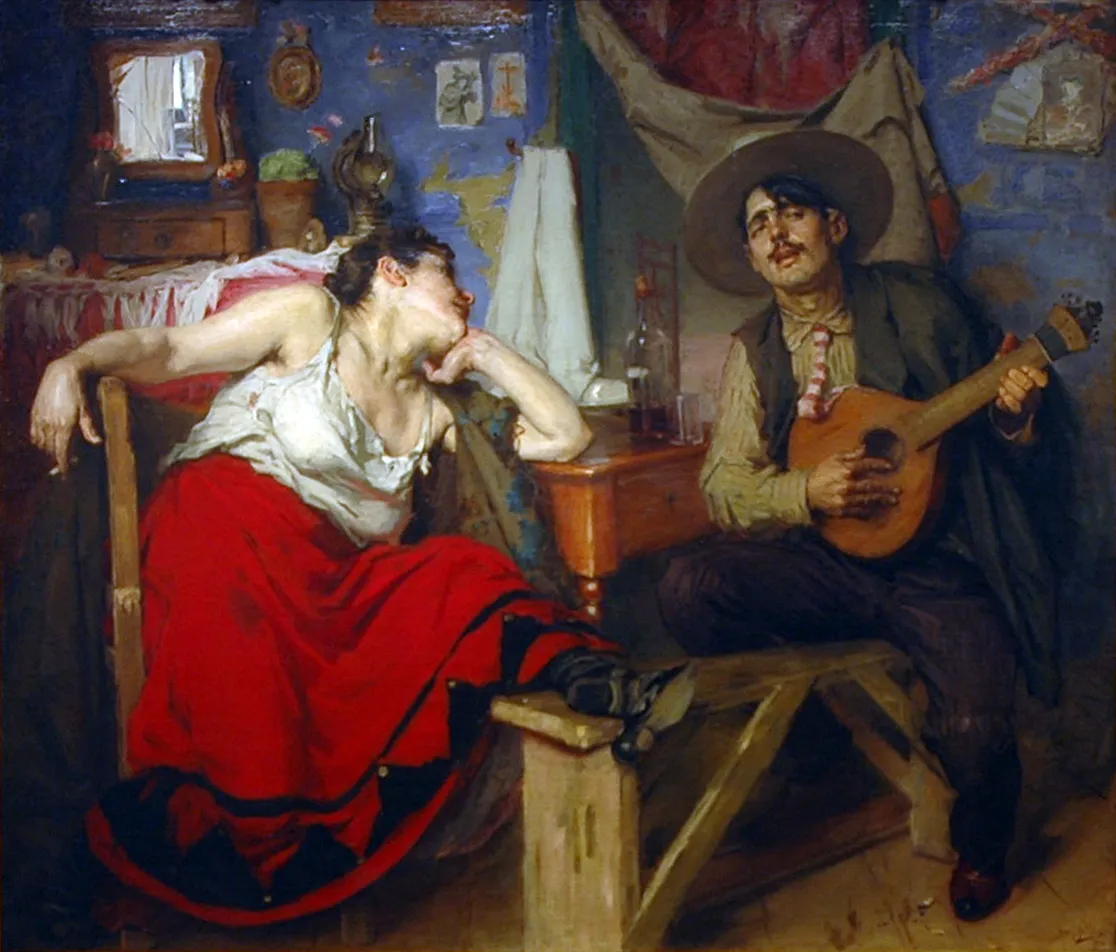
At a glance
- On Sunday 27 November 2011, at its sixth session in Bali, Indonesia, UNESCO's intangible heritage committee inscribed “Fado, urban popular song of Portugal” on the Representative List of the Intangible Cultural Heritage of Humanity.
- Fado is Lisbon's urban song: a solo voice, usually with the twelve-string Portuguese guitar and an acoustic guitar. It grew up in the city's poorer districts in the second quarter of the nineteenth century.
- Lisbon City Council approved the bid unanimously on 12 May 2010. Its municipal culture company, EGEAC, prepared it through the Museu do Fado, with the Instituto de Etnomusicologia of the Universidade Nova de Lisboa.
- The bid came with a 2010–2013 safeguarding plan whose six budgets add up to about €1.2 million; the largest item was a digital archive of old recordings. The committee's chair said the file could serve as a model.
- On 27 November 2014, at a session in Paris, the same committee added cante alentejano, the unaccompanied choral singing of the Alentejo, to the list.
Sunday evening in Nusa Dua
The committee was running late. By the evening session of Sunday 27 November 2011, the sixth meeting of UNESCO's Intergovernmental Committee for the Safeguarding of the Intangible Cultural Heritage, at the Bali International Convention Centre in Nusa Dua, had spent hours on disputed files from Japan, from Mali and Burkina Faso, and from Oman. The chairperson suspended the debate on Oman's file and moved on to draft decision 6.COM 13.39: fado, from Portugal.
The chair of the Subsidiary Body, the six committee members who had examined the nominations in advance, read out a short description. Fado was a symbol of identity, widely sung in Lisbon, a synthesis of Afro-Brazilian music, local song and dance, rural music and the urban song of the early nineteenth century. The body found that the file met all five criteria. Paraguay congratulated Portugal, Spain thanked it, and no one objected.
“The Chairperson noted that this file could serve as a model for future submissions.”
The decision was adopted. In Lisbon, people had gathered at the Museu do Fado in Alfama to wait for the result. In Bali, the city's mayor, António Costa, spoke of the pride of the people of Lisbon and dedicated the honour to fado's practitioners and scholars. To the Portuguese press he put it more briefly.
“At last the fado has been played.”
What fado is
Fado is a song for one voice, male or female. Traditionally a Portuguese guitar and an acoustic guitar accompany it, both strung with wire; since the late twentieth century the group has often grown to two Portuguese guitars, a guitar and a bass. Much of the repertoire still rests on a small number of traditional melodies, though new tunes and poems keep being added and performers still improvise a good deal.
It is learned by ear. The bid described young singers and players training informally in neighbourhood associations and fado houses, often from one generation to the next within the same family, under the eye of older performers. Professionals play the concert halls and the casas de fado, small venues with resident musicians; amateurs sing in the clubs of Lisbon's older districts, from Alcântara and Madragoa to Alfama, Bica, Bairro Alto and Mouraria.
The bid did not try to freeze fado. It would be “unrealistic and undesirable”, its authors wrote, to fix a canon of authenticity for a genre that had always changed. What they called urgent was preserving its historical heritage, much of which was at risk.
From the Mouraria taverns to the radio
Fado took shape in nineteenth-century Lisbon, in taverns, cafés, streets and parties among the poor. Its early world was one of sailors, coachmen and prostitutes, and Portuguese intellectuals long rejected it. The bid dated its emergence to the second quarter of the century.
Where it came from before that is disputed. Rui Vieira Nery, who chaired the bid's scientific committee, traces it to Afro-Brazilian song and dance such as the lundum: fado is first recorded as a sung dance in colonial Brazil early in the nineteenth century, and reached Lisbon in the late 1820s. The researcher José Alberto Sardinha links it instead to the Portuguese tradition of troubadours and wandering singers. A third theory, now less accepted, looks to Arab music.
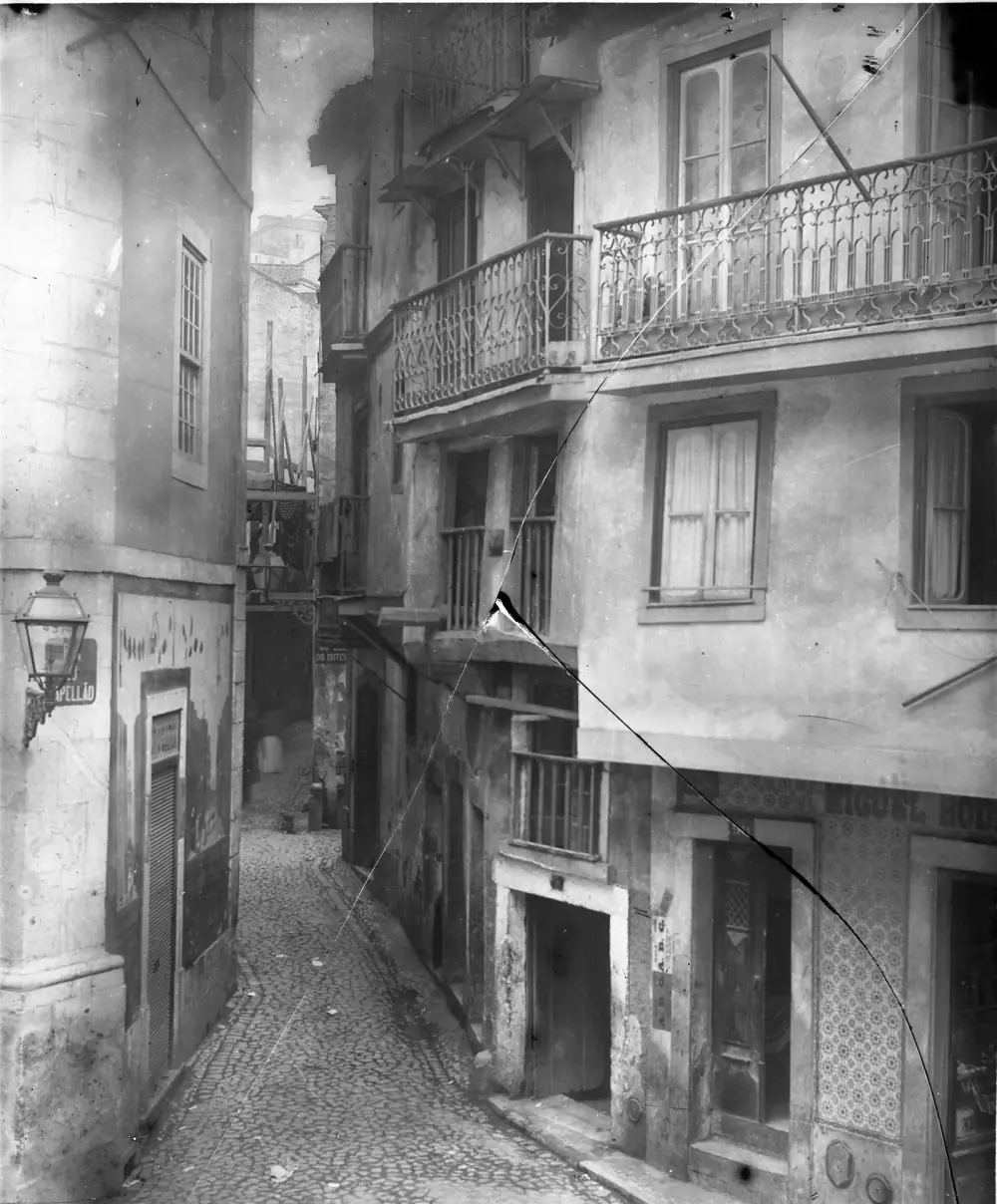
Its founding legend is Maria Severa Onofriana. Her baptism record, in the parish of Anjos, gives her birth as 26 July 1820; her death record says she died at Rua do Capelão, in the Mouraria, on 30 November 1846, aged 26 and unmarried. A plaque at number 33 Rua da Madragoa nevertheless marks that street as her birthplace. Almost everything else rests on the accounts of a few men who met her: a proud, quick-tempered singer with a loud, moaning voice, thought to have worked in the prostitution circuits of the Bairro Alto and the Mouraria.
Her fame came largely from her affair with the Count of Vimioso, which brought her to sing before young aristocrats. A “Fado da Severa”, attributed to Sousa do Casacão and dated 1848, appears in Teófilo Braga's Cancioneiro Popular of 1867. In 1901 Júlio Dantas turned her into a romantic heroine in A Severa, a novel and then a play, and Leitão de Barros's film of the story, which opened on 18 June 1931, was the first Portuguese sound film. No verified portrait of her survives.
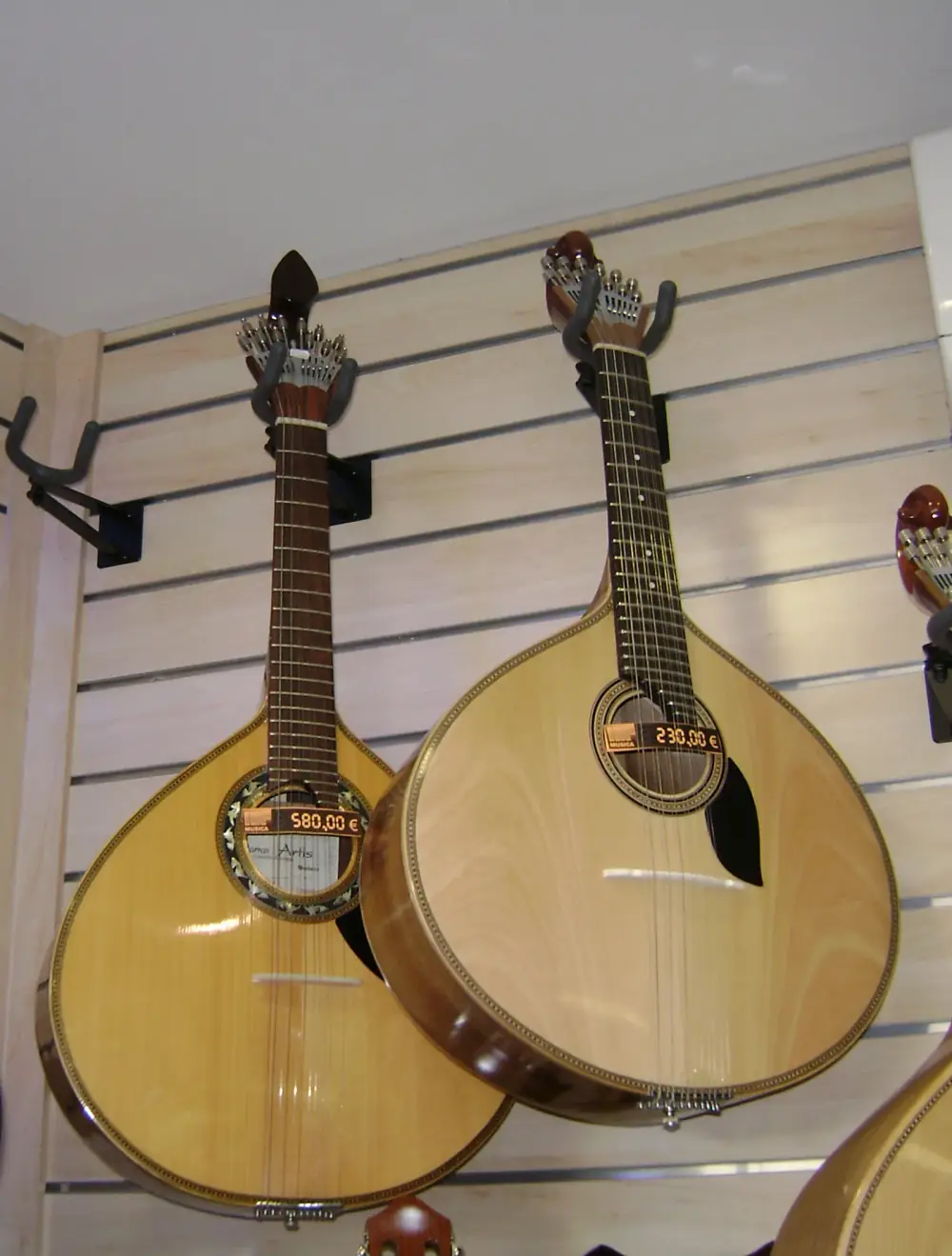
The ancestry of the instrument that gives fado its sound is also disputed. Some time after about 1760, British merchants in Lisbon and Porto brought in the “English guittar”, a kind of cittern. One school, including Nery and Salwa Castelo-Branco, sees the Portuguese guitar as a local version of it. Another, led by the guitarist Pedro Caldeira Cabral, argues that a Portuguese cittern played since the sixteenth century, the cítara, borrowed the English instrument's name and tuning mechanism, adding “portuguesa” to tell them apart. Written sources link the guitar to fado from about 1840.
The guitarra portuguesa is pear-shaped, with twelve wire strings in six pairs, and the bid described it as unique to Portugal. Two main models settled in the first half of the twentieth century: the Lisbon guitar, with a shorter string length of about 440 mm and a higher pitch, and the larger Coimbra guitar, at about 470 mm. Many fado players now use the Coimbra model tuned up to Lisbon pitch.
In the twentieth century the state stepped in. After the military coup of 1926, Decree-Law 13 564 of 6 May 1927 regulated public entertainment in 200 articles: promoters needed licences, performers needed professional cards, and programmes and lyrics went to the censor first. Improvisation faded and singers turned professional. From the 1930s, fado houses gathered in the historic districts, above all the Bairro Alto.
Radio carried fado beyond Lisbon. Portugal's first station, CT1AA, began broadcasting in 1925 and played it, reaching emigrants abroad, and the genre spread across the country in the middle decades of the century. Between the 1930s and the early 1960s singers such as Alfredo Marceneiro, Ercília Costa, Berta Cardoso, Hermínia Silva, Maria Teresa de Noronha, Lucília do Carmo, Carlos Ramos and Fernando Farinha set the repertoire and style.
Amália Rodrigues took it abroad. She made her professional debut in 1939 at the Retiro da Severa, a fado house named after the legend, and from the 1950s her films, records and seasons in Paris made fado known worldwide. She sang poets such as David Mourão-Ferreira and Alexandre O'Neill, often to music by Alain Oulman, and dominated the genre until her death in 1999, a story Lisboeta tells in a separate article.
The Carnation Revolution of 25 April 1974, which ended the Estado Novo dictatorship, brought hostility towards fado. The Grande Noite do Fado contest was suspended for two years and airtime shrank. Fado returned after 1976, and from the 1990s Mísia, Cristina Branco and Camané reached new audiences, followed by Mariza, Ana Moura, António Zambujo, Carminho and others.
26 July 1820
Maria Severa born, according to her baptism record (parish of Anjos)
c. 1840
Written sources begin to link the Portuguese guitar to fado
30 November 1846
Severa dies at Rua do Capelão, in the Mouraria
25 January 1901
Júlio Dantas's play A Severa opens at the Teatro D. Amélia, Lisbon
1925
CT1AA, Portugal's first radio station, begins broadcasting, fado included
6 May 1927
Decree-Law 13 564 brings licences, professional cards and censorship
18 June 1931
A Severa, the first Portuguese sound film, opens
1939
Amália Rodrigues debuts at the Retiro da Severa
1974
After the revolution, the Grande Noite do Fado is suspended for two years
25 September 1998
The Museu do Fado opens in Alfama
12 May 2010
Lisbon City Council unanimously approves the UNESCO bid
27 November 2011
Fado inscribed on the Representative List in Bali
27 November 2014
Cante alentejano inscribed in Paris
How Lisbon built the bid
According to RTP, the groundwork was laid by Pedro Santana Lopes, one of Costa's predecessors as mayor. Lisbon City Council approved the bid unanimously on 12 May 2010, and the municipal assembly voted for it “unanimously with acclamation”. It went to the Presidency on 28 June 2010 and on to UNESCO in Paris through Portugal's national commission. The national parliament also backed it unanimously, and the President of the Republic gave it his patronage.
The work was done by EGEAC, the city's company for culture and events, through the Museu do Fado, in partnership with the Instituto de Etnomusicologia (INET-MD) of the Universidade Nova de Lisboa. A scientific committee of the musicologist Rui Vieira Nery as chair, the ethnomusicologist Salwa El-Shawan Castelo-Branco and the museum's director, Sara Pereira, wrote the file.
Performers such as Vicente da Câmara and the guitarist António Chaínho sat on a consulting committee with the guitar maker Gilberto Grácio and two associations, the Associação Portuguesa dos Amigos do Fado and the Academia da Guitarra Portuguesa e do Fado. Mariza and Carlos do Carmo, whose story Lisboeta tells in a separate article, were the bid's ambassadors. The brochure named 89 supporters, most of them singers and musicians, from older singers such as Argentina Santos to Camané, Ana Moura and Carminho.
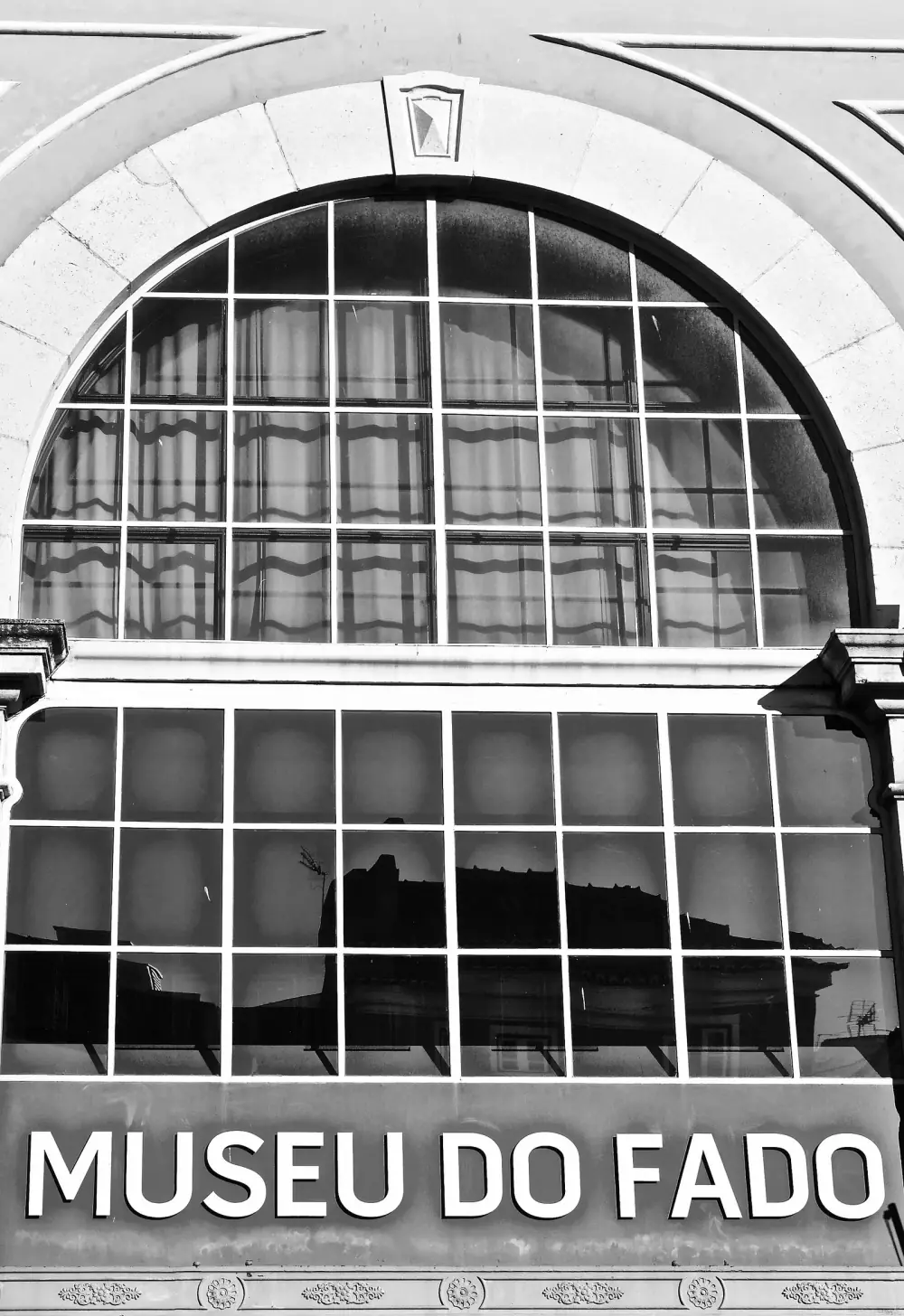
The museum was the bid's backbone. The city had opened it in 1998 in Alfama, in the old water pumping station, and filled it mostly with donations from hundreds of singers, musicians, authors and their families. When the bid was written, its catalogue held 18,205 items. Since 2005, working with INET, the museum had recorded interviews with leading performers and instrument makers, and a database of fado recordings, still under construction, listed more than 15,000 entries.
What the Museu do Fado held when the bid was written
items
The museum's catalogue as reported in the UNESCO nomination file: 18,205 items in all. Singers donated 51 per cent of the collections, musicians 17 per cent, authors 13 per cent, associations and fado houses 13 per cent and collectors 6 per cent. The bid mentions separately the 5,000 historical records bought in 2009, which may not be included here.
Show the data
| Items in the catalogue | |
|---|---|
| Photographs | 5,517 |
| Lyrics | 3,052 |
| Records | 2,572 |
| Music scores | 2,321 |
| Posters | 2,123 |
| Fado journals | 1,396 |
| Books | 441 |
| Professional papers | 327 |
| Audiovisual | 317 |
| Medals and trophies | 61 |
| Instruments | 46 |
| Costumes | 32 |
UNESCO asks every nomination for a safeguarding plan, so that listing does not harm what it honours. Lisbon's, drawn up by the city with the support of the Ministry of Culture, set out its first steps for 2010 to 2013. The largest single item, €500,000 of about €1.2 million, was a digital archive of old fado records.
| Measure | What it promised | Deadline | Budget |
|---|---|---|---|
| Archive network | Cooperation between the museum and archives such as the Biblioteca Nacional, RTP, the Cinemateca and the Fundação Amália Rodrigues | December 2010 | €35,000 |
| Digital archive of fado recordings | Digitising and restoring 78, 33 and 45 rpm records held by different institutions | December 2013 | €500,000 |
| Education | Museum school workshops, guitar-making scholarships, a guitar workshop in Alfama, school programmes and a congress every two years | January 2012 | €250,000 |
| Publications | Facsimiles of historical sources, anthologies of music, poetry and images, and a CD series of recordings from 1900 to 1950 | March 2012 | €200,000 |
| Fado circuits | Routes and guided tours of professional and amateur fado venues in Lisbon | July 2012 | €80,000 |
| Promotion | A six-part television series, concerts in district capitals and a programme abroad with the Instituto Camões | January 2013 | €150,000 |
Total about €1,215,000 (our addition of the six budgets). Responsible bodies: Lisbon City Council and EGEAC / Museu do Fado.
The decision and the reactions
- Date
- Sunday 27 November 2011, evening session
- Place
- Bali International Convention Centre, Nusa Dua, Indonesia
- Body
- Sixth session of UNESCO's Intergovernmental Committee for the Safeguarding of the Intangible Cultural Heritage (22 to 29 November 2011)
- Decision
- 6.COM 13.39, nomination file no. 00563
- Official name
- Fado, urban popular song of Portugal
- Criteria
- All five (R.1 to R.5) judged satisfied
Fado was one of 19 elements the committee added to the Representative List in Bali. Its decision noted that the Museu do Fado's catalogue, expanded in 2005 into a general inventory of other museums and archives, met the inventory criterion, and that singers, researchers and institutions had taken part in the bid.
In Lisbon, President Cavaco Silva called it “a reason for pride for all Portuguese”. Francisco José Viegas, the Secretary of State for Culture, said Portugal needed good news as never before. Carlos do Carmo told Antena 1 radio that after the emotion he would see whether he still had the voice to sing.
Rui Vieira Nery, in Bali, was less diplomatic about the wait. He put the slow debate down to “extraordinary incompetence” in the chairing of the meeting. On the eve of the vote he had told Lusa that the bid had brought a “national reconciliation” around fado, a genre shunned for a time after the 1974 revolution.
“When UNESCO's recognition comes, as we hope, it will only be the second victory, because the first we have already won ourselves.”
Three years later: the choirs of the Alentejo
On 27 November 2014, three years to the day after Bali, the committee's ninth session, at UNESCO headquarters in Paris, inscribed a second Portuguese song on the list: cante alentejano. The bid came from Serpa town council and the regional tourism board for the Alentejo and Ribatejo.
Cante works almost the other way round from fado. It is sung in groups, with no instruments, by amateur choirs of up to thirty people. A lower voice, the ponto, opens the song; a higher one, the alto, doubles the melody a third or a tenth above, often adding ornaments; then the whole choir sings the remaining stanzas in parallel thirds. The poems are about rural life, nature, love, motherhood, religion and social change.
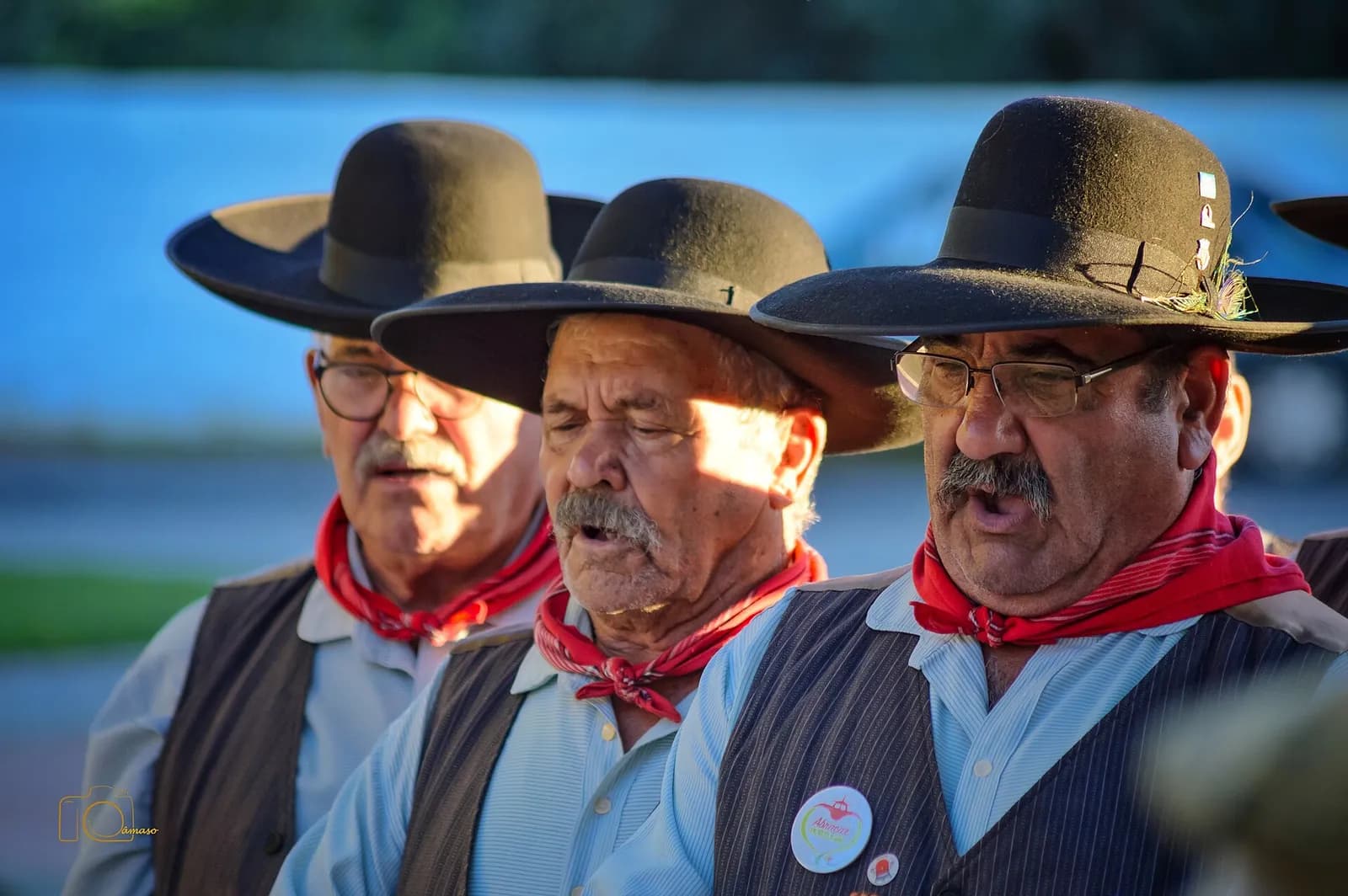
Listing brought the choirs onto new stages. Serpa's third Cante Fest, in 2017, was billed with 60 choirs and more than a thousand singers. Ten years on, António Silva, of the Rancho de Cantadores da Aldeia Nova de São Bento, told Lusa that new groups of adults and children had sprung up after 2014 and then largely disappeared, and that the older choirs now went to the schools to find children to sing with them.
What the listing changed
The clearest result is in the archives. In 2009, before the vote, the city and the Ministry of Culture bought the museum a collection of 5,000 historical 78 rpm fado records, according to the bid. Diário de Notícias later put the collection of the collector Bruce Bastin, bought by the state with EGEAC's financial support, at about 8,000 recordings and described it as part of the basis of the museum's Arquivo Sonoro Digital, which now offers 6,159 tracks to listen to online.
The museum now runs a school with a course in Portuguese guitar and a seminar for fado lyric writers, and a workshop that teaches guitar making, two of the measures the bid promised. In June 2016 it started its own record label with an album by the guitarist José Manuel Neto.
The listing did not freeze the genre, which was the bid's own warning. What it gave fado was an official place: a genre that grew up among Lisbon's poor, was censored under the dictatorship and then shunned for a time by the revolution became, by a unanimous vote of parliament and a UNESCO decision, part of the heritage Portugal has promised to look after.
FAQs
When did fado become UNESCO intangible heritage?
On 27 November 2011. UNESCO's Intergovernmental Committee for the Safeguarding of the Intangible Cultural Heritage, meeting in Bali, Indonesia, inscribed “Fado, urban popular song of Portugal” on the Representative List of the Intangible Cultural Heritage of Humanity by decision 6.COM 13.39.
Who prepared the fado bid?
Lisbon City Council sponsored it. The city's culture company, EGEAC, prepared it through the Museu do Fado, with the Instituto de Etnomusicologia of the Universidade Nova de Lisboa. A scientific committee chaired by Rui Vieira Nery wrote the file, and Mariza and Carlos do Carmo were its ambassadors.
Who was Maria Severa?
A Lisbon singer, born in 1820 and dead at 26 in 1846 in Rua do Capelão, in the Mouraria, who became fado's founding legend. Her affair with the Count of Vimioso made her famous; a 1901 play by Júlio Dantas and the 1931 film A Severa, Portugal's first sound film, turned her into a myth.
What other Portuguese music is on the UNESCO list?
Cante alentejano, the unaccompanied two-part choral singing of the Alentejo, was inscribed on 27 November 2014 at the committee's session in Paris, after a bid by Serpa town council and the regional tourism board.
Where can I hear fado in Lisbon?
Start at the Museu do Fado in Alfama, which offers guided tours with singing for groups. Amateur fado vadio is sung in small taverns in Alfama, and professional casas de fado operate in Alfama and the Bairro Alto.
On the timeline
Open the timelineNearby moments from portugal in europe (1986–today).
Prime Minister José Sócrates resigns after parliament rejects his minority government's fourth austerity package (PEC IV), triggering early elections. On 6 and 7 April his caretaker government asks the EU, the euro area and the IMF for a bailout.
FC Porto beat Sporting de Braga 1–0 in Dublin to win the Europa League, with Radamel Falcao heading the only goal. It is the first all-Portuguese final in UEFA competition history, between clubs barely 50 km apart.
The American surfer Garrett McNamara rides a wave of about 23.8 metres (78 feet) off Praia do Norte in Nazaré, a Guinness world record that put the fishing town's giant winter swells, funnelled by the Nazaré Canyon, on the global surfing map.
Fado on UNESCO's heritage list
Fado is inscribed on UNESCO's Representative List of the Intangible Cultural Heritage of Humanity at a meeting in Bali. On the same date three years later, in 2014, the polyphonic cante alentejano of the Alentejo's choirs was added to the list too.
Guimarães, hailed as the 'cradle of the nation', opens its year as European Capital of Culture with an official ceremony and an open-air show by La Fura dels Baus in the Largo do Toural. Twelve months of concerts, exhibitions and new venues aimed to recast the old textile city as a cultural destination.
Soldiers seize power in Guinea-Bissau between the two rounds of a presidential election, arresting interim president Raimundo Pereira and front-runner Carlos Gomes Júnior. Portugal's former colony had never seen an elected president finish a full term, and the coup was condemned by Portugal and the Community of Portuguese Language Countries.
Death of José Hermano Saraiva, aged 92, the historian who became Portugal's best-loved television storyteller. A former Estado Novo education minister, he reinvented himself after 1974 with decades of RTP programmes such as 'Horizontes da Memória', strolling through towns and ruins and bringing the nation's past to life with theatrical gestures and an unmistakable voice.
Coming up in history
All long reads 29 November 1807The day the Portuguese court sailed for Brazil: 29 November 1807
 30 November 1935The death of Fernando Pessoa, the poet who was many, 30 November 1935
 1 December 1640Nine o'clock at the Paço da Ribeira: the Restoration of 1 December 1640
 2 December 1964The night Lisbon's national theatre burned: 2 December 1964
23 sources
Archives, scholarship and reporting this article was checked against.
- 1
Summary records of the sixth session of the Committee, Bali, 22–29 November 2011 (ITH/12/7.COM/5 Rev.)UNESCO Intangible Cultural Heritage
- 2
- 3
- 4
- 5
História do FadoMuseu do Fado, Lisbon (EGEAC)
- 6
Severa (biography)Museu do Fado, Lisbon (EGEAC)
- 7
- 8
- 9
- 10Fado passa a ser Património Imaterial da HumanidadeRTP Notícias, November 2011
- 11História de quando cada fadista era um criminoso tolerado (interview with the historian Sérgio Luís de Carvalho)Diário de Notícias, 27 October 2025
- 12
Fado in 19th century Brazil: A reassessment of a forgotten practice in light of new historical evidence (seminar abstract, Rui Vieira Nery)INET-md, NOVA FCSH, 21 March 2024
- 13
Rota do Fado: pontos de interesseTurismo de Lisboa (Visit Lisboa)
- 14
The Portuguese Guitar: History and Transformation of an Instrument Associated with Fado (Nuno Cristo, MA thesis)York University, Toronto, 2014
- 15
- 16
Uma estranha forma de vida (chronology of Amália Rodrigues, 1920–2011)Fundação Amália Rodrigues
- 1720 anos do Museu do Fado. Novos talentos e memória Maria Teresa de NoronhaDiário de Notícias, with Lusa, 11 November 2018
- 18Cante alentejano comemora três anos de património mundialObservador, with Lusa, 25 November 2017
- 19
- 20
- 21Cante alentejano já não é só para velhos e até chega a novos palcosObservador, with Lusa, 24 November 2024
- 22
Arquivo Sonoro DigitalMuseu do Fado, Lisbon (EGEAC)
- 23
Image credits
- O Fado, painted by José Malhoa in 1910: a man singing to a Portuguese guitar and a woman listening, in a poor Lisbon room. The painting belongs to the Museu de Lisboa, the city's museum, and the bid's brochure reproduced it in 2011. José Malhoa, Public domain, via Wikimedia Commons.
- Rua do Capelão, in the Mouraria, photographed by José Artur Leitão Bárcia around 1900. Maria Severa died in this street in 1846. Glass negative in Lisbon's municipal archive. José Artur Leitão Bárcia, Public domain, via Wikimedia Commons.
- The two main models of Portuguese guitar, on sale in 2008: a Coimbra guitar (left), with its teardrop head, and a Lisbon guitar (right), with a scroll. Both use the fan-shaped metal tuning mechanism. TenIslands, Public domain, via Wikimedia Commons.
- The front of the Museu do Fado on Largo do Chafariz de Dentro, Alfama, in 2017. The city opened the museum in a former water pumping station in 1998, and it prepared the UNESCO bid. Pedro Ribeiro Simões from Lisboa, Portugal, CC BY 2.0, via Wikimedia Commons.
- Members of the Grupo Coral de Baleizão, a cante choir from the Beja area, singing in November 2023. PolifoniaAlentejana, CC BY-SA 4.0, via Wikimedia Commons.