

Portugal’s 2007 abortion referendum: a yes vote that did not bind
Nine years after a first referendum on abortion failed by fewer than 50,000 votes, Portugal asked the same question again. Too few people voted for the answer to bind parliament, but parliament changed the law anyway.
At a glance
- On Sunday 11 February 2007, Portuguese voters were asked whether abortion should stop being a crime when a woman chose it in the first ten weeks of pregnancy, in an authorised health establishment.
- Yes won with 2,231,529 votes, 59.25 per cent of valid votes, but turnout was 43.57 per cent, below the more than half of registered voters needed to make the result binding.
- The same question had lost on 28 June 1998, by 50.9 to 49.1 per cent, on a turnout of 31.9 per cent; parliament then shelved a bill it had already approved in principle.
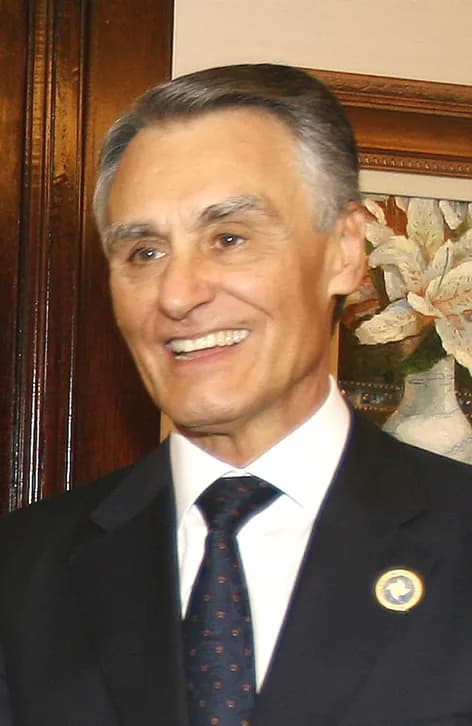
- Parliament passed Law 16/2007 on 8 March 2007; President Aníbal Cavaco Silva promulgated it on 10 April and it was published on 17 April. The Constitutional Court upheld it in 2010.
- The Directorate-General of Health recorded 18,014 terminations at the woman’s request in 2008, a peak of 19,921 in 2011, a low of 13,782 in 2021 and 18,079 in 2024.
One question, one Sunday
The polling stations opened at eight in the morning on Sunday 11 February 2007 and closed at seven in the evening. Each voter went alone into the booth with a ballot paper that carried a single question, marked the square under the word SIM or the one under NÃO, and folded the paper in four.
“Do you agree with the decriminalisation of the voluntary termination of pregnancy, if carried out, by the woman’s choice, in the first 10 weeks, in a legally authorised health establishment?”
There were 8,814,016 people on the electoral roll. When the count was done, 3,840,176 of them had voted. Yes had 2,231,529 votes and no had 1,534,669, a margin of almost 700,000 and a share of 59.25 per cent for yes.
It was the second time Portugal had been asked. Nine years earlier the same words had been put to voters and rejected by 48,624 votes. This time the answer was yes. But under the Constitution the result could not bind parliament, because fewer than half the electorate had turned out.
What the law said before 2007
Until 1984 abortion was banned outright in Portugal. Under the dictatorship that fell in 1974, even family planning and contraception were forbidden in the name of a Catholic, pro-natalist ideology. The 1976 Constitution recognised a right to family planning, and family-planning clinics opened in health centres that year.
Law 6/84 made abortion lawful in four situations: danger to the woman’s life, a risk of serious and lasting harm to her physical or mental health, serious malformation of the foetus, and pregnancy from rape. Law 90/97 lengthened the time limits for malformation and rape. That framework lasted until 2007.
Few abortions happened inside that law. Estimates for the 1970s, cited by the sociologist Rosa Monteiro, ran from 100,000 to 200,000 clandestine abortions a year, and by one 1999 calculation only 1 to 2 per cent of abortions in Portugal were legal. A survey by the family-planning association APF estimated about 17,000 clandestine abortions in 2005. All these figures are uncertain, since illegal acts are not counted.
1998: the first referendum
In February 1997 parliament rejected bills that would have allowed abortion on request and passed only the narrower changes that became Law 90/97. A year later it tried again. In February 1998 deputies approved in principle a Socialist bill, its first signatory the deputy Sérgio Sousa Pinto, that allowed abortion on request up to ten weeks after a counselling consultation.
The Social Democrats (PSD), the main centre-right party, wanted the people to decide first. In January 1998 a group of their deputies proposed a referendum, and in March parliament approved one with a question drafted by the Socialists. The Socialist prime minister, António Guterres, opposed the change on personal religious and moral grounds, and Monteiro writes that a deal between him and the PSD leader, Marcelo Rebelo de Sousa, sent the bill to the voters. Rebelo de Sousa was for no, but gave PSD members a free vote.
“This is a matter that is extremely delicate and sensitive, which belongs to the most intimate reserve of each citizen’s moral conscience, cutting indiscriminately across the various parties and their electorates.”
Portugal had no tradition of national referendums. The 1976 Constitution allowed none until a revision in 1989, and the only earlier precedent was the 1933 plebiscite on the Estado Novo constitution, in which abstentions counted as votes in favour.
The President of the Republic asked the Constitutional Court to rule quickly so that the vote could be held before the traditional summer holidays, and it took place on Sunday 28 June 1998. Only 2,709,503 of 8,496,089 registered voters took part. No won by 1,356,754 votes to 1,308,130. The result did not bind parliament, but parliament chose not to continue with the bill it had approved in principle.
Declared spending was uneven. In accounts filed with the electoral commission, the Church-linked movement Juntos pela Vida declared 36.3 million escudos, more than twice as much as any other campaigner that filed accounts. The Socialist Party filed no accounts for the campaign, and the PSD declared it had spent nothing.
“Pushed into a referendum we did not want and had no chance of winning, for lack of organisation and of means of information and mobilisation, we faced the powerful machine of the Catholic Church and of the most conservative circles, which lacked neither volunteers nor money.”
Women in the dock
Opponents of change had argued that, in practice, no woman was put on trial under the law. Monteiro writes that the trials of the following years undermined that argument. She lists four that drew national attention: Maia (2001 to 2002), Setúbal (2003 to 2006), Aveiro (2003 to 2007) and Lisbon (2004).
Earlier trials had also stirred protest. In 1979 the journalist Maria Antónia Palla and Conceição Massano were tried over abortion, and the outcry led the Communist Party to table the first bill on the subject in 1982.
At Maia, north of Porto, 43 people stood trial, among them 17 women accused of having abortions and the nurse and midwife Maria do Céu Ribeiro, accused of running a clandestine clinic with a network of recruiters. The prosecutor asked for 12 years for her. On 18 January 2002 she was sentenced to eight and a half years in prison; a 2005 report in JN gives seven.
According to TSF radio, 13 of the women were acquitted, one charge was time-barred, and one woman who had confessed was sentenced to four months in prison, convertible to a fine. In 2003 President Jorge Sampaio pardoned six months of Ribeiro’s sentence, which drew protests from Catholic associations and parties of the right, above all the CDS.
At Aveiro, the 17 defendants were a doctor accused of charging women for abortions at his surgery, two of his employees, seven women and seven relatives or partners who had gone with them. Phone taps and the women’s gynaecological examinations were ruled inadmissible, and during the trial evidence went missing. On 17 February 2004, with about 500 demonstrators for decriminalisation outside, the court acquitted everyone for lack of evidence.
The bishop of Aveiro, António Marcelino, accused the demonstrators of trying to pressure the judges. The appeal court in Coimbra annulled the verdict in December 2005 and accepted three of the medical examinations as evidence. At a new hearing in July 2006 the doctor was sentenced to four years and eight months in prison, and an employee and three of the women to suspended sentences; the other 12 defendants were acquitted.
At Setúbal, a 76-year-old nurse and midwife went on trial in June 2004 with two women aged 26. Prosecutors said she had performed abortions in her home, for payment, since 1985.
A ship off Figueira da Foz
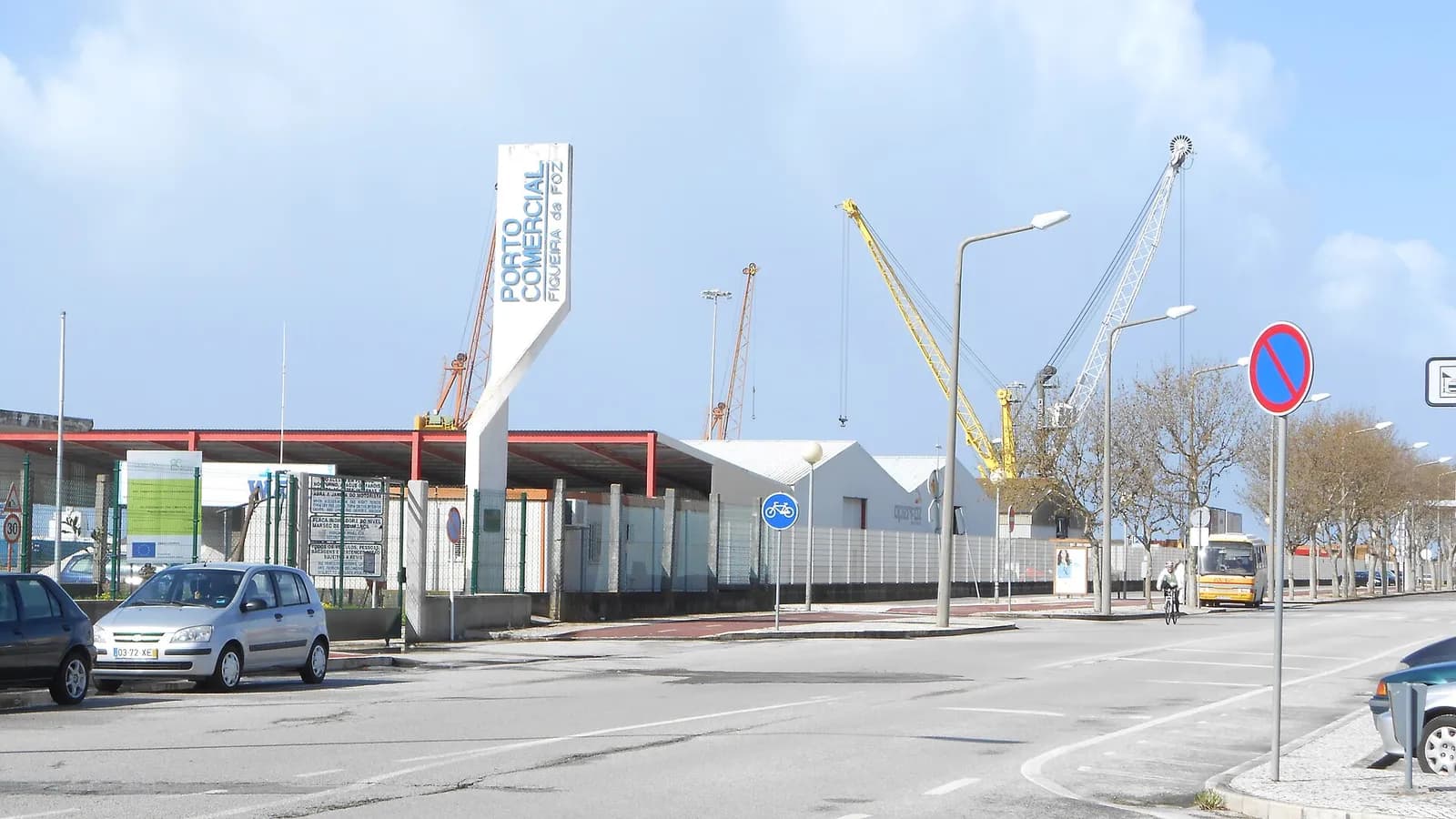
In August 2004 the Dutch foundation Women on Waves, invited by two Portuguese associations, Clube Safo and Não te Prives, chartered a ship, the Borndiep, and sailed from Amsterdam for Figueira da Foz. They planned meetings, seminars and workshops on board about family planning, sexually transmitted diseases and decriminalising abortion, from 30 August to 12 September.
On 27 August, as the ship approached, the Secretary of State for the Sea banned it from Portuguese territorial waters, citing reports that it would distribute unauthorised medicines and encourage acts illegal in Portugal. That day a navy warship took position beside the Borndiep. Monteiro writes that navy corvettes were sent on the orders of the defence minister, Paulo Portas of the CDS-PP.
The administrative court in Coimbra refused to lift the ban on 6 September, finding that the organisers meant to give Portuguese women the abortion pill RU486, then not sold in Portugal. The ship went back to the Netherlands on 10 September. In the meantime there were seminars in Lisbon and Figueira da Foz, demonstrations of support and, by the foundation’s count, about 700 press and broadcast items.
The associations took the case to Strasbourg. On 3 February 2009 the European Court of Human Rights ruled unanimously that Portugal had violated their freedom of expression: banning the ship outright and sending a warship against a civilian vessel had been disproportionate. It awarded each of the three applicants €2,000.
Asking again
The Socialists returned to power in 2005 under José Sócrates, who had put a new referendum in the party’s manifesto. The first attempt failed: the Constitutional Court ruled in October 2005 that a referendum proposal could not be renewed in the same legislative session, and did not look at the question itself.
On 19 October 2006 parliament approved the proposal again, with the exact wording of 1998. On 15 November the Constitutional Court found it constitutional by seven votes to six. The dissenting judges doubted the question’s clarity, and some objected that Portuguese living abroad could not vote. President Aníbal Cavaco Silva, who had 20 days to decide, called the vote for 11 February 2007.
This time the Socialist Party campaigned openly for yes, alongside the Left Bloc and the Communists. The CDS-PP opposed the change. The PSD again gave its members a free vote, its leader Luís Marques Mendes calling abortion a matter for each citizen’s conscience, and several of its leading figures campaigned for no.
The yes campaign stressed the health risks of backstreet abortion and the prosecution of women, rather than a right to choose. Opponents argued that the state had a duty to protect unborn life, and pro-life groups had long warned that legal abortion would only become more common. On 9 February the no campaign closed with a rally in Braga, where Marcelo Rebelo de Sousa was among the speakers expected; Sócrates was the main guest at the yes movements’ closing dinner in Lisbon.
Monteiro, who counts both the PSD and the CDS-PP among the opponents of decriminalisation, credits the result to a united left, wider alliances among women’s groups and a Socialist government whose leader backed the change.
Besides the parties, 16 citizens’ groups filed campaign accounts, from Médicos pela Escolha and Jovens pelo Sim to Norte pela Vida and Alentejo pelo Não. Juntos pela Vida, Mais Aborto Não, the platform Não Obrigada and the far-right PNR party filed none, and the commission opened proceedings against them.
| Campaigner | Position | Declared spending |
|---|---|---|
| Partido Socialista (PS) | Yes | €830,595 |
| Bloco de Esquerda (BE) | Yes | €133,822 |
| Partido Comunista Português (PCP) | Yes | €118,512 |
| Partido Social Democrata (PSD) | Free vote | €55,986 |
| CDS-Partido Popular | No | €52,240 |
| Médicos pela Escolha | Yes | €45,777 |
| Movimento Cidadania e Responsabilidade pelo Sim | Yes | €42,006 |
| Norte pela Vida | No | €27,109 |
| Minho com Vida | No | €19,219 |
| Juntos pela Vida | No | No accounts filed |
Expenditure as filed with the Comissão Nacional de Eleições, rounded to the nearest euro. Positions of the parties from Monteiro (2012) and the PSD’s own newspaper; the groups’ positions are in their names. The commission found no serious irregularities in the accounts it received.
The result
| 28 June 1998 | 11 February 2007 | |
|---|---|---|
| Registered voters | 8,496,089 | 8,814,016 |
| Voters (turnout) | 2,709,503 (31.9%) | 3,840,176 (43.57%) |
| Yes | 1,308,130 (49.1%) | 2,231,529 (59.25%) |
| No | 1,356,754 (50.9%) | 1,534,669 (40.75%) |
| Blank votes | 29,057 | 48,094 |
| Spoilt votes | 15,562 | 25,884 |
| Binding? | No | No |
Percentages of yes and no are shares of valid votes. A referendum binds only when more than half of registered voters take part. Both votes were open to voters registered in Portugal only.
To bind parliament, more than 4,407,008 people would have had to vote, about 567,000 more than did. Even so, turnout was almost 12 points higher than in 1998, and yes won 923,000 more votes than it had then.
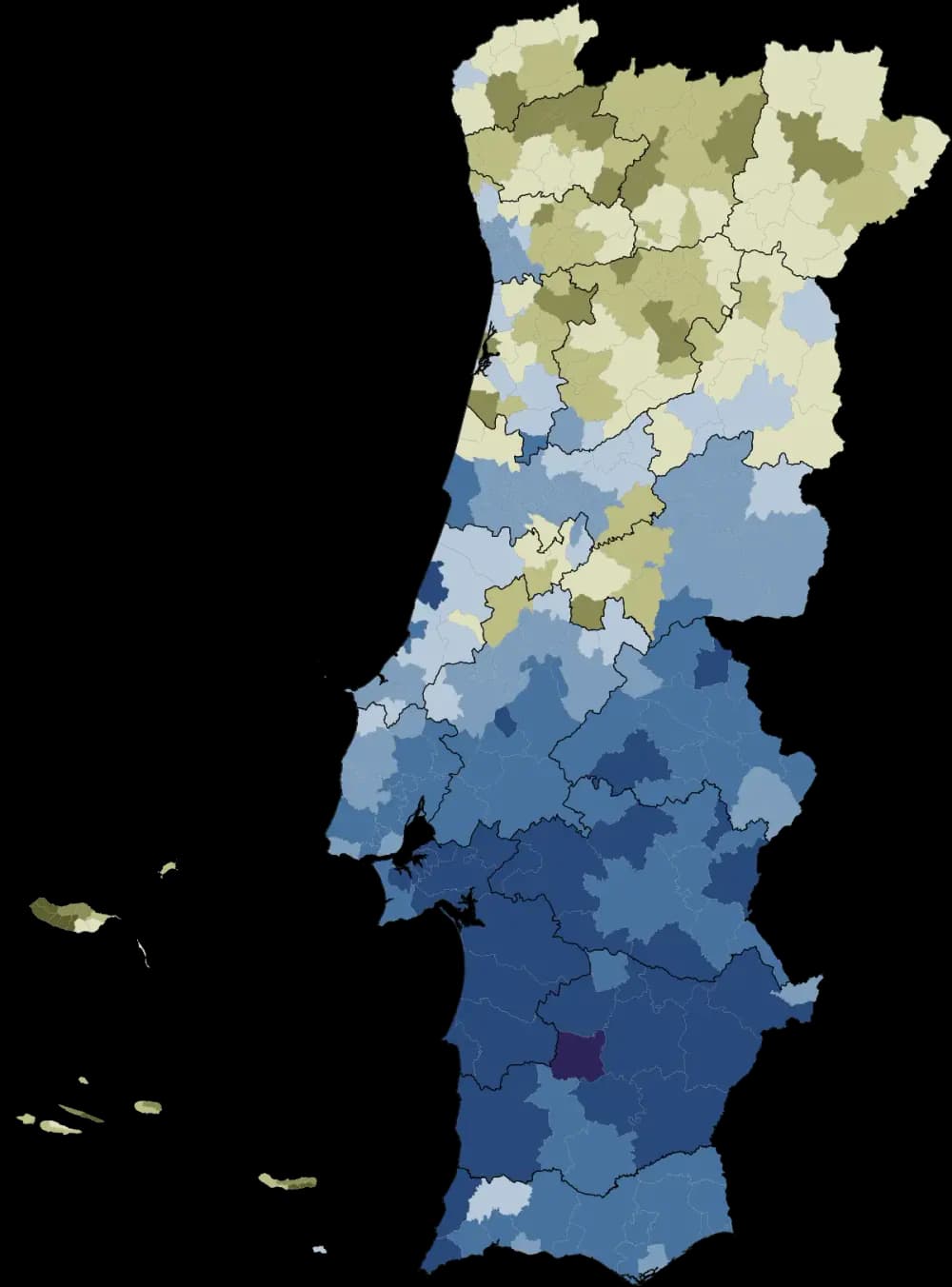
The country split along a north-south line. Yes won 11 of the 18 mainland districts, with its largest shares in the Alentejo and around Lisbon: 83.9 per cent in Beja and 82 per cent in Setúbal. No won in seven northern and central districts, from Viana do Castelo and Braga to Viseu, Guarda and Aveiro, and in both island regions. In the Azores, where turnout was lowest, only 29.5 per cent voted, and 69.3 per cent of them said no.
Yes vote by district and autonomous region, 11 February 2007
% of valid votes
Share of valid votes for yes in each district and autonomous region, from the general count published by the electoral commission. Nationally, yes took 59.25 per cent.
Show the data
| Yes | |
|---|---|
| Beja | 83.9 |
| Setúbal | 82 |
| Évora | 78.4 |
| Portalegre | 74.4 |
| Faro | 73.9 |
| Lisboa | 71.5 |
| Santarém | 65.1 |
| Coimbra | 62.9 |
| Castelo Branco | 61.6 |
| Leiria | 58.3 |
| Porto | 54.4 |
| Guarda | 46.5 |
| Aveiro | 44.6 |
| Braga | 41.4 |
| Bragança | 40.8 |
| Viana do Castelo | 40.7 |
| Viseu | 38.3 |
| Vila Real | 38.1 |
| Madeira | 34.6 |
| Açores | 30.7 |
From vote to law
Parliament treated the result as a mandate. It approved Law 16/2007 on 8 March 2007. President Cavaco Silva promulgated it on 10 April without asking the Constitutional Court to review it first, and it was published on 17 April.
With the law, Cavaco Silva sent parliament a message urging further safeguards: women should be told about adoption and counselled on the possible health consequences of an abortion, and the father should be able to attend the counselling, though the decision would stay with the woman.
- Time limit
- First 10 weeks of pregnancy, at the woman’s choice
- Where
- Official or officially recognised health establishments, by or under a doctor
- Before
- A compulsory first consultation, then at least three days’ reflection before written consent
- Support offered
- Information on state support for continuing the pregnancy; optional psychological and social-work support
- Family planning
- Referral to a family-planning consultation
- Doctors
- Right of conscientious objection; objectors may not take part in the prior consultation
The law also told the National Health Service to organise itself so that terminations could be done within the legal limits, and told the government to make sure conscientious objection did not stop that. A ministerial order of 21 June 2007 set out how hospitals and clinics should run the service.
Thirty-three deputies asked the Constitutional Court to strike the law down. They argued that the two largest parties had promised to change the law only by referendum, so a non-binding vote gave parliament no mandate, and that the Constitution’s statement that human life is inviolable obliged the state to protect unborn life in the first ten weeks too. They also objected that the compulsory consultation only informed women rather than counselling them against abortion, and that the law left fathers out of the decision. On 23 February 2010 the court rejected the challenge. Five judges dissented at least in part; one wrote that a woman’s right to develop her personality could not justify leaving life in the womb unprotected for ten weeks.
What came after
Every termination under the law must be reported to the Directorate-General of Health (DGS). It recorded 18,014 at the woman’s request in 2008, the first full calendar year, rising to 19,921 in 2011. The number then fell for a decade, before rising again from 2022. In 2024 it was 18,079, or 97.2 per cent of all terminations.
Terminations at the woman’s request in the first ten weeks, 2008–2024
terminations
Registered terminations under article 142(1)(e) of the Penal Code. 2008 to 2013 from the DGS report for 2018 to 2021; 2014 to 2023 from the DGS report for 2023, which revises earlier years for late registrations; 2024 from the DGS report for 2024 as reported by RTP.
Show the data
| Terminations at the woman’s request | |
|---|---|
| 2008 | 18,014 |
| 2009 | 19,222 |
| 2010 | 19,560 |
| 2011 | 19,921 |
| 2012 | 18,615 |
| 2013 | 17,728 |
| 2014 | 16,379 |
| 2015 | 16,223 |
| 2016 | 15,881 |
| 2017 | 15,098 |
| 2018 | 14,337 |
| 2019 | 14,709 |
| 2020 | 14,321 |
| 2021 | 13,782 |
| 2022 | 16,014 |
| 2023 | 16,559 |
| 2024 | 18,079 |
In 2023 the median age of women having a termination by choice was 28, the median length of pregnancy was seven weeks, and most were done with medication rather than surgery. In 2024, 67.6 per cent were done in the public sector, and 7,163 were for women of other nationalities.
The DGS measures abortions per 1,000 live births to compare countries. In 2018 Portugal recorded 172 against an average of 230 for the WHO European region, and the DGS says the Portuguese rate has always been below that average.
The argument did not end in 2007. A citizens’ initiative “for the right to be born”, signed by about 38,000 people and backed by groups that had campaigned for no, asked for tougher rules. On 22 July 2015, at the last sitting before an election, the PSD and CDS-PP majority passed changes that made women pay the standard NHS user charge for a termination, made psychological and social counselling compulsory and let objecting doctors take part in counselling.
The majority said the aim was not to reopen decriminalisation but to improve the conditions in which a woman took “such a difficult decision in her life” (translated from Portuguese). The left called the changes a step backwards, and women’s groups called them a backlash. A new left-wing majority reversed them in a final vote on 18 December 2015.
Why it still matters
The 2007 vote came 25 years after the first abortion bill was tabled in parliament, in 1982. The ten-week limit set in 2007 was still the rule in the DGS figures for 2024. Groups such as the APF have asked for a longer limit; opponents have asked for repeal.
It also tested how Portugal uses referendums. Neither abortion vote reached the turnout needed to bind, yet parliament followed the majority both times: it dropped its bill in 1998 and passed one in 2007. The 1998 regionalisation referendum and these two votes remain the only national referendums Portugal has held under the 1976 Constitution.
FAQs
Was the 2007 abortion referendum in Portugal binding?
No. Yes won 59.25 per cent of valid votes, but only 43.57 per cent of registered voters took part, and a referendum binds only when more than half do. Parliament passed the new law anyway on 8 March 2007.
What happened in the 1998 abortion referendum?
On 28 June 1998 the same question lost by 50.9 to 49.1 per cent, on a turnout of 31.9 per cent. The result did not bind, but parliament dropped the bill it had approved in principle that February.
Up to how many weeks is abortion legal in Portugal?
At the woman’s request, up to ten weeks of pregnancy, after a compulsory consultation and a reflection period of at least three days. Later limits apply in other cases, such as 24 weeks for serious foetal illness or malformation.
How many abortions are there in Portugal each year?
The Directorate-General of Health recorded 18,601 terminations in 2024, of which 18,079 were at the woman’s request. The yearly figure peaked at 19,921 such terminations in 2011 and fell to 13,782 in 2021.
What was the Women on Waves ship affair?
In August 2004 the Portuguese government barred the Dutch ship Borndiep, chartered by the abortion-rights foundation Women on Waves, from its waters and sent a warship to keep it out. In 2009 the European Court of Human Rights ruled that this violated freedom of expression.
On the timeline
Open the timelineNearby moments from portugal in europe (1986–today).
Death in Matosinhos of Fernando Távora, the architect and teacher at the heart of the 'Porto School'. Álvaro Siza trained in his studio, and works such as his conversion of Guimarães's medieval Santa Marinha convent into a pousada (state-run historic hotel) showed how modern architecture could grow out of Portuguese tradition.
Aníbal Cavaco Silva, prime minister from 1985 to 1995, is elected President of the Republic in the first round with just over 50 per cent of the vote, becoming the first head of state since 1974 to come from the centre-right PSD.
A cold snap brings snow to Lisbon on 29 January, the city's first snowfall since 1 and 2 February 1954, as a depression moving south carries snow across central and southern Portugal, from Santarém and Rio Maior to the hills of the Algarve.
The 2007 abortion referendum
In Portugal's second referendum on abortion, 59.25 per cent of valid votes back decriminalising terminations in the first ten weeks of pregnancy. Turnout of 43.6 per cent left the result non-binding, but Parliament legislated anyway, and the new law was promulgated that April.
European leaders sign the Treaty of Lisbon at the close of Portugal's presidency of the EU, in a ceremony in the Jerónimos Monastery at Belém. Britain's prime minister missed the ceremony and signed later the same day. Rescuing most of the failed European Constitution, the treaty created a permanent President of the European Council and a stronger EU foreign-policy chief, and entered into force on 1 December 2009.
Cristiano Ronaldo is named FIFA World Player of the Year in Zurich after winning the Premier League and the Champions League with Manchester United — the first Portuguese winner since Luís Figo in 2001.
Sculptor Lagoa Henriques dies in Lisbon. His best-known work is the bronze Fernando Pessoa seated at a café table outside A Brasileira in the Chiado, unveiled in 1988 for the poet's centenary — the empty chair beside him has made it a favourite photo stop for visitors.
Coming up in history
All long reads 13 February 1965Operation Autumn: how the PIDE murdered General Humberto Delgado, 1965
 14 February 1797Nelson's bridge off the Algarve: the Battle of Cape St Vincent, 1797
 15 February 1941The 1941 cyclone: the February storm that wrecked Portugal’s coast and forests
 16 February 1986From 8 per cent to Belém: Mário Soares wins the 1986 run-off
36 sources
Archives, scholarship and reporting this article was checked against.
- 1
Mapa Oficial n.º 1/2007: resultados do Referendo Nacional de 11 de Fevereiro de 2007Comissão Nacional de Eleições (PDF)
- 2
- 3
Acórdão n.º 75/2010 (constitucionalidade da Lei n.º 16/2007)Tribunal Constitucional
- 4
Lei n.º 16/2007, de 17 de Abril: exclusão da ilicitude nos casos de interrupção voluntária da gravidezDiário da República, 1.ª série, n.º 75, 17 April 2007 (PDF)
- 5
A descriminalização do aborto em Portugal: Estado, movimentos de mulheres e partidos políticos (Rosa Monteiro)Análise Social 204, vol. XLVII (2012), Instituto de Ciências Sociais da Universidade de Lisboa (PDF)
- 6
Caso Women on Waves e outros c. Portugal (queixa n.º 31276/05), sentença de 3 de Fevereiro de 2009European Court of Human Rights; Portuguese translation by the Ministério Público (PDF)
- 7
Relatório de Análise dos Registos das Interrupções da Gravidez 2023Direção-Geral da Saúde, December 2024 (PDF)
- 8
- 9
- 10
- 11Marcelo Rebelo de Sousa diz que fará campanha pelo “não” no referendo do abortoRTP Notícias, 23 March 2005
- 12
- 13
Parteira condenada, 15 mulheres absolvidasTSF, 18 January 2002
- 14
- 15
Abortadeira cumpriu uma pena de prisãoJornal de Notícias, 31 March 2005
- 16
Portugal awaits abortion rulingAl Jazeera (AFP), 27 January 2004
- 17
- 18
- 19
- 20
- 21
- 22Aprovada pergunta para referendo sobre abortoRTP Notícias, November 2006
- 23
- 24
Referendo: Marques Mendes apela a confronto “desapaixonado e pedagógico”Povo Livre (PSD newspaper), 17 January 2007 (PDF)
- 25
Termina hoje campanha para o referendo ao abortoTVI, 9 February 2007
- 26
- 27
- 28
Portugal ratifies law allowing abortionsThe Guardian (Associated Press), 10 April 2007
- 29
- 30Interrupções da gravidez aumentam 5% em 2024 e ultrapassam as 18 mil, diz DGSRTP Notícias, April 2026
- 31
A agenda portuguesa da descriminalização do aborto à luz do backlash sob as forças políticas liberais e conservadoras (Rosa Monteiro)Cadernos Pagu 64 (2022), Universidade Estadual de Campinas (PDF)
- 32Ao som de gritos, AR muda lei do abortoObservador, 22 July 2015
- 33
- 34O que o Governo já desfez desde que tomou posseObservador, 6 January 2016
- 35
- 36
Image credits
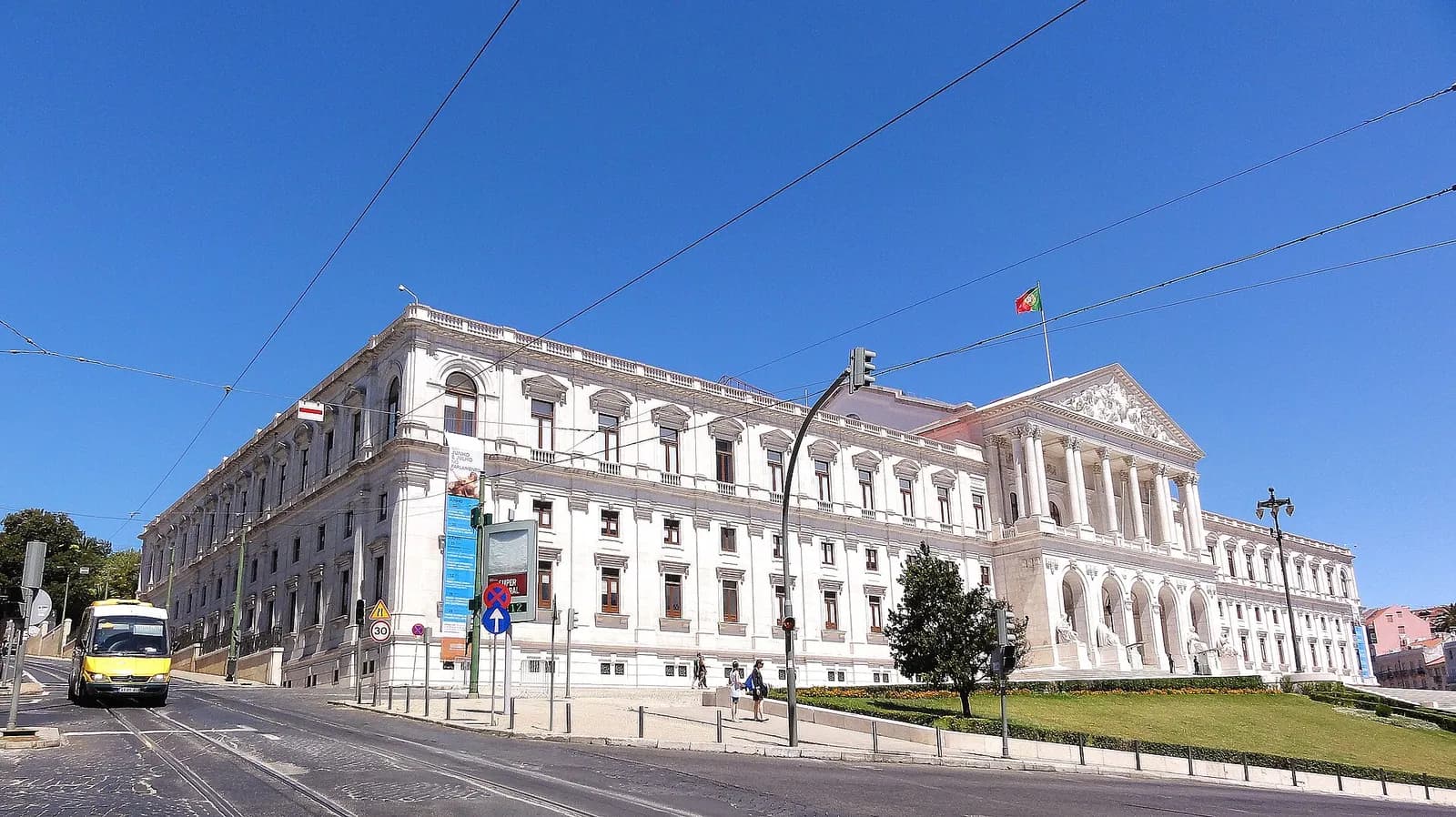
- The Palácio de São Bento in Lisbon, home of the Assembleia da República. Parliament approved the referendum question here in October 2006 and passed the new abortion law on 8 March 2007. Photographed in 2012. Jose Manuel, CC BY-SA 3.0, via Wikimedia Commons.
- The entrance to the commercial port of Figueira da Foz, photographed in 2013. The Borndiep was heading for this port in August 2004 when the government barred it from Portuguese waters. Joehawkins, CC BY-SA 4.0, via Wikimedia Commons.
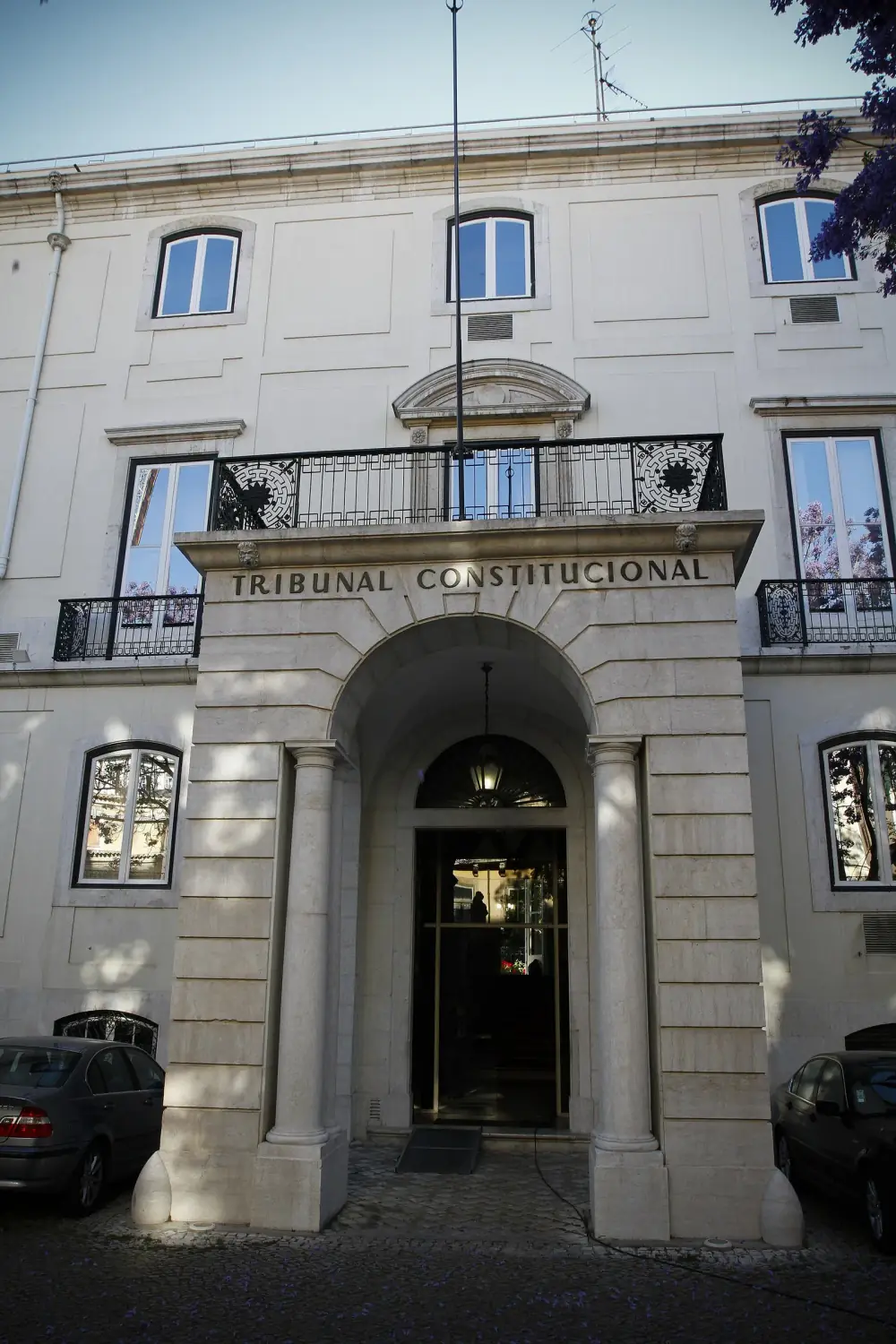
- The entrance to the Constitutional Court in Lisbon, photographed in 2014. The court reviewed the referendum proposals of 1998, 2005 and 2006, and in 2010 rejected a challenge to the law that followed. Cruks, CC BY-SA 4.0, via Wikimedia Commons.
- Results of the 2007 referendum by municipality, shaded by the winning side’s share of the vote: blue where yes won and olive where no won, matching the official district counts. The insets show Madeira and the Azores. Incognito melon, CC BY-SA 4.0, via Wikimedia Commons.
- Aníbal Cavaco Silva, President of Portugal from 2006 to 2016, photographed in November 2007. He promulgated the new law on 10 April 2007. Ricardo Stuckert/PR, CC BY 3.0, via Wikimedia Commons.