

Fernando Távora and the Porto School of architecture
At 22 he told Portuguese architects to stop faking the past and study how ordinary people built. Sixty years later the man who trained Álvaro Siza died in a hospital outside Porto.
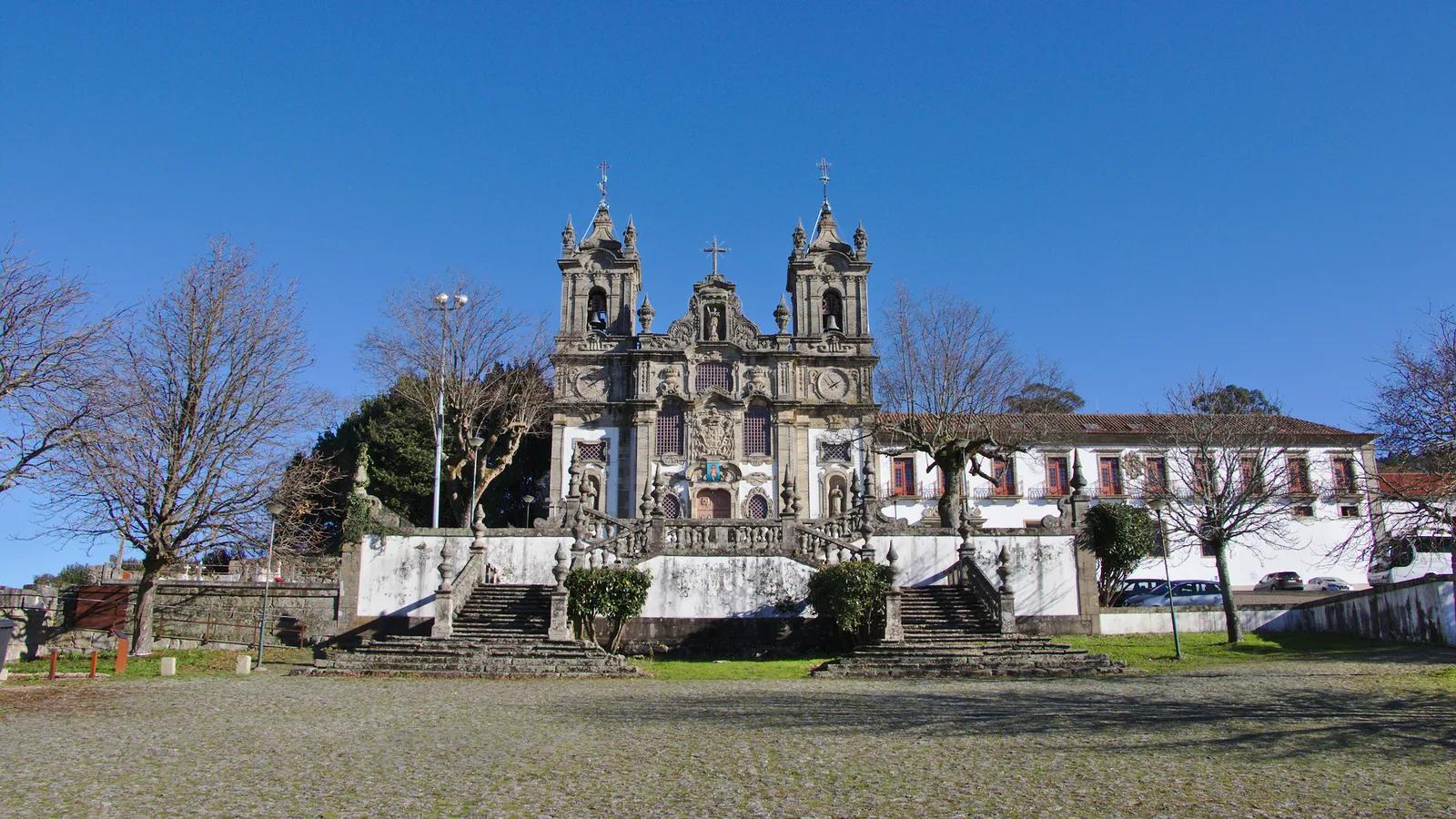
At a glance
- Fernando Távora was born in Porto on 25 August 1923 and died of cancer at the Pedro Hispano hospital in Matosinhos on 3 September 2005, aged 82.
- His essay O Problema da Casa Portuguesa, first printed on 10 November 1945, attacked the regime-favoured 'Portuguese house' style and called for study of real popular building.
- From 1955 he led the Minho team of the Inquérito à Arquitectura Popular, a national survey of vernacular building published in two volumes in 1961.
- He taught architecture in Porto for about four decades, chaired the committee that set up the University of Porto's Faculty of Architecture (founded 1979) and retired in 1993.
- Álvaro Siza worked in his office as a student. His archive of about 320 projects has been held by the Fundação Marques da Silva in Porto since 2011.
A pool in Leça da Palmeira
In the Quinta da Conceição, a park at Leça da Palmeira in Matosinhos, the port town on Porto's northern edge, stand a tennis pavilion and a swimming pool. Fernando Távora built the pavilion between 1956 and 1960. Távora was planning the pool as well, until the young Álvaro Siza, who had drawn for him as a student, kept asking about it, and Távora told him to take the job to his own studio. In 1992 Siza became the first Portuguese winner of the Pritzker Prize, architecture's best-known award.
Távora died in Matosinhos, at the Pedro Hispano hospital, in the early hours of Saturday 3 September 2005. He had cancer. He was 82.
Before the day was out the Correio da Manhã had called him the dean of Portuguese architecture, and Helena Roseta, who led the Ordem dos Arquitectos, the architects' professional body, had named him one of the founding fathers of the country's architecture. The next day Eduardo Souto de Moura, later Porto's second Pritzker winner, told the newspaper Público, as the University of Porto's Heritage Atlas records, that Távora was the father of the Porto School and Europe's great-grandfather.
- Full name
- Fernando Luís Cardoso Meneses de Tavares e Távora
- Born
- 25 August 1923, parish of Santo Ildefonso, Porto
- Died
- 3 September 2005, Pedro Hispano hospital, Matosinhos, aged 82
- Trained
- Porto School of Fine Arts, from 1941; graduated 1950; diploma exam (CODA) 1952
- Taught
- Porto School of Fine Arts, then the University of Porto's Faculty of Architecture; retired 1993
- Archive
- Fundação Marques da Silva, Porto, since 2011
The problem of the Portuguese house
Távora grew up in a conservative Porto family that descended from the noble Távoras, the house destroyed after the attempt on King José I's life in 1758. His father was a Coimbra law graduate and a strong supporter of the monarchist movement Integralismo Lusitano. In 1941 Fernando sat the entrance exam for architecture at the Porto School of Fine Arts. His family had wanted him to study civil engineering.
The architecture of the day was set by the Estado Novo, Salazar's authoritarian regime. It pushed the 'Portuguese house', a doctrine built on the books of the architect Raul Lino, with their sets of supposedly national models for homes. The regime imposed it on architects from the late 1930s through almost all of the 1940s.
On Saturday 10 November 1945, aged 22, Távora published an essay in the weekly ALÈO called O Problema da Casa Portuguesa, the problem of the Portuguese house. Two years later a revised, longer version opened the first Cadernos de Arquitectura, a Lisbon series set up to spread modern ideas. In it he called the national style an architecture of archaeologists, made by applying old decorative motifs to new houses. Today's houses, he wrote, had to come from present needs and conditions.
“The popular house will provide us with great lessons when properly studied, because it is the most functional and the least fanciful.”
He was also wary of the other camp, the more radical modernists who looked only to international models. Looking back in 1986, he said he had proposed a third way, rooted in Portuguese reality but free of folklore, because both other positions were formalist and solved nothing. In 1948 the first National Congress of Architecture turned almost unanimously against Lino's doctrine.
Architects on scooters
Távora's call to study how ordinary people built was taken up, the architect and historian Eduardo Fernandes argues, by Keil do Amaral, who ran a national survey for the Sindicato Nacional dos Arquitectos, the architects' national union. The Inquérito à Arquitectura Popular began in 1955. Its results came out in 1961 as the two volumes of Arquitectura Popular em Portugal.
The country was split into six zones, each with a senior architect as team leader and two younger ones. Távora led zone 1, the north-west, with Rui Pimentel and António Menéres; the published lists name him as leader, though a 2022 note to an interview with Siza gives Pimentel. Menéres remembered the young men's pay, 'if I'm not mistaken', as three contos (3,000 escudos) a month, plus three more for petrol and lunches. They had to account for all of it.
The teams travelled by Lambretta, because the young architects had no cars, money was short and the roads were poor. Each carried a union identity card, a compass, a tape measure and maps. Menéres later remembered several tumbles. Their own cameras did the recording, and the photographs are still the fullest record of Portugal's vernacular building.
The anthropologists João Leal and Marta Prista rank the survey among the main twentieth-century studies of rural Portugal, with the work of the geographer Orlando Ribeiro and the anthropologist Jorge Dias. It also showed the young architects a country that, under the Estado Novo, was usually reduced to pleasant stereotypes.
Távora, then an assistant at the school with an office to run, joined his team little during the week, Menéres recalled; sometimes they met on a Saturday, or in Porto. He chose Barcelos, which Menéres believed had more parishes than any other municipality, as the starting point. When he found Menéres and Pimentel still there after fifteen days, he moved them on.
A market, a beach house, a school
Távora's first buildings came in the same years. From 1948 he worked for Porto's city council, until 1956 or 1958 (sources differ). His Ramalde housing estate in Porto dates from 1952 to 1960. In 1952 he sat the CODA, the exam that qualified an architect, with a project for a house on the sea, and was given 19 out of 20.
For the town of Santa Maria da Feira, south of Porto, he designed a municipal market in 1953. It was finished in 1959. Four separate volumes stand on a raised platform, laid out as an open public space as much as a market hall. Siza, still a student, helped draw the working drawings, and Fernando Lanhas also worked on it. It is now classified as a monument of public interest.
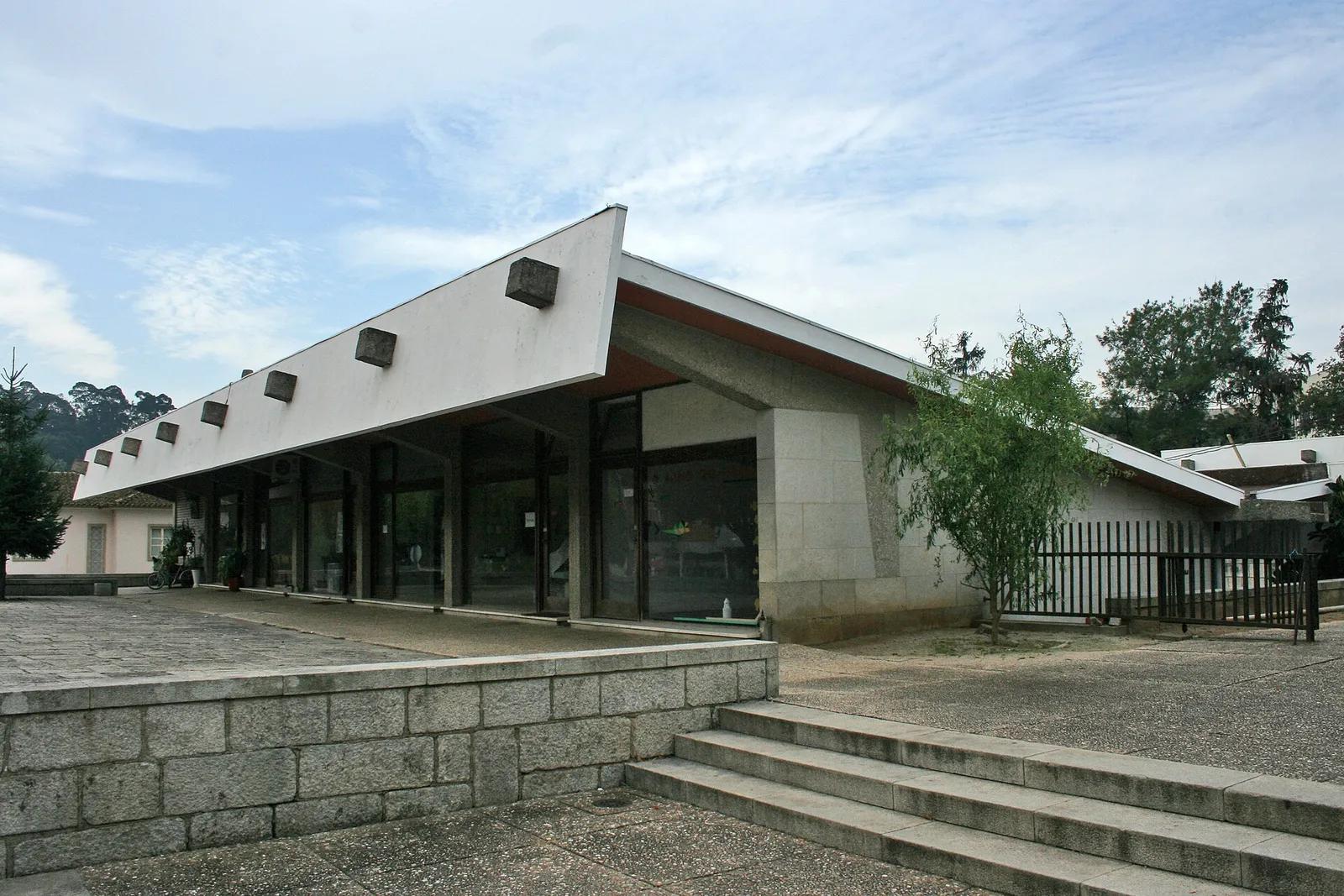
He took the finished market project to a congress of the CIAM, the international modern architecture congresses, where the Dutch architect Aldo van Eyck praised it. Távora attended the last CIAM meetings, at Hoddesdon in 1951, Aix-en-Provence in 1953, Dubrovnik in 1956 and Otterlo in 1959, and in 1962 a Team 10 meeting at Royaumont.
The holiday house at Ofir, near Esposende, followed in 1957 to 1958 for a client named Fernando Ribeiro da Silva. It joined the values of traditional Portuguese building to new techniques and a modern plan. Távora described it as a composite, not a mixture. Siza recalled that it went up in four months. In 2003 he said it suddenly materialised the imprecise intuitions of his generation. By 2012 a fire had left it badly damaged, and Docomomo, the body that records modern buildings, listed it as heritage in danger.
In 1960 Carlos Ramos, director of the Porto school, sent him on a four-month Gulbenkian Foundation grant to study how architecture was taught in the United States. Távora visited Taliesin West, Frank Lloyd Wright's school, made a detour to Mexico that his grant's rules forbade, went on to the World Design Conference in Tokyo and ended in Athens. His travel diary was printed in facsimile in 2012.
The teacher
Teaching took up most of Távora's life. From 1950 he worked unpaid among Ramos's young assistants at the Porto school, and only in 1958 did he take a paid post there. In 1962 he passed the examination for a professorship with a thesis published in 1982 as Da Organização do Espaço, on the organisation of space. He taught until he retired in 1993.
Writing about the 1962 Team 10 meeting at Royaumont, he set out a problem that mattered after the 1974 revolution: designing for one known client is different from designing for 25,000 people nobody knows.
After the 1974 revolution the school's architecture course became the University of Porto's Faculty of Architecture, founded in 1979. Távora chaired the committee that set it up. He also helped start the architecture courses at the universities of Minho and Coimbra. Coimbra gave him an honorary doctorate in 1993.
His office was a second school. Siza first worked for him as a student, on an exhibition and then on the Feira market, before Távora handed him the Quinta da Conceição pool. Souto de Moura, in turn, trained at the Porto school and worked for Siza for five years. That chain of teachers and pupils is what people mean by the Porto School.
“Fernando Távora's teaching has nothing to do with models, systematic answers, know-how. It does not exclude tools. But it has to do with the human condition, openness, prudence, understanding, sometimes permissiveness, doubt, will, intransigence.”
Old buildings, new rooms
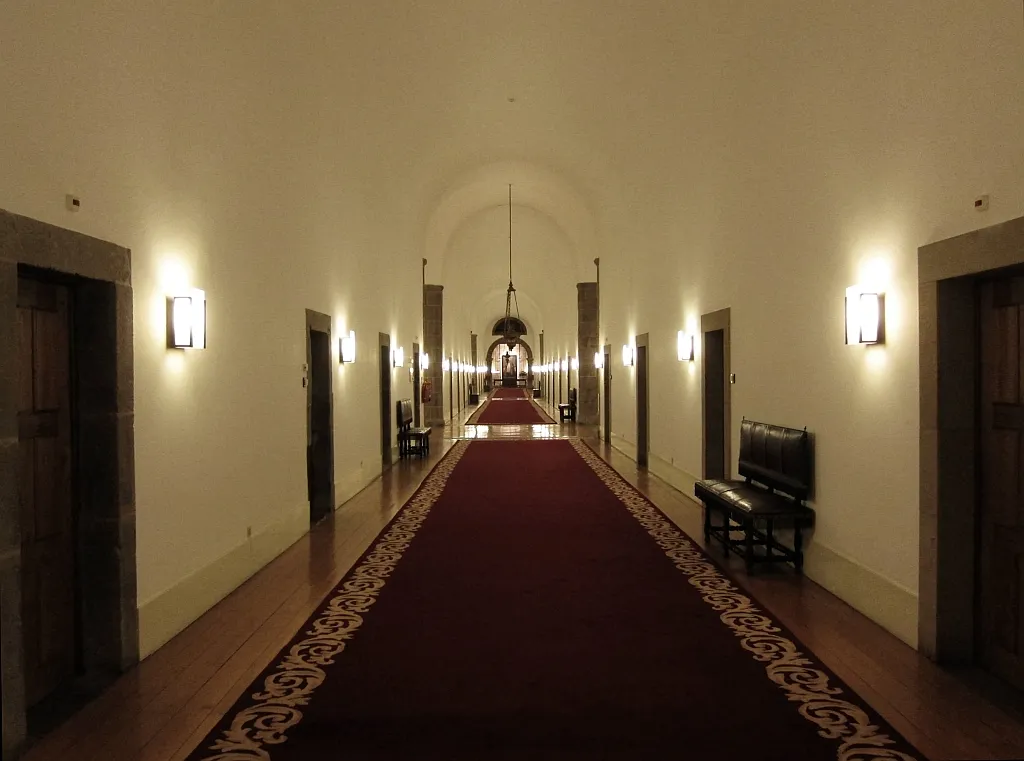
The building that won him the National Architecture Prize is a conversion. Santa Marinha da Costa is a former monastery on a hillside above Guimarães. In 1972 the state monuments department commissioned Távora to turn it into a pousada, one of the state network of hotels in historic buildings. The work was finished in 1985.
Work began before the 1974 revolution and was finished under democracy. The team included historians and archaeologists, and the new parts were plainly new, kept distinct from the restored old fabric. Siza called it a restoration in which the naturalness and heresy of a new architecture emerged. The prize is dated 1987 in some accounts and 1988 in others.
Guimarães kept him on. He restored a house on Rua Nova for the town's technical office for the historic centre, which he coordinated and which helped residents restore their own houses, and he redesigned several of its squares. That work became, in Fernandes's account, the main reference for the rehabilitation of the old town, which UNESCO listed as World Heritage in 2001.
| Work | Place | Dates |
|---|---|---|
| Ramalde housing estate | Porto | 1952–1960 |
| Municipal market | Santa Maria da Feira | 1953–1959 |
| Tennis pavilion, Quinta da Conceição | Leça da Palmeira, Matosinhos | 1956–1960 |
| Holiday house | Ofir, Esposende | 1957–1958 |
| Cedro primary school | Vila Nova de Gaia | 1958–1960 |
| Municipal building | Aveiro | 1963–1967 |
| Pousada de Santa Marinha da Costa | Guimarães | 1972–1985 |
| Museu Nacional Soares dos Reis, remodelling | Porto | 1988–2001 |
| Faculty of Law lecture hall | Coimbra | 1993–2000 |
| Extension of the Assembleia da República | Lisbon | 1994–1999 |
| Casa dos 24 | Porto | 1995–2003 |
Dates are for design and building as given by the Marques da Silva foundation, the Heritage Atlas Porto and the archive sheets published in Histories of Postwar Architecture (2022). Sources differ by a year or two for some works: the Feira market is also dated 1954–59, the Santa Marinha works 1975–84, the Ofir house 1956–58 and the Casa dos 24 1995–2002.
A tower beside the cathedral
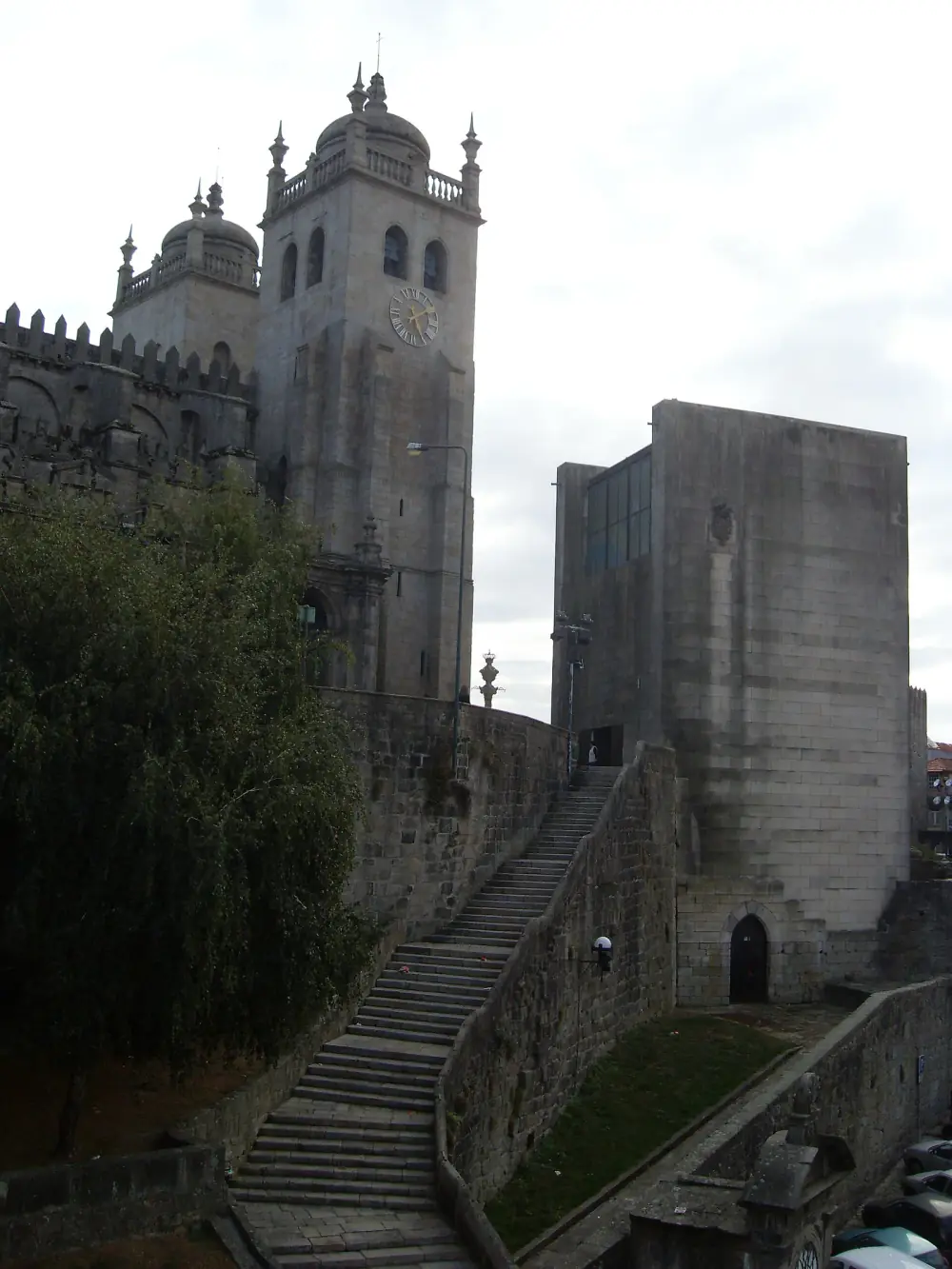
One of his last buildings stands six metres from Porto Cathedral. From the mid-fifteenth century until 1784 the town council met, with gaps, in a tower there known as the Casa dos 24, after the representatives of the city's 24 guilds who assembled in it. Later, already in ruins, it was used as a warehouse, and fire destroyed it in the nineteenth century (in 1875, according to the city museum). When Távora was commissioned in 1995, only the lower walls were left, without a roof.
The surviving evidence did not show the old tower's shape, so he designed a modern block that evokes it. Finished in 2002 or 2003 according to different sources, it is a memorial to the city's civic history with granite walls and two windows. A tall glass wall on the west frames the old town and the Clérigos tower; a smaller, high window on the east frames the cathedral's north tower. Siza called it a great little jewel.
Death and the archive
The tributes in September 2005 dwelt on his work on old buildings: the Soares dos Reis museum, the Freixo palace in Porto and the centre of Guimarães. The same year, the northern section of the Ordem dos Arquitectos created the Prémio Fernando Távora, a yearly travel grant awarded to the best proposal for a journey.
In 2011 his family entrusted his archive and library to the Fundação Marques da Silva, a University of Porto foundation that keeps architects' papers in Marques da Silva's own house and studio on Praça do Marquês de Pombal. The foundation's own guide says it holds them on loan; Observador called the gift a donation. The handover took place in 2011 and 2012.
| Item | Approximate quantity |
|---|---|
| Projects (built and unbuilt, 1946–2005) | 320 |
| Drawings | 15,000 |
| Written documents | 60 metres of shelving |
| Models | 130 |
| Photographs, negatives and slides | 12,000 |
| Titles from his library | 7,000 |
| Digital images made by 2022 | more than 8,000 |
Figures from the foundation's own account (Abrunhosa, 2022). Observador in 2018 gave about 300 projects, from 1946 to 2002, and a library of about 3,800 volumes.
The library holds a surprise. Távora, married for more than 50 years to Maria Luísa Menéres, collected rare editions and manuscripts of Fernando Pessoa and the Orpheu modernists, among them 21 postcards and letters from the poet Mário de Sá-Carneiro to his grandfather. Scholars began studying the collection in 2016.
25 August 1923
Born in Porto
1941
Enters the Porto School of Fine Arts
10 November 1945
O Problema da Casa Portuguesa published in ALÈO
1947
Expanded essay opens the Cadernos de Arquitectura
1952
Diploma project, a house on the sea
1955
Leads the Minho team of the Inquérito
1960
Gulbenkian trip to the US, Mexico, Japan and Greece
1962
Professorship thesis on the organisation of space
1979
University of Porto's Faculty of Architecture founded
1993
Retires; honorary doctorate from Coimbra
3 September 2005
Dies in Matosinhos
2011
Archive goes to the Fundação Marques da Silva
Why it still matters
In 2019 Santa Maria da Feira announced works costing more than €1 million to restore his market, planned by his son José Bernardo Távora, who said he would leave no mark of his own on it. A centenary programme, Távora 100, ran from August 2023 to September 2024, and the Soares dos Reis museum, which he remodelled, took part in marking it.
The Inquérito made rural building a subject of serious study, and Fernandes traces to it a new architectural language in the work of Távora, Teotónio Pereira, Keil do Amaral and others. The Santa Marinha method, with historians on the team and the new parts left visibly new, became a reference for later conversions of old buildings.
FAQs
Who was Fernando Távora?
A Porto architect and teacher (1923–2005). He wrote the 1945 essay O Problema da Casa Portuguesa, led the Minho team of the 1955 survey of popular architecture, taught at the Porto school for four decades and designed the Santa Marinha da Costa pousada in Guimarães and the Casa dos 24 in Porto.
What is the Porto School of architecture?
The name given to the architects trained at Porto's School of Fine Arts and, from 1979, the University of Porto's Faculty of Architecture, in a line running from Távora to Álvaro Siza and Eduardo Souto de Moura. Both of the latter won the Pritzker Prize, in 1992 and 2011.
What did O Problema da Casa Portuguesa argue?
That the regime-favoured 'Portuguese house' style was a fake built from old ornaments, and that architects should instead study the Portuguese setting, the way ordinary people really built, and modern building abroad. It first appeared on 10 November 1945 and was expanded in 1947.
Did Álvaro Siza study under Fernando Távora?
Yes. Siza was his student at the Porto school and worked in his office while still a student, drawing the working drawings for the Santa Maria da Feira market. Távora later passed him the job of the Quinta da Conceição swimming pool.
Where is Fernando Távora's archive?
At the Fundação Marques da Silva, a University of Porto foundation on Praça do Marquês de Pombal in Porto. His family entrusted his archive and library to it in 2011; the foundation describes the arrangement as a loan. The archive holds about 320 projects and 15,000 drawings.
On the timeline
Open the timelineNearby moments from portugal in europe (1986–today).
António de Sousa Franco, former finance minister and the Socialist Party's lead candidate for the European elections, dies of a heart attack in Matosinhos after a fraught campaign visit to the town's fish market, four days before the vote. Campaigning is suspended nationwide.
Death of Sophia de Mello Breyner Andresen in Lisbon, aged 84. The poet — first woman to receive the Camões Prize, in 1999 — was a luminous voice of 20th-century Portuguese literature, drawing on classical Greece, the sea and a deep ethical commitment to justice. Her remains are now interred in the National Pantheon.
Sprinter Francis Obikwelu wins the silver medal in the 100 metres at the Athens Olympic Games in 9.86 seconds, a European record and Portugal's first Olympic sprint medal.
Fernando Távora dies
Death in Matosinhos of Fernando Távora, the architect and teacher at the heart of the 'Porto School'. Álvaro Siza trained in his studio, and works such as his conversion of Guimarães's medieval Santa Marinha convent into a pousada (historic hotel in the state network) showed how modern architecture could grow out of Portuguese tradition.
Aníbal Cavaco Silva, prime minister from 1985 to 1995, is elected President of the Republic in the first round with just over 50 per cent of the vote, becoming the first head of state since 1974 to come from the centre-right PSD.
A cold snap brings snow to Lisbon on 29 January, the city's first snowfall since 1 and 2 February 1954, as a depression moving south carries snow across central and southern Portugal, from Santarém and Rio Maior to the hills of the Algarve.
In Portugal's second referendum on abortion, 59.25 per cent of valid votes back decriminalising terminations in the first ten weeks of pregnancy. Turnout of 43.6 per cent left the result non-binding, but Parliament legislated anyway, and the new law was promulgated that April.
Coming up in history
All long reads
29 sources
Archives, scholarship and reporting this article was checked against.
- 1
Síntese biográfica do arq.to Fernando TávoraFundação Instituto Arquitecto José Marques da Silva (FIMS), Universidade do Porto
- 2
Fernando TávoraHeritage Atlas Porto, Faculdade de Arquitectura da Universidade do Porto (biography from Universidade Digital, 2008)
- 3
O problema da casa portuguesa (Fernando Távora; English translation with editors' introduction)Histories of Postwar Architecture 5, no. 11 (2022), Università di Bologna
- 4
Liberdade e direito à habitação: a arquitetura portuguesa depois da Revolução de Abril (Eduardo Fernandes)In Nos 50 Anos do 25 de Abril, UMinho Editora, 2024
- 5
Os arquitetos no campo: o inquérito à arquitetura popular em Portugal no terreno (João Leal and Marta Prista)Etnográfica 25 (1), 2021
- 6
- 7
- 8Morreu Fernando TávoraCorreio da Manhã, 3 September 2005
- 9
Municipal MarketCâmara Municipal de Santa Maria da Feira
- 10
Álvaro Siza, 1992 laureate: biographyThe Pritzker Architecture Prize
- 11
- 12
- 13
O processo dos Távoras (prefaced and annotated by Pedro de Azevedo)Biblioteca Nacional, Lisbon, 1921 (Inéditos 1), digitised by the Internet Archive
- 14
- 15
- 16
- 17
Heritage in Danger: The Ofir House, Casa Dr. Fernando Ribeiro da Silva, Ofir, Esposende, 1956–1958 (Ivan Blasi)Docomomo Journal 47 (2012)
- 18
- 19
- 20
Faculty of Architecture (FAUP)Universidade do Porto
- 21
In memoriam Fernando Távora, with Álvaro Siza's text “A propósito de la arquitectura de Fernando Távora” (Porto, December 1992)Arquitectura (Colegio Oficial de Arquitectos de Madrid), no. 342, 2005
- 22
- 23Grupo Pestana não pretende vender Pousadas de PortugalECO, 24 November 2025
- 24
Centenary of the birth of architect Fernando TávoraMuseu Nacional Soares dos Reis
- 25
- 26
- 27
Casa dos 24Museu do Porto, Câmara Municipal do Porto
- 28Fernando Távora, o arquiteto que encontrou Fernando Pessoa antes do tempo (Rita Cipriano)Observador, 22 July 2018
- 29Projeto histórico do arquiteto Fernando Távora para o Mercado da Feira vai ser recuperadoRTP Notícias
Image credits
- The church and former monastery of Santa Marinha da Costa above Guimarães, December 2018. Távora turned the monastery into a pousada between 1972 and 1985. Halley Pacheco de Oliveira, CC BY-SA 4.0, via Wikimedia Commons.
- The municipal market of Santa Maria da Feira in 2011. Távora designed it in 1953 and it opened in 1959. Alegna13, CC BY-SA 3.0, via Wikimedia Commons.
- A corridor in the Pousada de Santa Marinha, Guimarães, photographed in 2012. Bosc d'Anjou from New York, NY, USA, CC BY 2.0, via Wikimedia Commons.
- The Casa dos 24 (right), Távora's new tower beside Porto Cathedral, in September 2014. Béria Lima de Rodríguez, CC BY-SA 3.0, via Wikimedia Commons.