

The Treaty of Alcáçovas, 1479: sharing out the Atlantic
Two envoys swore on a cross in a small Alentejo town and ended four years of war over the crown of Castile. The price was a queen's title, two children held at Moura and an ocean divided between Portugal and Castile.
At a glance
- On 4 September 1479, at Alcáçovas in the Alentejo, envoys of Afonso V of Portugal and of Ferdinand and Isabella of Castile signed the peace that ended the War of the Castilian Succession, fought since 1475.
- Afonso V gave up his claim to be king of Castile, and his niece Juana, Isabella's rival, had to choose between custody at Moura, waiting to marry Isabella's infant son, and a convent. She took the veil at Coimbra in 1480.
- Castile kept the Canary Islands. Portugal kept Guinea and its gold, Madeira, the Azores, Cape Verde and any islands found from the Canaries down toward Guinea, and the conquest of Fez.
- A second treaty, the Terçarias de Moura, placed Prince João's young son and Isabella's eldest daughter at Moura, in the keeping of Beatriz, the boy's grandmother and the girl's great-aunt, until 1483.
- Pope Sixtus IV confirmed the ocean clause in the bull Aeterni regis on 21 June 1481. After Columbus's voyage the two crowns replaced it with the Tordesillas line of 1494.
Thirty-three leaves at Alcáçovas
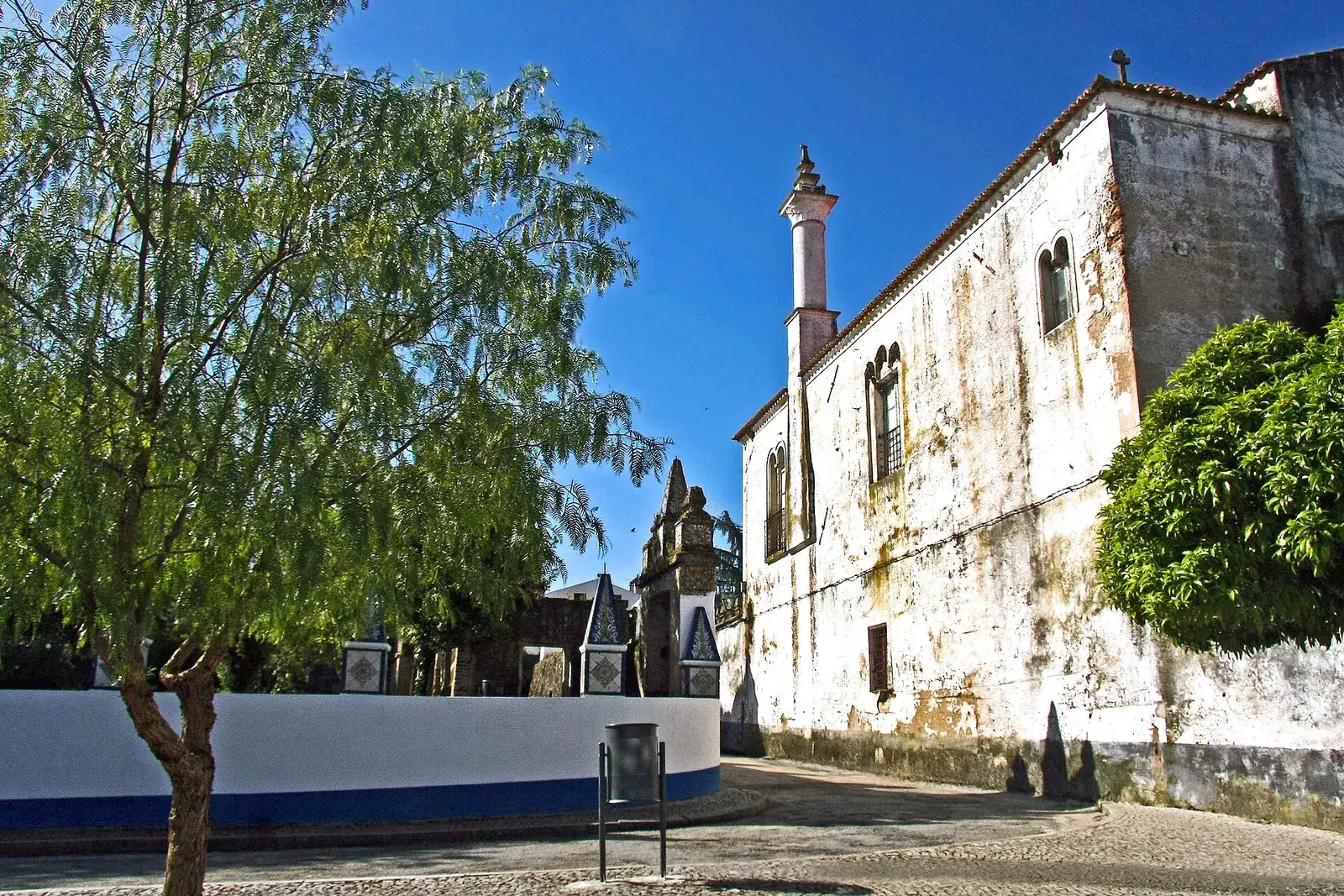
On 4 September 1479, in the small Alentejo town of Alcáçovas, two envoys laid their right hands on a cross and a book of the gospels. Rodrigo Maldonado, a judge of the royal court of Castile, swore for Ferdinand and Isabella. João da Silveira, Baron of Alvito, swore for Afonso V of Portugal and his son, Prince João. They were in the houses where the Infanta Beatriz, aunt of the Castilian queen and sister-in-law of the Portuguese king, was lodging.
Two notaries, one from each kingdom, wrote it all down. The Portuguese notary, João Garcês, counted thirty-three leaves; his Castilian colleague, Benito Roys de Castro, counted thirty-four with the one that carried his seal. Each side promised to keep the peace for ever on pain of a fine of 300,000 gold doblas, and swore never to ask the pope to release it from its oath.
The document ended four years of war over the crown of Castile. It also did something new between the two kingdoms: it shared out an ocean. Castile kept the Canary Islands, and everything from the Canaries down towards Guinea, found or still to be found, was left to Portugal.
Prince João, aged 24, had directed the talks for Portugal. Within fifteen years the arrangement would collide with Christopher Columbus's voyage west, and the two crowns would replace it at Tordesillas with a line from pole to pole.
A war for the crown of Castile
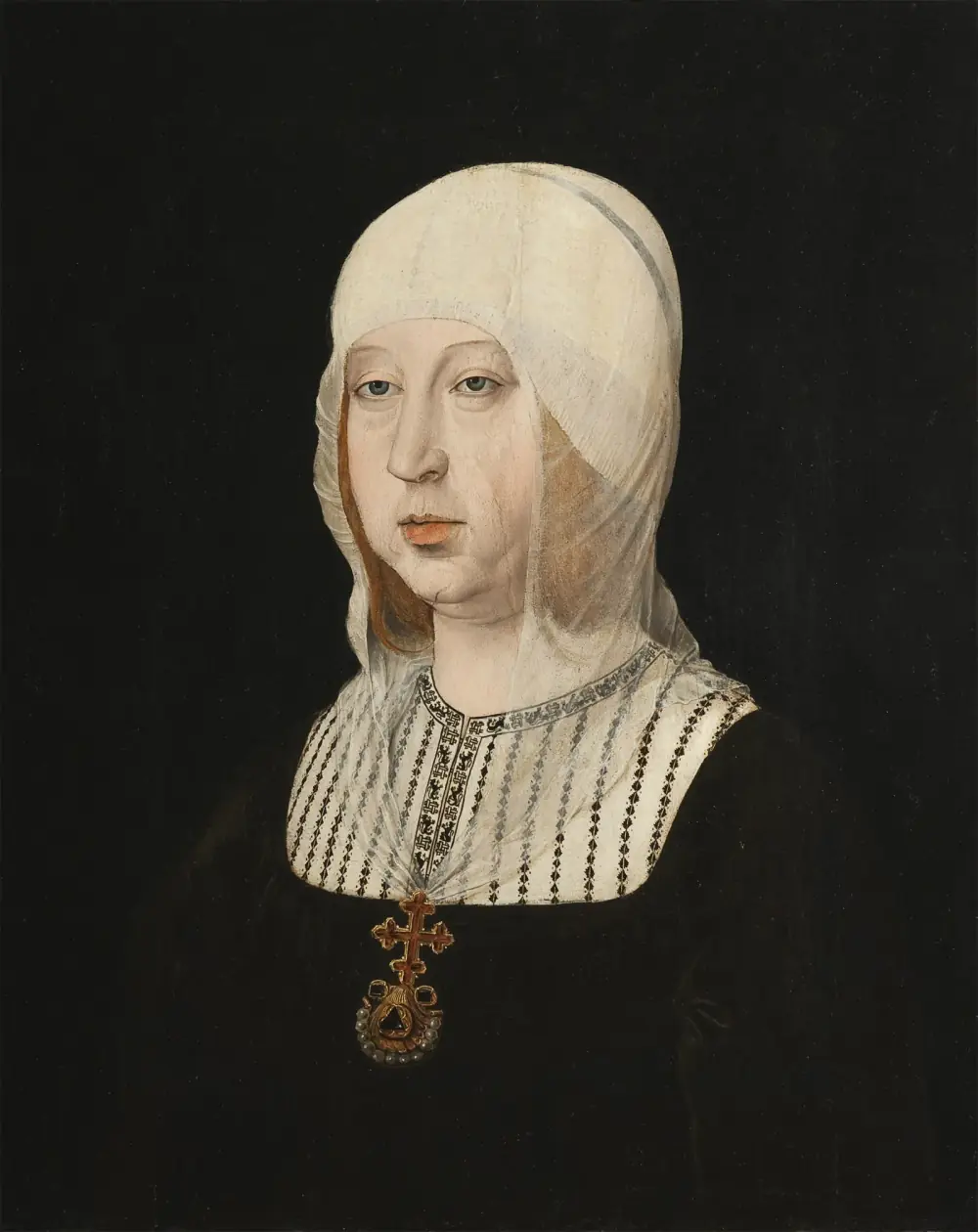
Castile had a disputed succession when Henry IV died in December 1474. His only daughter, Juana, born on 28 February 1462, had been sworn heir by the Cortes, but the king's enemies said her real father was the courtier Beltrán de la Cueva and called her “la Beltraneja”. Henry's half-sister Isabella, who had married Ferdinand of Aragon in 1469, proclaimed herself queen.
Juana's mother was a Portuguese princess, the sister of Afonso V. Afonso took up his niece's cause, married her at Plasencia in May 1475 and invaded Castile. The war turned after the Battle of Toro on 1 March 1476, which both sides claimed as a victory; the article on Afonso V tells that story. His journey to France to seek help from Louis XI came to nothing, and in 1478 Louis made peace with Ferdinand.
A war that spilled into the Atlantic
The fighting did not stay in Iberia. Since 1455, under the bull Romanus Pontifex, Portugal had claimed a papal monopoly of navigation, trade and conquest along the African coast south of Cape Bojador, and the Guinea trade was bringing the Crown larger profits every year. Castile had never accepted the claim.
“The kings of Spain always had the conquest of Africa and Guinea, and took the fifth of all the goods bartered in those parts.”
In August 1475 Isabella empowered two agents to license merchants to trade in Africa and Guinea for slaves, gold and malagueta pepper, in return for the royal fifth. Castilian ships attacked Porto Santo, near Madeira, and Santiago in the Cape Verde islands. In the Canaries, where Castile held only some of the islands, the Portuguese helped the islanders against the Castilians.
At sea Portugal kept the upper hand. In 1479, before the peace was signed, Prince João learned that a Castilian fleet had gone to trade at Mina, on the Gold Coast, in defiance of his ban. Ships he sent, once under Jorge Correia and once under Mem Palha, caught the Castilians there and brought their crews to Lisbon as prisoners, with a great deal of gold in jewels and bracelets. The chronicler Rui de Pina says the prince later gave much of it to the Castilian ambassadors who came to Moura.
An aunt and her niece at Alcántara
On land, Portugal was losing. On 24 February 1479 a Portuguese force under the Bishop of Évora was beaten at La Albuera, in Extremadura. Pina says both kingdoms were short of men, arms, horses and above all money, “the substantial nerve of war”, and that Ferdinand and Isabella feared their own great nobles, who kept up secret dealings with Afonso V.
In mid-March the Infanta Beatriz crossed the frontier at Segura with a very small retinue and rode to Alcántara, the Castilian border town where Isabella was waiting. Beatriz was the sister of Isabella's mother and the widow of Afonso V's brother Fernando. She also ran Madeira, the Azores and Cape Verde for her son, the young Duke of Viseu, so the ocean was her business as much as the king's.
The two women talked for about a week. Isabella had brought only Rodrigo Maldonado and her secretary. They agreed the outline: Portugal would recognise Isabella as queen and keep Juana from the throne, and Castile would keep the right to conquer the Canaries but recognise Portugal's rights in the ocean. The two children who were to guarantee the peace would stay with Beatriz in a fortified town on the border.
The details took the summer. Ferdinand and Isabella gave Maldonado full powers, and Afonso V gave the Baron of Alvito his on 19 August. Prince João, whom his father had put in charge of the peace, went to Alcáçovas himself, and the two envoys drew up the articles there.
Two treaties, signed the same day
The envoys signed two treaties on 4 September. The first, a treaty of perpetual peace, renewed the peace of 30 October 1431 between João I of Portugal and Juan II of Castile and added a set of new articles. The second, known as the Terçarias de Moura, dealt with the royal families.
Both sides gave up borrowed crowns. Afonso V would stop calling himself king of Castile and León, and Ferdinand and Isabella would drop the title of Portugal, which Pina says they had used “without any foundation of right”. Juana was to give up every royal title. Towns and castles taken in the war were to be handed back, prisoners freed, the Castilians who had fought for Afonso pardoned, and the new forts built along the border pulled down.
- Signed
- Saturday 4 September 1479, at Alcáçovas, in the Alentejo
- Envoys
- Rodrigo Maldonado for Castile; João da Silveira, Baron of Alvito, for Portugal
- Ratified
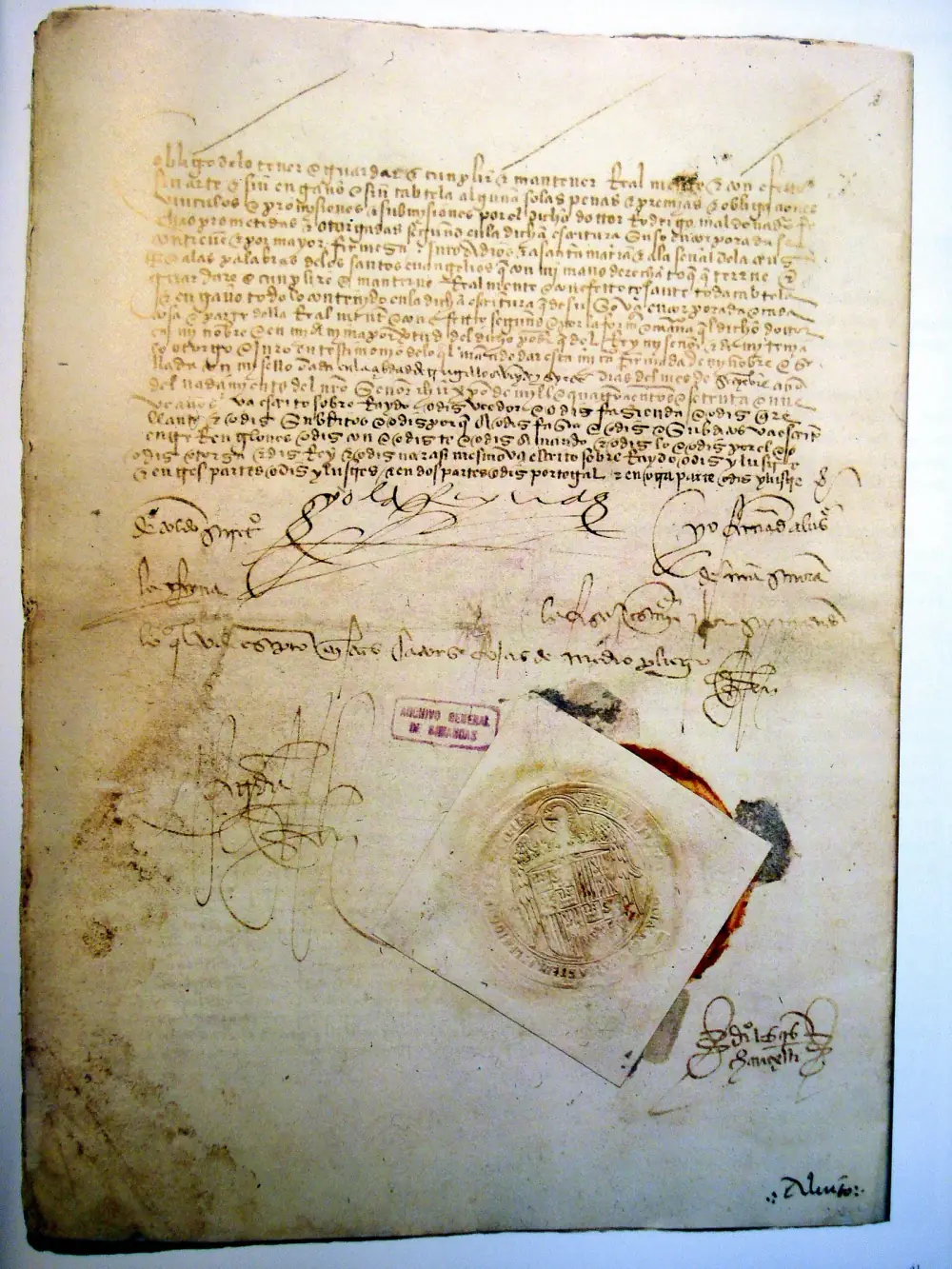
- By Afonso V and Prince João, apparently at Évora, on 8 September 1479; by Isabella at Trujillo on 27 September; by Ferdinand and Isabella at Toledo on 6 March 1480
- Proclaimed
- At Badajoz and Elvas on 15 September and at Évora on 30 September 1479
- Penalty
- 300,000 gold doblas for the side that broke it
- Papal confirmation
- Bull Aeterni regis of Sixtus IV, 21 June 1481
| Matter | Portugal | Castile |
|---|---|---|
| Crown titles | Afonso V stops calling himself king of Castile and León | Ferdinand and Isabella stop calling themselves rulers of Portugal |
| Juana | Gives up her titles; must marry Isabella's son Juan or enter a convent | Promises her 100,000 gold doblas, with Toro in pledge, if Juan refuses her |
| Atlantic islands | Madeira, Porto Santo, the Desertas, the Azores, Flores, Cape Verde and any islands found from the Canaries down toward Guinea | All the Canary Islands, conquered or still to be conquered |
| Guinea | Its trade, lands and gold mines, found and to be found | Bars its subjects, and foreigners fitted out in its ports, from going there |
| North Africa | The conquest of the kingdom of Fez | The conquest of Granada (see note) |
| Marriage | Prince João's son Afonso to marry the Infanta Isabel | Pays a dowry of 40 million reais, half of it towards Afonso V's war costs |
Granada is in Rui de Pina's summary of the peace, and Diana Pardal lists it among the clauses, citing the Spanish edition of the treaty documents. It is not in the article on Guinea and the islands that Davenport prints from the Toledo ratification.
What the ocean clause said, and what it did not
The sea clauses were the eighth and ninth of the new articles. In the eighth, Ferdinand and Isabella promised never to disturb Portugal in Guinea, Madeira, the Azores or Cape Verde, or in any islands found or conquered “from the Canary Islands down toward Guinea”. They would stop their own people, and any foreigners fitted out in their ports, from going there without the Portuguese king's licence, and they would not meddle in the conquest of Fez. In the ninth, Afonso and João ceded the Canaries to Castile.
“For whatever has been found or shall be found, acquired by conquest, or discovered within the said limits, beyond what has already been found, occupied, or discovered, belongs to the said King and Prince of Portugal and to their kingdoms, excepting only the Canary Islands.”
The treaty drew no line. It named islands and a direction, down from the Canaries towards Guinea, and said nothing about the open ocean to the west. When Rui de Pina later summarised it, he described the lordship of Guinea as running from Cape Nun and Cape Bojador “as far as the Indies inclusively”. Frances Davenport, who edited the treaty in 1917, pointed out that the Indies appear nowhere in its text, although some modern summaries, such as Diana Pardal's of 2019, still repeat the phrase.
Portugal enforced its share at once. On 6 April 1480 Afonso V ordered the captains of the ships Prince João was sending to Guinea to seize any foreign vessels they met within the limits of the treaty and to throw their crews into the sea.
Children as guarantees: the Terçarias de Moura
The handover of the Infanta Isabel, the girl at the centre of the second treaty, stalled at Moura when the newer Castilian envoys raised fresh doubts and conditions. Prince João, at Beja, lost patience. Pina says he sent them two slips of paper in his own hand, one reading “Paz”, peace, and the other “Guerra”, war, and told them to choose.
They chose peace.
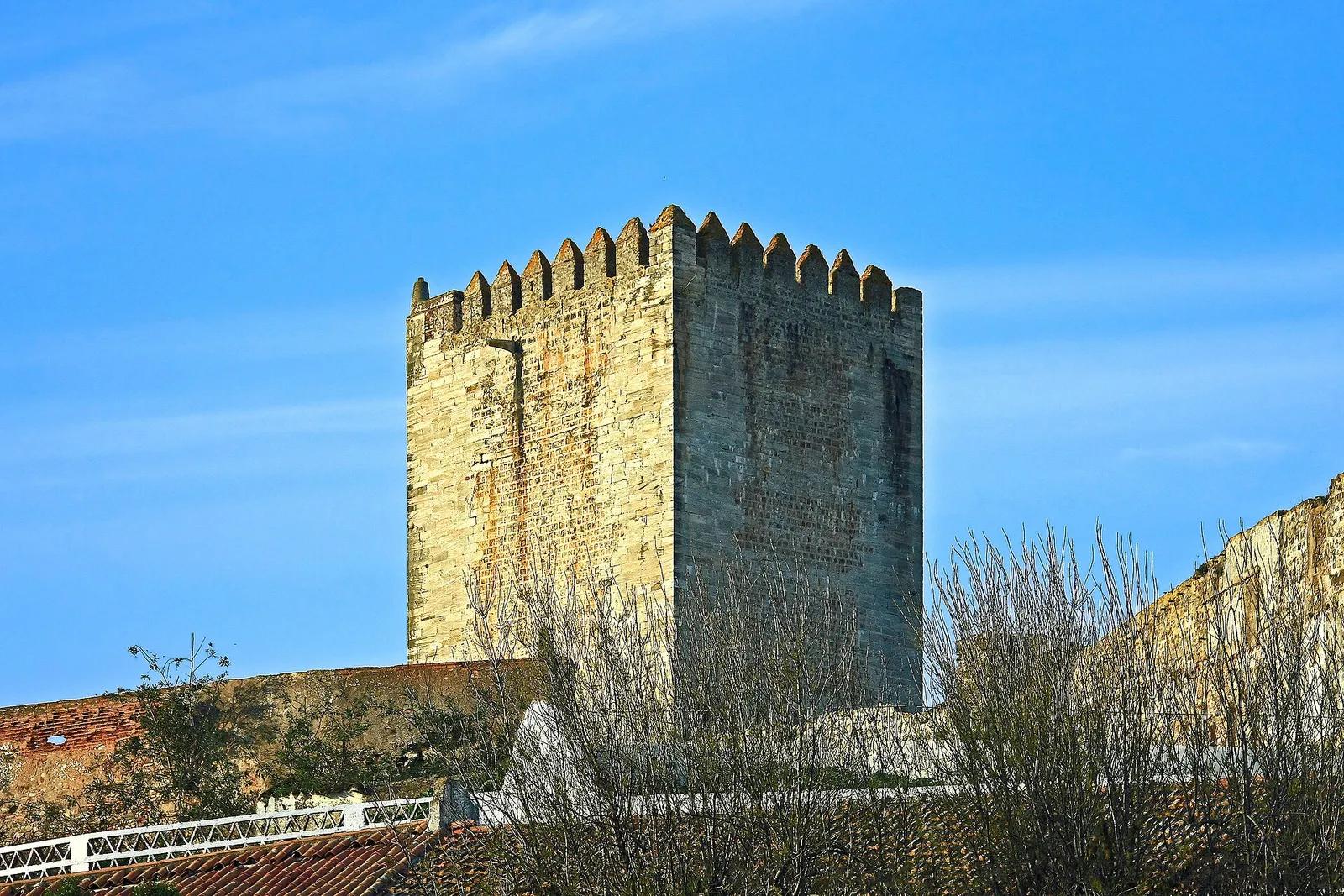
On 11 January 1481 Beatriz received the girl in the middle of a stream a league from Moura and handed over her own son Manuel, the future king, to go to the Castilian court in place of his sick brother. The arrangement that brought her there had been agreed at Alcáçovas sixteen months earlier.
The Terçarias put people in the keeping of a third party until the treaty's promises were kept. That party was Beatriz, at the castle of Moura, near the frontier. She and her captains would choose the guards, and she and everyone with her there were released from their allegiance to Afonso V and Prince João, so that they could hold either side to its promises without committing treason. Neither king nor prince could visit while the arrangement lasted.
Two marriages were to bind the dynasties. Prince João's son Afonso, then aged four, would marry Isabella's eldest daughter, also called Isabel, then eight: a betrothal when he turned seven and a wedding at fourteen. Both children would live at Moura until then. The dowry was 40 million reais, and half of it counted as compensation for Afonso V's war costs.
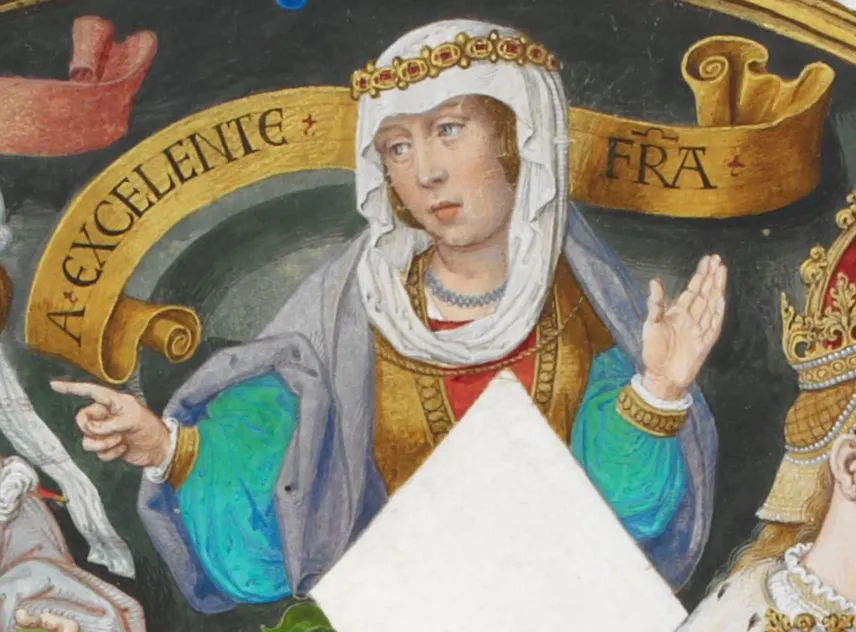
Juana, aged 17, was given a choice that Pina called two extremes of mortal grief. She could go into custody at Moura and wait to marry Isabella's son Juan, born in June 1478, when he reached fourteen; if he refused her, she would be free, with 100,000 gold doblas. Or she could take the veil in one of five Portuguese convents. She chose the convent and made her profession at Santa Clara in Coimbra on 15 November 1480, before Castilian envoys.
The arrangement did not last. Prince João complained that Moura was unhealthy in summer and asked to move the children to Beja; when Beatriz refused, he began to want the Terçarias ended. On 15 May 1483, at Avis, João, by then king, agreed with Isabella's envoy, the Prior of Prado, to end it. On 24 May, inside Moura castle, Beatriz handed the prince to his father's proctors and the Infanta to the Castilian ambassador, “not without many tears”.
“The pledges of the peace, who were those lords the Prince and the Infanta, were no longer necessary between the kings of Castile and Portugal, because of the great certainty and true security they had of their peace and friendship.”
The agreement at Avis moved Afonso's betrothal to Isabella's second daughter, another Juana, but kept a fallback: if Isabel was still unmarried when the prince turned fourteen, the first match would go ahead. In the end it did: Afonso married Isabel in 1490 and died after a fall from his horse in July 1491, a story told in a separate article.
Rome's seal: Aeterni regis, 1481
Portugal wanted the pope behind the deal. On 21 June 1481 Sixtus IV issued the bull Aeterni regis. It confirmed the bulls of 1455 and 1456 that had granted Portugal the Guinea coast and copied the eighth article of Alcáçovas into its text. The bishops of Évora, Silves and Porto were to protect the king and prince of Portugal and use church censures against anyone who interfered.
“earnestly wishing that the letters of Nicholas and of Calixtus, our predecessors, and the article inserted above, and all and singular their contents, may remain stable and unimpaired forever”
Pina says the pope confirmed the treaty at the request of João after he became king, but the bull is dated two months before Afonso V's death. Davenport calls it apparently the first bull of its kind since Henry the Navigator died in 1460, and links it to João, who already received the Guinea revenues and was reviving the voyages south. On 4 May 1481 Afonso had confirmed the Guinea trade to his son.
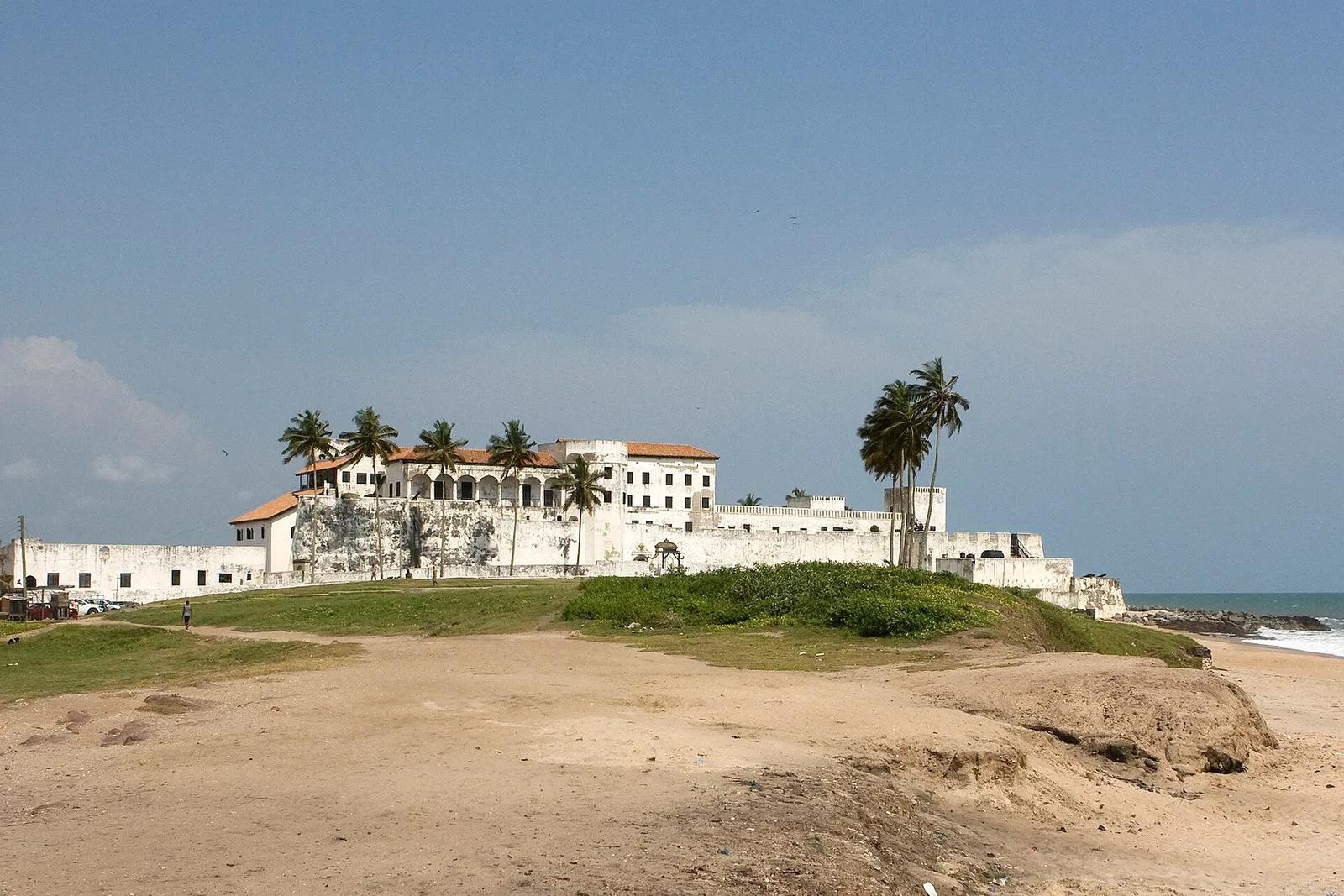
Afonso V died at Sintra on 28 August 1481, and João II succeeded him on the 31st. In December a fleet under Diogo de Azambuja left Lisbon with men, weapons and building materials, and in 1482 it built the fortress of São Jorge da Mina on the Gold Coast, in present-day Ghana. That year Diogo Cão sailed to explore further south.
From Alcáçovas to Tordesillas
Castile went on with its share. Its troops had landed in Gran Canaria in 1478, and Tenerife, the last island, fell in 1496. In 1492, when Ferdinand and Isabella sent Columbus west, they ordered him to keep away from La Mina, as the treaty required.
Columbus's return made the treaty's silence about the west matter. When he put into the Tagus in March 1493, João II claimed the islands he had found under the 1479 treaty, reading its clause as a parallel extended westwards. Castile answered that the treaty dealt only with the African coast and turned to Pope Alexander VI, whose bulls of 1493 drew a line 100 leagues west of the Azores and Cape Verde. Separate articles tell those stories.
The two crowns settled it themselves at Tordesillas on 7 June 1494, with a meridian 370 leagues west of the Cape Verde islands. One of the Castilian signatories was Rodrigo Maldonado, the negotiator of 1479, and the new treaty bound both sides under the same penalties as the peace of 1479. The division changed shape, from a direction south of the Canaries to a line from pole to pole, but the idea of splitting unknown seas between two crowns came from Alcáçovas.
Rome confirmed the older settlement once more. On 3 November 1514 Pope Leo X's bull Praecelsae devotionis, issued for King Manuel I, repeated Aeterni regis with the Alcáçovas article inside it.
December 1474
Henry IV of Castile dies; Isabella proclaims herself queen
May 1475
Afonso V marries Juana at Plasencia and invades Castile
August 1475
Isabella authorises licences for the Guinea trade
1 March 1476
Battle of Toro
1478
Castilian troops land in Gran Canaria
March 1479
Beatriz and Isabella meet at Alcántara
4 September 1479
Peace and Terçarias signed at Alcáçovas
6 March 1480
Ferdinand and Isabella ratify at Toledo
15 November 1480
Juana takes the veil at Coimbra
11 January 1481
The Infanta Isabel is handed over near Moura
21 June 1481
Bull Aeterni regis
28 August 1481
Afonso V dies at Sintra; João II succeeds him on the 31st
1482
Fortress of São Jorge da Mina built
24 May 1483
The Terçarias de Moura are dissolved
March 1493
João II claims Columbus's islands under the 1479 treaty
7 June 1494
Treaty of Tordesillas
3 November 1514
Bull Praecelsae devotionis repeats Aeterni regis
Why it still matters
The Encyclopaedia of Portuguese Expansion calls Alcáçovas the first division of the sea into zones of influence, fifteen years before Tordesillas. Medieval treaties usually shared out named places; Alcáçovas and Tordesillas, as Luís Adão da Fonseca points out in the historian Diogo Faria's account, divided ocean space regardless of the places it contained.
In Iberia the peace held. The Spanish historian David Nogales Rincón describes how it opened a period of understanding between the two courts, reinforced by marriage after marriage. Isabel, the girl held at Moura, later married Manuel I, and the series of matches ran until Manuel married her sister María in 1500. Historians later read them as a dream of uniting the crowns; Nogales thinks union was at most a by-product of the matches, not their aim.
Afonso V lost the crown he had fought for, and the political clauses favoured Castile alone. Portugal gave up the Canaries for good, but secured Guinea, its gold and the islands, which let João II build at Mina and send his captains further south. Diana Pardal, in a study of the clauses, calls the treaty a political defeat and an economic victory for Portugal.
FAQs
What was the Treaty of Alcáçovas?
The peace signed at Alcáçovas, in the Alentejo, on 4 September 1479 between Afonso V of Portugal and Ferdinand and Isabella of Castile. It ended the War of the Castilian Succession and was ratified at Toledo on 6 March 1480, which is why it is also called the Treaty of Alcáçovas-Toledo.
What did Portugal and Castile get from the treaty?
Castile kept the Canary Islands and Isabella's crown; Rui de Pina adds the conquest of Granada. Portugal kept Guinea and its gold trade, Madeira, the Azores, Cape Verde and any islands found from the Canaries down toward Guinea, and the conquest of Fez. Afonso V gave up the title of king of Castile.
What were the Terçarias de Moura?
A second treaty signed the same day. It placed Prince João's son Afonso and Isabella's daughter Isabel, who were to marry, in the keeping of the Infanta Beatriz at Moura castle, and gave Juana the choice of custody there or a convent. Isabel was handed over on 11 January 1481, and both children left Moura in May 1483.
How is the Treaty of Alcáçovas related to the Treaty of Tordesillas?
In 1493 João II claimed the islands Columbus had found under the 1479 treaty, as lying south of the Canaries. Castile disagreed, and in 1494 the two crowns replaced the Alcáçovas division with a meridian 370 leagues west of Cape Verde, signed at Tordesillas under the same penalties as the 1479 peace.
On the timeline
Open the timelineNearby moments from the age of discoveries (1415–1580).
Infante Henrique — Prince Henry the Navigator — dies at his Vila do Infante near Sagres, aged 66. Patron of the voyages down the African coast that opened the Age of Discovery, he lies in the Founder's Chapel of the Monastery of Batalha.
By tradition, Portuguese navigators Pêro Escobar and João de Santarém sight the island of Príncipe in the Gulf of Guinea on 17 January, the feast of Santo Antão. The date rests on the saints' calendar rather than a surviving record: historians place the first Portuguese arrival only somewhere between 1471 and 1480, and give the island's first name as Santo António. It was later renamed Ilha do Príncipe in honour of the heir to the Portuguese throne.
Isabel of Portugal, Duchess of Burgundy, dies at Aire-sur-la-Lys aged 74. The only surviving daughter of João I and Philippa of Lancaster, she governed the Burgundian Low Countries in her husband's absence, negotiated trade deals with England and was the mother of Charles the Bold.
Treaty of Alcáçovas, 1479
Portugal and Castile sign the Treaty of Alcáçovas, ending the War of the Castilian Succession; Castile keeps the Canaries while Portugal's possession of Madeira, the Azores, Cape Verde and Guinea is recognised — the first treaty to divide the Atlantic world between European powers.
King Afonso V of Portugal, known as 'the African' for his conquests in Morocco, dies at Sintra and is succeeded by his son João II, under whom Portuguese exploration would flourish.
King João II grants an annuity 'in consideration of his services' to Diogo Cão, back in Lisbon from the voyage on which he became the first European to reach the mouth of the Congo. Days later he was given a coat of arms bearing the two padrões — carved stone pillars — he had planted on the African coast.
Pêro da Covilhã and Afonso de Paiva set out from Santarém on João II's secret overland mission to find the spice route to India and the court of Prester John. Travelling disguised as merchants via Cairo and Aden, Covilhã would reach India years before Vasco da Gama.
Coming up in history
All long reads
16 sources
Archives, scholarship and reporting this article was checked against.
- 1
European Treaties bearing on the History of the United States and its Dependencies to 1648, vol. IFrances Gardiner Davenport (ed.), Carnegie Institution of Washington, 1917 (Internet Archive)
- 2
Chronica de El-Rei D. Affonso V, vol. III (Rui de Pina, ed. Gabriel Pereira, 1902)Project Gutenberg
- 3
Treaty of Alcáçovas-Toledo (José Luís Ferreira)Encyclopaedia of Portuguese Expansion (EVE), CHAM, NOVA FCSH, 2009
- 4
O Tratado de Alcáçovas-Toledo de 1479: uma derrota política e uma vitória económica? (Diana Sousa Costa Pardal)Omni Tempore: atas dos Encontros da Primavera 2018, Faculdade de Letras da Universidade do Porto, 2019, pp. 6-32
- 5
- 6
- 7
- 8
Para lá das Alcáçovas e de Tordesilhas: o mar e a diplomacia portuguesa do final da Idade Média (Diogo Faria)Negócios Estrangeiros n.º 22, Instituto Diplomático, Ministério dos Negócios Estrangeiros, July 2022
- 9
- 10
A Batalha de Toro (Marcelo Augusto Flores Reis da Encarnação, PhD thesis, 2 vols.)Faculdade de Letras da Universidade do Porto, 2011
- 11
Documentos de las hijas de los Reyes Católicos: Isabel (Nicolás Ávila Seoane)De Medio Aevo 8 (2015/2), Universidad Complutense de Madrid
- 12
Celebraciones por el nacimiento y bautismo del príncipe Juan en Sevilla (1478) (Juan Ruiz Jiménez)Paisajes sonoros históricos, Real Academia de Bellas Artes de Granada, 2019
- 13
- 14
The conquest of the Canary IslandsCanary Islands tourism board (Turismo de Islas Canarias)
- 15
- 16
Paço dos HenriquesCâmara Municipal de Viana do Alentejo
Image credits
- The Paço dos Henriques in Alcáçovas in 2012, before its restoration. The town links this house of the lords of Alcáçovas with the signing of the 1479 peace; the treaty itself says only that it was signed in the houses where the Infanta Beatriz was lodging. Vitor Oliveira from Torres Vedras, PORTUGAL, CC BY-SA 2.0, via Wikimedia Commons.
- Isabella I of Castile, painted by Juan de Flandes around 1500 to 1504. In 1479 she was fighting to be recognised as queen. Juan de Flandes, Public domain, via Wikimedia Commons.
- Isabella's ratification of the peace, signed at Trujillo on 27 September 1479 while Ferdinand was away in Aragon. The document is in the Archivo General de Simancas, in Spain. Isabella I of Castile, Public domain, via Wikimedia Commons.
- Juana as “A Excelente Senhora”, the Excellent Lady, the name the Portuguese gave her, in the Genealogy of the Kings of Portugal illuminated by António de Holanda between 1530 and 1534. António de Holanda, Public domain, via Wikimedia Commons.
- The keep of the castle of Moura in 2012. Prince Afonso and the Infanta Isabel lived in the castle, in the keeping of the Infanta Beatriz, from the turn of 1481 until May 1483. Vitor Oliveira from Torres Vedras, PORTUGAL, CC BY-SA 2.0, via Wikimedia Commons.
- Elmina Castle, Ghana, in 2010. It grew from the fortress of São Jorge da Mina, which the Portuguese built in 1482 to hold the gold trade the treaty had left to them. Damien Halleux Radermecker, CC BY-SA 2.0, via Wikimedia Commons.