

Multibanco: how Portugal's banks shared one network
Portugal got cash machines 18 years after London. The banks, most of them state-owned, built one network for all of them, and it learned to pay bills, tolls, taxes and phone credit.
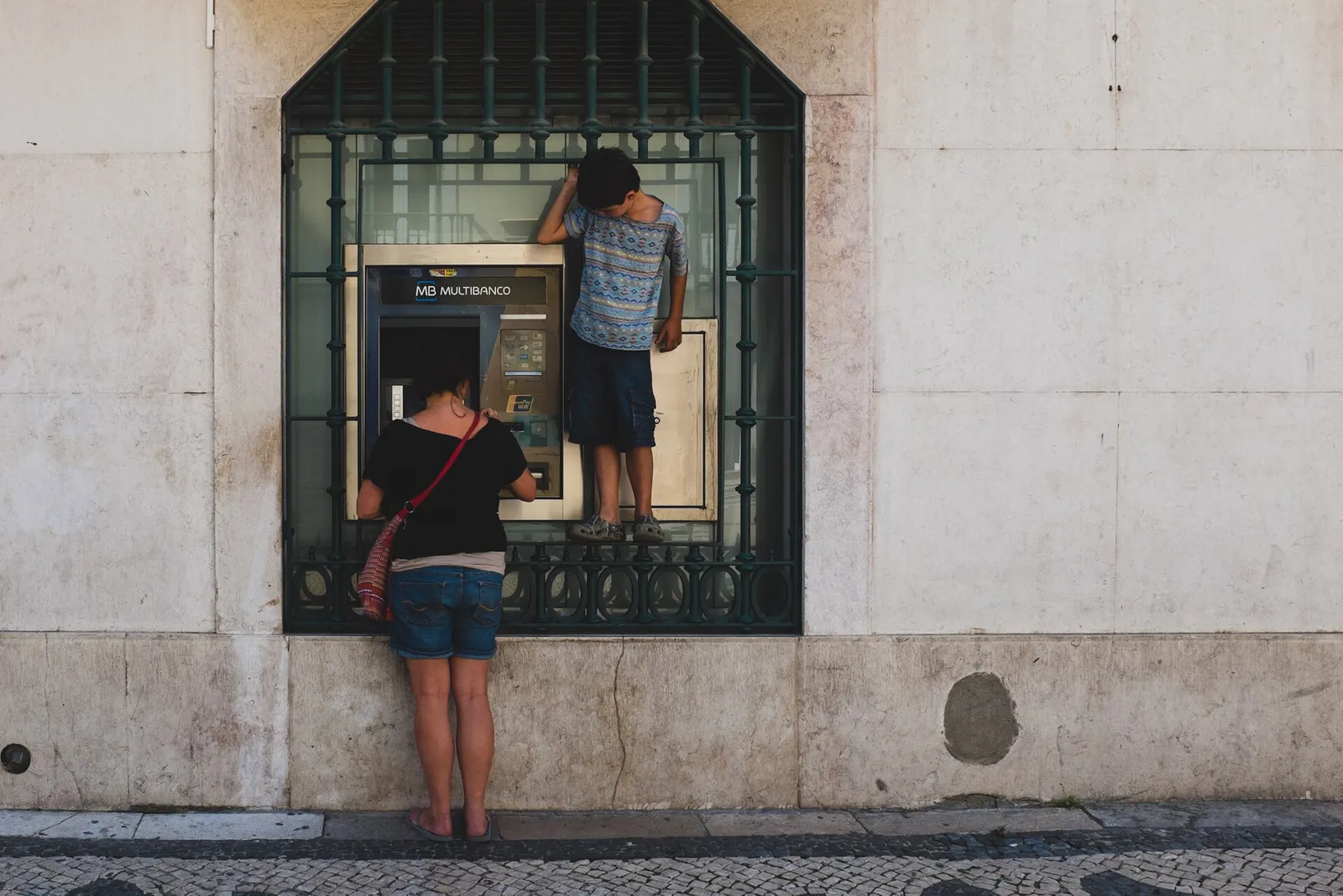
At a glance
- The Multibanco network went live on Monday 2 September 1985 with nine cash machines in Lisbon and Porto, by SIBS's count today, the first in Lisbon at the Banco Nacional Ultramarino on Rossio.
- It was run by SIBS, a company the banks set up together in 1983, so a card from any member bank worked in any machine on the network.
- Portugal came late: the first cash machines opened in London and Uppsala in 1967, and Portuguese banking had been nationalised in 1975.
- The network grew from 72 machines at the end of 1985 to 821 in 1990 and about 13,000 today, and it added bill payments in 1989, tolls in 1991 and mobile phone top-ups in 1997.
- Since 2010 Portuguese law has barred banks from charging for operations at cash machines.
Nine machines on a Monday
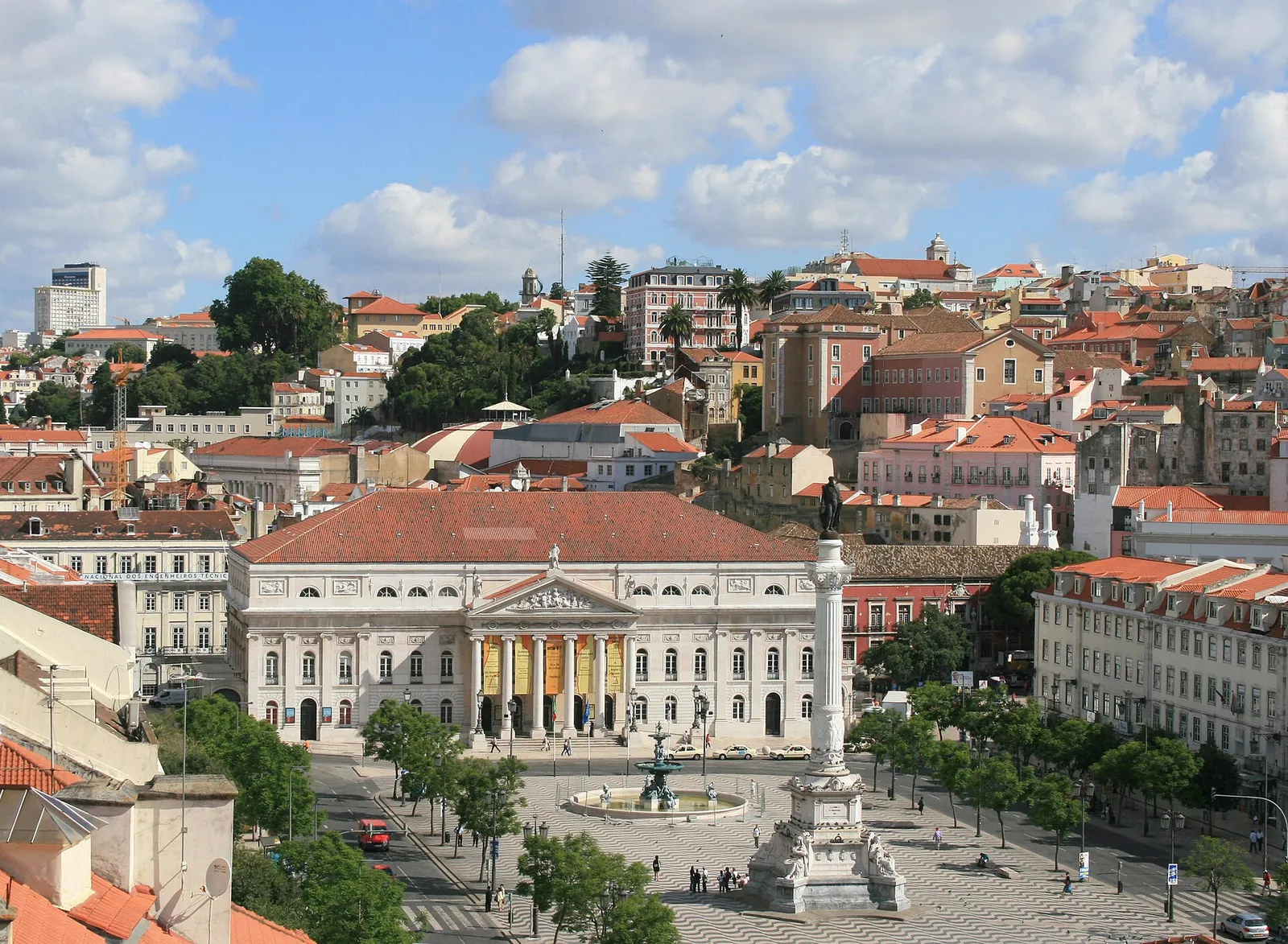
On Monday 2 September 1985 a cash machine went into service at the Banco Nacional Ultramarino (BNU) branch on Rossio, Lisbon's central square. It could do four things: pay out cash, show the balance, list the latest movements on the account and change the card's PIN. For its first few months it was switched off between 1 and 7 in the morning; the machines ran round the clock only from 1986.
In Porto another machine was working at the Banco Borges & Irmão on Rua do Bonjardim. They were two of the nine, all in the two cities, that SIBS says made up the Multibanco network on its first day.
The card that went into them did not have to come from the bank that owned the machine. Any member bank's card worked in any of them.
Until that Monday, getting cash in Portugal meant queuing at a counter of your own bank during opening hours. Thirty years later the chairman of SIBS, the company that runs the network, looked back on that world for the Lusa news agency.
“Looking back, and at the present, we can see that it would be unimaginable for people to withdraw money only at the counters of the banks where they held an account, and to have to stand in long queues. It looks like prehistory.”
Cash dispensers were not new: London had had one for 18 years. Both host banks were state-owned, nationalised after the revolution of 1974, like nearly every Portuguese bank of any size at the time. By the end of 1985 there were 72 Multibanco machines across the country and 469,000 cards that could use them.
- Date
- Monday 2 September 1985
- Machines
- 9, in Lisbon and Porto, by SIBS's count today (its website said 12 in 2006)
- First sites
- BNU, Rossio, Lisbon; Banco Borges & Irmão, Rua do Bonjardim, Porto
- Operations
- Withdrawals, balance and movements, PIN change
- Operator
- SIBS, founded in 1983 by 26 banks
- End of 1985
- 72 machines, 469,000 cards
Eighteen years after Enfield
What is usually counted as the world's first cash machine went to work on 27 June 1967 at a Barclays branch in Enfield, north London. Two days later a Swedish machine, the Bankomat, opened in Uppsala. Early machines paid out a fixed sum against a paper token or a plastic card that the bank posted back to its owner, and only customers with good credit got one. By 1970, the business historian Bernardo Bátiz-Lazo writes, there were still fewer than 1,500 in the world, most of them in Europe, North America and Japan.
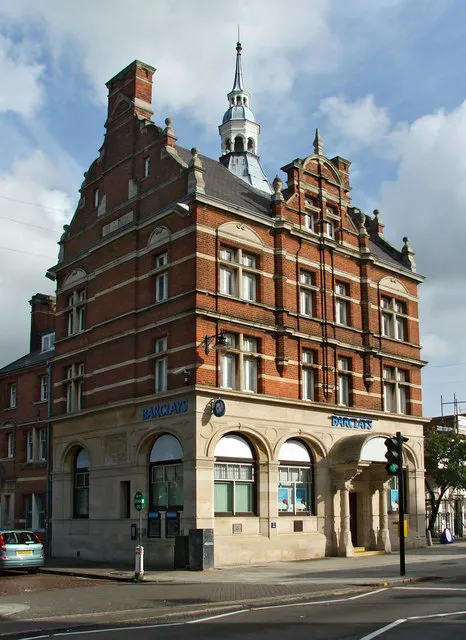
Portugal spent much of the next decade in upheaval. The revolution of 25 April 1974 ended the Estado Novo dictatorship, and on 14 March 1975, after a failed coup, Decree-Law 132-A/75 nationalised every credit institution based in Portugal. Only the Portuguese branches of foreign banks, the savings banks and the rural credit banks were left out. The BNU, which issued the currency of several colonies, had already been nationalised in September 1974.
The Constitution of 1976 forbade handing the banks back, and a law of 8 July 1977 reserved banking to the public sector. For about a decade state banks dominated the sector, and the smaller ones were absorbed by bigger ones.
The door reopened slowly. Portugal had applied to join the European Communities in 1977, and the constitutional revision of 1982 let private capital back into banking. The Banco Português de Investimento was created in 1984 and the Banco Comercial Português opened in 1986, the year Portugal joined the Communities. The technology had to arrive too: the EC central banks noted in 1992 that fast progress in telecommunications in the mid-1980s had made networks linking bank computers possible, inside the big banks and between them.
One network for every bank
The banks chose to build it together. SIBS, the Sociedade Interbancária de Serviços (Interbank Services Company), was incorporated in Lisbon on 30 September 1983. The EC central banks' report of 1992 says it was founded by 26 banks representing 98 per cent of the retail banking market, and that the Portuguese Banking Association and the Banco de Portugal promoted the cooperation behind it.
Multibanco was SIBS's first project. Banks installed the machines, but the shared ones ran on the SIBS system, so the customers of any member bank could use any of them. Some banks also put limited-access machines inside their branches, outside SIBS, offering extra services to their own customers. The Multibanco brand belongs to SIBS, not to any one bank.
“While in other countries it was done bank by bank, in Portugal it was done cooperatively, which made it possible to build up a set of functions that would not otherwise have been possible.”
Bento's contrast is too neat. Other countries shared machines as well: Belgium's two networks merged into one, Banksys, in 1989, and Danish banks ran a common debit card system with shared cash machines. What stood out in Portugal was that one network served every bank from the start. In 1996 the European Monetary Institute still described Multibanco as the sole ATM network in the country, and a second operator, Euronet, arrived only in 2015.
| Shareholder | Share of capital |
|---|---|
| Caixa Geral de Depósitos | 21.60% |
| Banco Comercial Português | 21.54% |
| Banco Santander Totta | 15.56% |
| Banco BPI | 14.98% |
| Novo Banco | 7.97% |
| Banco Bilbao Vizcaya (Portugal) | 5.83% |
| 15 other banks, savings banks and agricultural credit banks | 6.57% |
| SIBS's own shares | 5.95% |
From SIBS's consolidated accounts for 2018. The figure for the 15 smaller shareholders is the sum of their listed holdings. The shares add up to 100 per cent.
Paying the water bill at a cash machine
New services came one at a time. In 1987 the network added card terminals in shops, which SIBS's own history calls payment by “verde-código-verde”, green-code-green. In 1989 customers could start paying water, electricity and gas bills at the machines. There were 560,000 such payments that year and more than 68 million in 2019.
In 1991 came Via Verde, an electronic motorway toll. A tag on the windscreen identifies the car as it drives through, and the toll is debited from the driver's bank account. Until 1992, moving money between accounts meant a trip to the bank. From that year it could be done at a Multibanco, using the account's NIB, the national bank identification number. Payments to the state followed in 1996.
In 1997 the machines began to top up mobile phones. SIBS says Portugal was the first country in the world to offer this at cash machines, and argues that the prepaid tariffs that became so common would never have been launched without it. Over the years the menu grew to train tickets, social security payments, court fees, donations to charity, and fishing and hunting licences.
The range was unusual. According to 24 Notícias, a 2008 study by APACS, the British payments association, found that in 2006 Multibanco machines offered more than 60 operations, the most in Europe, while those in France and Norway did little more than pay out cash. In the West, by contrast, most people use cash machines for three things: withdrawals, balance enquiries and buying mobile phone credit.
The network also opened to the outside. By 1990, through agreements with Eurocheque and Visa, a Multibanco card worked in cash machines in Spain, Britain and Finland, and foreign cards were used for 350,000 operations in Portugal that year. By 2005 the links ran through MasterCard/Europay and Visa and to national networks in Belgium, Spain, Italy, Andorra and the United Kingdom. That year non-residents made 7.8 million withdrawals in Portugal, worth €994 million.
Not every idea lasted. In March 1995 SIBS launched the Porta-Moedas Multibanco, an electronic purse for small purchases that could be loaded at a cash machine with between 1,000 and 40,000 escudos and hold up to 63,000. A lost card was like lost cash. At the end of 1999 there were 228,000 in circulation, used for five million purchases averaging 244 escudos, about €1.20. The scheme was dropped in 2005.
2 September 1985
Withdrawals, balances and movements, PIN change
1986
Machines open 24 hours a day, 7 days a week
1987
Card payments at shop terminals
1989
Paying utility and other bills
1991
Via Verde electronic tolls
1992
Transfers between accounts
1995
Porta-Moedas Multibanco electronic purse (withdrawn in 2005)
1996
Payments to the state
1997
Mobile phone top-ups
1998
CP Alfa and Intercidades train tickets
2001
Direct debits, social security payments and MB NET cards for online shopping
2007
Recreational fishing licences; hunting licences followed in 2008
2015
MB WAY, the Multibanco app for phones
2017
Cash withdrawals without a card, using MB WAY
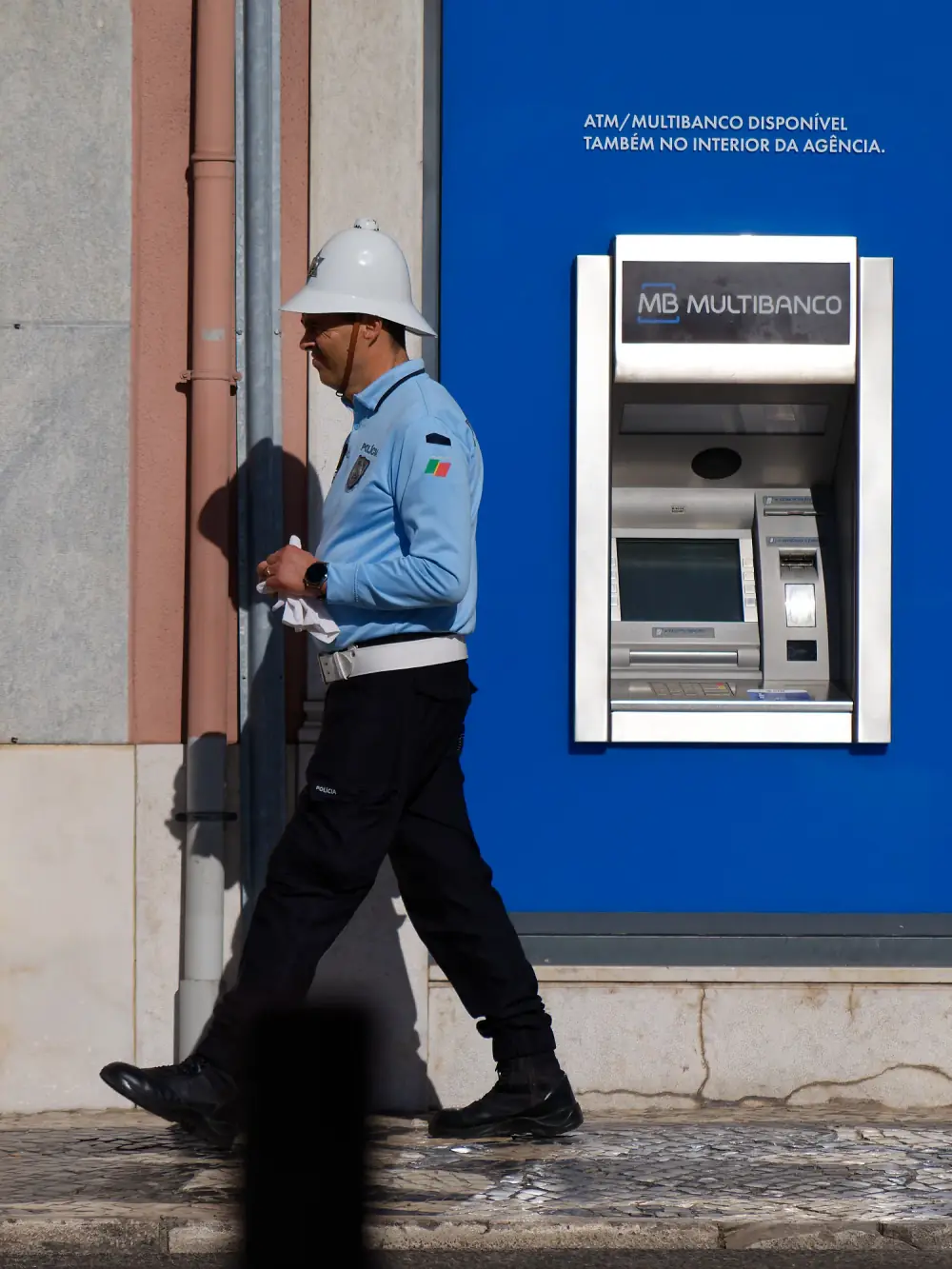
From 72 machines to thousands
Once the network existed it spread quickly. At the end of 1990 there were 821 machines covering the whole country and 2.4 million valid cards. Withdrawals made up 78 per cent of transactions, followed by bill payments and balance requests, and each machine handled more than 200 operations a day. The first machines stood only at bank branches; by 1990 they were appearing in hypermarkets, big companies and public services.
The cards changed how people paid. In the 1980s the cheque was the main alternative to cash, and banks had only begun issuing cheque guarantee cards in the middle of the decade. The EC central banks tied the “massive increase” in debit cards directly to the creation of SIBS. Cards with a magnetic stripe and a PIN went from 469,000 in 1985 to 2.4 million in 1990, and reached 23.7 million in the first half of 2020.
As the machines multiplied, each one got quieter. The central banks counted more than 200 operations a day per machine in 1990, 188 in 1991, 145 in 1994 and 90 in 1999, by then including balance enquiries and statements. The ECB's 2007 report gave 164 a day for SIBS machines in 2005, so the counts are not strictly comparable.
Multibanco cash machines, 1985 to 1999
machines at year end
1985 from SIBS; 1989 to 1999 from the reports of the EC central banks, the European Monetary Institute and the ECB. Up to 1995 the sources give a single total; from 1996 the figures are open-access machines only, leaving out the 944 to 2,019 limited-access machines inside bank premises. SIBS gives 3,745 machines for 1995, the ECB 3,674. Years 1986 to 1988 are not published in these sources.
Show the data
| Multibanco cash machines | |
|---|---|
| 1985 | 72 |
| 1989 | 519 |
| 1990 | 821 |
| 1991 | 1,265 |
| 1992 | 1,938 |
| 1993 | 2,797 |
| 1994 | 3,329 |
| 1995 | 3,674 |
| 1996 | 4,422 |
| 1997 | 5,153 |
| 1998 | 5,869 |
| 1999 | 6,831 |
Portugal was still catching up. At the end of 1990 it had 83 cash machines per million inhabitants, against an average of 212 in the European Community. Only Greece, with 32, had fewer; Spain had 360 and the United Kingdom 297. But the number of Portuguese machines grew by 58 per cent in 1990, the fastest rise of any member state in the table, which had no figure for Greece.
Cash machines per million inhabitants, end of 1990
machines per million people
Comparative table 3 of the 1992 report of the EC central bank governors on payment systems.
Show the data
| Cash dispensers and ATMs | |
|---|---|
| Spain | 360 |
| United Kingdom | 297 |
| France | 256 |
| Luxembourg | 215 |
| Denmark | 195 |
| Netherlands | 179 |
| Italy | 170 |
| Ireland | 153 |
| Germany | 142 |
| Belgium | 94 |
| Portugal | 83 |
| Greece | 32 |
The cards kept pace: 5.3 million by the end of 1994 and 10.8 million in 1999, when another 2,019 machines stood inside bank premises on top of the 6,831 open to all. At the end of 2005 Portugal had 13,841 cash machines of every kind, and 16.4 million cards were valid on Multibanco.
Banco de Portugal figures put the total at more than 14,300 in 2010. The number fell every year until 2019, then rose by 409 in 2020, to 12,054. In 2020 SIBS, citing the European Central Bank, said that only Austria had more cash machines per million inhabitants in the euro area.
Forty years on
SIBS is still owned by the banks. In March 2024 the Competition Authority fined the group almost €14 million for making access to its payment schemes, among them Multibanco and MB WAY, conditional on buying its processing services between February 2019 and October 2021, a period in which it found SIBS held more than 90 per cent of the processing markets. SIBS rejected the findings and said it would challenge them in court.
Using the machines is free for customers of Portuguese banks. Decree-Law 3/2010, approved by the government of José Sócrates and published on 5 January 2010, forbids credit institutions to charge for operations at cash machines, including withdrawals, deposits and bill payments. The ban binds banks in Portugal, so a card from abroad may still carry its own bank's charges, and machines run by independent operators such as Euronet can treat a withdrawal with a combined debit and credit card as a cash advance.
According to Denária Portugal, 1,276 parishes have no cash machine at all, which affects more than 740,000 people. SIBS plans to pilot card terminals that can hand out cash and take payments in sparsely populated parishes in 2026.
Phones are taking over part of the machines' work. MB WAY, the Multibanco app launched in 2015, had 6.8 million users in 2025. That year, by SIBS's own count, operations at Multibanco machines fell 8 per cent, to about 1.5 billion, while payments through Multibanco's shop terminals and online checkouts rose 15 per cent.
For the network's 40th birthday in September 2025, SIBS gave the machines a new voice, generated by artificial intelligence, to say the familiar phrases such as “Retire o seu dinheiro” (“Withdraw your money”). It counts about 13,000 Multibanco machines and more than 90 different operations. In 2024, it says, more than 55 per cent of transactions at the machines were something other than withdrawals: bills, payments to the state, transfers, top-ups.
FAQs
When did Multibanco start?
The Multibanco network of cash machines went live on 2 September 1985 with nine machines in Lisbon and Porto. It was the first project of SIBS, the interbank company founded in 1983. By the end of 1985 there were 72 machines.
Were there nine or twelve Multibanco machines in 1985?
Sources differ, and SIBS has given both figures. Its website in 2006 said 12 machines in Lisbon and Porto, a figure an Observador radio programme repeated in 2022. Since at least 2015, when the Lusa news agency reported its data, SIBS has said nine, and it repeated nine for the 40th anniversary in 2025. Either way, there were 72 machines across the country by the end of the year.
What is SIBS?
SIBS, the Sociedade Interbancária de Serviços, is the company that runs Multibanco and MB WAY. It was incorporated in Lisbon on 30 September 1983 by Portuguese banks, which still own it; in 2018 its largest shareholders were Caixa Geral de Depósitos and Banco Comercial Português.
Do Multibanco machines charge fees?
Portuguese banks may not charge their customers for withdrawals, deposits or payments at cash machines, under Decree-Law 3/2010. A foreign card may still carry fees from the bank that issued it.
What can you do at a Multibanco machine?
Besides cash and balances, the machines handle bill payments, payments to the state and social security, transfers, mobile phone top-ups, transport tickets, donations and fishing and hunting licences. SIBS counts more than 90 operations.
On the timeline
Open the timelineNearby moments from revolution and democracy (1974–1986).
Carlos Lopes wins the Rotterdam Marathon in 2:07:12, a world best that would stand for three years. Then aged 38, the runner from Vildemoinhos, near Viseu, had won Olympic gold in Los Angeles eight months earlier.
Ayrton Senna takes the first of his 41 Formula One victories in a torrential downpour at the Portuguese Grand Prix in Estoril, driving a Lotus and lapping every rival except second-placed Michele Alboreto.
In the cloister of the Jerónimos Monastery in Lisbon, Prime Minister Mário Soares signs Portugal's treaty of accession to the European Communities; Spain signs its own in Madrid the same day. Both countries join on 1 January 1986, closing a decade of transition from dictatorship and opening the way to billions in structural funds.
The launch of Multibanco
The Multibanco network goes live in Lisbon and Porto with nine cash machines, by SIBS's count today. Portugal got cash machines 18 years after London, but its single interbank network, run by SIBS, grew to offer more than 90 operations, from withdrawals to paying bills, taxes and phone top-ups.
Two trains collide head-on near Alcafache, on the single-track Beira Alta line, and burst into flames. The official toll is 49 dead, but most victims were never identified and the usual estimate is about 150, making it the worst railway disaster in Portuguese history.
The Social Democrats under Aníbal Cavaco Silva win the legislative election with 29.9 per cent of the vote, beginning a decade of PSD government; on the same date in 1991 Cavaco Silva renewed his absolute majority, the first time a single Portuguese party had done so.
Telma Monteiro is born in Lisbon. The most decorated judoka in Portuguese history, she won six European titles and four world silver medals before finally taking Olympic bronze in the -57 kg category at Rio 2016, at her fourth Games.
Coming up in history
All long reads

19 sources
Archives, scholarship and reporting this article was checked against.
- 1
35 anos MULTIBANCO (anniversary booklet)SIBS, 2020
- 2
- 3
Payment systems in EC member states (the “Blue Book”), chapter 11: Portugal, and comparative tablesCommittee of Governors of the Central Banks of the Member States of the EEC, September 1992
- 4
- 5
Estudos de História Empresarial de Portugal: Banca (Ana Tomás and Nuno Valério)GHES, ISEG, Universidade de Lisboa, Working Paper 75, 2021
- 6Multibanco foi lançado há 30 anosCorreio da Manhã, with Lusa, 31 August 2015
- 7
- 8
The ATM at 50: how a hole in the wall changed the world (Bernardo Bátiz-Lazo)The Conversation, June 2017
- 9
Multibanco: ATM Network (archived copy of SIBS's website)SIBS, archived by the Internet Archive on 3 October 2006
- 10
Conselho da Revolução, in Textos Históricos da Revolução (organised by Orlando Neves, 1975)Marxists Internet Archive, Portuguese section
- 11
- 12
- 13
- 14Número de caixas multibanco aumenta após uma década a cairECO, 24 August 2021
- 15
ATM Multibanco ou Euronet: quais as diferenças?Moneylab, 18 March 2024
- 16
De nove máquinas em 1985 a 13 mil hoje. O Multibanco faz 40 anos24 Notícias, September 2025
- 17Grupo SIBS multado em quase 14 milhões por abuso de posição dominanteDiário de Notícias, 19 March 2024
- 18
Decreto-Lei n.º 3/2010, de 5 de JaneiroDiário da República, 1.ª série, n.º 2, 5 January 2010
- 19Máquina de chocolates deu origem ao Multibanco (Cassete 60)Observador, radio programme
Image credits
- A Multibanco cash machine set into a window of a stone building in Lisbon, photographed in 2014. Daniele Zanni, CC BY 3.0, via Wikimedia Commons.
- The Barclays branch in Enfield, north London, in 2006. The world's first cash machine was installed here on 27 June 1967, and a plaque on the front marks the spot. Christine Matthews, CC BY-SA 2.0, via Wikimedia Commons.
- A Multibanco machine in Lisbon in November 2023. The MB logo marks machines on the shared network. chripell from Udine, Friuli, CC BY-SA 2.0, via Wikimedia Commons.
- Rossio, Lisbon's central square, seen from the Santa Justa lift in July 2007. The first Multibanco machine in Lisbon opened in 1985 in a BNU branch on this square. Szilas, Public domain, via Wikimedia Commons.