

Neutral but allied: Portugal in September 1939
On the day the Second World War began, Salazar wrote a short note: the alliance with Britain did not oblige Portugal to give up its neutrality. Behind that word lay six years of bargaining over Spain, wolfram, refugees and the Azores.
At a glance
- On 1 September 1939, as Germany invaded Poland, António de Oliveira Salazar wrote a government note saying the duties of Portugal's alliance with Britain did not oblige it to abandon neutrality. Newspapers printed it the next day.
- The position suited London, which wanted a neutral Portugal to help keep Franco's Spain out of the war. In 1943 Churchill told the Commons that Portugal had chosen neutrality “in full agreement” with Britain.
- Portugal sold wolfram, the ore of tungsten, to both sides. In 1942 it made up almost 40 per cent of the country's exports by value, and Salazar agreed to stop all exports only in June 1944.
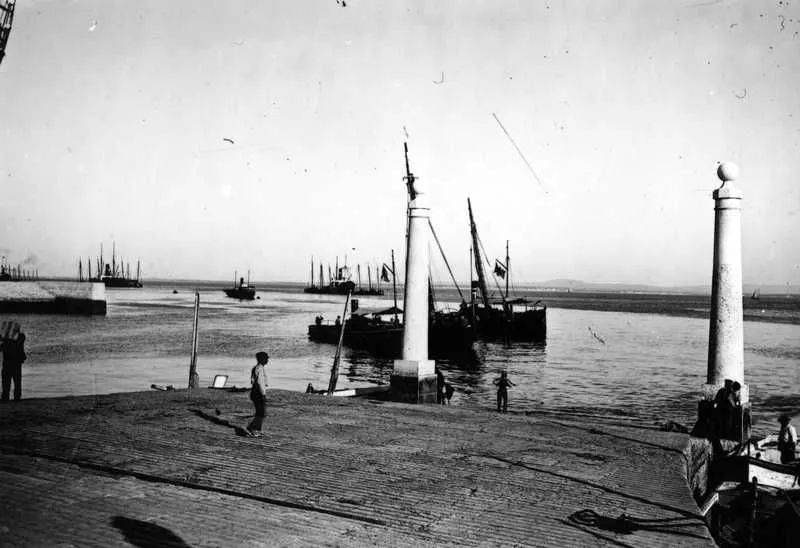
- Tens of thousands of refugees crossed Portugal, about 40,000 in 1940 alone, most of them waiting in Lisbon for ships to the Americas.
- From October 1943 Britain used bases in the Azores while Portugal stayed neutral on the mainland. The Estado Novo came out of the war intact and joined NATO in 1949.
Friday, 1 September 1939
On Friday 1 September 1939 the first edition of Diário de Notícias went to press with war still only a threat. Within hours the paper rushed out a second edition under the headline “Danzig has been annexed to the Reich”. German troops had invaded Poland.
That day António de Oliveira Salazar, Portugal's head of government, wrote a short statement on what the war meant for his country. On Saturday 2 September the headline ran across the whole width of Diário de Notícias: “The war has begun. Germany has annexed Danzig and invaded Poland.” Beneath it, among the main items on the front page, was the position of the Portuguese government.
Britain and France had ordered general mobilisation and demanded that Berlin stop its attack. They declared war on Sunday 3 September. In Lisbon, Spain's ambassador, Nicolás Franco, the dictator's brother, reported on the 1st that there was “a great deal of fear” of being drawn into the war, a fear much reduced by the treaty Portugal and Spain had signed in March and by Spain's own neutrality.
The British ambassador, Sir Walford Selby, saw an advantage. On 1 September he told London that Portuguese neutrality would help keep Spain neutral too. Portugal stayed out of the fighting for the next six years, while it traded with both sides, let tens of thousands of refugees pass through and, from 1943, lent Britain bases in the Azores.
A dictator, an old ally and a neighbour
Portugal had been a dictatorship since a military coup in May 1926. Salazar, a Coimbra law professor who had balanced the budget as finance minister, became prime minister in 1932 and ran the Estado Novo, or New State, an authoritarian regime made in his image. From 1936 he was also his own foreign minister. A political police force, the PVDE, watched his opponents and controlled the borders.
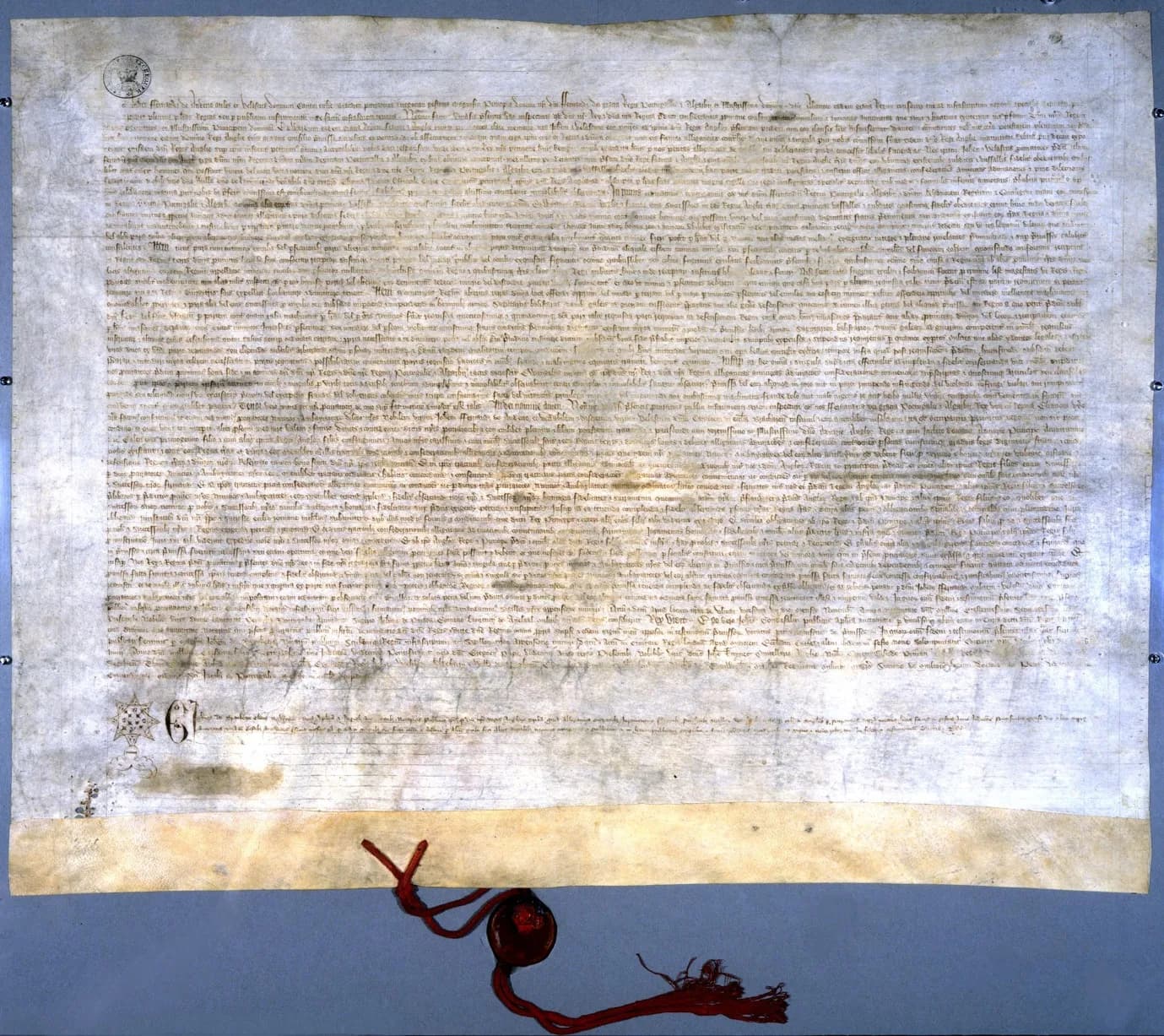
Portugal's oldest commitment abroad was to England. In a treaty of 1373 the two crowns promised to be “friends to friends and enemies to enemies” and to help each other “by sea and by land”. By the 1930s, the historian Fernando Rosas has written, Portugal's sovereignty at home and in its colonies, and the working of its economy, depended largely on British goodwill and on Britain's commitment to the alliance.
The alliance had pulled Portugal into the previous war: it joined the First World War in 1916 under British pressure. This time, argues António José Telo, a military historian who has written the standard short account of Portugal's neutrality, the regime did not need to fight to survive or to keep its empire.
The other danger lay next door. Salazar had backed Francisco Franco's rebels in the Spanish Civil War, and on 17 March 1939, as that war was ending, Portugal and Franco's Spain signed a treaty of friendship and non-aggression, the Iberian Pact, which Lisboeta covers in its own article. By helping a regime friendly to the Axis into power, Lisbon had helped create the risk it now feared: a Spain tempted to join Germany if the democracies seemed beaten.
London turned to Lisbon that summer. On 15 August 1939 the Foreign Secretary, Lord Halifax, wrote to Selby that Britain wanted closer co-operation with Portugal over Spain, since Portugal was “in the best possible position to follow and understand” what was happening there. Salazar agreed at once. On 25 August he wrote to his ambassador in London, Armindo Monteiro, that keeping Spain neutral was “the greatest service we can render” to Britain and France.
What the note said, and what it left out
The note was short. It regretted that the efforts of “eminent Heads of Government” had failed to keep the peace, and said that a war between “friendly nations and one of them our ally” would have grave consequences for every people, however far away the fighting.
The next sentence was the one that mattered.
“Fortunately, the duties of our alliance with England, which we must not shirk confirming at so grave a moment, do not oblige us to abandon our situation of neutrality in this emergency.”
The government, it went on, would count it “the highest service or the greatest grace of Providence” to keep the peace for the Portuguese people, as long as the country's interests, dignity and obligations allowed. Peace would not mean indifference: the war would bring hardship, and the government promised to share out the nation's sacrifices as fairly as it could.
The wording was careful. It confirmed the alliance and treated neutrality as a situation Portugal was free to keep, not as a legal status; Salazar never bound the country to neutrality by law. Nor did the note say whether Britain had asked anything of Portugal.
Britain wanted it that way. The position had been agreed with London, which did not want to drag Portugal into the war and preferred its help in the economic war and, later, bases in the Azores. Nobody, Telo adds, ever asked Portugal to become a belligerent.
Churchill gave London's version in October 1943. At the outset of the war, he told the House of Commons, the Portuguese government, “in full agreement” with the British one, had adopted a policy of neutrality to keep the war from spreading into the Iberian Peninsula, and had reaffirmed the alliance in the early days of the war.
1940: France falls and the peninsula waits
The first months were quiet. Historians call this phase “soft” neutrality: the war put little strain on relations with Britain. It ended in the summer of 1940, after the fall of France in June brought German armies to the Pyrenees.
This was the most dangerous moment of Portugal's war. Germany prepared an offensive to the south that included an attack on Gibraltar, Operation Felix, a possible thrust against Lisbon and the occupation of Cape Verde and Madeira. The Allies planned to seize the Azores, Cape Verde and Madeira as soon as the first German soldier crossed the Pyrenees. In Lisbon, plans were drawn up for the government to withdraw to the Azores if the mainland were invaded.
Spain wavered. When Italy entered the war in June 1940, Lisbon proposed that the two countries declare their neutrality together; instead, on 12 June, Spain declared itself non-belligerent, the step Mussolini had taken before going to war. What Portugal obtained, on 29 July, was an additional protocol to the Iberian Pact by which each government undertook to consult the other whenever events threatened their territory, security or independence.
Salazar's view of his position was bleak. Spain could choose to be belligerent or neutral, he concluded; Portugal could only be neutral or occupied.
The danger passed because Germany looked east. Franco answered Hitler with conditions he knew Berlin could not meet, and in 1941 Germany chose to attack the Soviet Union first, so the Allies shelved their plans for the islands.
17 March 1939
Iberian Pact
Portugal and Franco's Spain sign a treaty of friendship and non-aggression in Lisbon.
25 August 1939
Salazar's reply to London
Keeping Spain neutral is “the greatest service we can render”.
1 to 2 September 1939
The note
Salazar writes it as Germany invades Poland; it is published the next day.
3 September 1939
Britain and France declare war on Germany
11 November 1939
Directive 14
Consuls need Lisbon's approval to give visas to stateless people and expelled Jews.
June 1940
France falls
Spain declares itself non-belligerent; refugees pour into Portugal.
29 July 1940
Protocol to the Iberian Pact
Lisbon and Madrid promise to consult each other.
January 1942
Wolfram deal with Germany
2,800 tons between March 1942 and March 1943.
17 August 1943
Azores agreement
Britain obtains bases; its forces arrive on 8 October.
5 to 7 June 1944
Wolfram embargo
Salazar agrees to stop all exports; London announces it on 7 June.
Wolfram, the ore both sides wanted
Neutrality meant trade, and the war turned one Portuguese mineral into a fortune. Wolfram, the ore of tungsten, hardens steel, above all for armour. Once Germany reached the Pyrenees, Portugal and Spain were the only sources it could get at, and from mid-1941 British and German buyers fought over the output of the mining country of central Portugal.
- Mines able to produce tungsten
- 324 in 1940, 746 in 1944
- Average export price in 1942
- 32 times the 1938 price
- Official exports
- About 3,400 tons in 1940, nearly 6,700 tons in 1942
- Share of Portugal's exports, 1942
- Almost 40 per cent by value
- Share of world tungsten trade, 1939 to 1944
- 10.5 per cent, the largest producer in continental Europe
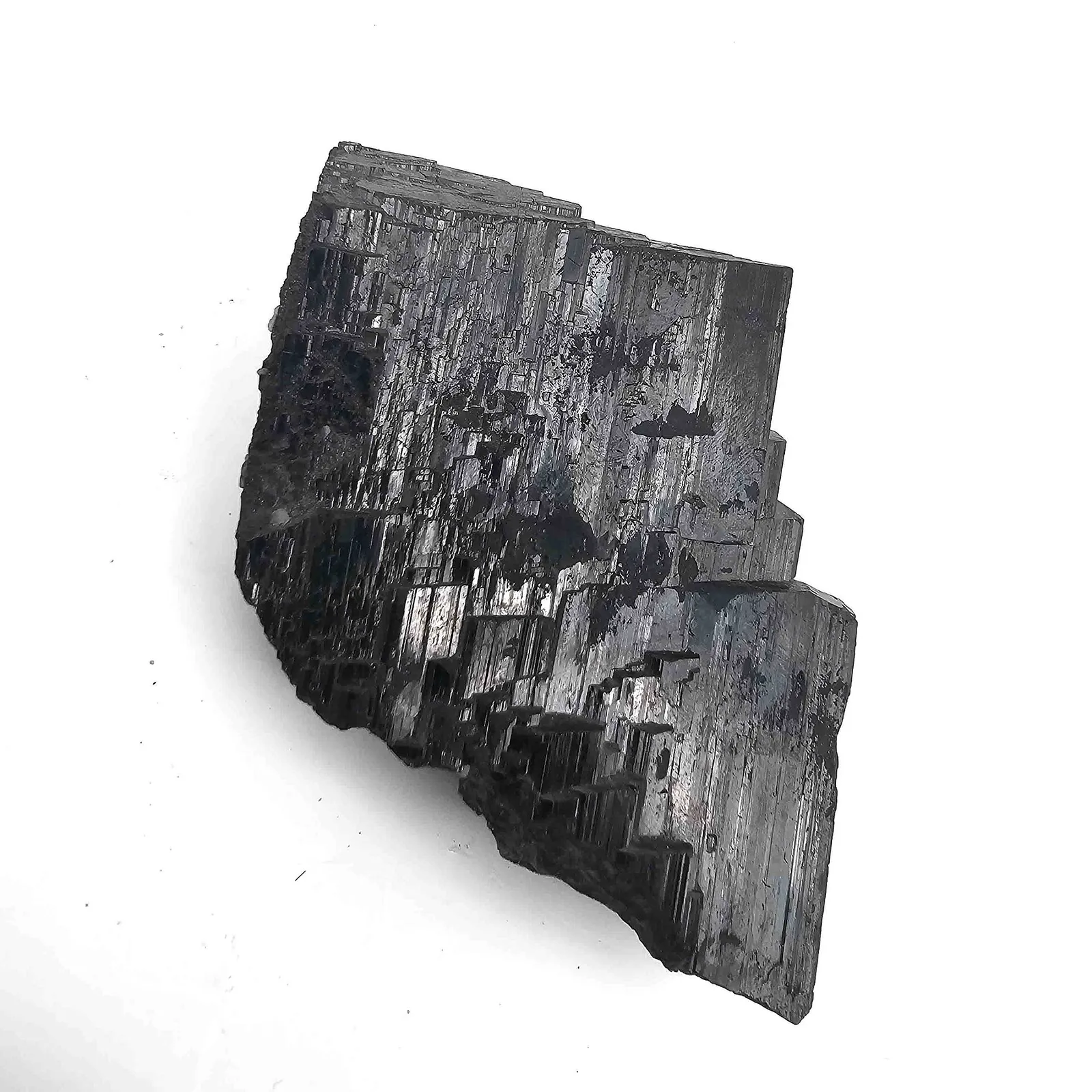
Most of the wolfram mines were British-owned, but the Borralha mine and the many small and freelance workings could supply Germany. The state took its share through heavy export duties, a special tax on wolfram exports and a campaign against the black market.
Salazar handled the trade through agreements between governments. The first, with Germany in January 1942, came at a low point in relations with London, after Australian and Dutch troops had landed in Portuguese Timor. The Allies signed their own wolfram agreement that August.
| Date | With | Terms |
|---|---|---|
| January 1942 | Germany | 2,800 tons between March 1942 and March 1943, in exchange for iron and railway wagons |
| 24 August 1942 | Britain, for the Allies | 3,400 tons |
| Late 1942 to January 1943 | Germany | A further 2,100 tons for one more year |
| 9 to 10 May 1944 | Germany (proposal) | Salazar offers to cap German exports at about 900 tons, his estimate of the German-owned mines' output |
| 5 to 7 June 1944 | All buyers | Total embargo on wolfram exports; the state buys up existing stocks |
Duarte, following Telo, gives 3,400 tons for the Allied agreement of 24 August 1942; the Portuguese Business Cycle Dating Committee describes the Allied trade agreement of September 1942 as providing for 4,000 tons a year. Duarte dates the second German agreement both to November 1942 and to January 1943.
The two sides paid differently. Britain bought on credit: under a July 1940 agreement between the Bank of Portugal and the Bank of England, Portugal advanced unlimited credit for British purchases with nothing due until the end of the war, and the balance reached about £80 million by 1945. Germany paid on delivery, in gold. Where that gold came from, and whether part of it was looted, divided Portuguese historians in the late 1990s, notably António Louçã and Telo.
In 1943 the Allies were buying up ore simply to keep it from Germany. The American minister in Lisbon, Norweb, reported in January 1944 that pre-emptive purchases and other “unorthodox methods” had taken 1,160 tons off the market in the nine months to December, besides 400 to 500 tons bought up in Spain.
“So far as Europe is concerned, Portugal's assistance to Germans particularly with respect to wolfram probably ranks in its benefits to Germany with importance of Azores to United States.”
In April 1944 the Secretary of State, Cordell Hull, wrote that wolfram shipments from the peninsula, most of them from Portugal, were prolonging the war and costing Allied lives; his department put Germany's needs for the year at 3,000 tons. Salazar held out. In May he offered to cap German exports at about 900 tons. Lord Halifax, the British ambassador in Washington, put Germany's needs higher, at 4,000 tons a year, and said it had lately been getting 150 tons a month.
Only on the evening of 5 June 1944, the eve of the Normandy landings, did Salazar agree to an immediate and complete embargo.
It was presented as a decision taken on the basis of the alliance and announced in London on 7 June. The historian António Paulo Duarte calls the delay a stubbornness that is still hard to explain.
Lisbon, the last open door
Neutral Portugal was also a way out of Europe, though the regime did not want to be anyone's refuge. On 11 November 1939 the foreign ministry's Directive 14 barred consuls from issuing visas without Lisbon's approval to stateless people, to anyone who could not freely return home and to Jews expelled from their countries. The same directive told consuls not to obstruct passengers travelling on through Lisbon, particularly by the transatlantic air routes.
The fall of France sent the crowds anyway. In June 1940 Aristides de Sousa Mendes, the consul in Bordeaux, signed thousands of visas against orders, a story Lisboeta tells in its article on him. Manuela Franco, who researched the episode for the foreign ministry, reckons that most of the roughly 40,000 fugitives who passed through Portugal that year came in on his visas, and that sending them back would have compromised the very neutrality the government was guarding.
The political police sorted arrivals at the border. Those with papers in order went on to Lisbon, crowded and by then the only neutral port in Europe from which refugees could still sail for the Americas; Jewish and non-Jewish aid organisations moved their headquarters there. The rest were sent to “fixed residence” towns such as Caldas da Rainha and Ericeira, which they could not leave without police permission.
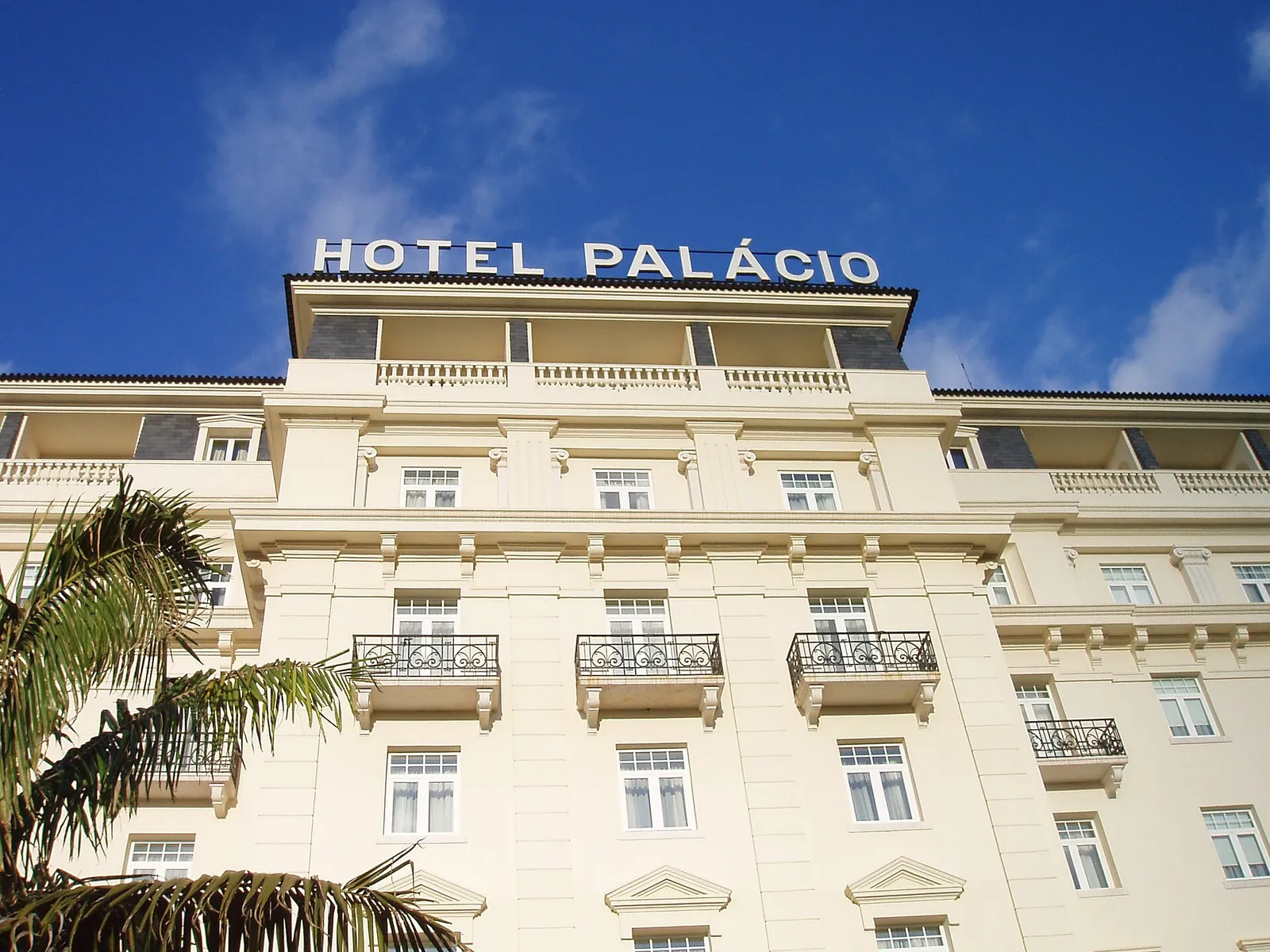
Estoril, along the coast, filled with those who could pay. Hotels and boarding houses had to report every foreign guest to the police on printed forms, many of which survive in the Cascais archive, and June 1940 brought more foreigners to Estoril than any other month. Allied agents favoured the Hotel Palácio and the Grande Hotel d'Italie, while Axis agents chose the Grande Hotel and the Hotel do Parque.
Nobody knows the total. The Cascais municipal account counts more than 40,000 registered people in 1940 alone, says an exact figure for the whole war cannot be established, and finds that few of them stayed.
The Azores and the end of the war
As the war turned, so did Portuguese neutrality. It became “benevolent” in mid-1943, when Britain invoked the alliance to ask for bases in the Azores. The agreement was signed on 17 August and British forces arrived on 8 October, as Lisboeta's article on the Azores agreement tells. Churchill stressed that Portugal would keep its neutrality on the European mainland, and Germany limited itself to a diplomatic protest.
In Telo's reading, once the wolfram crisis of 1944 was over, the Western Allies accepted Salazar's regime and bet on keeping it after the war, which helped freeze it in place. In 1949 Portugal, still a dictatorship, was one of the twelve founding members of NATO.
How historians judge Portuguese neutrality
| Phase | Dates | What it meant |
|---|---|---|
| Soft neutrality | September 1939 to July or August 1940 | The war puts little strain on relations with Britain |
| Equidistant neutrality | From July or August 1940, stronger from 1941 | Heavy German pressure; Lisbon expects a German victory, fears for the future and leans towards concessions to Berlin |
| Benevolent neutrality | From mid-1943 | Bases in the Azores for Britain; Portugal close to being a co-belligerent of the Allies |
The labels are Duarte's summary of the historiography. Telo divides the war differently: Axis supremacy until late 1941, a balance of forces from December 1941 and Allied supremacy from mid-1943.
Churchill thanked a government “whose loyalty to their British Ally never wavered in the darkest hours of the war”, while Germany received thousands of tons of wolfram until June 1944. Joaquim da Costa Leite called the arrangement “neutrality by agreement”, arguing that Portuguese non-belligerence was essential to keep Spain from entering the war on the Axis side. Rainbird, reading the British files, finds that for much of the war it was “not so much neutrality by agreement as neutrality in dispute”.
Telo sees the neutrality as above all a product of circumstances: the great powers' strategy never brought the war into the peninsula, for reasons that had little to do with Lisbon's policy, because neutrality on the Iberian mainland suited both sides.
Others stress what Salazar got out of it. Duarte concludes that the regime's aims in the war, peace at home and its own survival, were fully achieved. Real GDP grew by somewhere between 19 and 30 per cent from 1940 to 1944, partly on exports to the warring powers, and 1942 brought a historic trade surplus. The cost showed at home: from the summer of 1941 cars were banned from the roads three days a week, electricity and gas were rationed from March 1942, and between late 1942 and early 1943 there were strikes in Lisbon and other industrial towns.
The refugee story has been revisited too. For decades the regime's version, repeated in school textbooks, was of a country that had welcomed and rescued them. The files show Directive 14 and a consul in Bordeaux who disobeyed it. In 2021 Sousa Mendes was honoured in the National Pantheon in Lisbon.
FAQs
Why did Portugal stay neutral in the Second World War?
Salazar wanted to keep the war out of the Iberian Peninsula and his regime in power, and Britain agreed. His government's note of 1 September 1939 said the duties of the alliance with Britain did not oblige Portugal to abandon neutrality. London wanted a neutral Portugal to help keep Franco's Spain out of the war, and the historian António José Telo adds that nobody ever asked Portugal to fight.
Did neutral Portugal help Germany?
It sold Germany wolfram, the ore of tungsten used to harden steel for armour, under agreements made in 1942 and 1943, and Germany paid in gold. Britain and its allies were allotted a larger quota under their own agreement, and Britain paid on credit. Under heavy British and American pressure, Salazar agreed to stop all wolfram exports in June 1944.
How many refugees passed through Portugal during the war?
No exact count exists. Estimates for 1940 alone are about 40,000, most of them arriving after the fall of France in June. Most sailed on from Lisbon to the Americas; those without papers for onward travel were held in “fixed residence” towns such as Caldas da Rainha and Ericeira.
Was Portugal still neutral after it let Britain use the Azores?
Officially, yes. The agreement of 17 August 1943 gave Britain facilities in the islands, but Churchill told the House of Commons that Portugal would keep its neutrality on the European mainland. Some historians describe Portugal from then on as close to a co-belligerent of the Allies.
On the timeline
Open the timelineNearby moments from dictatorship and the estado novo (1926–1974).
Jorge Nuno Pinto da Costa is born in Porto. President of FC Porto for 42 years, from 1982 to 2024, he oversaw two European Cups (1987 and 2004), two UEFA Cup/Europa League titles and more than 20 league championships, and turned the club into the dominant force in Portuguese football. He died in February 2025.
Film-maker João César Monteiro is born in Figueira da Foz. The great provocateur of Portuguese cinema, he won a Silver Lion at Venice for 'Recordações da Casa Amarela' (1989), playing his own lecherous alter ego, João de Deus, and later scandalised audiences with 'Branca de Neve', a film that is largely a black screen.
Portugal and Spain sign the Treaty of Friendship and Non-Aggression (Iberian Pact) in Lisbon, each promising to respect the other's borders and not to help an attacker. Salazar later used it to press Franco's Spain to stay out of the Second World War.
Portugal declares neutrality, 1939
As Germany invades Poland, António de Oliveira Salazar writes a government note saying that the duties of Portugal's centuries-old alliance with Britain do not oblige it to abandon neutrality, a stance agreed with London that Portugal officially kept throughout the Second World War.
Jorge Sampaio, lawyer, opponent of the Estado Novo dictatorship and later Mayor of Lisbon and President of Portugal from 1996 to 2006, is born in Lisbon.
Carlos do Carmo is born in Lisbon, the son of the fadista Lucília do Carmo, and grows up around his parents' fado house, O Faia. His 1977 album 'Um Homem na Cidade' became a landmark of modern fado, and in 2014 he became the first Portuguese artist to receive the Latin Grammy lifetime achievement award.
Portugal and the Holy See sign a Concordat and a Missionary Agreement in the Vatican. Settling the conflict opened by the First Republic's 1911 separation of Church and State, the deal recognised the Church's legal personality and gave it a central role in the empire's missions. It also barred couples married in church from civil divorce, a rule changed only in 1975.
Coming up in history
All long reads
27 sources
Archives, scholarship and reporting this article was checked against.
- 1
1 September 1939: Portuguese neutrality (José António Barreiros)24 Land, 1 September 2019
- 2O dia em que começou a II Guerra Mundial (David Mandim)Diário de Notícias, 1 September 2019
- 3
Anglo-Iberian Relations 1939-1947: Britain, Spain, and the Survival of the Salazar Dictatorship (Stephen Liam Rainbird, PhD thesis)University of Leeds, School of History, 2022 (White Rose eTheses Online)
- 4
A neutralidade portuguesa na Segunda Guerra Mundial (António José Telo)Janus 1999-2000, Universidade Autónoma de Lisboa and Público
- 5
No meio: a neutralidade portuguesa entre bloqueios (1939-1945). Uma perspetiva da historiografia (António Paulo Duarte)Proelium, série VIII, no. 17 (2025), Academia Militar
- 6
Recessions of 1939-1945: agricultural cycles in a wartime economyPortuguese Business Cycle Dating Committee, Fundação Francisco Manuel dos Santos
- 7
Azores (British Facilities In): Agreement with Portugal, HC Deb 12 October 1943 vol 392 cc716-9UK Parliament, Hansard
- 8
Cascais, porto de abrigo numa Europa em guerra (educational resource)Câmara Municipal de Cascais, Cascais Cultura
- 9
- 10
España y Portugal (José Sebastián de Erice), with the texts of the Treaty of Friendship and Non-Aggression of 17 March 1939 and its protocols of 29 July 1940 and 20 September 1948Cuadernos de Política Internacional, no. 1 (1950), pp. 215–223; Centro de Estudios Políticos y Constitucionales
- 11Portugal e a Segunda Guerra Mundial (1940-1946), Crónica do Século, episode 6RTP (journalist Fernanda Bizarro, scientific adviser António Telo)
- 12
España y Portugal durante la segunda guerra mundial (M. Soledad Gómez de las Heras and Esther Sacristán)Espacio, Tiempo y Forma, Serie V, Historia Contemporánea, no. 2 (1989), pp. 209–225, UNED
- 13
Tribute to Dr. Aristides de Sousa Mendes (lecture, Embassy of Portugal, Washington, 30 November 2000)Manuela Franco, published by the Instituto Diplomático, Ministério dos Negócios Estrangeiros
- 14
The Ambassador in the United Kingdom (Winant) to the Secretary of State, London, 31 August 1943 (FRUS 1943, Europe, vol. II, Document 484)Office of the Historian, US Department of State
- 15
The War at Sea 1939–1945, vol. III, part 1: The Offensive, 1st June 1943–31st May 1944 (S. W. Roskill)HMSO, 1960 (scan of the printed edition, Internet Archive)
- 16
- 17
- 18
- 19
- 20
- 21
- 22
- 23
Polish-Jewish refugees seeking to leave Europe arrive in Lisbon (photograph, 21-22 June 1940)United States Holocaust Memorial Museum, Holocaust Encyclopedia
- 24
NATO member countriesNorth Atlantic Treaty Organization
- 25
O Essencial sobre Aristides de Sousa MendesCláudia Ninhos, Imprensa Nacional-Casa da Moeda, Lisbon, 2021
- 26“São raras as pessoas que na hora decisiva arriscam assim”: Aristides de Sousa Mendes é homenageado no Panteão NacionalObservador, 19 October 2021
- 27
Vilar Formoso: Frontier of PeaceTurismo Centro de Portugal
Image credits
- The Cais das Colunas, Lisbon's old river landing at the Terreiro do Paço, in a photograph credited to Eduardo Alexandre Cunha and taken some time before 1939 (Arquivo Municipal de Lisboa). From the summer of 1940 refugees from occupied Europe waited in Lisbon for ships to the Americas. Eduardo Alexandre Cunha, Public domain, via Wikimedia Commons.
- The treaty of alliance agreed in London on 16 June 1373 between Edward III of England and King Fernando of Portugal. Churchill read its first article to the House of Commons in October 1943. English and Portuguese diplomats, Public domain, via Wikimedia Commons.
- Wolframite, the tungsten ore the Portuguese call volfrâmio, in a specimen from the Panasqueira mine in the Beira Baixa. Adam Kelliher / Rubble Rock and Gem, CC BY-SA 4.0, via Wikimedia Commons.
- The Hotel Palácio in Estoril, opened in 1930, photographed in 2010. During the war it was one of the hotels favoured by Allied agents. Carcharoth (Commons), CC BY-SA 3.0, via Wikimedia Commons.
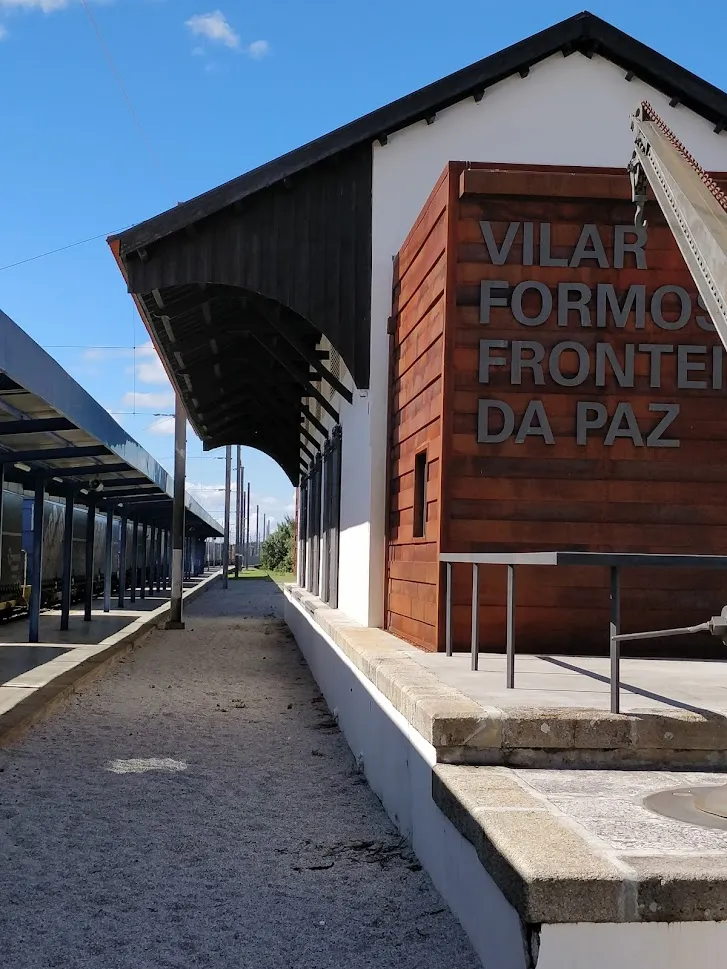
- The Vilar Formoso Fronteira da Paz museum, in former warehouses beside the border railway station where many refugees entered Portugal, photographed in 2021. Roundtheworld, CC BY-SA 4.0, via Wikimedia Commons.