

Rui Costa's penalty at the Luz: Portugal's second youth world title, 1991
More than 120,000 people watched a team of teenagers, Luís Figo and Rui Costa among them, beat Brazil in a penalty shoot-out in Lisbon. Two years after Riyadh, Carlos Queiroz's players were world champions again, and Portugal called them the golden generation.
At a glance
- On Sunday 30 June 1991 Portugal drew 0–0 with Brazil after extra time in the final of the FIFA World Youth Championship, the under-20 world cup, at the Estádio da Luz in Lisbon, and won the shoot-out 4–2.
- Rui Costa, aged 19, scored the deciding penalty after Marquinhos failed to score, according to Record because the goalkeeper Fernando Brassard saved his kick. The crowd is usually given as 127,000.
- It was Portugal's second title in a row. On 3 March 1989 the same coach, Carlos Queiroz, had won the 1989 tournament in Riyadh, beating Nigeria 2–0 in the final.
- Only two players were in both winning squads, Brassard and João Vieira Pinto, so Luís Figo, Rui Costa and the captain, Emílio Peixe, were world champions in 1991 only.
- The players, known as the golden generation, reached a European Championship final in 2004 and two major semi-finals, but won no senior title. Portugal's first came at Euro 2016.
A Sunday at the Luz
The day before the final, Carlos Queiroz took his players to the beach. At Guincho, on the Atlantic coast west of Lisbon, the forward Gil remembered, they stood on the rocks and the coach asked what they could see. Calm water further out, they said, and waves smashing on the rocks below. That, he told them, was how he wanted them to play Brazil.
“What I want is for the defence and the midfield to be as calm as that stretch of sea you see nearer the horizon, and for the attack to be as fierce as these waves beating on the rocks.”
On Sunday 30 June 1991 the team left their hotel for Benfica's Estádio da Luz. “From the moment we left the hotel, we saw the streets of Lisbon completely full,” Gil said. Warming up in front of that crowd, he added, “was not easy”.
Inside were more than 120,000 people, most of them young, by Record's count; the usual figure is 127,000. They had come to watch teenagers. Portugal's under-20 side, the world champions since 1989, were playing Brazil in the final of the FIFA World Youth Championship, and nobody scored in 120 minutes.
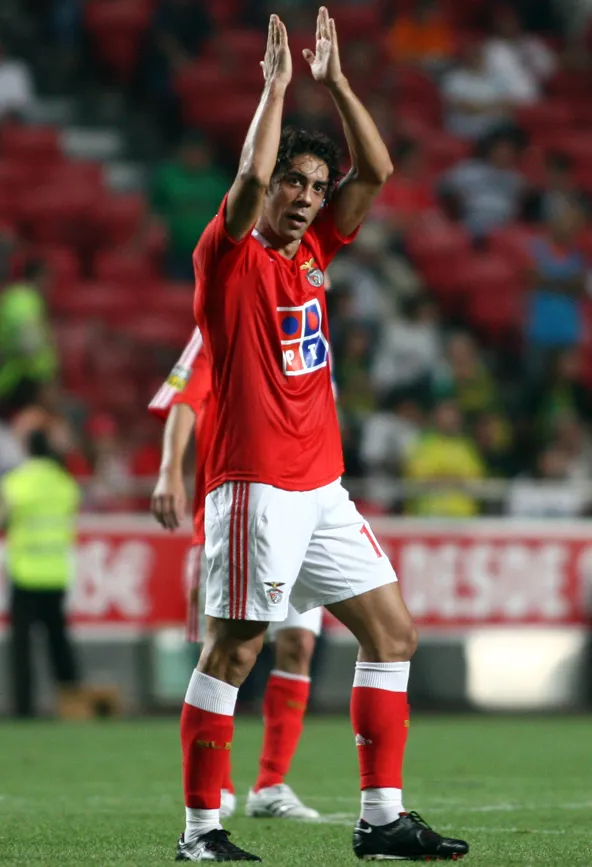
So it went to penalties. Brassard, Portugal's goalkeeper, saved from Marquinhos, according to Record, and the last kick fell to a 19-year-old Benfica midfielder, Rui Costa. He beat the Brazilian goalkeeper, Roger, and Portugal had won the world title for the second time running.
A small football country and a teacher from Nampula
Portugal had produced great players, Eusébio above all, but its national teams had little to show for them. The researchers who later studied the 1989 and 1991 sides found that until then Portugal's youth teams were often beaten by their counterparts, and the senior team had won nothing.
The senior side had also just disgraced itself. At the 1986 World Cup in Mexico the players, at their base in the town of Saltillo, publicly demanded better bonuses and conditions. The Coimbra study says they refused to train; some of the players deny it. The Saltillo affair left the Portuguese Football Federation (FPF) unstable, and the researchers found “some resistance” there to change, partly because of the “ghost of Saltillo”.
Carlos Queiroz was born in Nampula, in Mozambique, on 1 March 1953, and kept goal as a youth for Ferroviário. He trained as a physical education teacher in Lisbon. As a student at what is now the Faculdade de Motricidade Humana he pushed for a football department, and he brought in the coach Jesualdo Ferreira to teach it.
He coached boys at Olivais and Belenenses and was an assistant at Estoril. In 1987 the federation made him coach of its youth national teams, with Nelo Vingada as his assistant.
The younger teams won too. In 1989, the same year as Riyadh, Portugal's under-16s became European champions, with Luís Figo, Abel Xavier and Emílio Peixe in the side. At the world under-16 championship in Scotland that June they lost the semi-final in Edinburgh to the hosts and finished third.
How Queiroz built a team
Queiroz started with selection. Each of the federation's 22 regional associations sent its best under-15 team to a tournament of three or four days in Lisbon, and Queiroz's staff picked a first group of 35 boys from it. An under-13 tournament fed the one above. The staff then tried to keep the same core of players all the way to under-20.
Every age group played the same system, 4-3-3, at a time when most of European football used 4-4-2. Training camps lasted two or three weeks even when there was no match to prepare for, and the teams were often sent to play older opponents. One player told the researchers that “almost everything I learned about the game” came from Queiroz.
“Previously, already 90% of the players selected for the main national team played at Benfica, Porto, or Sporting Lisboa. After we started our work in the FPF, these big clubs started to contract players that first played at the national team.”
Queiroz also worked on morale. He made them learn and sing the national anthem, whose words, one of the coaches told the researchers, nobody in the national team had known, and he put the colours of the flag to use. By the end, the study says, the players expected to win and only wondered by how many goals.
Beyond the team, he helped set up coaching courses with the university and the state sports directorate, and pressed for the law that gave high-performance athletes rights as students. According to Sarmento, programmes funded by the sports directorate lifted the number of players registered with the federation from 80,000 to 130,000 in four years.
“He was the man who created a programme and a project for 10 years.”
Riyadh, 1989
The first test came in Saudi Arabia in February 1989. Portugal were outsiders. They beat Czechoslovakia and Nigeria 1–0, lost their last group game 3–0 to the hosts, a defeat the captain Tozé partly blamed on a sandstorm, and still won the group.
Two more 1–0 wins followed: over Colombia in the quarter-final and over Brazil in the semi-final, with a goal by Amaral. On Friday 3 March 1989, in Riyadh, Abel Silva and Jorge Couto scored in a 2–0 win over Nigeria in the final, in front of 65,000 to 70,000 people. Tozé received the trophy from the Saudi king.
It was Portugal's first world title in men's eleven-a-side football; the roller-hockey team had been world champions as early as 1947. The squad included Paulo Sousa, who later won the Champions League in successive years with two different clubs, the defender Fernando Couto and a 17-year-old forward, João Vieira Pinto.
| Date | Round | Opponent | Score | Portugal's scorers |
|---|---|---|---|---|
| 17 Feb 1989 | Group | Czechoslovakia | 1–0 | Paulo Alves |
| 20 Feb 1989 | Group | Nigeria | 1–0 | João Pinto |
| 22 Feb 1989 | Group | Saudi Arabia | 0–3 | None |
| 25 Feb 1989 | Quarter-final | Colombia | 1–0 | Jorge Couto |
| 28 Feb 1989 | Semi-final | Brazil | 1–0 | Amaral |
| 3 Mar 1989 | Final, Riyadh | Nigeria | 2–0 | Abel Silva, Jorge Couto |
| 14 Jun 1991 | Group, Porto | Republic of Ireland | 2–0 | João Pinto, Capucho |
| 17 Jun 1991 | Group, Lisbon | Argentina | 3–0 | Gil, Paulo Torres, Toni |
| 20 Jun 1991 | Group, Lisbon | Korea | 1–0 | Paulo Torres |
| 22 Jun 1991 | Quarter-final, Lisbon | Mexico | 2–1 aet | Paulo Torres (pen), Toni |
| 26 Jun 1991 | Semi-final, Lisbon | Australia | 1–0 | Rui Costa |
| 30 Jun 1991 | Final, Lisbon | Brazil | 0–0 aet, 4–2 pens | Penalties: Jorge Costa, Figo, Paulo Torres, Rui Costa |
Scores and scorers from FIFA's match data. In 1989 all of Portugal's matches were played in Riyadh. Across the two tournaments Portugal won 10 and drew 1 of 12 matches, scoring 15 goals and conceding 4. RSSSF times Rui Costa's semi-final goal at 43 minutes (FIFA: 31) and Paulo Torres's quarter-final penalty at 4 (FIFA: 3). FIFA and RSSSF place the 1989 semi-final in Riyadh; PortuGOAL puts it in Jeddah.
Defending the title at home
Two years later the tournament came to Portugal, from 14 to 30 June 1991, with matches in Lisbon, Porto, Braga, Guimarães and Faro. Only two players remained from Riyadh: Brassard, the reserve goalkeeper who had not played a minute there, and João Vieira Pinto, now 19. Most of the rest had come up through Queiroz's younger teams.
The captain was Emílio Peixe, an 18-year-old defensive midfielder from Sporting. Beside him were Luís Figo, also 18, and Rui Costa, a Benfica player who had been sent on loan to Fafe at 18. In defence was Jorge Costa, later the captain of FC Porto.
The loan had hurt. Rui Costa later told Sábado that, an only child from Lisbon sent to a small town in the north, he thought seriously about giving up, and never fully unpacked his suitcase. He also said the year at Fafe was why he played a good World Cup.
Portugal opened at the Antas in Porto with a 2–0 win over the Republic of Ireland, then moved to the Luz. Argentina were beaten 3–0 and finished with three men sent off. A unified Korean team, North and South together, lost 1–0.
The crowds grew with each round. Paulo Torres scored a penalty in the third minute of the quarter-final against Mexico, Mexico equalised, and Toni won it in the 101st minute of extra time. Rui Costa scored the only goal of the semi-final against Australia.
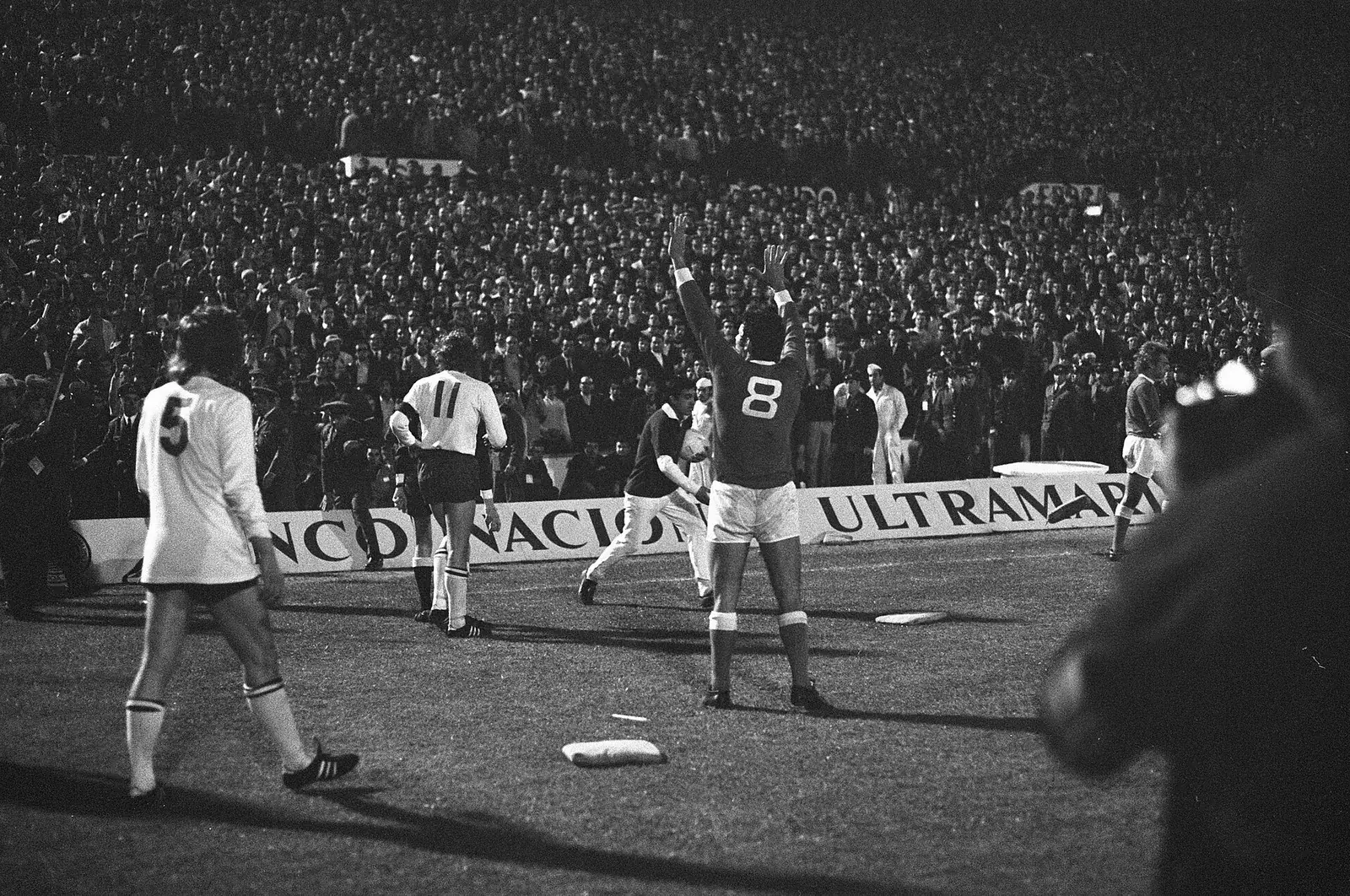
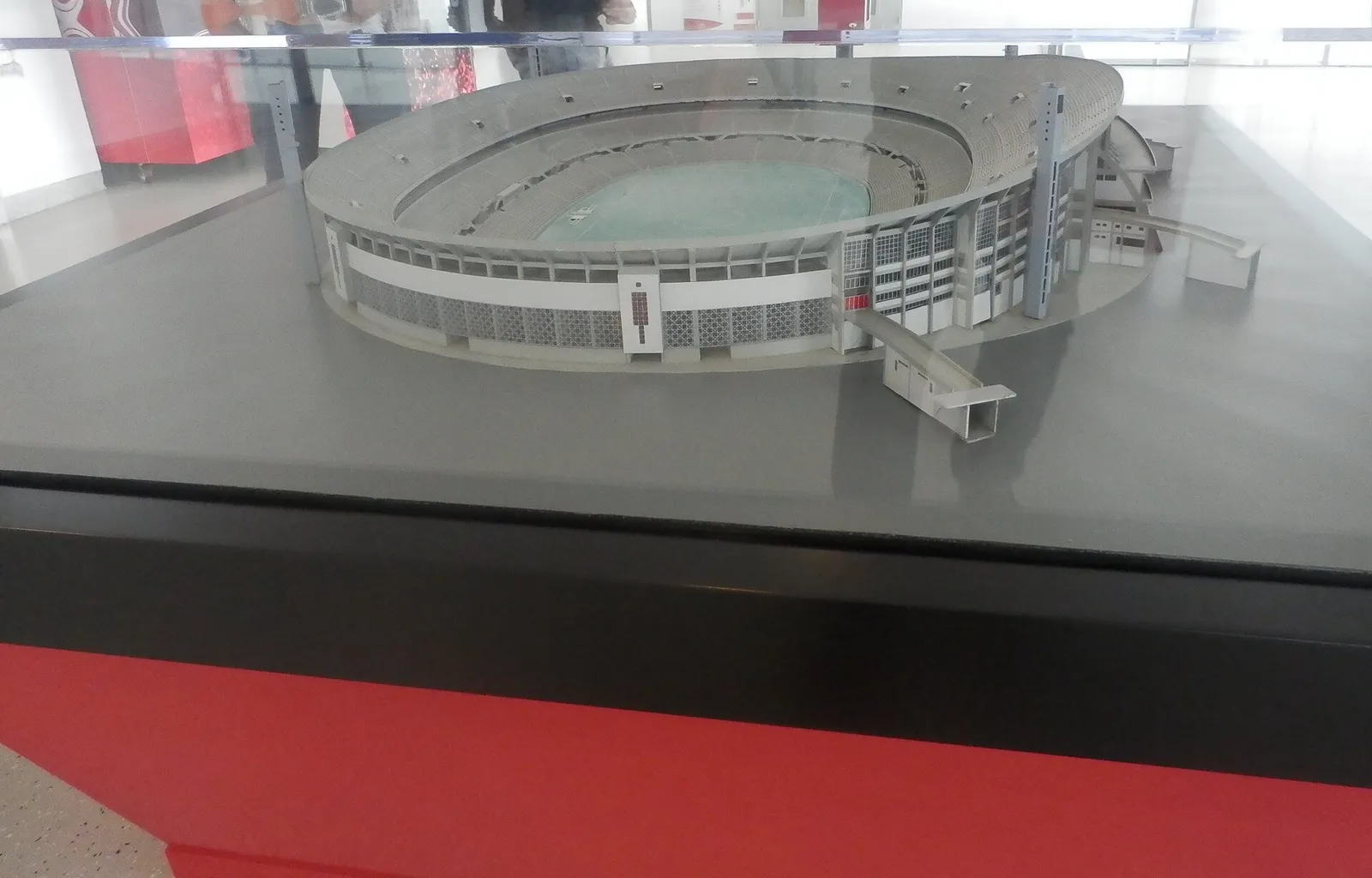
The Luz could take them. Benfica's stadium had opened on 1 December 1954, and when its third tier was finally completed, 31 years later, Record wrote, it became the largest stadium in Europe. There was talk of 120,000 places, a number that fell as seats were fitted. It was demolished in 2003, to make way for the new Luz built for Euro 2004.
Reported crowds at Portugal's six matches, June 1991
spectators
Rounded attendances as listed by RSSSF; all but the first match were played at the Estádio da Luz. Together they add up to 517,000. Record put the final crowd at “more than 120,000”.
Show the data
| Attendance | |
|---|---|
| Ireland (Porto) | 60,000 |
| Argentina | 60,000 |
| Korea | 60,000 |
| Mexico (QF) | 90,000 |
| Australia (SF) | 120,000 |
| Brazil (final) | 127,000 |
The final and the shoot-out
Brazil had spent the tournament in the north. They won their group in Porto, beat the Korean team 5–1 in the quarter-final and the Soviet Union 3–0 in the semi-final at Guimarães, three goals in the first 33 minutes. The Soviet striker Sergei Shcherbakov finished as the tournament's top scorer, with five goals.
Brazil had their own future stars: the left-back Roberto Carlos and the striker Giovane Élber, the second-best player of the tournament. The final kicked off in the afternoon sunlight and ran on into the night. Gil remembered that once the referee blew his whistle the nerves of the warm-up settled, and the team tried to play without tension.
Portugal had to replace Nélson with Tulipa early on, and Tulipa was himself replaced by Capucho after 70 minutes. The referee, the Argentine Francisco Oscar Lamolina, showed seven yellow cards, and after 120 minutes neither side had scored.
Brazil kicked first, and Ramon scored. Jorge Costa levelled. Then Élber, who would be voted the tournament's second-best player, missed, and Figo put Portugal ahead. Andrei and Paulo Torres both scored, so when Marquinhos failed with Brazil's fourth kick, saved by Brassard according to Record, one more goal would win the title.
Rui Costa had called it. Standing next to Jorge Costa during the shoot-out, guessing every kick, he had told him that their team-mate would score, Brazil would miss and he would score the deciding penalty. He beat Roger. “It could have fallen to anyone, but it fell to me,” he told Sábado years later (translated from Portuguese). “A moment of emotion out of the ordinary, total adrenaline.”
- Date
- Sunday 30 June 1991
- Venue
- Estádio da Luz, Lisbon
- Result
- Portugal 0–0 Brazil after extra time; Portugal won 4–2 on penalties
- Crowd
- 127,000 (RSSSF, When Saturday Comes); “more than 120,000” (Record)
- Coaches
- Carlos Queiroz (Portugal), Ernesto Paulo (Brazil)
- Portugal's team
- Brassard; Nélson (Tulipa, then Capucho), Rui Bento, Jorge Costa, Paulo Torres; Peixe, Rui Costa, Figo; Gil, João Pinto, Toni
Kick 1
Ramon scores for Brazil
Portugal 0, Brazil 1
Kick 2
Jorge Costa scores
1–1
Kick 3
Élber misses for Brazil
1–1
Kick 4
Figo scores
2–1
Kick 5
Andrei scores for Brazil
2–2
Kick 6
Paulo Torres scores
3–2
Kick 7
Marquinhos fails to score
3–2. Record describes a save; FIFA's data list the kick as a miss.
Kick 8
Rui Costa scores the winner
Portugal win 4–2
The celebrations ran on through the night, in the stands and then in the streets of Lisbon and towns across the country. “I can't find the words to describe our emotion,” Figo said after the game (translated from Record's Portuguese), adding that Portugal had deserved to win. Peixe was voted the best player of the tournament, ahead of Élber.
The golden generation grows up
The press called them the geração de ouro, the golden generation, and the federation gave Queiroz the senior team. He took charge on 4 September 1991, and on 12 October Figo and João Vieira Pinto won their first caps. Portugal failed to qualify for the 1994 World Cup, and Queiroz left in November 1993 after 23 matches, ten of them won.
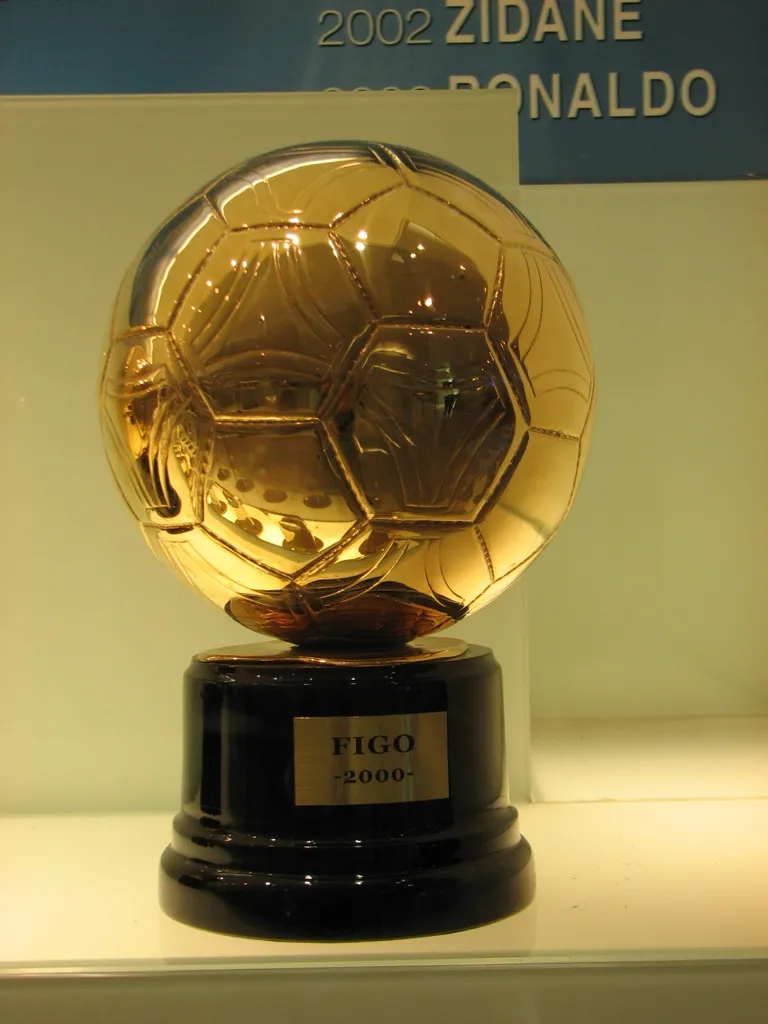
The players moved abroad. Rui Costa went to Fiorentina, stayed seven years and then won the Champions League with AC Milan. Figo went to Barcelona and then Real Madrid, and was European Footballer of the Year in 2000 and FIFA World Player of the Year in 2001.
With the national team, the title never came. The writer Phil Town, looking back in 2008, judged that the group had underachieved and that the name golden generation had proved “something of a misnomer at a group level”.
João Vieira Pinto's career showed both sides. He scored a hat-trick in Benfica's 6–3 win at Sporting in 1994 and a header against England at Euro 2000, then was pushed out of Benfica in 2000 and banned for six months for punching a referee at the 2002 World Cup. When he retired in 2008, at 36, Queiroz had just been made national coach again.
1993
No place at the 1994 World Cup
Portugal fail to qualify under Queiroz.
23 June 1996
Euro 96 quarter-final
Lost 1–0 to the Czech Republic at Villa Park, Birmingham, to a goal by Karel Poborský.
1997
No place at the 1998 World Cup
Portugal fail to qualify again.
28 June 2000
Euro 2000 semi-final
Lost 2–1 to France in Brussels, to a Zinédine Zidane penalty in the 117th minute.
14 June 2002
Out in the World Cup group stage
Lost 1–0 to South Korea. João Pinto was sent off after 27 minutes and banned for six months for punching the referee.
4 July 2004
Euro 2004 final
Lost 1–0 to Greece at the new Estádio da Luz. It was Rui Costa's last international.
5 July 2006
World Cup semi-final
Lost 1–0 to France in Munich. Figo played his last international three days later.
| Player | World youth title | Caps for Portugal (goals) | First and last international |
|---|---|---|---|
| Luís Figo | 1991 | 127 (32) | 1991–2006 |
| Fernando Couto | 1989 | 110 (8) | 1990–2004 |
| Rui Costa | 1991 | 94 (26) | 1993–2004 |
| João Vieira Pinto | 1989 and 1991 | 81 (23) | 1991–2002 |
| Paulo Sousa | 1989 | 51 (0) | 1991–2002 |
| Jorge Costa | 1991 | 50 (2) | 1992–2002 |
| Capucho | 1991 | 34 (2) | 1996–2002 |
| António Folha | 1989 | 26 (5) | 1993–1996 |
| Paulo Madeira | 1989 | 24 (3) | 1991–1999 |
| Abel Xavier | 1991 | 20 (2) | 1993–2002 |
Caps and dates from RSSSF's list of Portugal's record internationals (updated March 2026); squads from FIFA. The ten are all the champions of 1989 and 1991 with at least 20 caps. In the Coimbra study, 19 of the 34 champions (55.9 per cent) played at least once for the senior team.
Why it still matters
For 34 years the titles of 1989 and 1991 were the only world titles won by a Portuguese men's eleven-a-side team. The next came in November 2025, when the under-17s beat Austria 1–0 in Doha, and the news agency Lusa called it the first since the night at the Luz in 1991.
Nineteen of the 34 champions played for the senior team, and for 15 years they were its core: Figo won 127 caps, Fernando Couto 110 and Rui Costa 94. They took Portugal to the Euro 2004 final at the new Luz, but its first major senior title came only at Euro 2016, won by a later generation.
Researchers led from the University of Coimbra, who interviewed 31 of the 34 champions, asked why only about half of them became senior internationals. As boys, the two groups had trained in much the same way. The difference came later: injuries, choices of club and agent, quarrels with coaches and a hard step up to the first team, where, one said, the young world champions were already expected to be key players.
“They did not look upon us as children who were there in a developing process; they were already looking at us as key, and this somehow may have conditioned the development of some and the affirmation of others.”
The players stayed in the game. Peixe joined the federation's coaching staff in 2008, and in 2016 he was preparing its under-20 team for the next World Cup. Rui Costa took over as Benfica's president in July 2021, was elected that October with 84.48 per cent of the vote and was re-elected in November 2025.
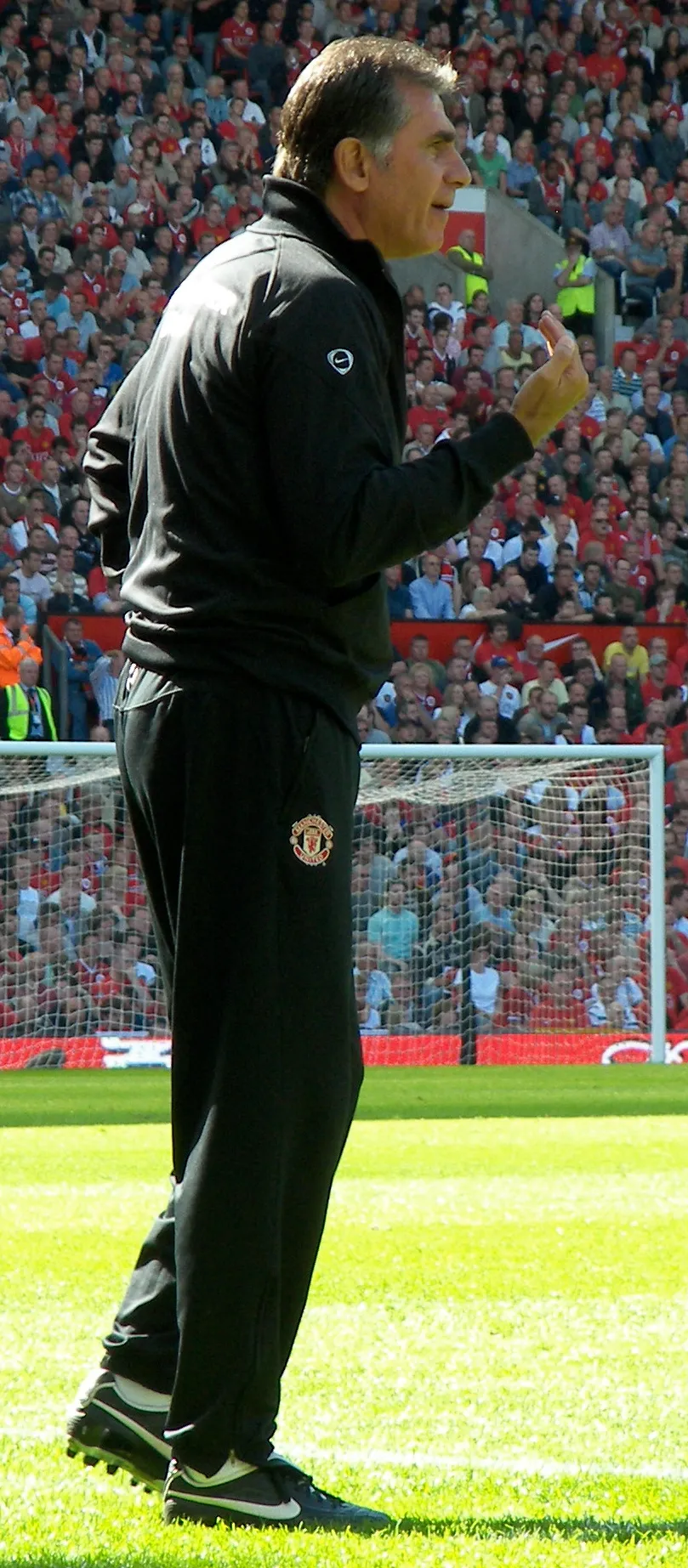
Queiroz went on to coach Real Madrid and to be assistant manager at Manchester United, and qualified South Africa, Portugal and Iran for World Cups.
FAQs
Who won the 1991 FIFA World Youth Championship?
Portugal, the hosts and defending champions. They drew 0–0 with Brazil after extra time in the final at the Estádio da Luz in Lisbon on 30 June 1991 and won the penalty shoot-out 4–2.
Who scored the winning penalty for Portugal in 1991?
Rui Costa, then a 19-year-old Benfica midfielder, scored the fourth and last Portuguese penalty after Marquinhos failed to score for Brazil; Record says the goalkeeper Fernando Brassard saved his kick, while FIFA's data list it as a miss. Jorge Costa, Luís Figo and Paulo Torres also scored.
How many people watched the 1991 final at the Luz?
RSSSF and When Saturday Comes give 127,000, the figure usually quoted. Record, recalling the night in 2001, wrote of more than 120,000 spectators, most of them young. It was not the stadium's record: Benfica gives its best attendance as 135,000, against FC Porto on 4 January 1987.
Who coached Portugal's world youth champions?
Carlos Queiroz, born in Nampula, Mozambique, in 1953, with Nelo Vingada as his assistant. He coached the youth national teams from 1987, won in Riyadh in 1989 and Lisbon in 1991, and took over the senior team in September 1991.
Did Portugal's golden generation win a senior title?
No. A team built around Figo, Rui Costa, João Pinto and Fernando Couto reached the Euro 2000 semi-final, Figo and Rui Costa played in the Euro 2004 final, and Figo also reached the 2006 World Cup semi-final. Portugal's first major senior title came at Euro 2016.
On the timeline
Open the timelineNearby moments from portugal in europe (1986–today).
Salvador Sobral is born in Lisbon. In 2017 his gentle ballad 'Amar pelos dois', written by his sister Luísa, won the Eurovision Song Contest in Kyiv with a record 758 points. It was Portugal's first win since its 1964 debut, ending the longest losing run in the contest's history. Months later he underwent a heart transplant.
President Mário Soares is re-elected for a second term as President of Portugal.
Angolan President José Eduardo dos Santos and UNITA leader Jonas Savimbi sign the Bicesse Accords in Portugal, mediated by the Portuguese government with US and Soviet observers. The deal briefly halts Angola's civil war and paves the way for multi-party elections in 1992.
World Youth Championship 1991
Portugal wins the FIFA World Youth Championship (under-20) on home soil at the Estádio da Luz in Lisbon, defeating Brazil on penalties. Back-to-back champions after their 1989 win in Saudi Arabia, the 'Golden Generation' of João Pinto, Rui Costa and Luís Figo heralds a new era of Portuguese football.
Indonesian troops open fire on a peaceful procession of more than 2,000 people at the Santa Cruz cemetery in Dili, East Timor, killing scores of young Timorese. Footage smuggled out by the British cameraman Max Stahl was shown around the world and revived the cause of independence for Portugal's former colony.
A month into Portugal's first presidency of the European Community, foreign minister João de Deus Pinheiro and finance minister Jorge Braga de Macedo sign the Maastricht Treaty for Portugal. The treaty created the European Union and set the course for the euro, which Portugal adopted in 1999.
Death of Captain Fernando José Salgueiro Maia, hero of the Carnation Revolution. On 25 April 1974 he led the armoured column from the Santarém cavalry school to Lisbon, occupied the Terreiro do Paço and surrounded the Carmo barracks, where Marcelo Caetano surrendered. He died of cancer aged 47.
Coming up in history
All long reads 3 July 1850Alfredo Keil: the Lisbon painter who wrote the music of A Portuguesa
 4 July 1937The bomb in Avenida Barbosa du Bocage: the 1937 attempt on Salazar
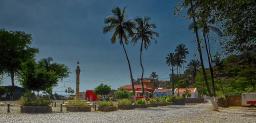 5 July 1975Cape Verde becomes independent: Praia, 5 July 1975
 6 July 2010Matilde Rosa Araújo, teacher and children's writer, dies in Lisbon: 6 July 2010
34 sources
Archives, scholarship and reporting this article was checked against.
- 1
Portugal v Brazil, FIFA World Youth Championship Portugal 1991 final, 30 June 1991: match centreFIFA
- 2
World Youth Cup (U-20) 1991 (Portugal, June 14-30)RSSSF (François Mazet)
- 3
A noite em que nasceu uma geração de ouroRecord, 2 June 2001
- 4
The road to expertise in U-20 football world champions: a multi-method approach (Hugo Sarmento, Diogo Martinho, Filipa Pereira, Antonino Pereira and Duarte Araújo)International Journal of Sports Science & Coaching, 2026 (doi:10.1177/17479541261420672); author's copy, Instituto Politécnico de Viseu repository
- 5
- 6Carlos Queiroz: perfilRTP Notícias
- 7
Last bow for João (Phil Town)When Saturday Comes, issue 259, September 2008
- 8
Portugal: record international playersRSSSF (last updated 14 March 2026)
- 9
- 10
Livro 'A Geração de Ouro' narra disrupção estrutural do futebol lusoLusa, in Notícias ao Minuto, 29 June 2021
- 11Saltillo: a evolução do futebol e do dirigismo português precisou dos generais de 1986Diário de Notícias, 27 March 2026
- 12Carlos Queiroz pode deixar o futebol após o Mundial 2018RTP Notícias
- 13
- 14
Peixe und die Goldene GenerationFIFA, 17 November 2016
- 15
Gold diggerSky Sports, 8 March 2009
- 16
- 17
Portugal U20 World Cup history: complete record and who went on to make it big (Tom Kundert)PortuGOAL, 19 July 2019
- 18
- 19
Troféus SerpaFederação de Patinagem de Portugal
- 207 craques que nasceram no Mundial sub-20 e 7 flops de que mais ninguém ouviu falar (Bruno Roseiro)Observador, 19 May 2017
- 21
Rui Costa reeleito: do padrinho Eusébio ao trunfo MourinhoSábado, 9 November 2025
- 22
- 23
Benfica assinala aniversário de antigo Estádio da LuzA Bola, 1 December 2023
- 24
Estádio do Sport Lisboa e Benfica (1954-2003)Sport Lisboa e Benfica
- 25
- 26
- 27
Czech Republic 1–0 Portugal, UEFA EURO '96 quarter-final, 23 June 1996UEFA
- 28
- 29
- 30
- 31
- 32
- 33Luz, uma Catedral que é bem mais do que um estádioDiário de Notícias, 1 December 2016
- 34
Museu Benfica – Cosme Damião comemora 60 anos do bicampeonato europeu com exposição temporáriaEcho Boomer, 2022
Image credits
- The old Estádio da Luz full for Benfica v Ajax, a European Cup semi-final played on 19 April 1972; spectators had thrown their seat cushions onto the pitch. Nineteen years later the same stadium held the final of the 1991 World Youth Championship. Fotograaf Onbekend / Anefo, CC0, via Wikimedia Commons.
- A model of the old Estádio da Luz, photographed on display in Lisbon in 2015. Opened in 1954 and demolished in 2003, it was one of the largest stadiums in Europe once its third tier was completed. Threeohsix, CC BY-SA 4.0, via Wikimedia Commons.
- Rui Costa applauds the crowd after scoring for Benfica against Naval on 15 September 2007, in his last spell as a player at the club. Sixteen years earlier, his penalty had won the World Youth final at the old Luz. José Goulão from Lisbon, Portugal, CC BY-SA 2.0, via Wikimedia Commons.
- Luís Figo's Ballon d'Or for 2000, on show in Real Madrid's trophy room in 2006. Jaime de la Fuente, CC BY 2.0, via Wikimedia Commons.
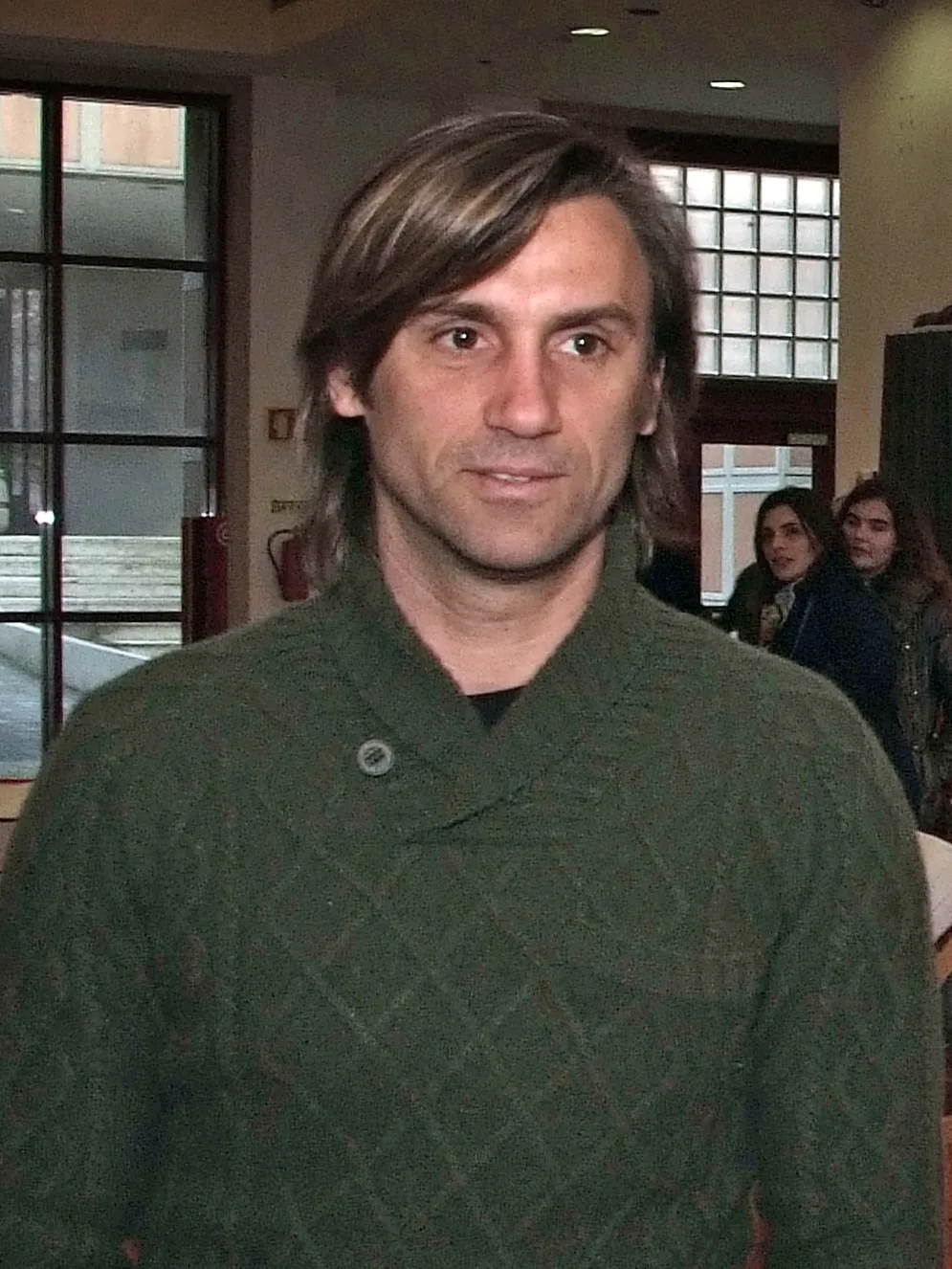
- João Vieira Pinto at the Exponor exhibition centre near Porto in 2011. He was the only player to start both of Portugal's world youth finals, in 1989 and 1991. Manuel de Sousa, CC BY-SA 3.0, via Wikimedia Commons.
- Carlos Queiroz as Manchester United's assistant manager at Old Trafford in August 2007, sixteen years after the Lisbon final. Franco Zagagagoria, CC BY-SA 4.0, via Wikimedia Commons.