

Rosa Mota, the girl from the Foz who became Olympic marathon champion
She was born in Porto under Salazar, was scolded for training in shorts and was told the marathon would break her bones. Between 1982 and 1991 she won European, world and Olympic titles and became the first Portuguese woman to stand on an Olympic podium.
At a glance
- Rosa Maria Correia dos Santos Mota was born on 29 June 1958 in Foz do Douro, Porto. She stood 1.57 metres tall and raced at about 45 kilos.
- Her first marathon was the first women’s marathon at a European Championships, in Athens on 12 September 1982. She won it in 2:36:04, aged 24.
- At Los Angeles on 5 August 1984 she took bronze in the first women’s Olympic marathon, the first Olympic medal won by a Portuguese woman.
- She won the world title in Rome in 1987 by 7 minutes 21 seconds, and Olympic gold in Seoul on 23 September 1988 by 13 seconds, after a quarrel with her federation nearly kept her out.
- Her coach throughout was José Pedrosa. Her 2:23:29 from Chicago in 1985 was still the Portuguese record as of 2025, and Porto’s domed sports pavilion bears her name.
Kilometre 38, Seoul
José Pedrosa had arranged a signal. If Rosa Mota still had company at the 38th kilometre of the Olympic marathon, she would look across at him. On the morning of 23 September 1988 in Seoul she did, and he shouted back that it was now or never.
Three women were still with her: Lisa Martin of Australia, Katrin Dörre of East Germany and Tatyana Polovinskaya of the Soviet Union. Mota used a slight downhill to push. At the 40-kilometre mark she was 14 seconds clear of Martin and 15 of Dörre, and nobody closed the gap.
She crossed the line in the Olympic Stadium in 2 hours 25 minutes 40 seconds, 13 seconds ahead of Martin, who fell to the ground when she finished and was helped up by the woman who had beaten her. Mota ran to the stand where Pedrosa was and hugged him. The officials would not let her run a lap of honour, which she later called the one regret of the day.
It was Portugal’s second Olympic gold medal, four years after Carlos Lopes won the men’s marathon in Los Angeles, and the first won by a Portuguese woman. In Lisbon, the sports paper Record opened its eight-page pull-out with “Rosa: queen in the Orient” (translated from Portuguese).
A girl from the Foz
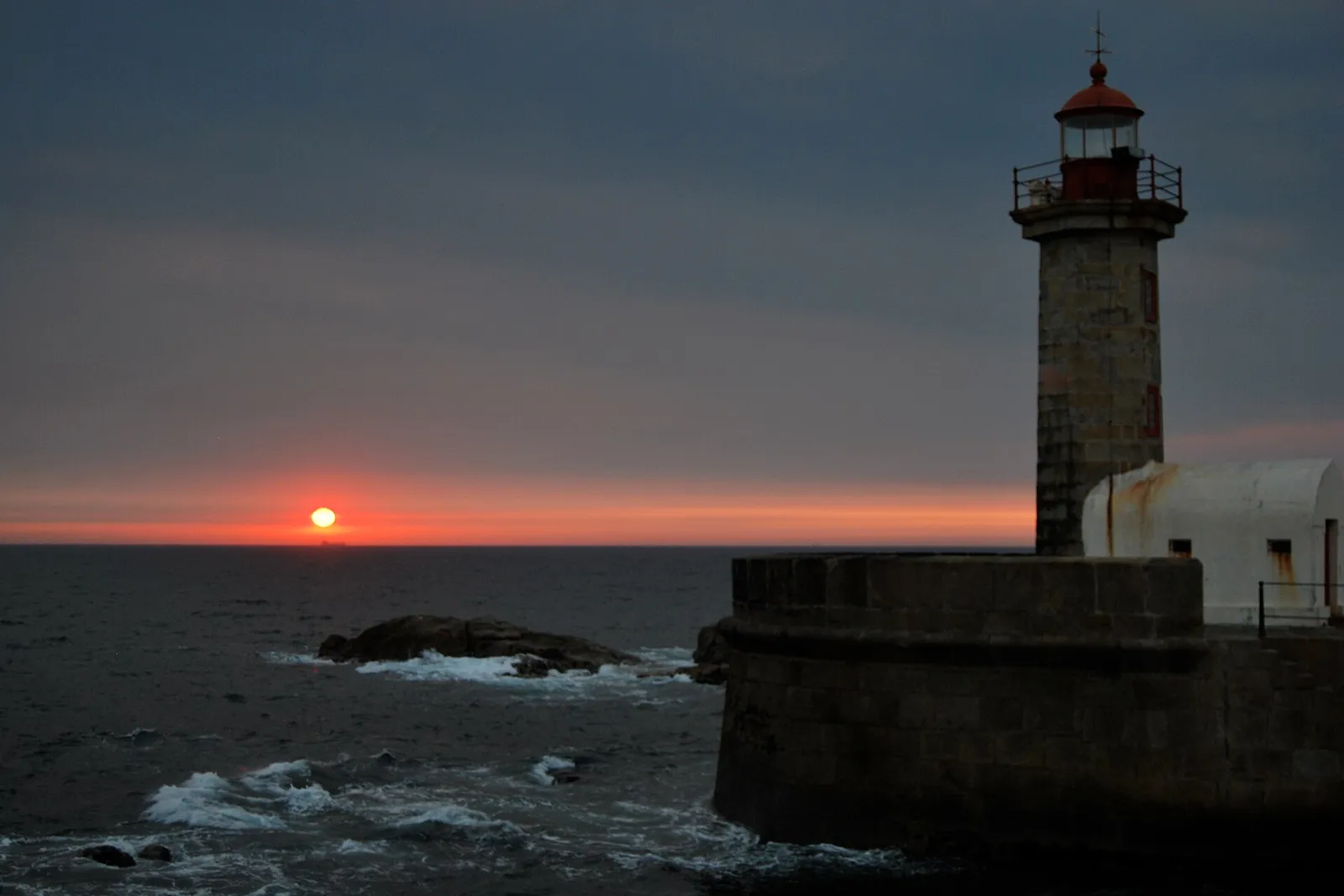
Rosa Maria Correia dos Santos Mota was born on 29 June 1958 in Foz do Douro, the seaside parish of Porto where the River Douro meets the Atlantic. The Portuguese press would call her the “menina da Foz”, the girl from the Foz, and later just Rosinha.
Portugal was then a dictatorship, the Estado Novo, run by António de Oliveira Salazar until 1968 and by Marcello Caetano after him. It stayed one until the army overthrew the regime on 25 April 1974, when she was 15. She began training while the regime still stood, in what the marathon association AIMS calls Salazarist Portugal, and was told off in the street for the shamelessness of running in shorts.
According to RTP’s sports historian Rui Alves, she first ran through the lanes of the Foz because she was afraid of the dark. She joined the local club, Futebol Clube da Foz, won the national cross-country title and moved briefly to FC Porto before joining the Clube de Atletismo do Porto (CAP) in 1981, which she represented until her last race.
She was small, 1.57 metres and 45 kilos, and she has asthma; a lung specialist named her in 2017 as proof that asthmatics can do top-level sport. Shortly before her first marathon she came under José Pedrosa, a doctor by profession who, by RTP’s account, treated an illness that threatened to end her career. He became her coach for the rest of it and her partner.
On 31 December 1981 she won the women’s race of the São Silvestre in São Paulo, the most famous New Year’s Eve run in Brazil. She won it again in each of the next five years, and no woman has won it more often.
Athens, 1982: a marathon nobody wanted her to run
In 1982 the European Championships in Athens put a women’s marathon on the programme for the first time, the first major championship to do so. Mota had rarely raced beyond 3,000 metres on the track and had never run further than 20 kilometres in training.
Her grandfather Abel thought the distance would break all her bones. The Portuguese Athletics Federation took a similar view and tried to keep her out of the race. The compromise was that she could run the marathon only if she raced the 3,000 metres first. She ran it on 9 September in 9:04.82, then lined up for the marathon three days later.
“The marathon was not a normal distance in Portugal. Only a few men ever ran it, and it was at the end of their careers, as a way to say goodbye to track and field. It was supposed to kill athletes.”
On 12 September she ran the old course from Marathon to Athens cautiously, starting near the back and working her way up to the leaders: Laura Fogli of Italy, Ingrid Kristiansen of Norway, a future world record holder, and Carla Beurskens of the Netherlands. RTP has her in the leading trio by 30 kilometres; European Athletics puts her decisive move in the last mile.
She won in 2:36:04, 25 seconds ahead of Fogli, with Kristiansen third. It was Portugal’s only gold medal of those championships. Record called it “the golden marathon” (translated from Portuguese).
Bronze in Los Angeles, records in Chicago
Other championships followed. The first World Championships, in Helsinki in August 1983, included one, won by Grete Waitz of Norway; Mota was fourth in 2:31:50, the worst placing of any marathon she ever finished. Two months later she won in Chicago in 2:31:12.
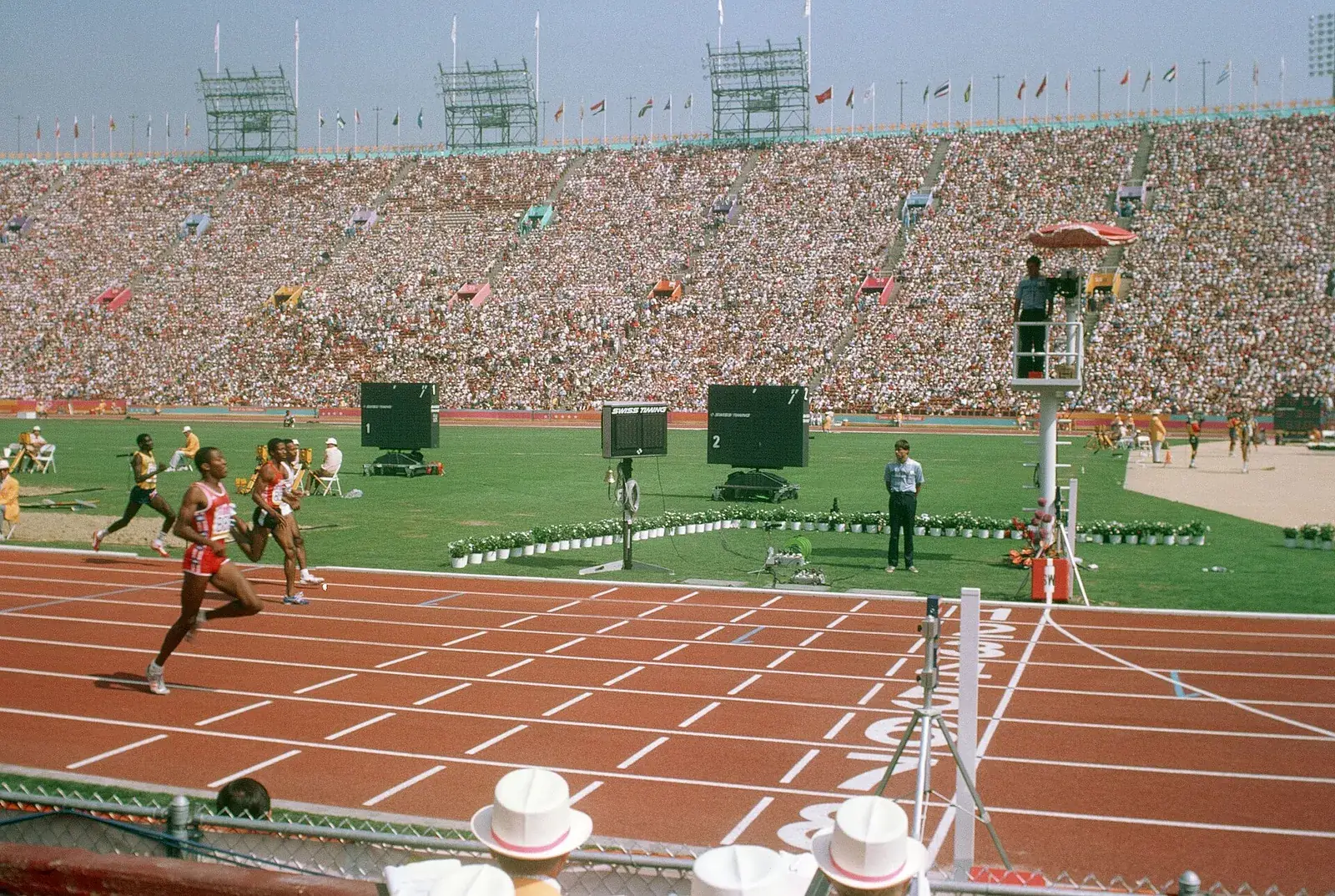
The first women’s Olympic marathon started at 8 a.m. on 5 August 1984 at Santa Monica City College and ran along the Los Angeles freeways to the Memorial Coliseum. It was the first athletics event of the Games, with 50 runners from 28 countries. The American Joan Benoit went clear at seven kilometres and was never caught.
Mota ran second from 20 to 30 kilometres, dropped to fourth by 35 and came back to third, finishing in 2:26:57 behind Benoit (2:24:52) and Waitz (2:26:18). It was more than four minutes faster than she had ever run, and the first Olympic medal won by a Portuguese woman, 32 years after the first Portuguese women competed at the Games.
Later in the same Games Carlos Lopes, aged 37, won the men’s marathon, Portugal’s first Olympic title, and António Leitão also won a medal. Record called it “the most brilliant page in Portuguese sport” (translated from Portuguese). Mota carried the flag for Portugal at the closing ceremony.
In October she retained her Chicago title in 2:26:01. A year later in Chicago, on 20 October 1985, she finished only third but ran 2:23:29, a Portuguese record that A Bola noted in February 2025 was still standing after 40 years.
European, world and Olympic champion
In Stuttgart on 26 August 1986 she defended her European title from the front, breaking away at about 15 kilometres despite pain in her Achilles tendon and winning in 2:28:38, more than four minutes ahead of Fogli.
“When the clock showed one hour and two minutes I felt something in my foot, but I wasn’t afraid. I knew the Portuguese were with me. I wanted to give them a great joy.”
In April 1987 she won the Boston Marathon, a race that had admitted women officially only since 1972. On 29 August in Rome, in 32°C heat, she ran away from the field at the World Championships while Pedrosa fretted that she had misjudged her effort. She won in 2:25:17, a championship record, 7 minutes 21 seconds ahead of Zoya Ivanova of the Soviet Union.
Boston fell to her again in April 1988 in 2:24:30. Then her federation nearly ended her Olympic year. Pedrosa decided she should skip the 15-kilometre world road championships two months before Seoul, the Portuguese Athletics Federation objected, and the quarrel ended with Mota barred from entering races.
For a while she risked missing the Games. Her fallback was to enter through the Olympic committee of Macau, then still under Portuguese administration. It took the intervention of President Mário Soares, Prime Minister Aníbal Cavaco Silva and the education minister Roberto Carneiro to settle it. Meanwhile she trained at altitude in Boulder, Colorado, and Pedrosa coached her by telephone from Lisbon.
Seoul was a different race from Rome. About a dozen women were still together at 25 kilometres, and Mota stayed with the leaders and kept pushing the pace. Pedrosa followed much of it from a Korean television car, accredited as a journalist: a Korean crew that had filmed her in Porto had offered her a fee, and she asked them to carry her coach instead.
With Seoul she held the European, world and Olympic marathon titles at the same time. Olympedia says nobody else had done it as of 2017. She carried Portugal’s flag at the closing ceremony again.
| Date | Race | Place | Time | Margin | Age |
|---|---|---|---|---|---|
| 12 Sep 1982 | European Championships, Athens | 1st | 2:36:04 | 25 s | 24 |
| 7 Aug 1983 | World Championships, Helsinki | 4th | 2:31:50 | 25 | |
| 16 Oct 1983 | Chicago Marathon | 1st | 2:31:12 | 25 | |
| 5 Aug 1984 | Olympic Games, Los Angeles | 3rd | 2:26:57 | 2:05 behind winner | 26 |
| 21 Oct 1984 | Chicago Marathon | 1st | 2:26:01 | 26 | |
| 20 Oct 1985 | Chicago Marathon | 3rd | 2:23:29 (national record) | 27 | |
| 26 Aug 1986 | European Championships, Stuttgart | 1st | 2:28:38 | over 4 min | 28 |
| Apr 1987 | Boston Marathon | 1st | 2:25:21 | 28 | |
| 29 Aug 1987 | World Championships, Rome | 1st | 2:25:17 | 7:21 | 29 |
| 18 Apr 1988 | Boston Marathon | 1st | 2:24:30 | 29 | |
| 23 Sep 1988 | Olympic Games, Seoul | 1st | 2:25:40 | 13 s | 30 |
| 16 Apr 1990 | Boston Marathon | 1st | 2:25:24 | over 2 min | 31 |
| 27 Aug 1990 | European Championships, Split | 1st | 2:31:27 | 5 s | 32 |
| 21 Apr 1991 | London Marathon (IAAF World Cup race) | 1st | 2:26:14 | 32 |
Dates, places and times from World Athletics, except Boston 1987, which World Athletics does not list (time from the Boston Athletic Association, whose times for 1988 and 1990 agree with World Athletics). Margins from the results on Olympedia (Los Angeles, Seoul) and World Athletics (Rome), from European Athletics (Athens, Stuttgart, Split) and from RTP (Boston 1990); blank where no source gives one. Ages worked out from her birth date. The table shows 11 of the 14 wins Olympedia counts; the other three came in other city marathons, among them Osaka in 1990 and Rotterdam.
Split, London and the end of the road
In April 1990 she won Boston for the third time in four years, in 2:25:24, more than two minutes ahead of the German Uta Pippig. RTP counts it as her first win after her dispute with the federation was settled, and her twelfth win in 17 marathons.
Her third European title, in Split on 27 August 1990, was the hardest. She led by about 1 minute 43 seconds at halfway, but the Soviet runner Valentina Yegorova caught her by 34 kilometres. Mota pulled away again and held on through the last 500 metres to win by five seconds in 2:31:27. European Athletics noted in 2020 that she was still the only distance runner, man or woman, to have won three European marathon titles as well as Olympic and world gold.
On 21 April 1991 she won the London Marathon, which that year doubled as the IAAF World Cup race, attacking after about 20 kilometres and finishing in 2:26:14. It was her last big win. At the World Championships in Tokyo that summer she dropped out at halfway with stomach pain and breathing trouble, and the same thing happened in the 1992 London Marathon, after which she stopped racing at the top level.
- Marathons run
- 21, from 1982 to 1992
- Won
- 14
- Did not finish
- 3
- Personal best
- 2:23:29, Chicago, 20 October 1985
- Major titles
- Olympic 1988, world 1987, European 1982, 1986 and 1990
- Olympic medals
- Bronze 1984, gold 1988
- Coach
- José Pedrosa, throughout her marathon career
- Club
- Clube de Atletismo do Porto (CAP), from 1981
29 June 1958
Born in Foz do Douro, Porto
31 December 1981
Wins the São Silvestre in São Paulo, the first of six in a row
12 September 1982
European champion in Athens in her first marathon
7 August 1983
Fourth in the first World Championships marathon, Helsinki
5 August 1984
Bronze in the first women’s Olympic marathon, Los Angeles
20 October 1985
Runs 2:23:29 in Chicago, a Portuguese record
26 August 1986
Retains the European title in Stuttgart
29 August 1987
World champion in Rome
23 September 1988
Olympic champion in Seoul
27 August 1990
Third European title, in Split, by five seconds
21 April 1991
Wins the London Marathon, her last big victory
1992
Drops out of the London Marathon and leaves top-level racing
What she changed for women in Portuguese sport
When Mota was growing up, Portugal sent almost no women to the Olympics: three in 1952, five in 1960, one each in 1964 and 1968, none in 1972 and 1976, one in 1980. In 1984 there were nine. By 1992 there were 22, and at Paris in 2024 the 37 women on the team outnumbered the 36 men for the first time.
Women in Portugal’s Summer Olympic teams, 1948 to 2024
women competitors
Number of women in each Portuguese team at the Summer Games, from Olympedia’s participation table. Portugal sent no women before 1952. The highlighted bars are the Games of Mota’s bronze and gold; 2020 means the Tokyo Games held in 2021.
Show the data
| Women | |
|---|---|
| 1948 | 0 |
| 1952 | 3 |
| 1956 | 0 |
| 1960 | 5 |
| 1964 | 1 |
| 1968 | 1 |
| 1972 | 0 |
| 1976 | 0 |
| 1980 | 1 |
| 1984 | 9 |
| 1988 | 10 |
| 1992 | 22 |
| 1996 | 24 |
| 2000 | 13 |
| 2004 | 17 |
| 2008 | 26 |
| 2012 | 32 |
| 2016 | 29 |
| 2020 | 36 |
| 2024 | 37 |
Nobody can measure how much of that was her doing, and much else changed after 1974. But others followed where she had gone first. Manuela Machado followed her as world marathon champion in 1995 and European champion in 1994 and 1998, and Fernanda Ribeiro won the Olympic 10,000 metres in 1996.
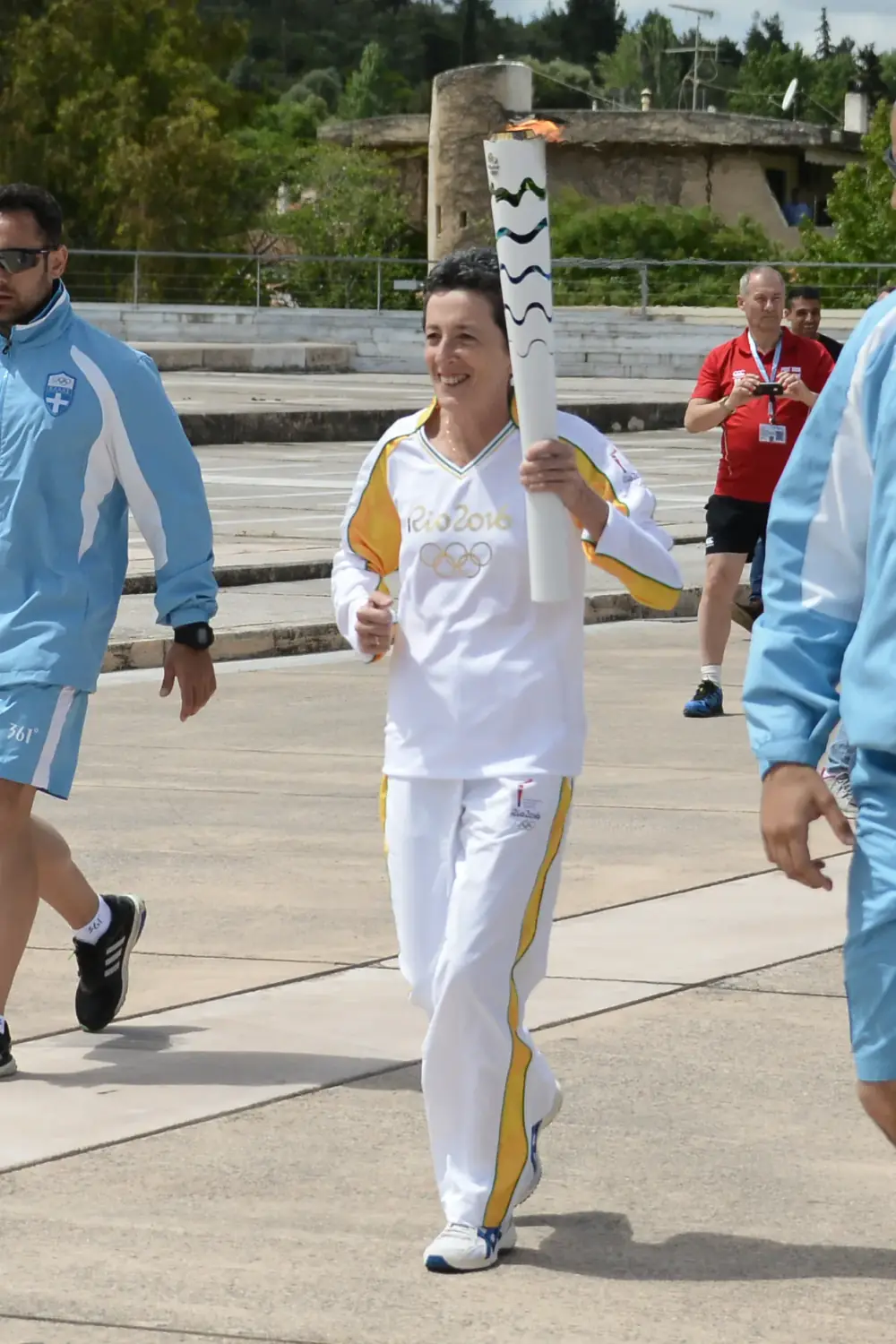
Athletics honoured her too. In 1998 she received the Abebe Bikila Award for her contribution to distance running, and in 2000 the Olympic Order in silver. She kept running. At 65 she ran 10 kilometres in 39:40 at the São Silvestre in Amadora, outside Lisbon, at the end of 2023, which Canadian Running reported as a world record for her age group. In February 2024 in Barcelona she ran the half marathon in 1:24:27, a world record for women aged 65 to 69.
In July 2026, aged 68, she was announced as the starter of the Dili International Marathon in Timor-Leste on 8 August, firing the gun alongside the country’s president, with visits to schools there to encourage children to take up sport.
A dome with her name on it
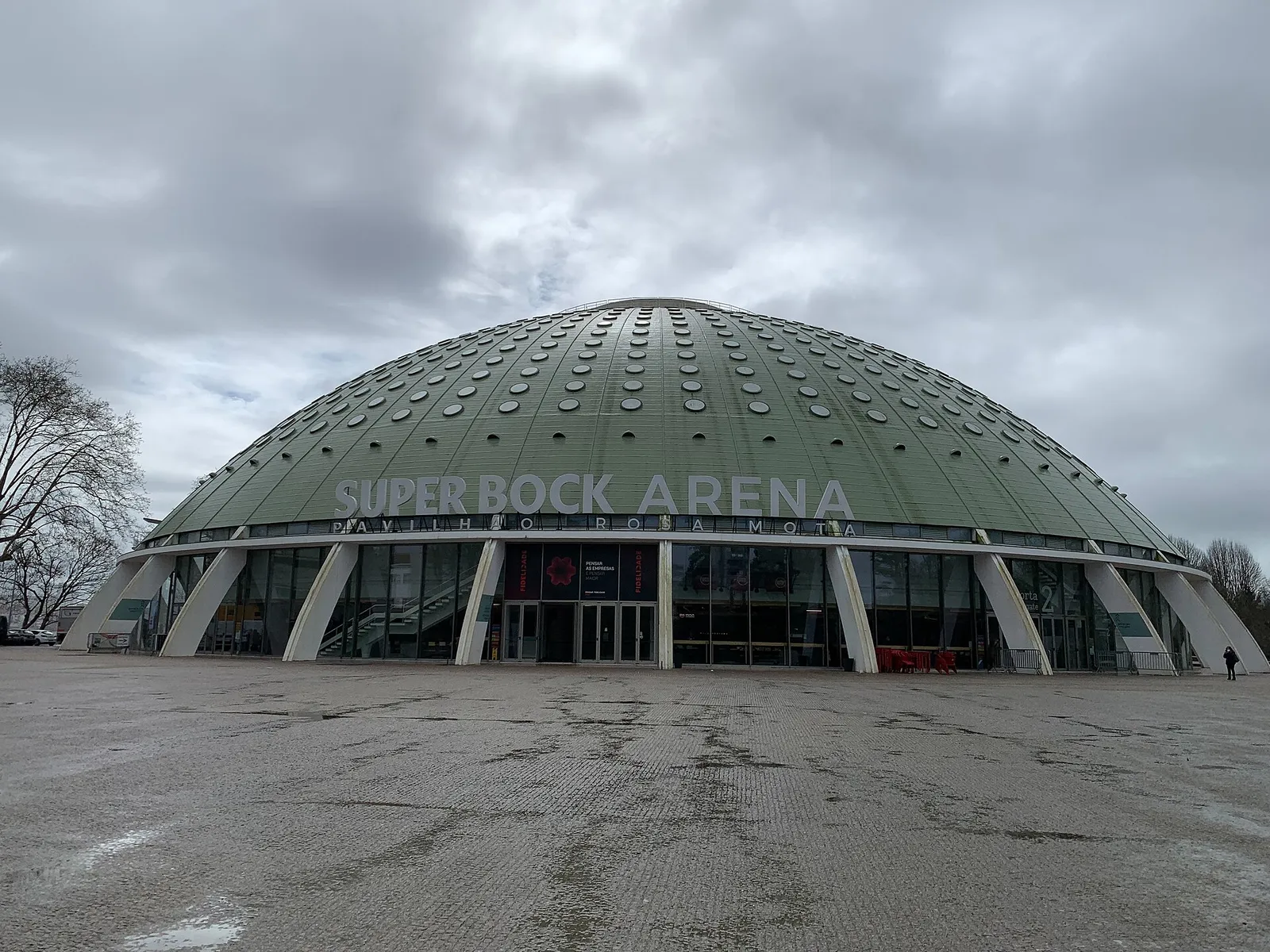
Porto named its main indoor arena after her. The Pavilhão dos Desportos, a domed hall designed by José Carlos Loureiro, went up in the gardens of the Palácio de Cristal after the old Crystal Palace was demolished in 1951; it was first used in 1952, before its dome was finished, for the roller hockey world championship that Portugal won. Observador says it took the name Pavilhão Rosa Mota in 1988, the year of Seoul; other accounts give 1991, when it reopened after works in the early 1990s.
The building aged badly: rain came in, and in 2005 the national civil engineering laboratory warned it risked collapse. In December 2014 the council put its restoration and management out to tender, and the winning private consortium paid about €8 million for the works. In 2019 it reopened as the Super Bock Arena – Pavilhão Rosa Mota, with the beer brand’s name in front of hers.
Mota stayed away from the reopening. In a letter to the city councillors she said she had been “deceived”: she had reluctantly agreed to the brand being added, uneasy at her name being tied to an alcoholic drink, but not to it coming first. The mayor, Rui Moreira, replied that although the building bore her name, it had never been written on the façade or anywhere else visible.
FAQs
When and where was Rosa Mota born?
On 29 June 1958 in Foz do Douro, the seaside parish of Porto, according to Olympedia and World Athletics.
Was Rosa Mota Portugal’s first Olympic gold medallist?
No. Carlos Lopes won Portugal’s first Olympic gold in the men’s marathon in 1984. Rosa Mota won the second, in the women’s marathon at Seoul on 23 September 1988, and was the first Portuguese woman to win Olympic gold; her bronze in Los Angeles in 1984 was the first Olympic medal won by a Portuguese woman.
What was Rosa Mota’s best marathon time?
2:23:29, run when she finished third in the Chicago Marathon on 20 October 1985. It was a Portuguese record and A Bola reported in February 2025 that it still stood.
Who coached Rosa Mota?
José Pedrosa, a doctor who became her coach shortly before her first marathon in 1982 and was also her partner. He guided her through her whole marathon career, including the signal at the 38th kilometre that set off her winning attack in Seoul.
How many marathons did Rosa Mota win?
Olympedia counts 21 marathons between 1982 and 1992, of which she won 14 and failed to finish 3. Her wins include the Olympic, world and three European titles, Boston three times, Chicago twice and London in 1991.
On the timeline
Open the timelineNearby moments from dictatorship and the estado novo (1926–1974).
Birth in Lisbon of José Pedro Reis (Zé Pedro), guitarist and co-founder in 1978 of Xutos & Pontapés, the punk-rooted Lisbon band that became one of Portugal's most popular rock groups. He spent his early childhood in Timor, where his father was posted with the military, and grew up in Olivais; he died in 2017.
Radiotelevisão Portuguesa (RTP) begins regular broadcasting at 21:30 from its Lumiar studios in Lisbon, six months after trial transmissions at the city's Feira Popular. The first night's programme ran for about two hours, closing at around 23:30.
At a press conference in Lisbon's Café Chave d'Ouro, opposition presidential candidate General Humberto Delgado is asked what he would do with Salazar if elected. His reply — 'Obviamente, demito-o!' ('Obviously, I'll sack him!') — electrifies the country and becomes one of the most famous phrases in Portuguese politics.
Rosa Mota, born 1958
Birth of Rosa Mota in Foz do Douro, Porto. A pioneer of women's distance running, she won the first ever women's marathon at a European Championships in 1982 and, at Seoul in 1988, became the first Portuguese woman to win Olympic gold.
The film director Pedro Costa is born in Lisbon (some sources say 1959). His slow, luminous films with Cape Verdean immigrants, many made in Fontainhas, a shanty town on the Lisbon–Amadora boundary, won international acclaim; 'Vitalina Varela', shot in Amadora's Cova da Moura, took the Golden Leopard at the Locarno Film Festival in 2019.
Fernando Chalana is born in Barreiro. Nicknamed 'o pequeno genial' (the little genius), the Benfica winger dazzled at Euro 1984, Portugal's first European Championship finals, where they reached the semi-finals, and then moved to Bordeaux.
The Cristo Rei monument in Almada is inaugurated, nearly ten years after its first stone was laid, before a crowd the Church put at 300,000. Overlooking the Tagus opposite Lisbon, the statue by the Madeiran sculptor Francisco Franco (no relation to the Spanish dictator) fulfils the bishops' 1940 vow to build it if Portugal was spared the Second World War.
Coming up in history
All long reads
29 sources
Archives, scholarship and reporting this article was checked against.
- 1
Rosa MotaOlympedia
- 2
Rosa Mota: athlete profile, honours, personal bests and progressionWorld Athletics
- 3
- 4Os treinos por telefone, a guerra com a Federação e o grito para o ouro. Rosa Mota foi campeã olímpica há 30 anosObservador, 23 September 2018
- 5
Rosa MotaAIMS (Association of International Marathons and Distance Races)
- 6
50 Golden Moments: Mota's marathon hat-trickEuropean Athletics (2020), republished by German Road Races
- 7
- 8A primeira pétala de ouro (Rui Alves)RTP Memória
- 9
Anos 80: De Rosa Mota a Carlos Queiroz na década de todas as vitóriasRecord
- 10O amor ou o dinheiro? (Rui Alves)RTP Memória
- 11
Estado Novo: a barreira política e mental no desporto femininoA Bola, 24 April 2024
- 12
Rádio Clube Português, 25 April 1974 (Lugares de Abril)Associação 25 de Abril
- 13Uma vida de sacrifício ao serviço da Pátria (Manuel Catarino)Diário de Notícias, 15 January 2024
- 14As pioneiras dos Jogos Olímpicos (Rui Alves)RTP Memória
- 15Campeã da Europa (Rui Alves)RTP Memória
- 16
Rosa MotaThe Olympic Museum, on Google Arts & Culture
- 17
“Corra com a asma” levou centenas de pessoas ao Parque das NaçõesRevista Atletismo
- 18A última vitória (Rui Alves)RTP Memória
- 19
- 20
- 21
- 22
Boston Marathon championsBoston Athletic Association
- 233.ª vitória em 4 anos (Rui Alves)RTP Memória
- 24
- 25
- 26
- 27
Former Olympic champion breaks W65 10K world recordCanadian Running, 5 January 2024
- 28
- 29Pavilhão Rosa Mota. 8 respostas para explicar a polémica em torno do novo nome do edifícioObservador, 28 October 2019
Image credits
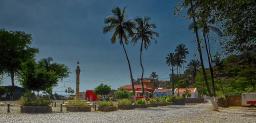
- The Felgueiras lighthouse and breakwater at Foz Velha, the old seafront of Foz do Douro, the Porto parish where Rosa Mota was born in 1958. Photographed in August 2010. Rititaneves, CC BY-SA 3.0, via Wikimedia Commons.
- The Los Angeles Memorial Coliseum during a 400 metres heat on 6 August 1984, the day after the first women’s Olympic marathon finished on this track. Alonzo Babers of the United States leads. Ken Hackman, U.S. Air Force, Public domain, via Wikimedia Commons.
- Rosa Mota carrying the Olympic flame for the Rio 2016 Games at Marathon, Greece, at the end of April 2016, near the start of the course on which she won her first title in 1982. Save the Dream from Doha, Qatar, CC BY 2.0, via Wikimedia Commons.
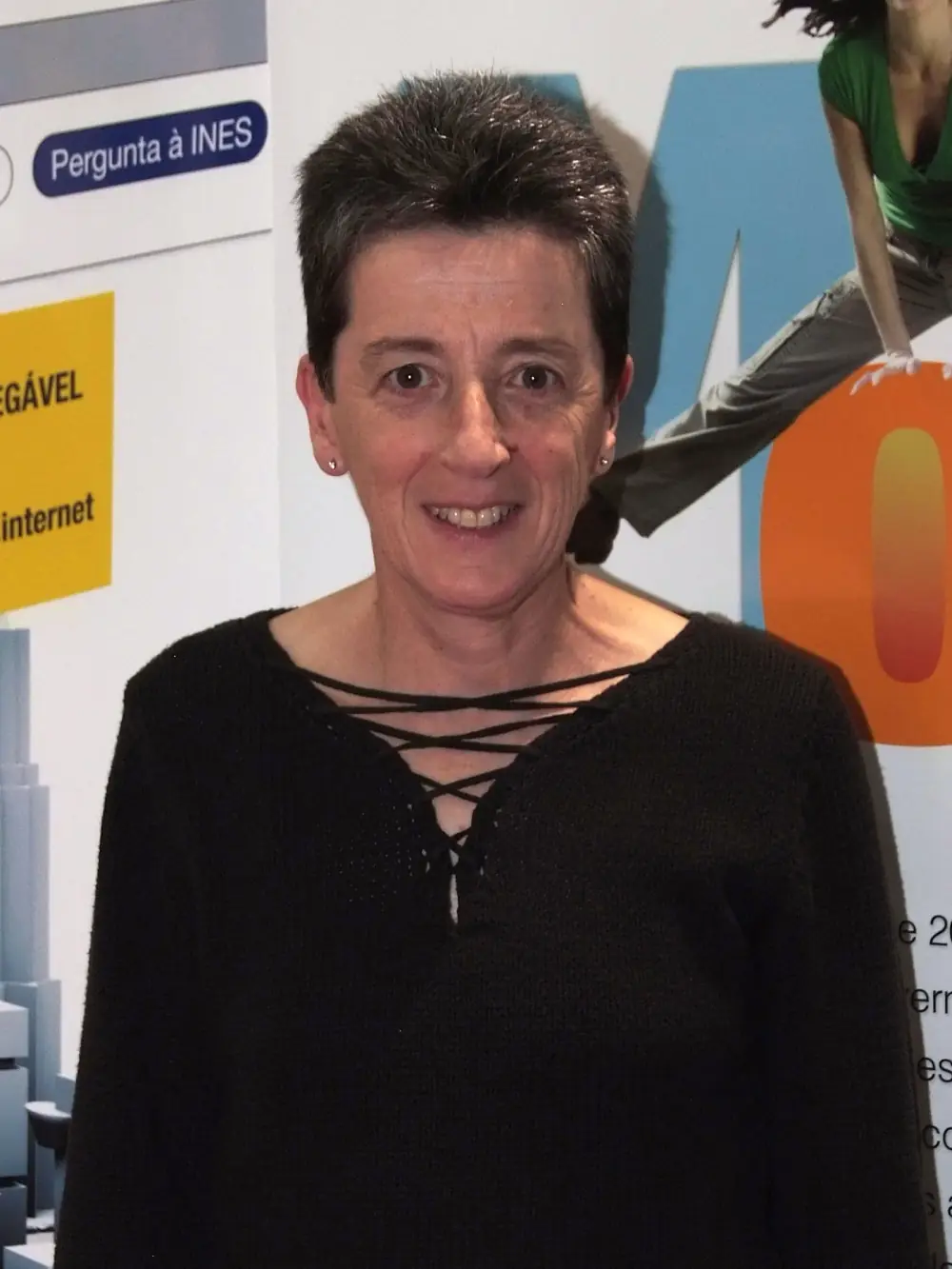
- Rosa Mota at the Qualifica education and training fair at Exponor, near Porto, in April 2012. Manuel de Sousa, CC BY-SA 3.0, via Wikimedia Commons.
- The Super Bock Arena – Pavilhão Rosa Mota in the Palácio de Cristal gardens, Porto, in March 2022. The sponsor’s name is in large letters; hers runs in smaller ones underneath. Robot8A, CC BY-SA 4.0, via Wikimedia Commons.