

Portugal abolishes the death penalty for civil crimes: 1 July 1867
As far as historians know, nobody had been hanged in mainland Portugal for 21 years when the king signed the law that ended the death penalty for civil crimes. Victor Hugo wrote from exile that Portugal now stood at the head of Europe.
At a glance
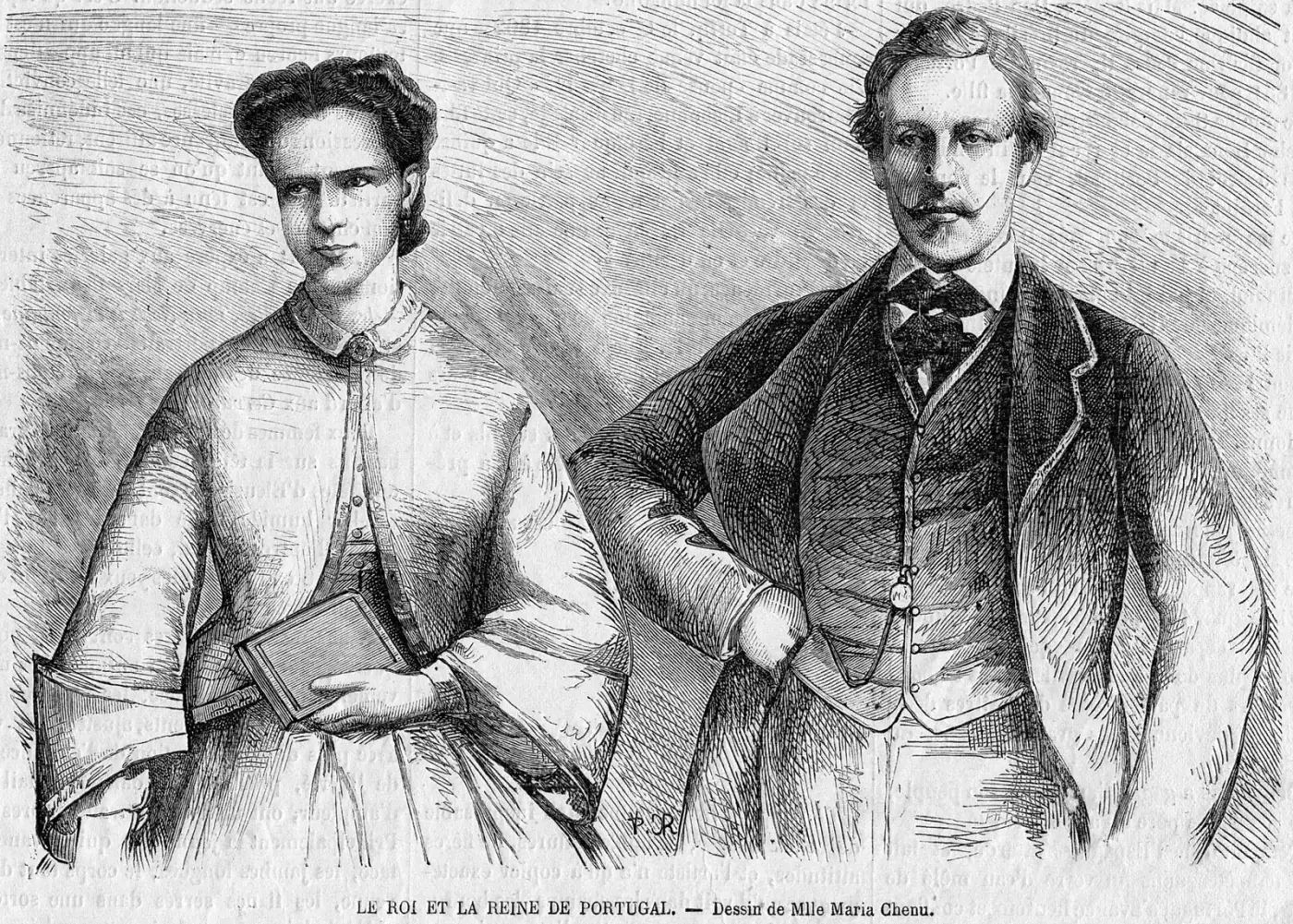
- On 1 July 1867, at the Ajuda palace in Lisbon, King Luís I signed a penal and prison reform whose first article read: “The death penalty is abolished.” It covered civil crimes; military crimes were left out.
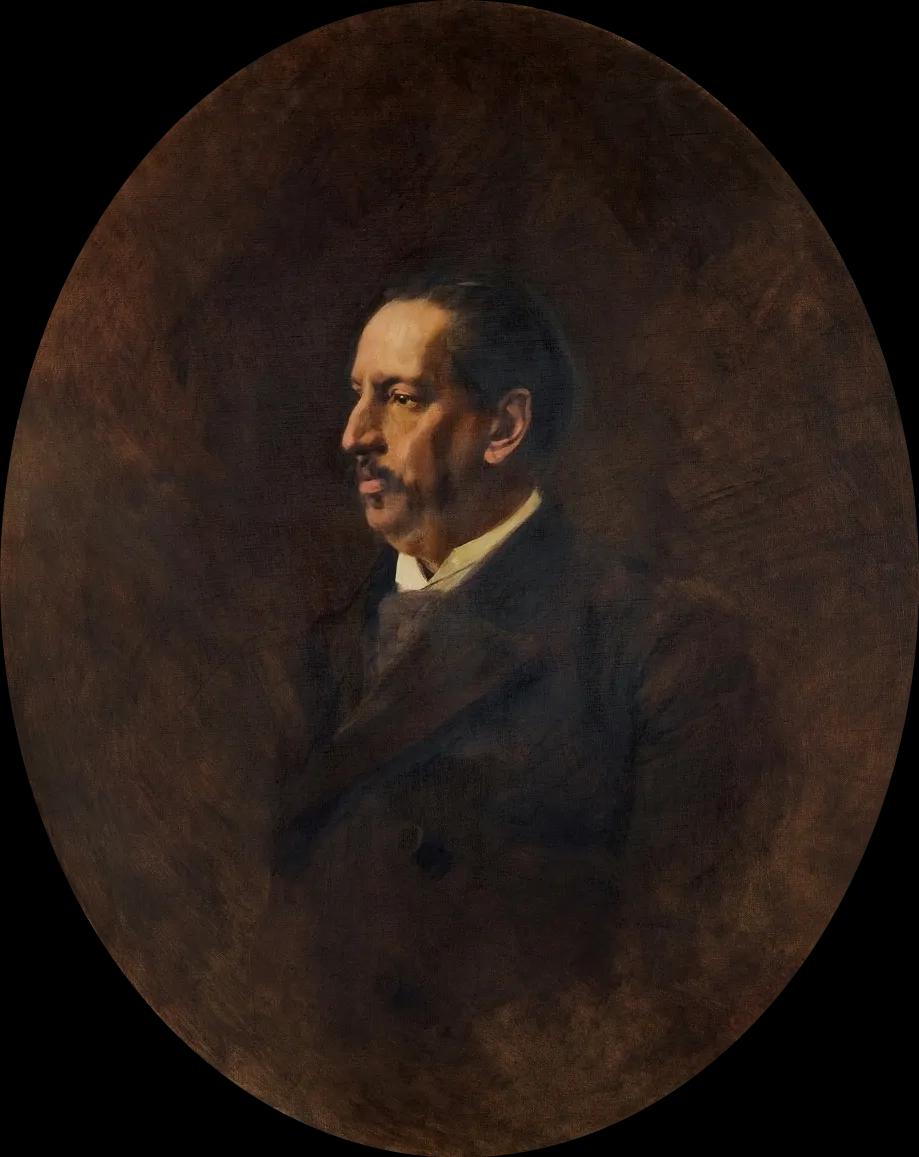
- The bill came from the justice minister, Augusto César Barjona de Freitas. The Chamber of Deputies passed it by 90 votes to 2 after a debate on 18 to 21 June, and the Chamber of Peers approved it on 26 June.
- The last known execution for a civil crime in mainland Portugal was a hanging at Lagos on 22 April 1846 (Amnesty International gives 1849), and the death penalty for political crimes had gone in 1852. Life imprisonment in a solitary cell replaced it.
- Victor Hugo wrote from exile that “from today Portugal is at the head of Europe”. Venezuela (1863) and San Marino (1848 and 1865) had abolished it earlier.
- A decree of 1870 extended abolition to the colonies. The Republic abolished it for all crimes in 1911 but restored it for war in 1916, and a soldier was shot in Flanders in 1917. The 1976 constitution banned it in all cases.
A signature at the Ajuda palace
On Monday 1 July 1867 King Luís I put his name to several laws at the Ajuda palace in Lisbon. One allowed 2,584,000 réis of extra spending on the Chamber of Peers' building. Another handed the ruined convent of São Paulo to the town council of Vila Viçosa. A third, countersigned by the justice minister, Augusto César Barjona de Freitas, approved a “penal and prison reform” of 64 articles.
Its first article was six words long in Portuguese: “Fica abolida a pena de morte”, the death penalty is abolished. The second abolished the penalty of forced public works. The third said that crimes for which the penal code had prescribed death would now be punished by life imprisonment in a cell.
Nobody was spared by the signature, because as far as is known nobody had been executed in mainland Portugal for 21 years. The last hanging for a civil crime had taken place at Lagos, in the Algarve, on 22 April 1846. What changed on 1 July was the law: from then on no court in mainland Portugal could sentence anyone to death for a civil crime.
The law was published on Friday 12 July, in the Diário de Lisboa, then the government's official gazette. By then the king was abroad. His father, Fernando II, was governing as regent, and the Diário de Notícias reported that the royal couple were to arrive in Paris on 20 July, where Napoleon III had put a pavilion of the Tuileries palace at their disposal.
Gallows without hangmen
For centuries Portuguese law had prescribed death for a long list of crimes, set out in the fifth book of the Philippine Ordinances of the early seventeenth century. The liberal revolution of 1820 began to change that. The constitution of 1822 abolished torture, branding with hot irons, flogging and other cruel punishments, but kept the death penalty. In the civil war of 1832 to 1834 between liberals and absolutists, hangings came back.
After the war there was a pause: nobody was executed until 1837. Then, according to the report of the penal code commission of 1861, about thirty people were executed between 1837 and 1846. Maria I, João VI, Maria II and Pedro V regularly commuted death sentences, usually to degredo, exile to the colonies.
By the 1840s, Farinha says, it was hard to find anyone willing to work as an executioner. The hanging at Lagos in April 1846 was the last for a civil crime in mainland Portugal, as far as historians know. A talk at Lagos's 2017 commemoration named the condemned man as José Grande. Overseas, a man named João Agostinho de Moraes was hanged in Goa for murder and robbery on 5 May 1857.
Political crimes went first. In 1851 the Regeneration, the movement that brought Marshal Saldanha to power, opened a period of calm after the civil wars of the 1830s and 1840s, and its leaders wanted reconciliation. The Additional Act to the Constitutional Charter, sanctioned on 5 July 1852, abolished the death penalty for political crimes. During the debate the justice minister, António Luís de Seabra, said abolition ought to extend to civil crimes, but that the time was not yet right. The penal code of 1852 kept death for civil and military crimes.
Twenty years of argument
The abolitionists were an elite of law professors, jurists and writers who read Beccaria, Bentham and Victor Hugo. The historian Alexandre Herculano attacked the death penalty in an essay of 1838.
“Happily, intellectual and moral progress does not stop; the last obsession of the ages of barbarism will pass; the word hangman will become an archaism; and the gallows, rotten and eaten by worms, will one day be a monument to the delusions and errors of the past.”
The most persistent campaigner was António Aires de Gouveia, a Coimbra law professor, deputy and later a bishop. He toured prisons in Britain, France, Switzerland, Belgium, the Netherlands, Prussia, Austria and Spain, and in 1860 published a plan to reform Portuguese gaols. His argument was practical: give the country proper prisons that could reform criminals, and the gallows would no longer be needed.
In the budget debate of 1863 Gouveia went after the hangman's pay. The executioner, he told the Chamber, earned 49,200 réis a year, more than the 48,000 réis paid to a priest, and there had been no execution for 17 years. The Chamber agreed to cut the post from the budget, but his bill to abolish the death penalty itself went nowhere. When it came up for debate, the government answered that it was too late.
The crown took up the cause. In the Speech from the Throne on 2 January 1864, King Luís announced that the government would propose abolition. The justice minister, Gaspar Pereira da Silva, tabled a bill to abolish the death penalty altogether, citing the inviolability of human life and the impossibility of correcting a mistaken execution. The bill lapsed, with deputies still divided over military crimes.
The political ground then shifted. In 1865 the two rival liberal families, the Regenerators and the Historicals, formed a “fusion” government under Joaquim António de Aguiar, with Barjona de Freitas at Justice. Abolition stopped being a weapon in party fights. Farinha also describes King Luís as an abolitionist with liberal ideas.
The bill, the debate and the vote
Barjona de Freitas presented his prison and penal reform to the Chamber of Deputies at the end of February 1867: the Assembleia da República dates it to 27 February, the state archives service (DGLAB) to the 28th. The penal legislation committee approved it on 17 May. Unlike Gouveia, Barjona did not claim that the state had no right to kill. His case, like the committee's, was that nobody had shown the death penalty prevented crime, so a modern penal system could do without it.
The deputies debated the bill on 18 and 21 June. Gouveia and Francisco Gavicho argued from principle that human life was inviolable, and Gouveia still wanted military crimes included. Faria Rego wanted to keep death for murder, arson and counterfeiting, saying Portugal was not ready for the law. Cunha Salgado complained that the Chamber was letting itself be carried away by “that magical and seductive idea”.
“Portugal may today be downcast and small, but in my opinion, by the simple fact of abolishing the death penalty, it places itself at the head of European civilisation, and is at this solemn moment one of the first nations of the world.”
The Chamber passed the bill by 90 votes to 2; Cunha Salgado and Belchior Garcês voted against. Vaz and Estevens count five deputies who voted against or abstained, men who wanted the penalty kept on the statute book as a deterrent rather than used. The Chamber of Peers approved the bill by a large majority on 26 June, and the king sanctioned the Cortes decree five days later.
5 July 1852
Additional Act abolishes death for political crimes
1863
Aires de Gouveia proposes abolition in the budget debate
2 January 1864
Speech from the Throne promises an abolition bill
27 or 28 February 1867
Barjona de Freitas presents the penal and prison reform
17 May 1867
The penal legislation committee approves the bill
18 to 21 June 1867
Chamber of Deputies debates and passes it, 90 to 2
26 June 1867
Chamber of Peers approves it
1 July 1867
King Luís signs the law at the Ajuda palace
12 July 1867
The Diário de Lisboa publishes the law
What the law of 1 July said
- Name
- Carta de lei approving the “reforma penal e de prisões” (penal and prison reform)
- Signed
- Monday 1 July 1867, Ajuda palace, Lisbon, by King Luís I; countersigned by Augusto César Barjona de Freitas
- Passed by the Cortes
- Decree of 26 June 1867
- Published
- Diário de Lisboa, n.º 153, 12 July 1867
- Length
- 64 articles in 16 titles
- Scope
- Civil crimes in mainland Portugal and the adjacent islands; military crimes excluded
- Original
- Arquivo Nacional da Torre do Tombo, Lisbon
Death became life imprisonment in a cell, and the rest of the law rebuilt the scale of punishment around the same cell. Every other heavy penalty became a fixed term of solitary confinement, often followed by years of degredo in Africa, and the law ordered penitentiaries in Lisbon and Porto to hold the prisoners.
Portugal had none of these prisons, and little money to build them. The law's last article dealt with the gap. Until the cellular system was declared in force, judges had to pass sentence under the new law and, as an alternative, under the old code. Where the old code said death, they were never to impose it; the alternative was life at forced public works.
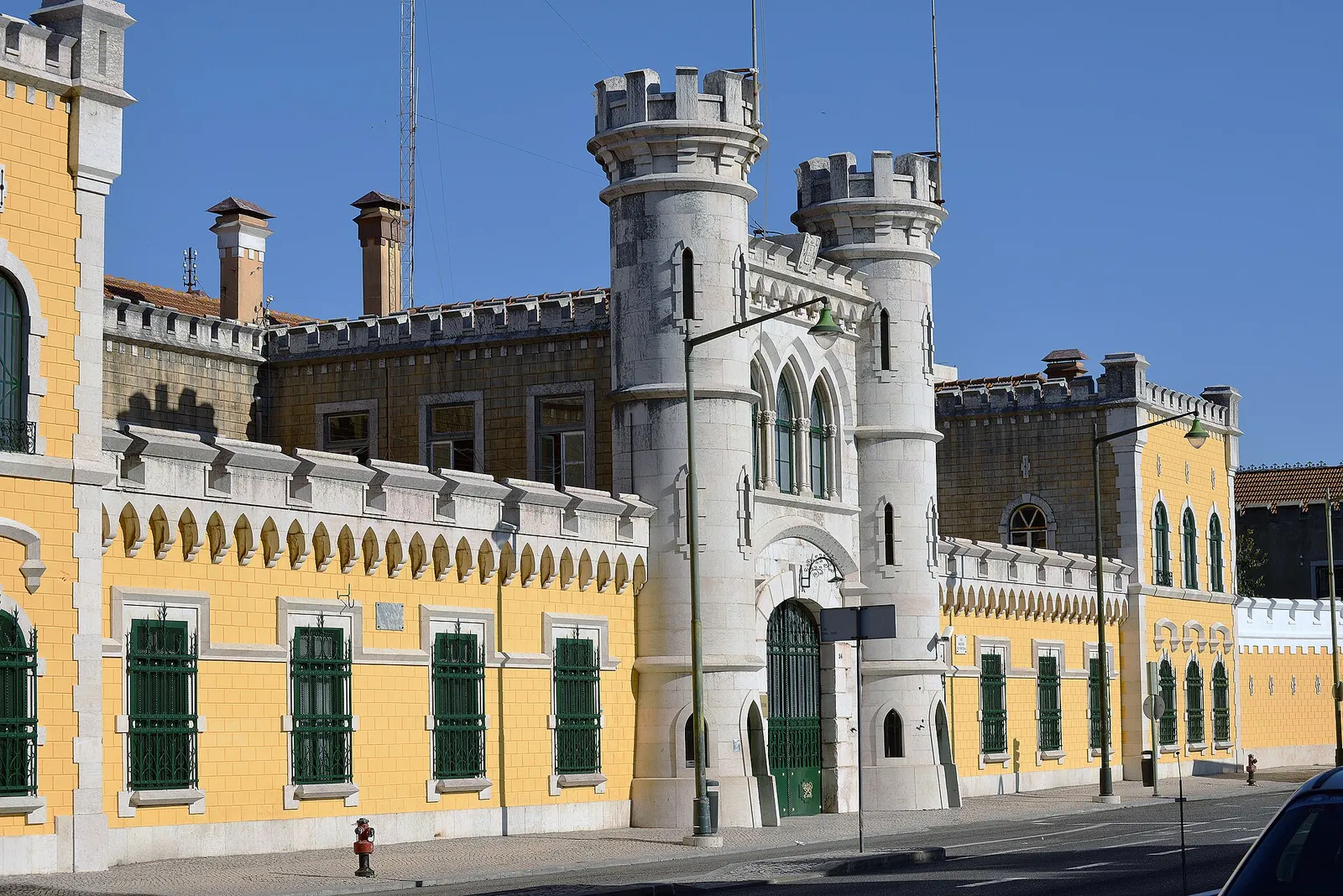
The gap lasted. The Lisbon penitentiary, begun in 1874 at the top of today's Parque Eduardo VII, opened only in 1885, and Farinha notes that it was fully working only in the early twentieth century.
The same day the king signed a separate law approving Portugal's first Civil Code. Its author was António Luís de Seabra, the minister who in 1852 had said abolition ought one day to reach civil crimes. The Seabra Code took effect in March 1868 and governed Portuguese private law until the Civil Code of 1966 replaced it.
Letters from Hauteville House
Victor Hugo, the French novelist, had attacked the death penalty since The Last Day of a Condemned Man in 1829. Banned from France, he had left in 1851, and since 1856 he had lived at Hauteville House on Guernsey, in the Channel Islands. Two Lisbon journalists wrote to him there that summer, and he answered both.
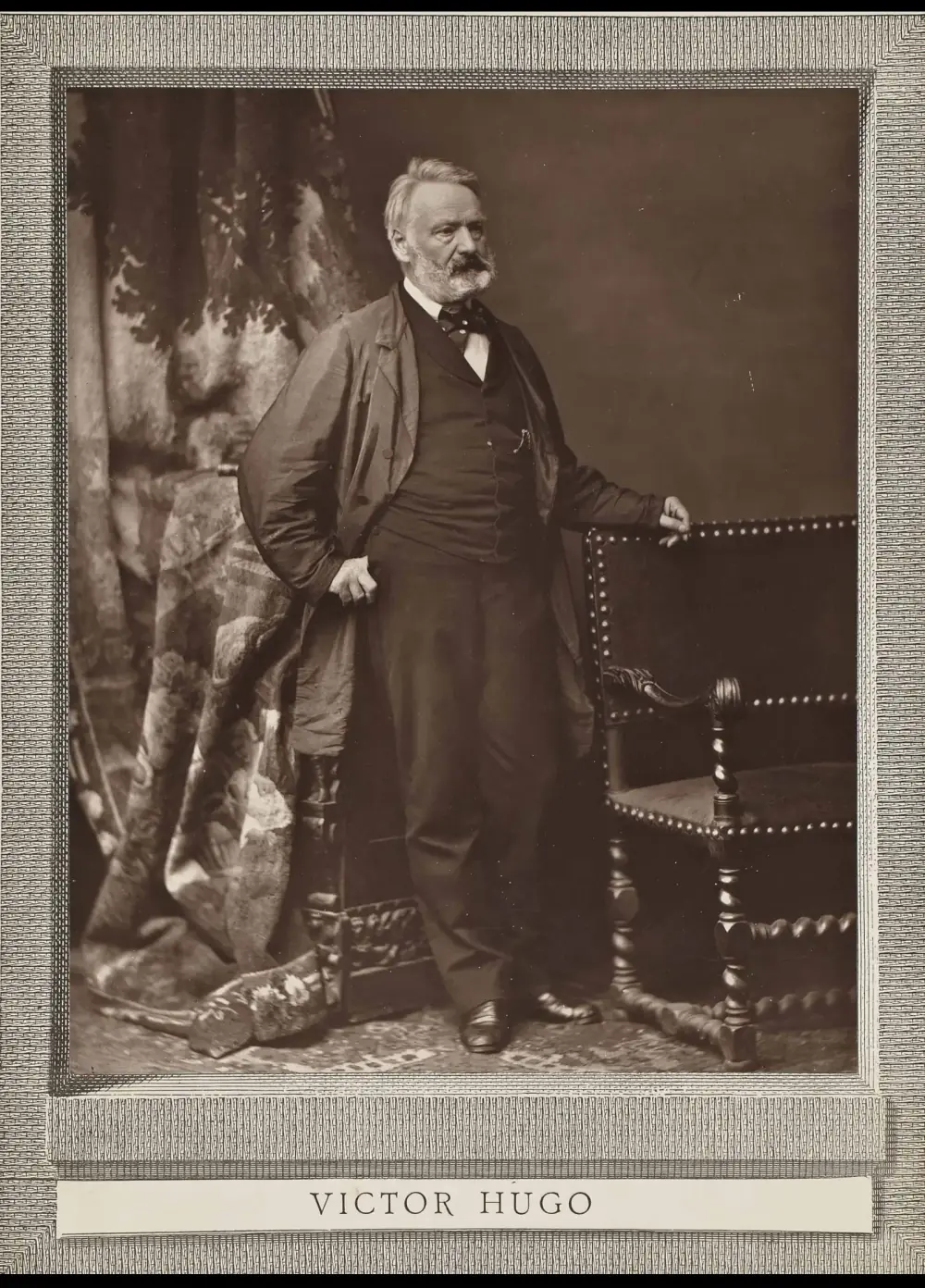
On 10 July the Diário de Notícias, which printed 15,800 copies that day, ran on its front page a letter from Hugo to its founder and editor, Eduardo Coelho, who had sent him some of his writings. It was dated 2 July and printed in Portuguese. “The death penalty is thus abolished in that noble Portugal, a small people that has a great history!” Hugo wrote. “Portugal gives the example to Europe. Enjoy that immense glory in advance. Europe will imitate Portugal. Death to death! War on war! Hatred to hatred! Long live life!”
A second journalist, Pedro de Brito Aranha, wrote to Hugo on 27 June that both chambers had voted for abolition. “It is a great law in a small nation,” he told him. Hugo answered on 15 July.
“No, there are no small peoples. There are small men, alas! ... Portugal has just abolished the death penalty. To accomplish this progress is to take the great step of civilisation. From today Portugal is at the head of Europe. You Portuguese have not ceased to be intrepid navigators. You go forward, once on the ocean, today in truth. To proclaim principles is more beautiful still than to discover worlds.”
The colonies, the army and a firing squad in Flanders
The 1867 law had not been ordered into force overseas, and judges in the colonies disagreed about whether to apply it. A decree of 9 June 1870 settled the matter: the death penalty was abolished for civil crimes in all the overseas provinces. The ministers' report reminded the king that he had already signed the law ending slavery, and argued that a small nation could still give the world noble examples.
Military crimes were another matter. The Military Justice Code of 1875 kept the death penalty. The Republic, proclaimed in 1910, abolished it for all crimes including military ones, and the constitution of 1911 banned it. One source, the programme of a 2017 commemoration in Lagos, dates abolition for military crimes to 1900 instead.
The First World War brought it back. Law 635 of 28 September 1916 replaced the ban with a new article: the death penalty could not be restored in any case, even under a state of siege, except in a war with a foreign country, as far as it was indispensable and only in the theatre of war.
One man died under it. João Ferreira de Almeida, a 23-year-old soldier of the Portuguese Expeditionary Corps from Porto, spent about seven weeks in the trenches in Flanders. A court martial convicted him of treason for trying to go over to the enemy, and he was shot on 16 September 1917. He is buried at Richebourg in France, beside 1,831 other soldiers.
The wartime exception survived into the Estado Novo constitution of 1933. Deputies called for the death penalty after the murder of President Sidónio Pais in 1918, after the Bloody Night of October 1921, when the prime minister António Granjo was murdered in Lisbon, after the bomb attack on Salazar in 1937 and as late as January 1974; none of these calls became law.
9 June 1870
Abolition for civil crimes extended to the overseas provinces
1875
Military Justice Code keeps the death penalty for soldiers
1885
Lisbon Penitentiary opens
1911
The Republic abolishes the death penalty for all crimes
28 September 1916
Law 635 allows it again in a foreign war, in the theatre of war
16 September 1917
Soldier João Ferreira de Almeida is shot in Flanders
1976
The new constitution bans the death penalty in all cases
15 April 2015
The 1867 law receives the European Heritage Label
16 September 2017
The state morally rehabilitates João Ferreira de Almeida
Why it still matters
The constitution adopted in 1976, two years after the revolution of 25 April 1974, closed the last exception. Article 24 says that human life is inviolable and that “in no case shall there be the death penalty”. Portugal also refuses to extradite anyone for a crime that carries the death penalty in the requesting state.
Portugal was not the first country to abolish the death penalty, though it is sometimes described that way. Amnesty International's list gives earlier dates for San Marino and Venezuela. It was among the first states to remove it from the law for ordinary crimes and never put it back: Vaz and Estevens point out that neither the regicide of 1908, the violence of the First Republic nor Salazar's dictatorship brought it back for civilians.
| Country | Abolished for ordinary crimes | Abolished for all crimes | Last execution |
|---|---|---|---|
| San Marino | 1848 | 1865 | 1468 (last known) |
| Venezuela | 1863 | ||
| Portugal | 1867 | 1976 | 1849 (last known) |
| Netherlands | 1870 | 1982 | 1952 |
| Costa Rica | 1877 | ||
| Norway | 1905 | 1979 | 1948 |
| Ecuador | 1906 | ||
| Uruguay | 1907 | ||
| Colombia | 1910 | 1909 |
Countries in the list that had abolished the death penalty, for ordinary or all crimes, by 1910; blank cells are blank in the source. Amnesty gives 1849 as Portugal's last known execution; Portuguese historians give the hanging at Lagos on 22 April 1846. States that no longer exist, such as the Grand Duchy of Tuscany, which had abolished it earlier, are not in the list.
In April 2015 the European Union gave the charter of the 1867 law the European Heritage Label, calling it one of the first examples of a national legal system permanently suspending the death penalty. In September 2017, for the 150th anniversary, the government and President Marcelo Rebelo de Sousa granted João Ferreira de Almeida a symbolic moral rehabilitation; the sentence itself was not reviewed.
FAQs
When did Portugal abolish the death penalty?
In stages. Political crimes in 1852; civil crimes by the law of 1 July 1867, extended to the colonies in 1870; all crimes, military included, under the Republic in 1911. A 1916 amendment allowed it again in a foreign war, and the constitution of 1976 banned it in all cases.
When was the last execution in Portugal?
The last execution for a civil crime in mainland Portugal was a hanging at Lagos on 22 April 1846, though Amnesty International gives 1849 as the last known execution. A man was hanged in Goa in 1857. The last person executed by the Portuguese state was the soldier João Ferreira de Almeida, shot in Flanders on 16 September 1917.
Was Portugal the first country to abolish the death penalty?
No. Amnesty International lists San Marino (1848 for ordinary crimes, 1865 for all) and Venezuela (1863) earlier. Portugal was among the first European states to abolish it for ordinary crimes, and it never restored it for civilians.
What did Victor Hugo say about Portugal's abolition?
In a letter to Eduardo Coelho of the Diário de Notícias dated 2 July 1867 he wrote that Portugal gave the example to Europe. In a reply to the journalist Brito Aranha dated 15 July he wrote that “from today Portugal is at the head of Europe” and that proclaiming principles was more beautiful than discovering worlds.
What replaced the death penalty in 1867?
Life imprisonment in a solitary cell. The law moved the whole penal system onto cellular prisons, with terms in a cell often followed by exile to Africa, and ordered new penitentiaries. The one in Lisbon opened only in 1885.
On the timeline
Open the timelineNearby moments from regeneration and the last kings (1851–1910).
The army doctor José António Marques founds the Portuguese Commission for Relief of Wounded and Sick Soldiers in Time of War, the body that became the Portuguese Red Cross, months after representing Portugal at the 1864 Geneva conference.
Lisbon's Santa Apolónia station is inaugurated on the riverfront below the Alfama. Its neoclassical building and 117-metre train shed replaced the makeshift terminus in the old convent of Santa Apolónia that had served since Portugal's first railway opened in 1856, and it remains the capital's oldest railway terminus.
Birth at Seixas, near Caminha, of Miguel Ventura Terra, the Paris-trained architect who shaped belle-époque Lisbon. He redesigned the debating chamber of the parliament at São Bento, built the Shaaré Tikvá synagogue, the Liceu Camões and the Teatro Politeama, and won the city's Valmor architecture prize four times.
Abolition of the death penalty
King Luís signs two laws passed by the Cortes: a penal reform abolishing the death penalty for civil crimes, among the first such abolitions in Europe, and another approving Portugal's first Civil Code, drafted by the Viscount of Seabra.
António Nobre, whose 'Só' (1892), the only book he published in his lifetime, became a landmark of Portuguese symbolist poetry, is born in Porto.
Birth of Manuel António Gomes, the 'Padre Himalaya', at Cendufe, Arcos de Valdevez. A priest so tall he was nicknamed after the mountains, he was a pioneer of solar power: his 'pyrheliophor', a 13-metre-high frame holding 6,117 small mirrors that melted metals with sunlight, was reported to have won a grand prize at the 1904 St Louis World's Fair and was hailed by the 'New York Times'.
Carlos Viegas Gago Coutinho is born in Lisbon. A naval officer and geographer who adapted the sextant for use in aircraft, he navigated the first aerial crossing of the South Atlantic with Sacadura Cabral in 1922, a feat celebrated on both sides of the ocean.
Coming up in history
All long reads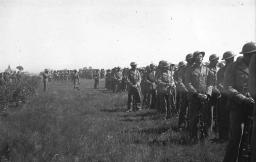 4 July 1937The bomb in Avenida Barbosa du Bocage: the 1937 attempt on Salazar
 5 July 1975Cape Verde becomes independent: Praia, 5 July 1975
 6 July 2010Matilde Rosa Araújo, teacher and children's writer, dies in Lisbon: 6 July 2010
 7 July 1923Guerra Junqueiro, the poet who mocked God and king, dies in Lisbon
22 sources
Archives, scholarship and reporting this article was checked against.
- 1
Carta de lei de 1 de julho de 1867 e Reforma penal e de prisões (Collecção Official da Legislação Portugueza, 1867, pp. 269-274)Faculdade de Direito da Universidade de Coimbra, Comemorações dos 150 anos da abolição da pena de morte
- 2
Abolição da pena de morte e mudança institucional: Portugal, 1867 (Maria João Vaz and João Estevens)Sociologia, Problemas e Práticas, n.º 95 (2021), pp. 85-102
- 3
A abolição da pena de morte no Parlamento (1821-1976)Assembleia da República, ComunicAR, November 2022
- 4
150 anos da Abolição da Pena de Morte em PortugalArquivo Distrital de Leiria (DGLAB), 3 July 2017
- 5
Factos e Homens do Meu Tempo: memorias de um jornalista, vol. II (Brito Aranha, Lisbon, 1908), pp. 199-202Hemeroteca Municipal de Lisboa
- 6
- 7
- 8
The Death Penalty: List of Abolitionist and Retentionist Countries (1 January 2000), AI Index ACT 50/05/00Amnesty International
- 9
Sessão comemorativa dos 150 anos da abolição da pena de morte em Portugal (programme, 30 June 2017)Câmara Municipal de Lagos
- 10
- 11“A pena de morte estava abolida na consciência social desde 1840” (interview with Luís Farinha, director of the Museu do Aljube)Diário de Notícias, 30 June 2017
- 12
A Carta Constitucional portuguesa de 1826 (José Miguel Sardica)Historia Constitucional, no. 13 (2012), pp. 527-561, Universidad de Oviedo
- 13
Charter of LawDireção-Geral do Livro, dos Arquivos e das Bibliotecas, 150 Anos da Abolição da Pena de Morte em Portugal
- 14
O Pátio das Antigas: a Penitenciária em construção (Eurico de Barros)Time Out Lisboa, 20 March 2022
- 15
Documento do mês de julho: Direito e Liberdade, o primeiro Código Civil português, aprovado por Carta de Lei de 1 de julho de 1867Arquivo da Universidade de Coimbra
- 16
The Civil Code in Portugal and Goa: common heritage and future prospects (Dário Moura Vicente)Faculdade de Direito da Universidade de Lisboa
- 17
Hauteville HouseGuernsey Museums
- 18Quando Victor Hugo elogiou Portugal por abolir a pena de morteDiário de Notícias, 1 January 2017
- 19Presidente da República associa-se a “reabilitação moral” de soldado condenado a pena de morteDiário de Notícias, 16 September 2017
- 20
- 21
Constituição da República Portuguesa, artigo 11.º (Símbolos nacionais e língua oficial)Assembleia da República
- 22
Charter of Law of Abolition of the Death Penalty, Lisbon, PortugalEuropean Commission, European Heritage Label
Image credits
- King Luís I and Queen Maria Pia of Portugal, engraved after a drawing by Maria Chenu for L'Exposition universelle de 1867 illustrée. Luís signed the abolition law on 1 July 1867; within days the couple left on a journey that was to bring them to Paris on 20 July. Maria Chenu, illustratrice, Public domain, via Wikimedia Commons.
- Augusto César Barjona de Freitas (1834-1900), the justice minister who presented the 1867 reform, painted by Columbano Bordalo Pinheiro. The Assembleia da República, which owns the portrait, dates it to 1909, after the sitter's death. Columbano Bordalo Pinheiro, Public domain, via Wikimedia Commons.
- The gatehouse of the Lisbon Penitentiary, now the Estabelecimento Prisional de Lisboa, on Rua Marquês de Fronteira in 2015. Built between 1874 and 1885 for the cellular system of the 1867 law, it is still a prison. Harvey Barrison from Massapequa, NY, USA, CC BY-SA 2.0, via Wikimedia Commons.
- Victor Hugo photographed in Brussels by Bertall; the print is dated 1867, the year he wrote to Lisbon about the abolition. Bertall, Public domain, via Wikimedia Commons.