

Matilde Rosa Araújo, teacher and children's writer, dies in Lisbon: 6 July 2010
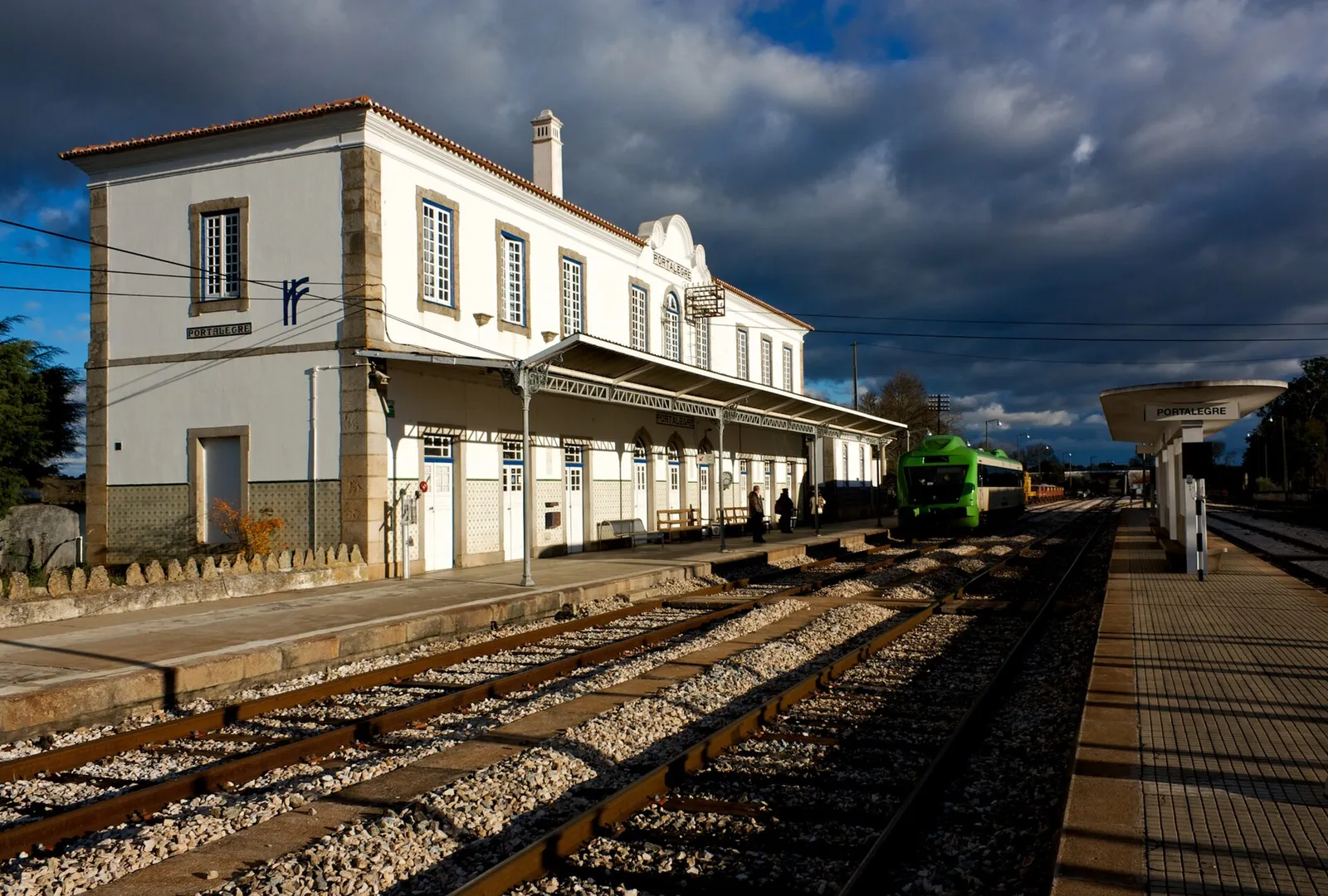
She never went to school as a child, then spent more than forty years teaching. She began her poems and stories for children on the train to Portalegre in the 1950s, and a younger writer called her “a kind of mother” to those who followed.
At a glance
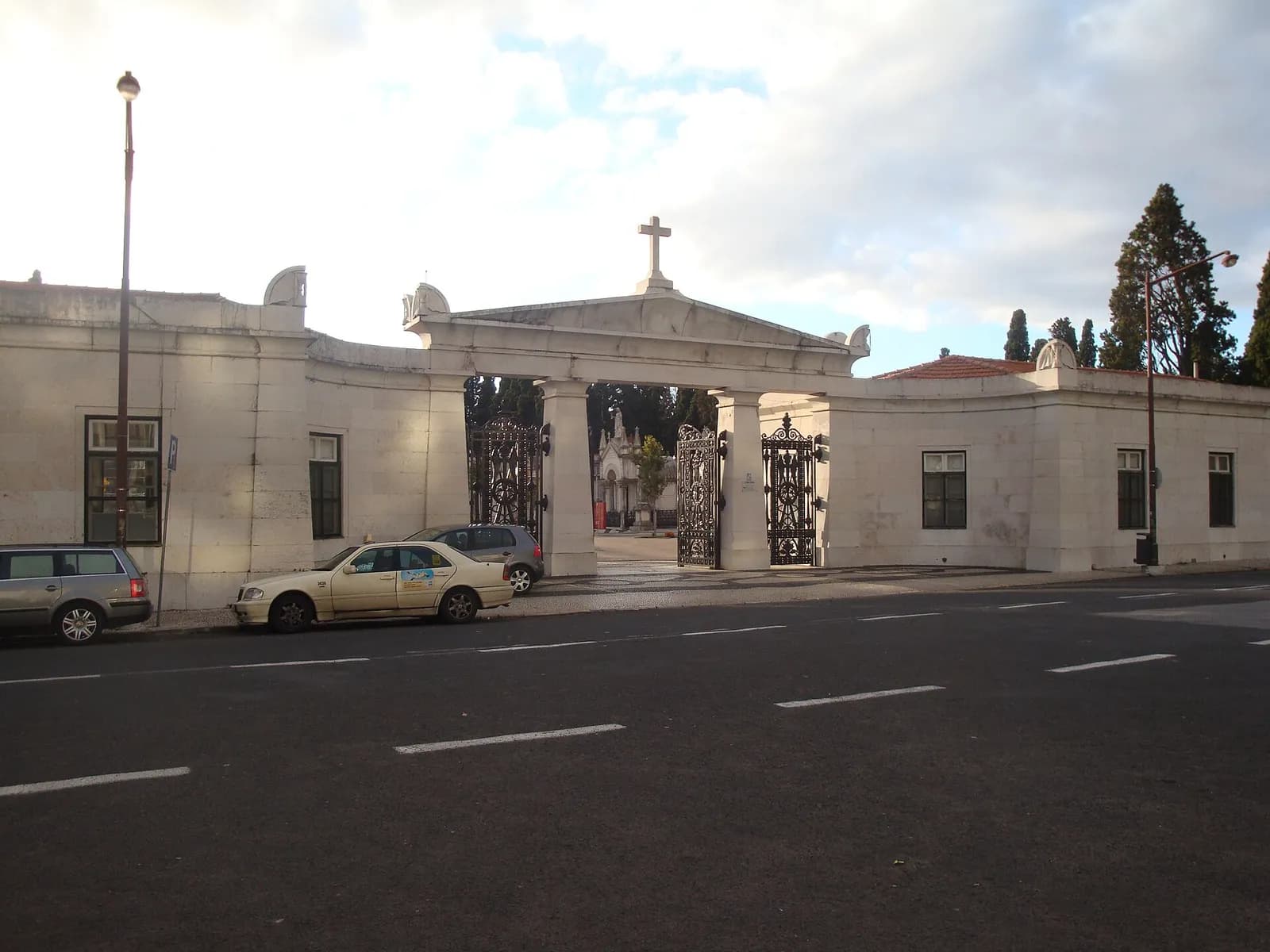
- Matilde Rosa Araújo died at her home in Lisbon in the early hours of Tuesday 6 July 2010, aged 89, after a long illness. Her funeral was held at the Prazeres cemetery the next afternoon.
- Born in Benfica, then still farmland, on 20 June 1921, she was taught at home by tutors, took a degree in Romance Philology in 1945 and taught for more than forty years in technical schools and at Lisbon's teacher-training college.
- Her first children's book, the poems of O Livro da Tila (1957), was the first of more than twenty for children, among them O Palhaço Verde and O Sol e o Menino dos Pés Frios.
- She was a founding member of the Portuguese Committee for UNICEF, set up in 1979, and of the Instituto de Apoio à Criança, a children's charity founded in 1983, whose bulletin she edited.
- The Gulbenkian Foundation gave her its Grande Prémio for children's literature in 1980, shared with Ricardo Alberty, and a lusophone story prize in Trofa carries her name.
A Tuesday in July
In the 1950s a young teacher from Lisbon spent long hours on the train to Portalegre, in the Alentejo, where she had a post, and back. On those journeys Matilde Rosa Araújo wrote the short poems about a little girl called Tila that became O Livro da Tila (1957), her first book for children and the first of more than twenty.
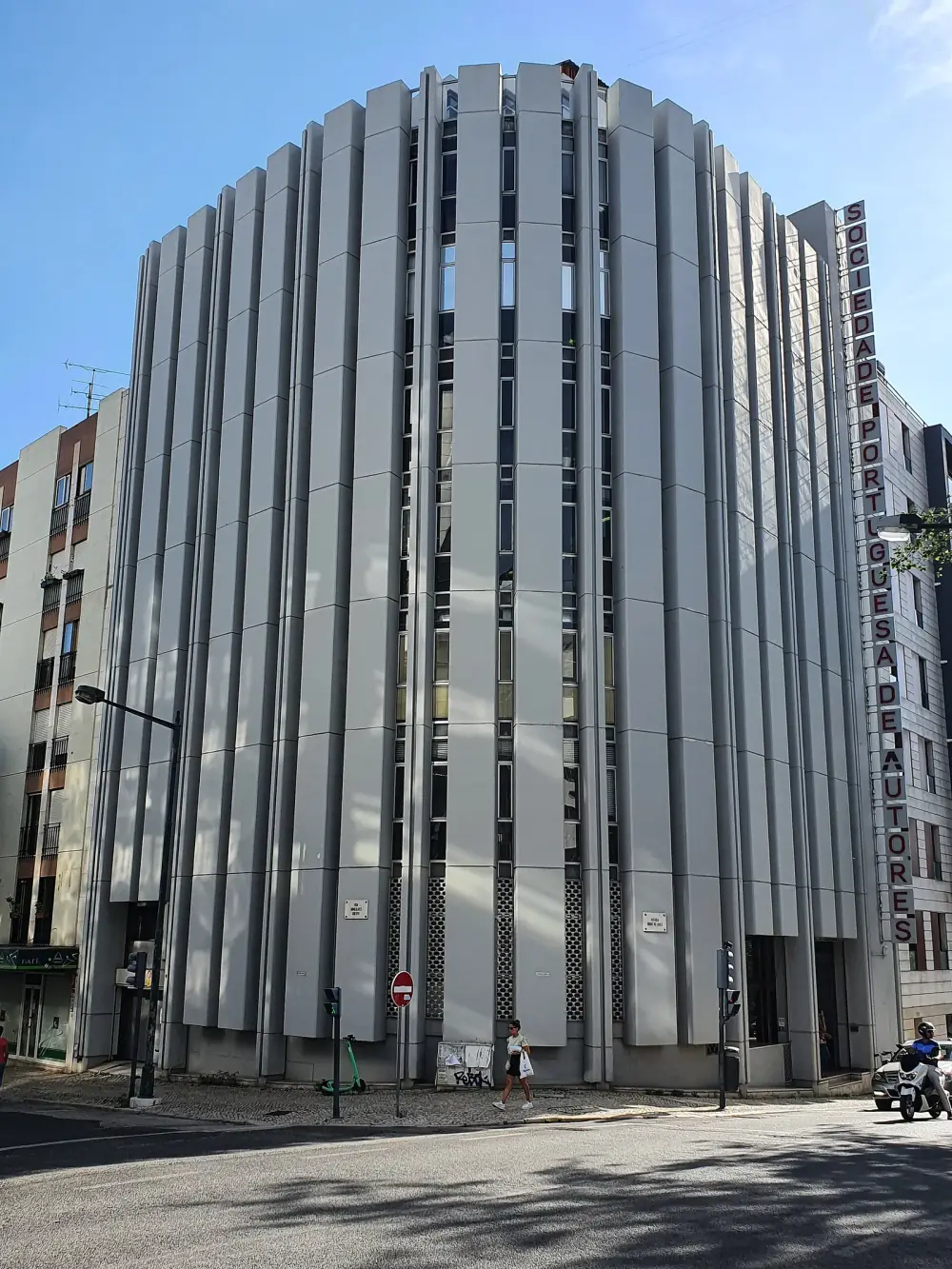
She died in the early hours of Tuesday 6 July 2010, at home in Lisbon. She was 89 and had been ill for a long time. Her body was taken to lie in state at the Sociedade Portuguesa de Autores (SPA), the authors' society she had joined in December 1969.
Messages came from President Aníbal Cavaco Silva and from the Ministry of Culture, which said she had revolutionised writing for children and young people. The education minister, Isabel Alçada, was a children's writer herself. Her co-author, Ana Maria Magalhães, remembered the card Matilde Rosa Araújo sent them a few days after their first book, Uma Aventura na Cidade, came out, when they were still unknown primary-school teachers.
“It is a kind of mother who dies on us, because she always found a way to help younger writers, not only intellectually but emotionally.”
Cascais, the town west of Lisbon, announced that day that it would award her its Medal of Honour, citing the many years she had lived there. The funeral was held at three in the afternoon of Wednesday 7 July at the Prazeres cemetery in Lisbon.
- Full name
- Matilde Rosa Lopes de Araújo
- Born
- Monday 20 June 1921, at her grandparents' quinta in Benfica, Lisbon
- Died
- Tuesday 6 July 2010, at home in Lisbon, aged 89
- Funeral
- Wednesday 7 July 2010, Prazeres cemetery, Lisbon
- First children's book
- O Livro da Tila (1957)
- Main prize
- Gulbenkian Grande Prémio de Literatura para Crianças, 1980 (shared)
A girl on the roof
She was born on 20 June 1921 on her grandparents' quinta, a small country estate, in Benfica, then a rural edge of Lisbon. She remembered flowers, trees and animals there, and her paternal grandmother's far-off village. She did not go to school. Private tutors taught her at home until she went to university.
“I never went to any school. How many times did I climb onto the roof of the houses where I lived to watch the children going to school? Perhaps that is why childhood found me when I began to teach.”
At the Faculty of Letters in Lisbon she studied under the critic Jacinto do Prado Coelho and the poet Vitorino Nemésio, alongside future writers such as Sebastião da Gama, David Mourão-Ferreira, Urbano Tavares Rodrigues and Luísa Dacosta. She also took the advanced course at the Lisbon Conservatory.
Her first book came out while she was still a student. A Garrana (1943), a novella about euthanasia, won “Procura-se um Novelista” (A Novelist Wanted), a contest run by the Lisbon daily O Século and the radio station Rádio Clube Português; the novelist Aquilino Ribeiro sat on the jury. She graduated in Romance Philology in 1945 with a thesis on reportage as a literary genre.
Forty years of pupils
She became a teacher in the technical schools and moved where the posts were: Lisbon, Barreiro across the Tagus, Portalegre and Elvas in the Alentejo, and Porto, where she was given a permanent post. She taught for more than forty years. She called herself a teacher of children, “meninos do meu amar”, the children of her loving.
“It was they who gave me the blood to live.”
The people she met went into her books. In Portalegre she became a friend of the poet José Régio, and a visit to a poor provincial circus there gave her O Palhaço Verde (The Green Clown).
The boy in O Sol e o Menino dos Pés Frios (The Sun and the Boy with Cold Feet) was Joaquim, who sold paper windmills on the beach at Cabedelo, near Viana do Castelo, and was her beach companion for two years; his parents worked the fairs and he slept in a roadside tavern.
She wrote for adults too: stories and poems such as Estrada Sem Nome, which won a story contest at the Faculty of Letters, Praia Nova, O Chão e as Estrelas and Voz Nua. For decades she also wrote for newspapers and magazines, among them the Diário de Lisboa, the Diário de Notícias, the Jornal do Fundão, Vértice, Seara Nova and Colóquio/Letras.
For most of her working life Portugal was a dictatorship. The Estado Novo (New State) regime lasted until the revolution of 25 April 1974, and until then writers worked under censorship.
Tila, the green clown and the boy with cold feet
O Livro da Tila (Tila's Book) appeared in 1957. Its short poems follow a little girl, Tila, through her first encounters with the world: the sea, the birds nesting under the eaves, her mother, and the poor of Lisbon, from the washerwoman to the chestnut seller. The composer Fernando Lopes-Graça wrote a children's song for each poem; they were later published, with his manuscript scores and drawings by Maria Keil, as As Cançõezinhas da Tila (1998).
Ten years later O Cantar da Tila followed the girl into adolescence. In one poem she sees a silent, poor young man in overalls sweeping up leaves, says that if he looks at her she is ashamed of life, and asks him to forgive her clothes. José António Gomes saw in such poems a Franciscan gaze on the poor, and Luci Ruas, a Brazilian scholar of Portuguese literature, follows him; many of the Tila poems use the seven-syllable line of Portuguese folk song.
Her friends called her Tila. The critic José António Gomes, who wrote part of a thesis on her work, recalled hearing her deny that the girl was her younger self, with a look half serious and half mischievous.
Gomes divided her work into three themes: golden childhood, assaulted childhood and childhood as a project for society. Asked about the scheme, she explained each. The golden one, she told the interviewer, was a wise innocence that sees things for the first time; the assaulted one was the many children still mistreated, in Portugal and in wars abroad that put weapons in children's hands.
“In many texts the neo-realist inheritance is reflected, in the attention to reality and to the lives of ordinary characters, in social concerns and in confidence in the possibility of a new life.”
Her stories could be political without slogans. In O Cavaleiro sem Espada (The Knight without a Sword, 1979) a lonely knight in black meets a young woman glittering with gold who cannot understand why he carries no weapon. He has no use for one; the two ride off together on a horse that is no longer black. Ruas reads it as a fairy tale that takes apart the old myths of heroism and power.
She worked with several generations of illustrators, from Maria Keil, the painter who tiled most of the first Lisbon Metro stations, to Gémeo Luís and João Fazenda. She also directed a children's series, Bandeiras de Todo o Mundo (Flags of the Whole World). Counts of her books vary with what is counted: about forty for children and adults in the press obituaries, more than fifty in the National Library's, before textbooks and anthologies are added.
| Year | Title | Notes |
|---|---|---|
| 1943 | A Garrana | Novella about euthanasia; won O Século's “Procura-se um Novelista” contest |
| 1957 | O Livro da Tila | Her first children's book: poems, set to music by Fernando Lopes-Graça |
| 1962 | O Palhaço Verde | Born of a poor circus in Portalegre; best foreign book, São Paulo art critics, 1991 |
| 1967 | O Cantar da Tila | Poems that follow Tila into adolescence |
| 1971 | O Sol e o Menino dos Pés Frios | Stories; the boy was a windmill seller on Cabedelo beach |
| 1979 | O Cavaleiro sem Espada | A fairy tale of a knight with no sword |
| 1994 | As Fadas Verdes | Poems; Gulbenkian prize for the best children's book of 1994–95 |
| 2008 | Lucilina e Antenor | Presented at the SPA on her 87th birthday |
| 2010 | Florinda e o Pai Natal | Unpublished at her death; announced for October 2010, with drawings by Maria Keil |
First-edition years differ between sources. She dated O Palhaço Verde to 1962 and O Sol e o Menino dos Pés Frios to 1971 in her interview with A Página da Educação; Luci Ruas gives 1960 and 1972, and the Plano Nacional de Leitura also gives 1972 for the second.
“The child has a voice”
Guilherme d'Oliveira Martins, president of the Centro Nacional de Cultura, said after her death that she had begun very early to argue that children should be seen as holders of rights and citizens. She put it more plainly: the true root of a just society, she told an interviewer, lay in the rights of the child and in actually honouring them.
In 1979, the United Nations' International Year of the Child, a Portuguese Committee for UNICEF was set up to raise money and campaign for children's rights. She was among its founding members. Ten years later, on 20 November 1989, the UN adopted the Convention on the Rights of the Child, which Portugal ratified on 21 September 1990, about ten months later.
In 1983 Manuela Ramalho Eanes founded the Instituto de Apoio à Criança (IAC), a children's charity, with a group that included João dos Santos, Sérgio Niza, Luísa Ducla Soares and Matilde Rosa Araújo. She took part in its bulletin from the start and was formally its director from the fifteenth issue, dated September–October 1991.
Manuela Eanes recalled one of her lines: for Matilde, the child was still “a kind of emigrant and immigrant in our world”. In one bulletin editorial she wrote against war. She also wrote a poem, “Os Direitos da Criança” (The Rights of the Child), which the IAC published on its website.
“The child has a voice, and listening to that voice, often even without words, is very important.”
Prizes, late and many
Recognition came mostly after the revolution. The literary scholar Ângela Balça lists her among the children's authors already at work before 1974 who carried on afterwards, when the end of censorship let new writers in and children's books began to be studied seriously. In the early 1980s the Gulbenkian Foundation set up prizes for children's literature.
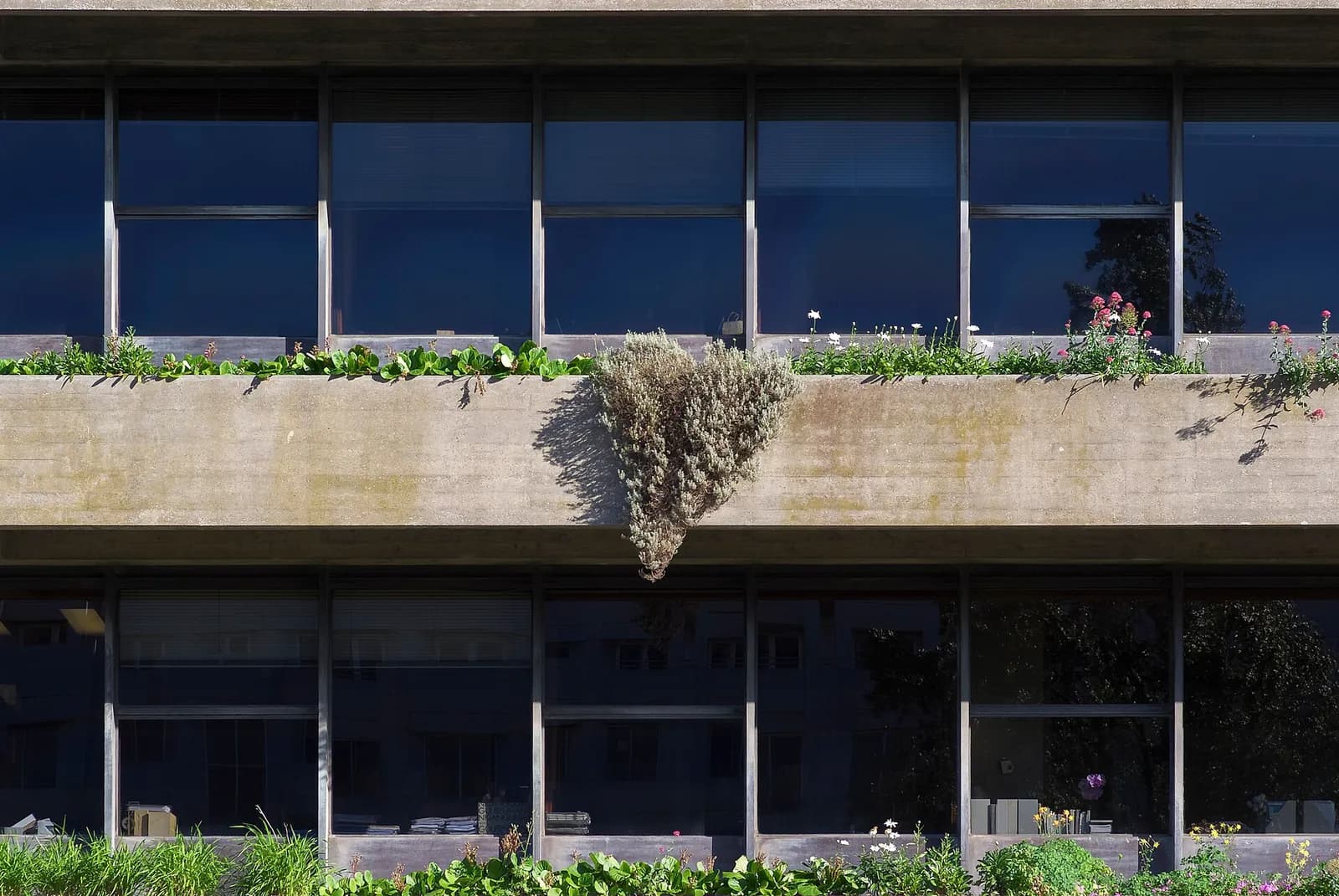
In 1980 the foundation gave its Grande Prémio to her and Ricardo Alberty jointly. A São Paulo critics' prize followed in 1991, another Gulbenkian prize in 1996, and in 2003 and 2004 honours from the state and from her fellow authors.
| Year | Honour | Given by |
|---|---|---|
| 1943 | First prize in the “Procura-se um Novelista” contest, for A Garrana | O Século and Rádio Clube Português |
| 1980 | Grande Prémio de Literatura para Crianças, shared with Ricardo Alberty | Calouste Gulbenkian Foundation |
| 1991 | Best foreign book, for O Palhaço Verde | Associação Paulista de Críticos de Arte, São Paulo |
| 1994 | Nominated for the Hans Christian Andersen Award | Portuguese section of IBBY |
| 1996 | Best children's book published in 1994–95, for As Fadas Verdes | Calouste Gulbenkian Foundation |
| 2003 | Grande-Oficial of the Order of Prince Henry, presented on 8 March | President Jorge Sampaio |
| 2004 | Prémio Consagração de Carreira (career prize), voted in November 2003 | Sociedade Portuguesa de Autores |
| 2005 | Medal of Honour | Sociedade Portuguesa de Autores |
| 2006 | Nominated for the Hans Christian Andersen Award (announced by IBBY, July 2005) | Portuguese section of IBBY |
| 2010 | Medal of Honour, announced on the day she died | Câmara Municipal de Cascais |
IBBY, the International Board on Books for Young People, gives the Hans Christian Andersen Award; its national sections nominate an author and an illustrator.
“It is a very great generosity, for a career that gave more to me than I gave to it.”
Luísa Ducla Soares remembered her as so kind that it was hard to sit on a prize jury with her, because she found something good even in bad work. On her 87th birthday, Friday 20 June 2008, the SPA held a tribute to her, unveiled a commemorative plaque and launched her new story, Lucilina e Antenor, presented by the writers Alice Vieira, António Torrado and José Jorge Letria.
In old age she still went to schools when they invited her. She went, she told interviewers from the Gulbenkian Foundation's Casa da Leitura, on legs that were no longer very able but still carried her, because she liked it so much: there she received love and gave it. In 2009 Adélia Carvalho published a fictionalised life of her for children, Matilde Rosa Araújo: um olhar de menina, illustrated by Marta Madureira.
A life in dates
20 June 1921
Born in Benfica, Lisbon
On her grandparents' quinta; taught at home by private tutors.
1943
A Garrana
Wins O Século's contest for new novelists.
1945
Graduates
Romance Philology, Faculty of Letters, Lisbon; thesis on reportage.
1957
O Livro da Tila
Her first book for children.
1965
Writers' Society closed
The regime shuts the society after its prize to Luandino Vieira's Luuanda.
1979
UNICEF committee
Founding member of the Portuguese Committee for UNICEF.
1980
Gulbenkian Grande Prémio
Shared with Ricardo Alberty.
1983
Instituto de Apoio à Criança
Founding member; later director of its bulletin.
May 2004
SPA career prize
6 July 2010
Dies at home in Lisbon
Lies in state at the SPA.
7 July 2010
Funeral
Prazeres cemetery, 3 pm.
20 June 2021
Centenary
Marked by the President of the Republic.
After her death
The National Library in Lisbon put on a small show of her books from 17 to 30 September 2010. On the day she died, her publisher, Calendário, said it would bring out in October the last story she had left unpublished, Florinda e o Pai Natal, with drawings by Maria Keil, who had illustrated her books for decades.
The IAC gave the cover of its next bulletin to her. Manuela Eanes wrote that Matilde had won many prizes but, out of modesty, never liked to talk about them. José António Gomes wrote that her stories were meant to be read aloud, slowly, and that anyone who had never heard her read had heard nothing.
Why she is still read
Her books are still being reissued. Caminho reissued O Livro da Tila in 2010 with new drawings by Madalena Matoso, and Livros Horizonte reissued O Sol e o Menino dos Pés Frios in 2015 with illustrations by Ana Afonso. The Plano Nacional de Leitura, the government's reading programme, marked her centenary with a page of her words, the songs made from her poems and her books.
On 20 June 2021, her hundredth birthday, President Marcelo Rebelo de Sousa published a video in which Luísa Ducla Soares, on a balcony of the Belém Palace, read “Ó Minha Cidade Bela!” from O Cantar da Tila. It begins: “Oh my beautiful city, made of river and of sea.”
Her name is on a school, the Escola Básica 2,3 de São Domingos de Rana, and on the municipal library at Alcabideche, both in Cascais, which also created a prize for new children's writers in her name in 1998. The town of Trofa runs the Concurso Lusófono da Trofa, a story contest open to writers from every Portuguese-speaking country, whose main award, for the best children's story, is the Prémio Matilde Rosa Araújo.
The novelist Valter Hugo Mãe put her importance in a single line, quoted on that page: “Matilde Rosa Araújo invented, on her own, half the sensitive things in the world.”
FAQs
Who was Matilde Rosa Araújo?
A Portuguese teacher and writer (1921–2010) who taught for more than forty years and wrote more than twenty books for children, starting with O Livro da Tila in 1957, as well as stories and poems for adults. She also campaigned for children's rights as a founding member of the Portuguese Committee for UNICEF and of the Instituto de Apoio à Criança.
When and where did Matilde Rosa Araújo die?
She died at her home in Lisbon in the early hours of Tuesday 6 July 2010, aged 89, after a long illness. Her body lay in state at the Sociedade Portuguesa de Autores, and her funeral was held at the Prazeres cemetery on 7 July.
What is O Livro da Tila?
Her first book for children, published in 1957: short poems about a little girl, Tila, discovering the world around her. She wrote it on train journeys between Lisbon and Portalegre, where she taught. Fernando Lopes-Graça set the poems to music, and Caminho reissued the book in 2010 with new drawings by Madalena Matoso.
What prizes did Matilde Rosa Araújo win?
Among others, the Gulbenkian Foundation's Grande Prémio for children's literature in 1980 (shared with Ricardo Alberty), a São Paulo critics' prize for O Palhaço Verde in 1991, the Gulbenkian prize for As Fadas Verdes in 1996 and the Sociedade Portuguesa de Autores' career prize in 2004. Portugal nominated her for the Hans Christian Andersen Award in 1994 and 2006.
Is there a prize named after Matilde Rosa Araújo?
Yes. The Prémio Matilde Rosa Araújo is the main award of the Concurso Lusófono da Trofa, a children's story contest open to writers from all Portuguese-speaking countries. Cascais also created a prize for new children's writers in her name in 1998.
On the timeline
Open the timelineNearby moments from portugal in europe (1986–today).
President Aníbal Cavaco Silva signs the law opening civil marriage to same-sex couples, making Portugal the sixth country in Europe and the eighth in the world to do so. On 7 June, Teresa Pires and Helena Paixão, whose 2006 court challenge began the fight, become the first same-sex couple to marry in Portugal, at a Lisbon registry office.
Death of José Saramago at his home in Tías, Lanzarote, at the age of 87. The novelist, winner of the 1998 Nobel Prize in Literature, still the only Portuguese-language writer to receive the award, wrote 'Memorial do Convento', 'O Evangelho Segundo Jesus Cristo' and 'Ensaio sobre a Cegueira'. A year later his ashes are laid beside an olive tree from his native Azinhaga outside the Casa dos Bicos, home of his Lisbon foundation.
Portugal thrash North Korea 7–0 in Cape Town at the World Cup in South Africa — the country's biggest-ever win at the tournament. The rout is a sweet echo of 1966, when Eusébio's four goals had hauled Portugal back from 3–0 down to beat the same opponents 5–3 in the quarter-finals in Liverpool.
Death of Matilde Rosa Araújo
Death in Lisbon of Matilde Rosa Araújo, aged 89, the teacher and children's writer whom Luísa Ducla Soares called a kind of mother to younger writers. Winner of the Gulbenkian Foundation's Grande Prémio de Literatura para Crianças in 1980, shared with Ricardo Alberty, she has a lusophone children's-story prize named after her.
José Mourinho is named the first FIFA World Coach of the Year at a gala in Zurich, after leading Inter Milan to a historic treble of Serie A, the Coppa Italia and the Champions League.
The 'Geração à Rasca' ('Struggling Generation') protest, called on Facebook without parties or unions, fills the streets of Lisbon, Porto and other cities against job insecurity and austerity. Press estimates put the crowds in Lisbon and Porto alone at between 200,000 and 300,000.
Prime Minister José Sócrates resigns after parliament rejects his minority government's fourth austerity package (PEC IV), triggering early elections. On 6 and 7 April his caretaker government asks the EU, the euro area and the IMF for a bailout.
Coming up in history
All long reads 8 July 1832The landing at Mindelo: Dom Pedro's 7,500 come ashore, 8 July 1832
 9 July 1955Alves dos Reis and the banknote fraud that shook Portugal in 1925
 10 July 2016Éder's goal in Saint-Denis: Portugal win Euro 2016, 10 July 2016
 11 July 2018The Aga Khan makes a Lisbon palace the Ismaili Imamat's seat, 2018
21 sources
Archives, scholarship and reporting this article was checked against.
- 1Corpo de Matilde Rosa Araújo em câmara ardente na SPARTP Notícias (with Lusa), 6 July 2010
- 2
O percurso de Matilde Rosa AraújoJornal de Notícias (Lusa), 6 July 2010
- 3
Foram os meus alunos que me deram o sangue para viver (interview by Luís Souta)A Página da Educação
- 4
Por uma literatura infantil portuguesa: Aquilino Ribeiro e Matilde Rosa Araújo (Luci Ruas)Abril, Revista do Núcleo de Estudos de Literatura Portuguesa e Africana da UFF, vol. 6, no. 13, November 2014
- 5
Boletim do IAC no. 97 (July–September 2010): “Obrigada, Matilde” and editorialInstituto de Apoio à Criança
- 6
Matilde Rosa Araújo: Centenário 1921–2021Plano Nacional de Leitura 2027
- 7Morreu Matilde Rosa AraújoRTP Notícias, 6 July 2010
- 8
Presidente da República assinala centenário do nascimento de Matilde Rosa AraújoSAPO Mag (Lusa), 20 June 2021
- 9Matilde Rosa Araújo celebra 87 anos com novo livro para criançasRTP Notícias (Lusa), 17 June 2008
- 10
Mostra: Matilde Rosa Araújo (1921–2010)Biblioteca Nacional de Portugal, September 2010
- 11
Literatura infantil portuguesa: de temas emergentes a temas consolidados (Ângela Balça)e-f@bulações 2, June 2008, Faculdade de Letras da Universidade do Porto
- 12
- 13
Matilde Rosa Araújo (1921–2010): para uma fada chamada Matilde (José António Gomes)A inocência recompensada (blog), July 2010
- 14
Maria Lúcia Namorado e a literatura portuguesa para a infância: sobre um magistério assinalável (Sara Reis da Silva)Boletín Galego de Literatura 57 (2020)
- 15
Maria Keil, uma “operária das artes” (1914-2012): arte portuguesa do século XX, vol. I (Helena Mantas, doctoral thesis)Faculdade de Letras, Universidade de Coimbra, 2012
- 16
A UNICEF aos 75 anosUNRIC, United Nations Regional Information Centre, October 2021
- 17
Trinta anos da Convenção sobre os Direitos das Crianças (speech by Maria Lúcia Amaral)Provedor de Justiça, 20 November 2019
- 18
Convenção sobre os Direitos da Criança: consulta de tratados internacionaisMinistério Público (Portugal)
- 19
- 20
IBBY announces nominees for the Hans Christian Andersen Awards 2006 (Press Release 7, 2004–2006)International Board on Books for Young People, July 2005
- 21
Concurso Lusófono da Trofa, Conto Infantil, Prémio Matilde Rosa Araújo: regulamento 2020Câmara Municipal da Trofa, with Camões, I.P. (via e-cultura)
Image credits
- Portalegre railway station, on the Linha do Leste, in December 2008. Matilde Rosa Araújo taught in Portalegre and wrote the poems of O Livro da Tila (1957), her first book for children, on the train journeys between Lisbon and the town. Nuno Morão from Portugal, CC BY-SA 2.0, via Wikimedia Commons.
- The headquarters of the Calouste Gulbenkian Foundation in Lisbon, photographed in 2023. The foundation gave Matilde Rosa Araújo its Grande Prémio for children's literature in 1980 and its prize for the best children's book of 1994–95 in 1996. Jules Verne Times Two, CC BY-SA 4.0, via Wikimedia Commons.
- The entrance to the Prazeres cemetery in Lisbon, in November 2008. Matilde Rosa Araújo's funeral was held here on the afternoon of 7 July 2010. Lijealso, CC BY-SA 3.0, via Wikimedia Commons.
- The headquarters of the Sociedade Portuguesa de Autores on Avenida Duque de Loulé, Lisbon, in 2022. Matilde Rosa Araújo, a member since 1969, lay in state at the society on 6 July 2010. Joehawkins, CC BY-SA 4.0, via Wikimedia Commons.