

The Aga Khan makes a Lisbon palace the Ismaili Imamat's seat, 2018
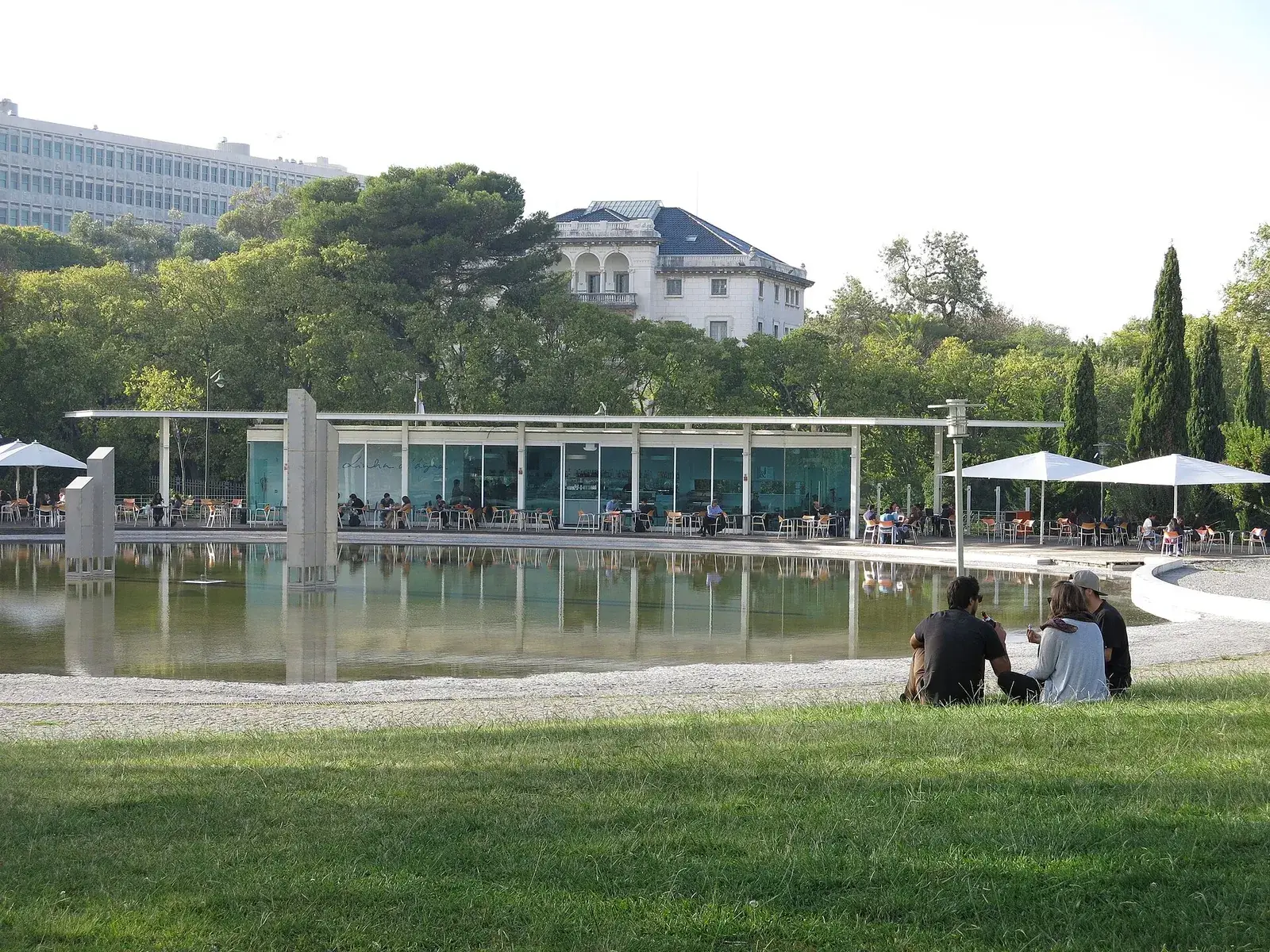
A treaty signed in 2015 gave a faith without a territory a global headquarters in Portugal. In 2016 the Imamat bought a planter's palace above Parque Eduardo VII, and in 2018 the Aga Khan gave it a name: the Diwan.
At a glance
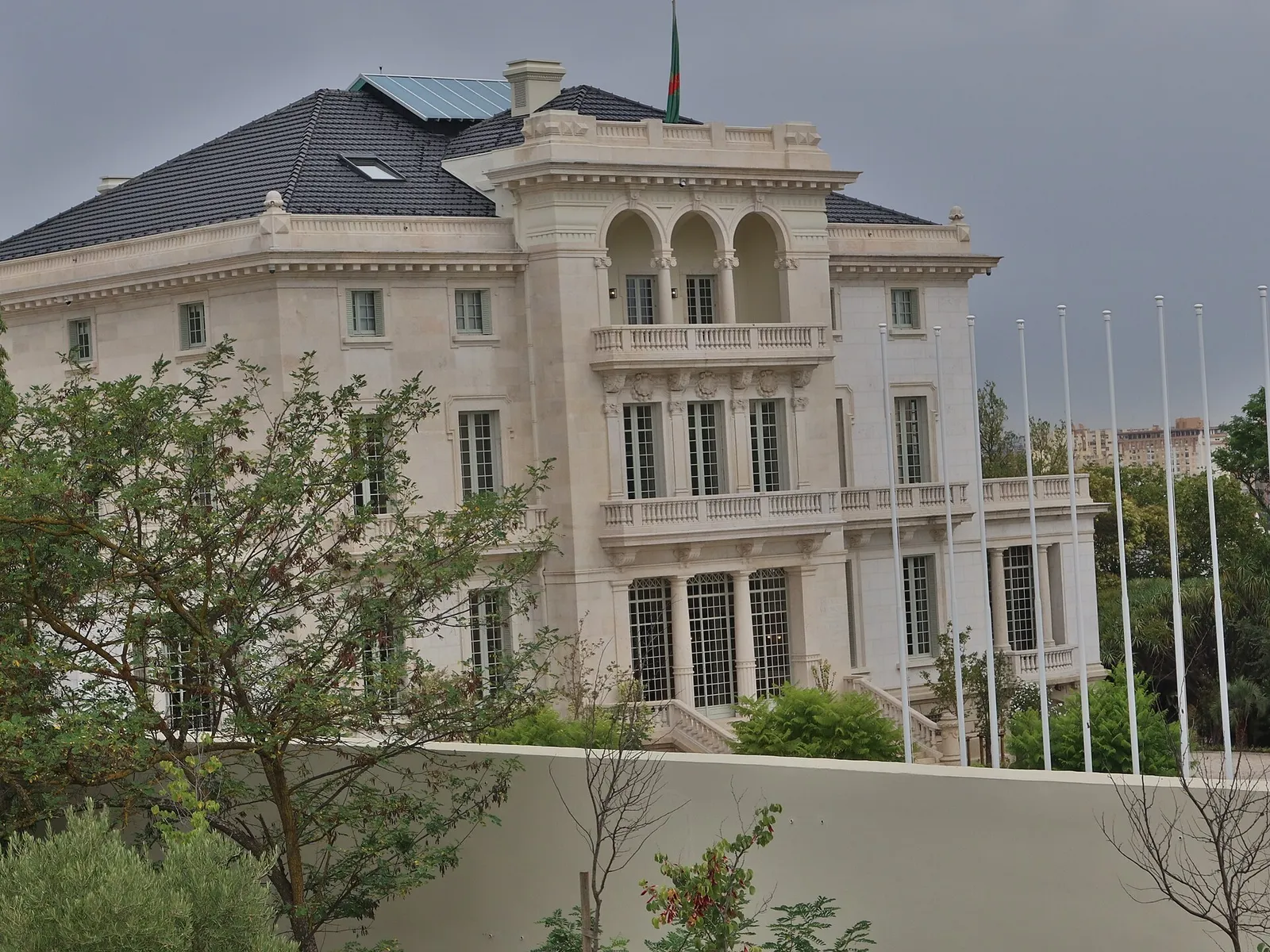
- On Wednesday 11 July 2018, the Aga Khan, 49th hereditary Imam of the Shia Ismaili Muslims, designated the Henrique de Mendonça Palace on Rua Marquês de Fronteira in Lisbon as the Seat of the Ismaili Imamat and named it the Diwan of the Ismaili Imamat.
- The ceremony, 61 years after he became Imam on 11 July 1957, closed the year-long celebrations of his Diamond Jubilee. About 45,000 Ismailis were expected in Lisbon for the week's celebrations; President Marcelo Rebelo de Sousa later put the figure at about 50,000.
- The legal basis was an agreement signed in Lisbon on 3 June 2015, approved by Parliament on 19 June and in force from 27 November 2015, which gives the Imamat a seat with diplomatic-style privileges and tax exemptions.
- Portugal's Ismailis, about 8,000 to 10,000 people, are mostly families who left Mozambique for Portugal between 1973 and 1976. Their forebears had come to Mozambique from India between 1890 and 1920.
- The palace, designed by Miguel Ventura Terra and finished in 1909, was sold to the Imamat for €12 million in 2016 with the government's authorisation. The Aga Khan died in Lisbon on 4 February 2025, and his son was installed as Aga Khan V at the Diwan a week later.
A name for the house above the park
On Wednesday 11 July 2018, Prince Karim Aga Khan went back to a building site. The Palacete Mendonça, a palace of 1909 at the top of Lisbon's Parque Eduardo VII, was still being restored, and his programme had set aside the previous afternoon for a tour of the works. Now he returned for a religious ceremony with a small group of Ismailis, the Shia Muslims who regard him as their Imam.
With him were his brother Prince Amyn, his children Zahra, Rahim, Hussain and Aly Muhammad, four grandchildren and leaders of the community from around the world. At the ceremony he designated the premises on Rua Marquês de Fronteira as the Seat of the Ismaili Imamat and declared that they would be known as the Diwan of the Ismaili Imamat.
“I am grateful for the government of Portugal for inviting me to establish the Seat within its territory. Over the years, the Portuguese have shown friendship, understanding, and a warm welcome to the Jamat as well as to the Imamat.”
Diwan is an Arabic, Persian and Indian term; the Imamat explains that here it means the court or chief administrative office of the Imam. Jamat is the community of believers. On behalf of that community, the Aga Khan was given a coloured aquatint of the Qajar ruler Fath Ali Shah of Persia enthroned among princes and envoys. The Imamat launched its official website the same day.
That afternoon the Aga Khan crossed the city to the Parque das Nações, where the pavilions of the FIL exhibition centre had been turned into one great hall for the Ismailis who had come to Lisbon from 35 countries. According to the local parish council, quoted by the Lusa news agency, about 45,000 people were expected over the week. In 2025 President Marcelo Rebelo de Sousa recalled that the Jubilee had brought about 50,000 to Lisbon.
A faith with an Imam and no territory
Most of the world's Muslims are Sunni. The Shia minority holds that leadership after the Prophet Muhammad passed to his cousin and son-in-law Ali and then to Ali's descendants, the Imams. The Ismailis split from other Shia over the succession to the sixth Imam, Jafar al-Sadiq, and followed his son Ismail. They later divided again. The larger branch, the Nizari Ismailis, believe in a living, physically present Imam, the Aga Khan; the Musta‘lian Ismailis, such as the Bohras, hold that their Imam went into concealment.
In 1818 the Shah of Persia gave the 46th Imam, Hasan Ali Shah, the honorific title Aga Khan. Karim al-Hussaini, born in Geneva on 13 December 1936, was a Harvard undergraduate when his grandfather, Aga Khan III, chose him as successor in preference to his own son, Karim's father Prince Aly Khan. The old Imam's will said the times called for a young man brought up in the new age. Karim became the 49th Imam on 11 July 1957, aged 20.
The Imam governs no land. His authority is religious, but the Imamat runs a large secular operation through the Aga Khan Development Network, a group of agencies in schools, hospitals, housing, culture and business. The Imamat puts the number of Ismailis at 12 to 15 million, in more than 35 countries; the AKDN's obituary of the Aga Khan gave more than 15 million in more than 25.
From Gujarat to Mozambique to Lisbon
In his speech to the Portuguese Parliament in 2018, the Aga Khan dated his community's ties with Portugal to the seventeenth century, when Ismailis settled in the Portuguese territories in India. The community that lives in Portugal today came by a longer road.
Its forebears were Ismaili traders from Gujarat, in western India, who arrived in Mozambique between 1890 and 1920, as Portugal was imposing effective control over the colony. Most settled in the north, in Nampula and Cabo Delgado, and lived from trade, above all in food.
Then almost the whole community left. The historians Nicole Khouri and Joana Pereira Leite date the departure to 1973 to 1976, following a decision taken in 1972, two years before the revolution of April 1974 in Lisbon. Mozambique became independent on 25 June 1975. Observador put the exodus at about 600 families, placed it after the revolution and reported that the Imam himself advised them to choose Portugal.
Estimates of the community today range from about 8,000 to 10,000 people, one of the largest Ismaili populations in Europe. Ismailis founded or run several well-known Portuguese businesses, among them the Sacoor clothing brand and the VIP and Sana hotel groups.
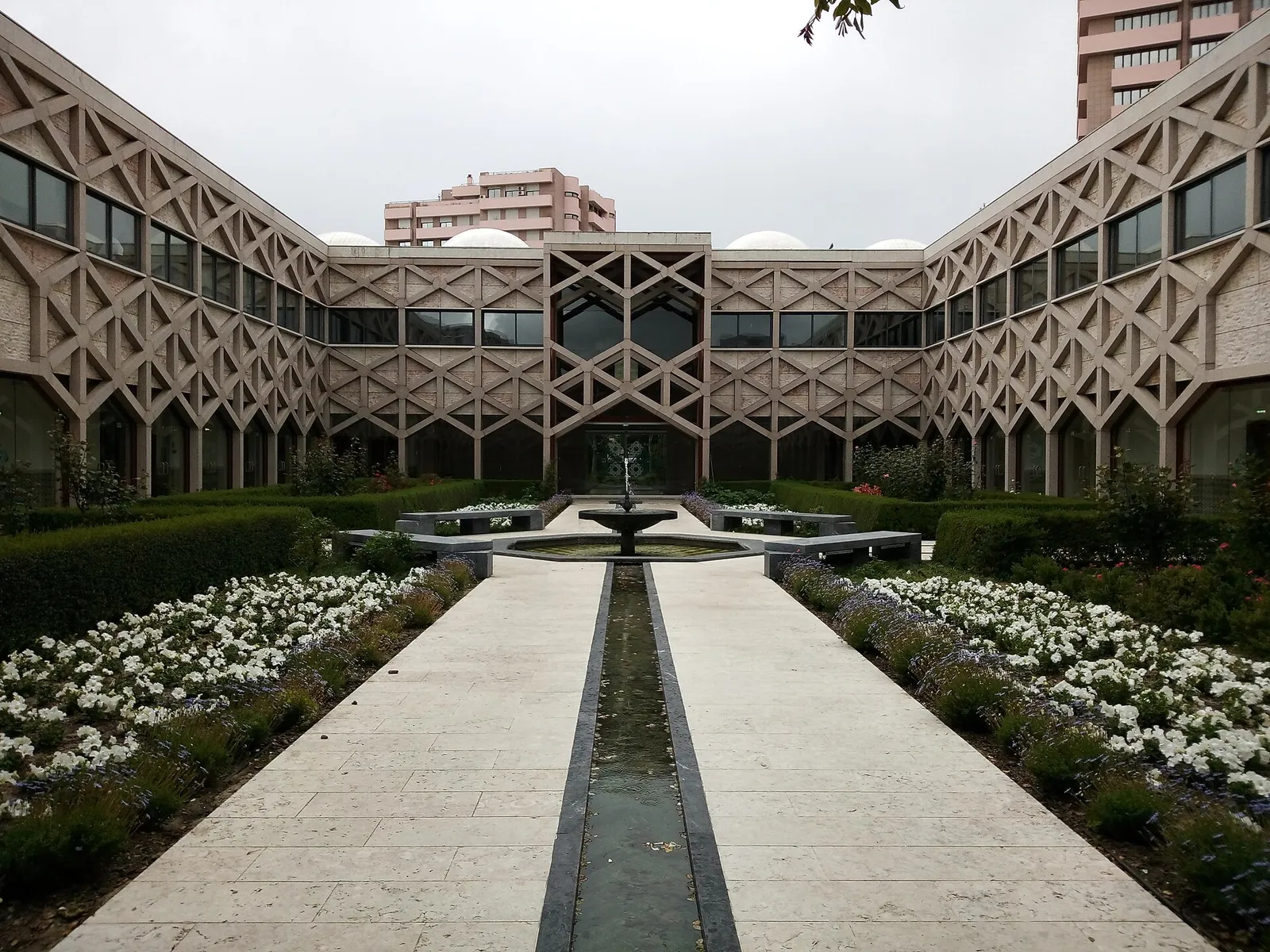
In 1986 the community bought a site on Avenida Lusíada in Lisbon, between two expressways. President Jorge Sampaio laid the first stone of an Ismaili Centre there in 1996 and inaugurated it two years later. The architects Raj Rewal and Frederico Valsassina took the Alhambra in Granada as their model for a complex of 18,000 square metres, 5,500 of them built.
From a foundation to a treaty, 1983 to 2015
The Aga Khan Foundation began work in Portugal in 1983, the year of the Aga Khan's first visit, and the Imam has had a diplomatic representative in the country ever since. Formal agreements with the state followed from 2005.
1983
The Aga Khan Foundation starts work in Portugal
11 July 1998
President Jorge Sampaio inaugurates the Ismaili Centre in Lisbon
19 December 2005
Protocol of Cooperation between the Portuguese government and the Imamat
11 July 2008
Protocol of International Cooperation with the Foreign Ministry
8 May 2009
Agreement recognising the Imamat's legal personality
Approved by Parliament in Resolution 109/2010 and ratified in September 2010.
3 June 2015
Seat agreement signed in Lisbon
19 June 2015
Parliament approves the agreement
27 November 2015
The agreement enters into force
17 March 2016
The Council of Ministers authorises the sale of the palace for €12 million
11 July 2018
The palace is designated the Seat and named the Diwan
The seat agreement was signed in Lisbon on Wednesday 3 June 2015 by the Foreign Minister, Rui Machete, and the Aga Khan, with the Prime Minister, Pedro Passos Coelho, in the room. Its preamble speaks of the historic significance of the decision and its long-term implications and complexities.
Article 2 acknowledges the Imamat's legal personality and its capacity to act in international relations. Article 4 defines the Seat as the global head office of the Imamat, from which the Imam guides Ismailis worldwide and deals with states and international organisations. The Imamat called it the first such accord in its modern history.
| Article | Provision |
|---|---|
| 3 | Portugal ensures the conditions for the Seat; its premises are chosen by mutual agreement, and for up to five years it may use the existing Delegation building in Lisbon |
| 5 | Senior officials are appointed after consulting the government; the Foreign Ministry issues diplomatic identity cards |
| 6 and 7 | The premises, official vehicles, files and correspondence are inviolable, with exceptions for emergencies; the premises cannot shelter anyone wanted by the Portuguese authorities |
| 10 | Immunity from jurisdiction and execution for official activities, except where waived, in employment cases and in claims over accidents involving the Seat's vehicles |
| 11 | Gifts, income and assets of the Imamat and the Imam are tax-free, except income from business carried on directly in Portugal and interest or investment income from Portuguese sources; no property tax on the Seat |
| 13 | The Imam receives the ceremonial diplomatic treatment given to foreign high dignitaries and immunity for official acts |
| 16 | The Imamat supports research and other projects to improve quality of life in Portugal |
| 17 | A joint committee of three members from each side oversees the agreement and settles disputes, failing which the parties negotiate directly |
| 19 | Unlimited duration; either side may end it after 25 years, with four years' notice |
Summarised from the English text published in the Diário da República on 27 October 2015.
Parliament approved the agreement on Friday 19 June 2015, in a vote held without debate. According to the record of the sitting, the PSD, PS, CDS-PP and Left Bloc voted in favour, and the Communists (PCP) and the Greens (PEV) abstained. No party voted against; the Imamat later described the endorsement as unanimous. President Aníbal Cavaco Silva signed the ratification on 22 October, and the agreement came into force on 27 November 2015.
A planter's palace for a stateless court
Henrique José Monteiro de Mendonça had made his fortune on the plantations of São Tomé, the Portuguese islands in the Gulf of Guinea. For his Lisbon house he went to Miguel Ventura Terra (1866–1919), an architect trained in Paris, who drew up the design between 1900 and 1902.
The house was finished in 1909 and won the Valmor Prize, Lisbon's architecture award, that year. The state took it over in the 1970s. In 1982 a decree classified it as being of public interest, listing it as the “Casa de Ventura Terra” with its decorative elements and park, at Rua do Marquês de Fronteira, 20. Before the sale, part of Universidade Nova de Lisboa's Faculty of Economics, including its MBA programme, worked there.
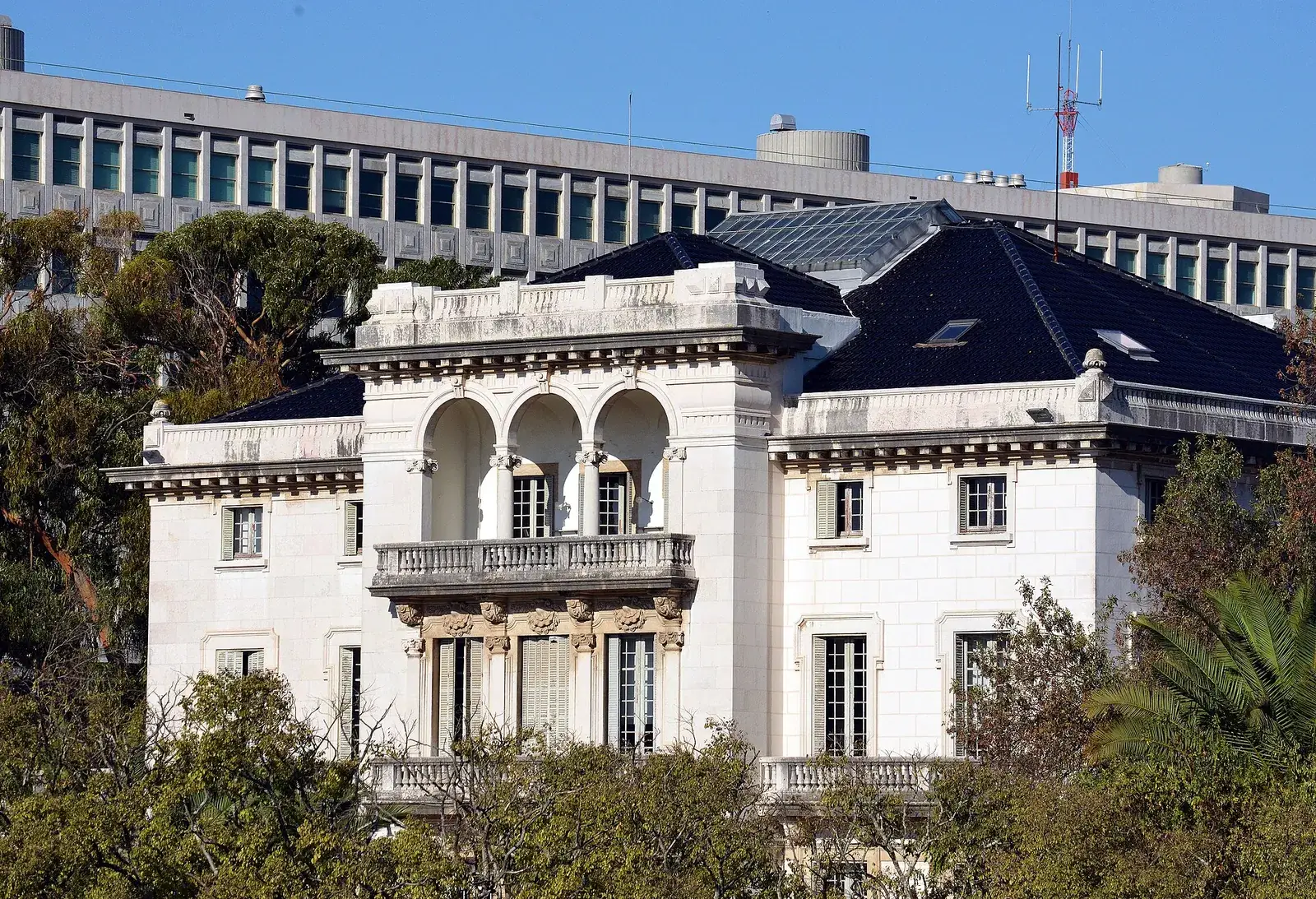
The 2015 agreement left the choice of premises to both parties. On 17 March 2016 the Council of Ministers declared the direct sale of the palace to the Imamat to be of exceptional public interest and set the price at €12 million, the base value approved by the Treasury. The money went to Universidade Nova for its own buildings. Lisbon city council declined its right of first refusal, and the state waived its own.
The restoration was designed by Frederico Valsassina, who had worked on the Ismaili Centre. Estimates of its cost varied: Observador reported a €6 million budget, while the Imamat's representative, Nazim Ahmad, told DN in March 2018 that it expected to invest between €10 million and €20 million.
Not everyone liked the plans. The civic group Fórum Cidadania Lx questioned them from the purchase in 2016, above all an underground car park dug into the garden. Valsassina said the changes to the house itself were minimal and that the heritage authority had approved them almost without conditions.
Jubilee week in Lisbon
The Diamond Jubilee had taken the Aga Khan to Uganda, Kenya, Tanzania, India, Pakistan, the United Arab Emirates, the United States, Canada, France and the United Kingdom. Lisbon was the last stop. From 5 July the Parque das Nações filled with exhibitions, a film festival and concerts at the Altice Arena, the first with Cuca Roseta, Cheb Khaled and Vishal and Shekhar.
- Arrival
- Friday 6 July 2018
- 9 July
- Talks with President Marcelo Rebelo de Sousa at Belém, lunch with Prime Minister António Costa, evening banquet given by the President at Queluz
- 10 July
- Address to members of Parliament in the Senate Chamber at São Bento
- 11 July
- Designation of the Seat; assembly with the community at the FIL
- Expected visitors
- About 45,000 Ismailis, from 35 countries
- Age of the Imam
- 81
At Belém on 9 July the Aga Khan was received with military honours and the national anthem. In the visitors' book he wrote of “a unique and memorable day”. In Parliament the next day, its president, Eduardo Ferro Rodrigues, called the Seat historic and said Portugal wanted to be seen as “a bridge-building country” (in the Imamat's English translation).
“Lisbon, already a leading international crossroads city, will also now serve as a central connecting point for the global Ismaili community.”
He recalled the welcome Portugal had given Ismailis from Mozambique almost half a century earlier, and called the decision to establish the Seat in Portugal, “taken after much reflection and consultation”, a milestone in the history of the Imamat. The last engagement in his published programme, on 12 July, was a meeting with the science minister, Manuel Heitor, and 16 researchers funded under a €10 million, ten-year protocol between the Imamat and the ministry.
After the ceremony
The Imamat presented the designation as the first time in its history that a Seat had been set up under a treaty with a sovereign non-Muslim state. It placed the Diwan in a line of seats that runs from the Prophet's house in Medina and Ali's seat at Kufa to the Fatimid capitals in North Africa and Cairo, a city founded by the Aga Khan's ancestor, the 14th Imam, al-Muizz.
Before Lisbon, the Imam's offices had been based mainly at Aiglemont, near Paris. The agreement also provides for an official residence, but Observador noted in 2018 that none had been chosen and that the Aga Khan was not expected to live in Lisbon full time. DN reported that about 500 people would come to work in the city.
In March 2019 President Marcelo Rebelo de Sousa announced that the Aga Khan had been granted Portuguese citizenship. Karim Aga Khan died in Lisbon on Tuesday 4 February 2025, aged 88, after 67 years as Imam. On 9 February he was buried at Aswan, in Egypt, in the existing mausoleum on a hill above the Nile; his grandfather Aga Khan III is also buried at Aswan.
His will named his son Prince Rahim as the 50th Imam. On 11 February 2025 Rahim Aga Khan V received the leaders of the community at the Diwan, where they pledged allegiance on behalf of Ismailis watching by livestream in more than 35 countries. In his first address he thanked the governments of Portugal and Egypt for the arrangements for his father's funeral and burial.
Why it still matters
The Imamat's global head office is in Lisbon under a treaty with the Portuguese state. In practice this means an institution with diplomatic-style status, its own tax regime and a joint committee with the government, all set out in a text that anyone can read in the Diário da República.
The arrangement has already outlived the Imam who signed it. The first succession under the agreement took place inside the Diwan within a week of his death, and the Imam's office stayed in Lisbon. For the city's Ismailis, many of them the children and grandchildren of families who left Mozambique in the 1970s, the head of their faith now has his office at the top of Parque Eduardo VII.
FAQs
Why is the Ismaili Imamat's headquarters in Lisbon?
Portugal invited the Imamat to set up its seat there under an agreement signed on 3 June 2015 and in force from 27 November 2015. The Imamat cites ties going back to Portuguese India and the welcome given to Ismailis from Mozambique in the 1970s.
What is the Diwan of the Ismaili Imamat?
It is the name the Aga Khan gave on 11 July 2018 to the Henrique de Mendonça Palace on Rua Marquês de Fronteira when he designated it the Seat of the Imamat. Diwan means the court or chief administrative office of the Imam.
How much did the Ismaili Imamat pay for the palace?
€12 million, the base value approved by the Treasury. The Council of Ministers authorised the direct sale on 17 March 2016, and the money went to Universidade Nova de Lisboa, which had used the building.
How many Ismailis live in Portugal?
Estimates range from about 8,000 to 10,000. Most descend from Gujarati families who settled in Mozambique between 1890 and 1920 and moved to Portugal between 1973 and 1976.
Where did the Aga Khan die and who succeeded him?
Prince Karim Aga Khan IV died in Lisbon on 4 February 2025, aged 88, and was buried at Aswan in Egypt. His son Rahim became the 50th Imam, Aga Khan V, and held his accession ceremony at the Diwan in Lisbon on 11 February 2025.
On the timeline
Open the timelineNearby moments from portugal in europe (1986–today).
Singer Madalena Iglésias dies in Barcelona aged 78. One of the great voices of 1960s Portuguese light song, she won the 1966 RTP Song Festival with the twist 'Ele e Ela' and sang it for Portugal at that year's Eurovision in Luxembourg, before giving up the stage when she married in 1972.
Edmundo Pedro dies in Lisbon aged 99. First arrested at 15 while a general strike was being prepared, he was sent with his father to the Tarrafal prison camp in Cape Verde, where he spent about ten years as its youngest political prisoner; he later joined the 1962 Beja revolt and, after 1974, sat in parliament for the Socialist Party.
Cristiano Ronaldo scores a hat-trick in a 3–3 draw with Spain in Sochi, completing it with an 88th-minute free kick curled into the top corner. At 33 he becomes the oldest player to score a World Cup hat-trick (a record Lionel Messi took in 2026) and the first to score at eight consecutive World Cups and European Championships.
The Ismaili Imamat's seat in Lisbon
At a ceremony in Lisbon closing his Diamond Jubilee year, the Aga Khan formally designates the Henrique de Mendonça Palace on Rua Marquês de Fronteira as the Seat of the Ismaili Imamat, making the city the global headquarters of the Nizari Ismaili Muslims, the Shia community he leads. Tens of thousands of Ismailis from around the world gather in Lisbon for the celebrations.
Death in Lisbon of Odette Ferreira, aged 93, the microbiologist who helped identify HIV-2. In 1985 she flew to the Pasteur Institute in Paris with patients' blood samples hidden in her coat to keep them warm, and as head of the national AIDS programme she launched the pharmacy needle exchange 'Diz Não a Uma Seringa em Segunda Mão' ('Say no to a second-hand syringe').
Death of Agustina Bessa-Luís in Porto, aged 96. Her 1954 novel 'A Sibila' made her one of the great voices of 20th-century Portuguese fiction; she went on to win the Camões Prize in 2004, and her long creative partnership with the director Manoel de Oliveira produced films such as 'Francisca' and 'Vale Abraão'.
Death from Covid-19 of the immunologist Maria de Sousa, born in Lisbon in 1939. In London in 1966 she and Delphine Parrott described the 'thymus-dependent areas' of lymph nodes, now called T zones; in Glasgow in 1971 she coined 'ecotaxis'. Back in Portugal she trained a generation of scientists in Porto through the GABBA doctoral programme.
Coming up in history
All long reads 13 July 1491A fall by the Tagus: the death of Prince Afonso, 13 July 1491
 14 July 1976Ramalho Eanes sworn in: the general who sent the army back to barracks
 15 July 1912Francisco Lázaro: the Lisbon carpenter who died in the 1912 Olympic marathon
 16 July 1590Bartolomeu dos Mártires: the archbishop who took Trent home to Braga
26 sources
Archives, scholarship and reporting this article was checked against.
- 1
Decreto do Presidente da República n.º 124/2015 and Resolução da Assembleia da República n.º 135/2015, with the Agreement between the Portuguese Republic and the Ismaili Imamat for the Establishment of the Seat of the Ismaili Imamat in Portugal (English and Portuguese texts)Diário da República, 1.ª série, n.º 210, 27 October 2015, pp. 9246–9253
- 2
“Diwan of the Ismaili Imamat” established in Portugal (Ismaili Imamat press release of 11 July 2018, reprinted)Pamir Times, 11 July 2018
- 3
- 4
The Ismaili Imamat: history, community, leader, Seat and jubileesIsmaili Imamat (official website)
- 5
The Ismailis of Mozambique: history of a twofold migration (late 19th century–1975), by Nicole Khouri and Joana Pereira Leite, in Imperial Migrations (Palgrave Macmillan, 2012): chapter abstractIsmailimail, 15 May 2014 (reproducing the chapter abstract)
- 6O que se passa dentro do Palacete Mendonça?Diário de Notícias, 24 March 2018
- 7A fé, a fortuna e o poder de Aga Khan e dos ismaelitas que vão ter sede em Lisboa (Rita Tavares)Observador, 5 July 2018
- 8Há um príncipe em Lisboa e traz com ele 45 mil pessoasDiário de Notícias, 5 July 2018
- 9“Um dia único e memorável”, escreveu Aga Khan a Marcelo Rebelo de SousaDiário de Notícias, 9 July 2018
- 10
Press release: Accession ceremony of His Highness Prince Rahim al-Hussaini Aga Khan V, Lisbon, 11 February 2025Ismaili Imamat
- 11
Jubileu de Diamante de Aga Khan provoca constrangimentos em Lisboa (Lusa)Notícias ao Minuto, 3 July 2018
- 12Morreu em Lisboa o príncipe Aga Khan, líder dos muçulmanos ismailis (DN/Lusa)Diário de Notícias, 4 February 2025
- 13Quem são os Ismailis? Conheça as origens de uma comunidade com várias ligações a Portugal (Andreia Martins)RTP Notícias, March 2023
- 14
Modern Ismaili Communities (Zulfikar Hirji and Azim Nanji)The Institute of Ismaili Studies
- 15
His Highness Prince Karim Aga Khan IV, 1936–2025Aga Khan Development Network, 5 February 2025
- 16
His Highness the Aga Khan addresses the Portuguese ParliamentAga Khan Academies (AKDN), July 2018
- 17
Chapo considera 7 de Setembro data para moçambicanos celebrarem a vitóriaAIM, Agência de Informação de Moçambique, 7 September 2024
- 18
Diário da Assembleia da República, I série, n.º 101 (XII Legislatura, 4.ª sessão legislativa): plenary sitting of 19 June 2015, vote on Proposta de Resolução n.º 116/XII (Seat agreement with the Ismaili Imamat)Assembleia da República, Debates Parlamentares, 20 June 2015, p. 53
- 19
- 20
- 21Benefícios fiscais ao príncipe Aga Khan ao nível de um Estado estrangeiroObservador, 14 January 2016
- 22
Henrique de Mendonça PalaceOpen House Lisboa, Trienal de Arquitectura de Lisboa
- 23
- 24
- 25Presidente da República atribui cidadania portuguesa ao príncipe Aga KhanCorreio da Manhã, 31 March 2019
- 26
Aga Khan IV laid to rest in Egypt (Harry Misiko and Daniel Ogetta)Daily Monitor (Uganda), 9 February 2025
Image credits
- The Henrique de Mendonça Palace, now the Diwan of the Ismaili Imamat, in July 2022, after its restoration. The Imamat's green and red flag flies from the roof. JJ Merelo, CC BY-SA 2.0, via Wikimedia Commons.
- The palace above the Jardim Amália Rodrigues at the top of Parque Eduardo VII, photographed in October 2016, a few months after the government authorised its sale to the Ismaili Imamat. swissbert from Switzerland, CC0, via Wikimedia Commons.
- The main courtyard of the Ismaili Centre in Lisbon, designed by Raj Rewal and Frederico Valsassina and opened in 1998, photographed in April 2018. RicardoFilipePereira, CC BY-SA 4.0, via Wikimedia Commons.
- The palace in October 2015, while it still housed part of Universidade Nova de Lisboa's business and economics faculty. Harvey Barrison from Massapequa, NY, USA, CC BY-SA 2.0, via Wikimedia Commons.
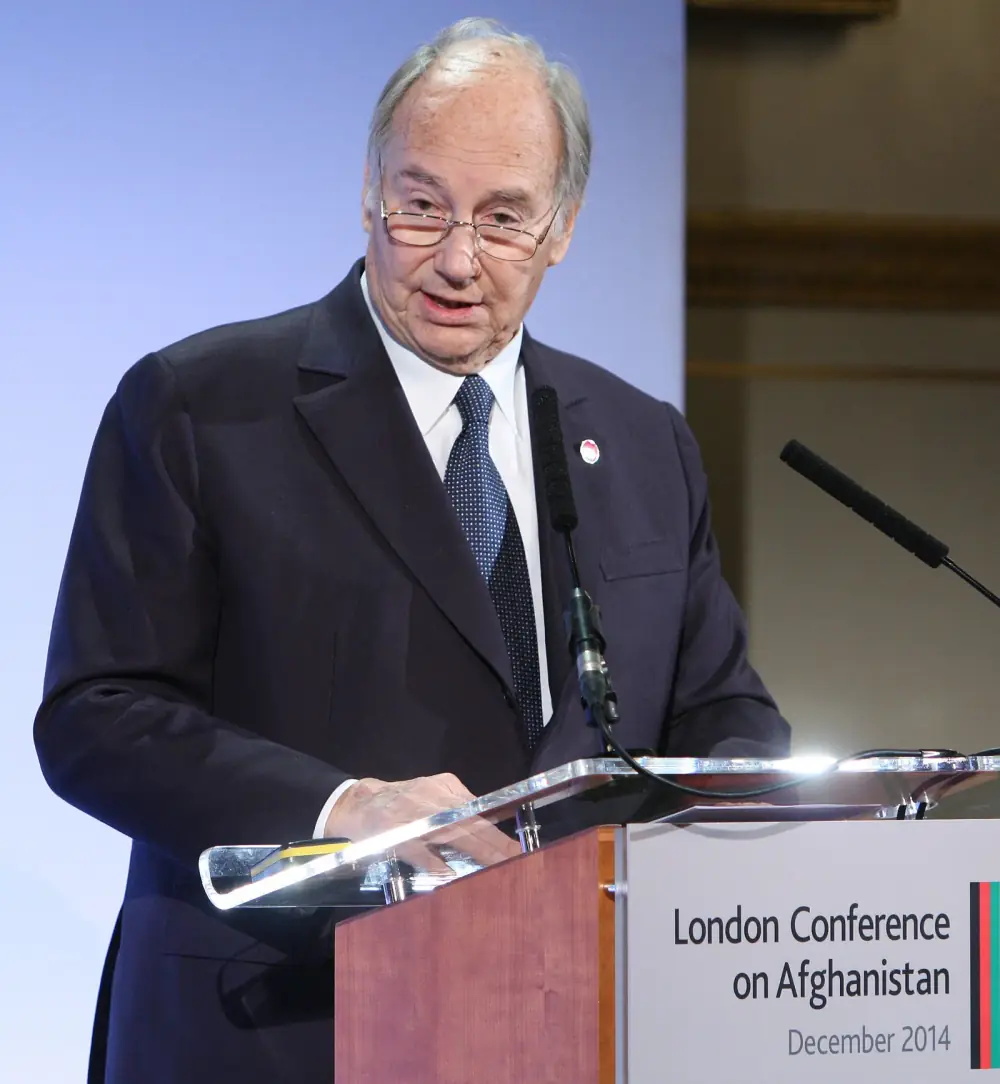
- Karim Aga Khan IV speaking at the London Conference on Afghanistan on 4 December 2014, three and a half years before he designated the Seat in Lisbon. DFID - UK Department for International Development, CC BY 2.0, via Wikimedia Commons.