

The bomb in Avenida Barbosa du Bocage: the 1937 attempt on Salazar
A charge of dynamite in a sewer was meant to kill Portugal's dictator on his way to Sunday Mass. It missed, the regime turned his escape into a sign from Providence, and the political police tortured the wrong men into confessing.
At a glance
- On Sunday 4 July 1937, at about 10.20 a.m., a dynamite bomb hidden in a sewer exploded in Avenida Barbosa du Bocage, Lisbon, a few metres from the car of the dictator António de Oliveira Salazar as he arrived for Mass at a friend's private chapel.
- Salazar and his chief of staff were unhurt, and the Museu do Aljube says the bomb claimed no victims. Historians blame a badly placed charge; the explosion tore a crater in the avenue and smashed windows nearby.
- The attack was organised by anarcho-syndicalists of the outlawed CGT, chief among them Emídio Santana, with Lisbon taxi drivers and some communists acting on their own, as a blow against Salazar's support for Franco in the Spanish Civil War.
- The political police, the PVDE, first paraded innocent men as the culprits after beating confessions out of them. Two men held in the investigation died in custody, and the Museu do Aljube counts a third as a possible victim.
- A military court sentenced the real plotters in 1939. Santana got eight years in a cell followed by twelve of banishment, and was released on 23 May 1953.
A Sunday morning in the Avenidas Novas
Salazar's Sunday began, as his diary records, with the newspapers at nine. Then his official car, a Buick, took him to No. 96 Avenida Barbosa du Bocage, in the Avenidas Novas district, the house of his friend Josué Trocado. Trocado had a private chapel, and the head of the government heard Mass there every Sunday.
The car stopped at the door at about twenty past ten. As Salazar was getting out, the roadway blew up. Stones and earth from the central reservation flew into the air, a crater opened in the street, the sewers around it burst and windows shattered in the neighbouring buildings.
Salazar got out of the car without a scratch. His chief of staff, Leal Marques, who was with him, was also unhurt. According to the next day's papers, the dictator brushed the earth off his suit, turned to Leal Marques and said: “Vamos assistir à missa.” Let us go and hear Mass.
A dictatorship and a war next door
President Carmona had appointed Salazar head of the government on 5 July 1932, so the bomb went off on the eve of his fifth anniversary in office. The constitution of 1933 founded his regime, the Estado Novo, or New State: political parties and free trade unions were banned, the press was censored, special military courts tried political crimes and a political police, the PVDE, hunted opponents. In October 1936 the first political prisoners were shipped to the new camp at Tarrafal in Cape Verde.
Then, in July 1936, Spain's generals rose against the Republic. Salazar welcomed the coup and helped the rebels from the start: men, war material and food crossed Portuguese territory, refugees were handed back, and on 24 October 1936 Portugal broke off relations with the Spanish Republic while posing as a neutral.
For Portugal's anarchists this made Salazar a combatant in the Spanish war. Their union confederation, the CGT, had been the largest force in the labour movement under the First Republic, but it was now clandestine and had been badly weakened by the repression that followed the failed general strike of January 1934. Its sister organisation across the border, the Spanish CNT, was caught up in the war against Franco.
Emídio Santana and the plan
Emídio Santana was born in Lisbon on 4 July 1906, the son of a locksmith. He went to work at 14 as an apprentice pattern-maker in the metal trade and joined the metalworkers' union and the CGT. Under the dictatorship he was arrested in 1928, 1931 and 1933, by his own account (Lisbon's street-naming office gives 1927, 1930 and 1933), and spent about eight months in the new deportation depot at Angra do Heroísmo in the Azores.
In 1934 Santana replaced his arrested brother-in-law as secretary-general of the CGT's underground leadership, and in January 1935 he helped relaunch its banned paper, A Batalha, on a press built by a comrade.
On the eve of the Spanish Civil War he represented the CGT at the CNT's congress in Zaragoza and promised support to the Spanish anarchists. On 20 January 1937, with targets chosen through his contacts, the CGT set off a series of bombs at places linked to the regime and to Franco's cause: the Ministry of Education, the Barcarena powder works, the Beirolas arms depot, the Vacuum oil tanks, the state radio, Rádio Clube Português and the Casa de Espanha. The next day another bomb at the Ministry of War wounded five people.
“If Salazar felt entitled to commit the country to the Spanish conflict, we, Portuguese citizens, in the legitimacy of our rights, had the duty to oppose the villainy of the aggression, and we preferred loyalty and solidarity.”
Encouraged, the same group set out to kill Salazar. The first plan, for 28 February 1937, was to block his car in traffic and rake it with machine-gun fire from a second car. To get the cars they tried to seize two Lisbon taxi drivers in the Freixofeira pine wood near Torres Vedras, and failed. On 28 April the Portuguese Legion, the regime's militia, warned the PVDE that an attempt on Salazar's life was being prepared. The warning was ignored.
The plotters turned to dynamite. The historian António Araújo describes a mixed group: Lisbon taxi drivers, with the anarchists, above all Santana, providing political direction, and some members of the Portuguese Communist Party acting on their own. The names the PVDE eventually gave were Santana, Jaime Duarte, António Granja, Francisco Damião, Raul Pimenta and José Vaz Rodrigues. According to the Museu do Aljube, another anarchist, José Lopes, also worked with Santana on the preparations.
Why the bomb missed
During the night of Saturday 3 July the charge was laid in a sewer collector under the avenue, timed to go off when Salazar's car stopped outside the chapel. It went off on time and in the wrong direction. Araújo blames poor placement; the Museu do Aljube speaks of an error of a few centimetres; Madeira traces it to a metal tube that was made too short and turned the blast away from the car.
The police picked through the debris. Called to the PVDE, Robert Schulz, the German commercial director of the Siemens electrical company, had to explain that a part they showed him was made by his firm in Germany and sold to dealers all over the world, and that the remains of the device came from a car battery.
Sources disagree on the exact minute. Salazar's own diary puts Mass at a quarter past ten; Público and Madeira give 10.20, the Diário de Notícias and Memória Comum 10.25, and Araújo “about 10 in the morning”. The rest of the diary shows how little the bomb changed his day.
9.00
Newspapers
10.15
“Missa (Dr. Josué) – Bomba”
Mass at Josué Trocado's chapel; the explosion.
11.45
Leal Marques
Continuing business: a draft for unemployment statistics and a telegram abroad.
14.00
Dr. Mexia and J. A. Marques
14.00 to 15.00
Ministers and others come to offer their compliments
17.00 to 20.30
The Cardinal Patriarch
Problems in the draft Concordat and how to put them to the Holy See.
20.30
Dinner
22.30 to 00.45
Demonstration
“Somos indestrutíveis”
Cards and telegrams poured into Salazar's house that same day from ministers, deputies, civil governors and officers, and over the following days from the islands, the colonies and abroad. Among the senders were Mussolini, Hitler, Queen Amélia, King Alfonso XIII of Spain and Cardinal Pacelli, the future Pope Pius XII.
At eleven that night the Portuguese Legion and the Mocidade Portuguesa, the state youth movement, marched from the Marquês de Pombal roundabout to Rua Bernardo Lima, where Salazar lived. He spoke to them.
“Gentlemen: one word only! We are indestructible; Providence has so ordained it, and on earth you will it so!”
Thanksgiving Masses were said across the country with the open support of the bishops, who issued a pastoral letter. Two days after the attack the armed forces held a huge rally of support for Salazar in the Passos Perdidos hall of the National Assembly in São Bento, and he spoke to the officers about the British alliance. Araújo argues that the failed attack strengthened Salazar against President Óscar Carmona and with the army, where his military reforms had caused discontent, and eased relations with London, which distrusted his help for Franco.
Loyalty was also checked. Civil governors sent the Minister of the Interior the names of officials who had stayed away from the celebrations; the governor of Bragança reported that the local judge, the public prosecutor and the civil registrar had not been seen. In Viseu three secondary-school teachers who refused to sign their staff's telegram, among them the future philosopher José Marinho, were suspended and then dismissed.
The opposition was not united either. The clandestine communist paper Avante! wrote that nothing was more understandable than attacks on a tyrant as hated as Salazar, then concluded that it was “another monstrous farce staged by fascism itself”. The Lisbon daily O Século blamed Portuguese exiles linked to the Republican government in Valencia and their “red allies”.
The wrong men
The PVDE took charge of the hunt, run from the office of its director, Agostinho Lourenço, by his secretary-general, Captain José Ernesto Catela. Its own political section was kept out. Every taxi and driver became a suspect, plumbers on file were checked, and hotels and boarding houses handed over their guest lists.
On 10 July Catela told the press that the bombers were three wanted men: Francisco Horta Catarino, José dos Santos Rocha and António Conrado Júnior. Avante! soon pointed out that Rocha had already died in Spain. On 22 August Lourenço presented five new culprits, the “Alto do Pina terrorist group”: Manuel Francisco Pinhal, Jacinto Estêvão de Carvalho, Alfredo de Assunção Elói, António Pires da Silva and José Horta. President Carmona telephoned to congratulate him.
The five were poor men with little or no schooling, and they had nothing to do with the bomb. They confessed because they were tortured. Jacinto Estêvão de Carvalho, a day labourer from Abrigada near Alenquer who could not read, was gagged, whipped and beaten with a plank. The prison register records his release on 25 July 1938; the Museu do Aljube concludes that this was the date of his death in custody, hidden behind a false release.
| Name | Occupation | Arrested | Died | Age |
|---|---|---|---|---|
| José Lopes da Silva | Painter, from Tomar | 17 August 1937 | 23 August 1937 | 29 |
| Augusto d'Almeida Martins | Boilermaker, Lisbon | 24 September 1937 | 24 September 1937, about three hours after arriving at the PVDE | 23 |
| Jacinto Estêvão de Carvalho | Day labourer, Picheleira | 7 August 1937 | 25 July 1938 (recorded as his release) | 30 |
From the Museu do Aljube's files; ages as the museum gives them. Almeida Martins was born in 1914, with no day recorded, so he was 22 or 23. The museum says José Lopes da Silva died under torture or took his own life; Memória Comum says he “fell” from a window of the PVDE headquarters. The museum links both his arrest and Almeida Martins's to the post-attack sweep with some caution.
The truth came out through a rival policeman. Captain José Baleizão do Passo, a division commander of the public security police and a former political police officer, doubted the PVDE's story and made his own inquiries. Through the Under-Secretary of State for Finance, João Pinto da Costa Leite, he reached the Minister of the Interior, Mário Pais de Sousa, and on 6 October 1937 he repeated his evidence on the record.
An inquiry under Judge Alves Monteiro, head of the criminal investigation police (PIC), found that the PVDE had arrested innocent men. They were not freed at once and stayed in prison for about a year. Monteiro's report, which describes the PVDE's beatings, screams and insults in detail, was rediscovered only in 1996 by the journalist Valdemar Cruz.
- Detainees
- 44
- People making statements
- 47
- Witnesses
- 74
- Documents and objects seized
- more than 159
- Direct examinations
- 45
- Official letters
- more than 100
Those figures, from Monteiro's inquiry, are Araújo's measure of two methods: one based on torture and coercion, the other on freely given testimony. Nothing happened to Lourenço or Catela. The men who had found the truth left instead: the head of the PVDE's political section, Captain Maia Mendes, asked to be relieved on 30 October 1937, pleading ill health. Baleizão do Passo, aged 41, went into the reserve and was removed from his police post, formally at his own request, with effect from 31 December 1937.
Southampton, the military court and the penitentiary
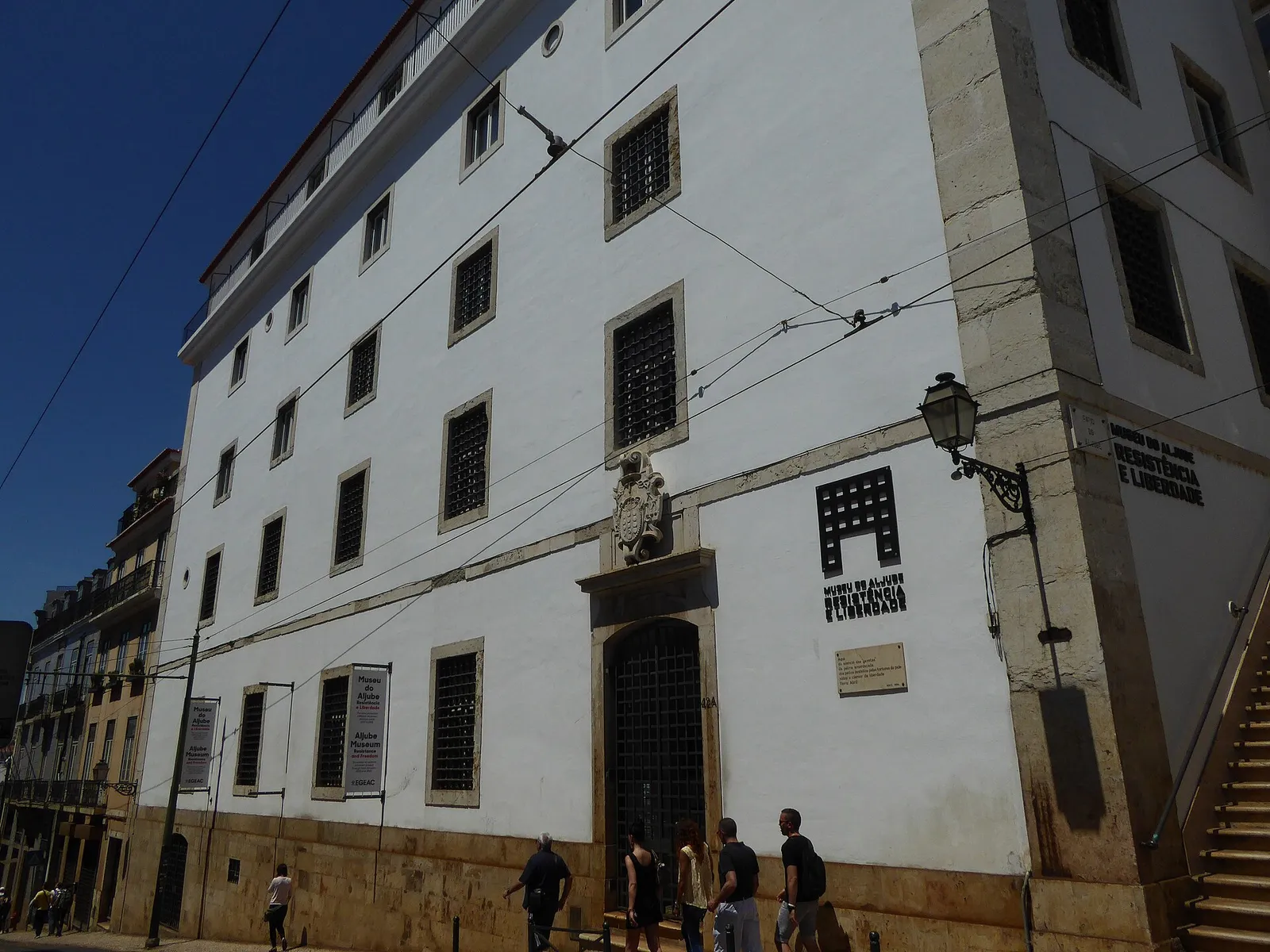
Santana fled to Britain. The British police identified and arrested him in Southampton and handed him over to Portugal, and on 19 October 1937 he was booked into the Aljube prison in Lisbon. José Lopes had been arrested in August; Vaz Rodrigues was handed to the PVDE on 13 April 1938 and, according to the Museu do Aljube, violently tortured.
Salazar, meanwhile, called on Fascist Italy to fix his police. The historian Irene Flunser Pimentel writes that the PVDE had wrongly blamed the communists, and that the PIC had to step in to find the real authors, libertarians of the CGT. From 1938 to 1940 the Italian police official Leone Santoro was in Portugal to help reorganise the PVDE.
The plotters were tried by the Tribunal Militar Especial, one of the special military courts the dictatorship had set up in 1932, sitting at Santa Clara in Lisbon. The trial lasted a few days. Santana later wrote that they were tried for homicide “with all the aggravating circumstances”. The sentences known for three of them are below.
Sentences passed on three of the plotters, 1939
years
- Cellular prison
- Banishment to follow
Each sentence offered an alternative of banishment alone to a colony: 23 years and 8 months for Vaz Rodrigues, 25 years for Santana and 28 years for Lopes. Vaz Rodrigues's and Santana's sentences are dated 15 January 1939; the Museu do Aljube dates Lopes's to 15 July 1939, six months later.
Show the data
| Cellular prison | Banishment to follow | |
|---|---|---|
| José Vaz Rodrigues | 4 | 12 |
| Emídio Santana | 8 | 12 |
| José Lopes | 10 | 12 |
The prisoners expected Tarrafal. Instead, Santana wrote, the Ministry of Justice, still quarrelling with the Ministry of the Interior over which police had solved the case, claimed them for its own prisons. They served their time in the penitentiaries of Lisbon and Coimbra. Vaz Rodrigues entered Coimbra in March 1939 and died there on 5 November 1948, aged 41. José Lopes died in the same prison in 1950, aged 44.
Santana was freed on 23 May 1953. Soon afterwards the PIDE summoned him to update his file. The inspector was António Rosa Casaco, later the leader of the squad that murdered General Humberto Delgado, whom Santana had first met in 1937 as a police trainee. Rosa Casaco asked whether he had come to his senses; Santana replied that he had never seen him bang his head against the walls.
20 January 1937
The “ministry bombs”
CGT bombs at the Ministry of Education, arms and powder depots, oil tanks, radio stations and the Casa de Espanha; the Ministry of War follows the next day.
28 February 1937
First plan abandoned
Machine-gun ambush on Salazar's car.
28 April 1937
Legion warns the PVDE
4 July 1937
The bomb in Avenida Barbosa du Bocage
10 July 1937
PVDE names three wanted men
22 August 1937
The “Alto do Pina group” presented to the press
6 October 1937
Baleizão do Passo gives evidence
19 October 1937
Santana enters the Aljube after arrest in Southampton
15 January 1939
Military court sentences Santana and Vaz Rodrigues
23 May 1953
Santana released
Why it still matters
Público's edition of Salazar's diaries calls the bomb the only known attempt on his life; Araújo, more cautiously, calls it the most serious. Its failure gave the regime one of its favourite images: a leader spared by Providence, unmoved by danger, going on to Mass.
The investigation had consequences of its own. The innocent men of Alto do Pina were broken into confessing, two men and possibly a third died in PVDE custody, and the political police paid no price; instead, from 1938, an Italian police official helped Salazar reorganise it. The Museu do Aljube's verdict is that the bomb claimed no victims, but the investigation did.
After 1974 Santana edited A Batalha again and helped found the Centro de Estudos Libertários and the Arquivo Histórico-Social, an archive later given to the Biblioteca Nacional. He published his account, História de um Atentado, in 1976. He died in Lisbon on 16 October 1988, and that December Lisbon named a street after him.
The story has been retold often since: in books by Valdemar Cruz, João Madeira in 2013 and António Araújo in 2017, in a new edition of Santana's memoirs in 2024, and in O Atentado, a ten-episode drama shown on RTP in 2020.
FAQs
Who tried to kill Salazar in 1937?
A group of anarcho-syndicalists of the outlawed CGT, led by Emídio Santana, with Lisbon taxi drivers and some communists acting on their own. The PVDE eventually named Santana, Jaime Duarte, António Granja, Francisco Damião, Raul Pimenta and José Vaz Rodrigues. Historians disagree on how far the Popular Front and other opposition groups were involved.
Why did the bomb fail?
It was badly placed. The charge of dynamite in a sewer collector went off on time, but the blast went the wrong way. The Museu do Aljube speaks of an error of a few centimetres, and João Madeira of a metal tube that was made too short.
Was anyone hurt?
Salazar and his chief of staff were unhurt, and the Museu do Aljube says the explosion claimed no victims. The deaths came afterwards: men arrested in the PVDE's investigation, among them José Lopes da Silva and Jacinto Estêvão de Carvalho, died in custody.
What happened to Emídio Santana?
He was arrested in Southampton and returned to Portugal in October 1937. On 15 January 1939 the Tribunal Militar Especial sentenced him to eight years of cellular prison followed by twelve of banishment. He served his time in the Lisbon and Coimbra penitentiaries, was released on 23 May 1953 and died in Lisbon in 1988.
Where exactly did the attack happen?
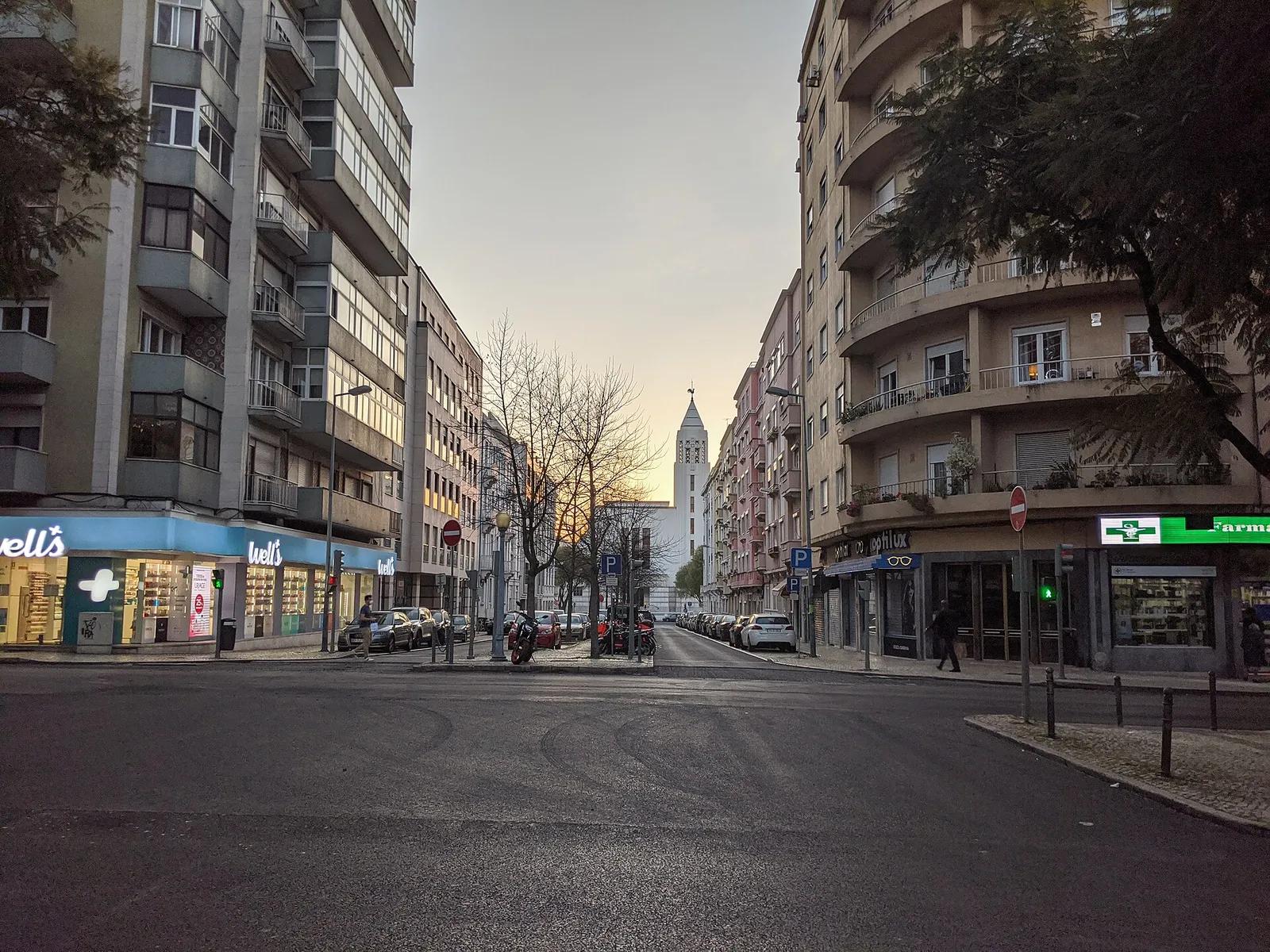
Outside No. 96 Avenida Barbosa du Bocage, in Lisbon's Avenidas Novas, on the block between the Avenida da República and the Avenida 5 de Outubro. It was the house of Salazar's friend Josué Trocado, whose private chapel he attended on Sundays.
On the timeline
Open the timelineNearby moments from dictatorship and the estado novo (1926–1974).
Sailors of the Organização Revolucionária da Armada, linked to the clandestine Communist Party, seize the warships Afonso de Albuquerque and Dão in the Tagus, demanding the reinstatement of 17 expelled comrades. Shelled by the forts at Almada and Alto do Duque, both ships surrender; 5 to 12 men die, and 34 mutineers are among the first prisoners of the new Tarrafal camp.
The steamer Luanda lands the first 152 political prisoners at the Tarrafal concentration camp on Santiago island in Cape Verde, among them Marinha Grande strikers and sailors from the September mutiny. The 'camp of slow death' operated until 1954 and again from 1961 to 1974.
Afonso Costa dies in exile in Paris, aged 66. Leader of the Democratic Party and three times head of government of the First Republic, he wrote the 1911 Law of Separation of Church and State and, as finance minister, closed two budgets in surplus. After the 1926 coup he opposed the dictatorship from Paris.
The 1937 bomb attack on Salazar
Anarchists including Emídio Santana detonate a bomb hidden in a sewer on Avenida Barbosa du Bocage in Lisbon as António de Oliveira Salazar steps out of his car to attend Sunday Mass at a friend's private chapel. The blast goes off only a few metres away but the dictator is unhurt; thanksgiving Masses are said across the country and the failed attack burnishes his providential image.
Jorge Nuno Pinto da Costa is born in Porto. President of FC Porto for 42 years, from 1982 to 2024, he oversaw two European Cups (1987 and 2004), two UEFA Cup/Europa League titles and more than 20 league championships, and turned the club into the dominant force in Portuguese football. He died in February 2025.
Film-maker João César Monteiro is born in Figueira da Foz. The great provocateur of Portuguese cinema, he won a Silver Lion at Venice for 'Recordações da Casa Amarela' (1989), playing his own lecherous alter ego, João de Deus, and later scandalised audiences with 'Branca de Neve', a film that is largely a black screen.
Portugal and Spain sign the Treaty of Friendship and Non-Aggression (Iberian Pact) in Lisbon, each promising to respect the other's borders and not to help an attacker. Salazar later used it to press Franco's Spain to stay out of the Second World War.
Coming up in history
All long reads 6 July 2010Matilde Rosa Araújo, teacher and children's writer, dies in Lisbon: 6 July 2010
 7 July 1923Guerra Junqueiro, the poet who mocked God and king, dies in Lisbon
 8 July 1832The landing at Mindelo: Dom Pedro's 7,500 come ashore, 8 July 1832
 9 July 1955Alves dos Reis and the banknote fraud that shook Portugal in 1925
23 sources
Archives, scholarship and reporting this article was checked against.
- 1Salazar. A história e os detalhes do atentado à bomba de 1937 de que o ditador escapou (excerpt from António Araújo, Matar o Salazar: o atentado de julho de 1937)Observador, 1 November 2017 (book: Tinta-da-China, 2017)
- 2O atentado de 1937 contra Salazar e as consequências para o PCP (excerpt from Arnaldo Madureira, Os Anos Esquecidos: a refundação do Partido Comunista Português)Observador, 22 October 2019 (book: Clube do Autor, 2019)
- 3Diários de Salazar: 4 July 1937, “Dia do atentado à bomba contra Salazar”Público, interactive edition of Salazar's diaries (Arquivo Nacional Torre do Tombo)
- 4
1937: O Atentado a Salazar (João Madeira), publisher's descriptionA Esfera dos Livros, May 2013
- 5
Lisboa, 1920: vida sindical e condição operária. Entrevistas com Emídio Santana (Luís Salgado de Matos)Análise Social, vol. XVII (67-68), 1981, pp. 927-986
- 6
Emídio Santana (biography by Helena Pato with Teresa Guimarães Rodrigues)Memória Comum, database of political prisoners
- 7
Atentado a Salazar (#nestedia)Museu do Aljube: Resistência e Liberdade (EGEAC), 4 July 2026
- 8
O Essencial sobre a PIDE (Irene Flunser Pimentel)Imprensa Nacional, 2023
- 9O dia em que Salazar sofreu um atentadoDiário de Notícias (archive feature), 21 October 2018
- 10
- 11
Crónicas de guerra: la matanza de Badajoz y la batalla del Alcázar de Toledo en la prensa portuguesa (Clara Sanz-Hernando)Ler História, no. 77 (2020), pp. 159–180
- 12Tinta-da-China recupera memórias de anarcossindicalista e “homem bom” Emídio Santana (Lusa)RTP Notícias, 16 February 2024
- 13
- 14
- 15
A Rua Emídio Santana, o homem que atentou contra Salazar em 1937Toponímia de Lisboa (Câmara Municipal de Lisboa), 16 March 2016
- 16
- 17
António Araújo publica ensaio sobre o atentado a Salazar em 1937 (Lusa)TSF, 16 November 2017
- 18
- 19
- 20
- 21
- 22
- 23O Atentado (drama series, 10 episodes)RTP Play, 2020
Image credits
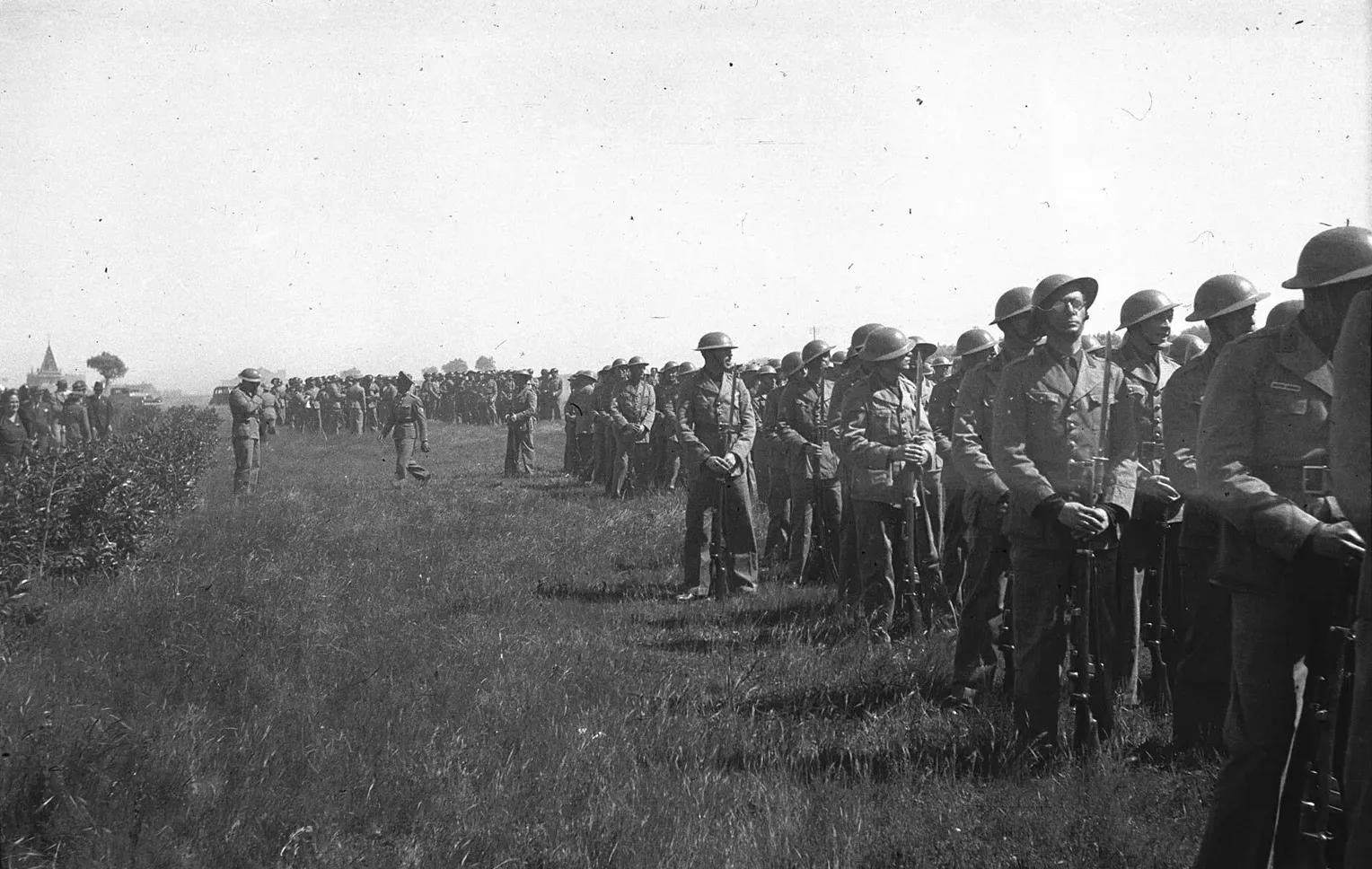
- Men of the Portuguese Legion, the Estado Novo's militia, drawn up at Lisbon's racecourse for a review by Salazar and his government, in a press photograph distributed by the Agence Meurisse in April 1937. Three months later the Legion and the Mocidade Portuguesa organised the night parade that celebrated his escape. Agence de presse Meurisse. Agence photographique (commanditaire), Public domain, via Wikimedia Commons.
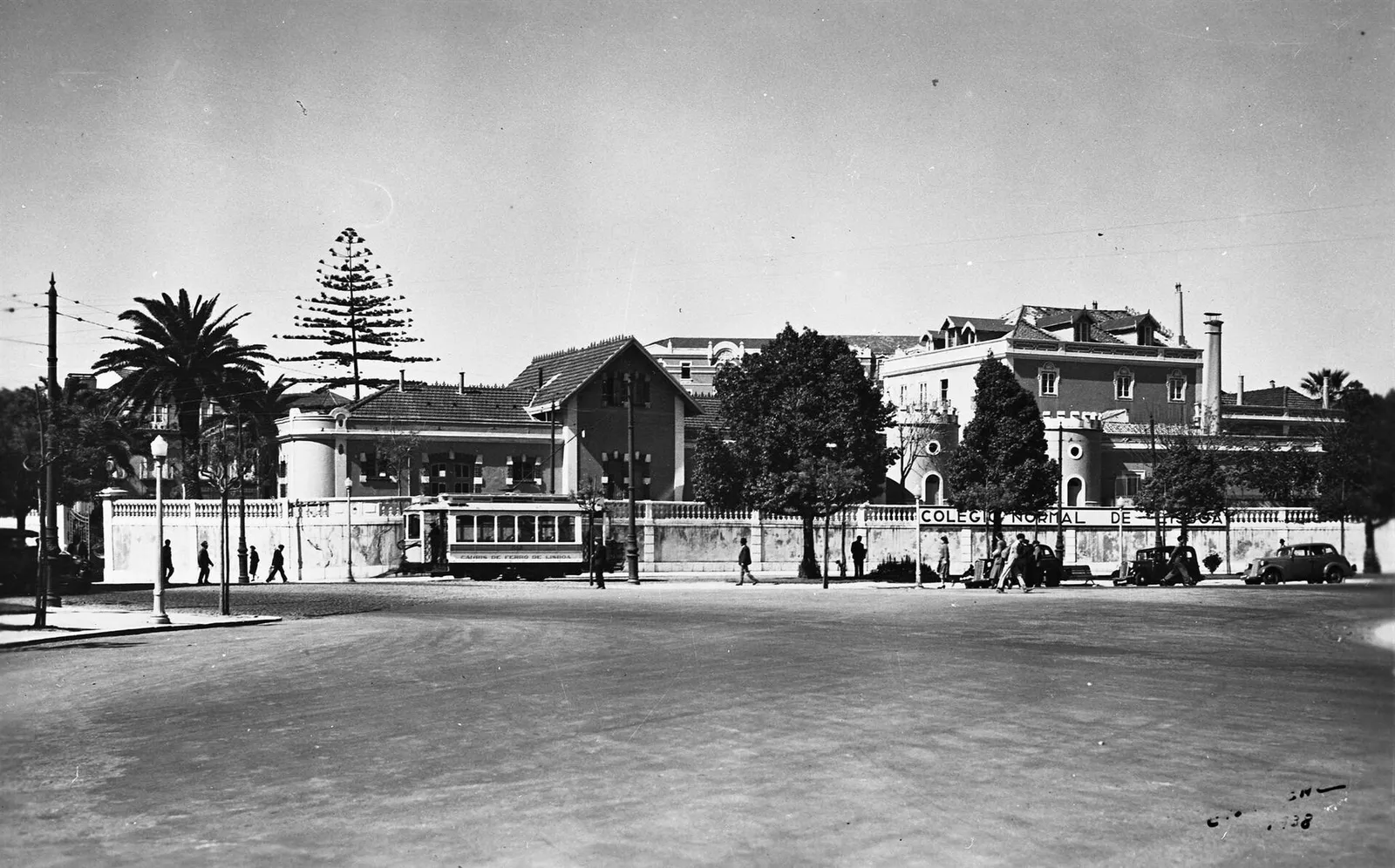
- Praça Duque de Saldanha, at the southern edge of the Avenidas Novas, photographed by Eduardo Portugal in 1938. Avenida Barbosa du Bocage lies further north, off the Avenida da República. Eduardo Macedo Portugal, Public domain, via Wikimedia Commons.
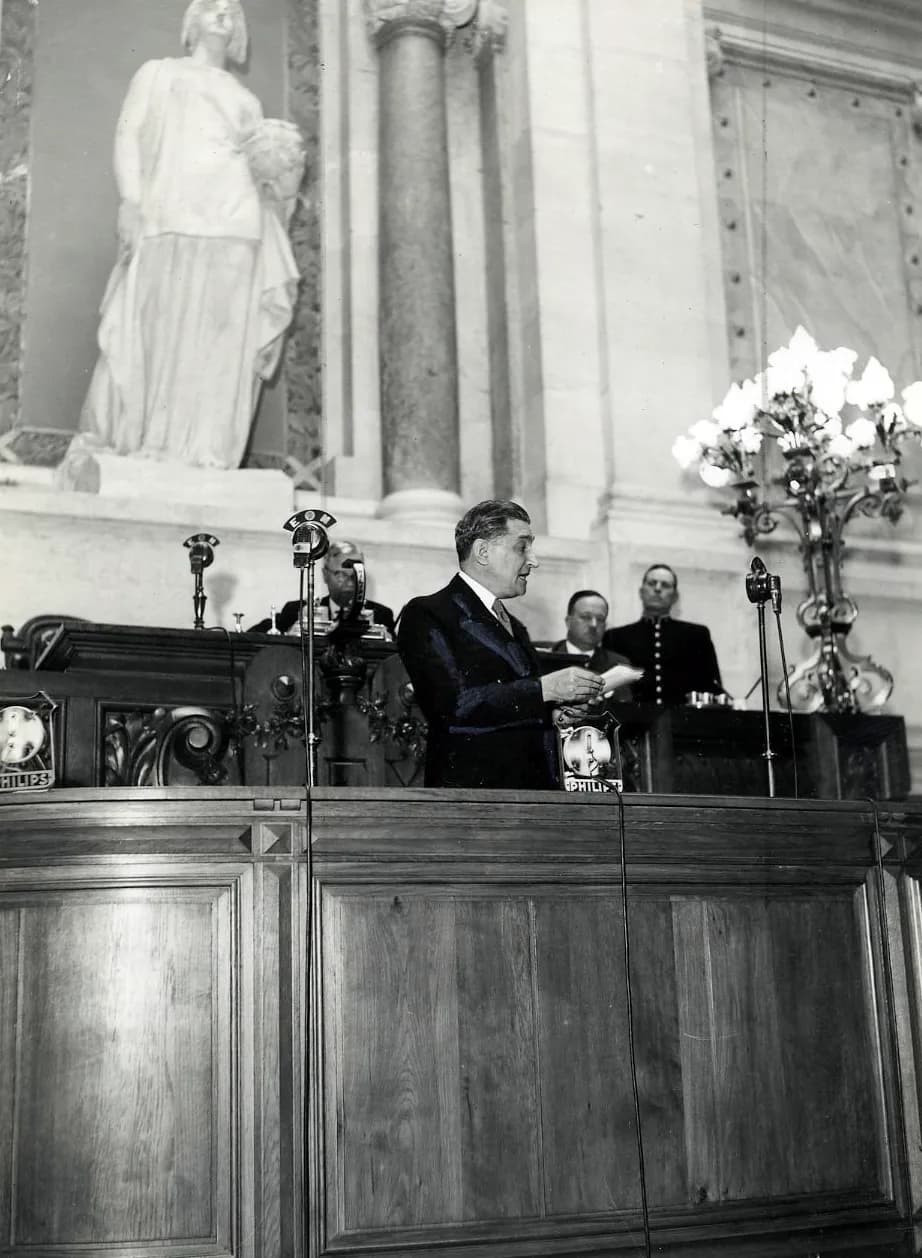
- Salazar speaking in the Sala das Sessões of the Palácio de São Bento at the close of the first legislature of the National Assembly, 28 April 1938, ten months after the attack. Unknown author, Public domain, via Wikimedia Commons.
- The crossing of Avenida Barbosa du Bocage and Avenida 5 de Outubro in March 2020. Daniel from Glasgow, United Kingdom, CC BY 2.0, via Wikimedia Commons.
- The Museu do Aljube, Resistência e Liberdade, in the former Aljube prison in Lisbon, in May 2017. Santana was booked into the prison on 19 October 1937. Ardfern, CC BY-SA 4.0, via Wikimedia Commons.