

Salvador Sobral and Portugal’s first Eurovision win, 53 years on
Portugal had entered the Eurovision Song Contest 48 times without winning. In May 2017 a jazz singer from Lisbon stood almost still in Kyiv, sang his sister’s ballad in Portuguese and topped both the juries and the public vote.
At a glance
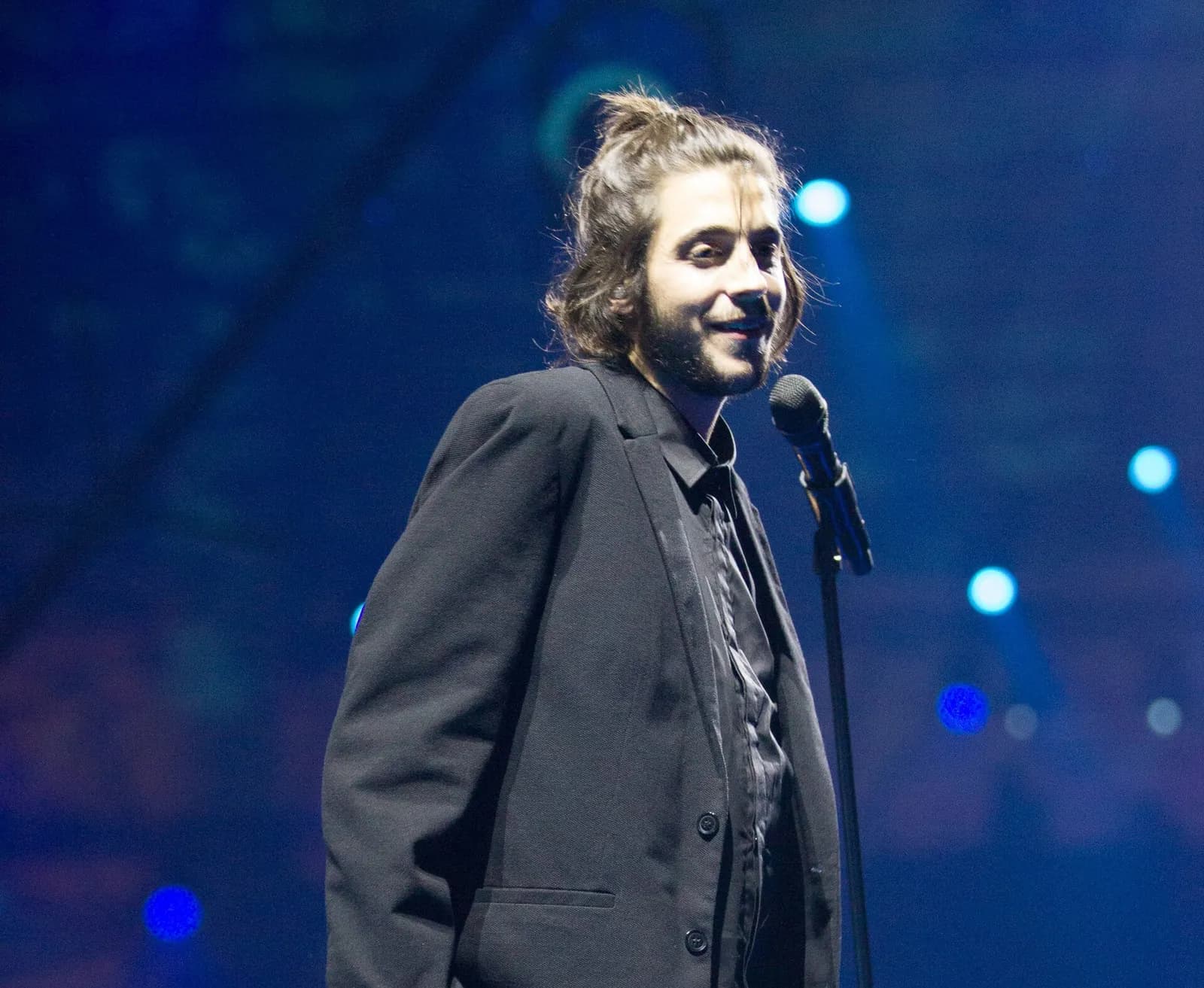
- Salvador Sobral was born in Lisbon on 28 December 1989. In 2017, aged 27, he won the Eurovision Song Contest in Kyiv with ‘Amar pelos dois’, written by his sister Luísa Sobral.
- It was Portugal’s first win after 53 years in the contest, which it had first entered in 1964. No country had waited longer for a victory.
- The song scored 758 points, 382 from national juries and 376 from viewers, and came first in both votes. Bulgaria was second with 615. No song has scored more under the voting system introduced in 2016.
- Months later, in September 2017, Sobral paused his career for health reasons. He had a heart transplant at the Hospital de Santa Cruz, near Lisbon, on 8 December 2017.
- Lisbon hosted Eurovision for the first time in May 2018, at the Altice Arena in the Parque das Nações, and Sobral sang his song again at the final with Caetano Veloso.
A quiet song in Kyiv
Saturday 13 May 2017 had already been a long day for Portugal. In the morning Pope Francis canonised the shepherd children Francisco and Jacinta Marto at Fátima. In the afternoon Benfica won a fourth league title in a row in Lisbon, a first for the club. That night, in the International Exhibition Centre in Kyiv, a 27-year-old singer called Salvador Sobral walked out eleventh of 26 finalists in the Eurovision Song Contest.
He did almost nothing that Eurovision acts usually do. There were no dancers, no costume change and no pyrotechnics. In a baggy dark jacket, his hair tied up, he stood at the microphone and sang a slow love song in Portuguese, written by his sister. Anastasia Tsioulcas of NPR Music said it made her think of 1970s love songs and film soundtracks.
When the votes were counted, ‘Amar pelos dois’ (‘Love for both of us’) had 758 points, 143 more than Bulgaria in second place. The national juries had put it first and so had the viewers. Portugal, which had been entering the contest since 1964 and had never finished higher than sixth, had won it.
The Ukrainian singer Jamala, who had won the year before, handed Sobral the glass microphone trophy. He took the stage microphone and, in English, told nearly 10,000 people in the hall and an estimated 200 million watching on television what he thought of most of the music they had heard that night.
Fifty-three years of trying
The Eurovision Song Contest is run by the European Broadcasting Union (EBU), an alliance of public broadcasters. It has been held every year since 1956 except 2020, when the contest was cancelled. Each country sends one song, and the countries award one another points but may not vote for themselves. RTP, Portugal’s public broadcaster, first took part in the ninth contest, in Copenhagen on 21 March 1964.
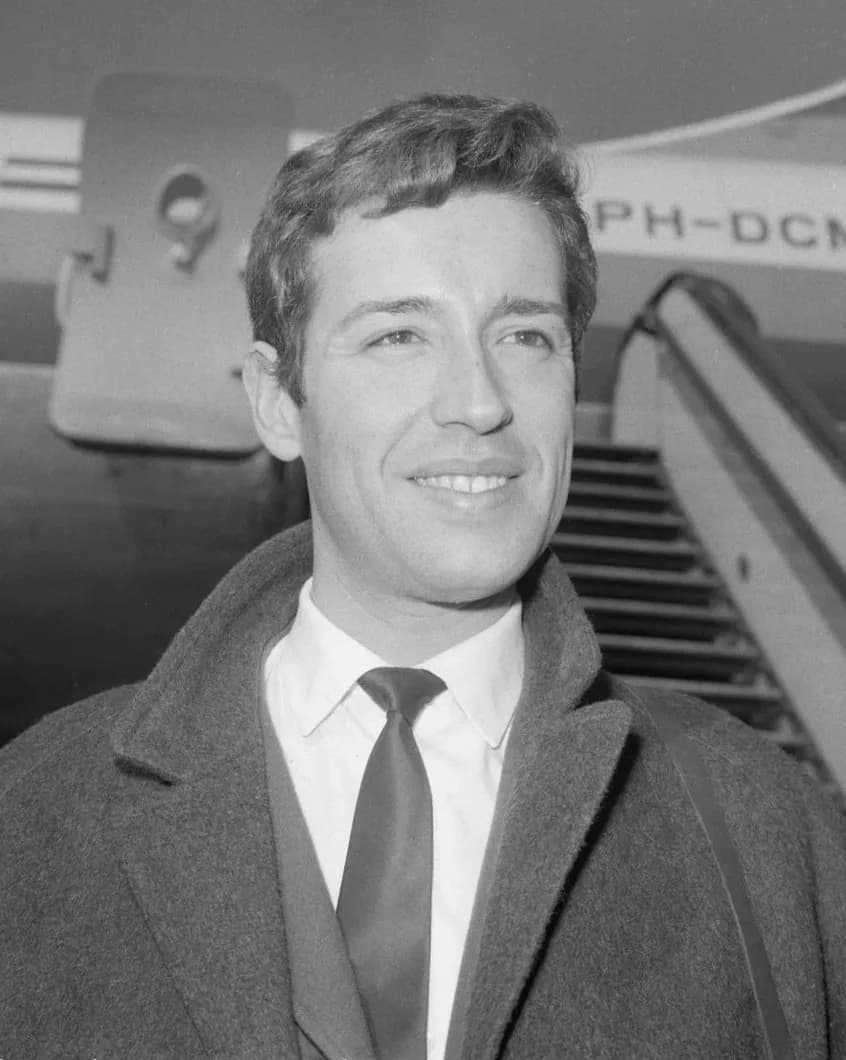
To choose its singer RTP created a televised competition, the Festival da Canção. Its first winner was António Calvário, a crooner voted ‘King of Radio’ in five different years, with the ballad ‘Oração’ (‘Prayer’). In Copenhagen he scored no points at all. The night was also interrupted by a man who walked on stage during the Swiss song holding a banner that read “Boycott Franco and Salazar”, the dictators who then ruled Spain and Portugal.
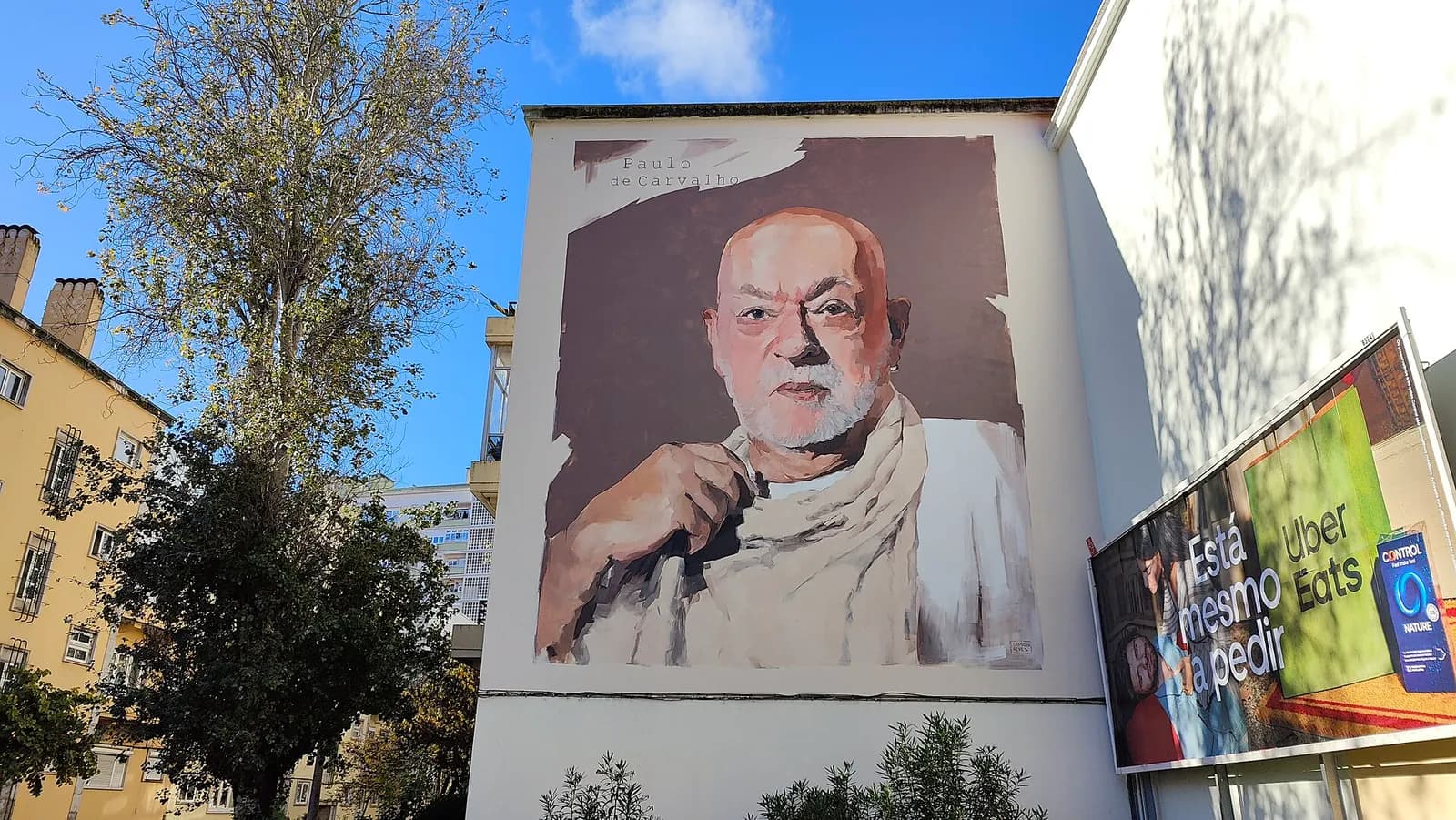
Ten years later Portugal sent a song that the country remembers better than any of its early entries. On 6 April 1974 in Brighton, Paulo de Carvalho sang ‘E depois do adeus’ (‘And after the goodbye’), with music by José Calvário and words by José Niza. It finished joint last with three points, on the night ABBA won with ‘Waterloo’.
Less than three weeks later it was used to start a revolution. Junior officers of the Armed Forces Movement (MFA), tired of 13 years of colonial war in Africa, had planned a coup against the Estado Novo, the authoritarian regime founded by António de Oliveira Salazar and then led by Marcelo Caetano. They needed a signal every unit could hear at once.
“This plan is going ahead… there’s no turning back.”
At 10.55pm on 24 April 1974 the announcer João Paulo Diniz played ‘E depois do adeus’ on Emissores Associados de Lisboa, a station heard across greater Lisbon. At 12.20am a second signal, José Afonso’s ‘Grândola, Vila Morena’, went out across mainland Portugal on the Catholic station Rádio Renascença. Less than 24 hours after the first signal, the regime had fallen.
On the scoreboard the following decades were thin. Portugal’s best results were seventh places for Carlos Mendes in 1972 and José Cid in 1980, until Lúcia Moniz came sixth in 1996 with ‘O meu coração não tem cor’. A year later Célia Lawson scored no points. The country missed the contest in 1970, 2000, 2002, 2013 and 2016, and after semi-finals began in 2004 it often failed to reach the Saturday final at all.
| Year | Singer | Song | Result |
|---|---|---|---|
| 1964 | António Calvário | Oração | 13th of 16, joint last, 0 points |
| 1972 | Carlos Mendes | A Festa Da Vida | 7th, 90 points |
| 1974 | Paulo de Carvalho | E Depois Do Adeus | 14th, joint last, 3 points |
| 1980 | José Cid | Um Grande, Grande Amor | 7th, 71 points |
| 1996 | Lúcia Moniz | O Meu Coração Não Tem Cor | 6th, 92 points |
| 1997 | Célia Lawson | Antes do Adeus | 24th, 0 points |
| 2008 | Vânia Fernandes | Senhora Do Mar (Negras Águas) | 13th, 69 points |
| 2017 | Salvador Sobral | Amar Pelos Dois | 1st, 758 points |
| 2018 | Cláudia Pascoal | O Jardim | 26th (last) as host, 39 points |
Placings and points from the EBU’s official participation history. The scoring system changed several times, so points from different years cannot be compared. Song titles are capitalised as the EBU lists them.
By 2016 Portugal held the record for the most appearances without a victory. It sat out the contest that year, and RTP relaunched the Festival da Canção for 2017, presenting it as a renewed window for Portuguese songwriters and singers.
A song written for her brother
Salvador Sobral was born in Lisbon on 28 December 1989, the younger brother of the singer-songwriter Luísa Sobral. At 10 he sang on the SIC talent show Bravo Bravíssimo, and at 19 he reached the last eight of Ídolos, the Portuguese version of the Idol format, before he was voted out. He has said such contests are fleeting and soon forgotten.
He studied psychology, and in 2011, on an Erasmus exchange in Mallorca, he began singing in bars and hotels. He moved to Barcelona to study jazz at the Taller de Músics school, where he discovered the trumpeter and singer Chet Baker. His early shows were inspired by Baker and drew on Brazilian bossa nova. His first album, ‘Excuse Me’, appeared in 2016, co-produced by Sobral with the pianist Júlio Resende and the Venezuelan composer Leonardo Aldrey.
For the 2017 Festival da Canção, RTP invited 16 composers and asked each to choose a performer. Luísa Sobral, a graduate of Berklee College of Music, picked her brother. In the final at the Coliseu de Lisboa on Sunday 5 March 2017, a combined vote of regional juries and the public sent ‘Amar pelos dois’ to Kyiv. Lusa’s report of the final said it led both votes; the agency’s review of the year said it topped the juries and came second with the public.
The song is a plea to a lost lover, sung in the first person. Observador called it a piano-bar ballad, written so that the space between low and high notes leaves the listener waiting for the next line. It ends with the line that gives it its title.
“My heart can love for both of us instead.”
Not everyone thought it could win. Nuno Markl, a radio presenter who sat on the jury that sent the song through its heat, complained in April that self-appointed Eurovision experts were predicting another sad Portuguese song that would lose. He shared an article in the Spanish newspaper El País that praised Sobral. Other foreign coverage followed, and by the semi-finals several bookmakers had the song second. On the eve of the final they made it favourite.
Sobral reached Kyiv only on Sunday 7 May. Luísa stood in for him at the first rehearsals, and the two attended the opening event together. On Tuesday 9 May he won the first semi-final with 370 points. Portugal was back in a Eurovision final for the first time since 2010.
The night of 758 points
Since 2016 each country in the final has given two separate sets of points, one from a national jury and one from viewers. Under that system Portugal’s 758 was the highest total any song had scored, beating the 534 of Jamala’s ‘1944’ a year earlier. It included 30 maximum scores of 12 points.
Nine years on, it is still the record. The nearest any song has come is 631, for Kalush Orchestra’s ‘Stefania’ for Ukraine in 2022, and the winners of 2025 and 2026 scored 436 and 516.
Top five in the Eurovision final, Kyiv, 13 May 2017
points
- Jury points
- Televote points
Jury and televote points for the five highest-placed songs, from the EBU’s official Grand Final scoreboard. Totals: Portugal 758, Bulgaria 615, Moldova 374, Belgium 363, Sweden 344.
Show the data
| Jury points | Televote points | |
|---|---|---|
| Portugal | 382 | 376 |
| Bulgaria | 278 | 337 |
| Moldova | 110 | 264 |
| Belgium | 108 | 255 |
| Sweden | 218 | 126 |
Portugal’s own split was unusually even, and it topped both votes. Bulgaria’s Kristian Kostov came second with both. Moldova’s ‘Hey Mamma’, with its saxophone player, was third with viewers but won only 110 jury points. Portugal’s was also the first winning song performed entirely in a native language since 2007.
Sobral’s speech after the result was short and pointed. He said it in English, so the words below are his own.
“I want to say that we live in a world of disposable music, fast food music without any content. And I think this could be a victory for music with people that make music that actually means something. Music is not fireworks. Music is feeling.”
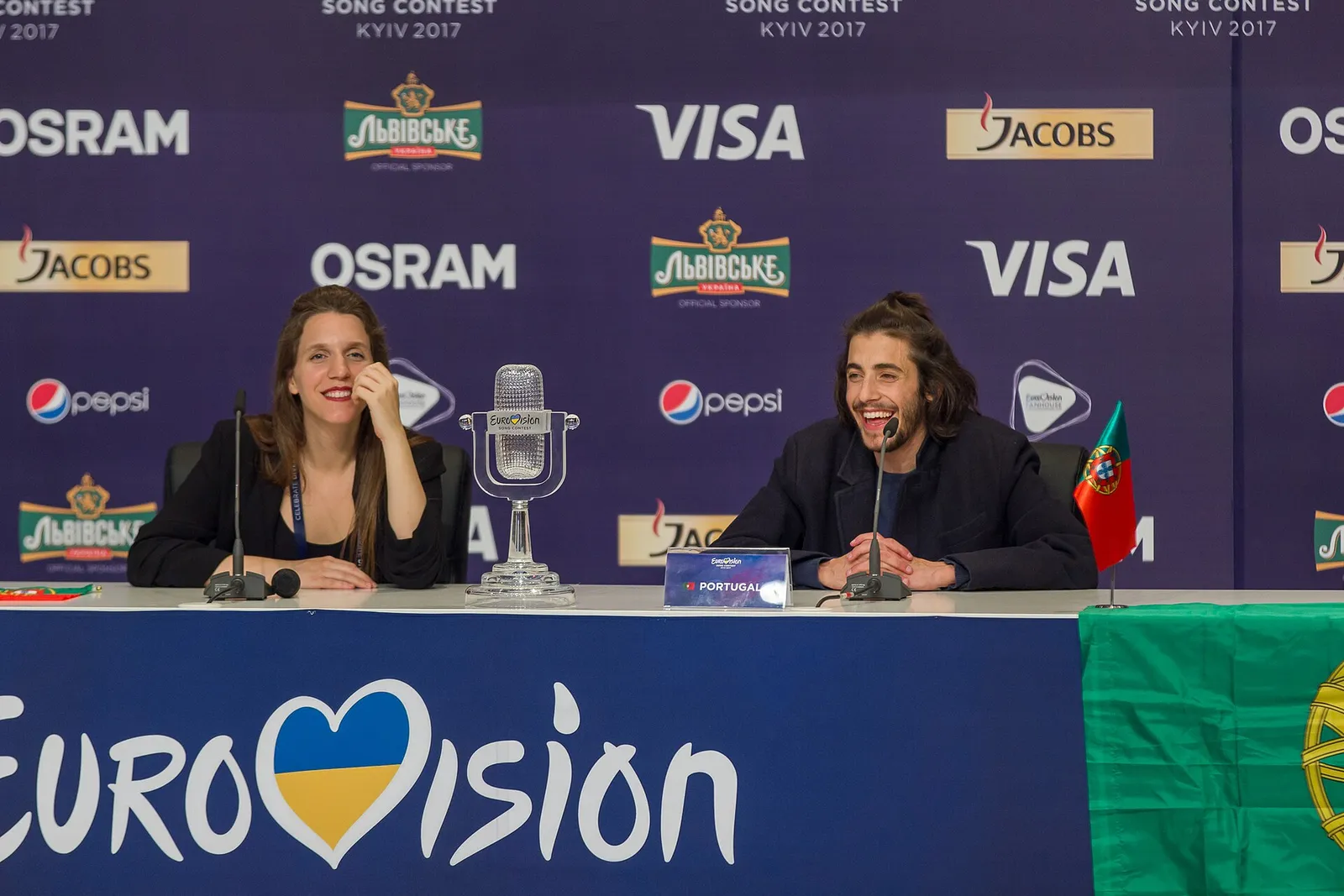
The EBU’s press release quoted the core of it: “music is not fireworks”, “music is feeling” and “let’s bring music back”. Sobral then asked for his sister to come up, told the audience they ought to hear her, and the two sang ‘Amar pelos dois’ together in a hall that had gone quiet.
- Date
- 13 May 2017, International Exhibition Centre, Kyiv
- Song
- ‘Amar pelos dois’, words and music by Luísa Sobral
- Running order
- 11th of 26 finalists
- Result
- 758 points: 382 from juries, 376 from viewers
- Margin
- 143 points ahead of Bulgaria (615)
- Countries
- 42 entered; 26 reached the final
Sobral also used his time in Kyiv to speak up for refugees: at a press conference during the semi-final week he wore a sweatshirt reading “S.O.S. Refugees”. The day after the final, he and Luísa were met at Lisbon airport by hundreds of people. His concert dates sold out, and more were added around the country.
A pause, a transplant and a return
On 6 September 2017 Sobral posted a video saying he was stopping work to treat a health problem, that he could not say for how long, and asking for his privacy to be respected. He was to give a last concert before the break, free, in the gardens of the Casino Estoril that Friday.
“I will be back soon. Everything will be all right.”
On 8 December 2017 he had a heart transplant at the Hospital de Santa Cruz in Carnaxide, just outside Lisbon. The hospital group, the Centro Hospitalar de Lisboa Ocidental, announced on 12 January 2018 that he had been discharged the day before after a “very satisfactory” recovery without complications, though he still had to avoid large crowds.
In February 2018 he spoke about it on RTP. He said he could not put into words what he felt on waking, admitted he had been afraid, and said his voice had become more fragile but that he expected it to recover. He had ended 2017 with a European Border Breakers Award and, with Luísa, the Foreign Press Association’s personality of the year prize.
“The heart is a muscle; the soul is the same.”
Eurovision comes to Lisbon
The winner’s country usually hosts the next contest, so in May 2018 Eurovision came to Portugal for the first time. RTP staged it at the Altice Arena in the Parque das Nações, the former Expo ’98 site in eastern Lisbon, with semi-finals on 8 and 10 May and the final on 12 May. Forty-three countries took part, one of the largest fields to that date.
The slogan was ‘All Aboard!’, and the stage design drew on Portugal’s seafaring past. Unusually, there were no big LED screens; the show relied on lighting and moving structures instead. Four women presented it: Filomena Cautela, Sílvia Alberto, Daniela Ruah and Catarina Furtado. The fado singers Ana Moura and Mariza performed in the intervals.
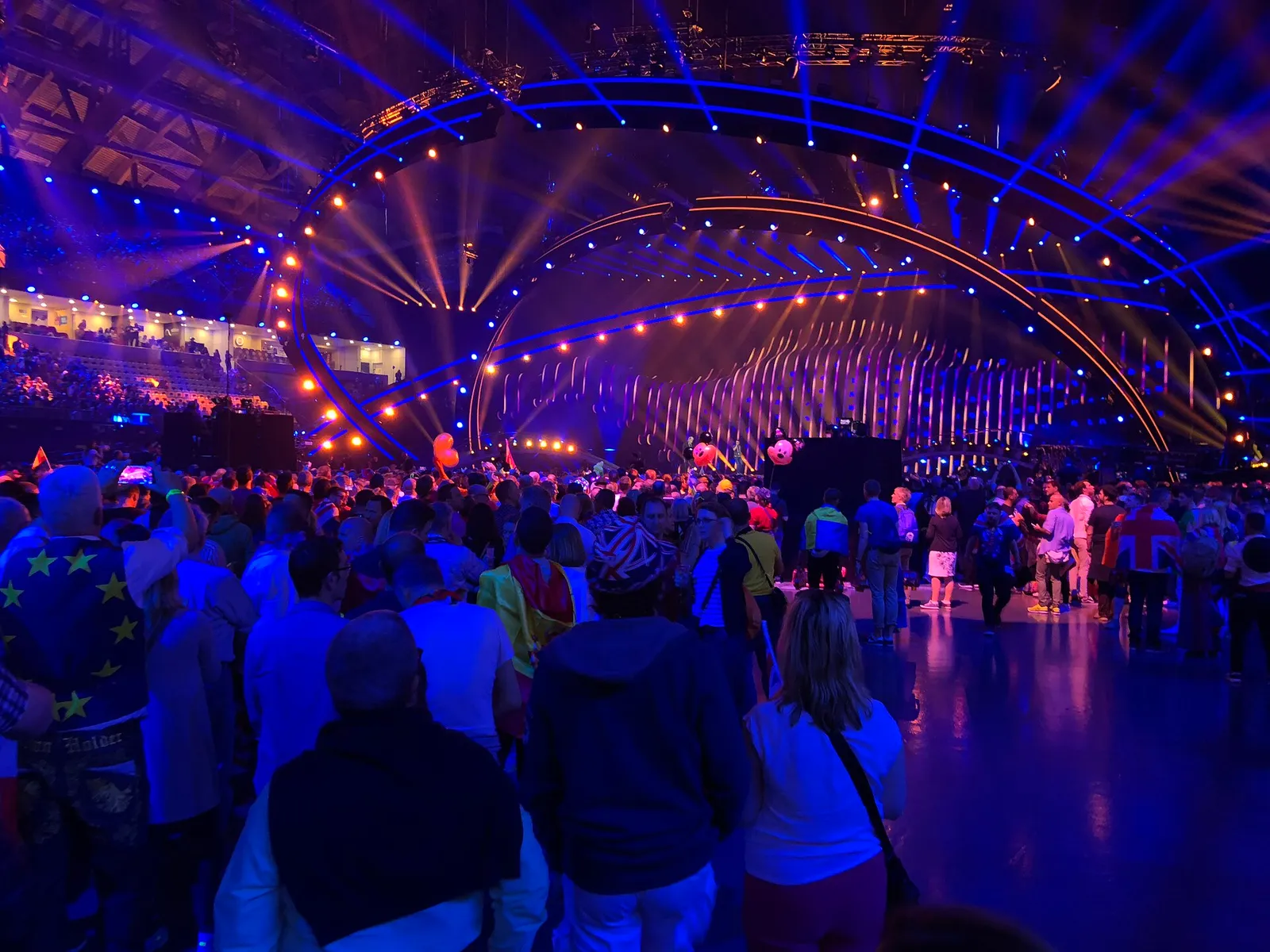
On the night of the final Sobral came back to the stage that his win had brought to Lisbon. With Júlio Resende at the piano, he sang ‘Amar pelos dois’ with the Brazilian singer Caetano Veloso, as RTP had announced a month earlier. Israel’s Netta won with ‘Toy’. Portugal’s own entry, Cláudia Pascoal’s ‘O Jardim’, came last of 26 with 39 points.
A few weeks earlier, on 23 April 2018, President Marcelo Rebelo de Sousa had made Luísa and Salvador Sobral commanders of the Order of Merit for what he called, in Portuguese, an “êxito singular”, a singular success. He praised a fragile song far from pyrotechnics and said the win mattered in a country so often chronically pessimistic.
After the contest
Alongside his solo work, Sobral sang in Alexander Search, a project with Júlio Resende built on poems by one of Fernando Pessoa’s heteronyms, the invented authors under whose names Pessoa wrote. His solo albums since ‘Excuse Me’ are ‘Paris, Lisboa’ (2019), ‘bpm’ (2021), which was nominated for a Latin Grammy, and ‘Timbre’, toured in Brazil in 2023.
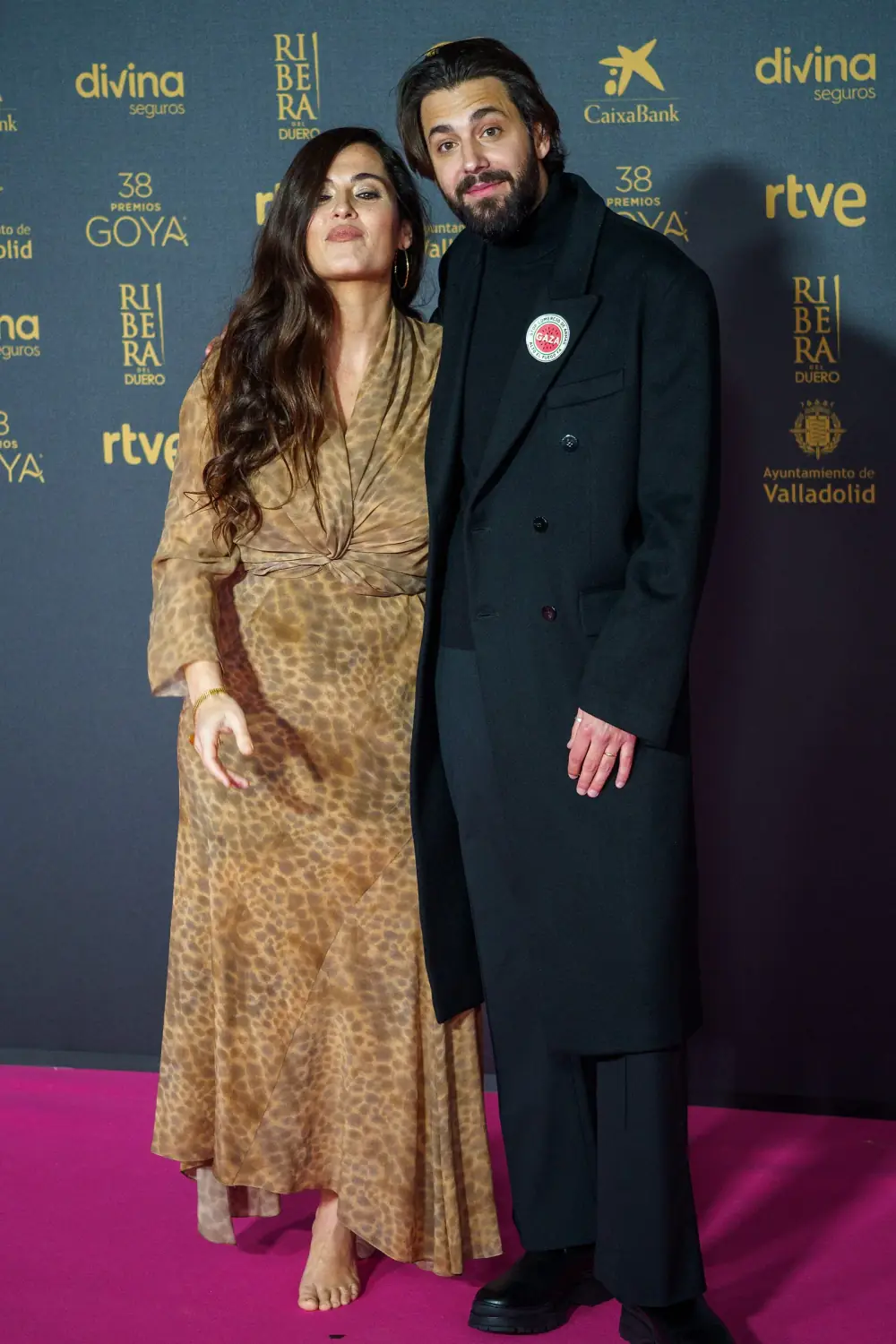
In 2024, his official biography says, he became the first Portuguese artist to perform at Spain’s Goya film awards. In 2025 he released a joint album with the Catalan singer Sílvia Pérez Cruz and toured Europe, Latin America and Japan with her. A fifth studio album of new songs by Brazilian composers, ‘A Flor do Recomeço’, was due in the second half of 2026.
Portugal’s results at Eurovision have been steadier since 2017. After failing to qualify in 2019, it reached the final every year from 2021 to 2025, with ninth place for MARO’s ‘Saudade, Saudade’ in 2022 and tenth for iolanda’s ‘Grito’ in 2024, before going out in the 2026 semi-final.
The EBU’s history of the contest records 2017 as the end of the longest wait for victory by any participating country. Sobral’s double first also stood alone for nine years: no winner topped both the juries and the public again until Bulgaria’s DARA, with ‘Bangaranga’, in Vienna in 2026.
21 March 1964
Portugal’s debut
António Calvário sings ‘Oração’ in Copenhagen and scores no points.
6 April 1974
‘E depois do adeus’
Paulo de Carvalho finishes joint last in Brighton.
24 April 1974, 10.55pm
Coup signal
The song is broadcast in Lisbon as the first signal of the Carnation Revolution.
28 December 1989
Birth
Salvador Sobral is born in Lisbon.
1996
Best result before 2017
Lúcia Moniz comes sixth with ‘O meu coração não tem cor’.
5 March 2017
Festival da Canção
‘Amar pelos dois’ wins RTP’s selection.
13 May 2017
Victory in Kyiv
758 points, first with juries and viewers.
8 December 2017
Heart transplant
Hospital de Santa Cruz, Carnaxide.
12 May 2018
Lisbon final
Sobral sings with Caetano Veloso at the Altice Arena.
FAQs
How many points did Salvador Sobral score at Eurovision 2017?
‘Amar pelos dois’ scored 758 points in the final in Kyiv on 13 May 2017: 382 from the national juries and 376 from viewers. It was 143 points ahead of Bulgaria. Guinness World Records lists it as the highest total under the voting system introduced in 2016, and no song beat it in 2025 or 2026.
Who wrote ‘Amar pelos dois’?
Salvador’s older sister, the singer-songwriter Luísa Sobral, wrote both the words and the music. She chose her brother to sing it when RTP invited her to compose for the 2017 Festival da Canção, and she joined him on stage to sing it again after the win.
What did Salvador Sobral say when he won Eurovision?
Speaking in English, he said that “we live in a world of disposable music, fast food music without any content”, and added: “Music is not fireworks. Music is feeling.” He then called his sister to the stage to sing the song with him.
Why is ‘E depois do adeus’ linked to the 25 April revolution?
Portugal’s 1974 Eurovision entry was broadcast on a Lisbon radio station at 10.55pm on 24 April 1974 as the first secret signal for the officers who overthrew the Estado Novo. ‘Grândola, Vila Morena’ followed on Rádio Renascença at 12.20am.
When did Salvador Sobral have his heart transplant?
On 8 December 2017 at the Hospital de Santa Cruz in Carnaxide, near Lisbon, after he had paused his career for health reasons that September. He left hospital on 11 January 2018.
On the timeline
Open the timelineNearby moments from portugal in europe (1986–today).
A devastating fire sweeps through the Chiado, Lisbon's historic shopping district, destroying eighteen buildings including the Grandella and Chiado department stores. It was the worst disaster in central Lisbon since the 1755 earthquake, and the quarter was later rebuilt under architect Álvaro Siza Vieira.
Singer-songwriter Carlos Paião, a qualified doctor who represented Portugal at Eurovision in 1981 with the playful 'Play-back', dies in a road accident on the old Lisbon–Porto road near Rio Maior, aged just 30.
Rosa Mota wins the Olympic marathon in Seoul by thirteen seconds, becoming the first Portuguese woman to win an Olympic gold medal.
Salvador Sobral and Eurovision
Salvador Sobral is born in Lisbon. In 2017 his gentle ballad 'Amar pelos dois', written by his sister Luísa, won the Eurovision Song Contest in Kyiv with a record 758 points. It was Portugal's first win since its 1964 debut, ending the longest losing run in the contest's history. Months later he underwent a heart transplant.
President Mário Soares is re-elected for a second term as President of Portugal.
Angolan President José Eduardo dos Santos and UNITA leader Jonas Savimbi sign the Bicesse Accords in Portugal, mediated by the Portuguese government with US and Soviet observers. The deal briefly halts Angola's civil war and paves the way for multi-party elections in 1992.
Portugal wins the FIFA World Youth Championship (under-20) on home soil at the Estádio da Luz in Lisbon, defeating Brazil on penalties. Back-to-back champions after their 1989 win in Saudi Arabia, the 'Golden Generation' of João Pinto, Rui Costa and Luís Figo heralds a new era of Portuguese football.
Coming up in history
All long reads 30 December 1958Pedro Costa, the Lisbon film-maker who stayed with Fontainhas
 31 December 1998200.482: the day the escudo's rate against the euro was fixed for ever
 1 January 1962The Beja revolt: a New Year's night attack on Salazar's army, 1962
 2 January 1955Norton de Matos, the general who founded Huambo and defied Salazar
35 sources
Archives, scholarship and reporting this article was checked against.
- 1
Kyiv 2017 Grand Final: scoreboard and voting dataEurovision Song Contest (European Broadcasting Union)
- 2
Portugal wins Eurovision Song Contest 2017European Broadcasting Union
- 3
- 4
How Portugal’s 1974 Eurovision entry toppled the country’s fascist regimeThe Observer (Guardian), Alex Fernandes, 21 April 2024
- 5
Eurovision crowns Portugal's Salvador Sobral (All Things Considered transcript, 15 May 2017)NPR
- 62017: O ano em que Portugal venceu o Festival Eurovisão da CançãoDiário de Notícias / Lusa, December 2017
- 7
Salvador Sobral já saiu do hospitalRádio Renascença, 12 January 2018
- 8
- 9
- 10
- 11Salvador e Luísa: a Sobralvisão ganhou por todosObservador, 14 May 2017
- 12
- 13
- 14
- 15
- 16
- 17
O Estado Novo (1933-1974)Assembleia da República
- 18
aCORDE 2026: concert programme (André Santos invites Salvador Sobral, Elisa Silva and Juliana Anjo)Governo Regional da Madeira, Direção de Serviços de Educação Artística
- 19O vencedor que nunca tinha visto um festival da cançãoDiário de Notícias, 8 May 2017
- 20Desistiu de estudar nos EUA pela namoradaCorreio da Manhã, 18 December 2009
- 21
BiographySalvador Sobral (official website)
- 22Canção ‘Amar pelos Dois’, de Salvador Sobral, vence Festival da CançãoObservador / Lusa, 6 March 2017
- 23Salvador Sobral faz o primeiro ensaio em KievCorreio da Manhã, 8 May 2017
- 24
Most points scored at the Eurovision Song Contest (2016-24 scoring system)Guinness World Records
- 25
- 26
- 27
- 28
- 29
- 30De Pavilhão da Utopia a Meo ArenaDiário de Notícias
- 31Salvador Sobral regressa à Eurovisão um ano depois ao lado de Caetano VelosoCorreio da Manhã, 12 May 2018
- 32
- 33
- 34
MEO Arena: history of the venueMEO Arena
- 35
Image credits
- Salvador Sobral on stage at the final dress rehearsal in Kyiv on 12 May 2017, the day before he won the Eurovision Song Contest for Portugal. Roger Dewayne Barkley, EuroVisionary, CC BY-SA 4.0, via Wikimedia Commons.
- António Calvário, Portugal’s first Eurovision singer, arriving at Schiphol airport near Amsterdam on 1 April 1965, a year after he scored no points in Copenhagen. Jack de Nijs for Anefo, CC0, via Wikimedia Commons.
- A mural of Paulo de Carvalho, the singer of ‘E depois do adeus’, painted by Tamara Alves on a building in Lisbon, photographed in October 2022. Tim, CC BY-SA 4.0, via Wikimedia Commons.
- Luísa and Salvador Sobral at the winner’s press conference in Kyiv in the early hours of 14 May 2017, with the glass microphone trophy between them. Wouter van Vliet (Eurovisionary.com), CC BY-SA 4.0, via Wikimedia Commons.
- Fans in the standing area of the Altice Arena on the evening of the Lisbon grand final, 12 May 2018. David Jones, CC BY 2.0, via Wikimedia Commons.
- Sílvia Pérez Cruz and Salvador Sobral on the red carpet of the 38th Goya Awards in Valladolid, 10 February 2024. Pedro J Pacheco, CC BY-SA 4.0, via Wikimedia Commons.